Shareholder Friendly Companies
Description
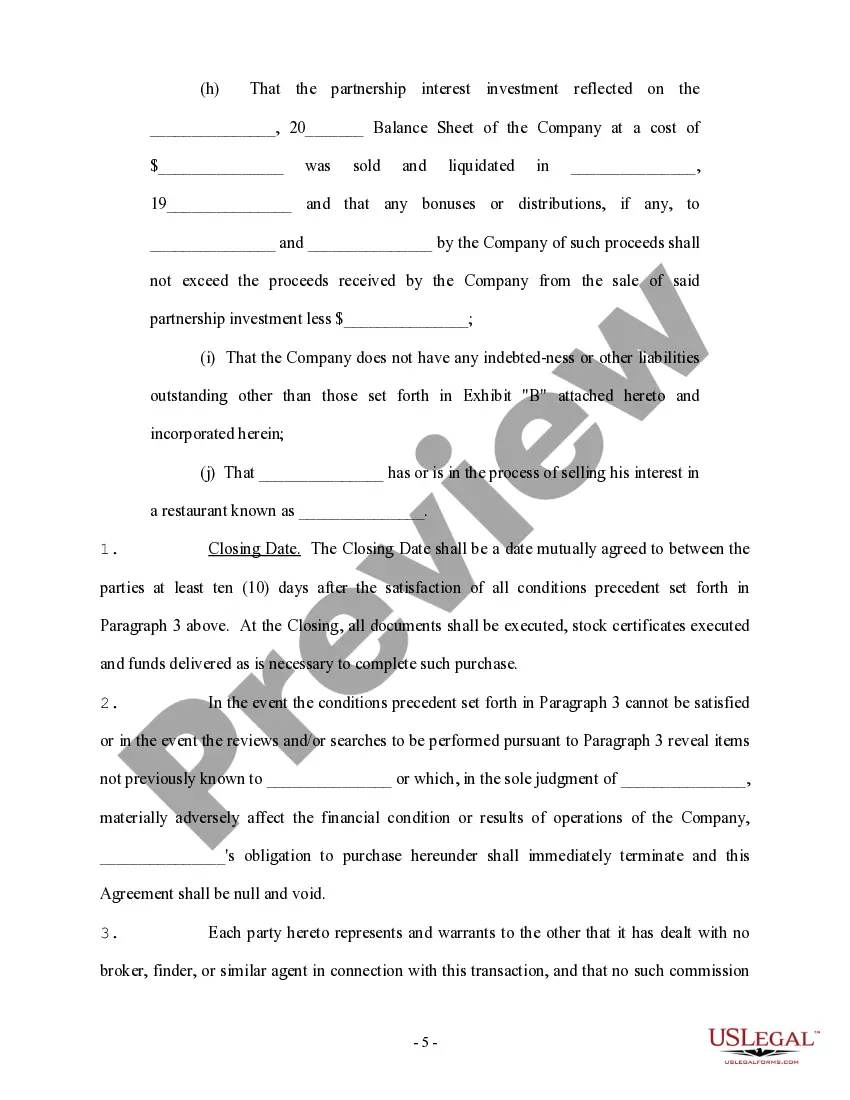
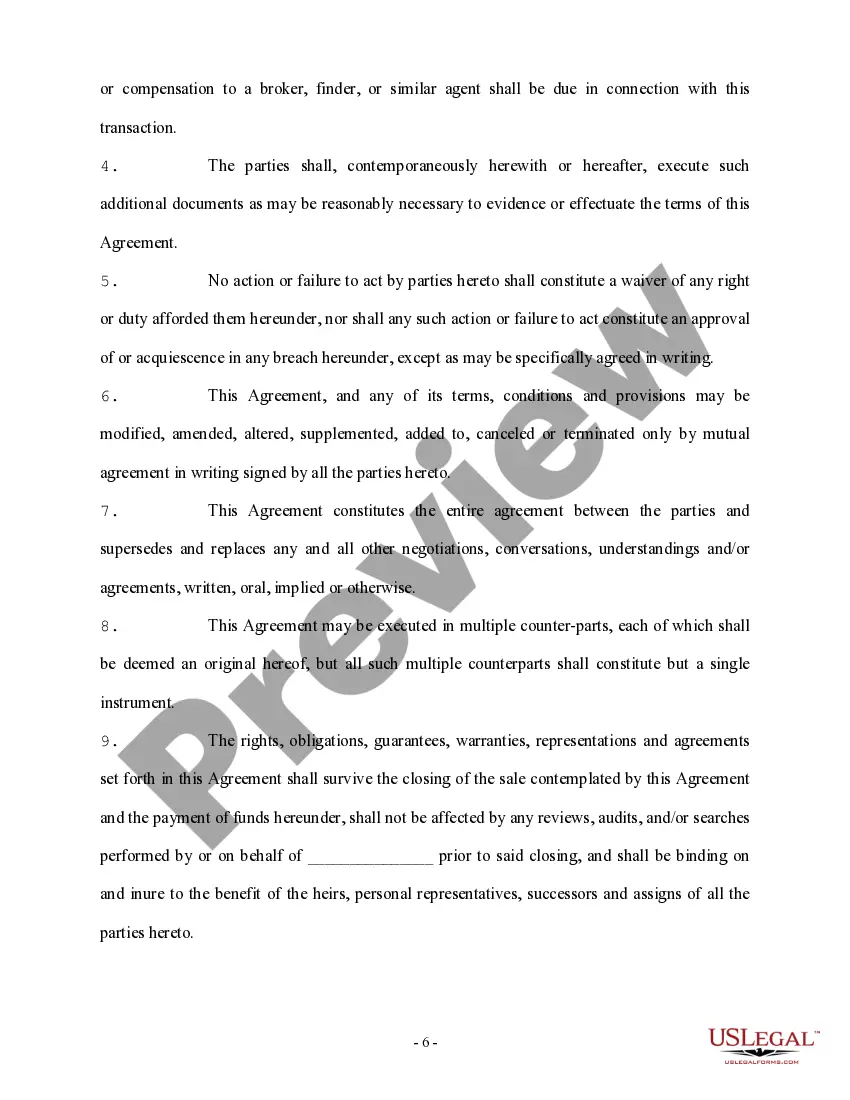
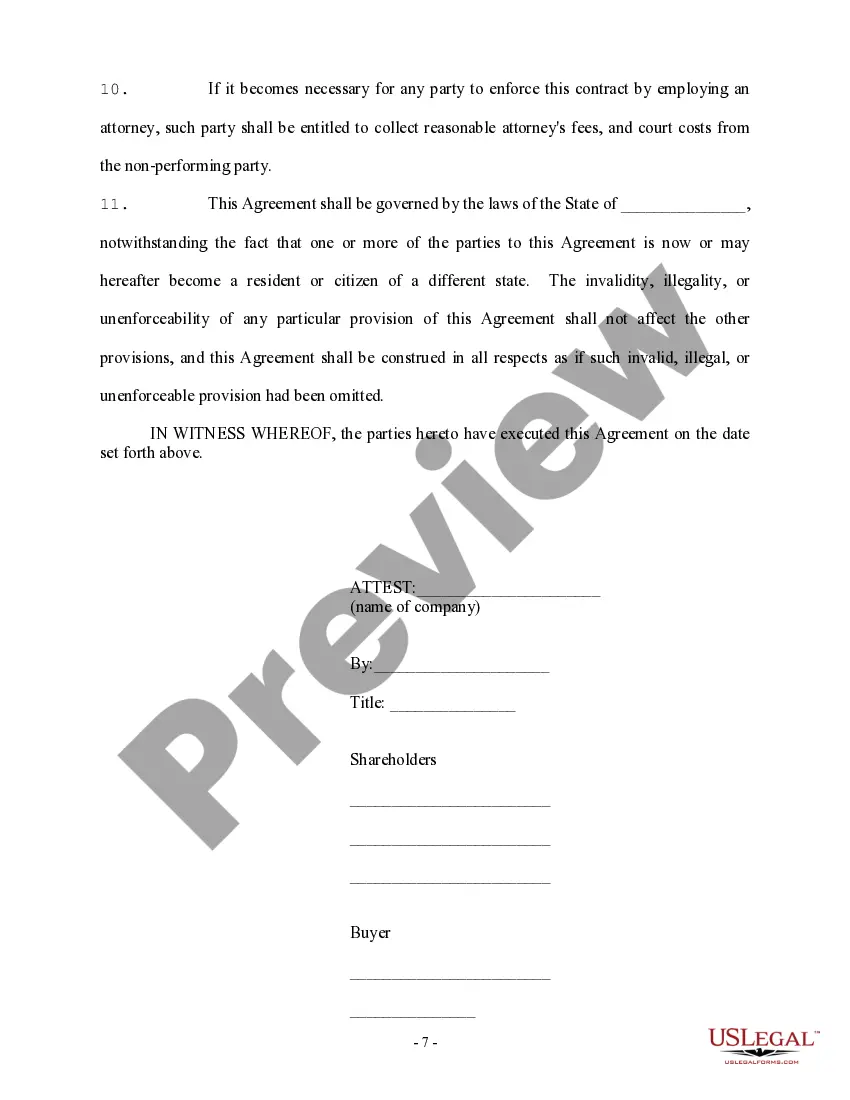

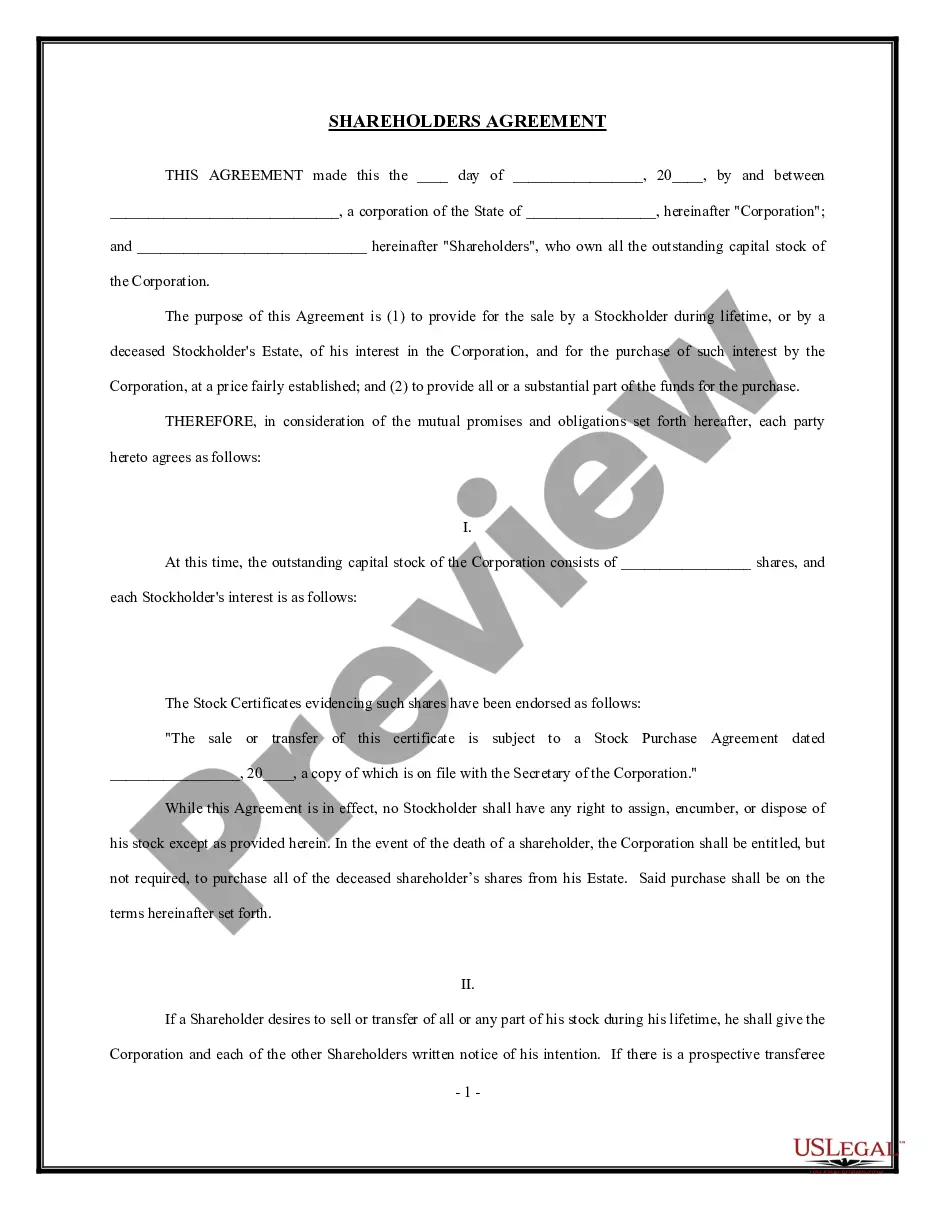
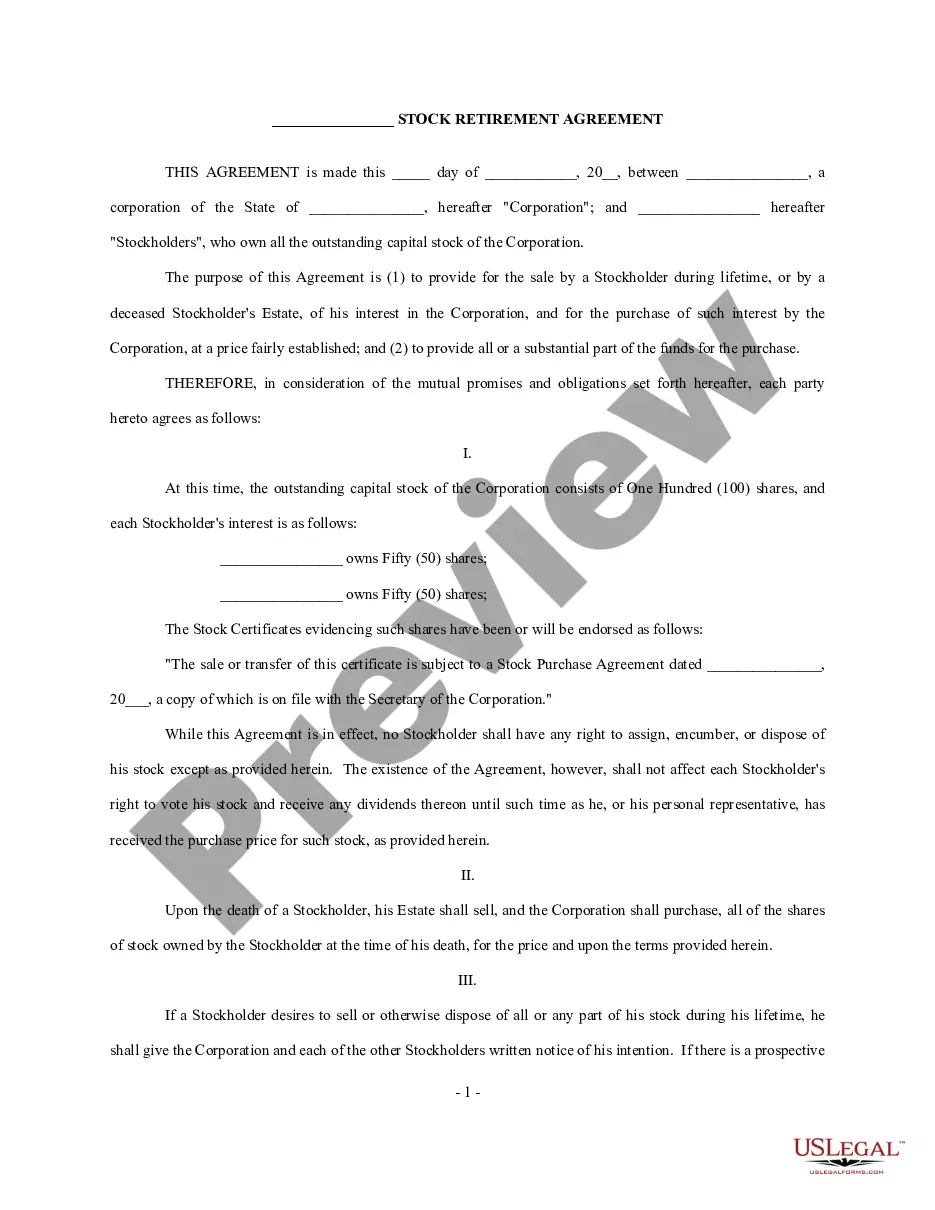
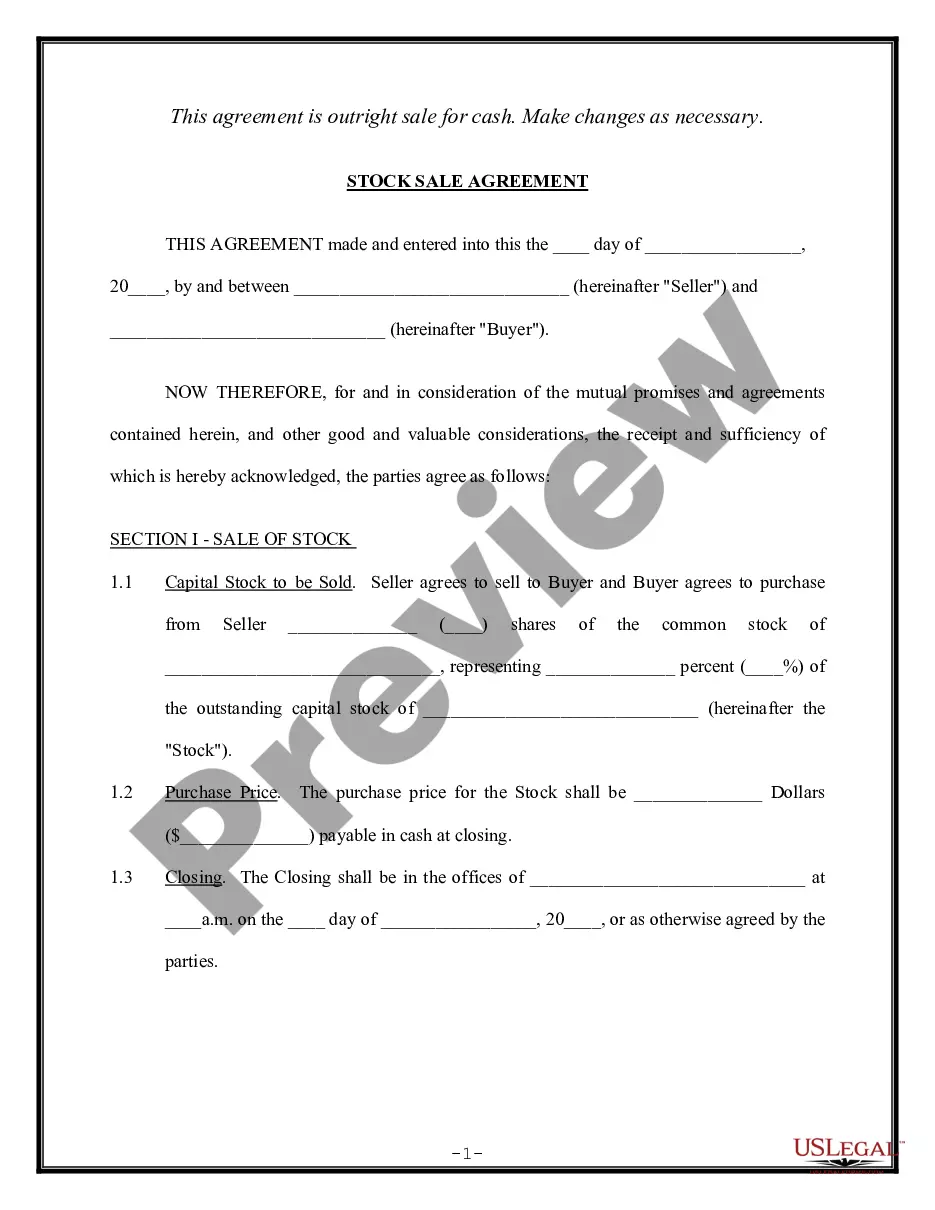
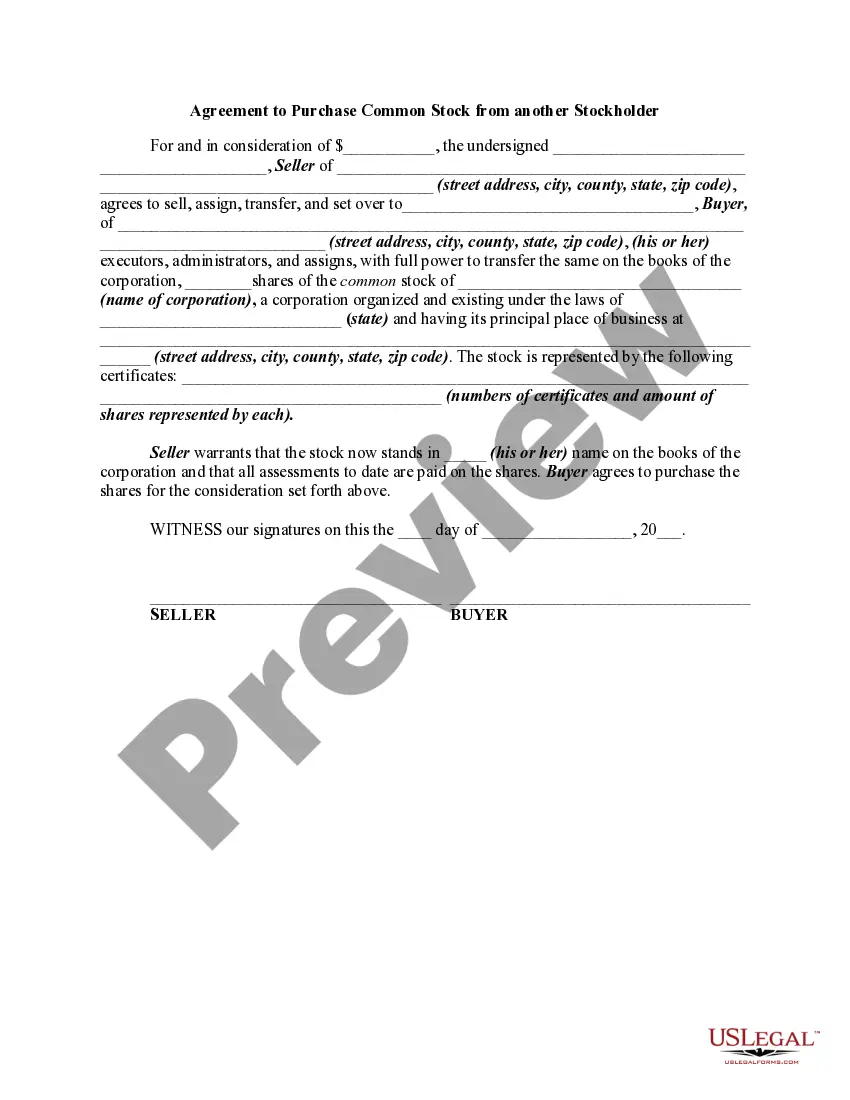
Get your form ready online
Our built-in tools help you complete, sign, share, and store your documents in one place.
Make edits, fill in missing information, and update formatting in US Legal Forms—just like you would in MS Word.
Download a copy, print it, send it by email, or mail it via USPS—whatever works best for your next step.
Sign and collect signatures with our SignNow integration. Send to multiple recipients, set reminders, and more. Go Premium to unlock E-Sign.
If this form requires notarization, complete it online through a secure video call—no need to meet a notary in person or wait for an appointment.
We protect your documents and personal data by following strict security and privacy standards.

Make edits, fill in missing information, and update formatting in US Legal Forms—just like you would in MS Word.

Download a copy, print it, send it by email, or mail it via USPS—whatever works best for your next step.

Sign and collect signatures with our SignNow integration. Send to multiple recipients, set reminders, and more. Go Premium to unlock E-Sign.

If this form requires notarization, complete it online through a secure video call—no need to meet a notary in person or wait for an appointment.

We protect your documents and personal data by following strict security and privacy standards.
Looking for another form?







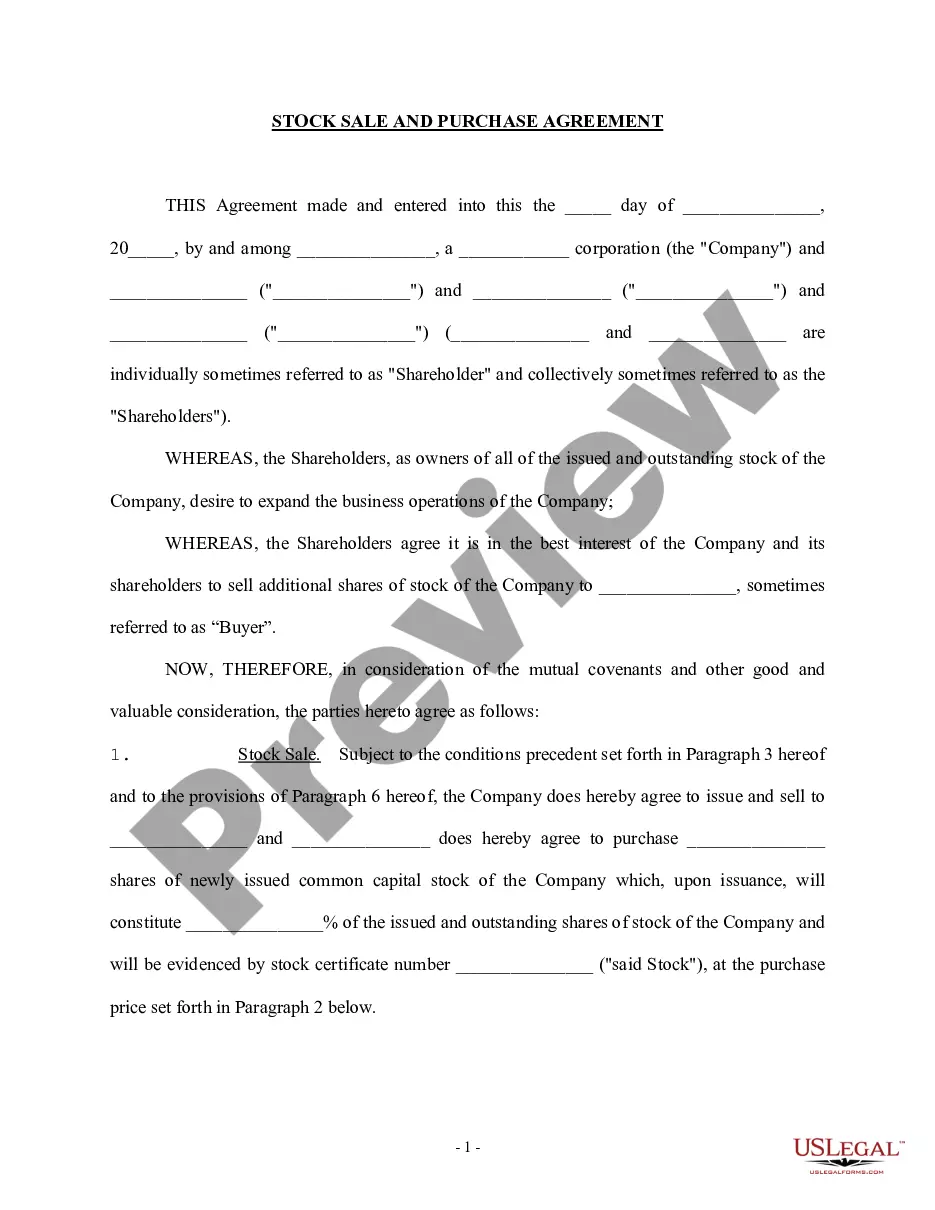
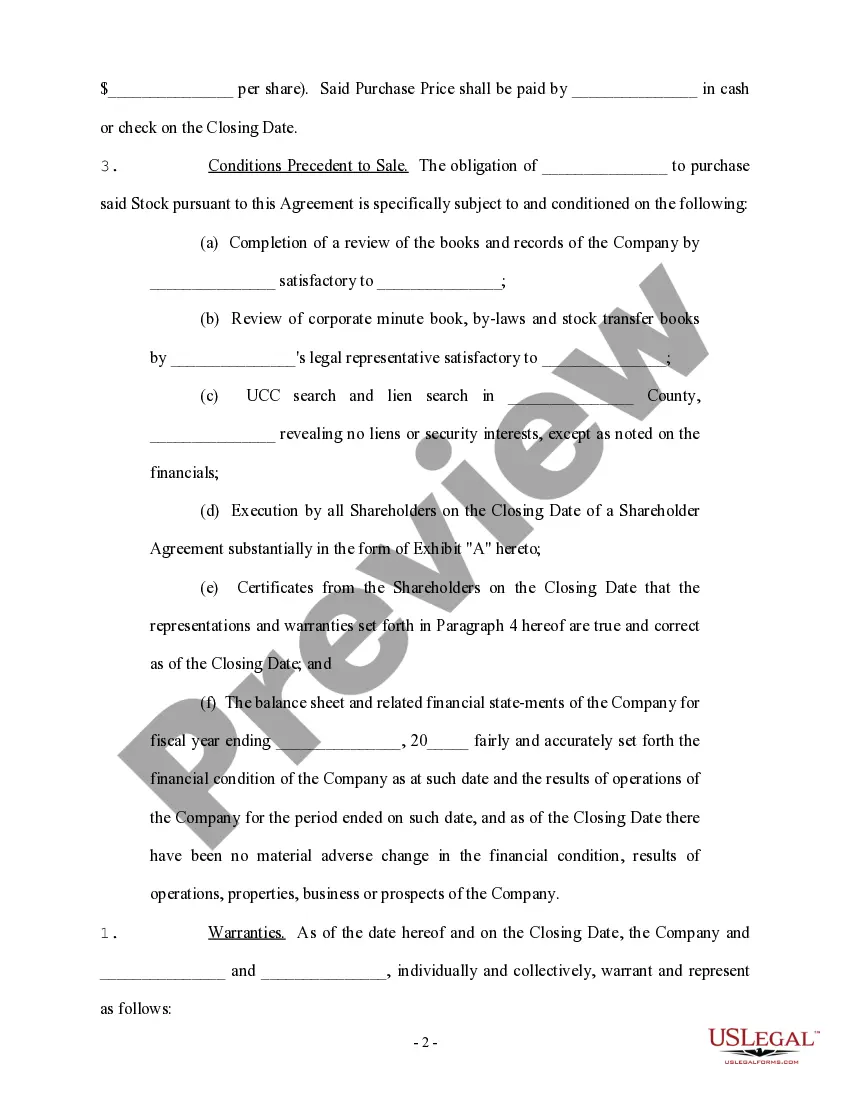
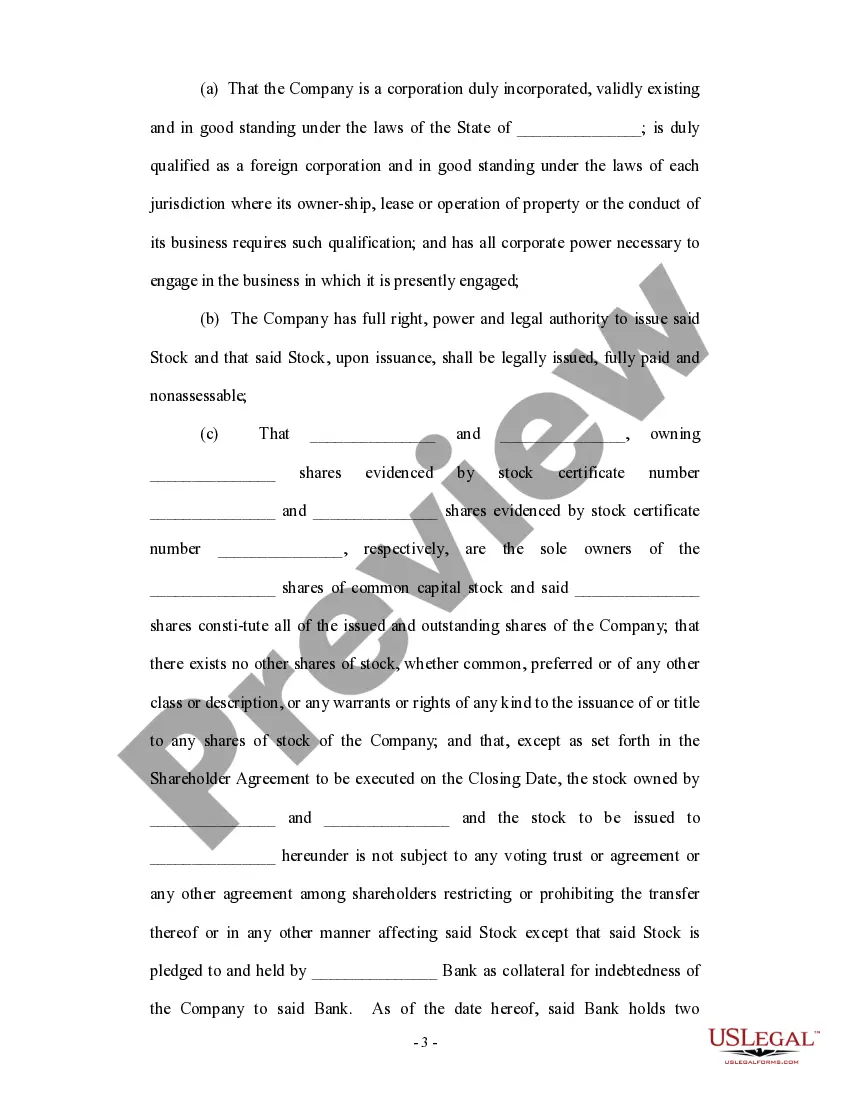
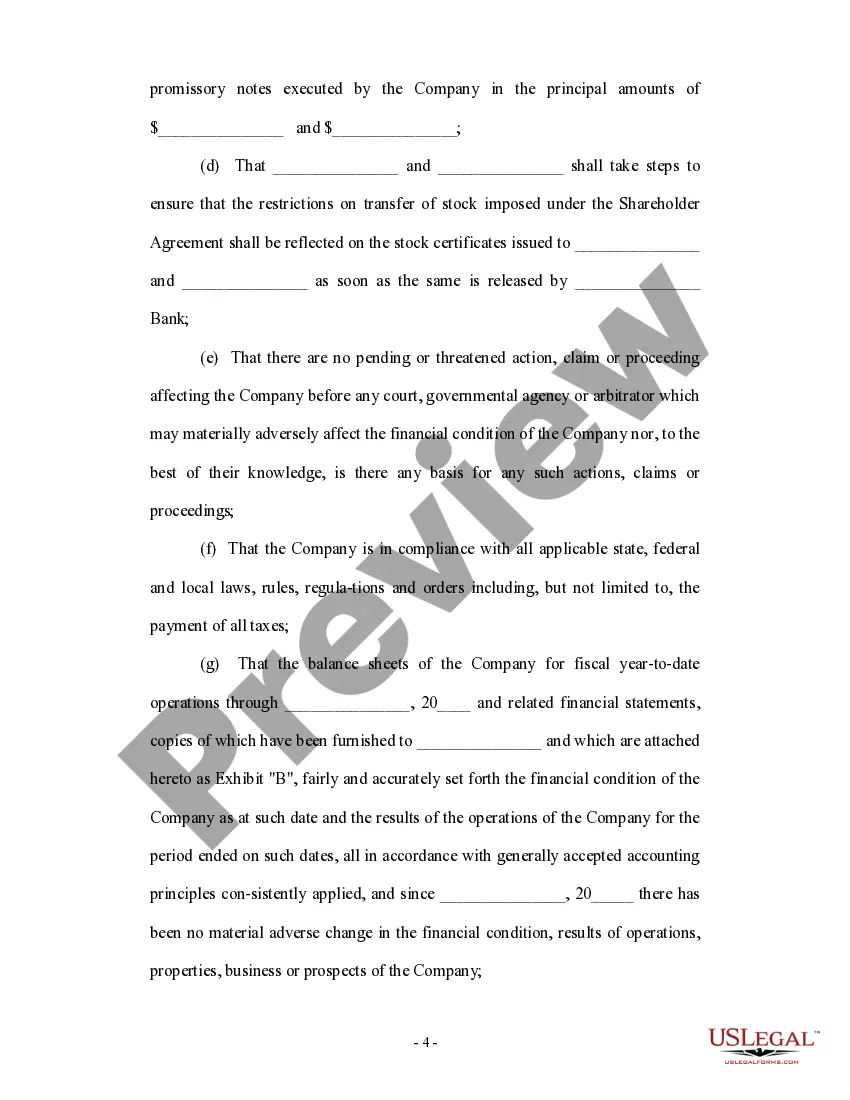
How to fill out Shareholder And Corporation Agreement To Issue Additional Stock To A Third Party To Raise Capital?
Getting a go-to place to access the most current and relevant legal templates is half the struggle of dealing with bureaucracy. Discovering the right legal files requirements accuracy and attention to detail, which explains why it is crucial to take samples of Shareholder Friendly Companies only from reliable sources, like US Legal Forms. An improper template will waste your time and delay the situation you are in. With US Legal Forms, you have very little to be concerned about. You may access and view all the details concerning the document’s use and relevance for your situation and in your state or county.
Take the listed steps to finish your Shareholder Friendly Companies:
- Utilize the catalog navigation or search field to find your template.
- Open the form’s description to see if it suits the requirements of your state and county.
- Open the form preview, if there is one, to ensure the template is the one you are looking for.
- Go back to the search and find the correct document if the Shareholder Friendly Companies does not suit your requirements.
- If you are positive about the form’s relevance, download it.
- When you are an authorized user, click Log in to authenticate and gain access to your selected forms in My Forms.
- If you do not have a profile yet, click Buy now to obtain the form.
- Select the pricing plan that fits your preferences.
- Proceed to the registration to complete your purchase.
- Complete your purchase by selecting a transaction method (credit card or PayPal).
- Select the document format for downloading Shareholder Friendly Companies.
- When you have the form on your device, you can change it with the editor or print it and complete it manually.
Get rid of the inconvenience that accompanies your legal documentation. Check out the comprehensive US Legal Forms collection where you can find legal templates, examine their relevance to your situation, and download them on the spot.
Form popularity
FAQ
Shareholder-friendly companies typically require managers and executives to own stock in the corporation worth several times their base salary. It ensures that they are thinking primarily as owners, not employees.
Buying a share of a company makes you a shareholder, but it does not give you a say in the day-to-day operations of a company. Shareholders own either voting or non-voting stock, and that determines whether they can weight in on big picture issues the company is considering.
To fill out a stock certificate, you fill in the name of the shareholder, the name of the corporation, the number of shares represented by the certificate, the date, and possibly an identification number. There is also a space for a corporate officer to sign on behalf of the corporation and to affix the corporate seal.
In order to cash in the stock, you need to fill out the transfer form on the back of the certificate and have it notarized. Once complete, send the notarized certificate to the transfer agent, who will register the stock to you as owner.
Here's how to compute your portion of shareholder value: Determine the company's earnings per share. Add the company's stock price to its EPS to determine your shareholder value on a per-share basis. Multiply the per-share shareholder value by the number of shares in the company you own.