Sample Trust Provisions For Minors
Description


Get your form ready online
Our built-in tools help you complete, sign, share, and store your documents in one place.
Make edits, fill in missing information, and update formatting in US Legal Forms—just like you would in MS Word.
Download a copy, print it, send it by email, or mail it via USPS—whatever works best for your next step.
Sign and collect signatures with our SignNow integration. Send to multiple recipients, set reminders, and more. Go Premium to unlock E-Sign.
If this form requires notarization, complete it online through a secure video call—no need to meet a notary in person or wait for an appointment.
We protect your documents and personal data by following strict security and privacy standards.

Make edits, fill in missing information, and update formatting in US Legal Forms—just like you would in MS Word.

Download a copy, print it, send it by email, or mail it via USPS—whatever works best for your next step.

Sign and collect signatures with our SignNow integration. Send to multiple recipients, set reminders, and more. Go Premium to unlock E-Sign.

If this form requires notarization, complete it online through a secure video call—no need to meet a notary in person or wait for an appointment.

We protect your documents and personal data by following strict security and privacy standards.
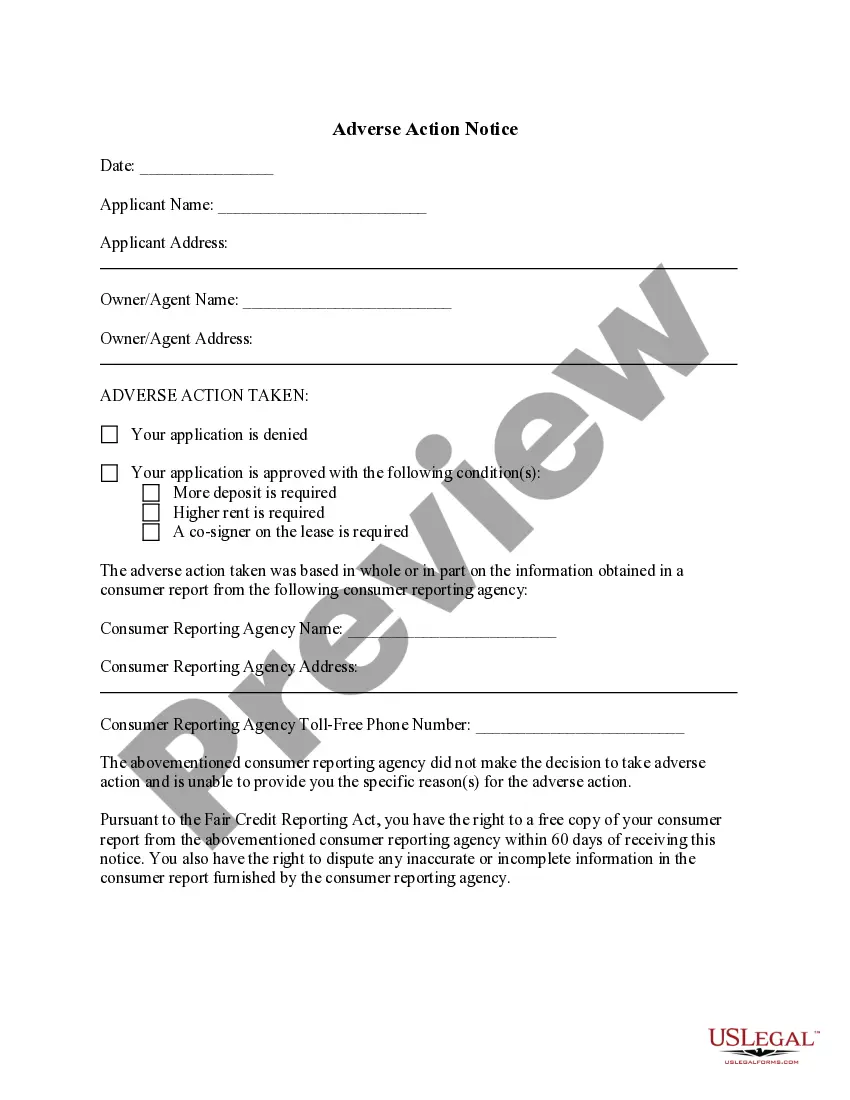
Looking for another form?

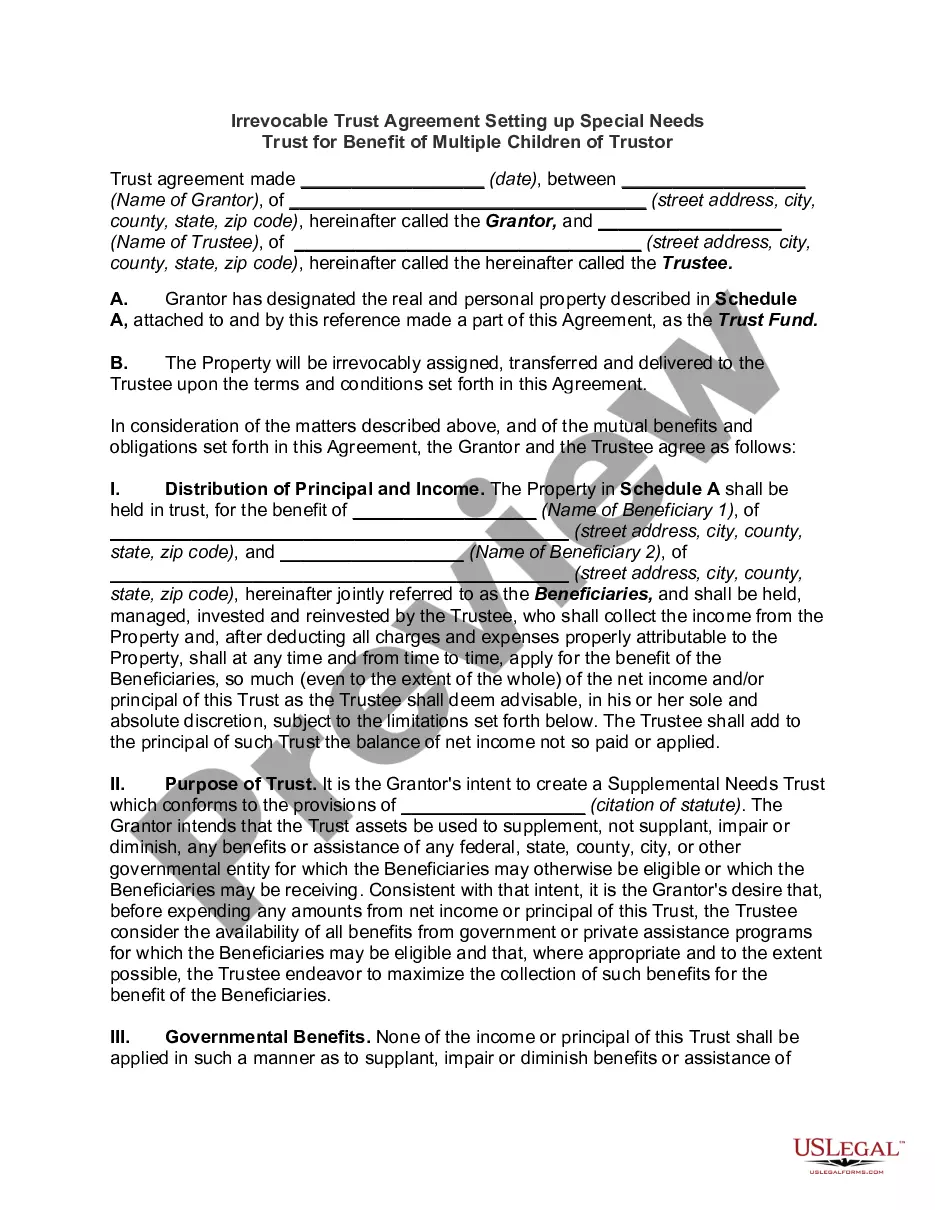
How to fill out Trust Agreement - Family Special Needs?
Locating a reliable resource to obtain the latest and pertinent legal templates is a significant portion of the challenge when navigating bureaucracy.
Selecting the appropriate legal documents demands precision and meticulousness, which is why it is essential to obtain Sample Trust Provisions For Minors solely from trusted sources, such as US Legal Forms. A flawed template will squander your time and delay your current situation.
Eliminate the complications associated with your legal paperwork. Explore the vast US Legal Forms catalog where you can discover legal templates, verify their suitability for your situation, and download them instantaneously.
- Employ the library navigation or search bar to locate your sample.
- Access the form’s details to ensure it meets the standards of your state and locality.
- View the form preview, if available, to confirm that the form is the one you seek.
- Return to the search and find the correct template if the Sample Trust Provisions For Minors does not suit your requirements.
- If you are confident about the form’s relevance, download it.
- If you are a registered user, click Log in to verify and retrieve your chosen forms in My documents.
- If you lack an account, click Buy now to acquire the form.
- Select the pricing plan that aligns with your needs.
- Continue to the registration to finalize your transaction.
- Complete your purchase by selecting a payment method (credit card or PayPal).
- Choose the file format for downloading Sample Trust Provisions For Minors.
- Once the form is on your device, you can edit it with the editor or print it out and complete it manually.
Form popularity
FAQ
A simple example would be the situation in which one member of a family advances money to another and asks the second member to hold the money or to invest it for him. A more complicated example of an implied trust would be the situation in which one party provides money to another for the purchase of property.
For example, a trust provision may stipulate that upon the death of the grantor, if all her children are over the age of 30, the trust assets are to be distributed equally amongst them, while if some are under the age of 30, then the trust does not terminate until the youngest reaches that age.
You can name a legal minor as the beneficiary of a trust. That's particularly important because, if you want to leave assets to a minor, a trust is how you'll do it.
The most common type of trust for children under 18 years of age is a custodial account. Custodial accounts are governed under the Uniform Gift to Minors Act (UMGA) or the Uniform Transfer to Minors Act (UTMA). UGMA lets minors own securities while UTMA lets minors own other kinds of property including real estate.
Incentive trusts are becoming a popular choice for parents of young children that want their children to achieve certain goals in life. Incentive trusts provide parents with the flexibility to set goals and appropriate rewards through distributions once a child reaches the goal.