Sample Trust Provisions For Beneficiaries
Description
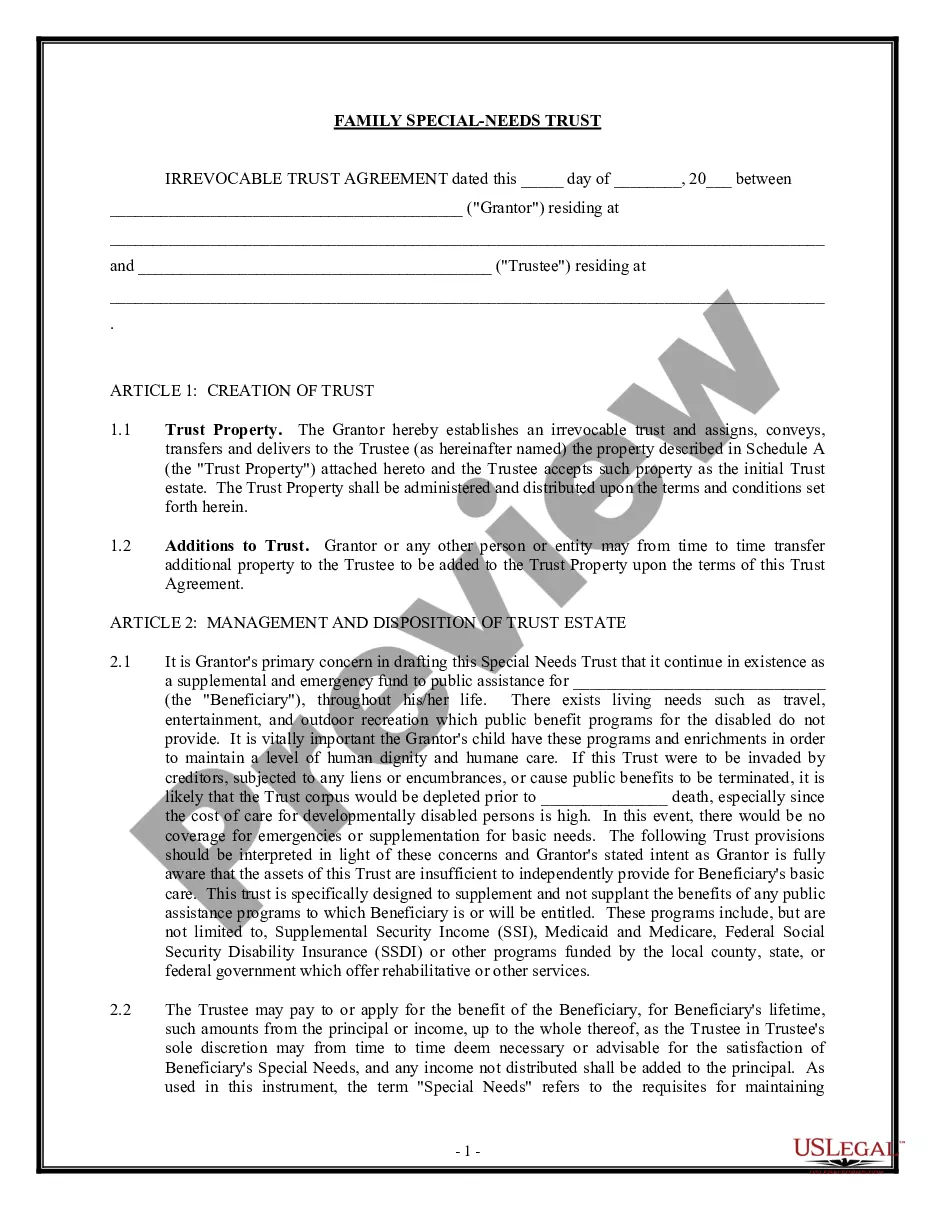
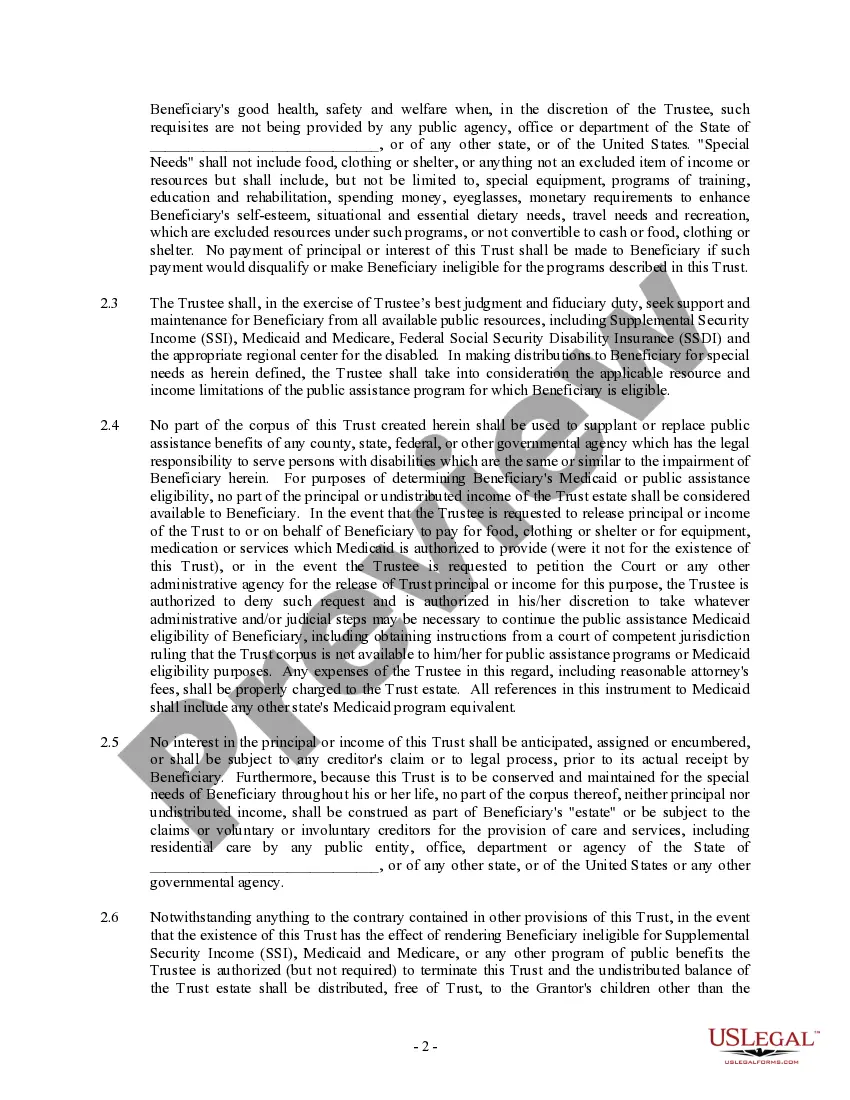
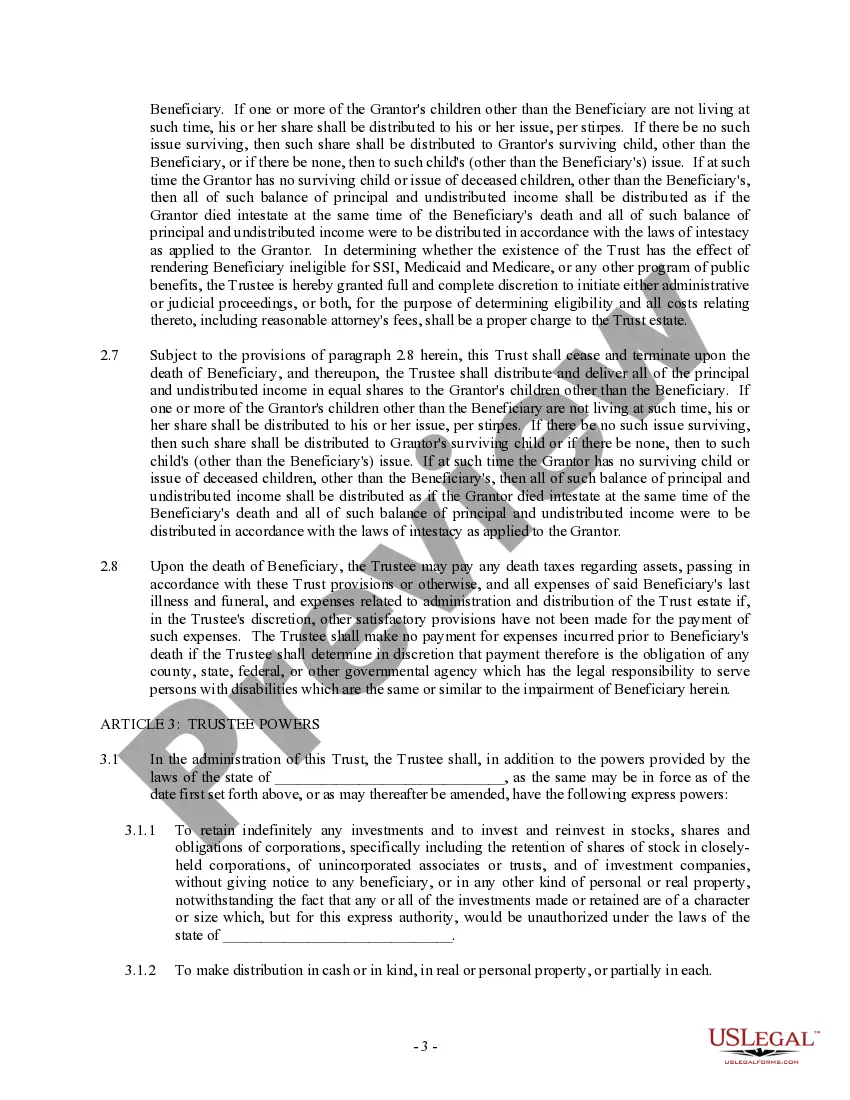
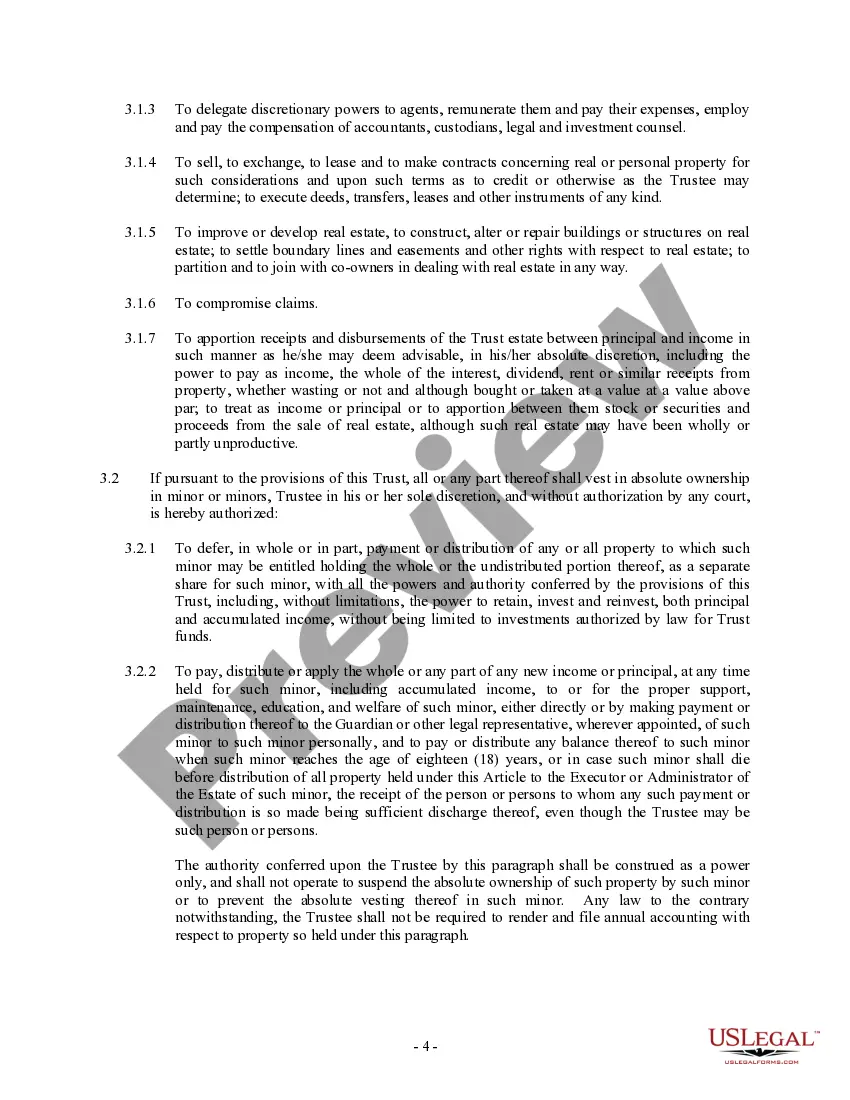
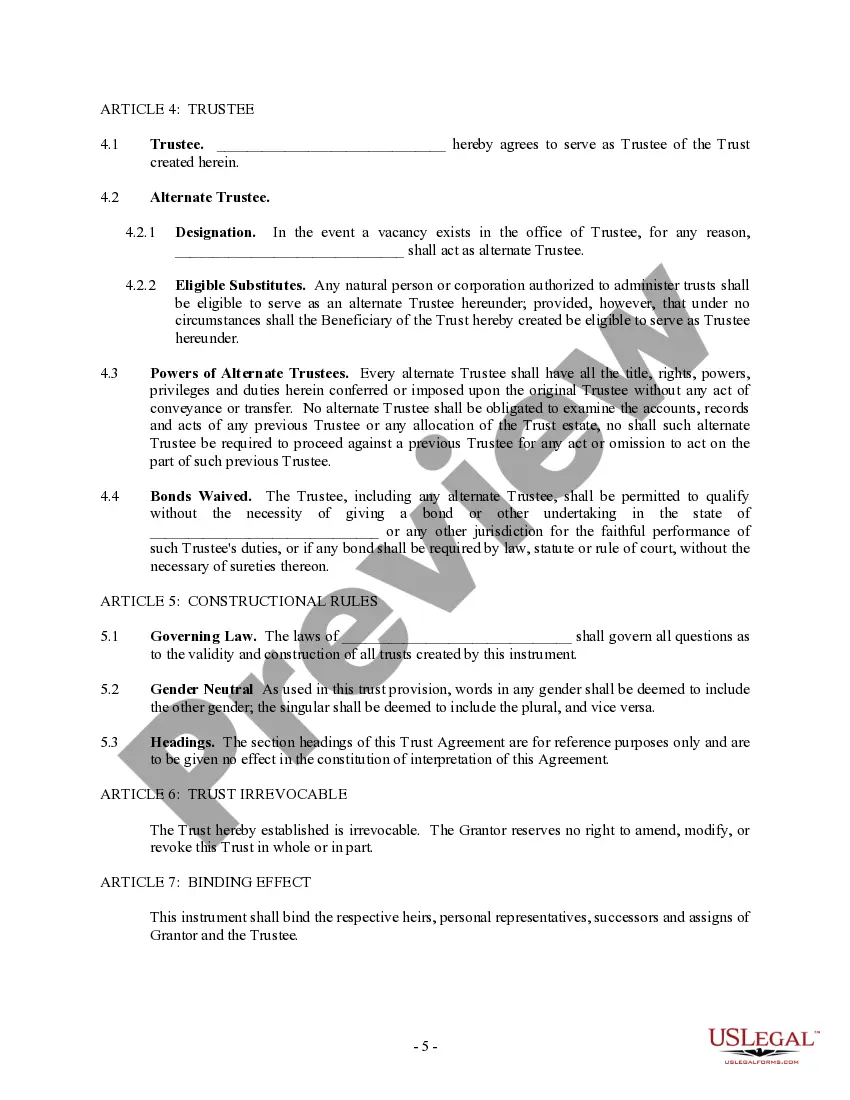


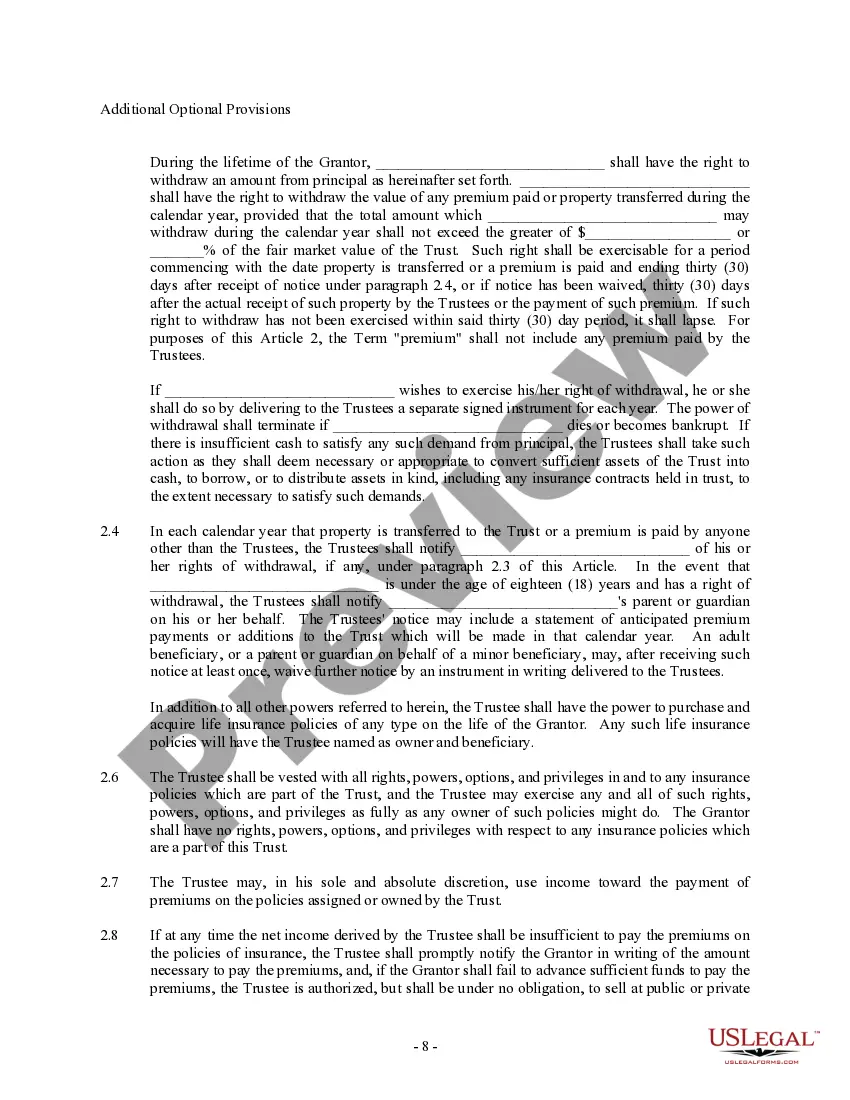
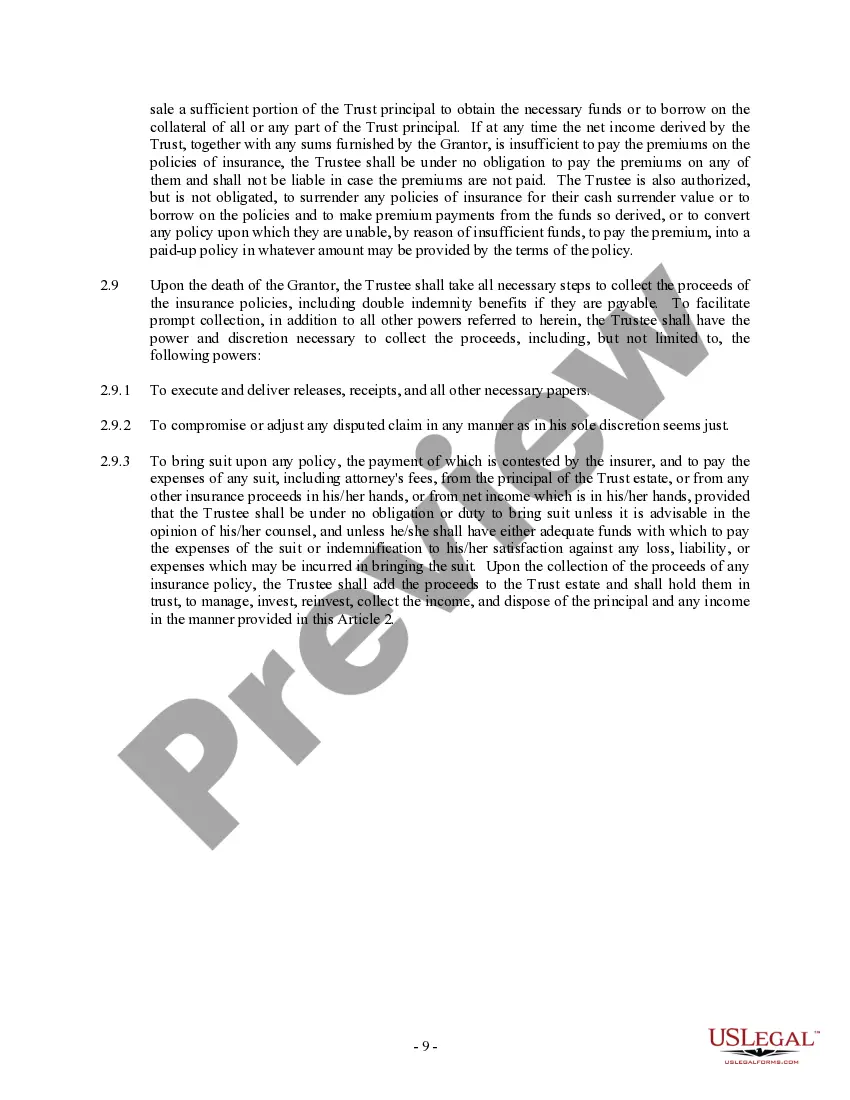
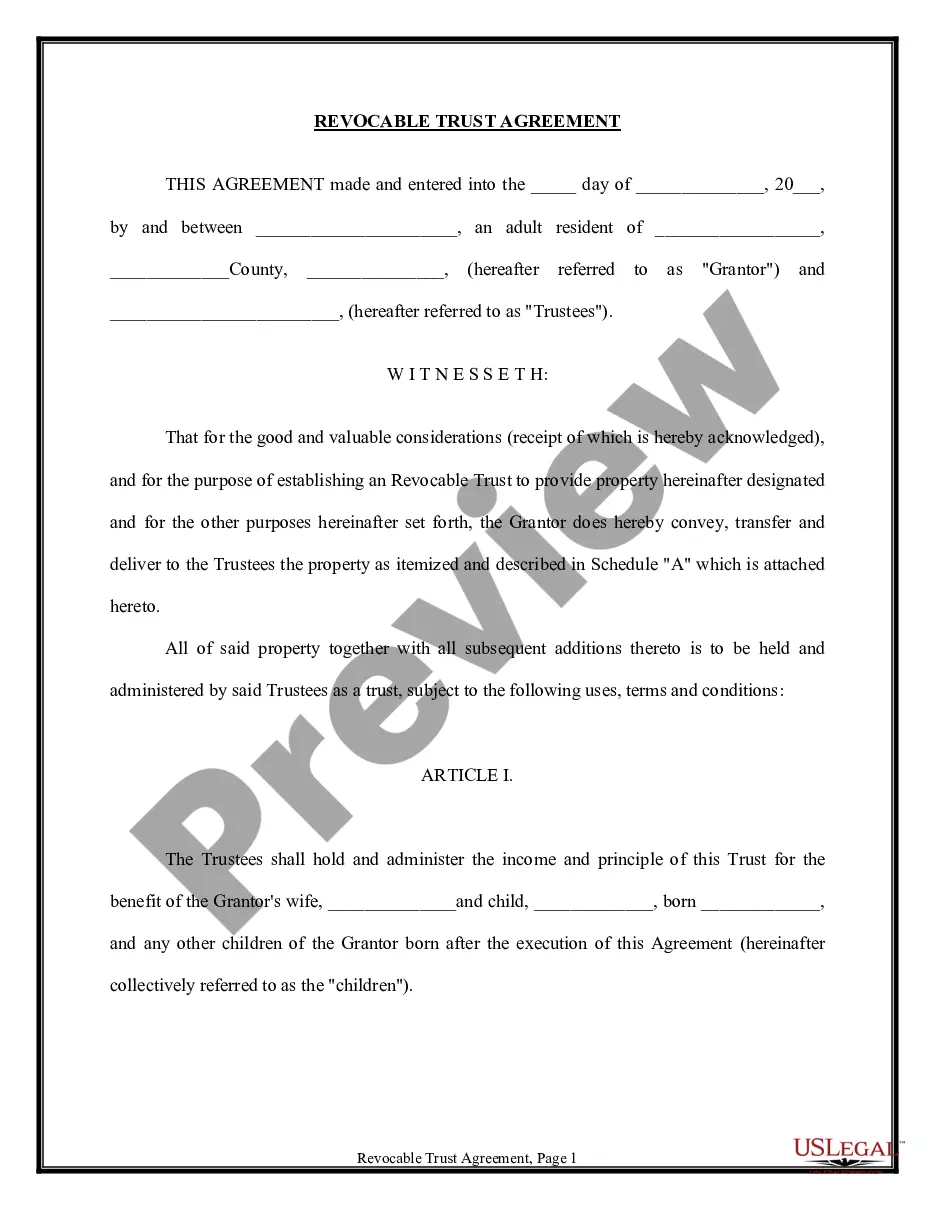

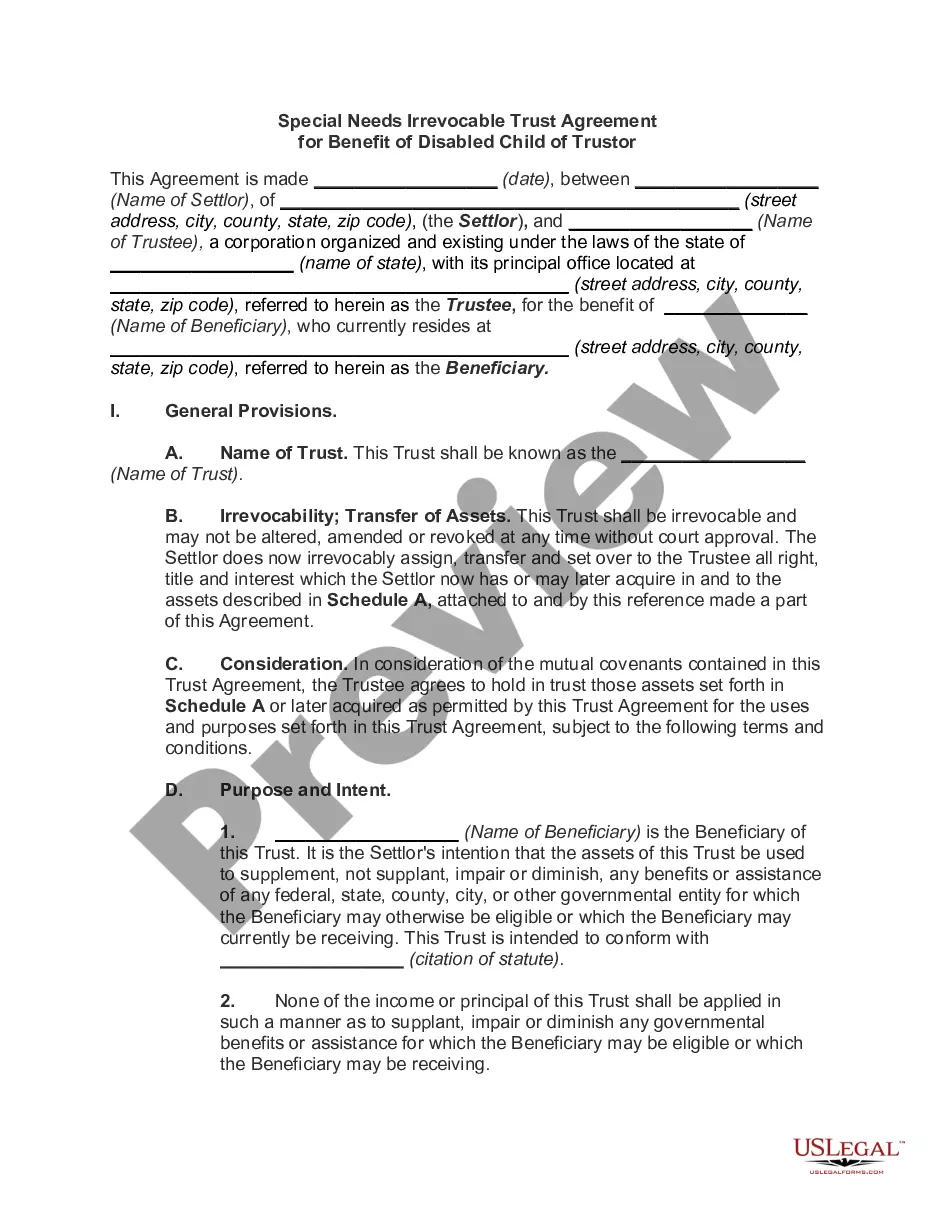
Get your form ready online
Our built-in tools help you complete, sign, share, and store your documents in one place.
Make edits, fill in missing information, and update formatting in US Legal Forms—just like you would in MS Word.
Download a copy, print it, send it by email, or mail it via USPS—whatever works best for your next step.
Sign and collect signatures with our SignNow integration. Send to multiple recipients, set reminders, and more. Go Premium to unlock E-Sign.
If this form requires notarization, complete it online through a secure video call—no need to meet a notary in person or wait for an appointment.
We protect your documents and personal data by following strict security and privacy standards.

Make edits, fill in missing information, and update formatting in US Legal Forms—just like you would in MS Word.

Download a copy, print it, send it by email, or mail it via USPS—whatever works best for your next step.

Sign and collect signatures with our SignNow integration. Send to multiple recipients, set reminders, and more. Go Premium to unlock E-Sign.

If this form requires notarization, complete it online through a secure video call—no need to meet a notary in person or wait for an appointment.

We protect your documents and personal data by following strict security and privacy standards.
Looking for another form?
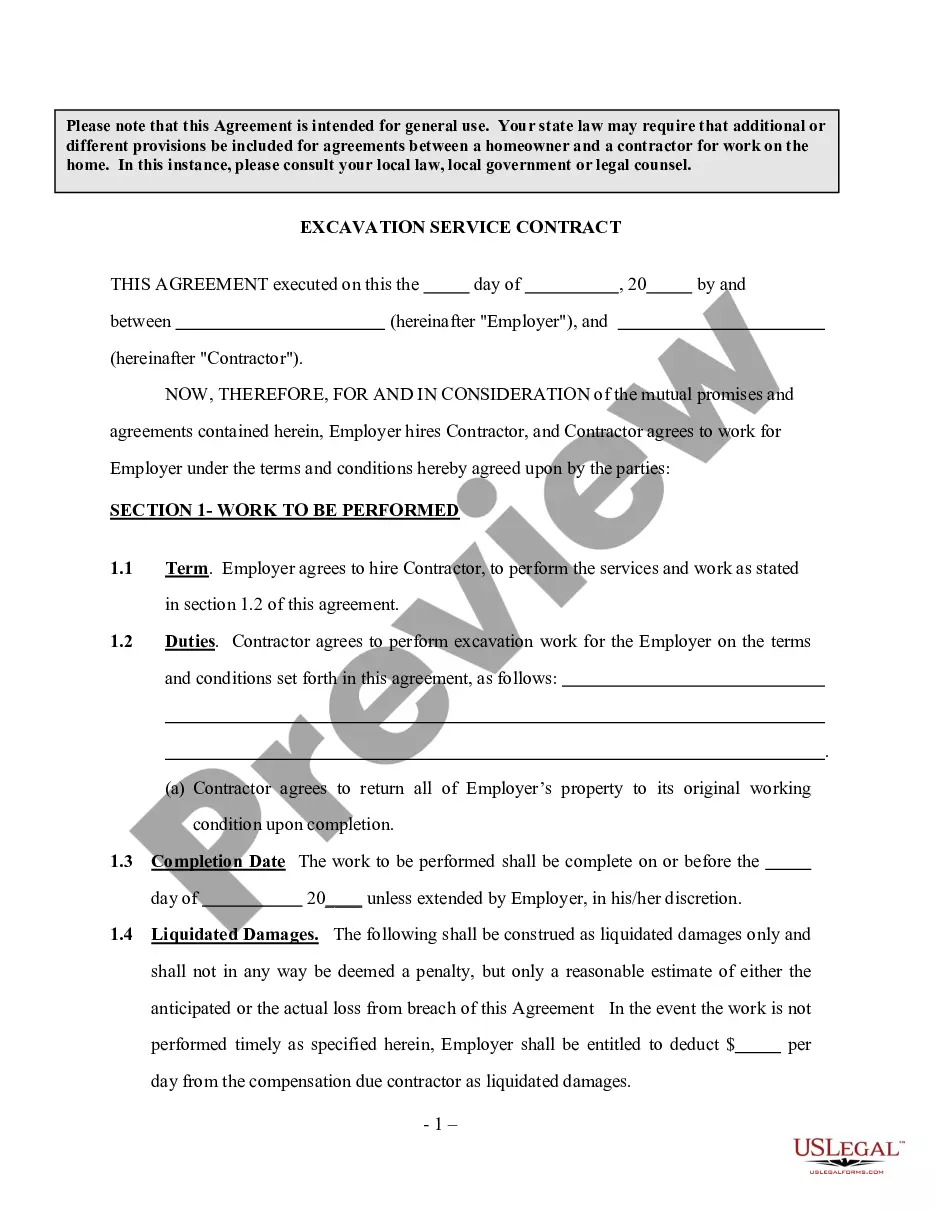






How to fill out Trust Agreement - Family Special Needs?
Dealing with legal documentation and processes can be a lengthy addition to your entire day.
Examples of Trust Provisions For Beneficiaries and similar forms generally require you to look for them and navigate how to fill them out accurately.
Consequently, whether you are managing financial, legal, or personal issues, having a comprehensive and useful online library of documents readily available will be greatly beneficial.
US Legal Forms is the leading online platform for legal templates, providing over 85,000 state-specific documents and a variety of resources to help you handle your paperwork effortlessly.
Is this your first experience with US Legal Forms? Register and create your account in just a few minutes to gain access to the document library and Sample Trust Provisions For Beneficiaries. Then, follow the steps below to finalize your document: Ensure you've found the correct document by utilizing the Review feature and checking the document details. Select Buy Now when ready, and choose the subscription plan that suits you best. Click Download, then fill it out, eSign, and print the document. US Legal Forms boasts 25 years of expertise in helping clients manage their legal documentation. Find the document you require today and streamline any process with ease.
- Browse the collection of relevant documents accessible with just one click.
- US Legal Forms equips you with state- and county-specific documents available for download at any moment.
- Protect your document management processes with a premium service that enables you to compile any form in minutes without additional or concealed charges.
- Simply Log In to your account, find Sample Trust Provisions For Beneficiaries, and obtain it instantly from the My documents section.
- You can also retrieve previously downloaded documents.
Form popularity
FAQ
To leave property to your living trust, name your trust as beneficiary for that property, using the trustee's name and the name of the trust. For example: John Doe as trustee of the John Doe Living Trust, dated January 1, 20xx.
For example, a trust provision may stipulate that upon the death of the grantor, if all her children are over the age of 30, the trust assets are to be distributed equally amongst them, while if some are under the age of 30, then the trust does not terminate until the youngest reaches that age.
To leave property to your living trust, name your trust as beneficiary for that property, using the trustee's name and the name of the trust. For example: John Doe as trustee of the John Doe Living Trust, dated January 1, 20xx.
For example, a parent can establish a trust for a child, giving the beneficiary control of its assets when the child reaches an age of maturity or upon the parent's death. This arrangement is common with revocable trusts, which distribute assets to beneficiaries upon the grantor's death.
through Trust permits an individual to pass their Individual Retirement Account (IRA) assets via trust while still achieving the tax treatment as if the trust beneficiary received the IRA directly.