Family Trusts Explained For Dummies
Description

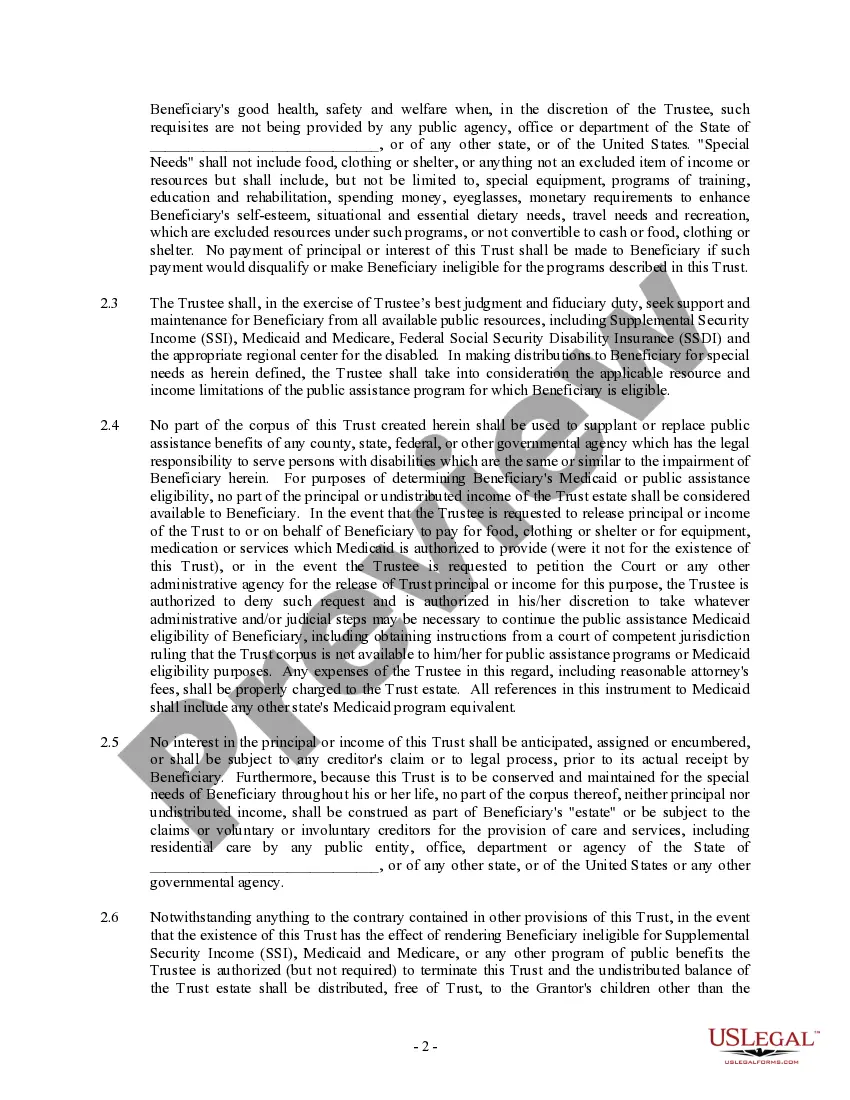
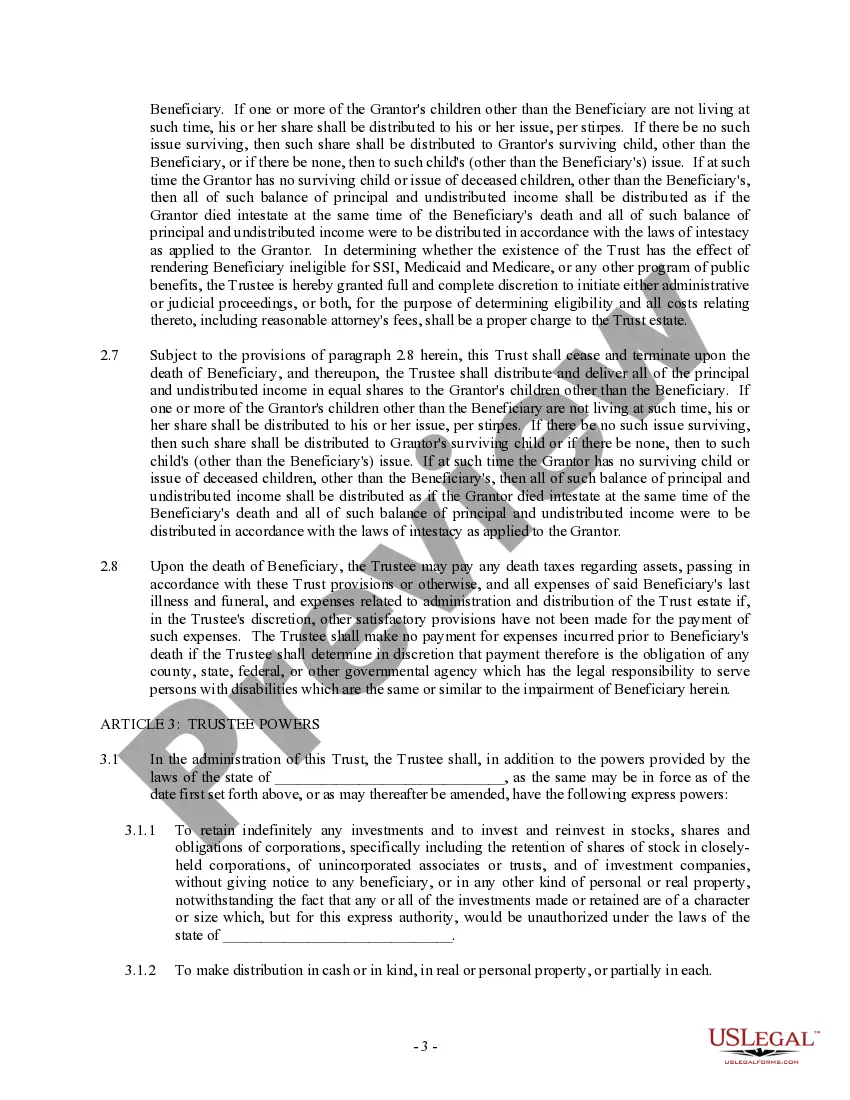

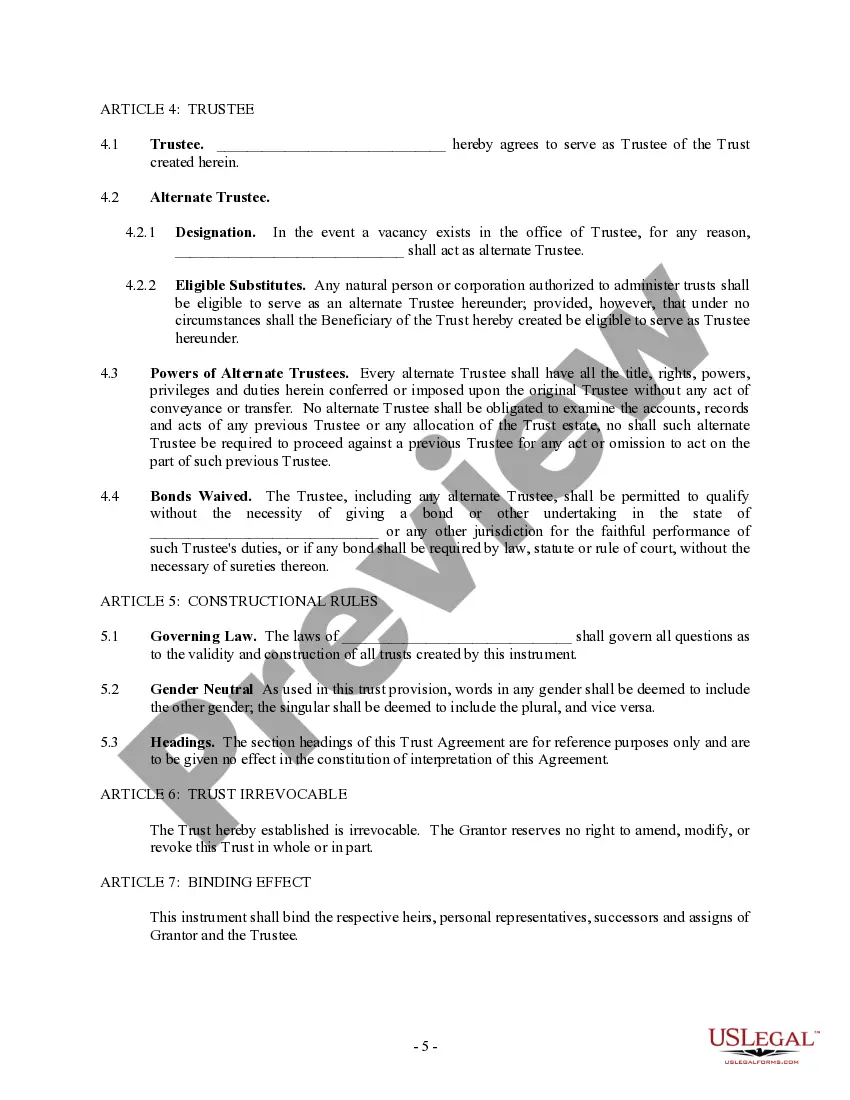


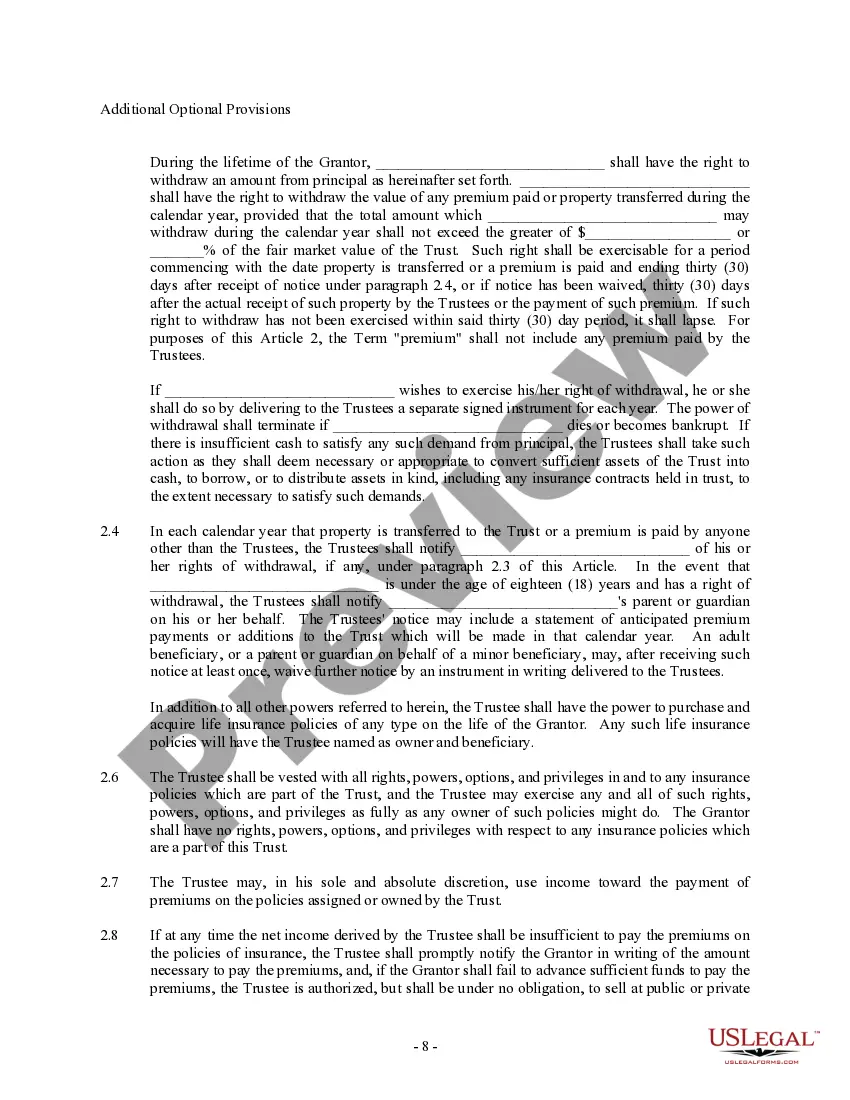


Get your form ready online
Our built-in tools help you complete, sign, share, and store your documents in one place.
Make edits, fill in missing information, and update formatting in US Legal Forms—just like you would in MS Word.
Download a copy, print it, send it by email, or mail it via USPS—whatever works best for your next step.
Sign and collect signatures with our SignNow integration. Send to multiple recipients, set reminders, and more. Go Premium to unlock E-Sign.
If this form requires notarization, complete it online through a secure video call—no need to meet a notary in person or wait for an appointment.
We protect your documents and personal data by following strict security and privacy standards.

Make edits, fill in missing information, and update formatting in US Legal Forms—just like you would in MS Word.

Download a copy, print it, send it by email, or mail it via USPS—whatever works best for your next step.

Sign and collect signatures with our SignNow integration. Send to multiple recipients, set reminders, and more. Go Premium to unlock E-Sign.

If this form requires notarization, complete it online through a secure video call—no need to meet a notary in person or wait for an appointment.

We protect your documents and personal data by following strict security and privacy standards.
Looking for another form?








How to fill out Trust Agreement - Family Special Needs?
Utilizing legal document examples that adhere to federal and state laws is essential, and the internet provides numerous selections to choose from.
However, what is the benefit of spending time searching for the suitable Family Trusts Explained For Dummies example online when the US Legal Forms digital library already has these templates gathered in one location.
US Legal Forms is the most comprehensive online legal database with over 85,000 editable templates created by attorneys for any business and personal situation.
Review the template using the Preview option or through the text description to ensure it fulfills your requirements.
- They are easy to navigate with all documents categorized by state and purpose.
- Our experts keep pace with legal updates, ensuring your documents are always current and compliant when acquiring a Family Trusts Explained For Dummies from our site.
- Acquiring a Family Trusts Explained For Dummies is simple and fast for both existing and new users.
- If you already hold an account with an active subscription, Log In and download the sample document you need in your desired format.
- If you are new to our platform, follow these steps.
Form popularity
FAQ
In most cases, family trusts are required to file tax returns if they earn income in a given tax year. This obligation can vary based on the type and structure of the trust, making it crucial to be informed. Using resources like 'Family trusts explained for dummies' can guide you through the filing distinctions and requirements, making the process less daunting.
Yes, you generally must report a trust fund to the IRS if it generates income, as it may be subject to taxation. The trustee is responsible for ensuring compliance with this requirement. Learning more about these obligations is easier when you refer to 'Family trusts explained for dummies', which lays out the essentials clearly.
The trustee is the individual responsible for signing the tax return for the trust. This person oversees the trust's management and is accountable for ensuring accurate reporting. Understanding who handles these obligations is essential, and resources like 'Family trusts explained for dummies' can simplify this concept.
To file taxes for a family trust, you first need to gather all relevant financial information, including income generated by the trust and any deductions. Typically, trusts use IRS Form 1041, which details the income, deductions, and distributions. This process can be complicated, especially for beginners, so it's helpful to refer to resources like 'Family trusts explained for dummies' for guidance.
When someone dies, a family trust remains intact, often avoiding the complications of probate. The assets within the trust continue to be managed according to the trust's terms, providing ongoing support for beneficiaries. This process can reduce stress during an already difficult time. Family trusts explained for dummies helps clarify how this process works, ensuring you understand the benefits of this arrangement.
One of the biggest mistakes parents make is failing to clearly define the terms of the trust. Without proper guidelines, there can be confusion about how and when assets should be distributed. It's crucial to involve a professional to ensure your wishes are precisely outlined. With family trusts explained for dummies as a resource, you can avoid these pitfalls and protect your family's legacy.
A family trust is a simple way to organize and protect family assets for future generations. At its core, it allows one person to manage assets on behalf of another, ensuring that your loved ones benefit from what you have built. In essence, family trusts explained for dummies provide a clear understanding of how to keep your family's finances on track. It's a straightforward concept that can lead to significant advantages.
The main purpose of a family trust is to manage and protect family assets. This arrangement helps to ensure that wealth is passed down through generations, often minimizing taxes and avoiding probate. By setting up a family trust, you can maintain control over your assets while providing for your family. Family trusts explained for dummies can help you grasp how this tool secures your family's future.
A trust is a legal arrangement where one party holds assets for the benefit of another. A family trust specifically benefits family members. The key distinction lies in the intended beneficiaries; family trusts focus on providing financial security to your loved ones. Family trusts explained for dummies makes it easier to understand how this structure can protect your family's wealth.
Negatives of a family trust include the possible lack of flexibility in asset distribution and the potential for costly legal fees during the establishment. Additionally, if not properly managed, trusts can lead to tax complications and beneficiary disputes. Understanding these drawbacks is key to effective planning. To gain a better understanding, US Legal Forms offers tools and templates designed for family trusts explained for dummies.