Seller Financing Examples
Description
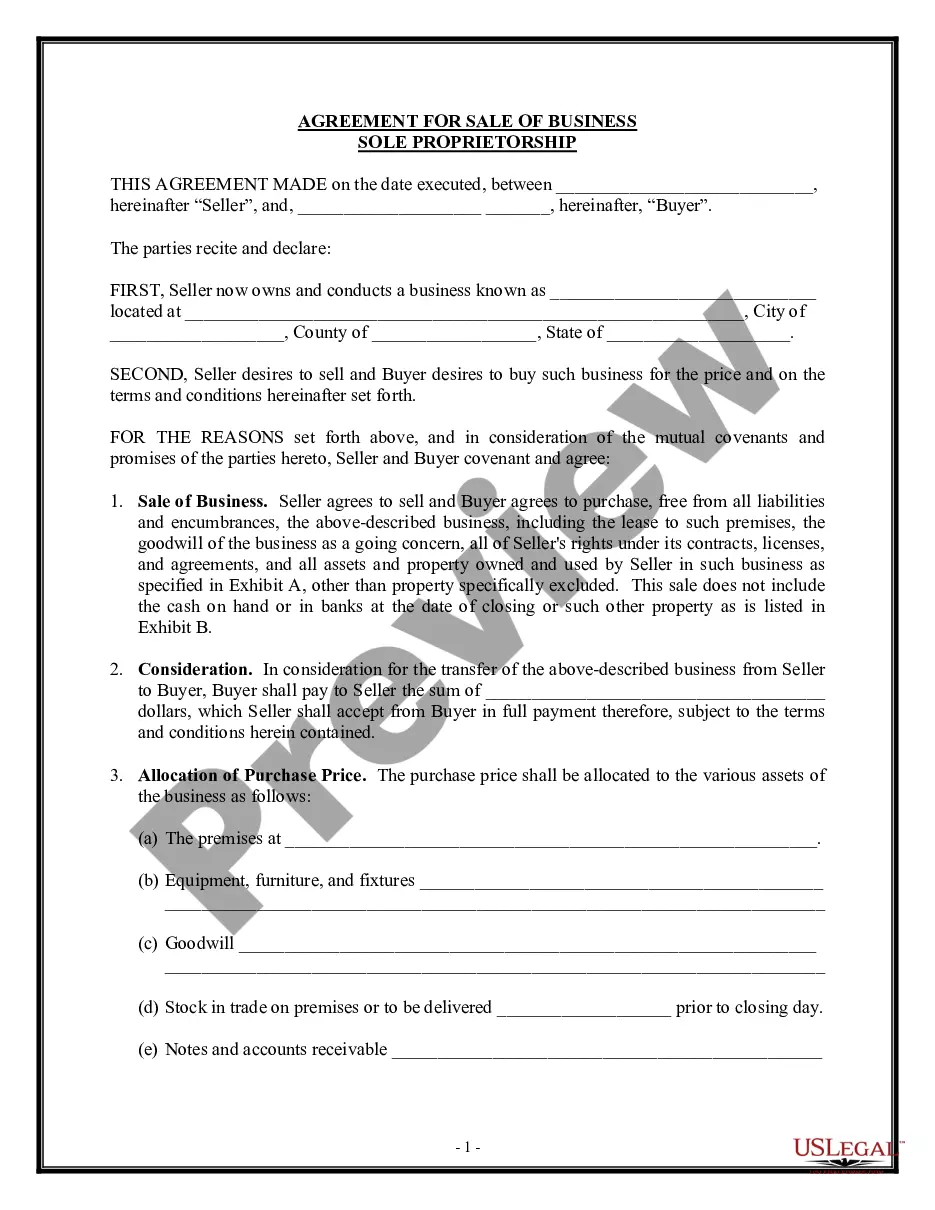
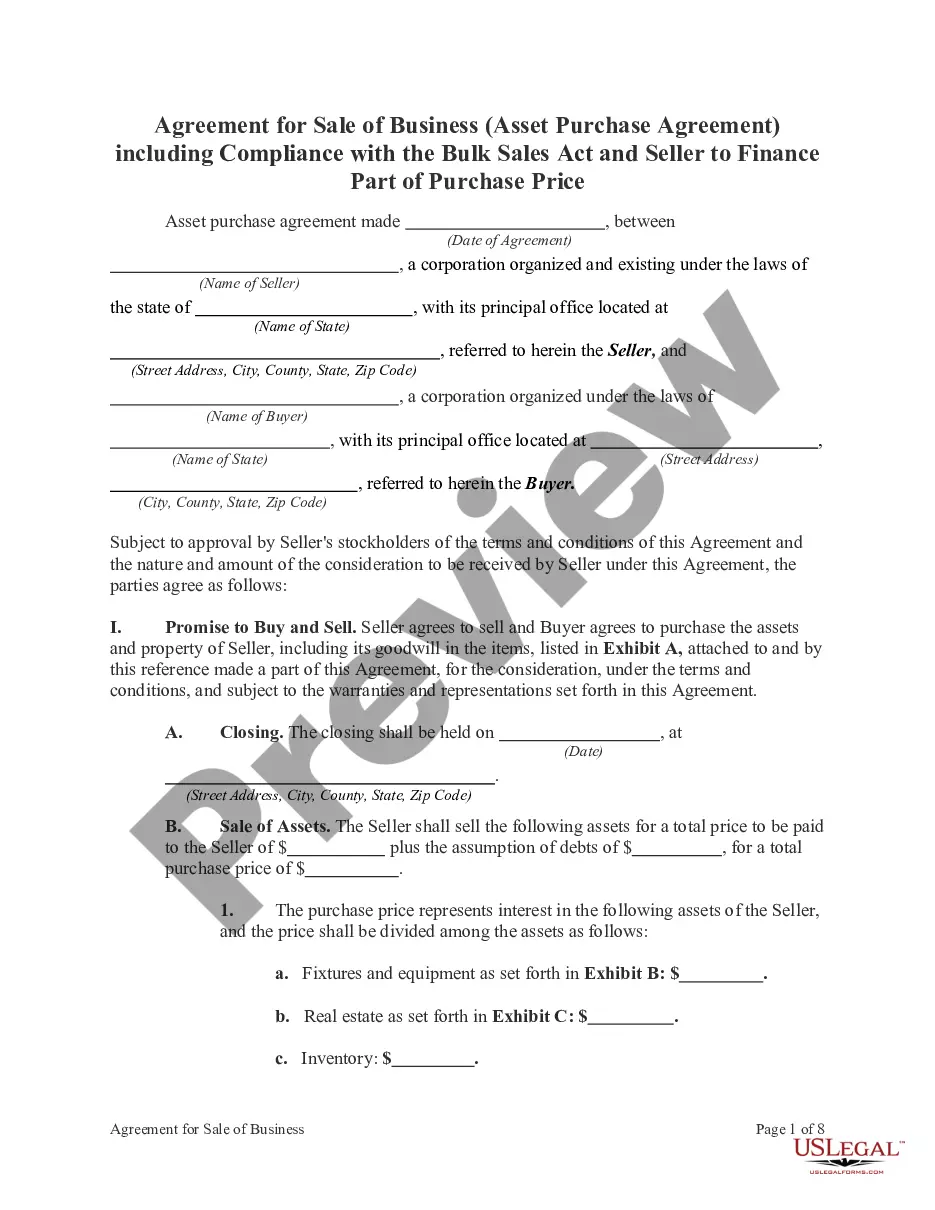
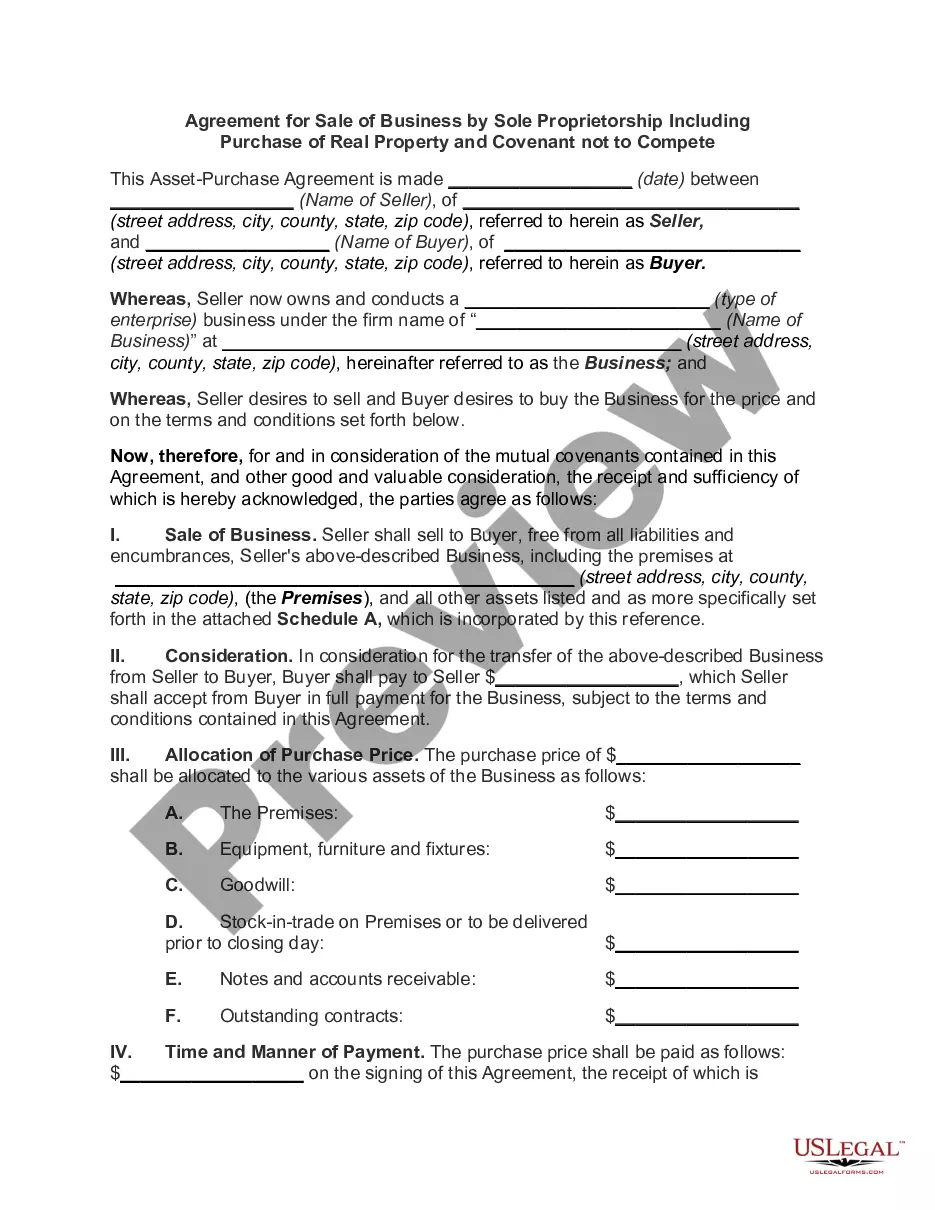
Get your form ready online
Our built-in tools help you complete, sign, share, and store your documents in one place.
Make edits, fill in missing information, and update formatting in US Legal Forms—just like you would in MS Word.
Download a copy, print it, send it by email, or mail it via USPS—whatever works best for your next step.
Sign and collect signatures with our SignNow integration. Send to multiple recipients, set reminders, and more. Go Premium to unlock E-Sign.
If this form requires notarization, complete it online through a secure video call—no need to meet a notary in person or wait for an appointment.
We protect your documents and personal data by following strict security and privacy standards.

Make edits, fill in missing information, and update formatting in US Legal Forms—just like you would in MS Word.

Download a copy, print it, send it by email, or mail it via USPS—whatever works best for your next step.

Sign and collect signatures with our SignNow integration. Send to multiple recipients, set reminders, and more. Go Premium to unlock E-Sign.

If this form requires notarization, complete it online through a secure video call—no need to meet a notary in person or wait for an appointment.

We protect your documents and personal data by following strict security and privacy standards.
Looking for another form?


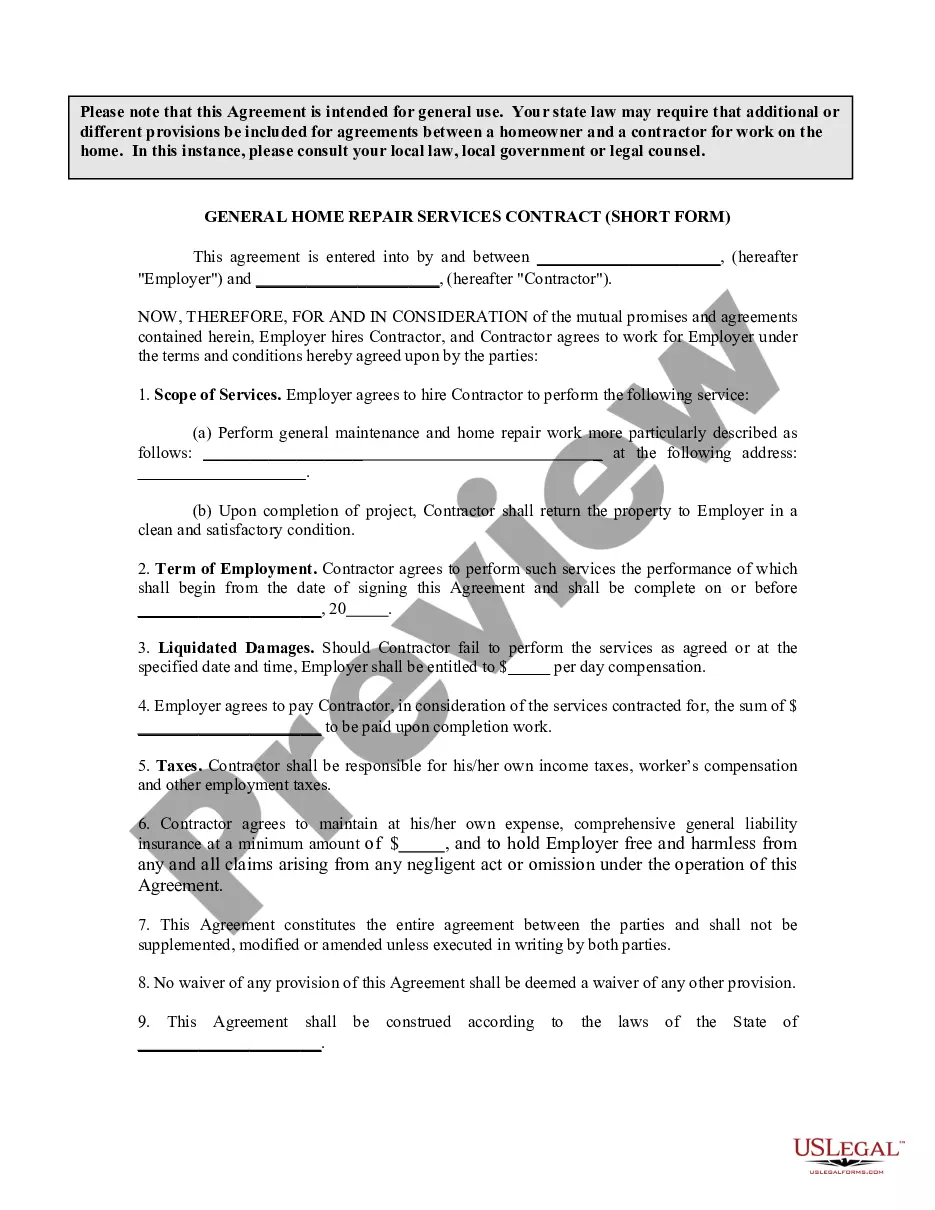




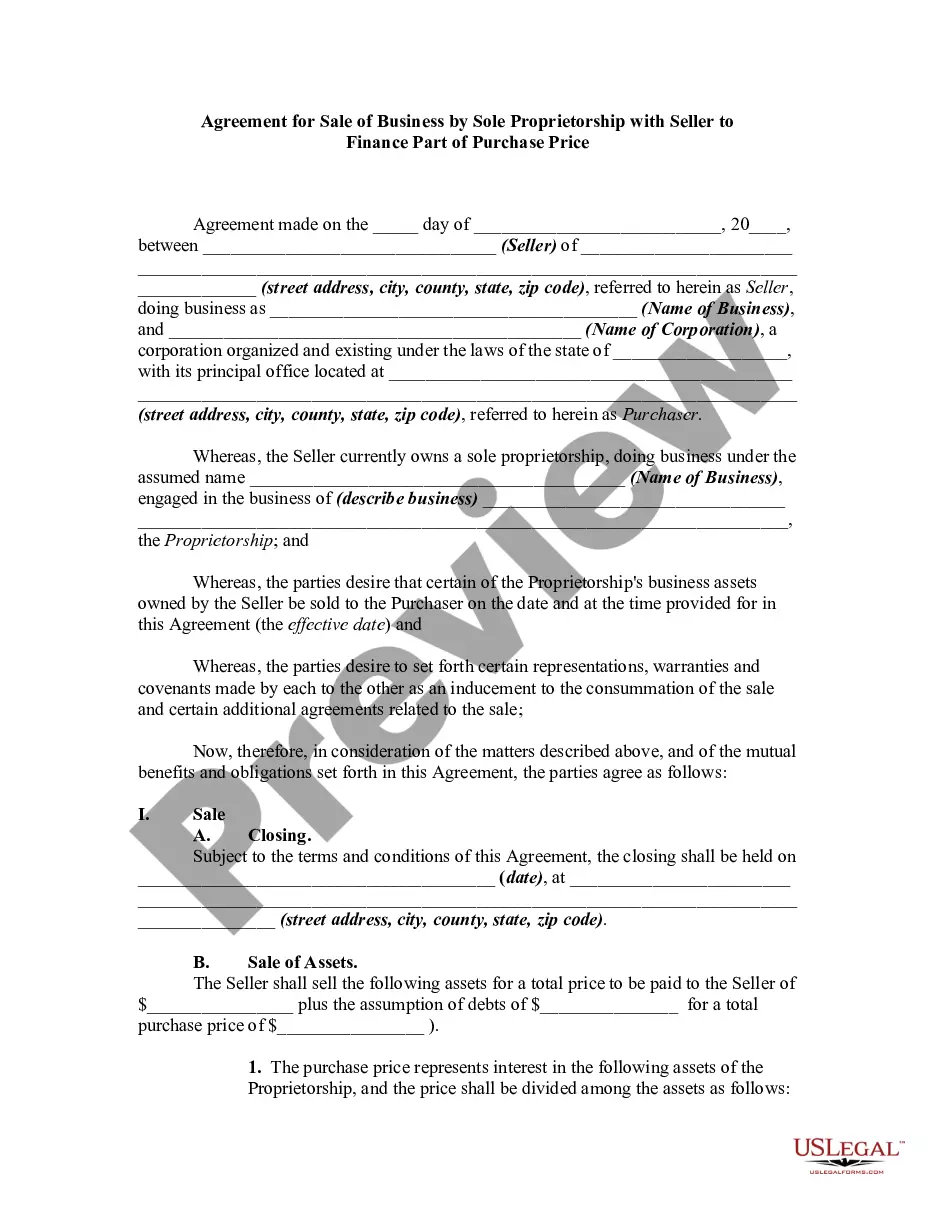
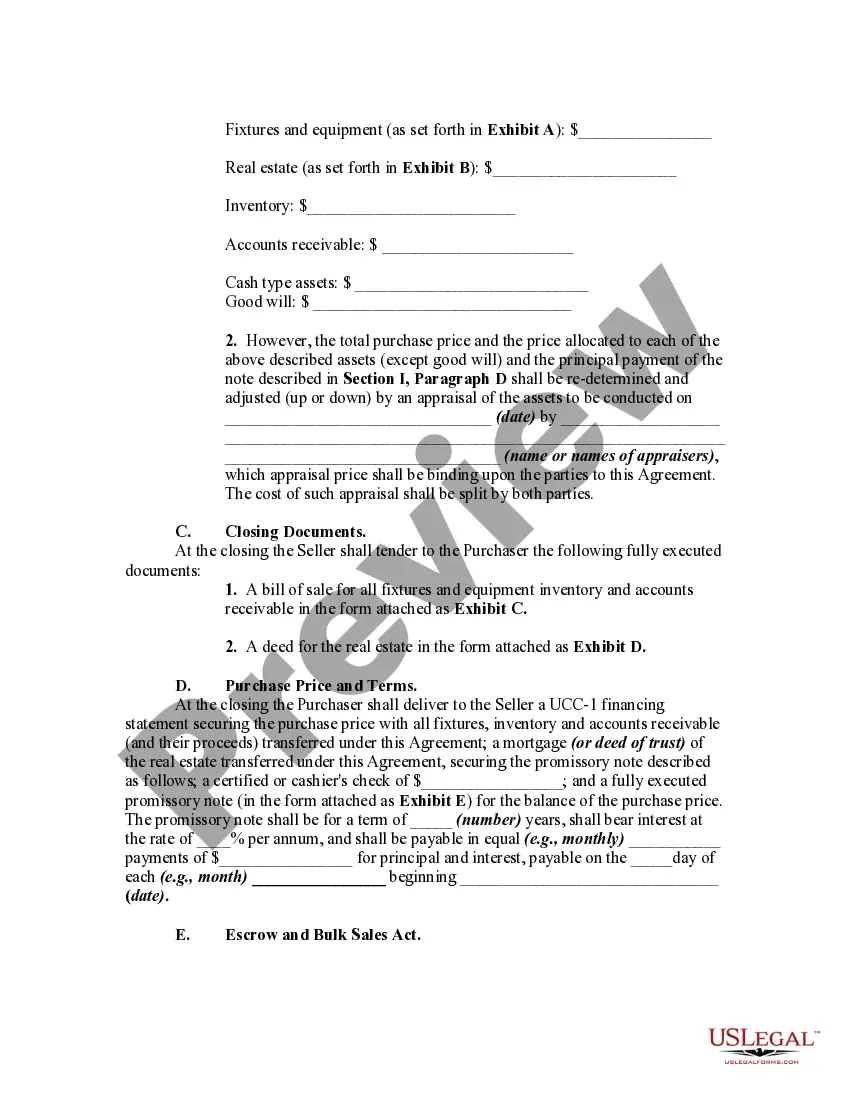
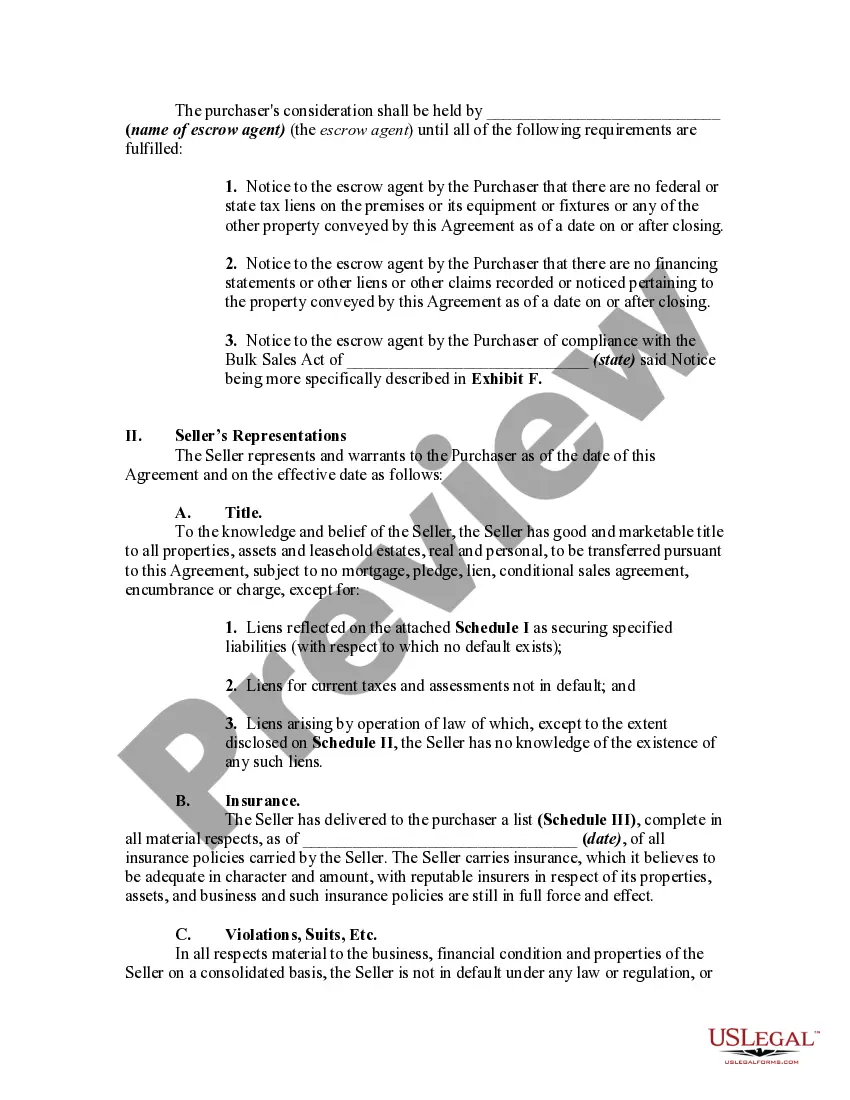
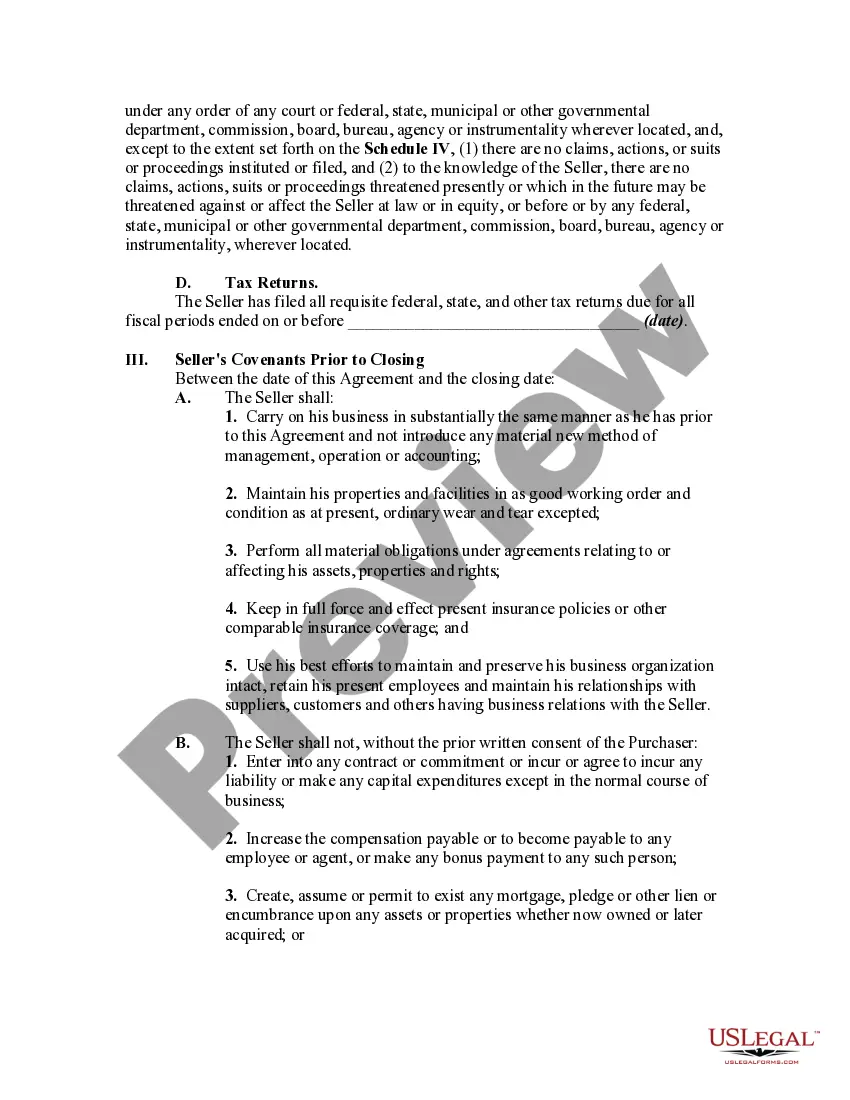
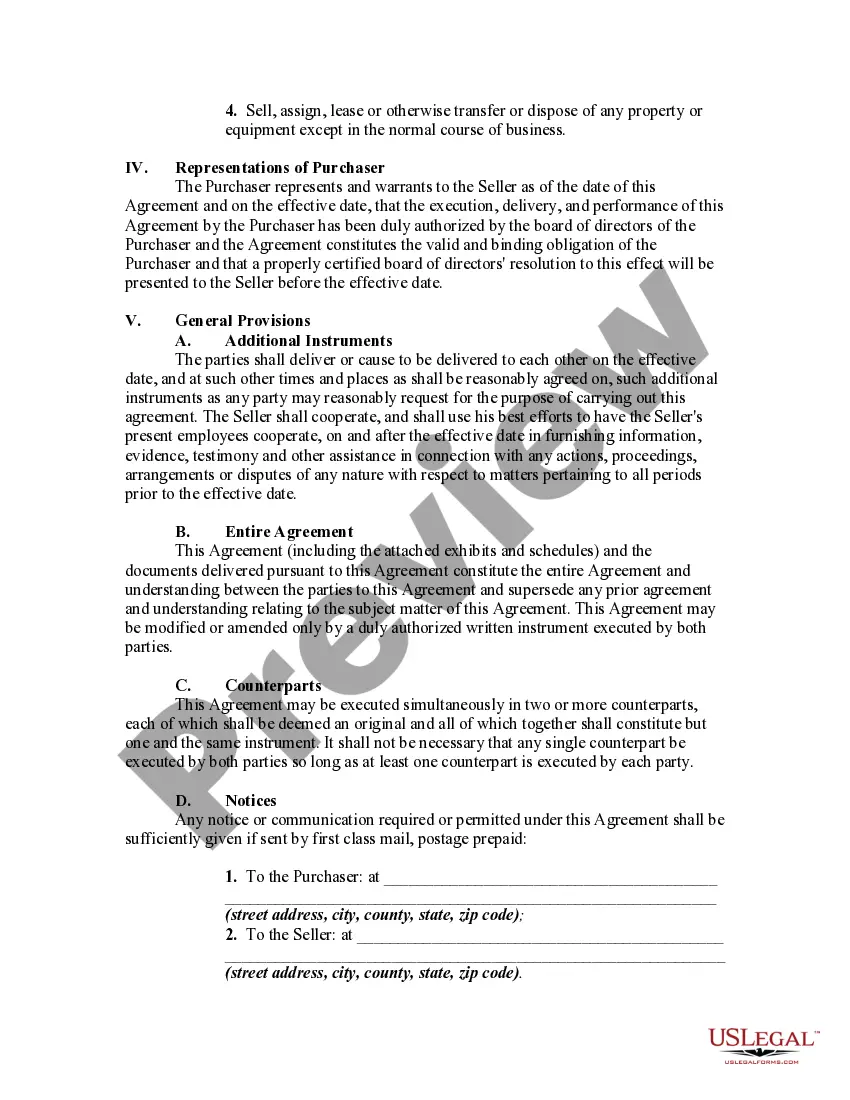
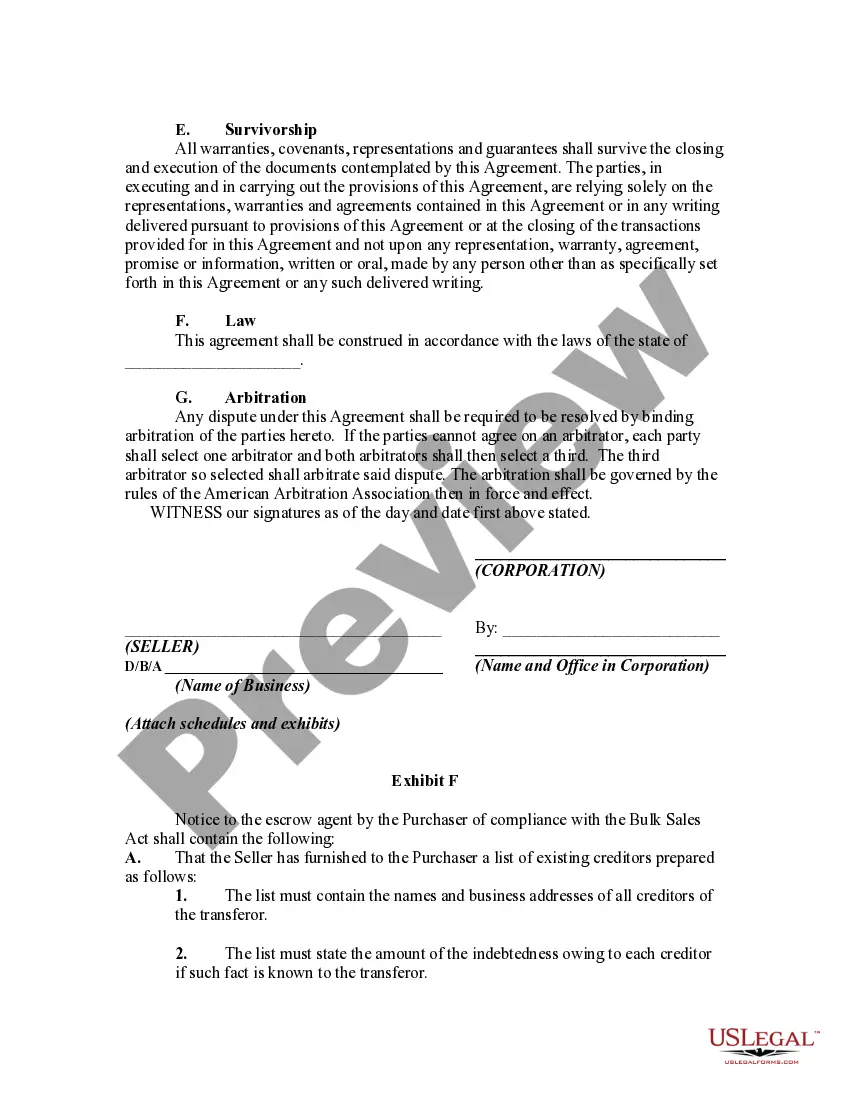
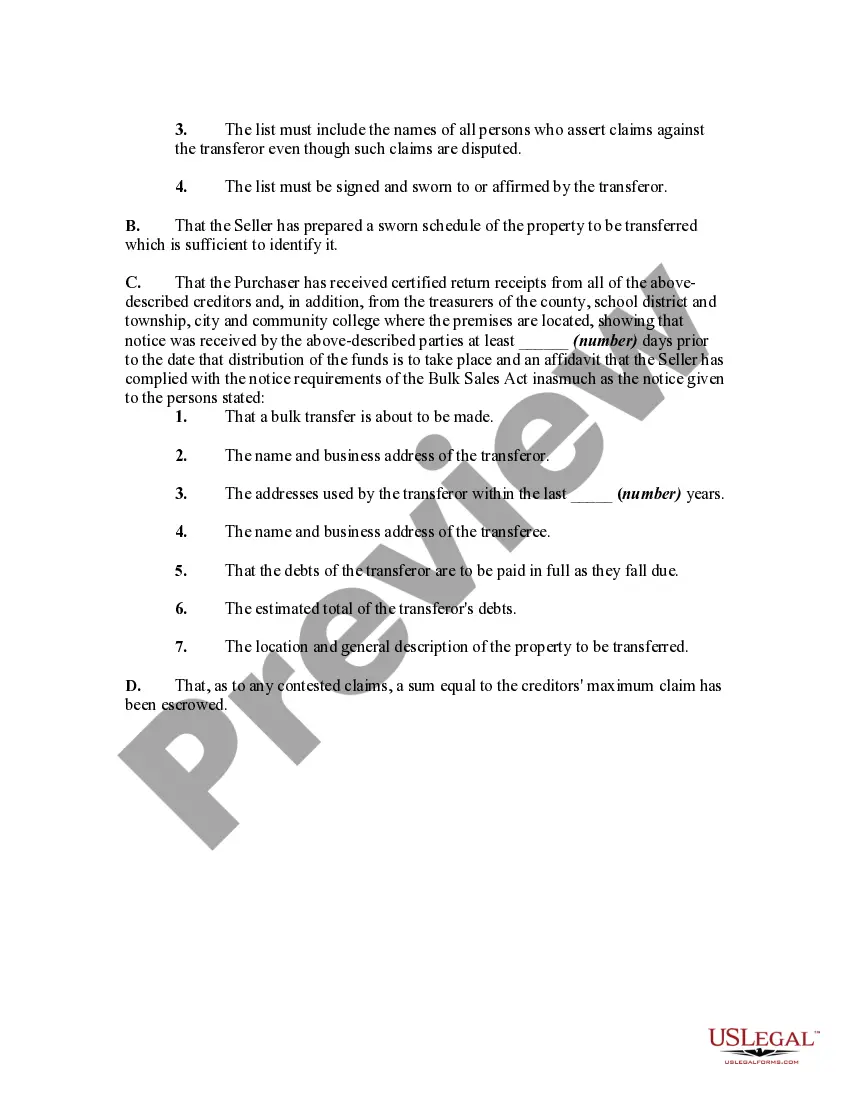
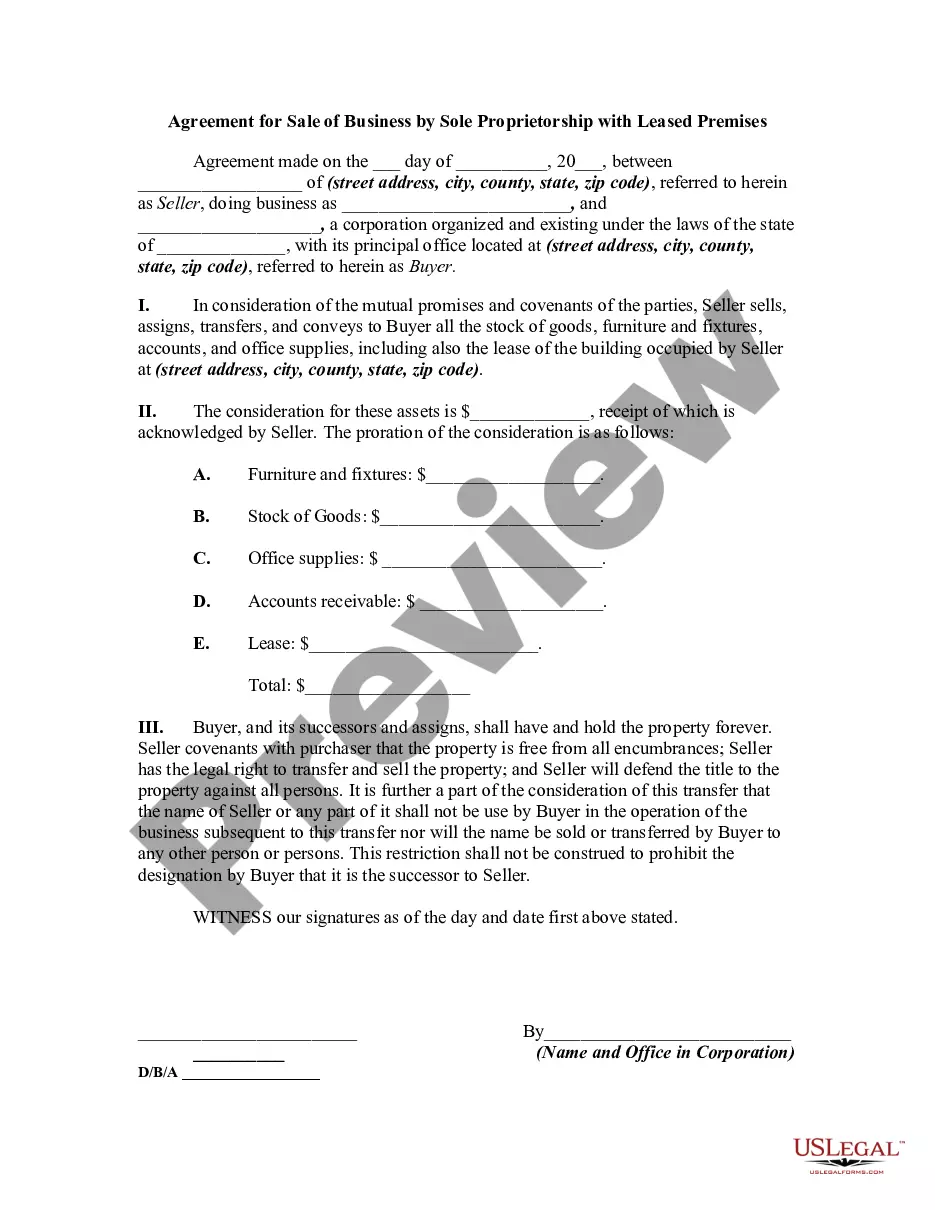
How to fill out Agreement For Sale Of Business By Sole Proprietorship With Seller To Finance Part Of Purchase Price?
The Seller Financing Examples present on this page is a reusable formal template created by expert lawyers in accordance with federal and state regulations.
For over 25 years, US Legal Forms has supplied individuals, organizations, and legal experts with more than 85,000 validated, state-specific documents for any business and personal circumstance. It’s the quickest, easiest, and most reliable method to acquire the paperwork you require, as the service promises the utmost level of data security and anti-malware safeguards.
Choose the format you prefer for your Seller Financing Examples (PDF, DOCX, RTF) and download the sample onto your device.
- Search for the document you need and review it.
- Examine the sample you searched for and preview it or verify the form description to ensure it meets your requirements. If it does not, utilize the search bar to find the suitable one. Click Buy Now when you have found the template you require.
- Register and Log In.
- Select the pricing plan that works best for you and create an account. Use PayPal or a credit card for a swift payment. If you already possess an account, Log In and review your subscription to proceed.
- Obtain the editable template.
Form popularity
FAQ
Seller financing offers unique opportunities, but it also has downsides. One major concern is the risk of default; if the buyer fails to make payments, the seller may face financial loss and a lengthy legal process to reclaim the property. Additionally, sellers might have to manage the mortgage themselves, requiring ongoing oversight and management. To better understand seller financing examples, consider exploring resources on platforms like US Legal Forms, which can guide you through potential pitfalls and solutions.
Writing a seller financed contract involves detailing the terms of the agreement, such as payment amounts, due dates, and any penalties for late payments. Include clauses that protect both parties and ensure compliance with local laws. Utilizing resources like US Legal Forms can provide you with templates and guidance, making it easier to create a comprehensive contract. Referencing seller financing examples can also enhance your understanding of effective contract structures.
Common seller financing mistakes include failing to thoroughly vet buyers and neglecting to document the terms properly. Some sellers overlook the importance of setting a fair interest rate, which can lead to complications later. Additionally, not using professional legal assistance can result in poorly structured agreements. Learning from seller financing examples can help avoid these pitfalls.
When explaining seller financing to a seller, focus on the benefits it offers. Highlight that seller financing allows them to receive monthly payments instead of a lump sum, which can provide steady income. You can also mention how it may attract more buyers, as it offers a flexible financing option. Providing real seller financing examples can help illustrate how this arrangement works.
Report any interest you receive from the buyer. If the buyer is making payments to you over time (as when you provide seller financing), then you must generally report part of each payment as interest on your tax return. Report the interest as ordinary income on Form 1040, line 8a.
Here are three main ways to structure a seller-financed deal: Use a Promissory Note and Mortgage or Deed of Trust. If you're familiar with traditional mortgages, this model will sound familiar. ... Draft a Contract for Deed. ... Create a Lease-purchase Agreement.
Making the Deals Attractive to Sellers To get a seller to finance a deal, you'll have to convince them that it's in their best interest. The best way to do this is by insisting you'll buy the property at a discount price. If the property sells at only 75% of its market value, the seller will be paid off faster.
A wraparound tends to arise when an existing mortgage cannot be paid off. With a wraparound mortgage, a lender collects a mortgage payment from the borrower to pay the original note and provide themselves with a profit margin.
At a minimum, your contract should include the following: The names of the buyer and seller. A description of the property being sold. The purchase price. The down payment amount. The interest rate. The repayment schedule. The start and end dates of the loan. Closing costs.