Sole Proprietorship Document Without Comments
Description
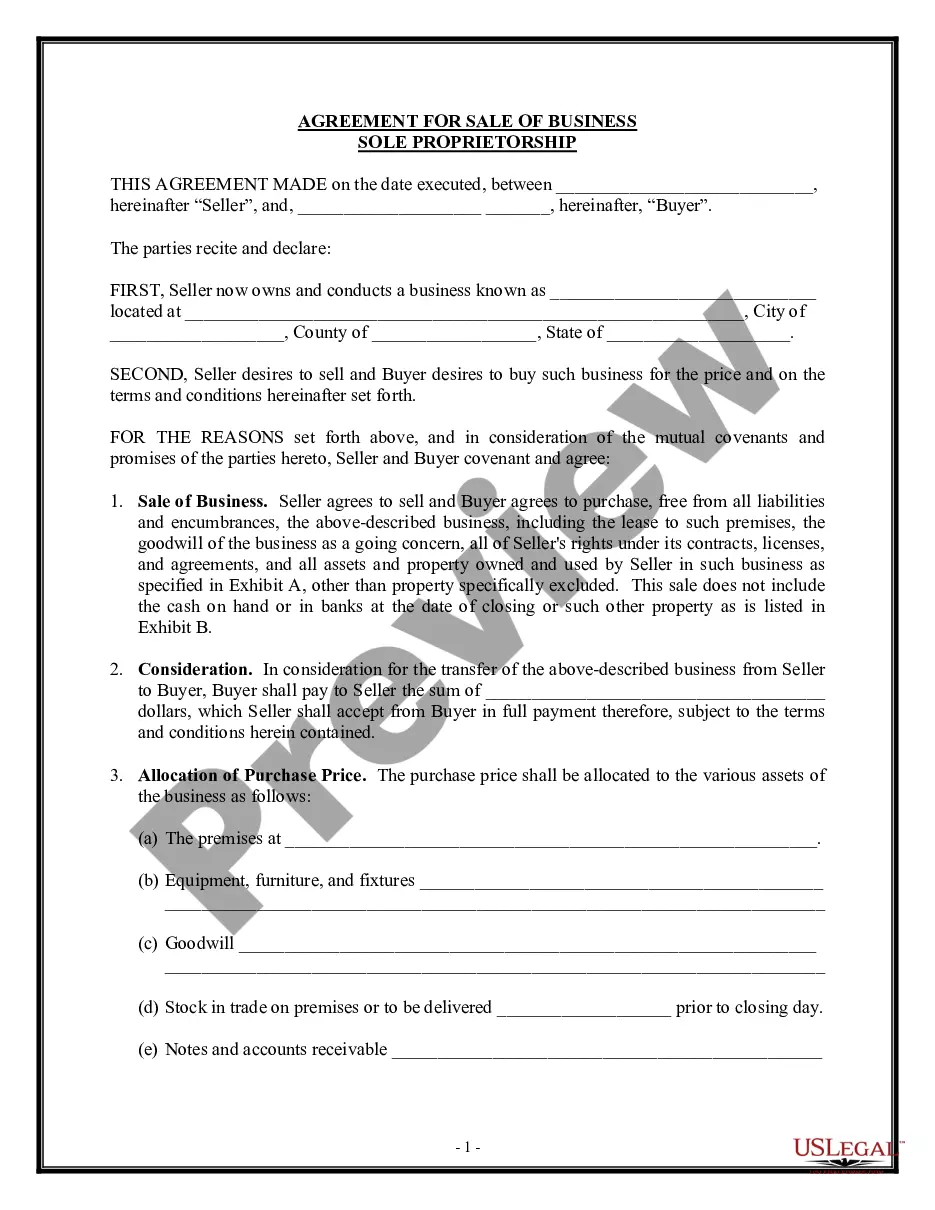
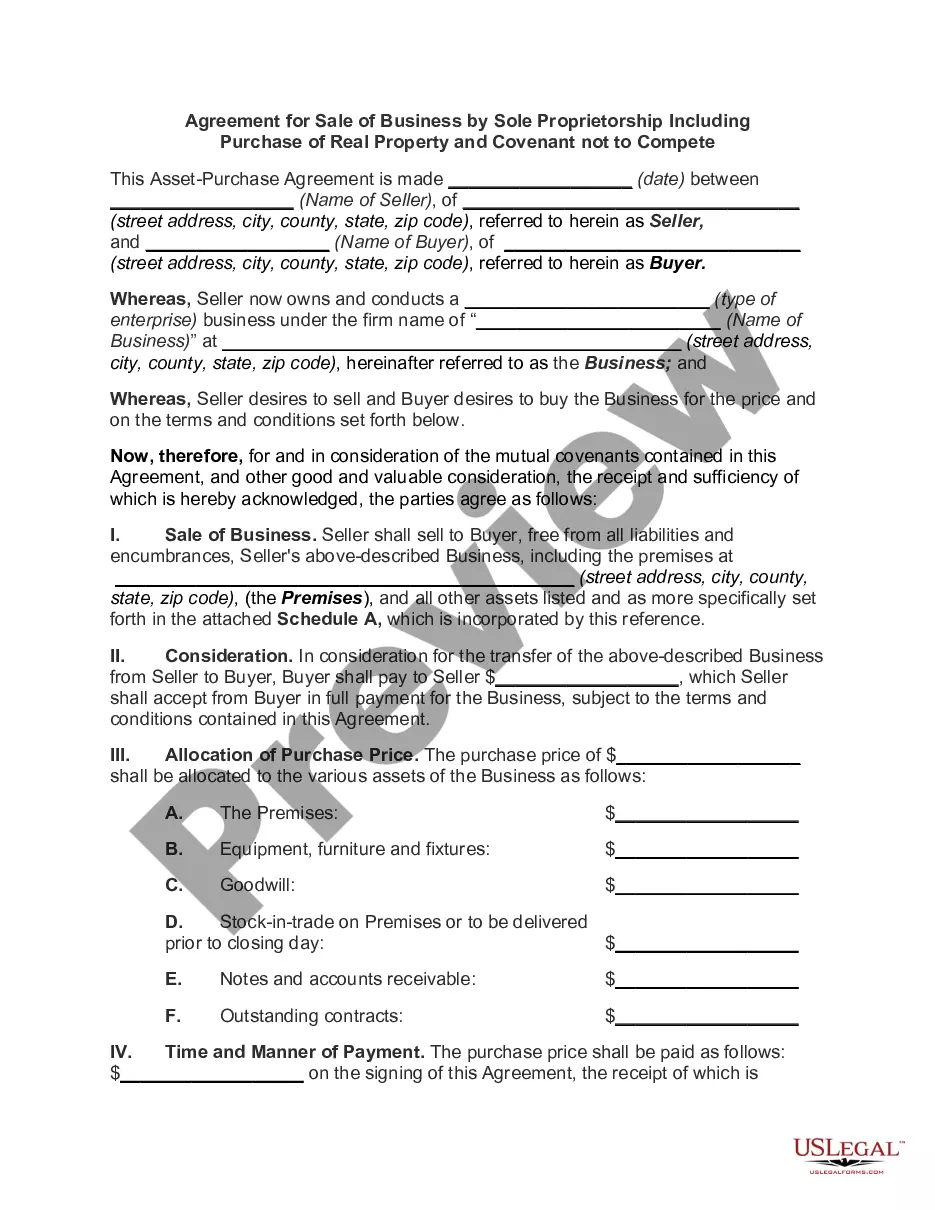
Get your form ready online
Our built-in tools help you complete, sign, share, and store your documents in one place.
Make edits, fill in missing information, and update formatting in US Legal Forms—just like you would in MS Word.
Download a copy, print it, send it by email, or mail it via USPS—whatever works best for your next step.
Sign and collect signatures with our SignNow integration. Send to multiple recipients, set reminders, and more. Go Premium to unlock E-Sign.
If this form requires notarization, complete it online through a secure video call—no need to meet a notary in person or wait for an appointment.
We protect your documents and personal data by following strict security and privacy standards.

Make edits, fill in missing information, and update formatting in US Legal Forms—just like you would in MS Word.

Download a copy, print it, send it by email, or mail it via USPS—whatever works best for your next step.

Sign and collect signatures with our SignNow integration. Send to multiple recipients, set reminders, and more. Go Premium to unlock E-Sign.

If this form requires notarization, complete it online through a secure video call—no need to meet a notary in person or wait for an appointment.

We protect your documents and personal data by following strict security and privacy standards.
Looking for another form?


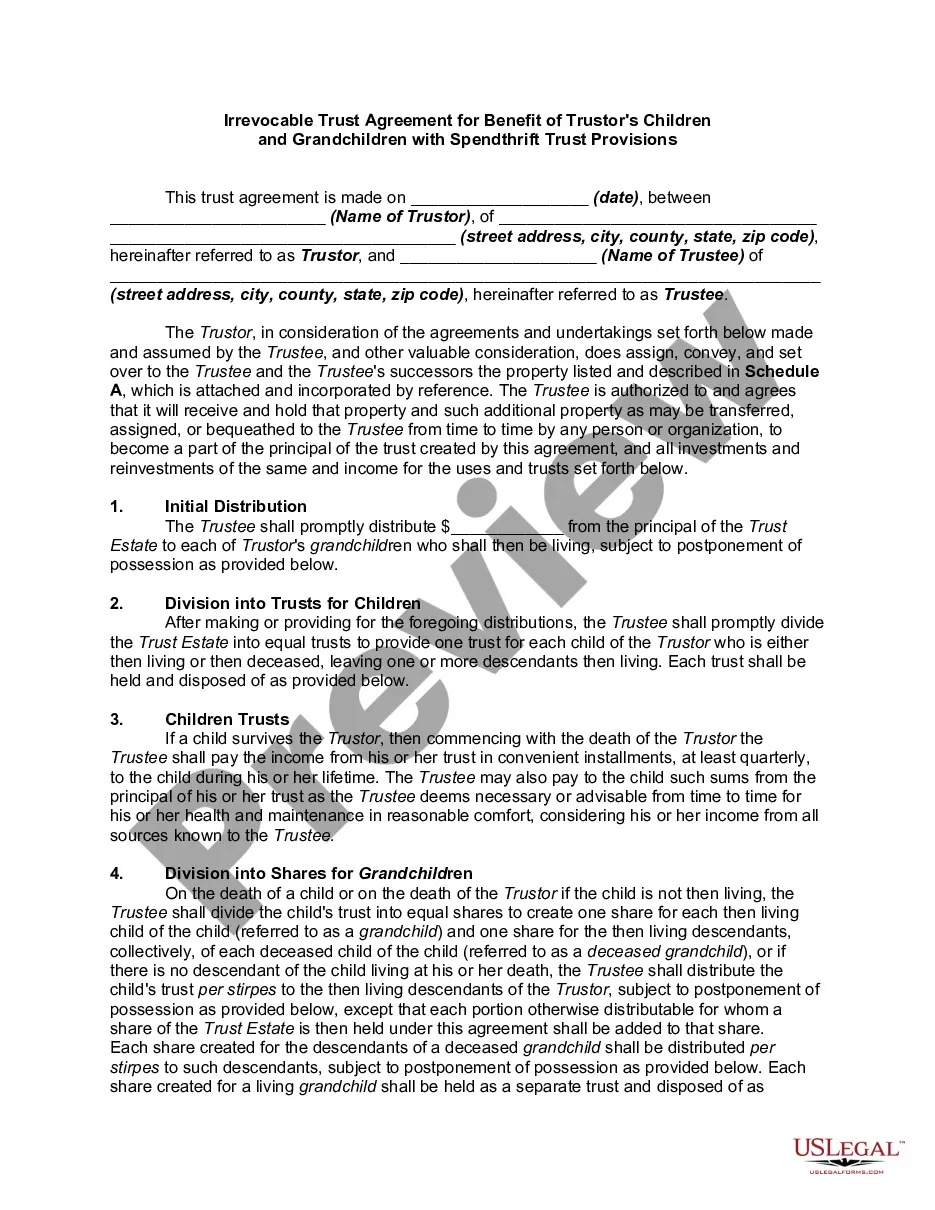


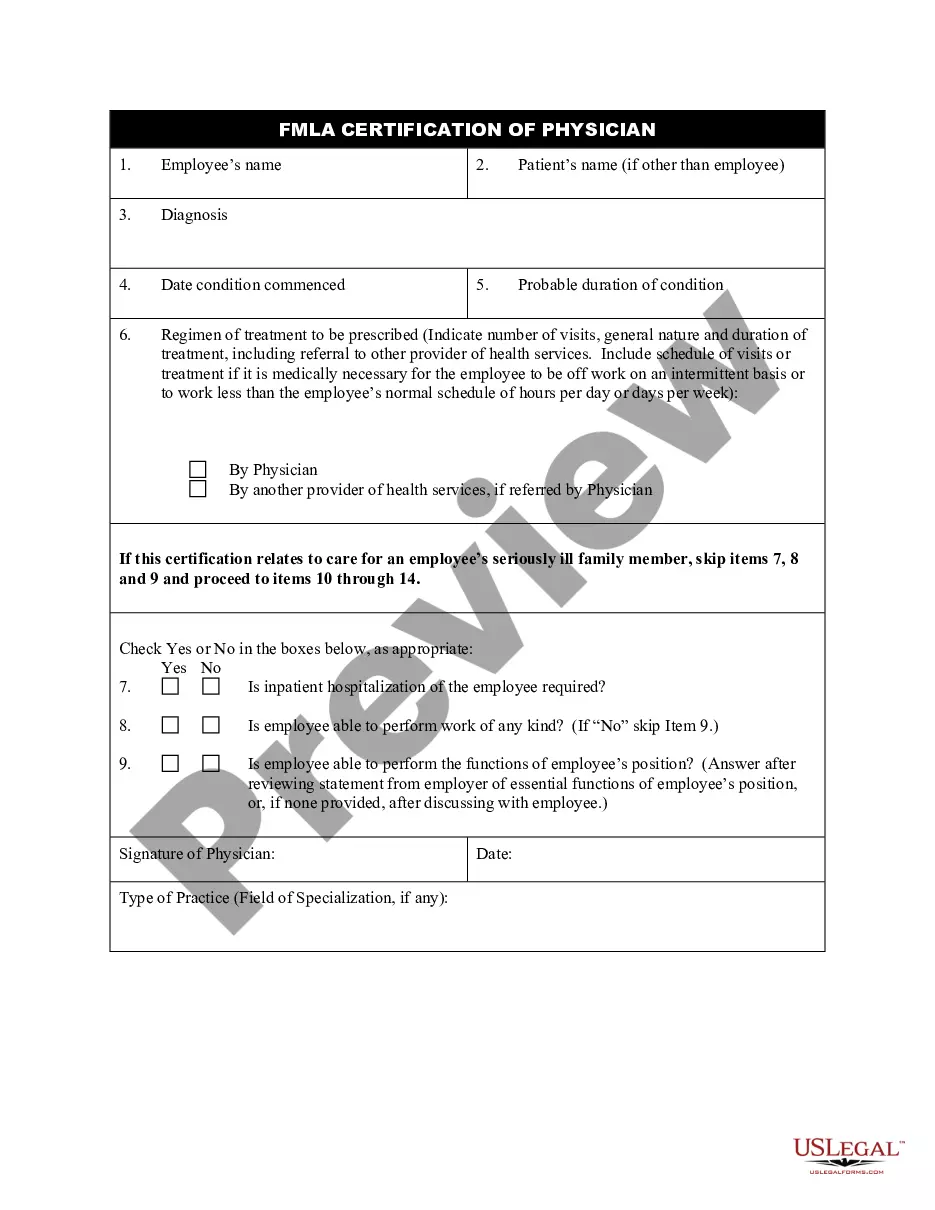
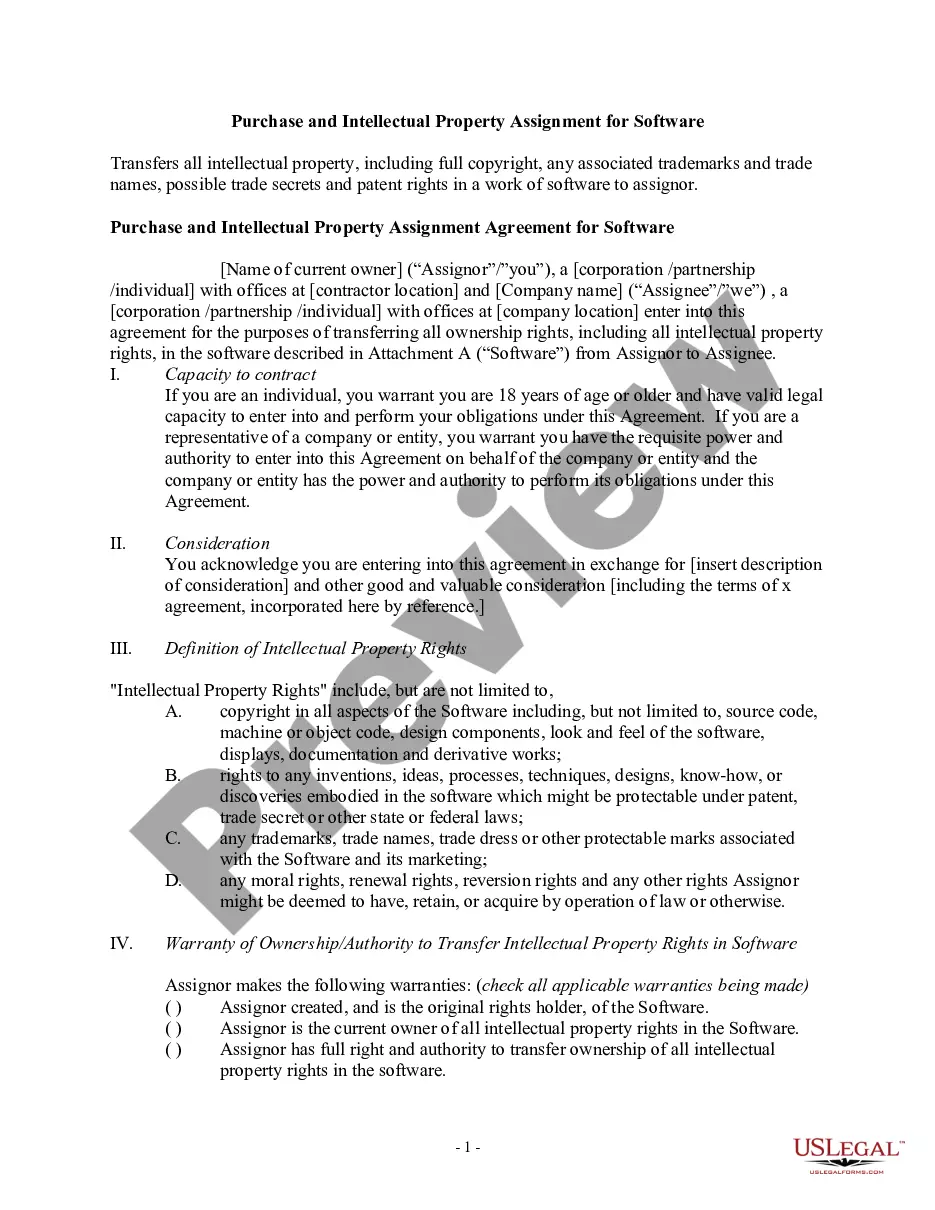

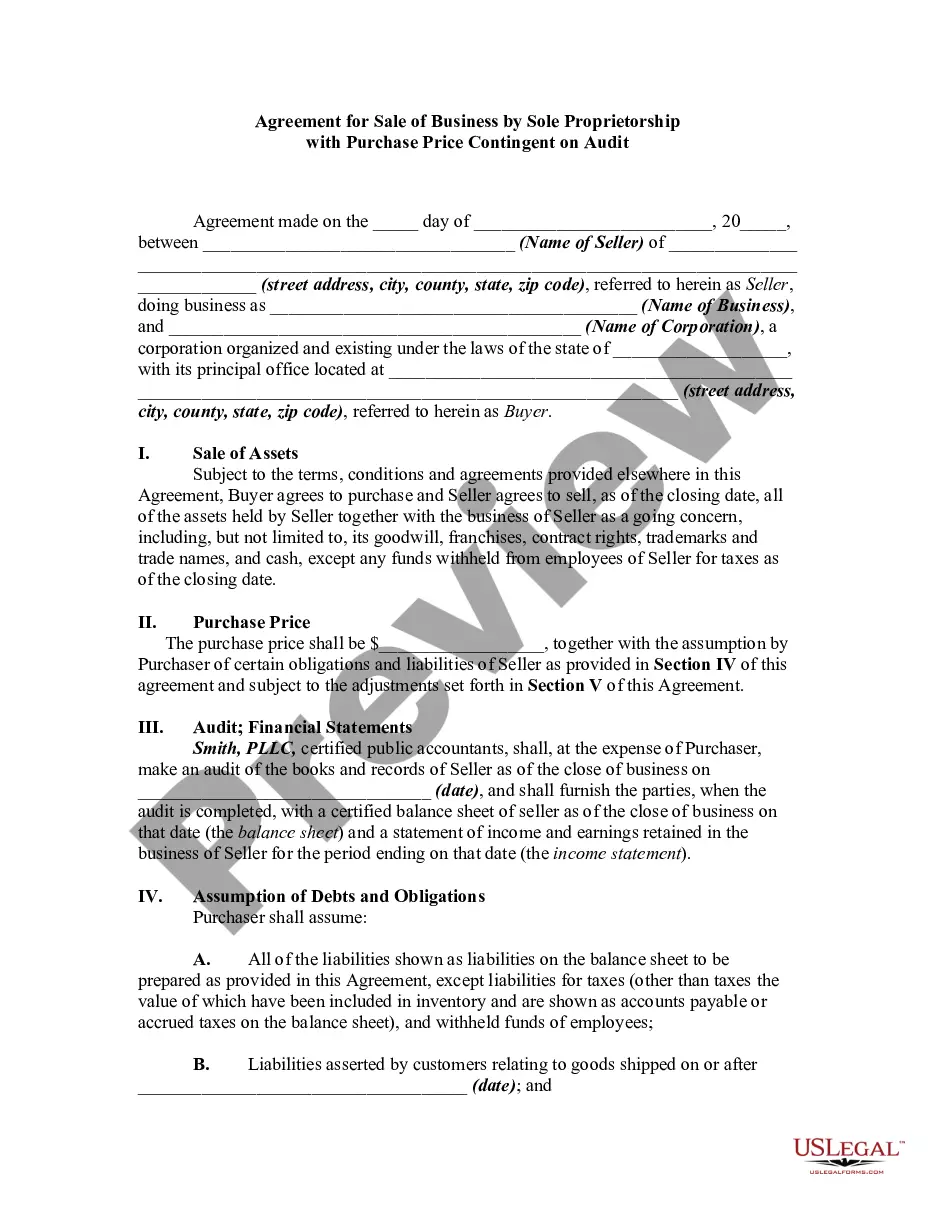
How to fill out Agreement For Sale Of Business By Sole Proprietorship With Purchase Price Contingent On Audit?
Creating legal documents from the beginning can occasionally be overwhelming.
Particular situations may require extensive research and significant financial investment.
If you’re seeking a simpler and more economical method of preparing Sole Proprietorship Document Without Comments or any other documentation without navigating through obstacles, US Legal Forms is always accessible to you.
Our online repository of over 85,000 current legal forms encompasses nearly every area of your financial, legal, and personal matters.
Review the form preview and descriptions to ensure you have located the document you need. Verify that the template you choose aligns with the regulations of your state and county. Select the most appropriate subscription option to acquire the Sole Proprietorship Document Without Comments. Download the file, then complete, certify, and print it. US Legal Forms has a solid reputation and over 25 years of experience. Join us today and transform form completion into a straightforward and efficient process!
- With just a few clicks, you can swiftly obtain state- and county-specific forms meticulously crafted by our legal professionals.
- Utilize our platform whenever you require a trustworthy and dependable service to quickly locate and download the Sole Proprietorship Document Without Comments.
- If you’re familiar with our website and have previously created an account, simply Log In, choose the template, and download it or re-download it anytime in the My documents section.
- Not registered yet? No worries. It takes minimal time to set up and explore the library.
- But before proceeding to download the Sole Proprietorship Document Without Comments, adhere to these suggestions.
Form popularity
FAQ
If there is no title, then it is a sole proprietorship. Other titles include: Inc. for incorporation, LLC for limited liability company, and LLP for limited liability partnership.
In the case of a sole proprietorship, you declare your profit and loss on Schedule C of Form 1040. But, to file Schedule C, you'll have to qualify first. The conditions to qualify are: Your goal is to engage in business activity for income and profit.
Disadvantages of sole trading include that: you have unlimited liability for debts as there's no legal distinction between private and business assets. your capacity to raise capital is limited. all the responsibility for making day-to-day business decisions is yours.
Many sole proprietors do business under their own names because creating a separate business or trade name isn't necessary. Also referred to as a sole trader or a proprietorship, a sole proprietorship is the easiest type of business to establish or take apart, due to a lack of government regulation.
To cover your federal taxes, saving 30% of your business income is a solid rule of thumb. ing to John Hewitt, founder of Liberty Tax Service, the total amount you should set aside to cover both federal and state taxes should be 30-40% of what you earn.