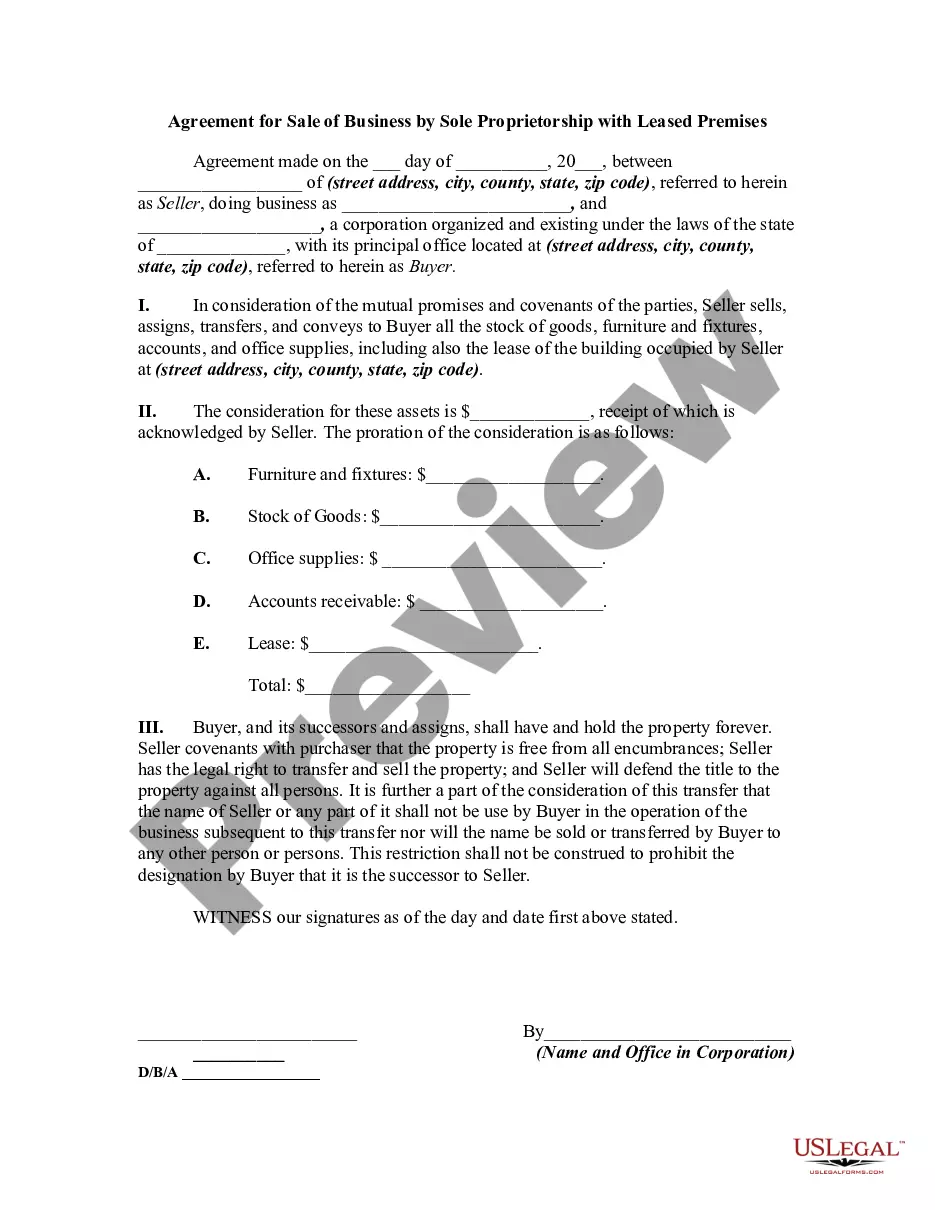
Sole Proprietor With 1099
Description
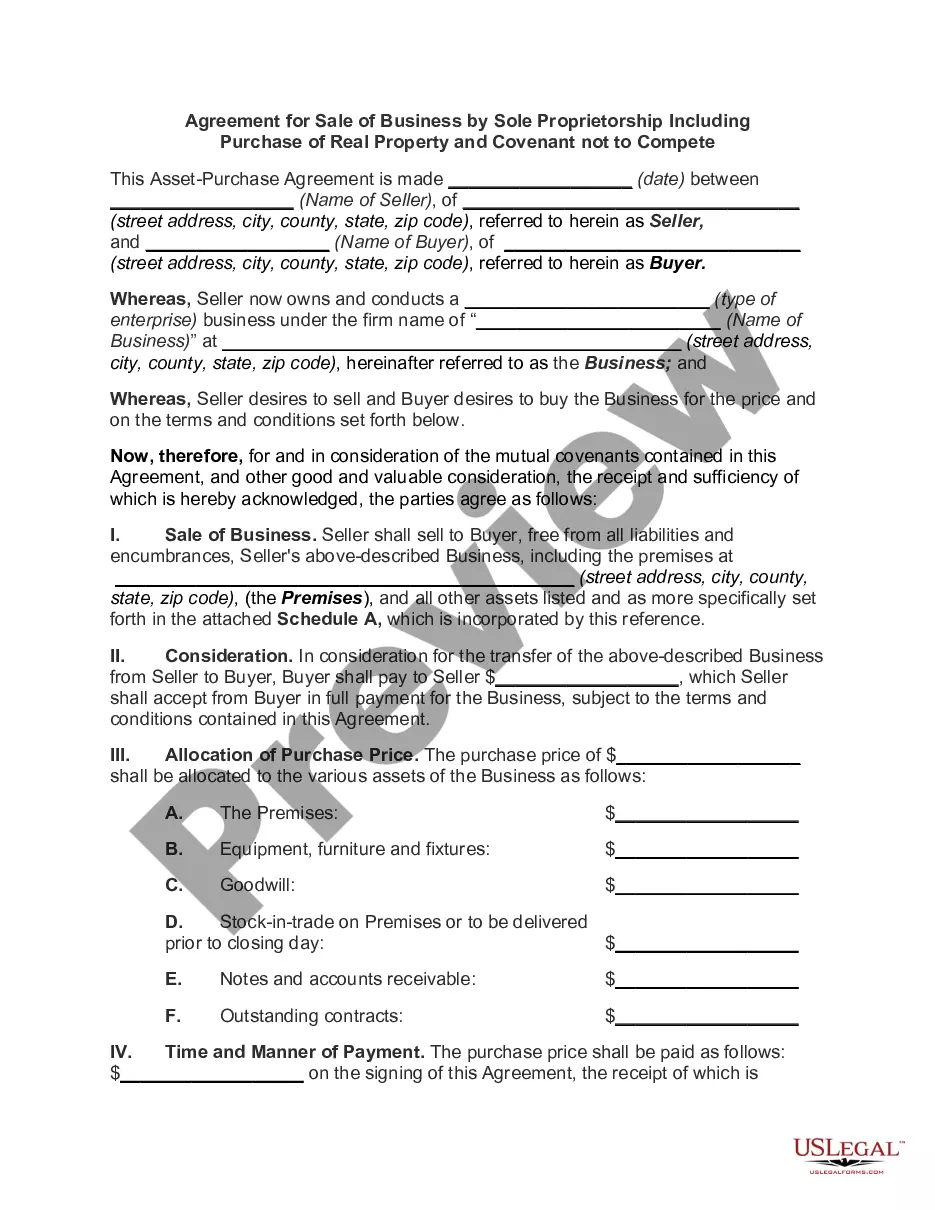
Get your form ready online
Our built-in tools help you complete, sign, share, and store your documents in one place.
Make edits, fill in missing information, and update formatting in US Legal Forms—just like you would in MS Word.
Download a copy, print it, send it by email, or mail it via USPS—whatever works best for your next step.
Sign and collect signatures with our SignNow integration. Send to multiple recipients, set reminders, and more. Go Premium to unlock E-Sign.
If this form requires notarization, complete it online through a secure video call—no need to meet a notary in person or wait for an appointment.
We protect your documents and personal data by following strict security and privacy standards.

Make edits, fill in missing information, and update formatting in US Legal Forms—just like you would in MS Word.

Download a copy, print it, send it by email, or mail it via USPS—whatever works best for your next step.

Sign and collect signatures with our SignNow integration. Send to multiple recipients, set reminders, and more. Go Premium to unlock E-Sign.

If this form requires notarization, complete it online through a secure video call—no need to meet a notary in person or wait for an appointment.

We protect your documents and personal data by following strict security and privacy standards.
Looking for another form?







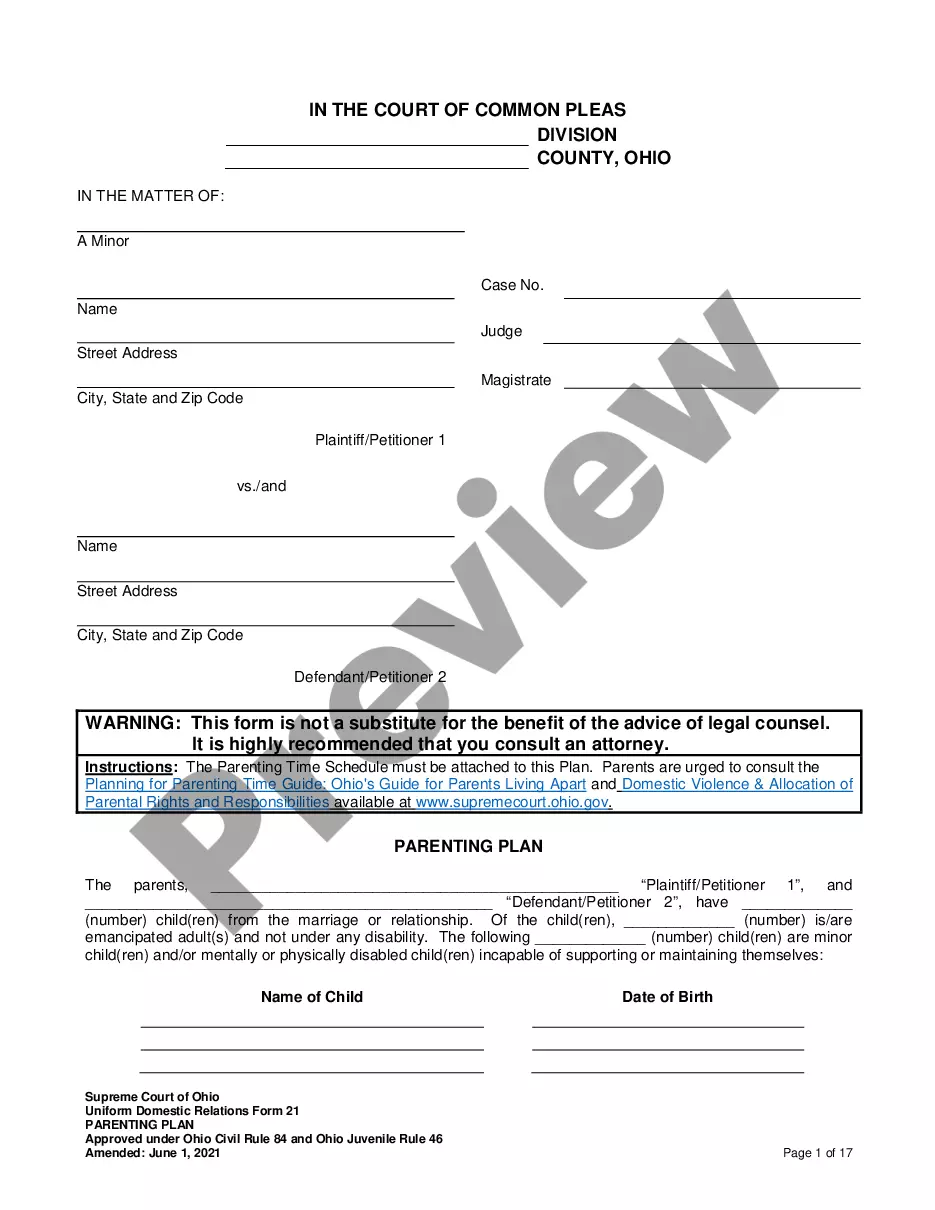
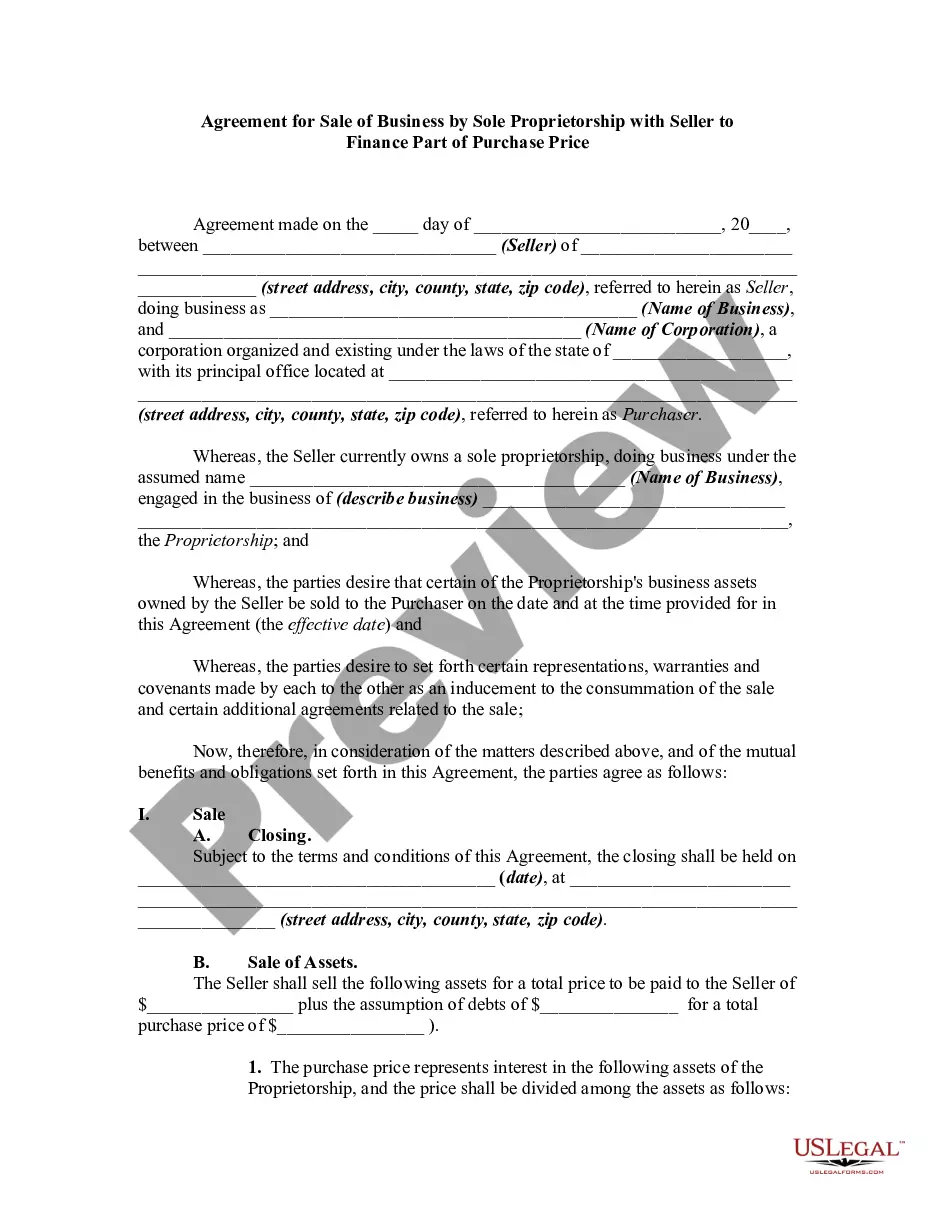
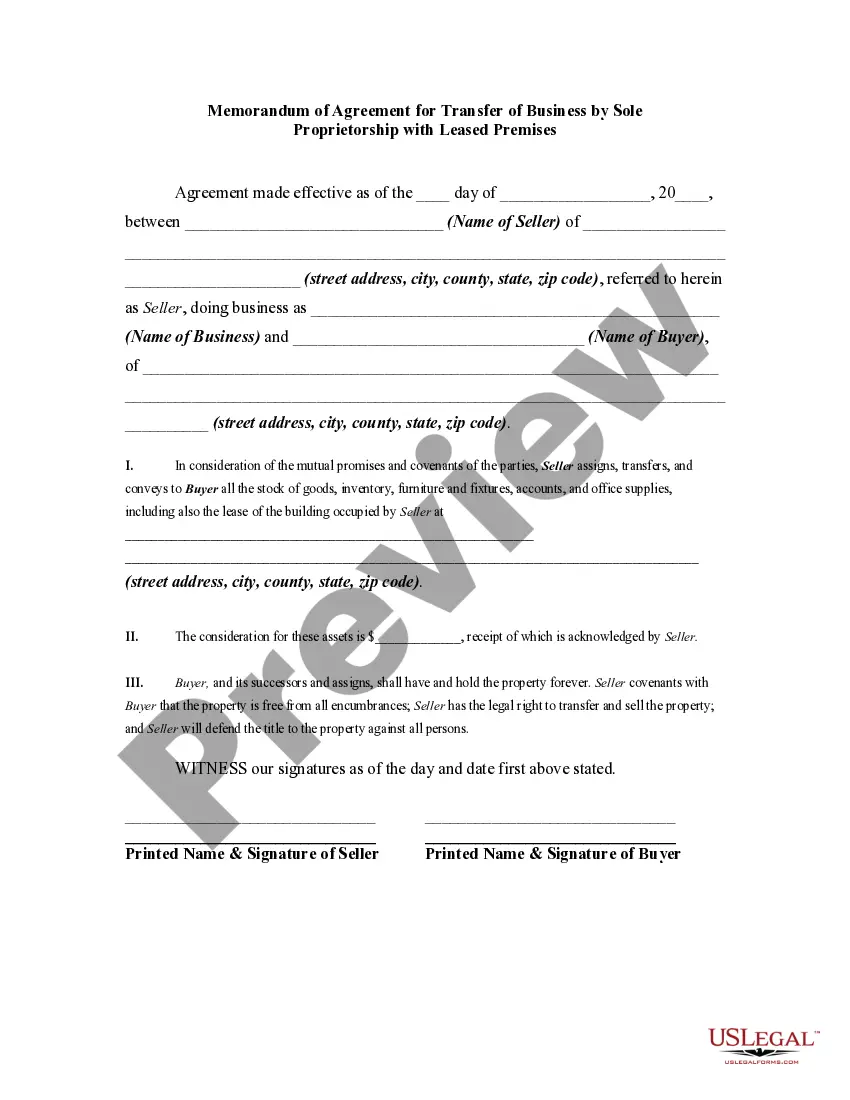
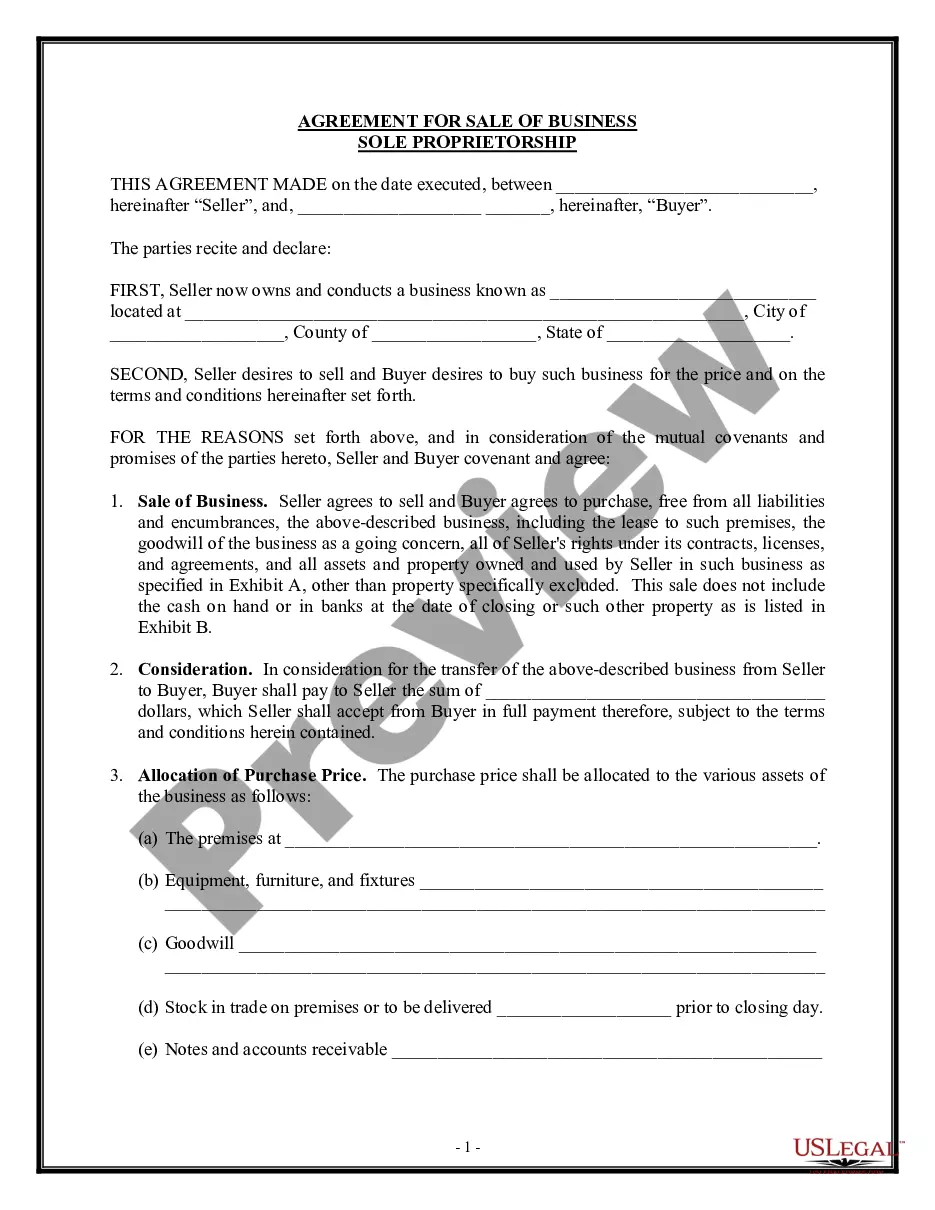
How to fill out Agreement For Sale Of Business By Sole Proprietorship With Leased Premises?
Locating a reliable source for the latest and suitable legal templates is half the battle of managing red tape.
Selecting the correct legal documents requires precision and meticulousness, which is why it’s crucial to take samples of Sole Proprietor With 1099 exclusively from reputable sources, like US Legal Forms. An incorrect template could squander your time and delay your situation.
Eliminate the hassle associated with your legal documents. Explore the comprehensive US Legal Forms library where you can discover legal samples, verify their relevance to your situation, and download them promptly.
- Utilize the library navigation or search bar to find your template.
- Examine the form’s details to determine if it meets the needs of your state and locality.
- Preview the form, if an option exists, to ensure it is the form you are looking for.
- Return to the search to locate the right document if the Sole Proprietor With 1099 is not appropriate for you.
- Once you're confident in the form’s applicability, download it.
- As a registered user, click Log in to verify and access your selected templates in My documents.
- If you don’t have an account yet, click Buy now to acquire the form.
- Choose the pricing option that suits your needs.
- Proceed with the registration to complete your purchase.
- Finalize your acquisition by selecting a payment method (credit card or PayPal).
- Choose the document format for downloading Sole Proprietor With 1099.
- Once the form is on your device, you can adjust it using the editor or print it and complete it by hand.
Form popularity
FAQ
Yes, a non-profit organization can hire independent contractors, who can be issued 1099 forms for their services. This allows the organization to utilize specialized skills without traditional employment obligations. It’s important to ensure that these contractors are properly classified to maintain compliance with tax laws. For guidance on managing such arrangements, US Legal Forms can offer valuable resources to help your non-profit navigate this aspect effectively.
Deciding between an LLC and a sole proprietorship depends on various factors, including liability and tax implications. A sole proprietor with 1099 earnings has personal liability, risking personal assets if the business faces legal challenges. In contrast, an LLC provides limited liability protection, separating your personal assets from business debts. Using US Legal Forms can help you weigh these options and form the structure that best suits your needs.
To establish yourself as a sole proprietorship, you need to choose a business name and register it with your state, if required. Next, obtain any necessary licenses and permits specific to your industry. Make sure to get an Employer Identification Number (EIN) from the IRS, which can help you manage your taxes efficiently. US Legal Forms provides easy-to-follow templates that can guide you through each step of creating your sole proprietorship.
A sole proprietor cannot have employees in the traditional sense but can hire independent contractors who receive 1099 forms for their work. These contractors are not considered employees, so you do not have to withhold taxes for them. Properly classifying your workers ensures compliance and helps avoid potential issues with tax regulations. If you need assistance with these arrangements, consider using US Legal Forms to simplify your management process as a sole proprietor with 1099 contractors.
employed person receives a 1099 form when they provide services to a client or customer and earn $600 or more in a tax year. The business or entity hiring you must complete and send you this form by January 31st of the following year. It's essential to keep accurate records of your earnings to match what’s shown on your 1099. Utilizing platforms like US Legal Forms can help you better manage your paperwork as a sole proprietor with 1099 income.
Yes, you must report your status as a sole proprietor with the IRS. This involves filing your annual taxes using the Schedule C form to declare your business income. Failure to report can lead to penalties, so using platforms like US Legal Forms can help streamline this process and ensure you meet all requirements.
The term 'sole proprietor' specifically refers to individuals who own a business and are personally responsible for its debts, while 'self-employed' is a broader term that includes all individuals working for themselves. Both groups must report their income, often using 1099 forms. Understanding this distinction can help you accurately manage your taxes and obligations.
To report income as a sole proprietor with 1099, complete IRS Schedule C, where you list your business revenue and expenses. This document allows you to net your profit or loss from your business, which then carries over to your Form 1040. Using US Legal Forms can simplify this process, ensuring you have the correct documentation and forms.
Sole proprietors report income by filing a Schedule C form along with their personal tax return. This form details income and expenses incurred throughout the year. By doing this, you declare all earnings as a sole proprietor with 1099, which the IRS uses to assess your tax obligations.
Yes, as a sole proprietor with 1099 income, you must report your business income on your personal tax return. This is typically done using Schedule C, which outlines your earnings and expenses. Reporting income accurately ensures compliance with tax laws and helps you avoid any potential issues. Platforms like US Legal Forms can help you understand the documentation needed for smooth reporting.