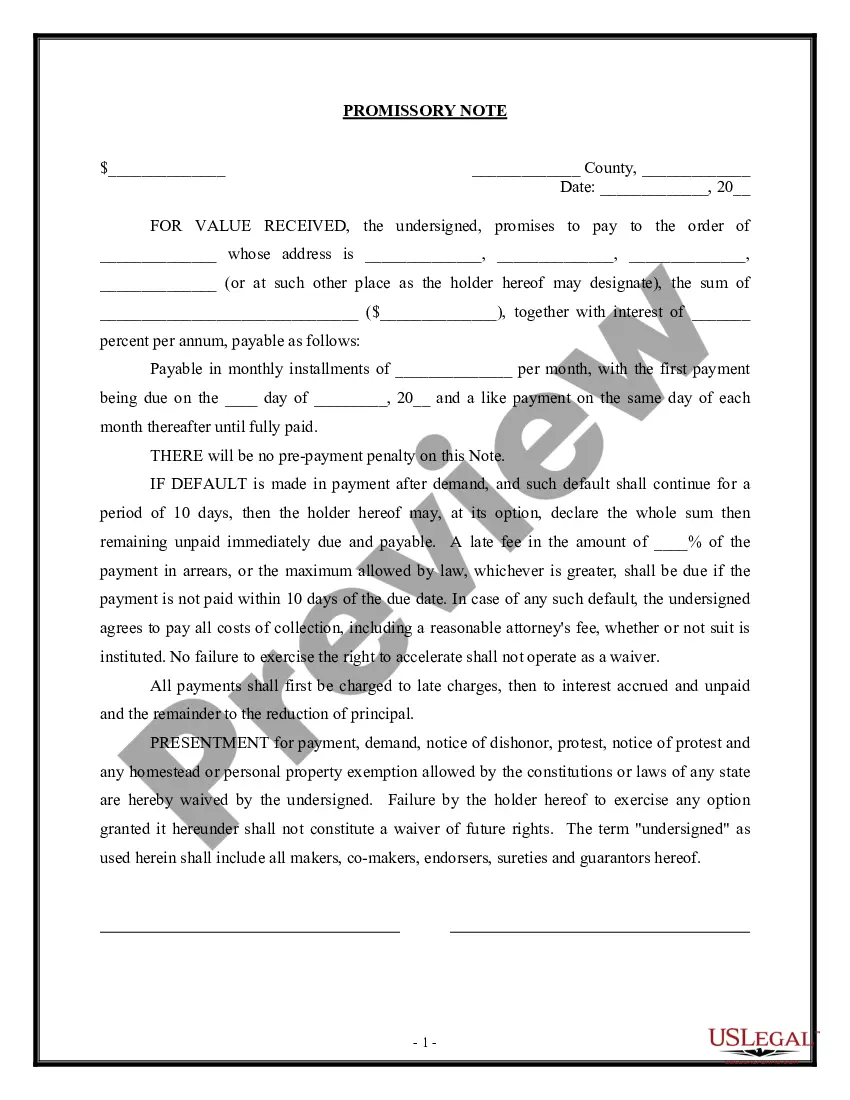
Business Promissory Note Buyers With 0 Feedback
Description
Get your form ready online
Our built-in tools help you complete, sign, share, and store your documents in one place.
Make edits, fill in missing information, and update formatting in US Legal Forms—just like you would in MS Word.
Download a copy, print it, send it by email, or mail it via USPS—whatever works best for your next step.
Sign and collect signatures with our SignNow integration. Send to multiple recipients, set reminders, and more. Go Premium to unlock E-Sign.
If this form requires notarization, complete it online through a secure video call—no need to meet a notary in person or wait for an appointment.
We protect your documents and personal data by following strict security and privacy standards.

Make edits, fill in missing information, and update formatting in US Legal Forms—just like you would in MS Word.

Download a copy, print it, send it by email, or mail it via USPS—whatever works best for your next step.

Sign and collect signatures with our SignNow integration. Send to multiple recipients, set reminders, and more. Go Premium to unlock E-Sign.

If this form requires notarization, complete it online through a secure video call—no need to meet a notary in person or wait for an appointment.

We protect your documents and personal data by following strict security and privacy standards.
Looking for another form?
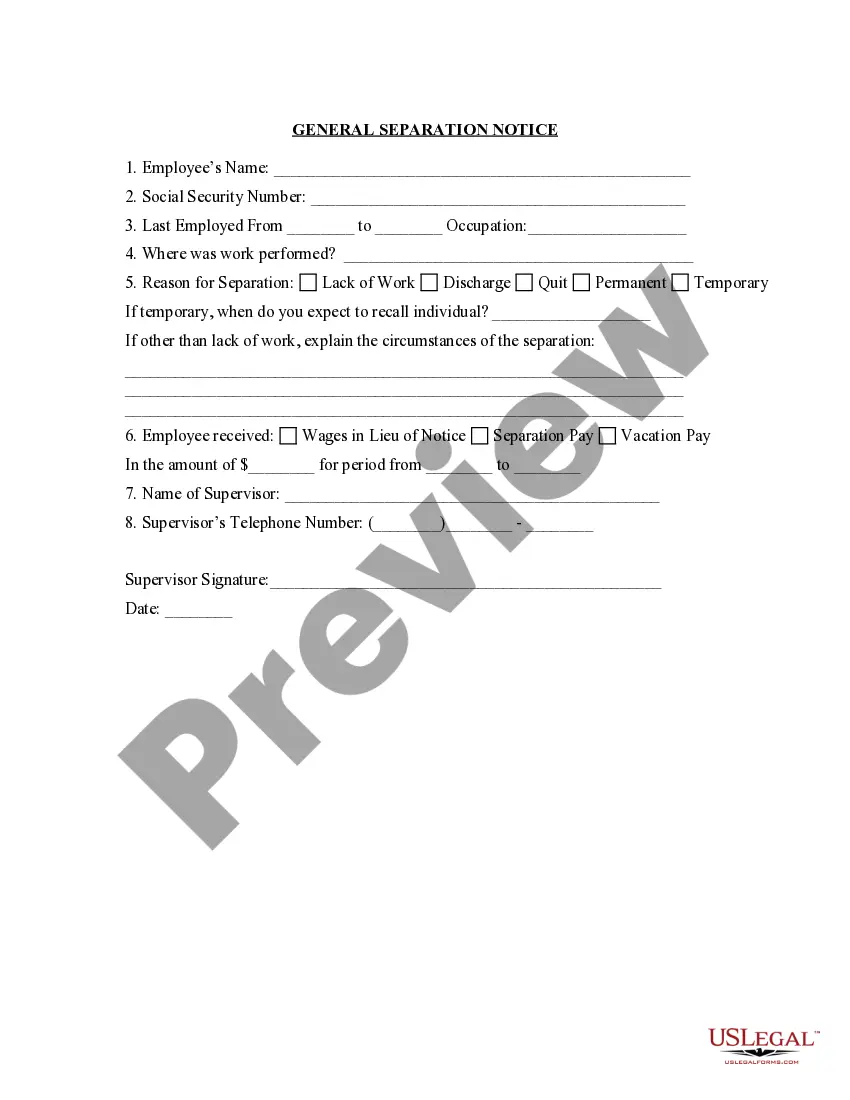


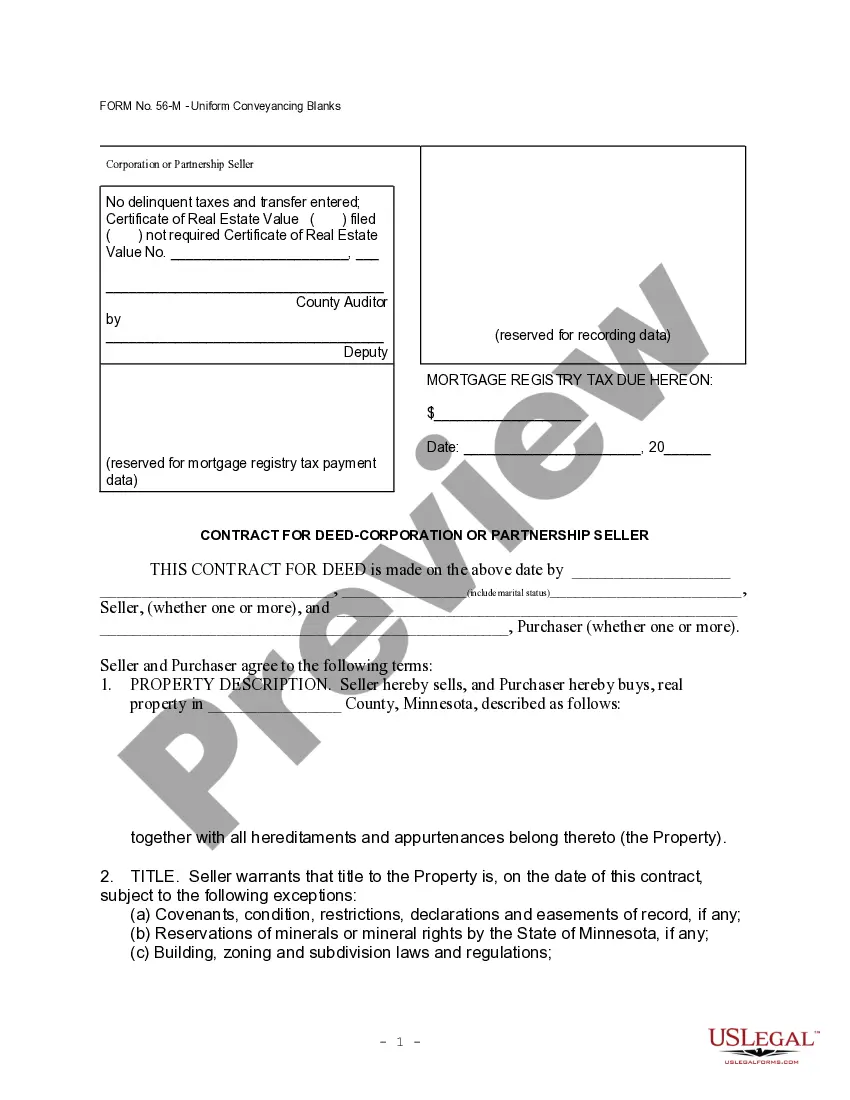

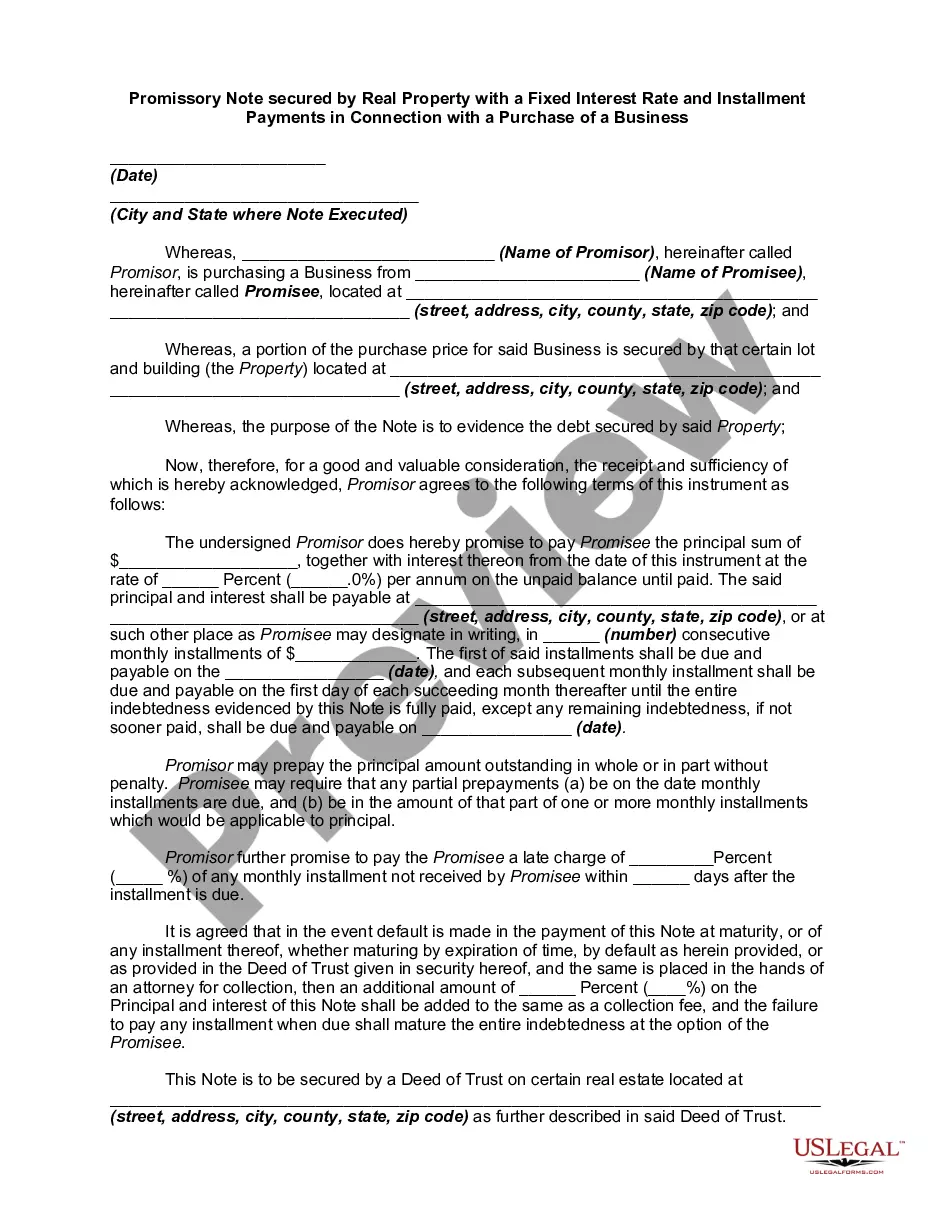
How to fill out Sale Of Business - Promissory Note - Asset Purchase Transaction?
Whether for corporate interests or personal matters, everyone must handle legal issues at some point in their life.
Completing legal documents requires meticulous attention, starting with selecting the suitable form template.
Once it is saved, you can fill out the form using editing software or print it and complete it manually. With an extensive US Legal Forms catalog available, you never need to waste time searching for the correct template throughout the internet. Utilize the library’s straightforward navigation to find the appropriate form for any event.
- Locate the template you require using the search bar or catalog navigation.
- Review the form's description to confirm it aligns with your situation, state, and region.
- Click on the form's preview to view it.
- If it is the incorrect form, return to the search feature to find the Business Promissory Note Buyers With 0 Feedback template you need.
- Download the file if it satisfies your requirements.
- If you possess a US Legal Forms account, click Log in to access previously saved files in My documents.
- If you do not have an account yet, you can acquire the form by clicking Buy now.
- Select the appropriate pricing option.
- Complete the account registration form.
- Choose your payment method: utilize a credit card or PayPal account.
- Select the document format you desire and download the Business Promissory Note Buyers With 0 Feedback.
Form popularity
FAQ
This is public information as mandated by the State of Minnesota Data Practices Act.
Parcel boundary data, maps and ownership records are maintained at the county level, usually by the recorder's, assessor's or land surveyor's offices.
Property ownership information can be requested from the County Registrar-Recorder/County Clerk. For more information, please visit their website to Request a Real Estate Record.
Legal descriptions appear in deeds, mortgages, and other documents that affect the property. Most legal descriptions include the name of the county in which the property is located. Each legal description identifies one and only one piece of property in the county in which it is used.
The MRT is based on the amount of debt secured by a mortgage of real property and is imposed when the mortgage is recorded. The MRT rate is 0.23 percent of the total debt. The deed tax is a transfer tax. It is imposed on the value of real property transferred.
If you lose or misplace the original deed, you may obtain a certified copy from the County Recorder or Registrar of Titles in the county where the property is located. A certified copy of the deed may be recorded in any county with the same force and effect that the original deed would have if it were so recorded.
The primary responsibility of the County Recorder is to accept and maintain a permanent public repository of real estate records. Types of documents in the repository include deeds, mortgages, contracts for deed, mortgage satisfactions, foreclosure records, probate documents, and easements.
Start with a public records search at the local county recorder's office or the tax assessor. The recorder's office keeps all the permanent public records that have to do with real property. The clerk will do the property owner lookup for you with the address you've given them.