Immovable Property Purchase In Cash
Description
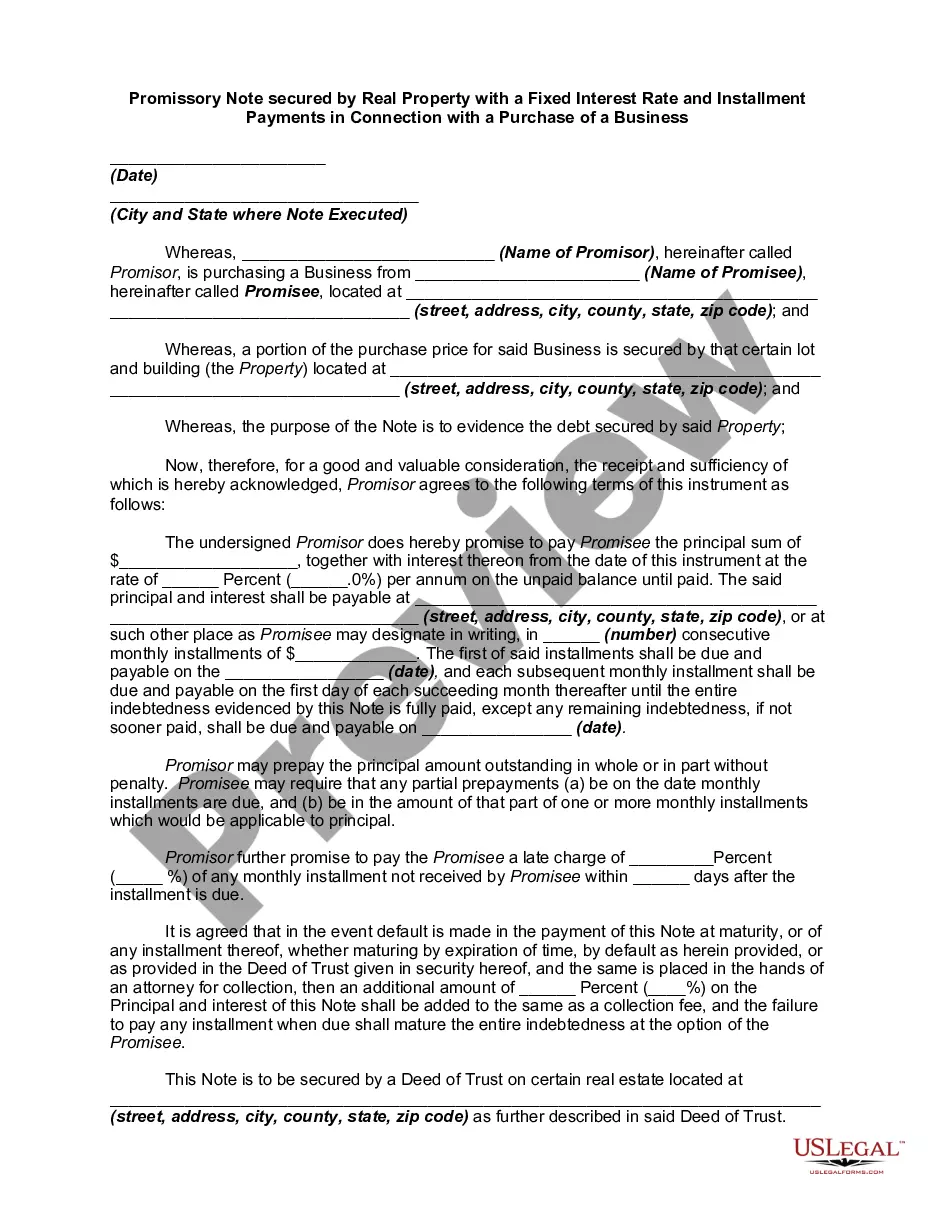

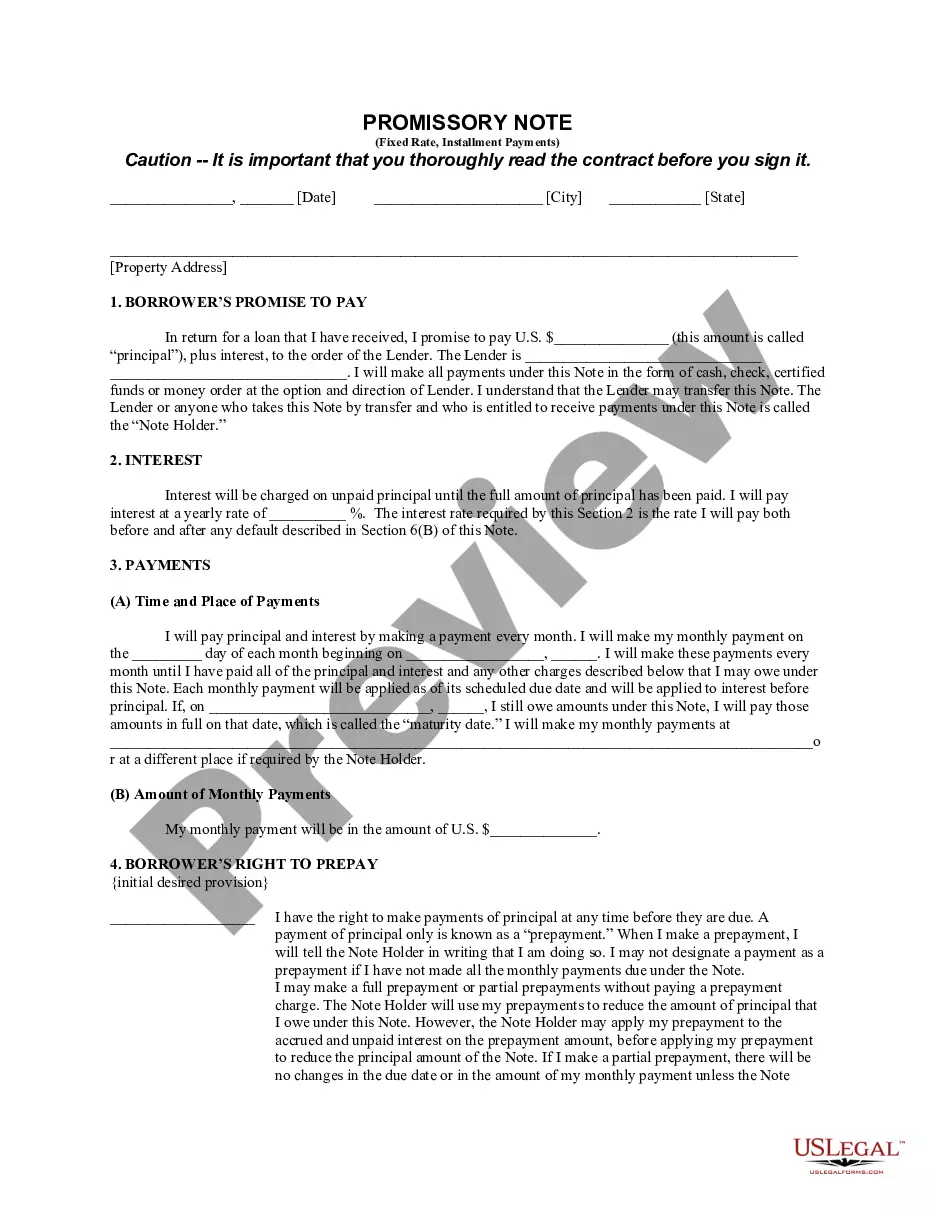
Get your form ready online
Our built-in tools help you complete, sign, share, and store your documents in one place.
Make edits, fill in missing information, and update formatting in US Legal Forms—just like you would in MS Word.
Download a copy, print it, send it by email, or mail it via USPS—whatever works best for your next step.
Sign and collect signatures with our SignNow integration. Send to multiple recipients, set reminders, and more. Go Premium to unlock E-Sign.
If this form requires notarization, complete it online through a secure video call—no need to meet a notary in person or wait for an appointment.
We protect your documents and personal data by following strict security and privacy standards.

Make edits, fill in missing information, and update formatting in US Legal Forms—just like you would in MS Word.

Download a copy, print it, send it by email, or mail it via USPS—whatever works best for your next step.

Sign and collect signatures with our SignNow integration. Send to multiple recipients, set reminders, and more. Go Premium to unlock E-Sign.

If this form requires notarization, complete it online through a secure video call—no need to meet a notary in person or wait for an appointment.

We protect your documents and personal data by following strict security and privacy standards.
Looking for another form?









How to fill out Promissory Note Secured By Real Property With A Fixed Interest Rate And Installment Payments In Connection With A Purchase Of A Business?
Finding a go-to place to take the most current and relevant legal templates is half the struggle of dealing with bureaucracy. Finding the right legal files calls for precision and attention to detail, which is why it is important to take samples of Immovable Property Purchase In Cash only from trustworthy sources, like US Legal Forms. A wrong template will waste your time and hold off the situation you are in. With US Legal Forms, you have little to be concerned about. You can access and view all the details concerning the document’s use and relevance for your situation and in your state or region.
Take the listed steps to complete your Immovable Property Purchase In Cash:
- Make use of the catalog navigation or search field to find your template.
- Open the form’s information to see if it suits the requirements of your state and region.
- Open the form preview, if there is one, to ensure the form is the one you are interested in.
- Return to the search and locate the proper document if the Immovable Property Purchase In Cash does not fit your requirements.
- When you are positive regarding the form’s relevance, download it.
- If you are a registered user, click Log in to authenticate and gain access to your picked templates in My Forms.
- If you do not have an account yet, click Buy now to get the form.
- Select the pricing plan that fits your requirements.
- Go on to the registration to finalize your purchase.
- Finalize your purchase by choosing a transaction method (bank card or PayPal).
- Select the document format for downloading Immovable Property Purchase In Cash.
- Once you have the form on your device, you may modify it using the editor or print it and complete it manually.
Get rid of the inconvenience that comes with your legal documentation. Check out the comprehensive US Legal Forms catalog where you can find legal templates, examine their relevance to your situation, and download them immediately.
Form popularity
FAQ
Threshold Limit ? Cash payment exceeding Rs 10,000 to a person in a single day. The limit is extended to Rs. 35,000 in case the payments are being made for plying, hiring or leasing of goods carriage to a person in a single day.
The Union Government's 'White Paper on Black Money' also stated that real estate is a source of the production of black money. Real estate accounts for a whopping 11 percent of the GDP of the nation, ing to the study, and it is the largest contributor to the country's total black capital.
(1) No company (including a banking company), co- operative society or firm shall repay to any person any deposit other- wise than by an account payee cheque or account payee bank draft where the amount of the deposit, or where the amount of the deposit is to be repaid together with any interest, the aggregate of the ...
Cash Deposit Limit for a Savings Account as Per Income Tax Individuals who deposit cash into a savings account and accumulate INR 10 lakh or more during a fiscal year are required to notify the tax authorities. For those holding current accounts, this reporting threshold is elevated to INR 50 lakh.
Section 269ST states that no person shall receive an amount of Two lakh rupees or more, in aggregate from a person in a day; in respect of a single transaction; or. in respect of transactions relating to one event or occasion from a person.