Pooled Trust For Disabled
Description
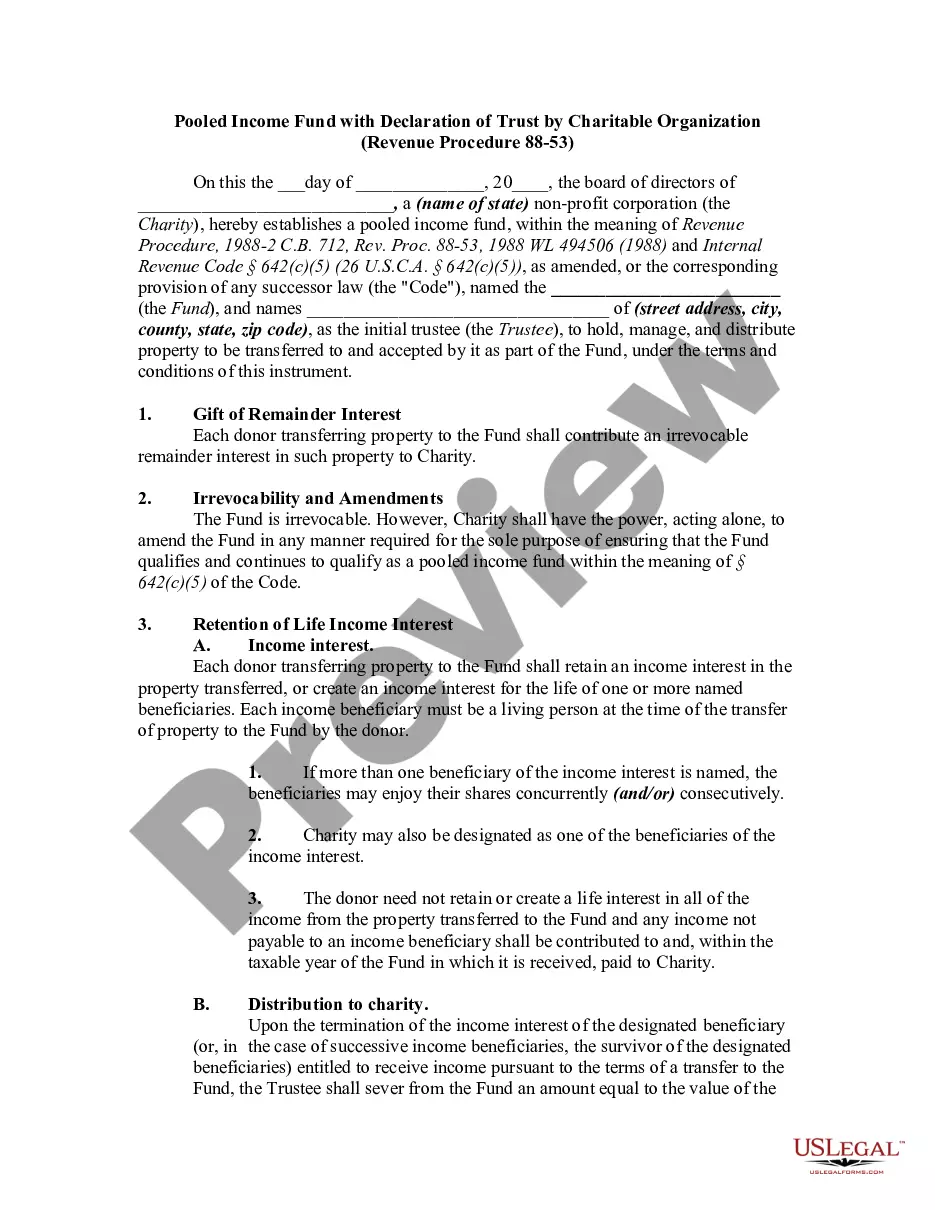
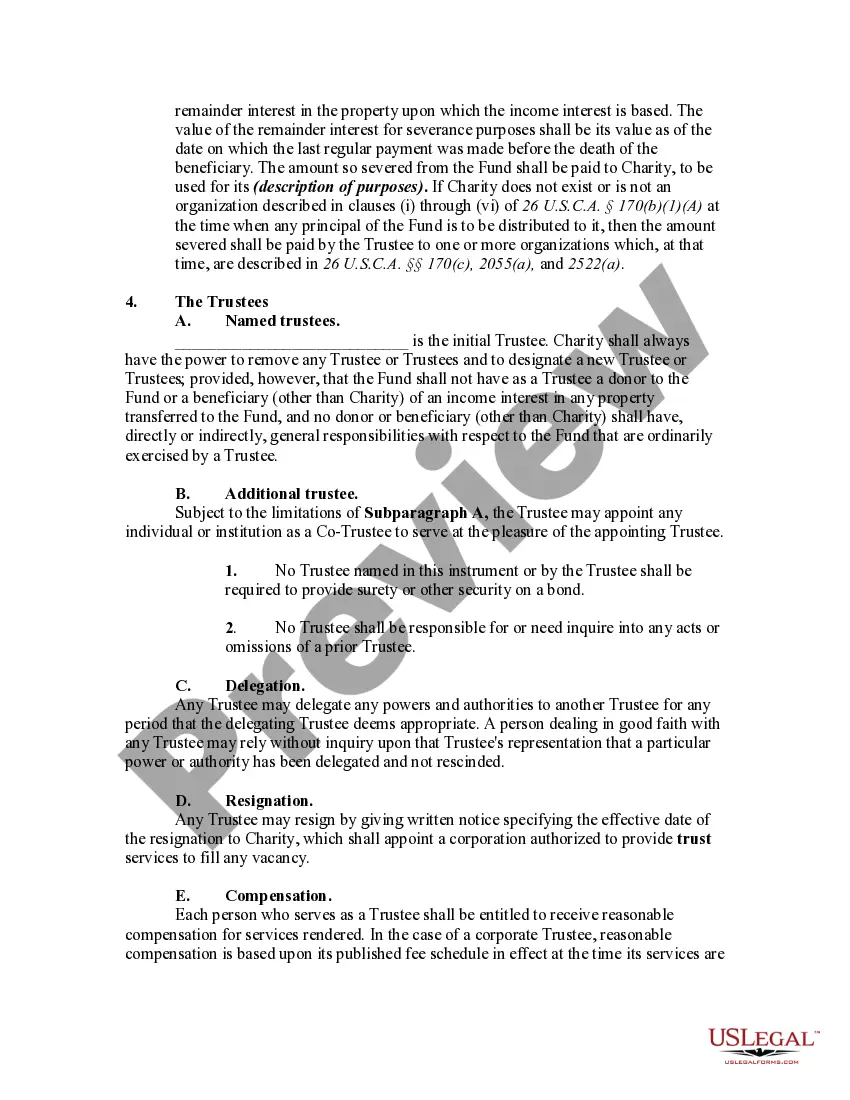
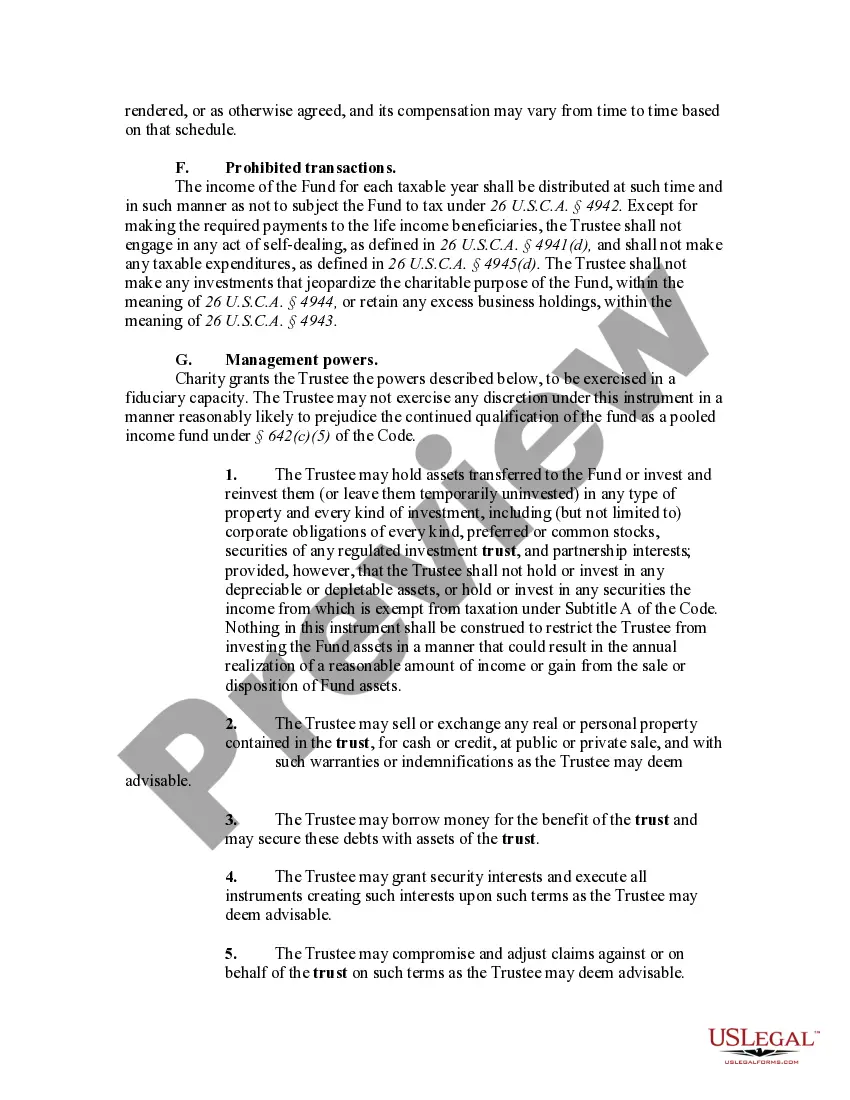
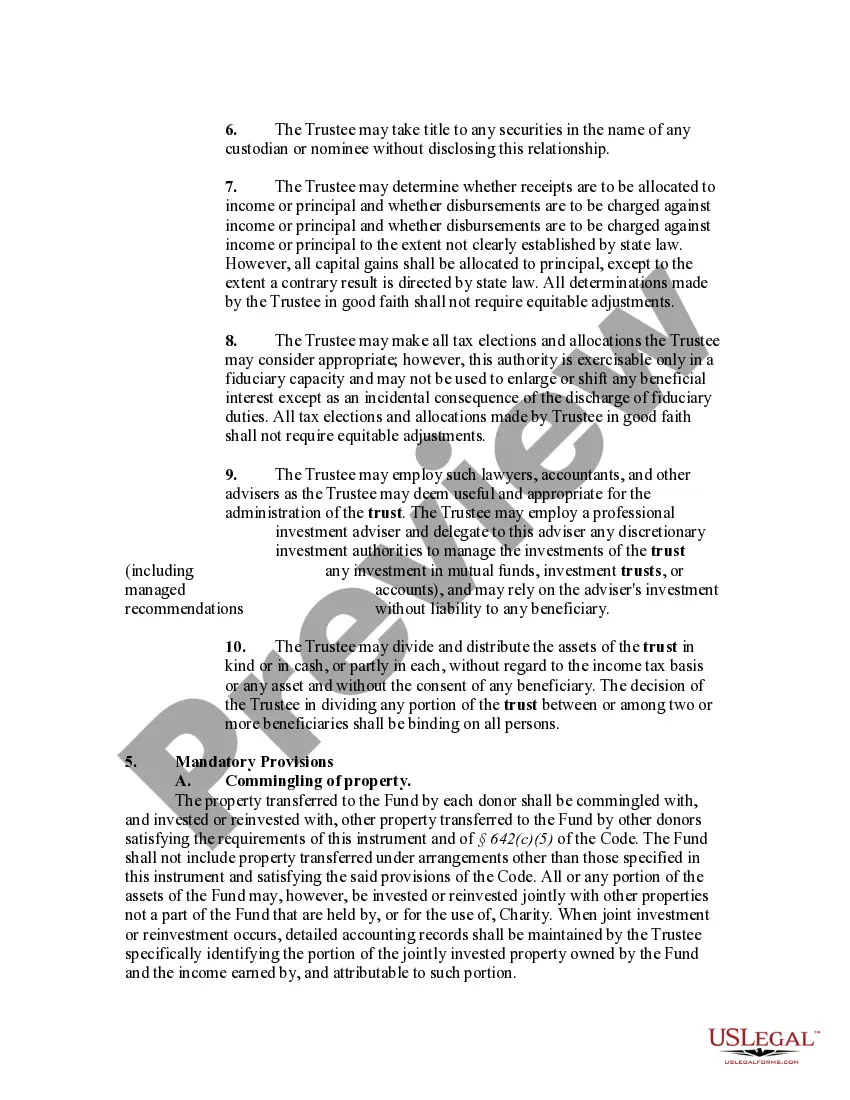
Get your form ready online
Our built-in tools help you complete, sign, share, and store your documents in one place.
Make edits, fill in missing information, and update formatting in US Legal Forms—just like you would in MS Word.
Download a copy, print it, send it by email, or mail it via USPS—whatever works best for your next step.
Sign and collect signatures with our SignNow integration. Send to multiple recipients, set reminders, and more. Go Premium to unlock E-Sign.
If this form requires notarization, complete it online through a secure video call—no need to meet a notary in person or wait for an appointment.
We protect your documents and personal data by following strict security and privacy standards.

Make edits, fill in missing information, and update formatting in US Legal Forms—just like you would in MS Word.

Download a copy, print it, send it by email, or mail it via USPS—whatever works best for your next step.

Sign and collect signatures with our SignNow integration. Send to multiple recipients, set reminders, and more. Go Premium to unlock E-Sign.

If this form requires notarization, complete it online through a secure video call—no need to meet a notary in person or wait for an appointment.

We protect your documents and personal data by following strict security and privacy standards.
Looking for another form?






Form popularity
FAQ
To establish a trust fund for a disabled person, you need to outline the specific goals and requirements of the trust. A pooled trust for disabled beneficiaries is often a beneficial option, as it combines resources for better management and investment. Working with platforms like USLegalForms can simplify the process, providing necessary forms and guidance. This ensures you create a trust fund that effectively meets the needs of the disabled individual while safeguarding their future.
Setting up a trust for a disabled person typically begins with identifying the specific needs of the individual. You should consult with a legal expert to select the appropriate type of trust, such as a pooled trust for disabled individuals, which allows for shared management of funds. A properly established trust can protect the disabled person’s eligibility for public assistance while ensuring they receive the benefits of the trust. With the right guidance, you can create a solid financial foundation for your loved one.
Setting up a pooled trust for disabled individuals typically takes a few weeks, depending on the complexity of the situation. You will need to gather necessary documents and information, which may require coordination with various parties. Once we receive everything, our team at US Legal Forms will guide you through the process, ensuring that all legal requirements are met. This careful approach helps establish a secure financial foundation for the disabled person, allowing them to benefit from the advantages of the pooled trust without unnecessary delays.
After the death of the beneficiary, the pooled trust for disabled individuals typically undergoes specific procedures. Any remaining funds in the trust may first be used to cover final expenses, like medical bills. Then, depending on the trust’s terms, the remaining assets may revert to the pooled trust's organization to support other beneficiaries. This strategy maximizes the impact of the trust and continues to serve the disabled community, even after the original beneficiary's passing.
Yes, pooled trusts for disabled individuals are often considered a smart and practical option. They provide a way to manage funds while preserving eligibility for government benefits. These trusts offer professional oversight, which can reduce the burden on families, allowing them to focus on care rather than administration. Ultimately, pooled trusts can ensure that your loved one's financial needs are met with minimal hassle.
While a pooled trust for disabled individuals is a popular choice, alternatives like individual special needs trusts exist, which offer different management and control options. These trusts allow for individualized control but can often require more administrative work and costs. Choosing between a pooled trust and an individual trust depends on your specific circumstances, such as your loved one's unique needs and financial situation. Consulting with a legal expert can help you find the best solution.
One of the most common mistakes parents make is not fully understanding their options, especially when it comes to a pooled trust for disabled individuals. Many fail to consider how a pooled trust can provide essential financial support while ensuring their child’s eligibility for government benefits. Additionally, overlooking specific terms and conditions can lead to complications in management and distributions. By choosing a well-structured pooled trust, parents can secure a better future for their loved ones.
The best place for a person on disability depends on individual needs and preferences, focusing on accessibility and support. Environments equipped with resources like healthcare and community services enrich the living experience. Additionally, some prefer assisted living facilities that provide more structured support. Exploring local options can reveal places that align with the individual's lifestyle and care requirements.
A special needs trust has some drawbacks, even though it provides essential financial benefits. Unlike a pooled trust for disabled individuals, a special needs trust might not offer as much flexibility in fund management. Additionally, the trust can be complex to set up and maintain, often requiring legal assistance. It's essential to weigh these factors carefully.
A pooled disability trust is designed to hold and manage assets for individuals with disabilities, while allowing them to qualify for government benefits. This type of trust pools resources from multiple beneficiaries, which helps in managing funds efficiently. By setting up a pooled trust for disabled people, the collective strength of the resources enhances financial support. This arrangement offers an invaluable way to preserve assets for future needs.
