Charitable Trust
Description
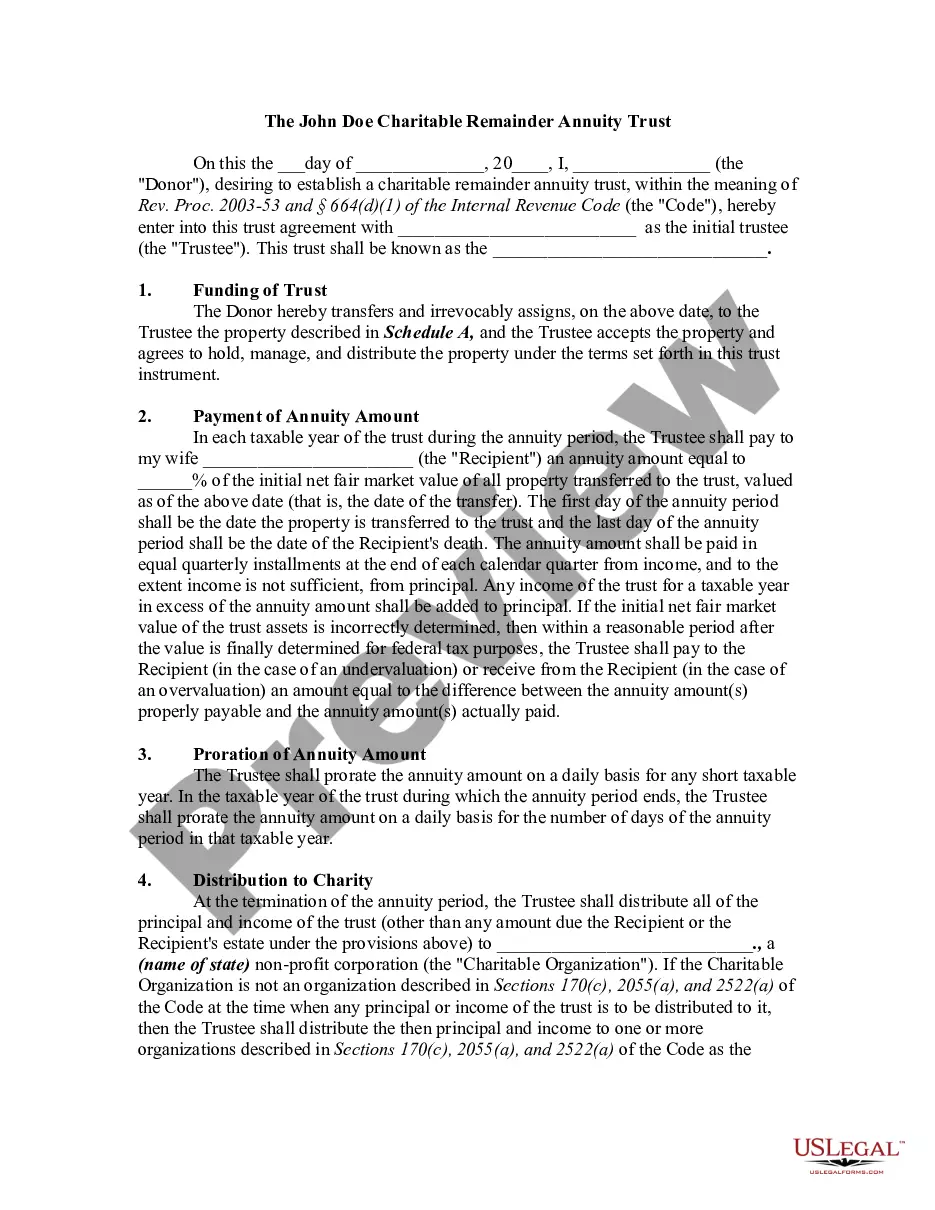
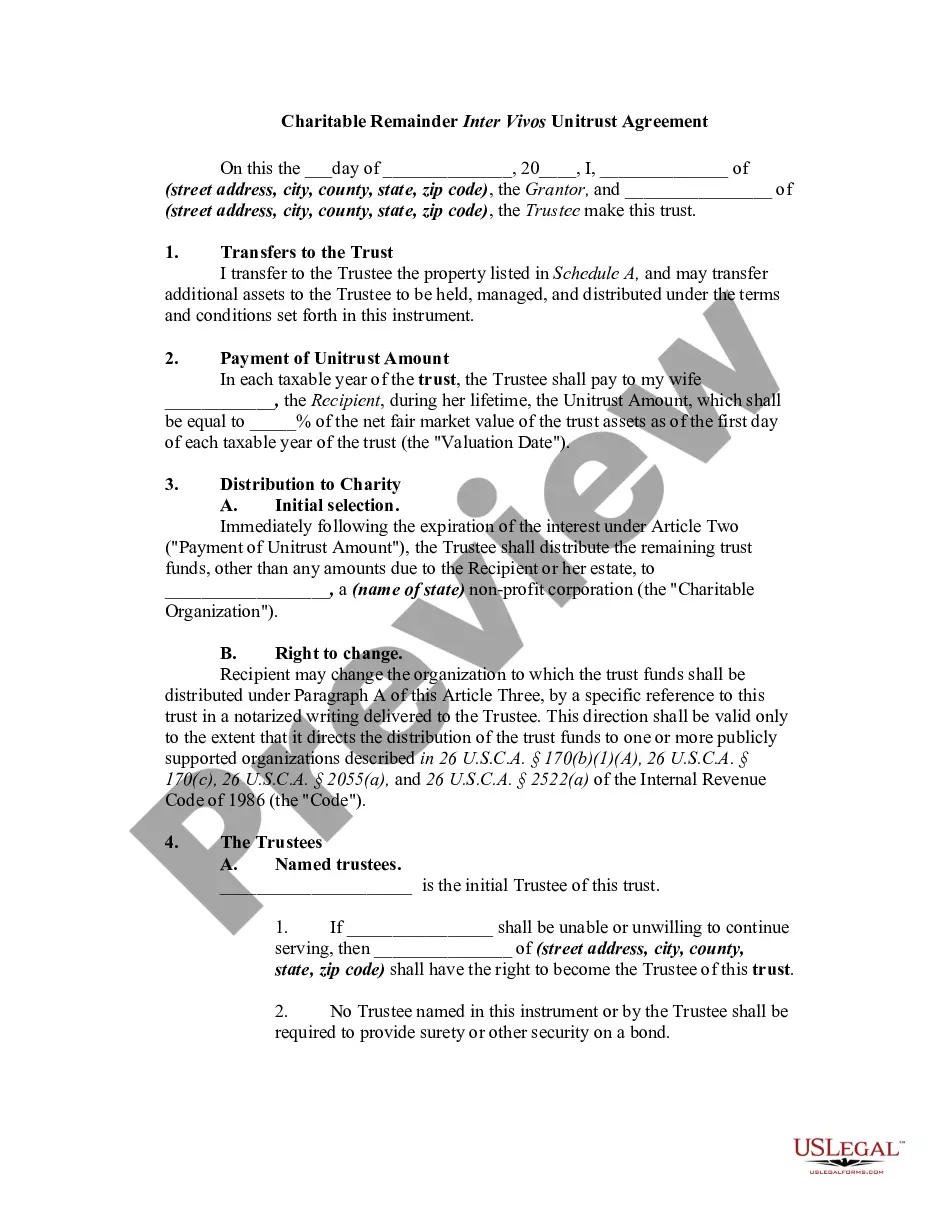
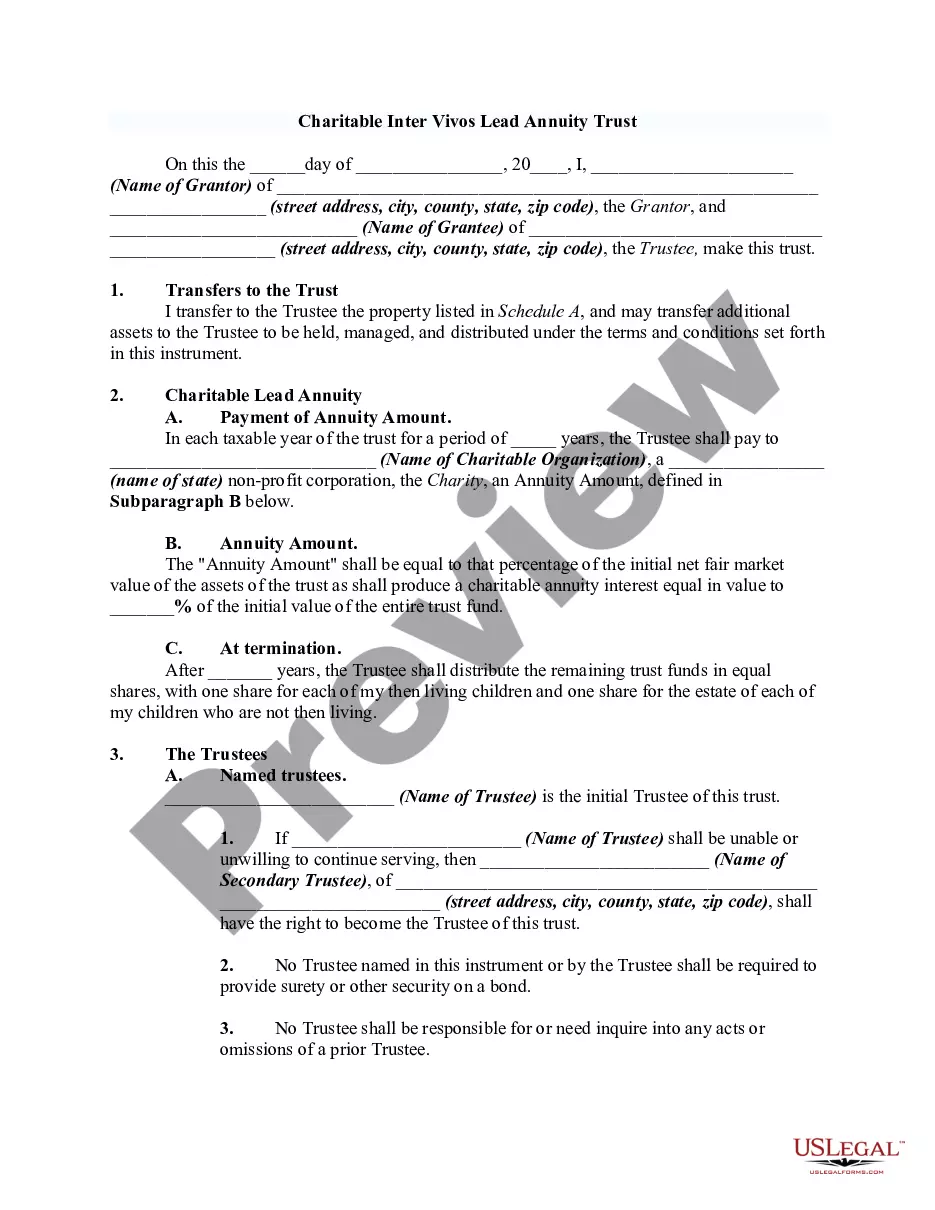
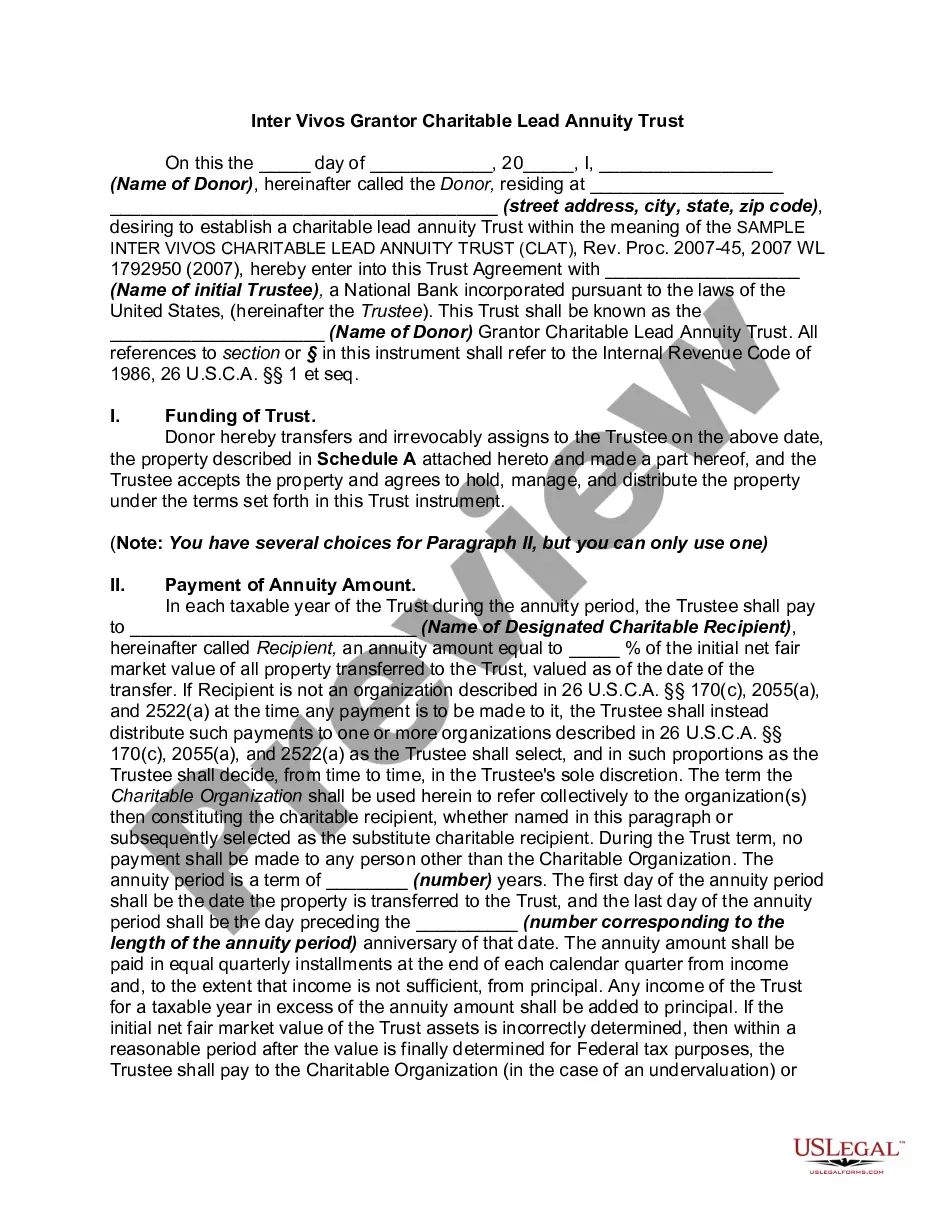
Get your form ready online
Our built-in tools help you complete, sign, share, and store your documents in one place.
Make edits, fill in missing information, and update formatting in US Legal Forms—just like you would in MS Word.
Download a copy, print it, send it by email, or mail it via USPS—whatever works best for your next step.
Sign and collect signatures with our SignNow integration. Send to multiple recipients, set reminders, and more. Go Premium to unlock E-Sign.
If this form requires notarization, complete it online through a secure video call—no need to meet a notary in person or wait for an appointment.
We protect your documents and personal data by following strict security and privacy standards.

Make edits, fill in missing information, and update formatting in US Legal Forms—just like you would in MS Word.

Download a copy, print it, send it by email, or mail it via USPS—whatever works best for your next step.

Sign and collect signatures with our SignNow integration. Send to multiple recipients, set reminders, and more. Go Premium to unlock E-Sign.

If this form requires notarization, complete it online through a secure video call—no need to meet a notary in person or wait for an appointment.

We protect your documents and personal data by following strict security and privacy standards.
Looking for another form?



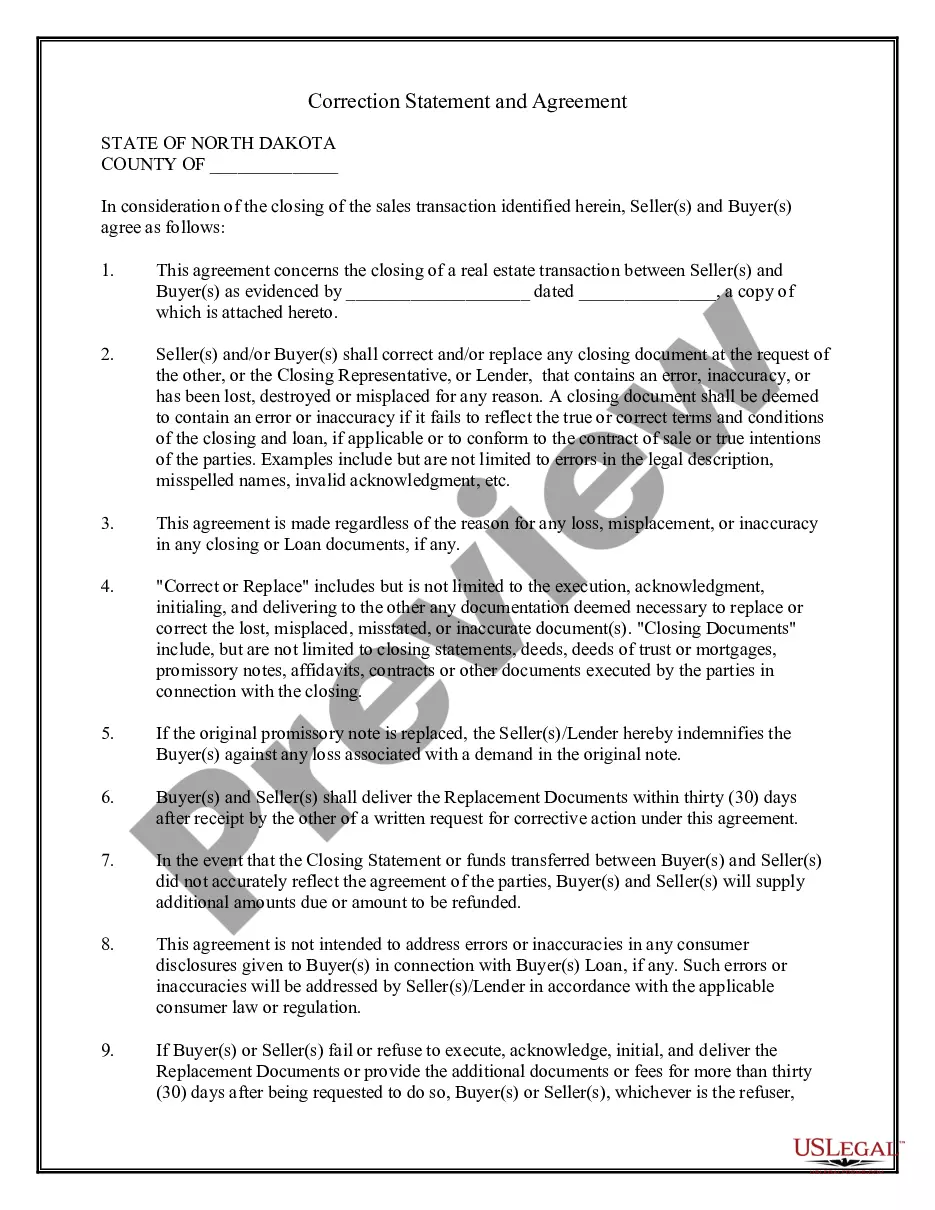

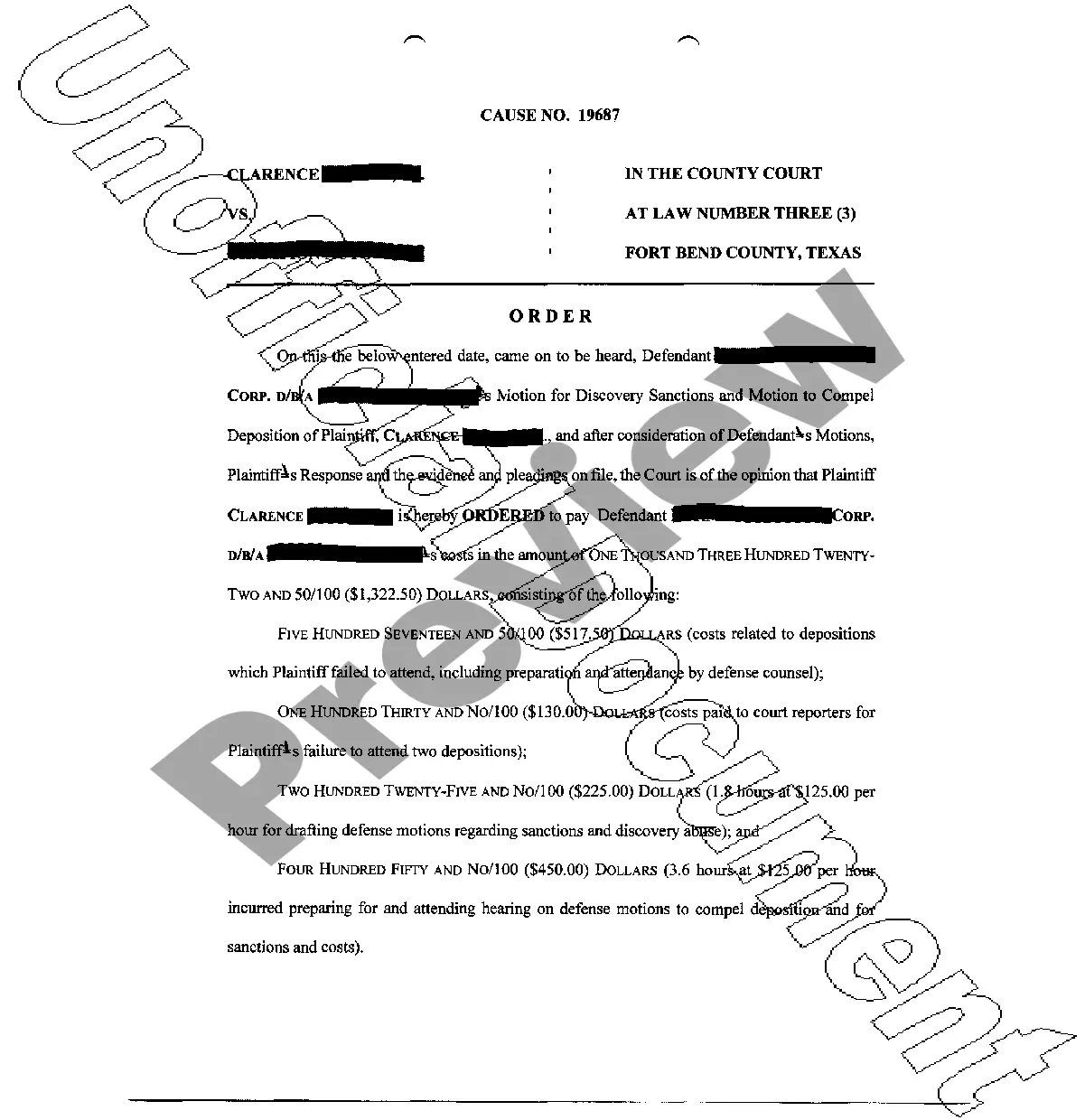
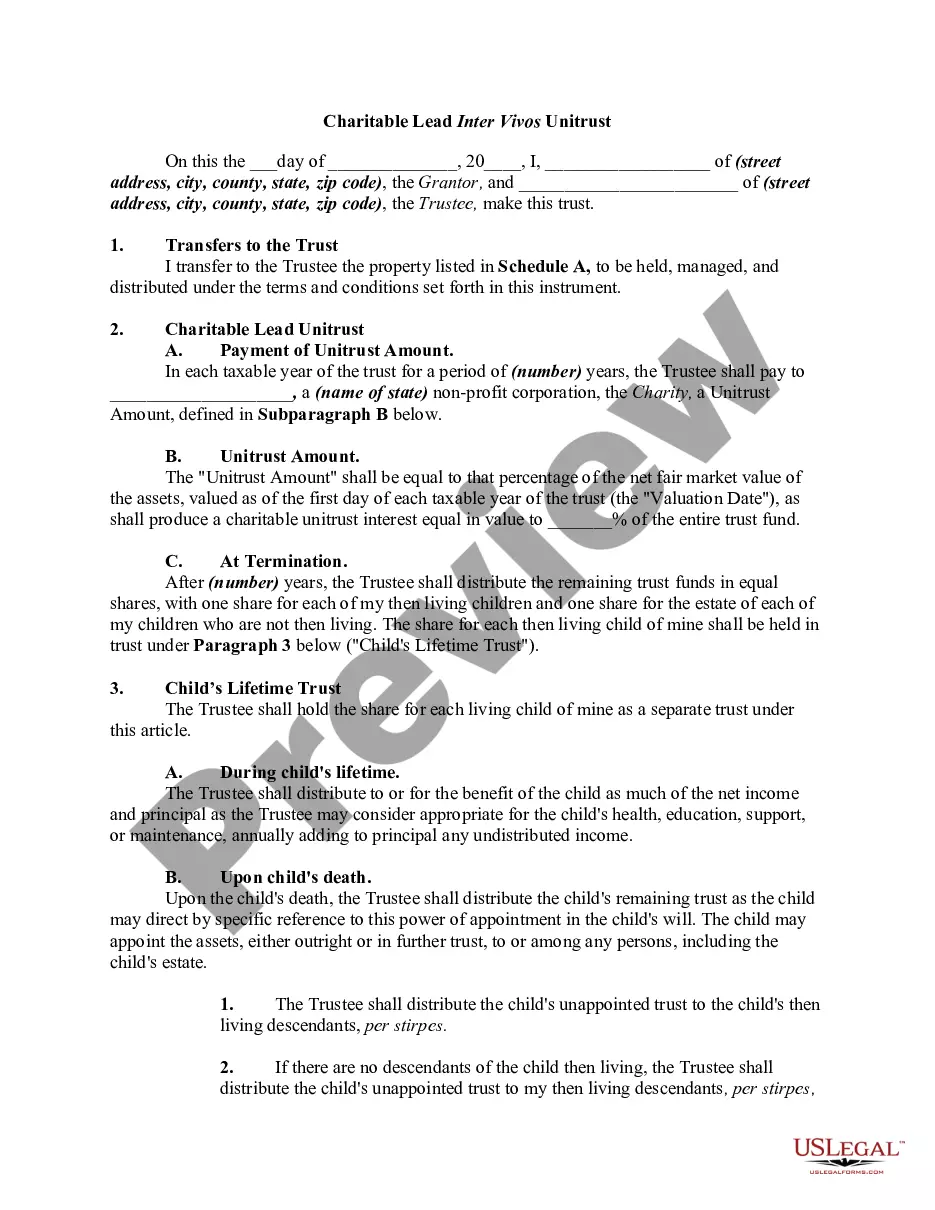
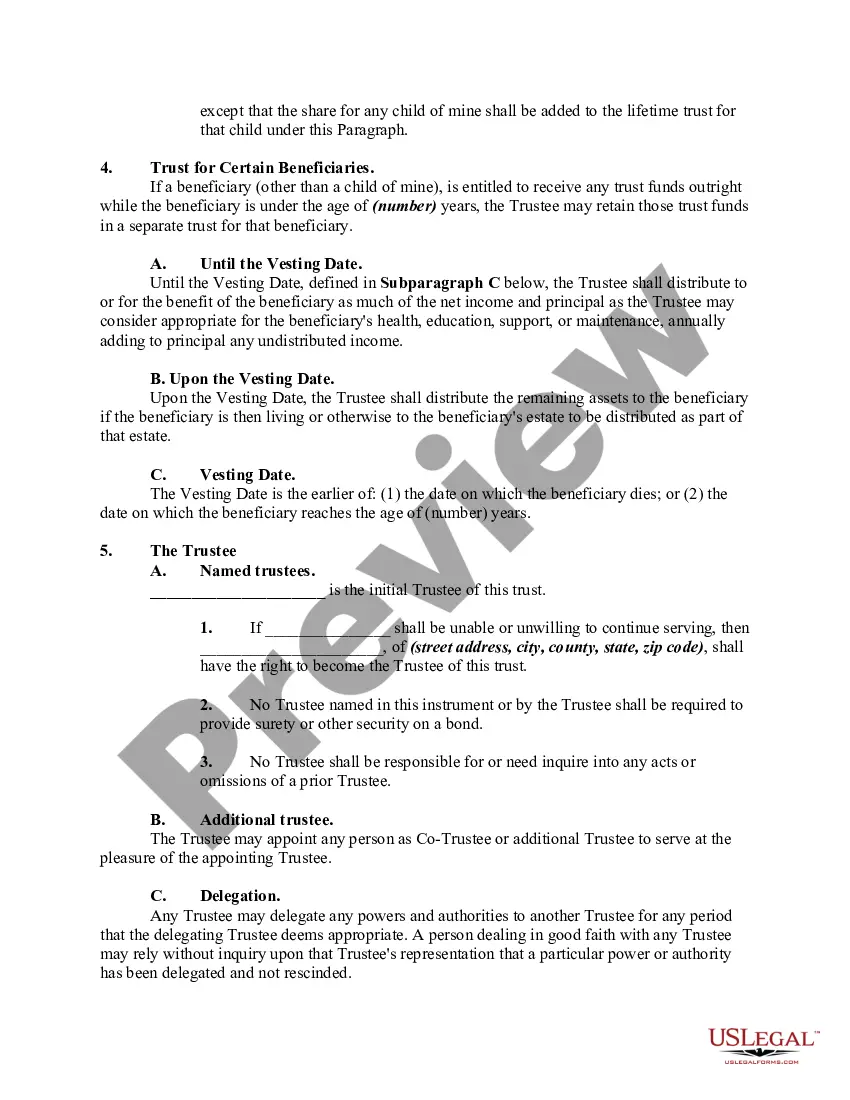
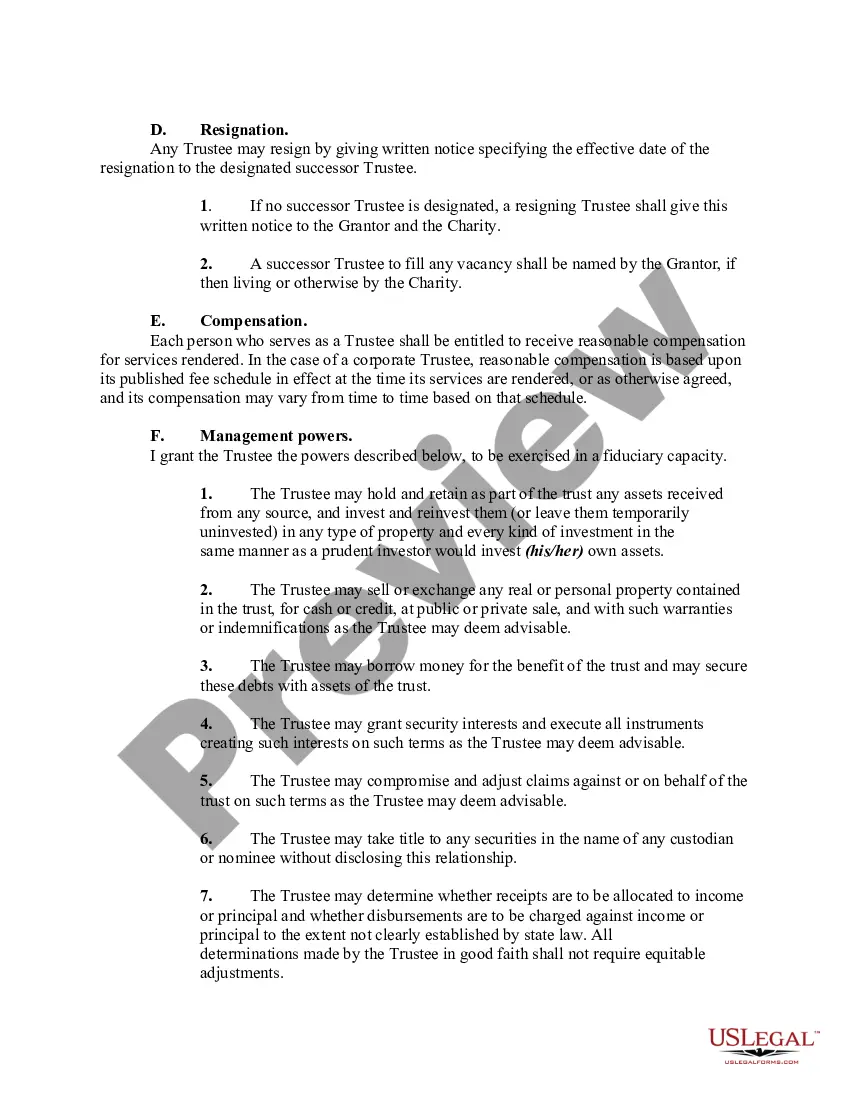
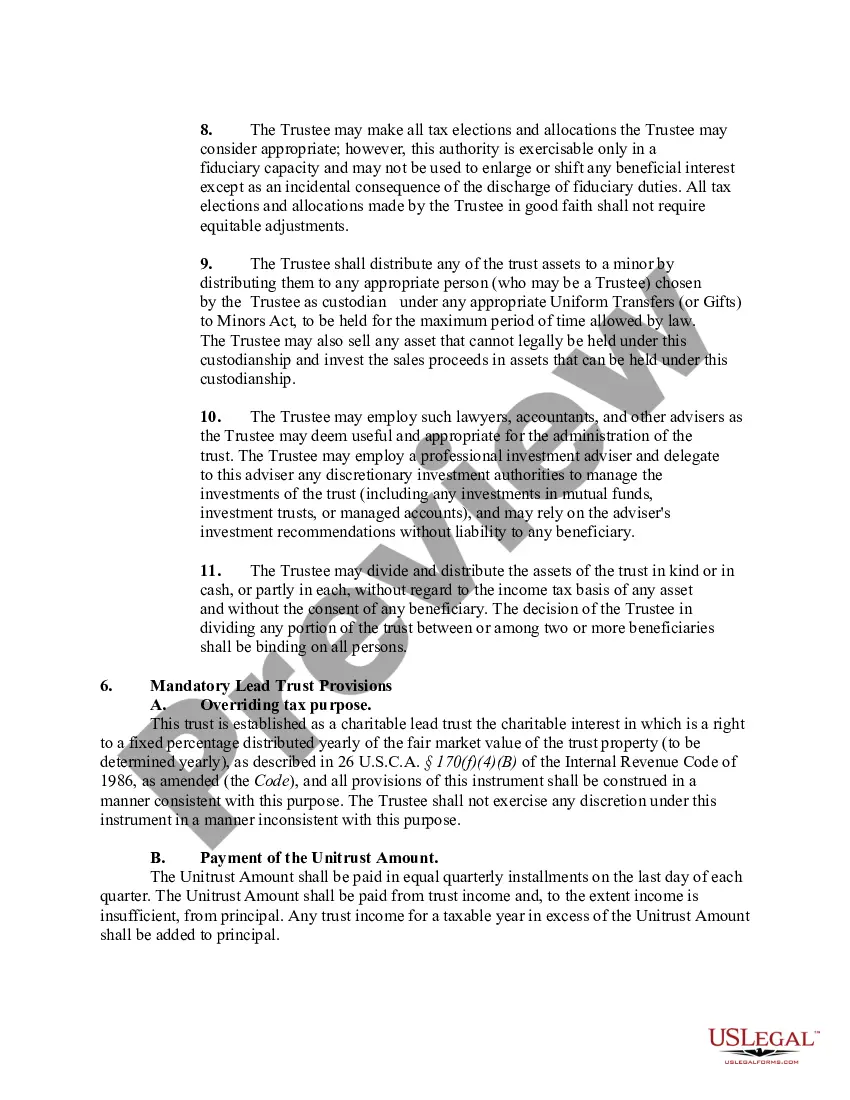
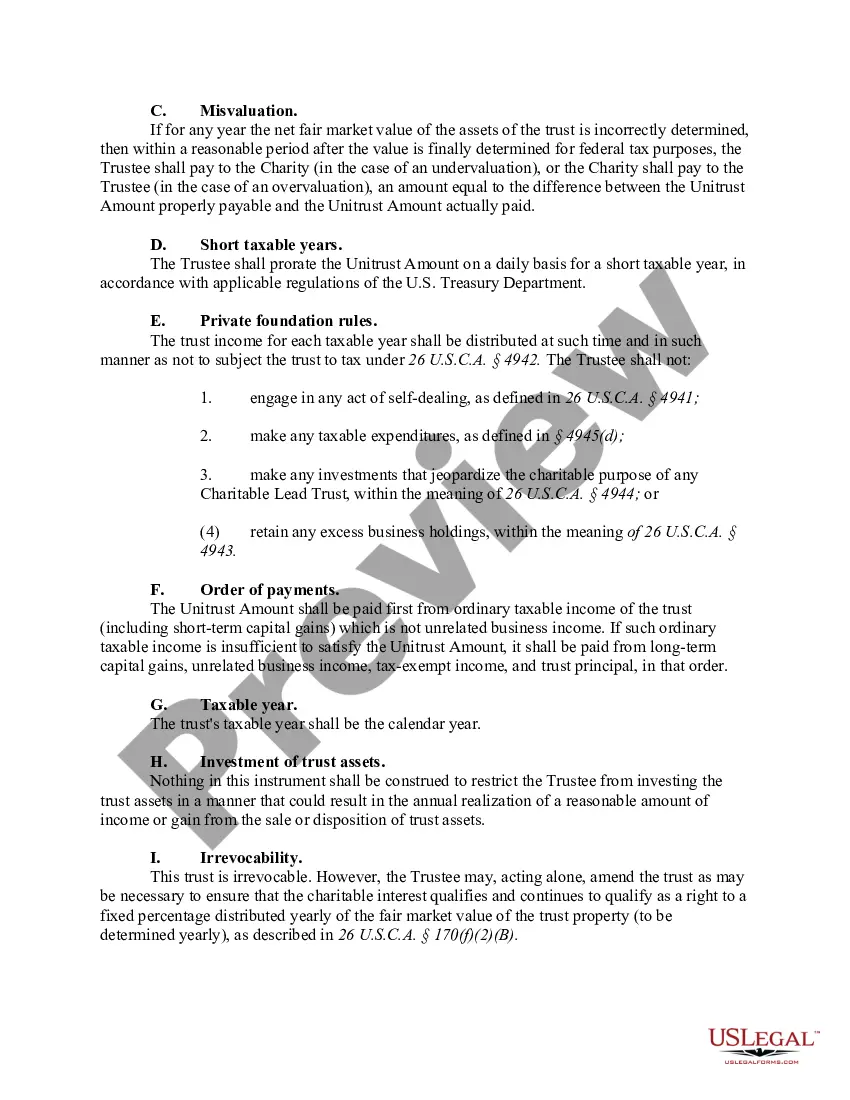
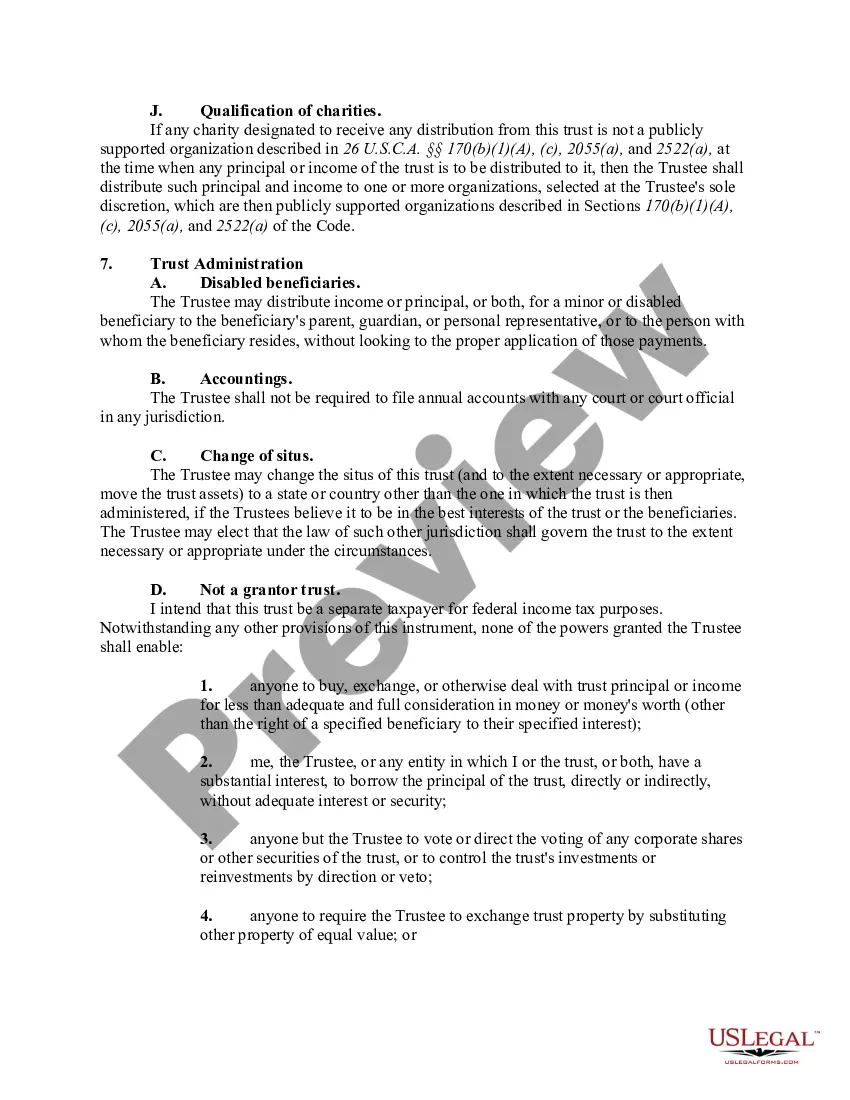
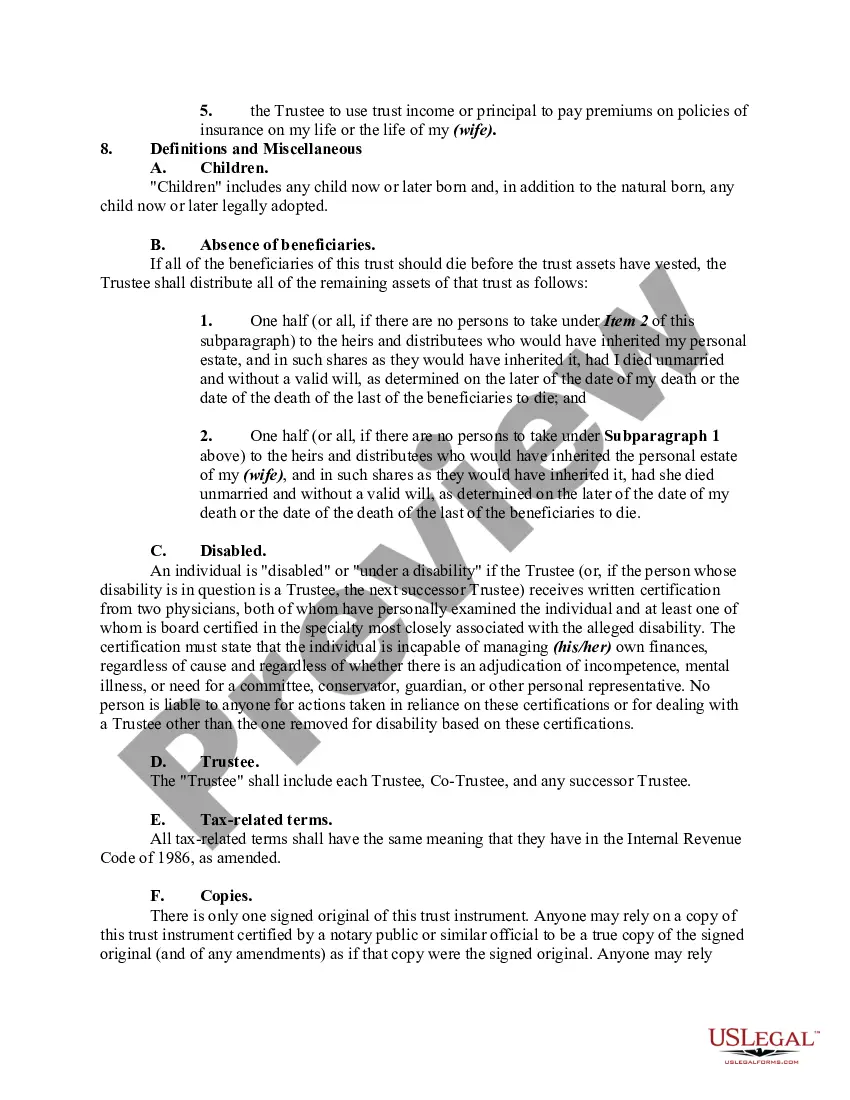
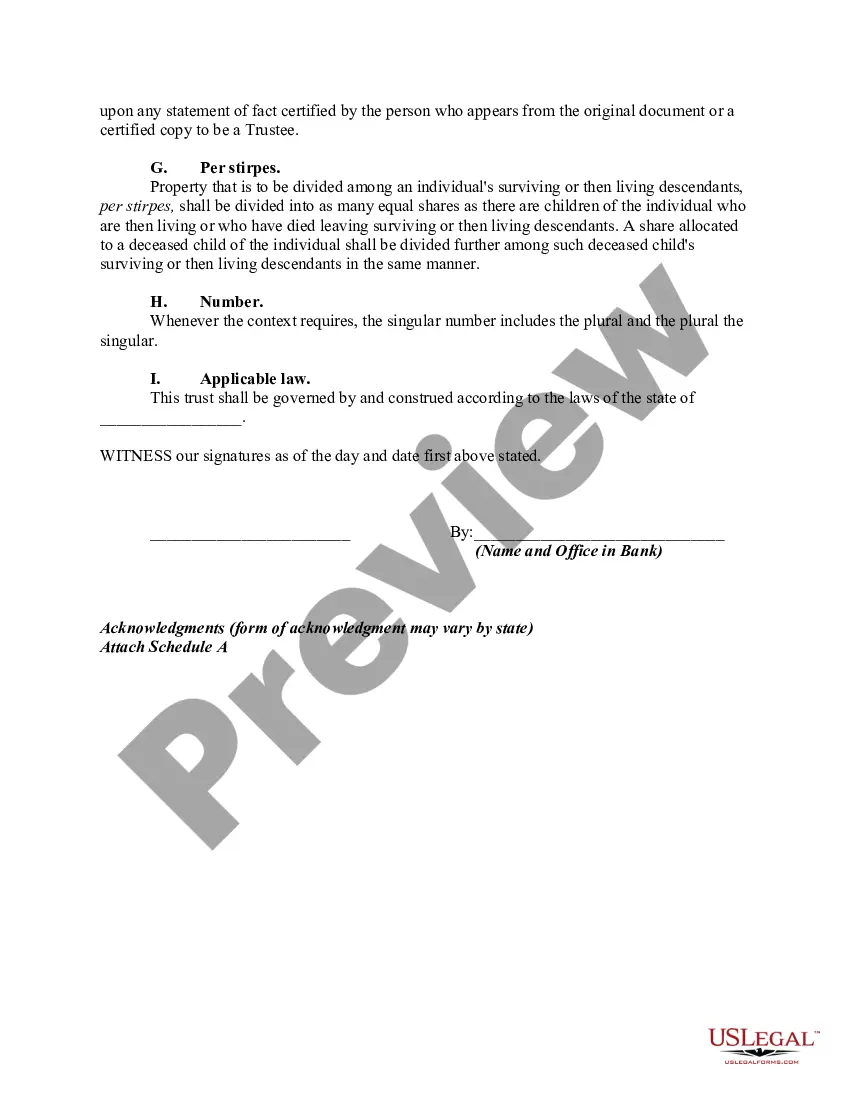
How to fill out Charitable Lead Inter Vivos Unitrust?
- Log in to your US Legal Forms account if you're a returning user, or create a new account to get started.
- Browse through the extensive form library and select the charitable trust template that suits your specific needs.
- Review the preview mode and description carefully to ensure that the form complies with your local jurisdiction requirements.
- If you need a different template, utilize the search function to find the appropriate form.
- Once you find the correct document, click the 'Buy Now' button and choose your preferred subscription plan.
- Proceed to the payment section, entering either your credit card information or PayPal details to complete your purchase.
- Download the completed template to your device, making it easily accessible for future use in the 'My Forms' section of your account.
Following these steps will enable you to effectively set up a charitable trust while leveraging the advantages offered by US Legal Forms.
Get started today to ensure your charitable endeavors are well-documented and legally sound!
Form popularity
FAQ
Establishing a charitable trust involves selecting the type of charitable trust that suits your goals, such as a charitable remainder trust or a charitable lead trust. After determining the type, you will need to prepare the necessary legal documents, detailing the trust's objectives and operational guidelines. It's crucial to also comply with federal and state regulations to ensure the trust functions correctly. Leveraging tools from US Legal Forms can streamline the establishment of your charitable trust, making it an easier process for you.
To create a charitable trust, you first need to draft a trust document that outlines the purpose and terms of the trust. This document should specify the charitable organizations you intend to support and define how the assets will be managed. Next, you must fund the trust by transferring assets into it, ensuring that it complies with state laws. Using a platform like US Legal Forms can simplify this process by providing templates and guidance tailored for setting up a charitable trust.
Deciding between a charitable trust and a foundation often depends on your goals and how you want to manage your charitable giving. A charitable trust typically has more flexible payout requirements and can be simpler to set up. On the other hand, a foundation allows for more control over long-term giving and can operate perpetually. For tailored advice, consult platforms like US Legal Forms to understand the implications of each option.
A charitable trust is required to file a tax return, typically using IRS Form 990, depending on its income level and structure. Filing helps the IRS monitor compliance with tax regulations and ensures transparency. By filing, a charitable trust can maintain its tax-exempt status and fulfill its obligations. If you are unsure about the specifics, platforms like US Legal Forms can guide you through the necessary requirements.
A charitable trust offers significant tax advantages, including potential income tax deductions for the donor. When you contribute assets to a charitable trust, you typically avoid capital gains taxes on appreciated assets. Additionally, the trust itself may be exempt from paying certain taxes on the income generated by its assets. These benefits make a charitable trust an appealing option for those seeking to maximize their philanthropic efforts while minimizing tax liabilities.
The primary purpose of a charitable trust is to benefit a particular charity or a broader charitable cause. It allows individuals to make a lasting impact on society by supporting causes such as education, health, or the arts. With a charitable trust, the donor can ensure that their contribution is used effectively over time. This type of trust also provides a structured way to carry out philanthropic efforts.
A charitable trust is a legal arrangement that allocates assets for charitable purposes. It works by having the donor transfer assets into the trust, which are then managed by a trustee. The trustee must distribute the income or principal according to the terms set forth in the trust. This structure allows individuals to contribute to causes they care about while also receiving certain benefits.
In a charitable trust, the assets are owned by the trust itself, not by an individual. This means that the assets are held for a specific charitable purpose, as outlined in the trust agreement. The trustee manages these assets on behalf of the beneficiaries, ensuring they align with the charitable goals. Therefore, the charitable trust serves the public good, rather than private interests.
While a charitable trust has many advantages, some disadvantages exist. One significant drawback is the loss of control over the assets once they are transferred to the trust. Moreover, setting up and maintaining a charitable trust can involve legal complexities and costs, making it essential to seek assistance when navigating these processes.
known example of a charitable trust is the Testamentary Charitable Trust, which is created through a will to benefit a charity after the person's death. In this scenario, assets are transferred into the trust upon the individual's passing, allowing for ongoing support for selected charitable organizations. This type of trust underscores the importance of planning ahead to ensure the desired impact on society.