Annuity In Trust
Description
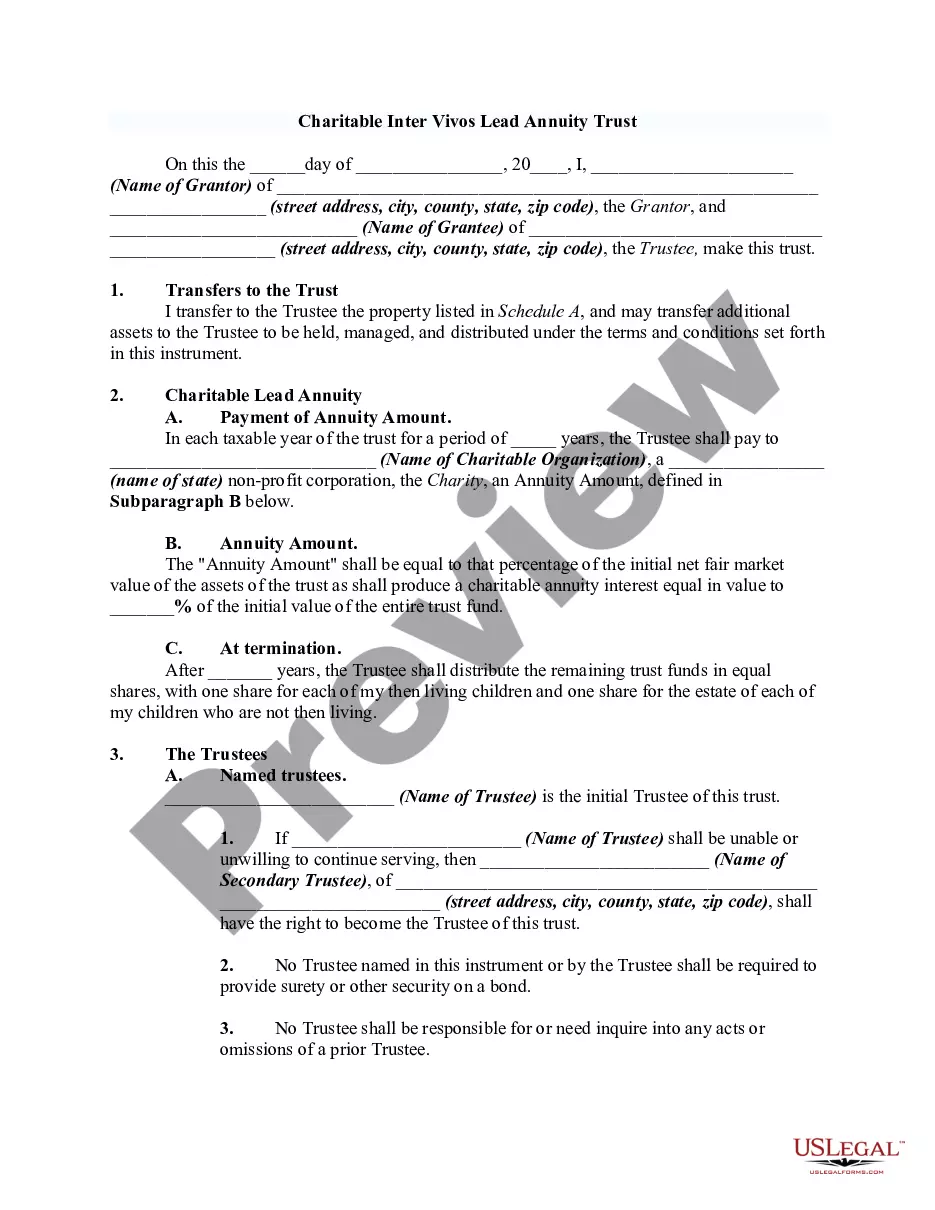
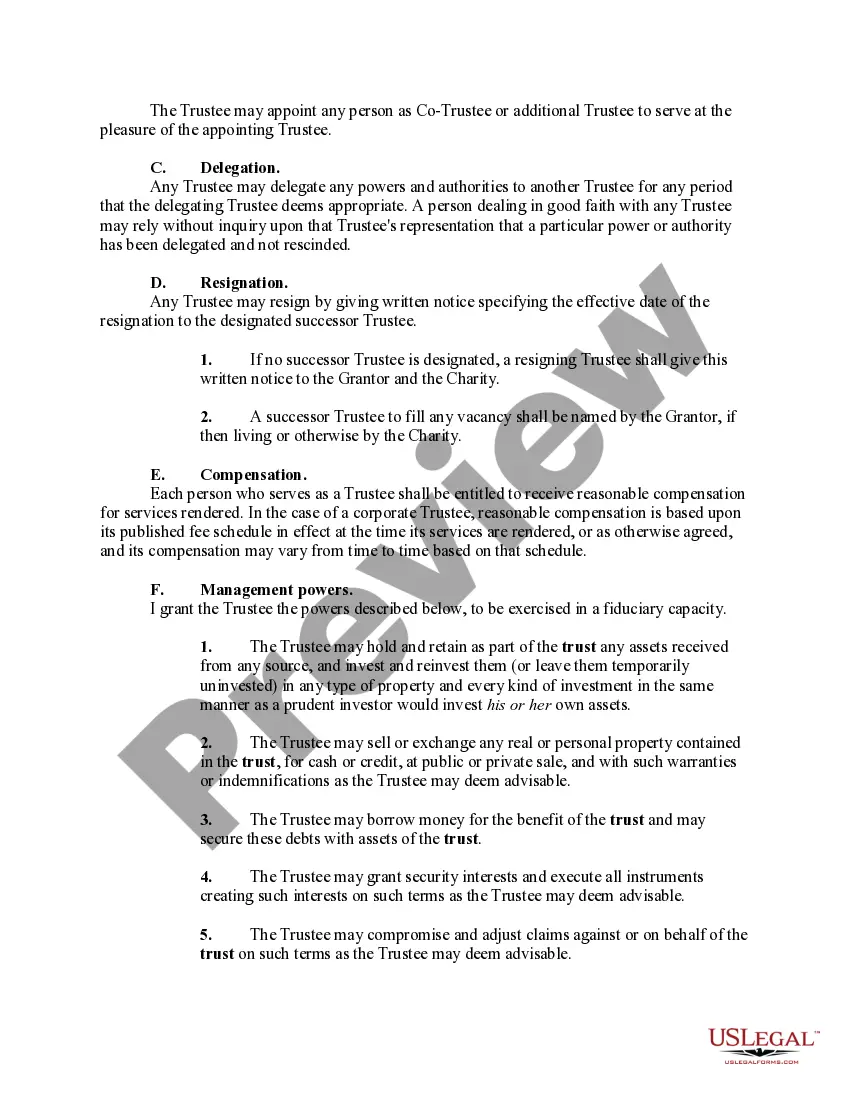
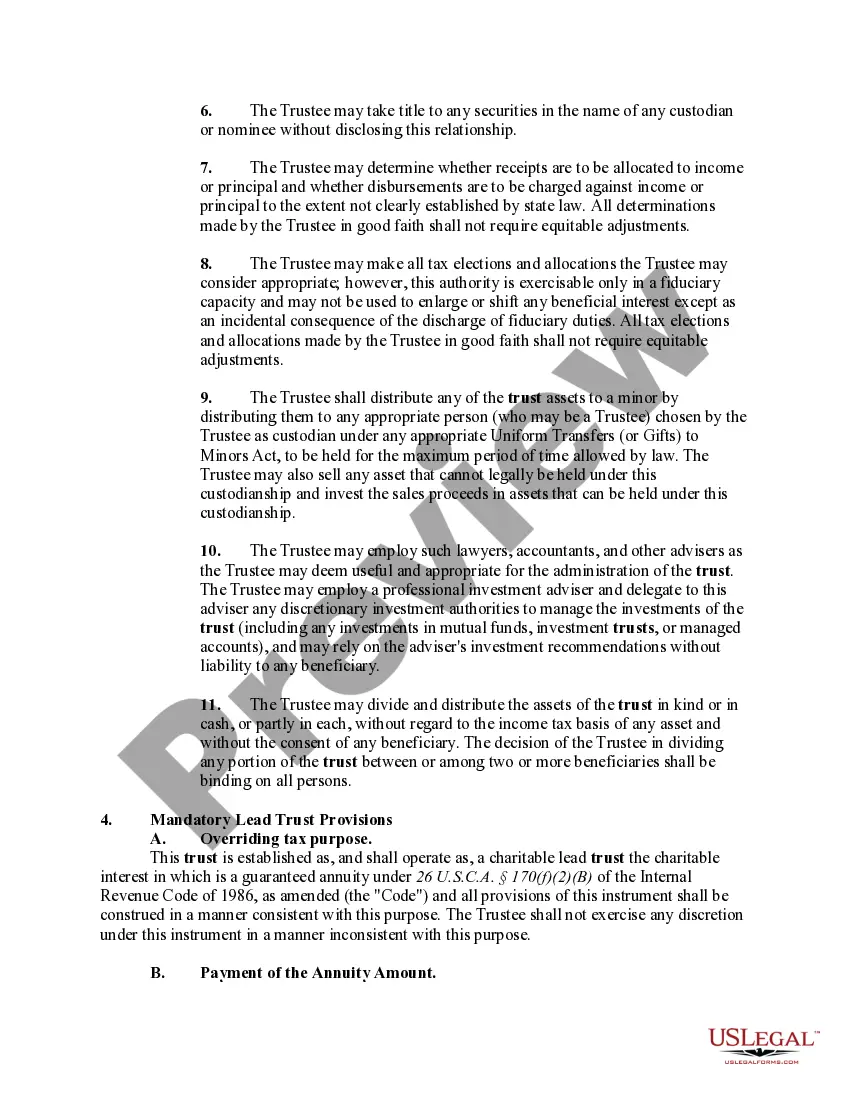
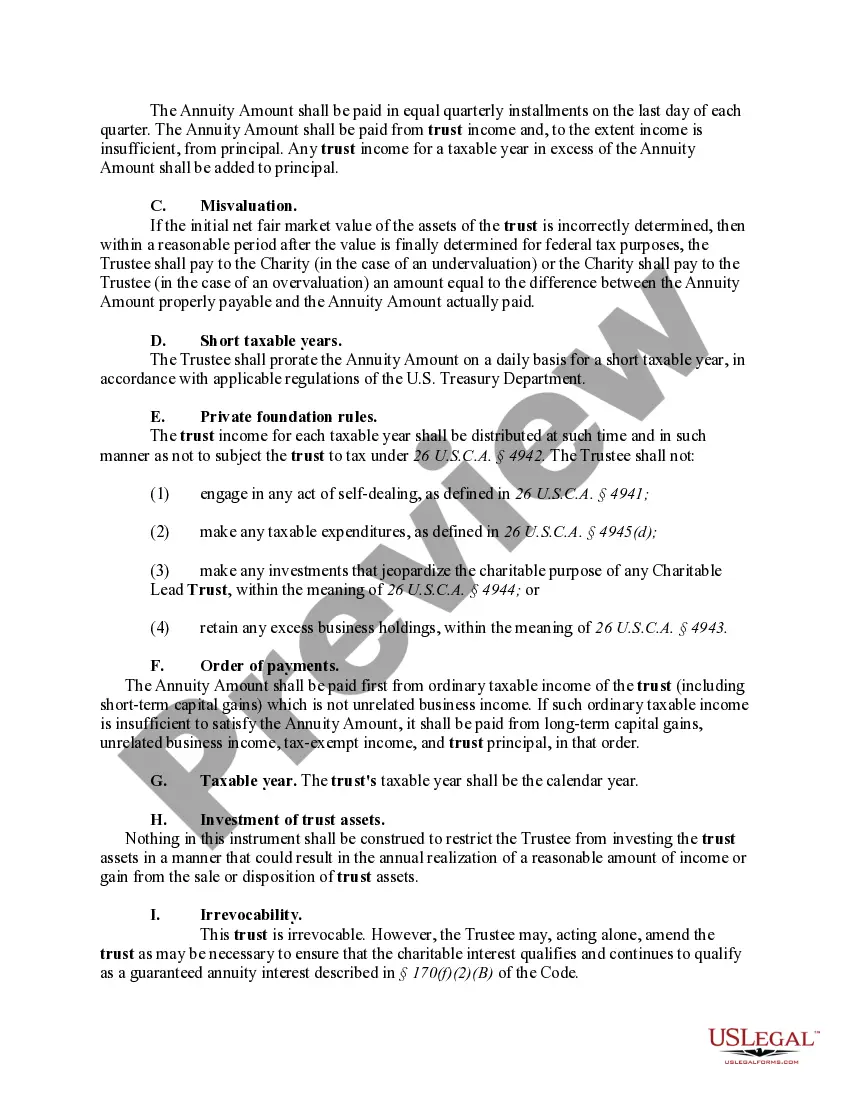
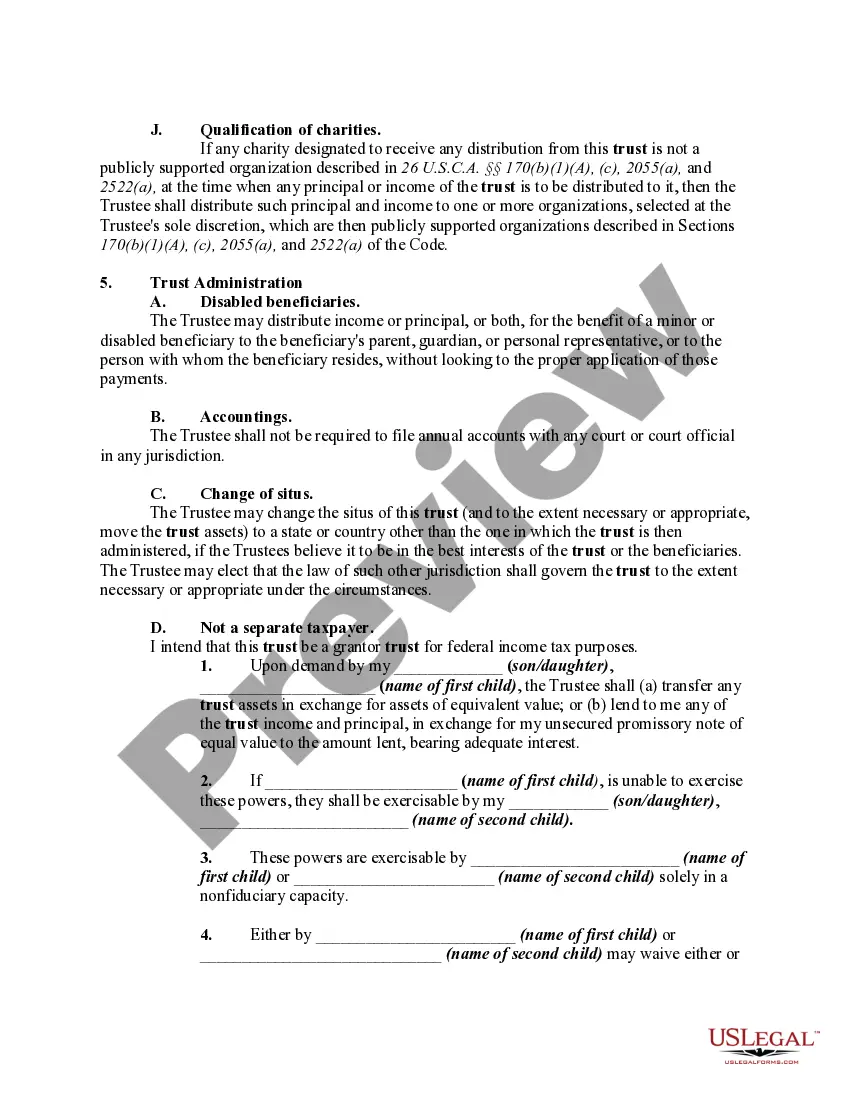
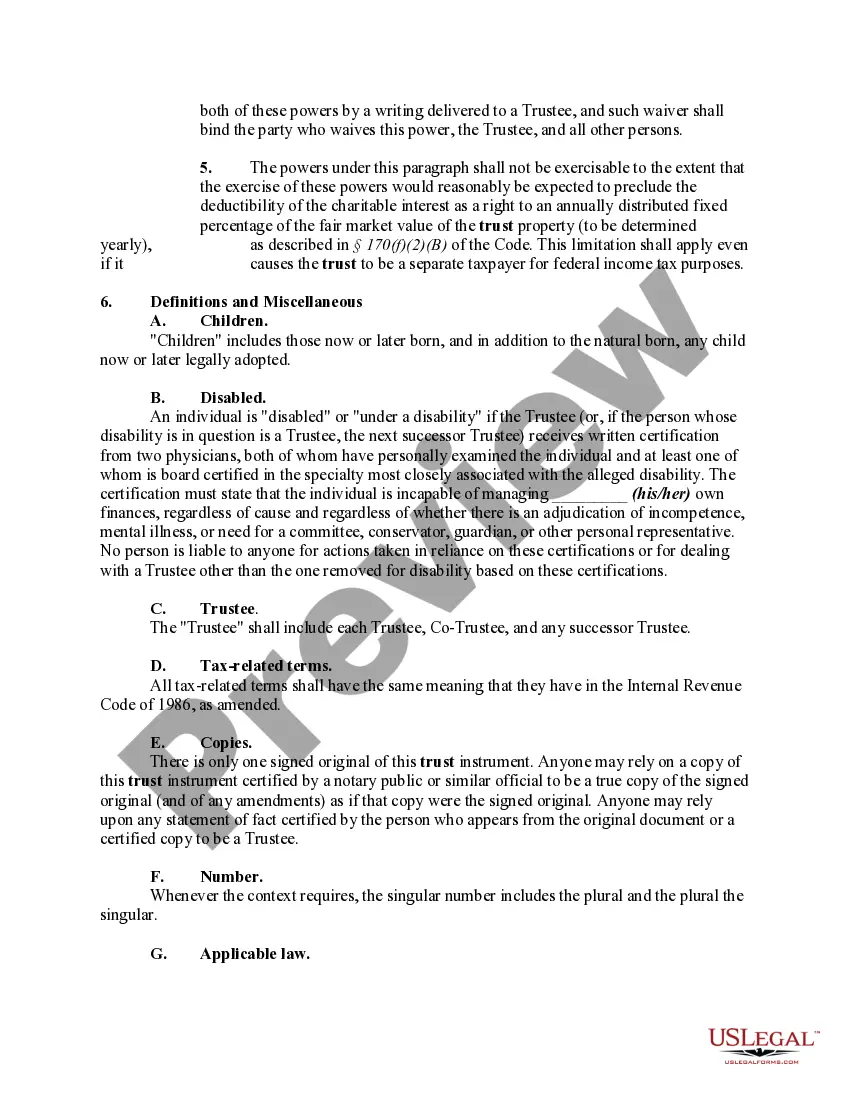

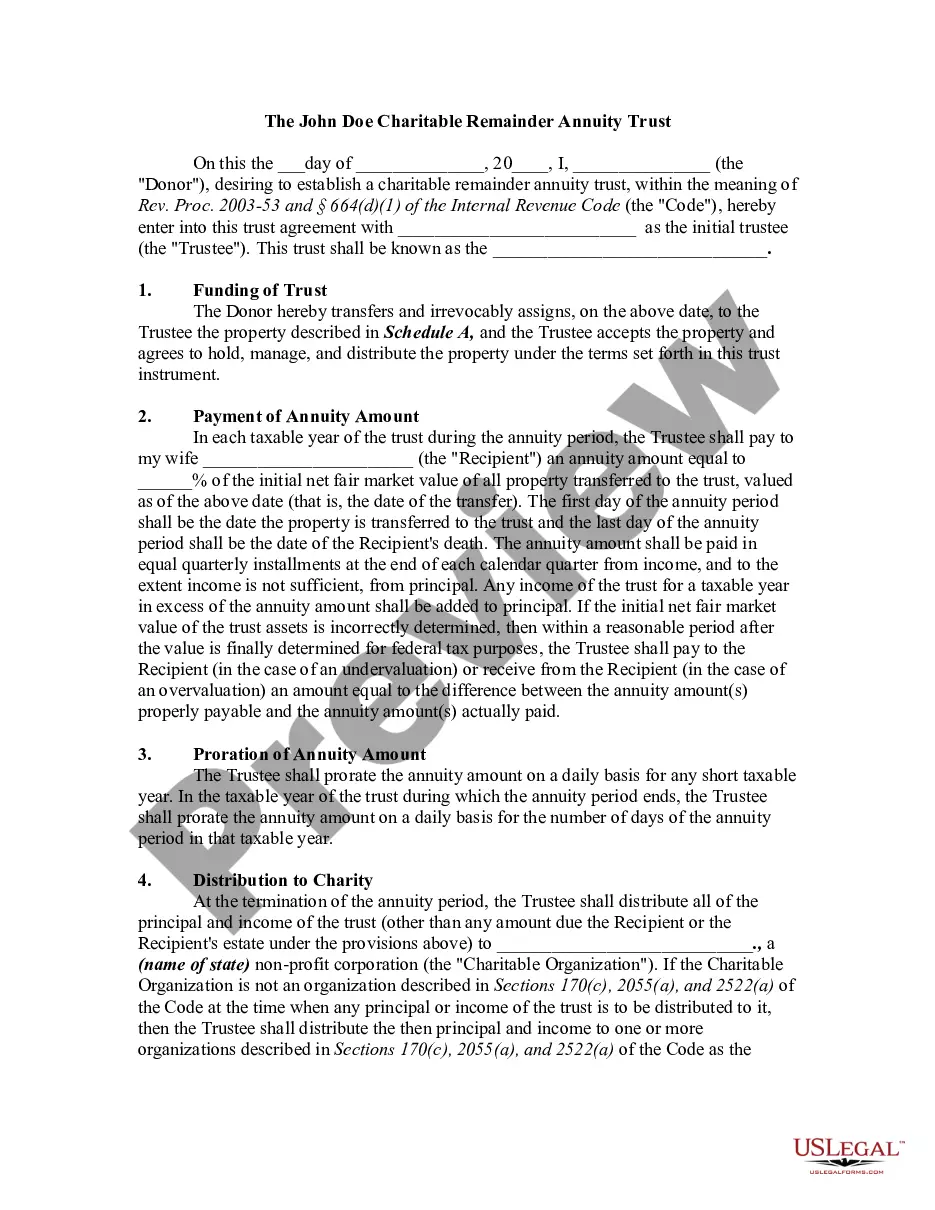
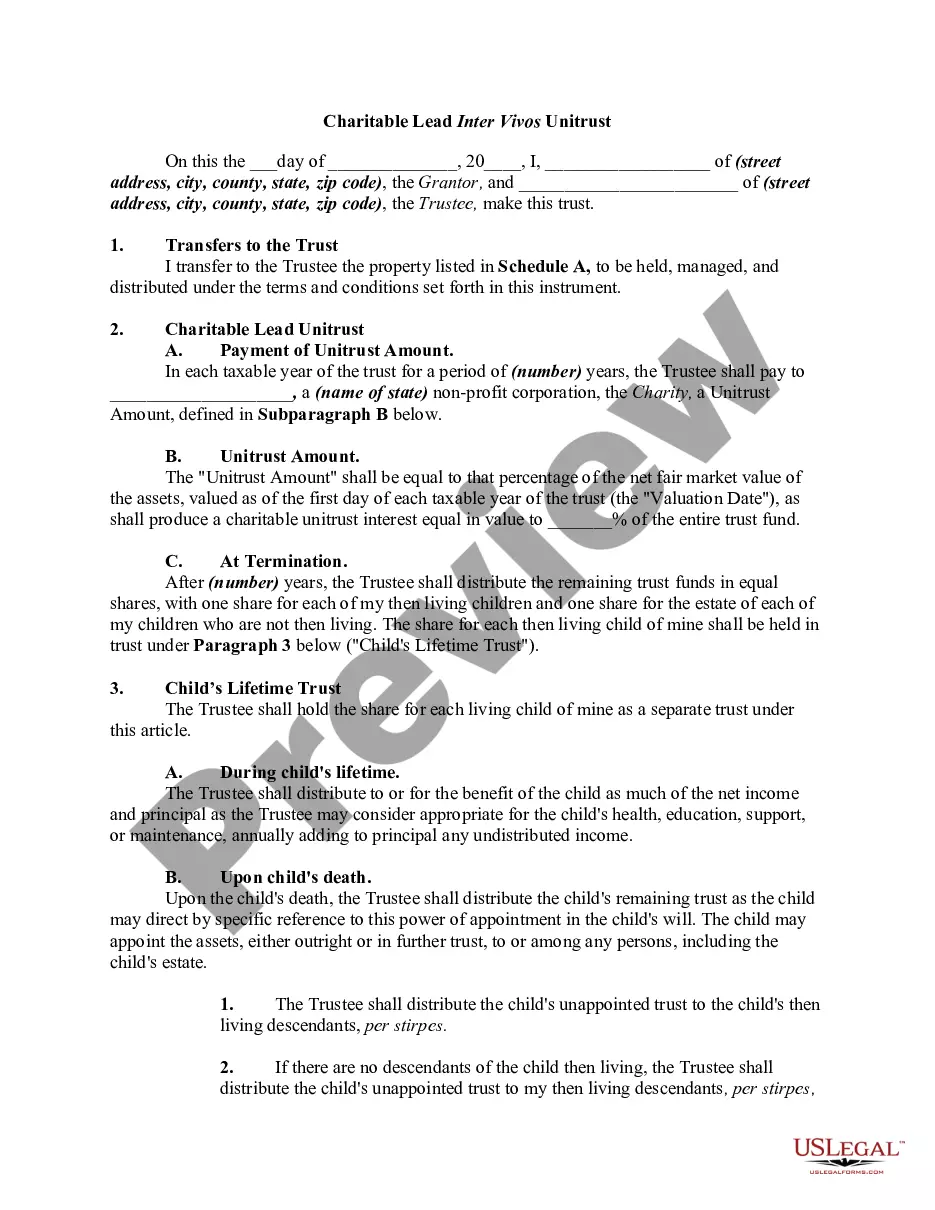
Get your form ready online
Our built-in tools help you complete, sign, share, and store your documents in one place.
Make edits, fill in missing information, and update formatting in US Legal Forms—just like you would in MS Word.
Download a copy, print it, send it by email, or mail it via USPS—whatever works best for your next step.
Sign and collect signatures with our SignNow integration. Send to multiple recipients, set reminders, and more. Go Premium to unlock E-Sign.
If this form requires notarization, complete it online through a secure video call—no need to meet a notary in person or wait for an appointment.
We protect your documents and personal data by following strict security and privacy standards.

Make edits, fill in missing information, and update formatting in US Legal Forms—just like you would in MS Word.

Download a copy, print it, send it by email, or mail it via USPS—whatever works best for your next step.

Sign and collect signatures with our SignNow integration. Send to multiple recipients, set reminders, and more. Go Premium to unlock E-Sign.

If this form requires notarization, complete it online through a secure video call—no need to meet a notary in person or wait for an appointment.

We protect your documents and personal data by following strict security and privacy standards.
Looking for another form?

Form popularity
FAQ
Yes, you can set up a trust fund by yourself, but it requires careful planning and attention to detail. Understanding the rules surrounding an annuity in trust is essential to ensure proper compliance with legal requirements. While DIY trust creation is possible, using platforms like US Legal Forms can significantly reduce the risk of errors. Additionally, they provide comprehensive resources to guide you through the process.
One significant mistake parents often make is not clearly defining the terms of the trust. Failing to specify how an annuity in trust will be managed can lead to confusion or unexpected outcomes for beneficiaries. It is crucial to outline distribution conditions and the responsibilities of the trustee. By carefully planning the trust structure, you can avoid potential conflicts and ensure your intentions are honored.
Filling out a trust fund involves several steps. First, determine the assets you want to include, such as an annuity in trust. Next, you will need to provide details about the beneficiaries and how you wish the assets to be distributed. Consider using a platform like US Legal Forms to simplify the process and ensure you have all necessary documents correctly completed.
When a trust inherits an annuity, it becomes part of the trust's assets and is subject to the trust's management rules. The trust can then decide how to distribute the annuity's income to the beneficiaries. This can be an effective way to ensure the income is utilized as intended. Consulting with a legal professional can clarify how this will impact your estate planning.
Yes, you can place an annuity in a trust, which can provide various benefits. This arrangement can help manage and distribute the annuity's income according to your wishes. Additionally, integrating an annuity in trust can assist with estate planning and may offer certain tax advantages. Always seek guidance to ensure the trust aligns with your overall financial strategy.
Inherited annuities in a trust may be subject to tax depending on various factors. Generally, the income distributed to beneficiaries is taxable, while the principal amount remains untaxed. However, the specifics of your case can vary, so it is crucial to consult with a tax professional. Having a clear understanding of these tax responsibilities helps beneficiaries manage expectations.
Filing an annuity typically involves completing forms provided by your annuity issuer. You will need to provide documentation that proves your identity and ownership of the annuity. Following submission, the issuer will process your filing and provide you with confirmation. Utilizing resources like USLegalForms can simplify the process and ensure that all necessary forms are accurately completed.
Annuities in trust are generally taxed according to the trust's tax rules. When a trust receives an annuity, the income generated may be subject to income tax. Beneficiaries might also face tax obligations when they receive distributions. Understanding these tax implications is vital for effective estate planning.
With a $50,000 annuity, the monthly income you could receive often ranges from $300 to $400, depending on various factors such as your age and the type of annuity selected. This income can provide a reliable financial source. Considering the benefits of an annuity in trust can help create a more structured income plan tailored to your needs.
Hidden fees in an annuity can include surrender charges, administrative fees, and investment management fees, which may reduce your expected earnings. It's essential to read the fine print and understand all costs associated with your annuity in trust. Transparency from providers, like uslegalforms, can help you make informed decisions.
