Trust Documento
Description
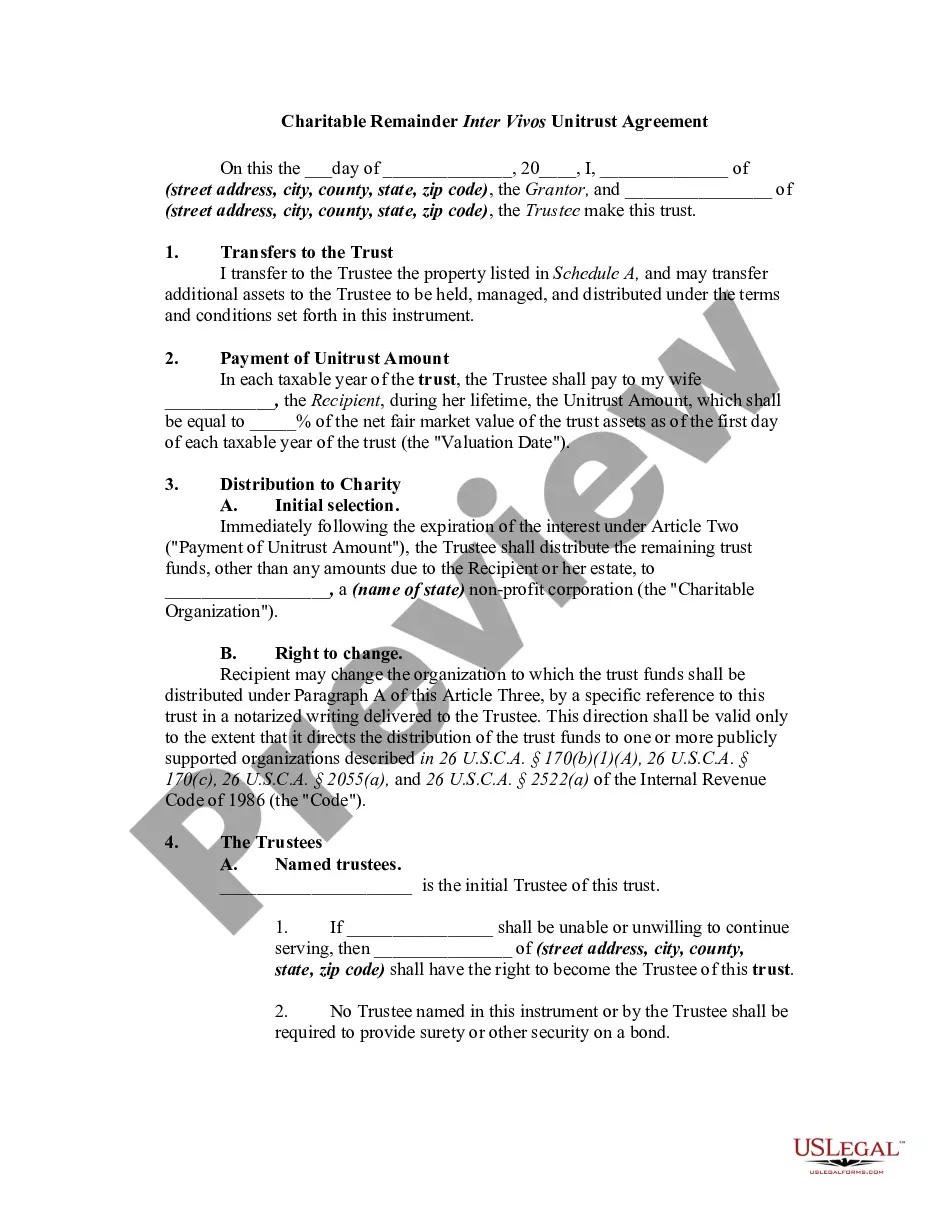
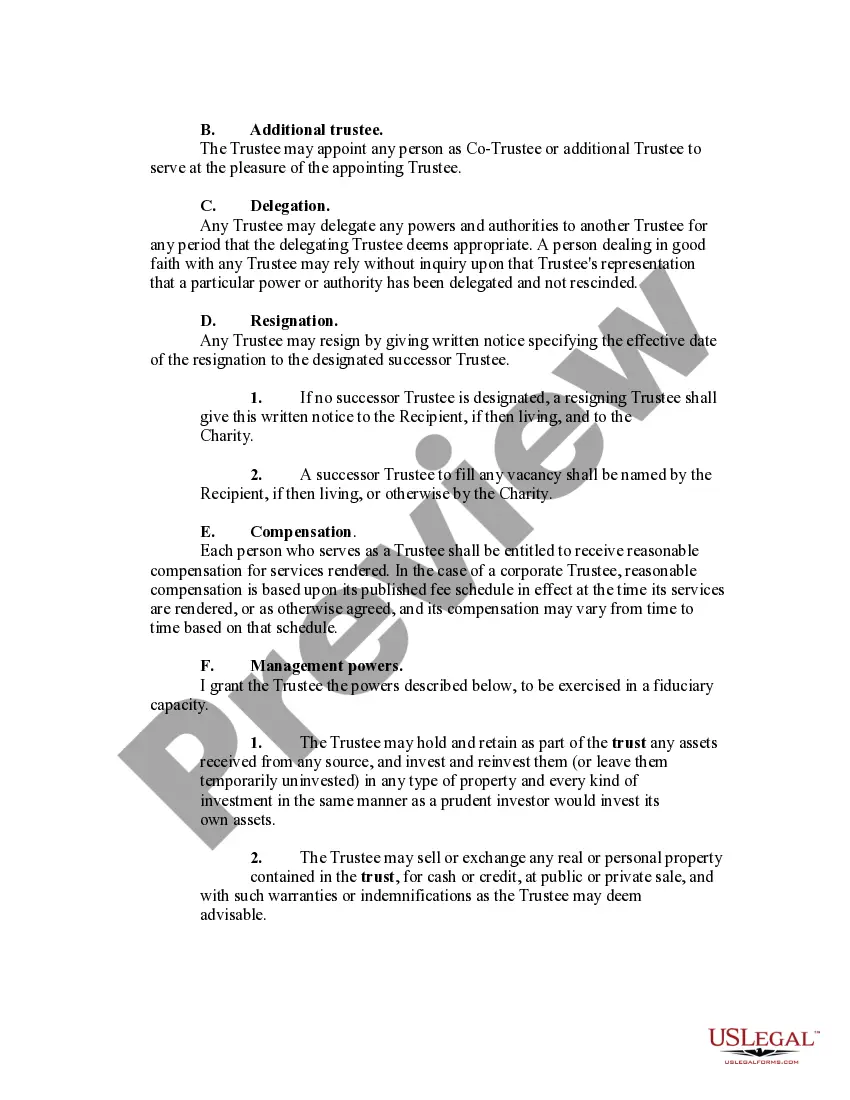
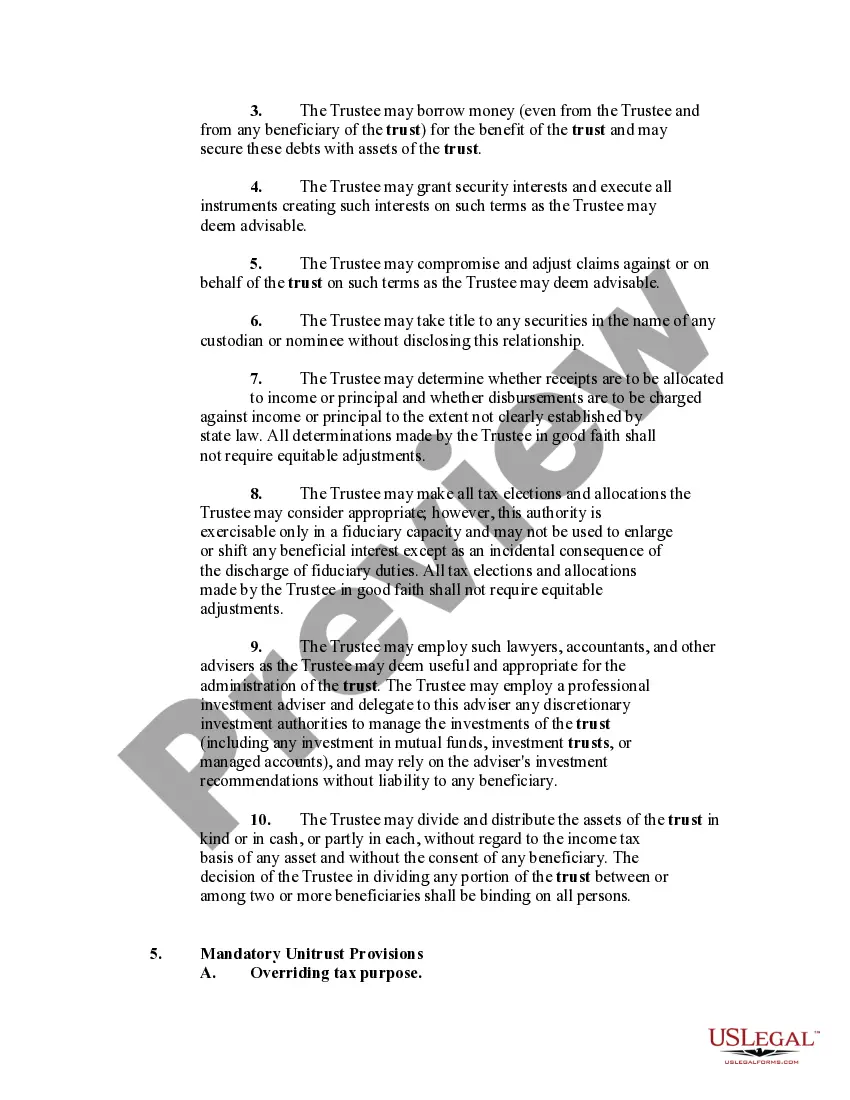
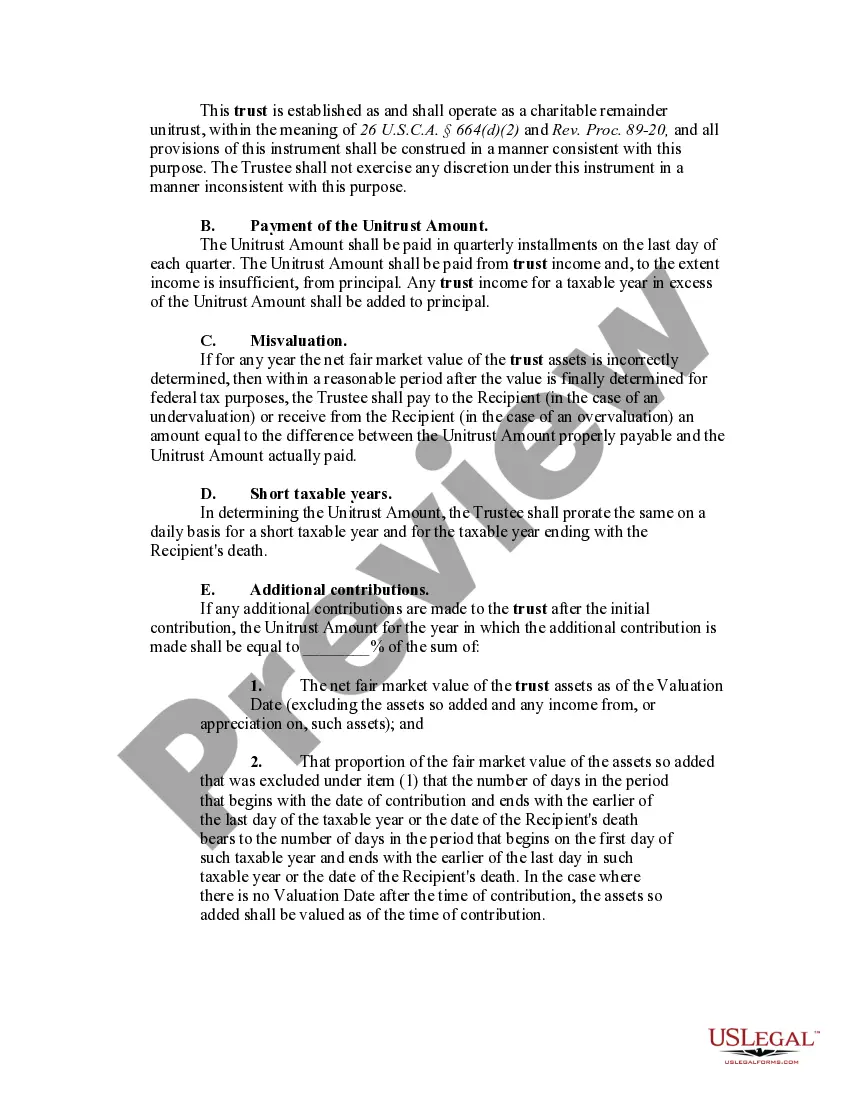
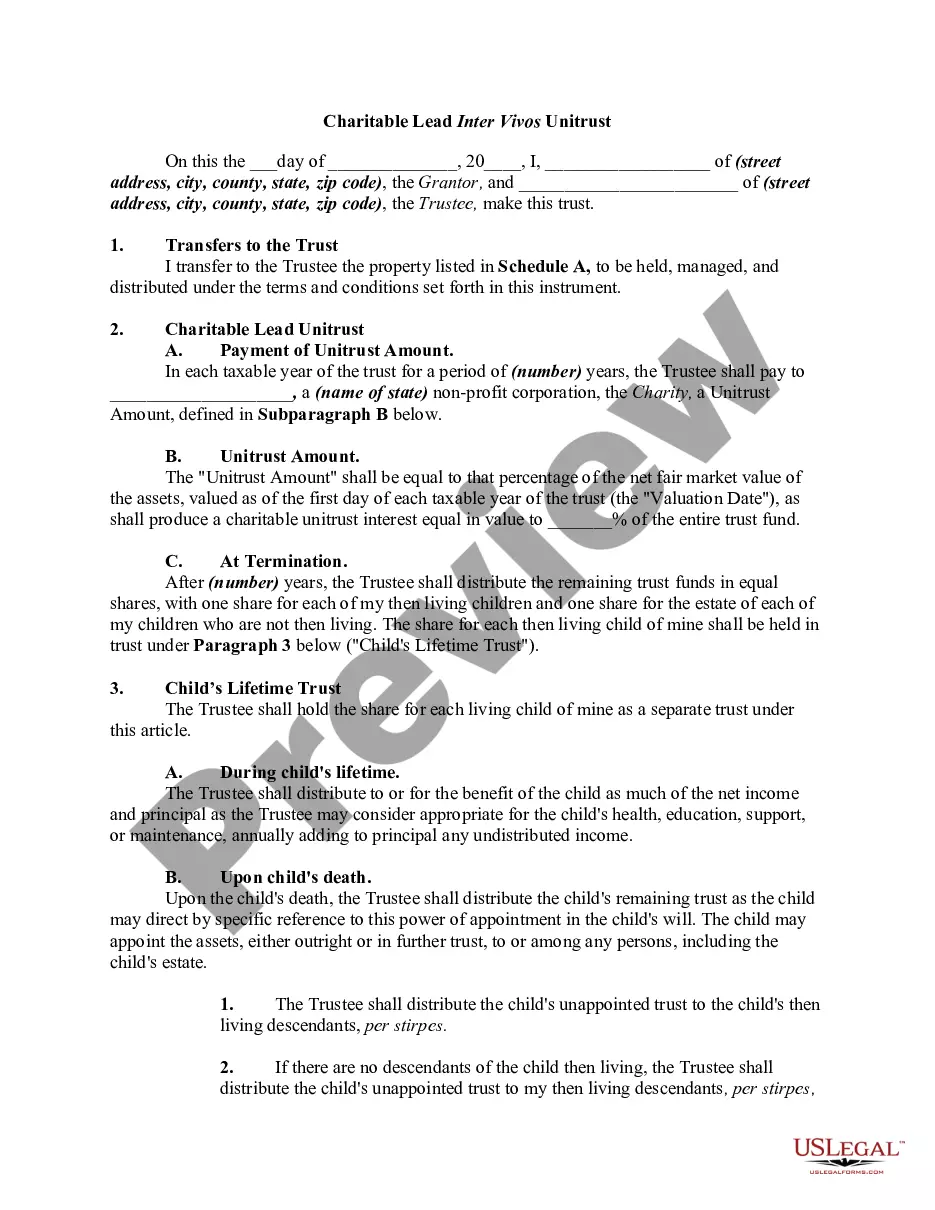
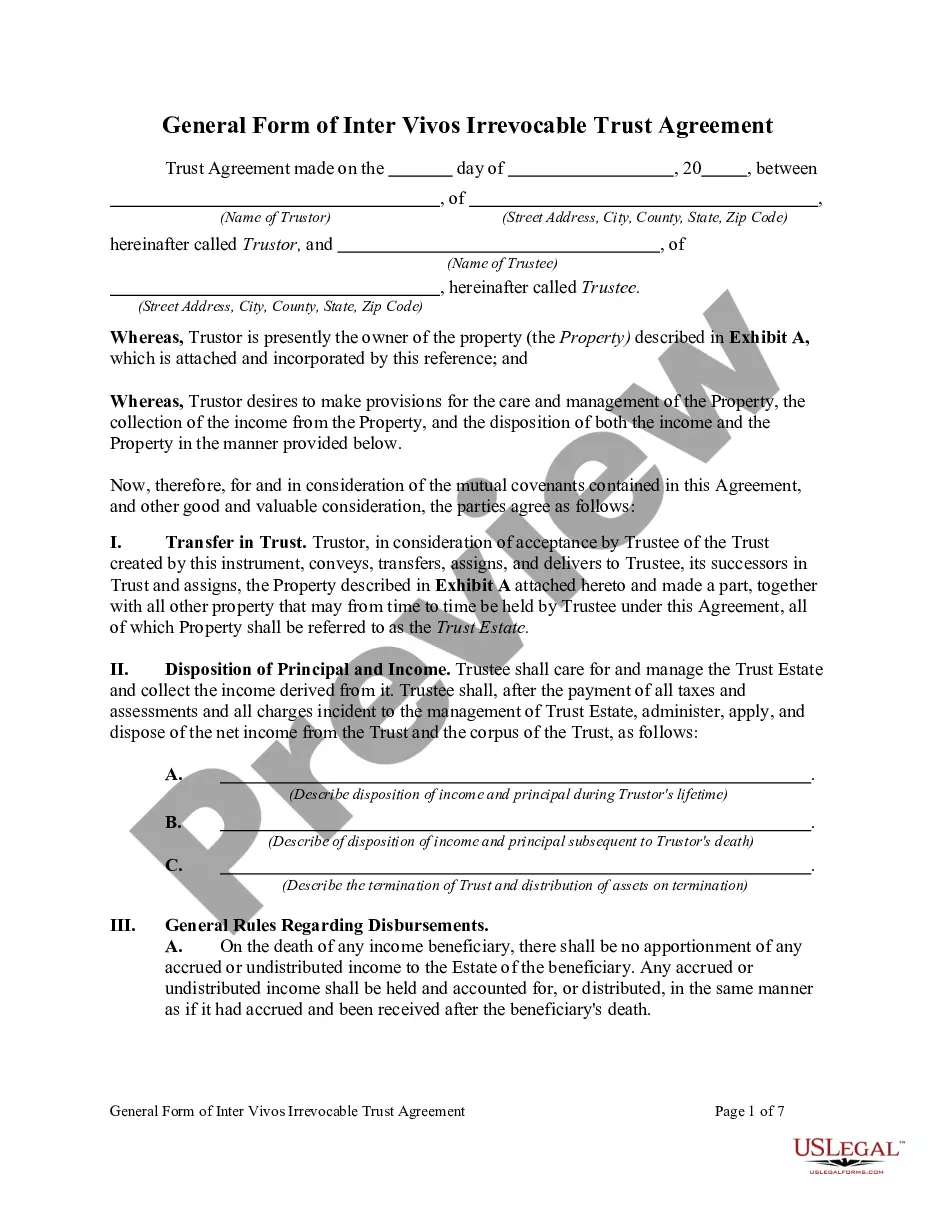
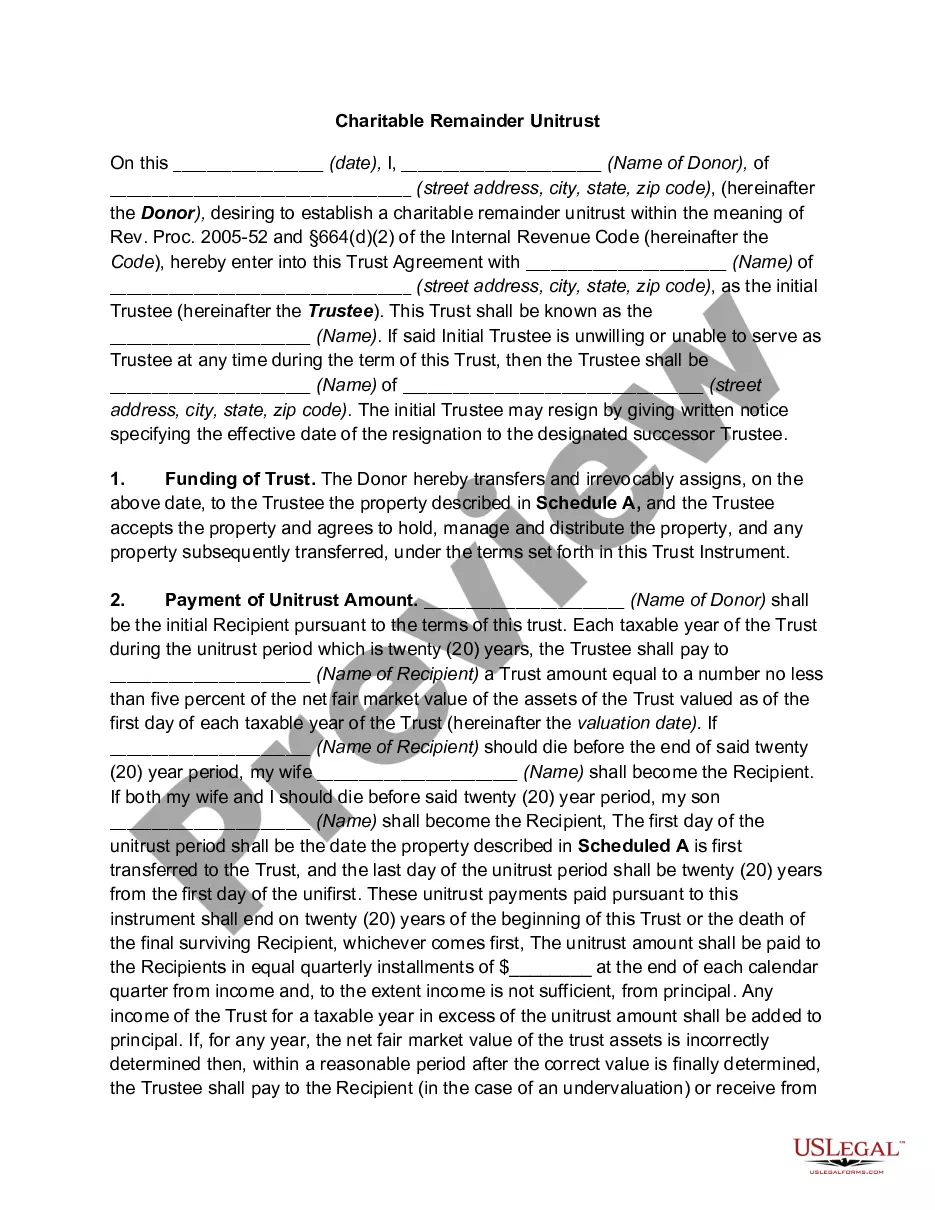
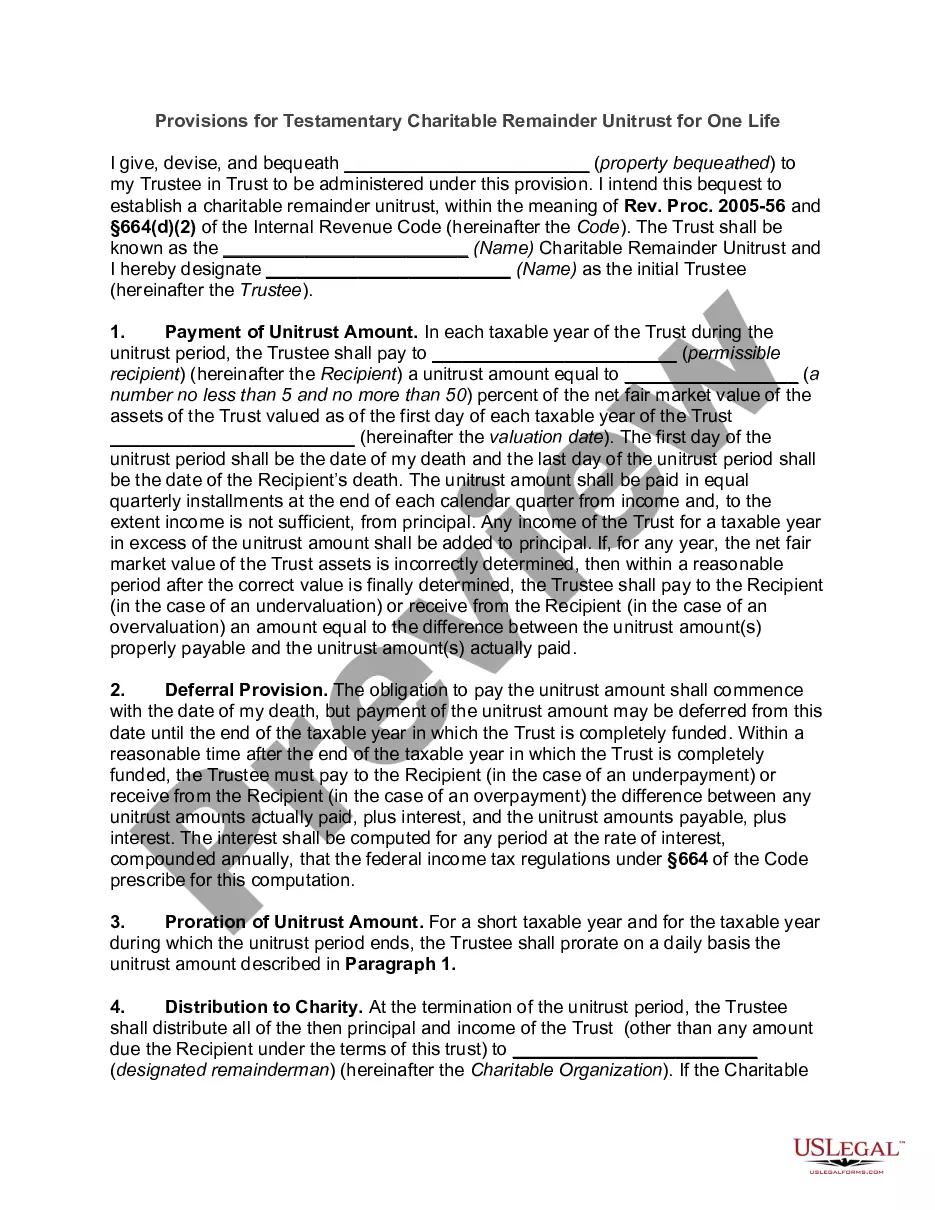
Get your form ready online
Our built-in tools help you complete, sign, share, and store your documents in one place.
Make edits, fill in missing information, and update formatting in US Legal Forms—just like you would in MS Word.
Download a copy, print it, send it by email, or mail it via USPS—whatever works best for your next step.
Sign and collect signatures with our SignNow integration. Send to multiple recipients, set reminders, and more. Go Premium to unlock E-Sign.
If this form requires notarization, complete it online through a secure video call—no need to meet a notary in person or wait for an appointment.
We protect your documents and personal data by following strict security and privacy standards.

Make edits, fill in missing information, and update formatting in US Legal Forms—just like you would in MS Word.

Download a copy, print it, send it by email, or mail it via USPS—whatever works best for your next step.

Sign and collect signatures with our SignNow integration. Send to multiple recipients, set reminders, and more. Go Premium to unlock E-Sign.

If this form requires notarization, complete it online through a secure video call—no need to meet a notary in person or wait for an appointment.

We protect your documents and personal data by following strict security and privacy standards.
Looking for another form?
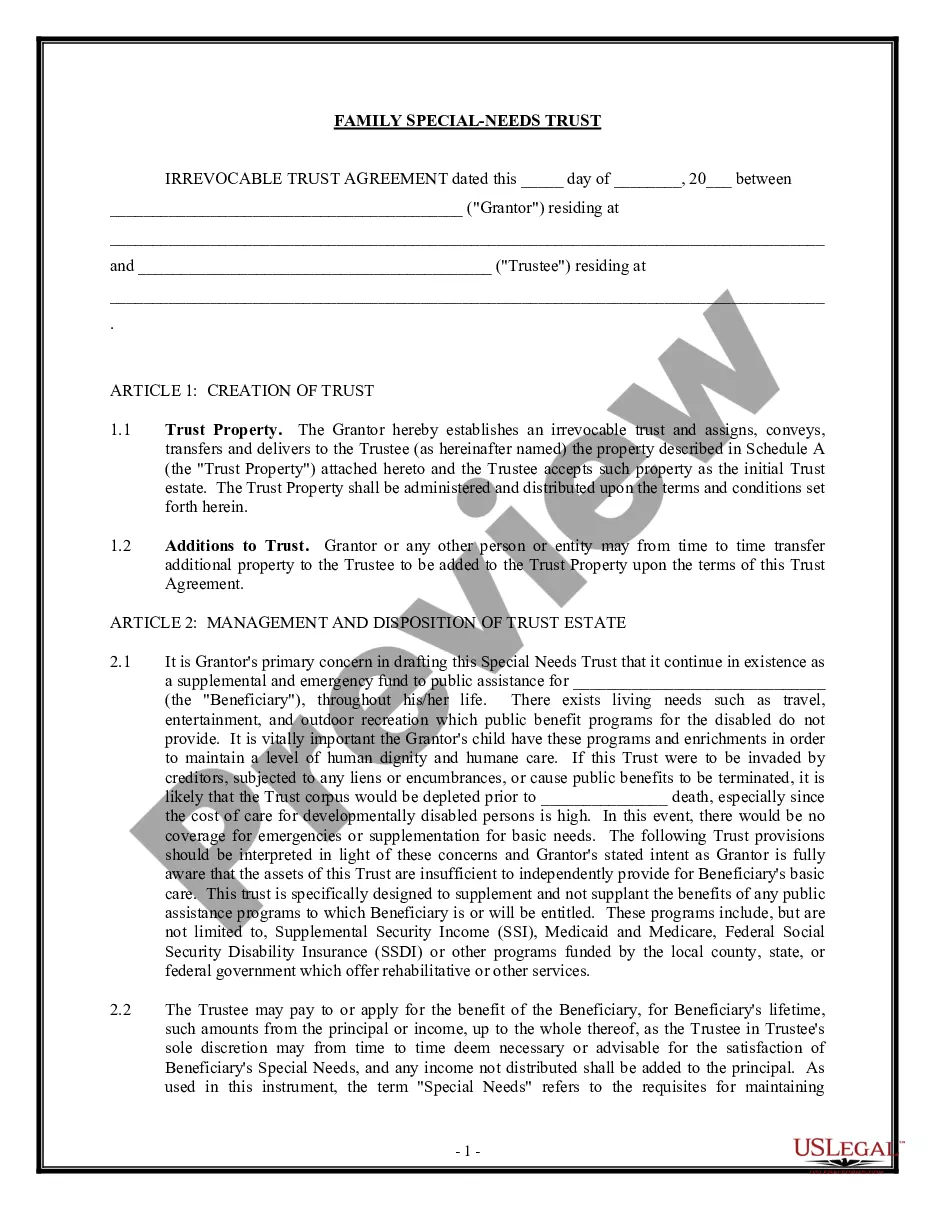
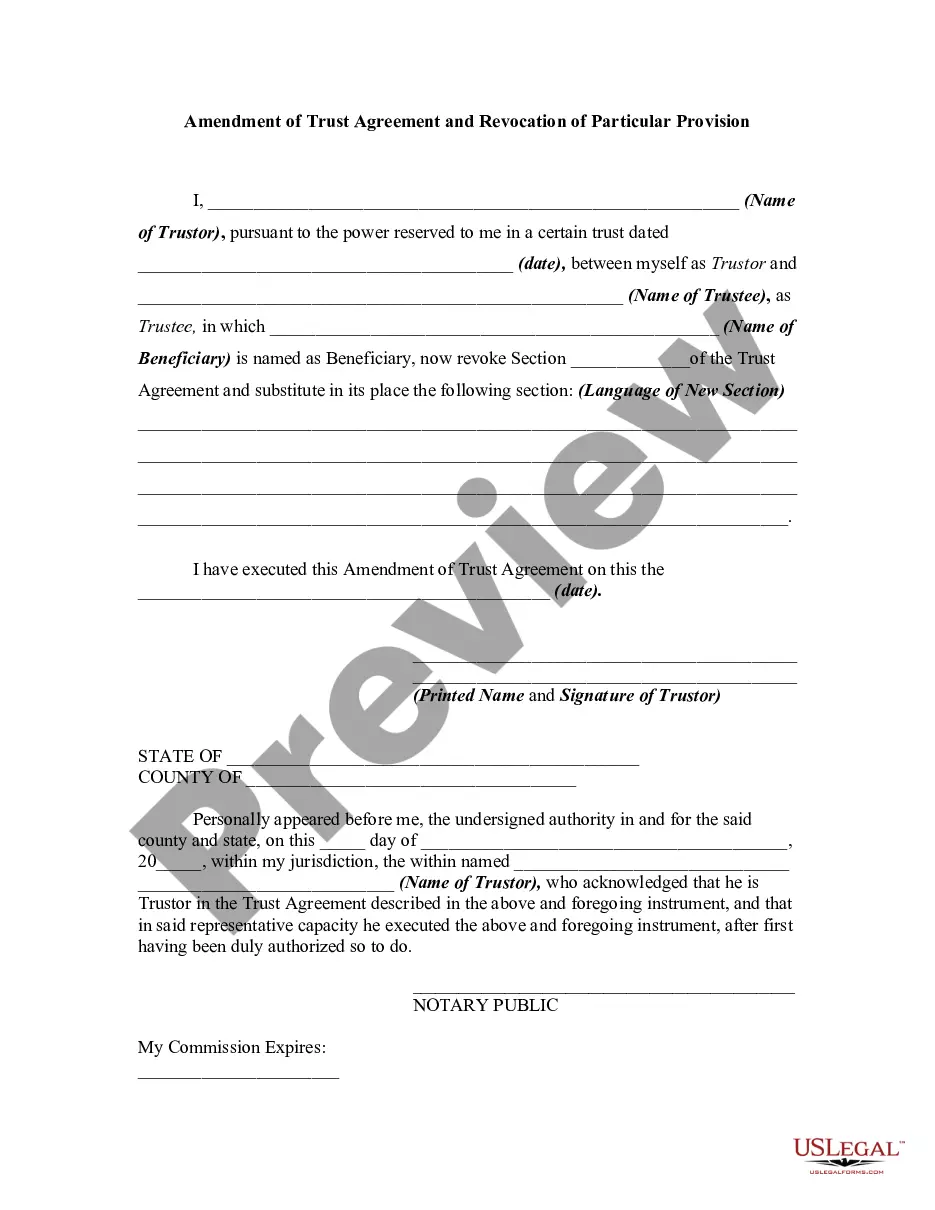
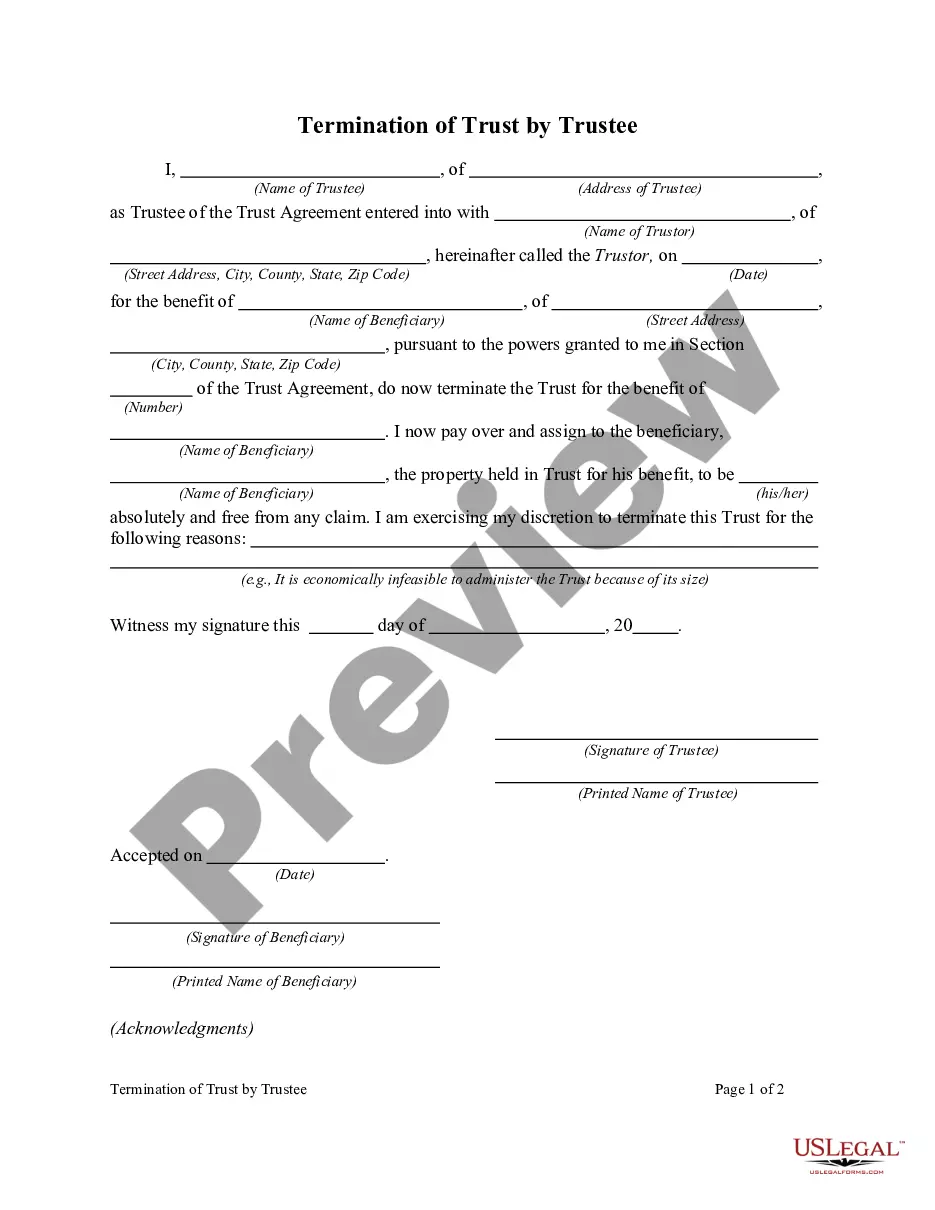





How to fill out Charitable Remainder Inter Vivos Unitrust Agreement?
- If you're an existing user, start by logging into your account, ensuring that your subscription is active.
- Review the preview mode and form description carefully to select the template that matches your specific legal needs and local jurisdiction.
- If adjustments are necessary, utilize the Search tab to find alternative templates that might better suit your requirements.
- Once you find the correct form, click on the Buy Now button and select your preferred subscription plan, creating an account if it’s your first purchase.
- Complete your transaction by entering your payment details, either through credit card or PayPal.
- Download the selected document to your device, making it accessible through the My Forms section of your account anytime you need it.
With US Legal Forms, you gain access to an extensive online library featuring over 85,000 customizable legal forms. This resource empowers users to execute legal documents quickly and efficiently, with expert support ensuring accuracy.
Ready to simplify your legal process? Start using US Legal Forms today to access a wealth of legal templates and expert assistance!
Form popularity
FAQ
Yes, Form 1041 can be filed electronically through various tax software programs approved by the IRS. This electronic filing option makes the process more convenient and can expedite your return. When you prepare your trust documento and income tax filings, electronic submission can save you time and help reduce errors. Consider reviewing the guidelines available on the IRS website for details on e-filing for trusts.
To draft a trust document, begin by determining the type of trust you wish to create, whether it's a revocable or irrevocable trust. Clearly outline your wishes, including the appointment of a trustee, the identification of beneficiaries, and the specific assets included in the trust. Utilizing professional templates, like those available on US Legal Forms, can simplify the drafting process and ensure you include all necessary details in your trust documento.
Yes, in certain circumstances, a trust must be filed with the IRS. If the trust generates income or has taxable events, you may need to file Form 1041, the U.S. Income Tax Return for Estates and Trusts. It's crucial to understand the tax obligations associated with your trust documento, which can help you stay compliant with federal tax laws. Consulting resources on US Legal Forms can provide additional clarity on filing requirements.
To establish a trust, you generally need to complete a trust document that specifies the terms and conditions of the trust. This document outlines aspects such as the trustee, beneficiaries, and the assets involved. It's important to ensure that the trust document complies with your state's legal requirements. Consider using US Legal Forms, where you can find easily accessible templates and guidance for various types of trust documents.
In some cases, you can access trust documents online, particularly if they are part of public records. However, many trust documentos are private and not publicly available. If you need to conduct a search, consider professional assistance or explore platforms like US Legal Forms for available resources.
Finding the contents of a trust typically involves contacting the trust's trustee or reviewing the trust documento directly. If you are a beneficiary, you have the right to access this information, and the trustee should provide it promptly. Seeking legal advice can also clarify your rights regarding trust disclosures.
You can find a trust amendment form through online legal services or platforms like US Legal Forms. These services offer customizable templates to help you modify your existing trust documento easily. Ensure that any amendments adhere to the original trust's terms and comply with local laws.
You can prove you have a trust by presenting the trust documento, which outlines its terms and conditions, as well as the names of the trustee and beneficiaries. If needed, you can also provide a certificate of trust as additional proof. Consult a legal professional if you require further assistance in verifying your trust.
You can obtain a certificate of trust by requesting it from the trustee or the person who created the trust. This certificate provides essential details about the trust without disclosing its full contents. You may also consider utilizing platforms like US Legal Forms to simplify the process of generating necessary trust documents.
In most cases, trust documents do not need to be notarized, but this may vary depending on your state's laws. Notarization can help validate the document and protect against potential disputes. Ensure that you understand the requirements specific to your jurisdiction when preparing your trust documento.