Revocable Trust
Description
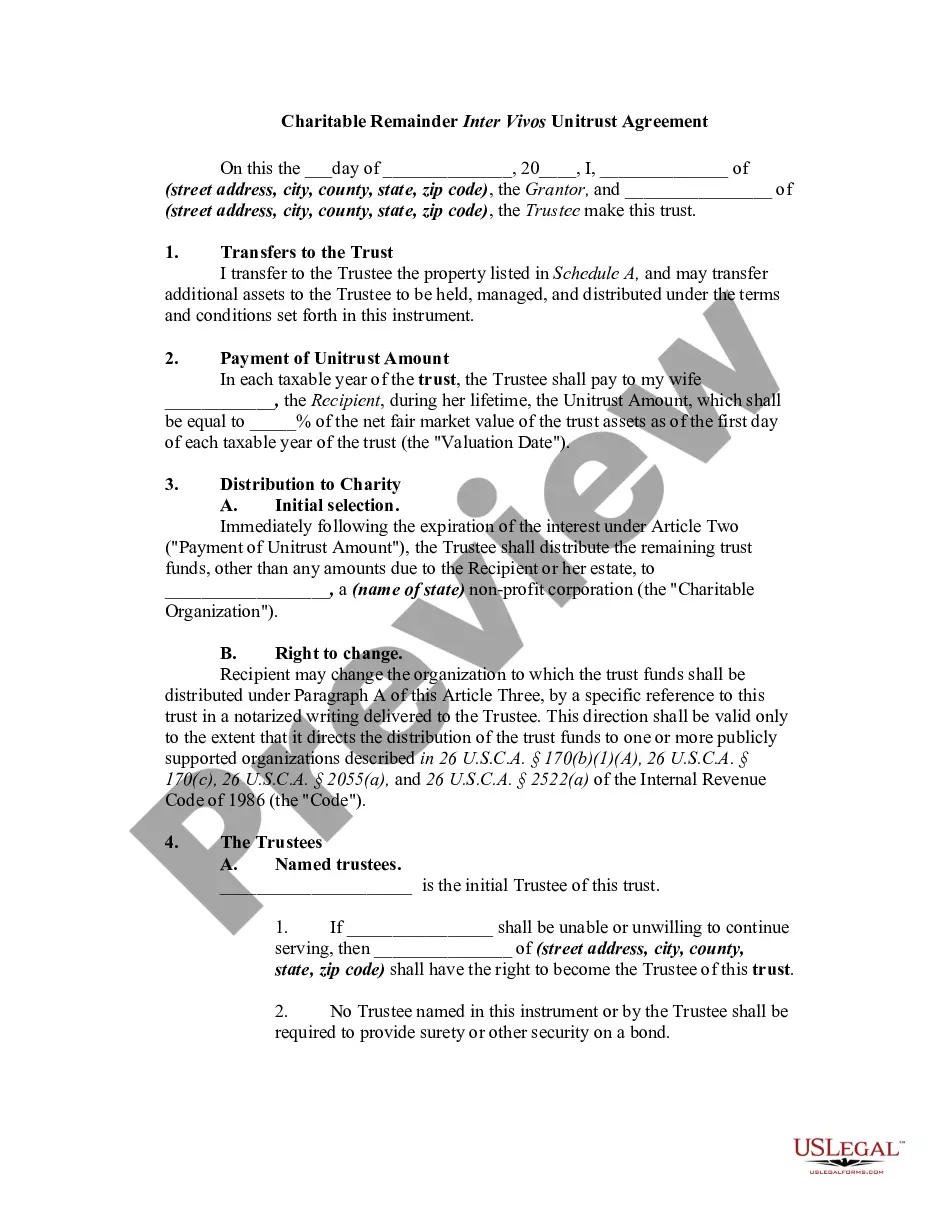
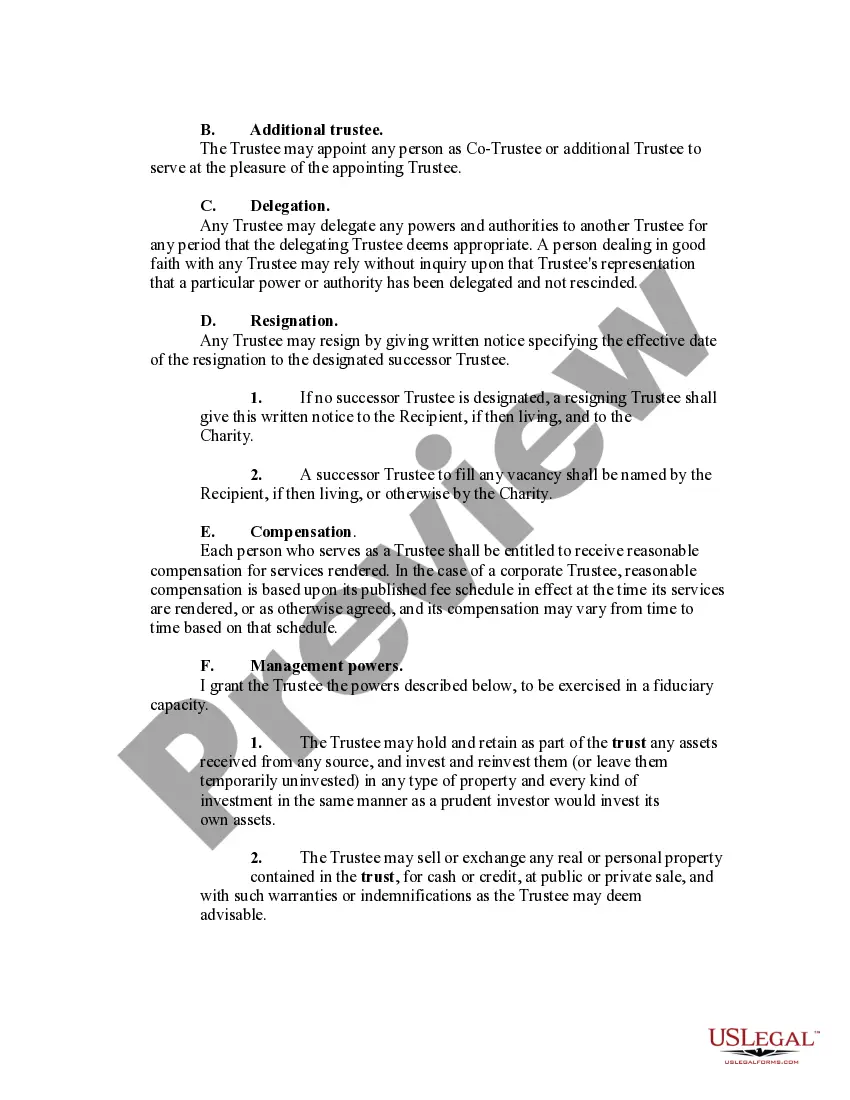
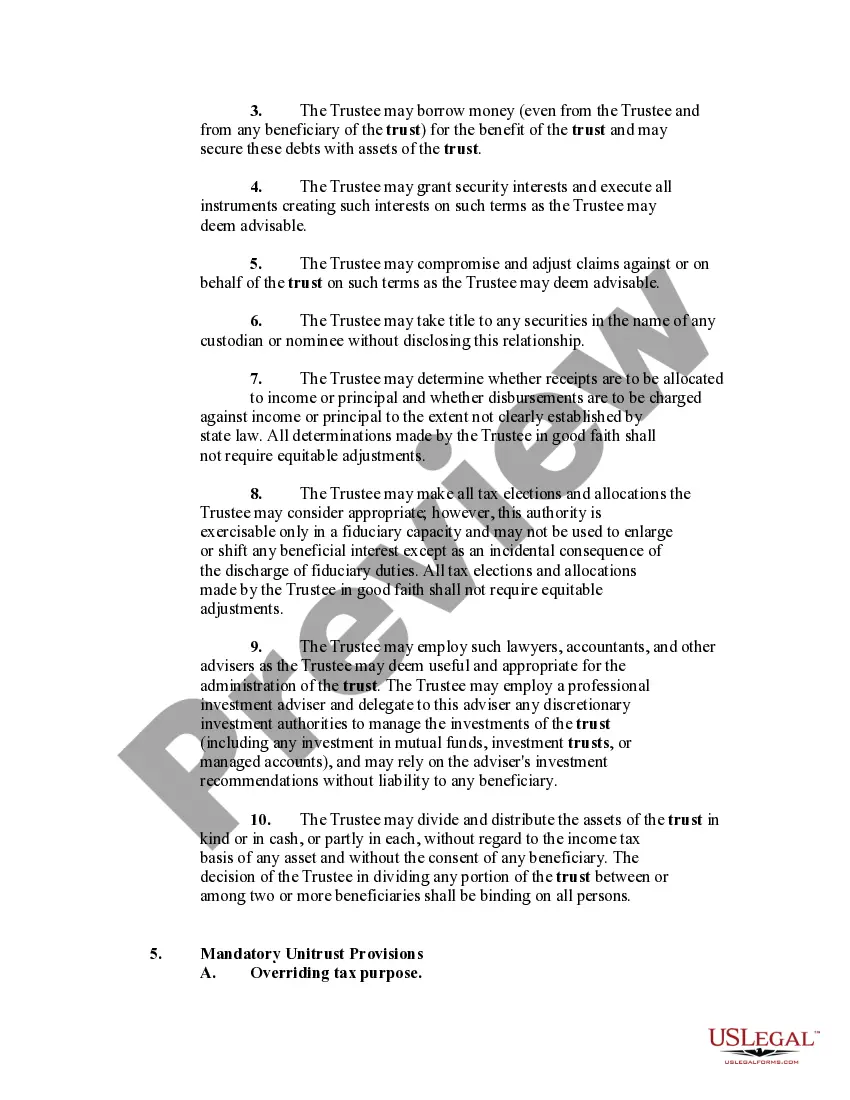
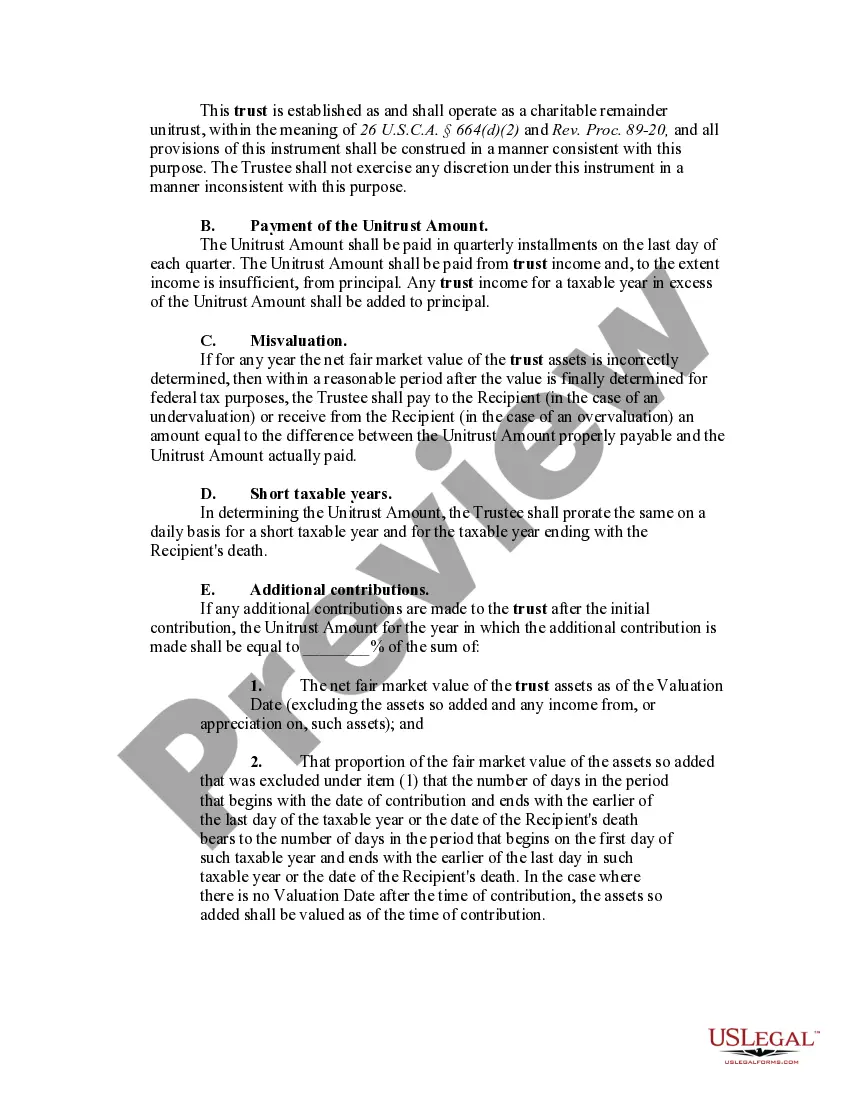
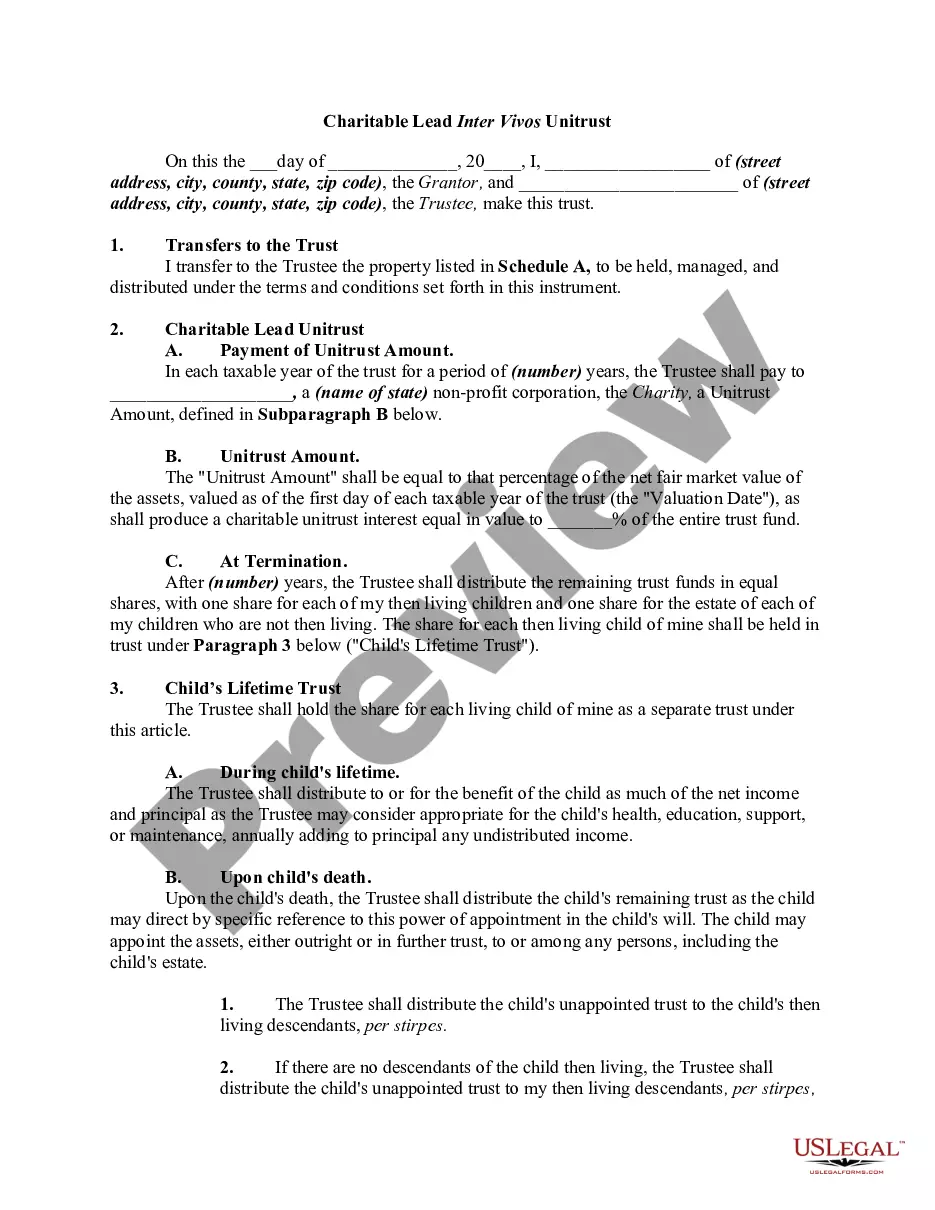
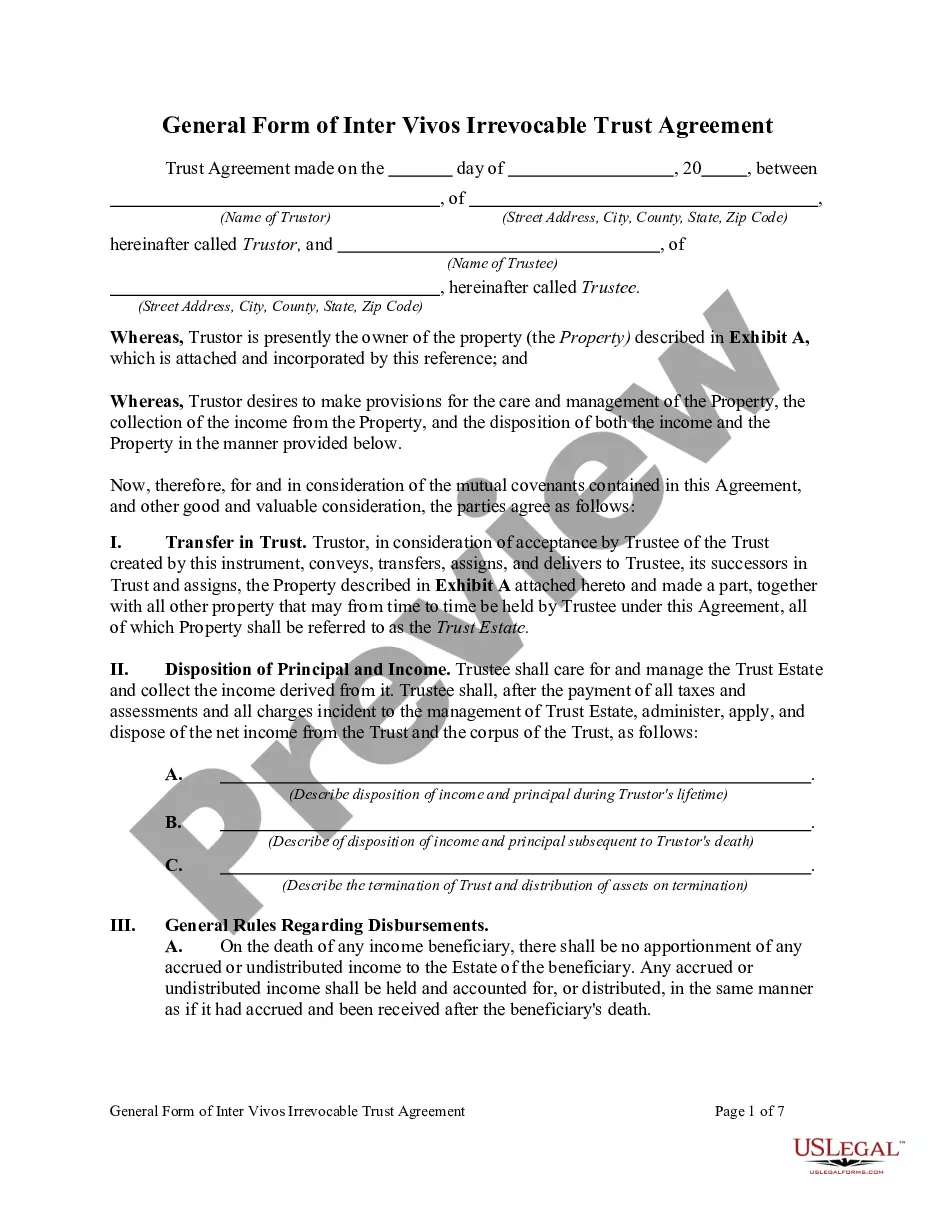
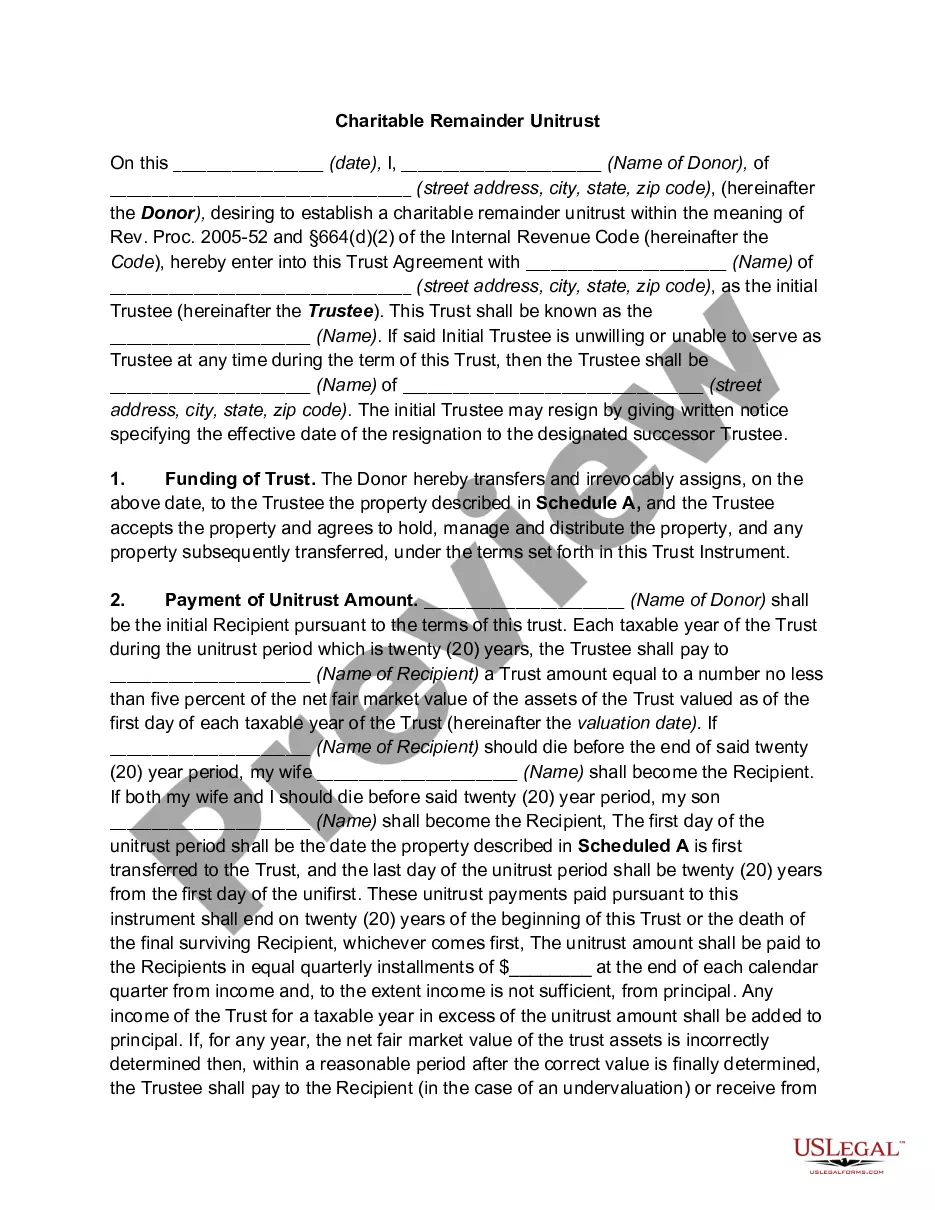
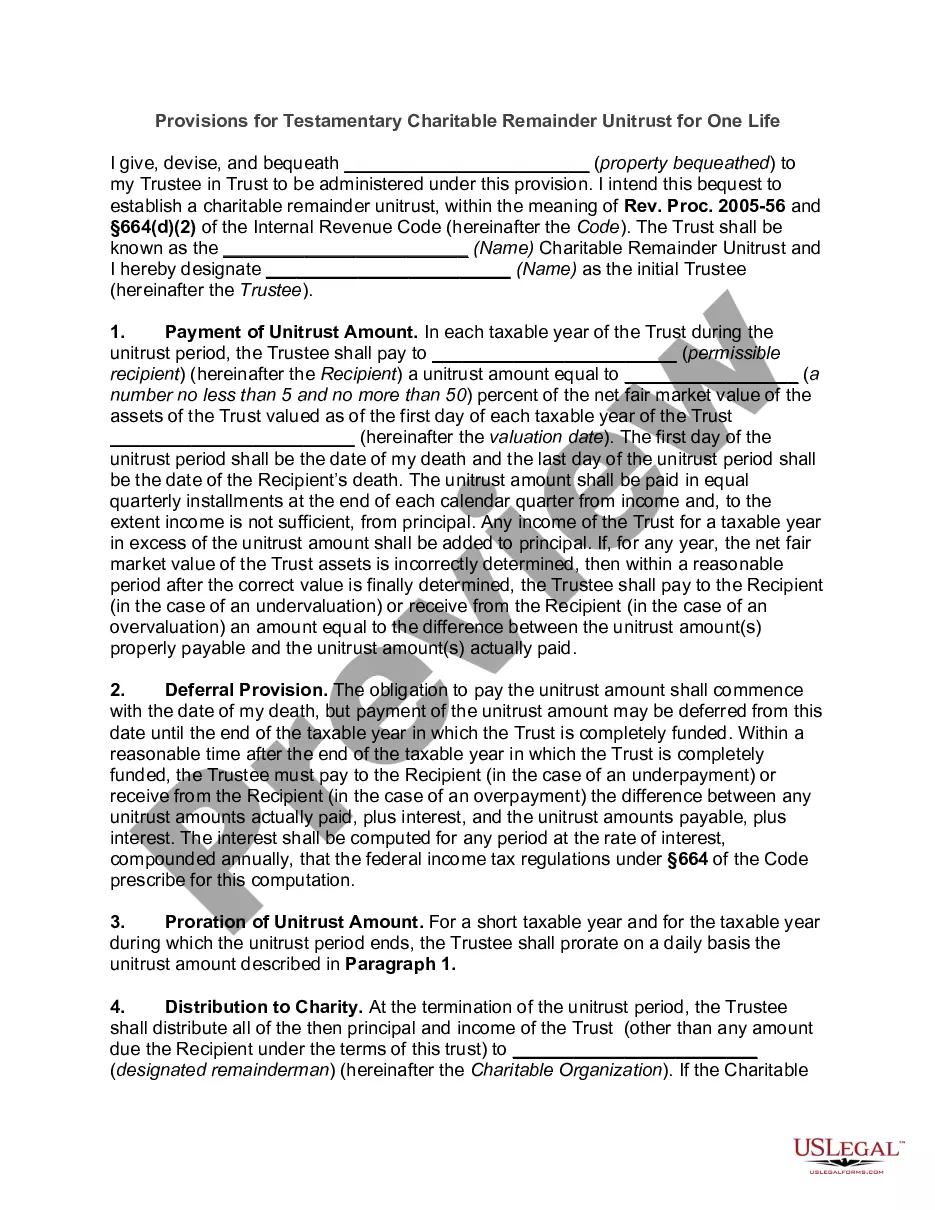
Get your form ready online
Our built-in tools help you complete, sign, share, and store your documents in one place.
Make edits, fill in missing information, and update formatting in US Legal Forms—just like you would in MS Word.
Download a copy, print it, send it by email, or mail it via USPS—whatever works best for your next step.
Sign and collect signatures with our SignNow integration. Send to multiple recipients, set reminders, and more. Go Premium to unlock E-Sign.
If this form requires notarization, complete it online through a secure video call—no need to meet a notary in person or wait for an appointment.
We protect your documents and personal data by following strict security and privacy standards.

Make edits, fill in missing information, and update formatting in US Legal Forms—just like you would in MS Word.

Download a copy, print it, send it by email, or mail it via USPS—whatever works best for your next step.

Sign and collect signatures with our SignNow integration. Send to multiple recipients, set reminders, and more. Go Premium to unlock E-Sign.

If this form requires notarization, complete it online through a secure video call—no need to meet a notary in person or wait for an appointment.

We protect your documents and personal data by following strict security and privacy standards.
Looking for another form?




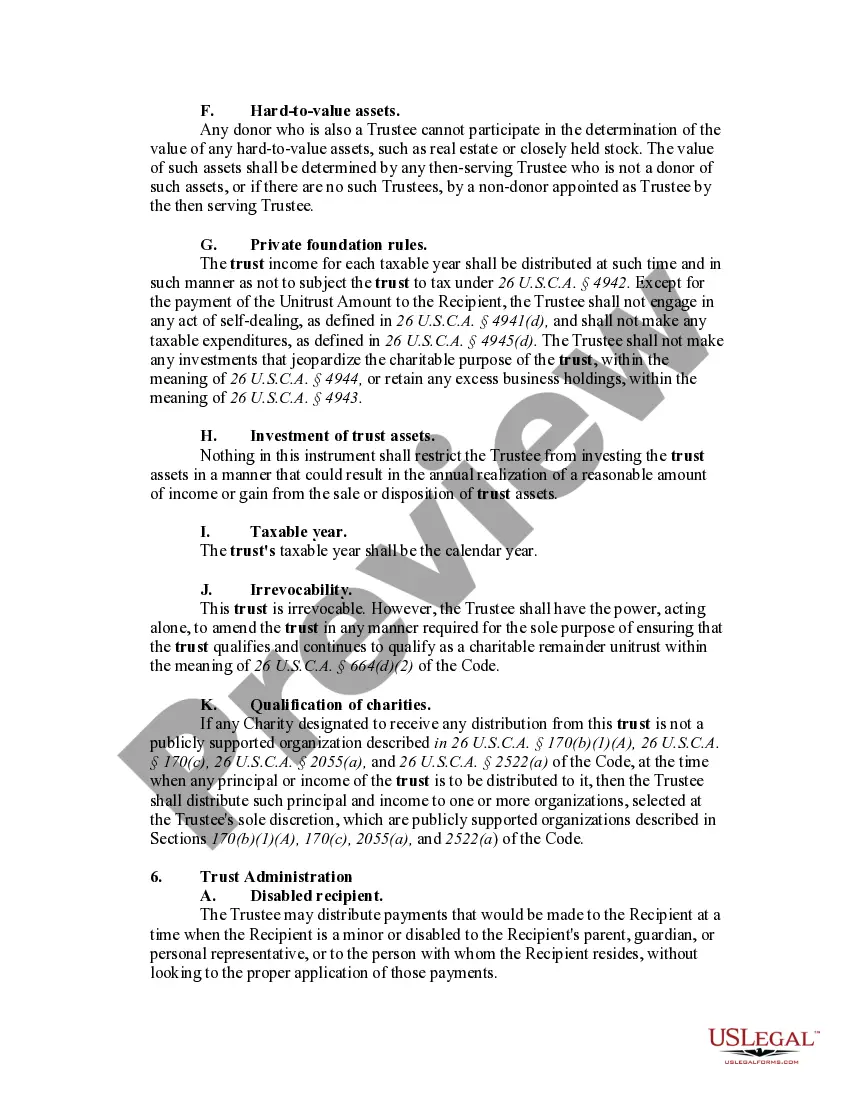
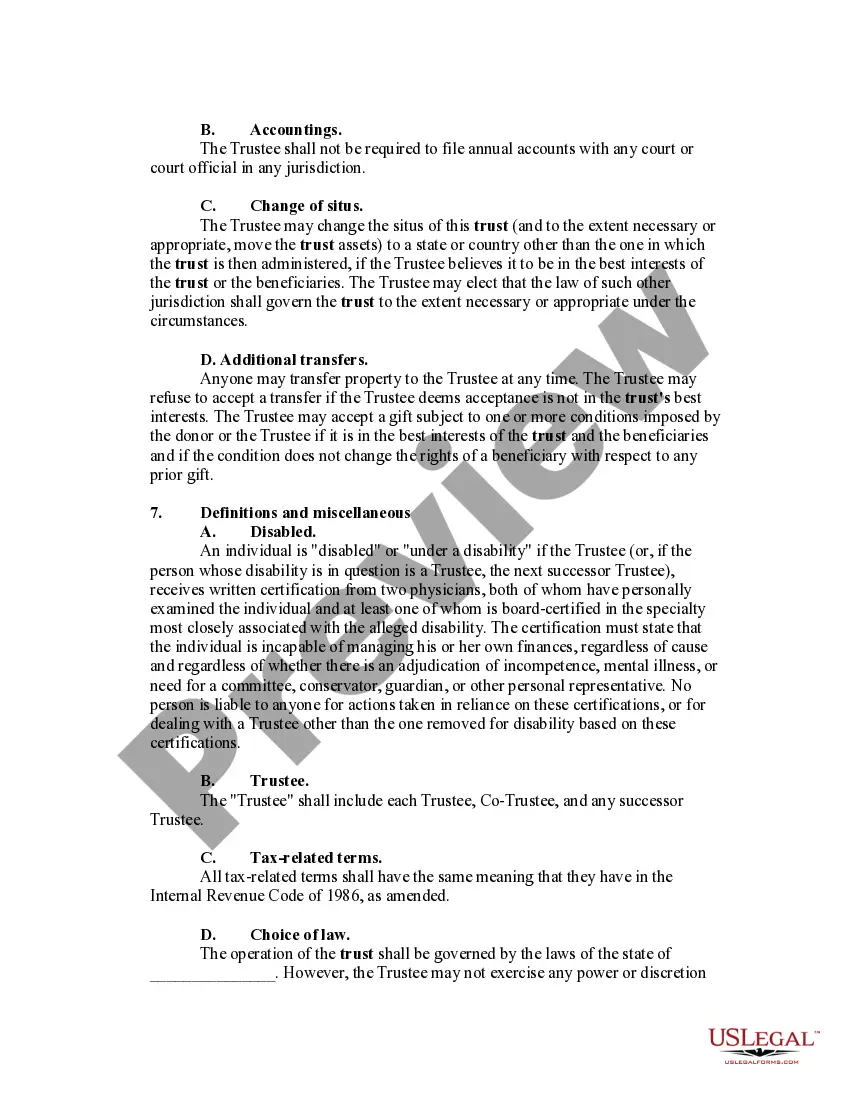
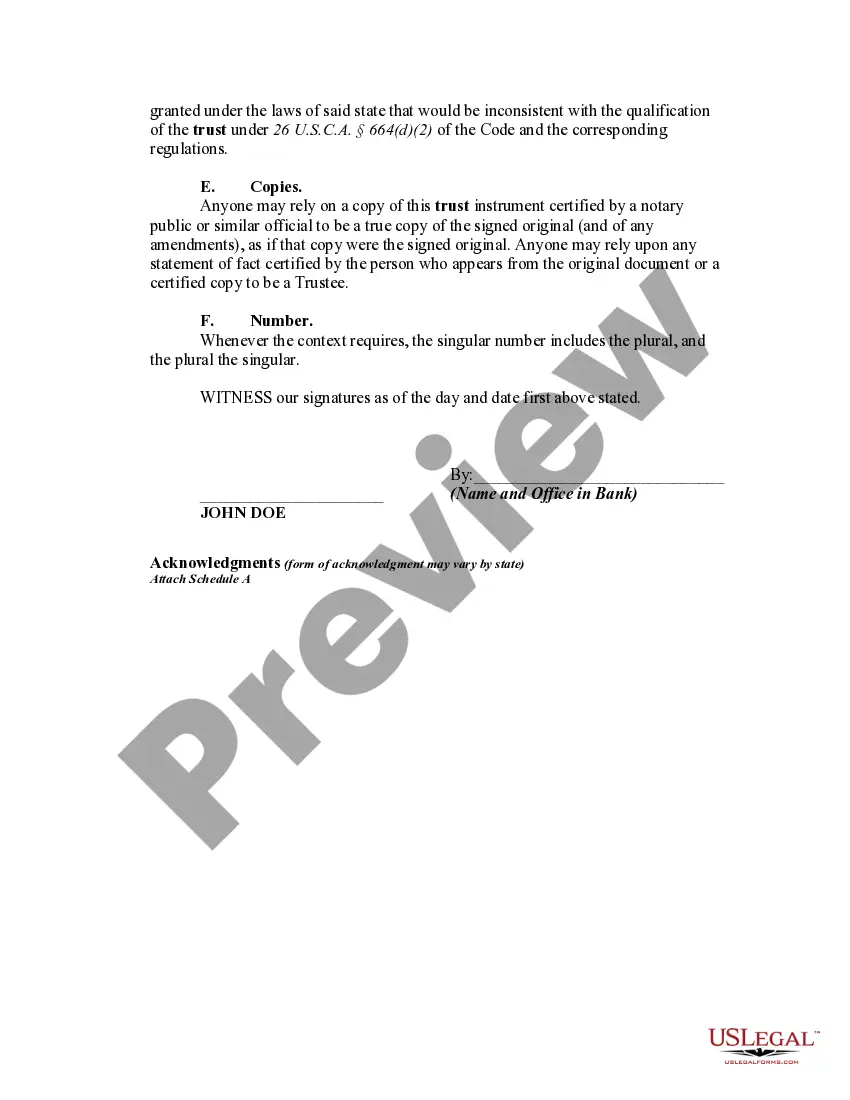
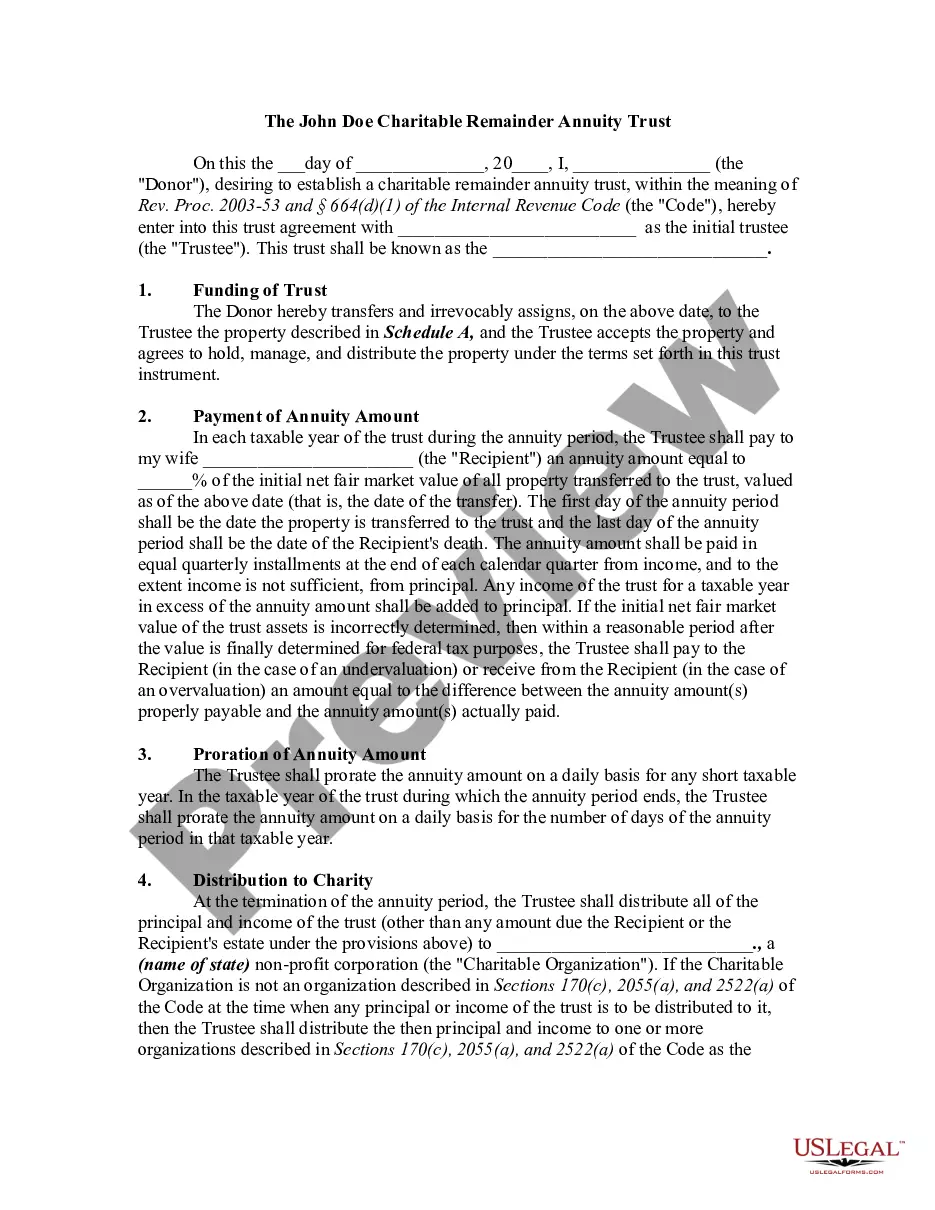
How to fill out Charitable Remainder Inter Vivos Unitrust Agreement?
- If you're an existing user, log in to your account to access your previously downloaded forms. Ensure your subscription is valid; if it's not, please renew it according to your payment plan.
- For first-time users, begin by exploring the form descriptions and preview mode. Confirm that you have selected a template that aligns with your requirements and meets local jurisdiction standards.
- If needed, search for alternative templates using the Search tab to find the precise document that fits your needs.
- Once you've identified the correct form, click the Buy Now button and choose your preferred subscription plan. You'll need to create an account to unlock the full document library.
- Proceed to check out by entering your credit card information or using your PayPal account to complete the subscription payment.
- After your purchase, download your revocable trust template to your device. You can access it anytime via the My Forms section in your account.
Using US Legal Forms not only provides an extensive range of templates but also connects you with premium experts who can assist with form completion, ensuring your documents are accurate and legally binding.
Start securing your financial legacy today by creating a revocable trust through US Legal Forms. Your future planning begins with the right tools!
Form popularity
FAQ
Setting up a revocable trust can be straightforward, especially with the right guidance. Generally, you'll need to gather your assets, decide on beneficiaries, and draft the trust document. While it may require some legal knowledge to ensure everything is done correctly, using resources like US Legal Forms simplifies the process. With easy-to-use templates and expert support, establishing a revocable trust becomes manageable and beneficial for your estate planning.
Certain bank accounts should typically remain outside a revocable trust, particularly those that benefit from beneficiary designations, like joint accounts or accounts with payable-on-death features. Maintaining these accounts outside the trust can ensure they transfer directly to your chosen beneficiaries without complications. Always consult with a professional to determine the best course for your situation.
A revocable trust primarily serves to manage and distribute your assets according to your wishes during your lifetime and after your passing. It simplifies the management of your estate, avoids probate, and allows you to retain control over your assets. Additionally, creating a revocable trust can provide privacy, as it generally doesn’t become a public record.
You can place various assets into your revocable trust to ensure efficient management and transfer upon your passing. Typically, consider including real estate, bank accounts, investment accounts, and personal property with notable value. By using a revocable trust, you can help streamline the distribution process for your heirs.
One significant disadvantage of a revocable trust is the lack of asset protection. Since you maintain control over the assets, they are accessible to creditors or legal judgments. Furthermore, while trusts can simplify probate, they do not always eliminate it entirely, which could lead to potential processing delays.
It is wise to avoid putting certain types of assets into a revocable trust, such as qualified retirement accounts and life insurance policies, which typically designate beneficiaries. Additionally, some tangible personal property, like cars or real estate with remaining mortgages, may not be suitable for inclusion. You can still manage those assets outside the trust effectively.
Choosing between a revocable trust and an irrevocable trust largely depends on your specific needs. A revocable trust offers flexibility, allowing you to modify the terms or dissolve the trust if your circumstances change. On the other hand, an irrevocable trust may offer tax benefits and protection from creditors but comes with limited control.
When considering what assets to exclude from a revocable trust, focus on those that require direct control, like retirement accounts and life insurance policies. Typically, these assets have designated beneficiaries that override trust provisions. Additionally, personal items of significant sentimental value might be better handled outside the trust.
Certain assets should remain outside a revocable trust for various reasons. For example, retirement accounts like IRAs can have tax implications when placed in a trust. Additionally, assets that require a beneficiary designation, like life insurance policies, are best kept out of the trust to ensure a straightforward transfer after your passing.
Suze Orman advocates for revocable trusts as a vital estate planning tool. She emphasizes that these trusts provide flexibility and can help avoid probate, simplifying the process for your heirs. However, she also highlights the importance of understanding your specific financial needs and personal circumstances before establishing one.