Remainder Meaning
Description
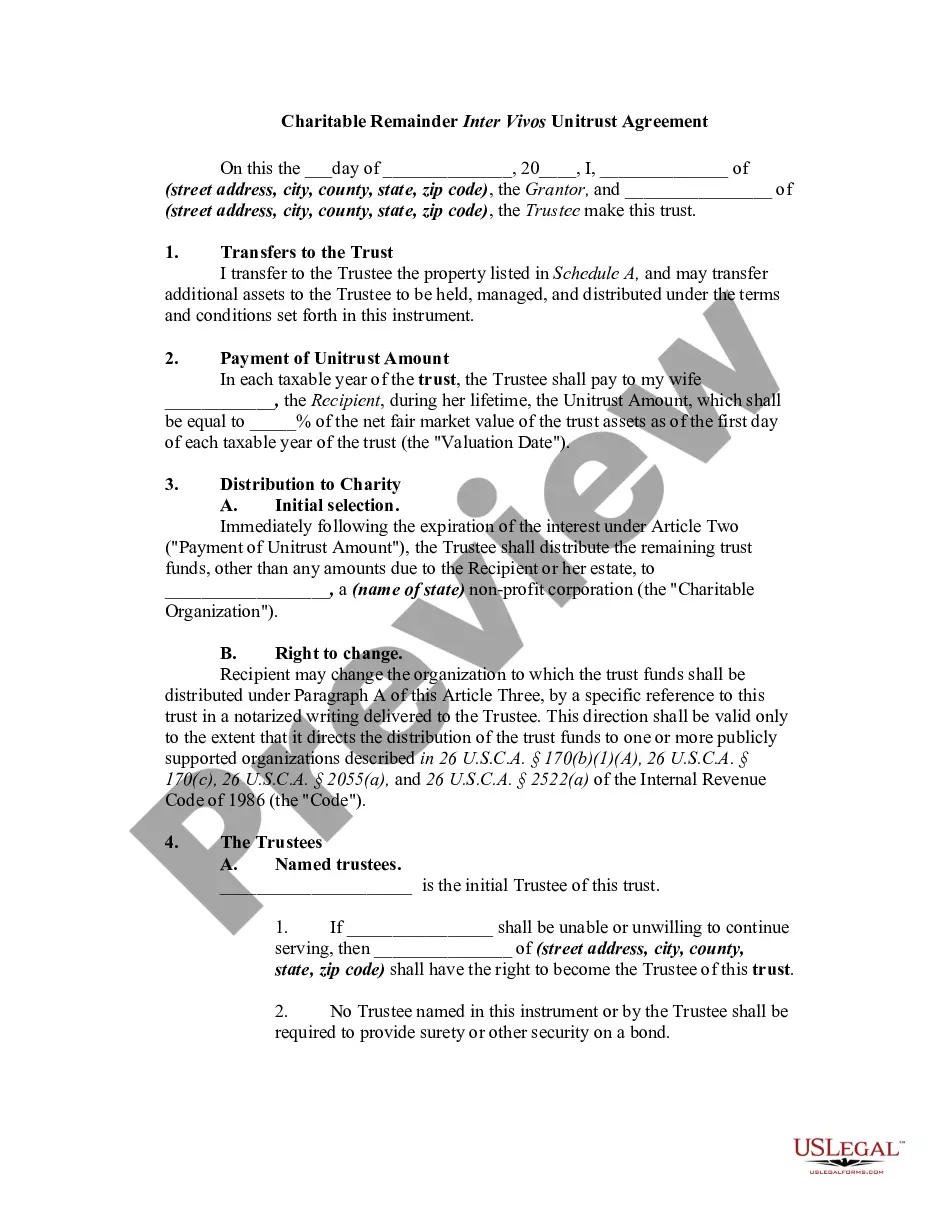
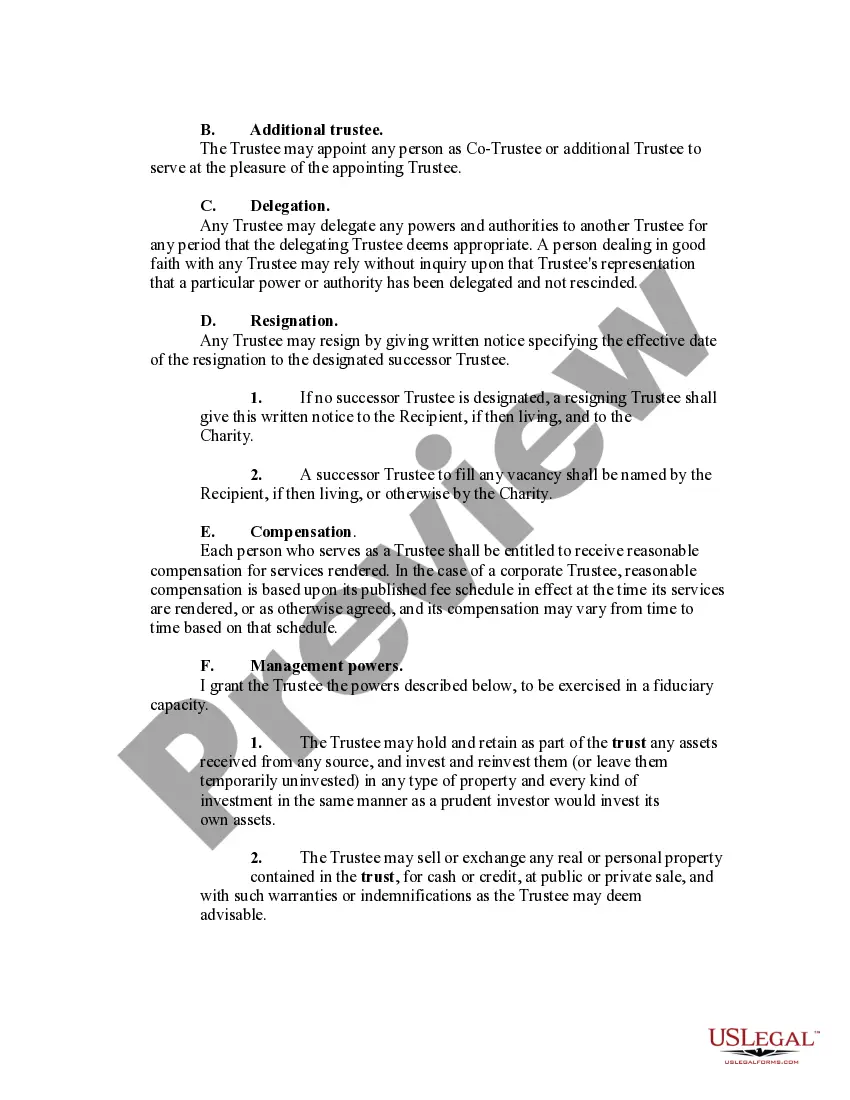
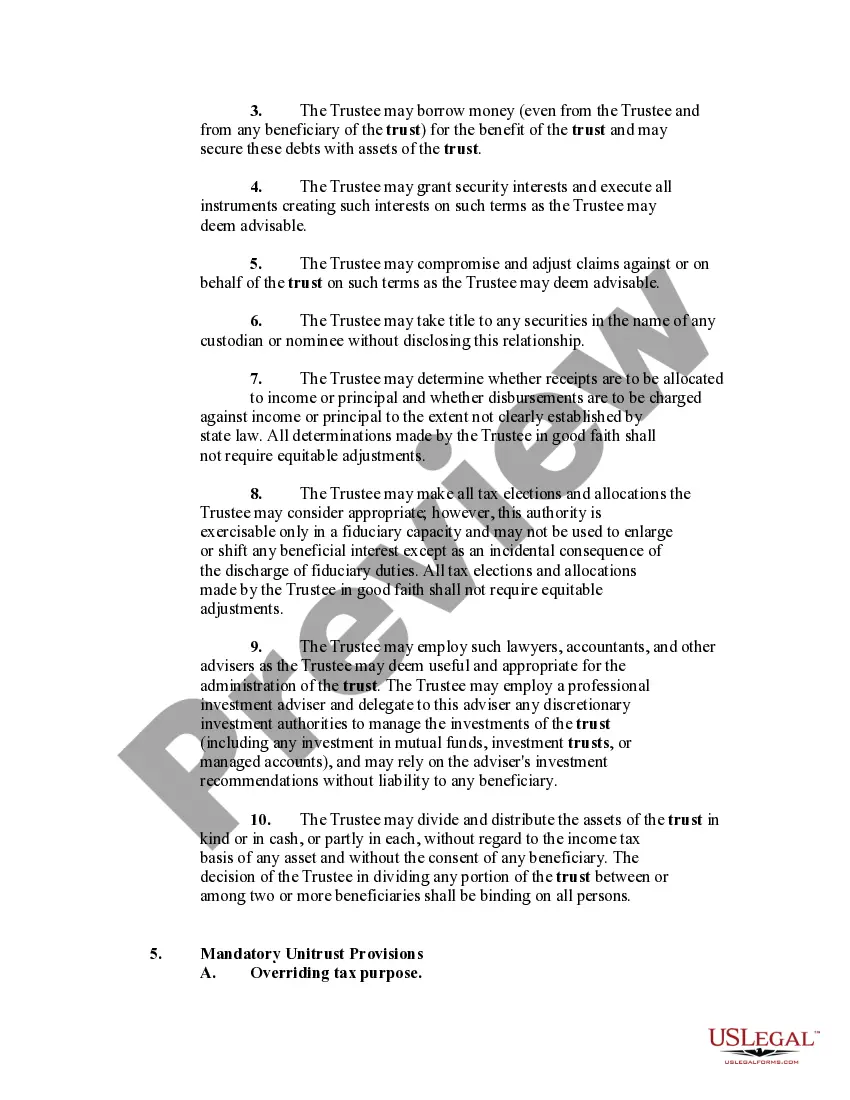
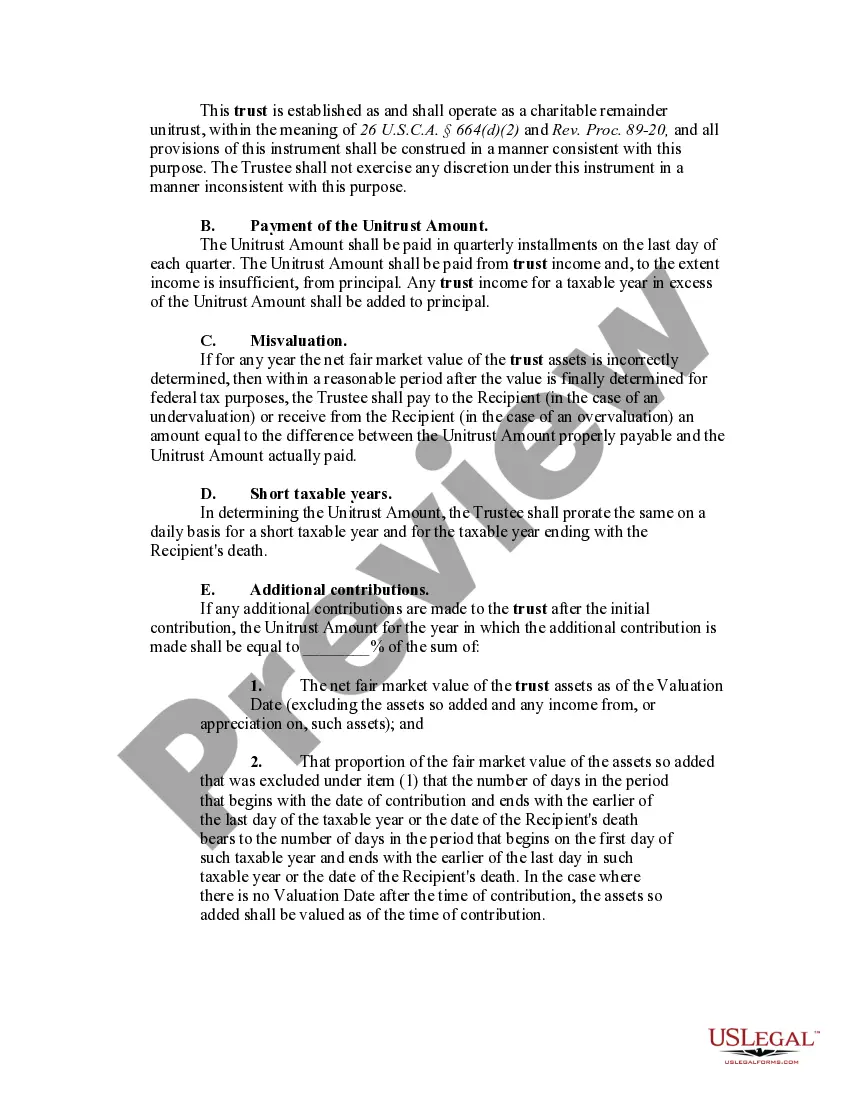
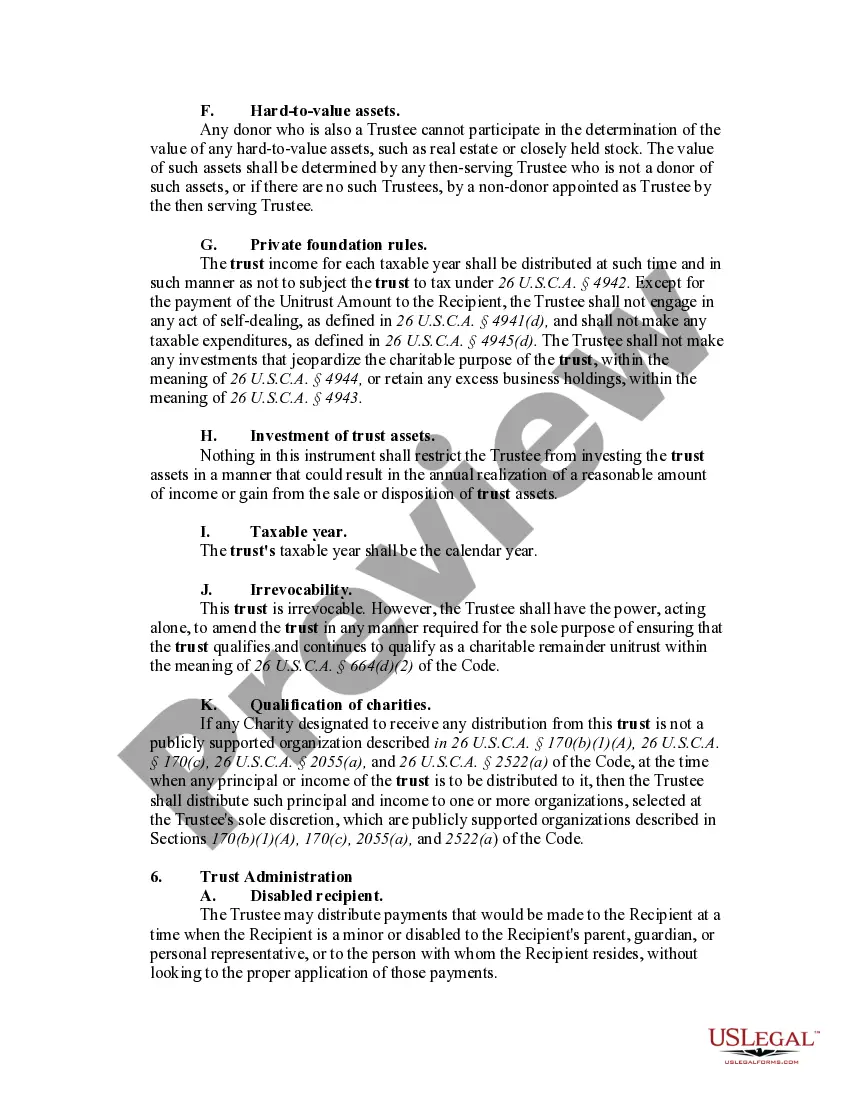
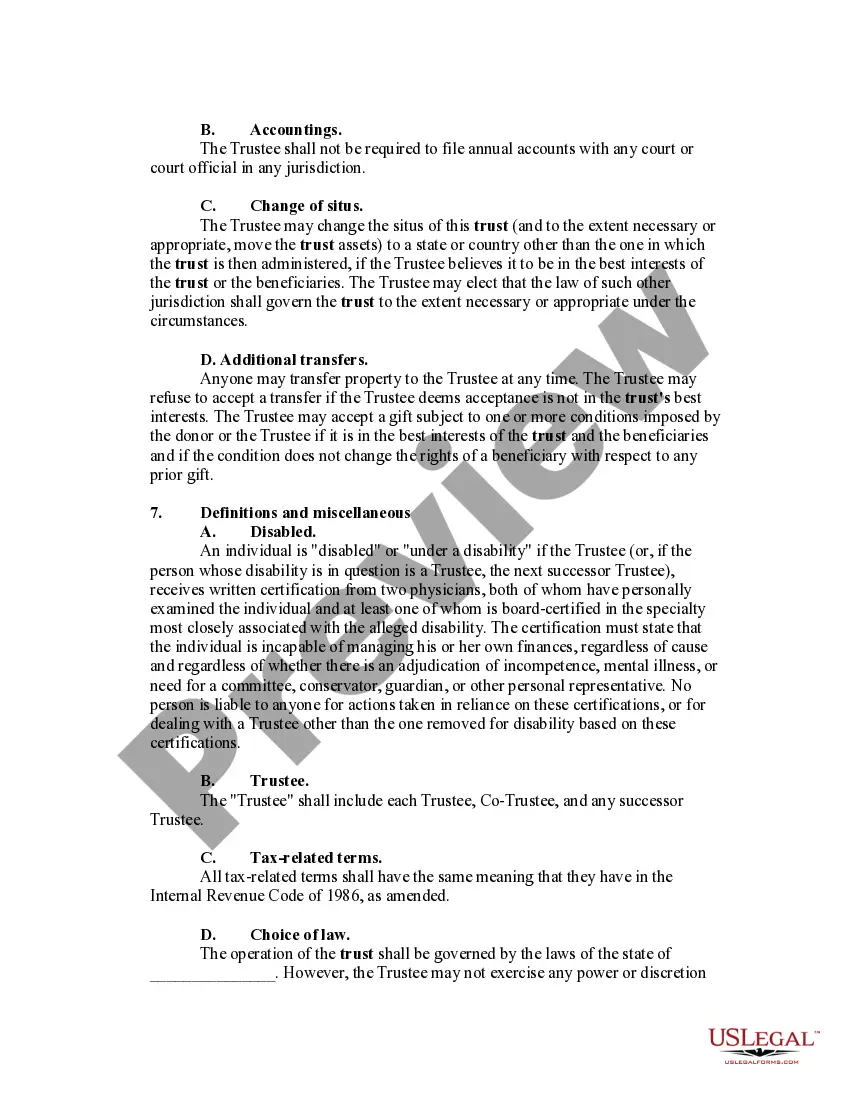
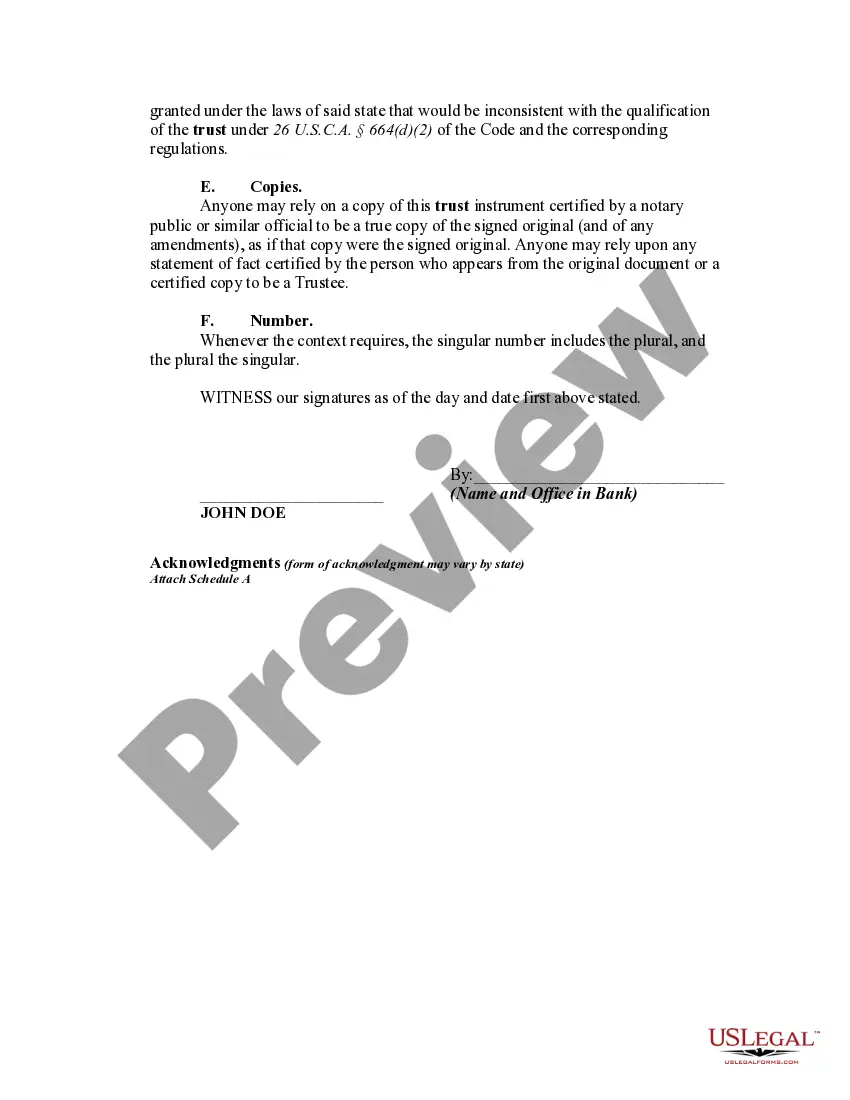
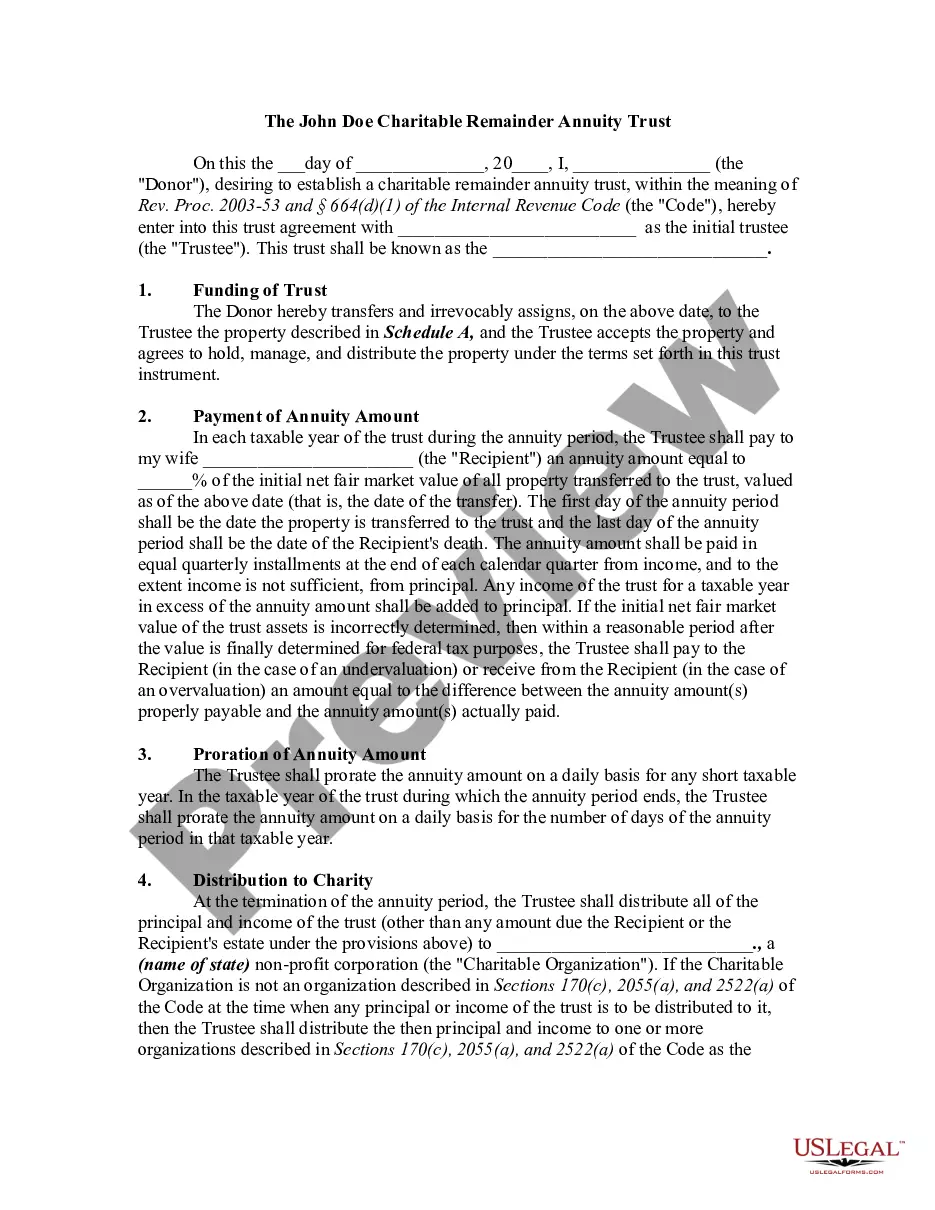
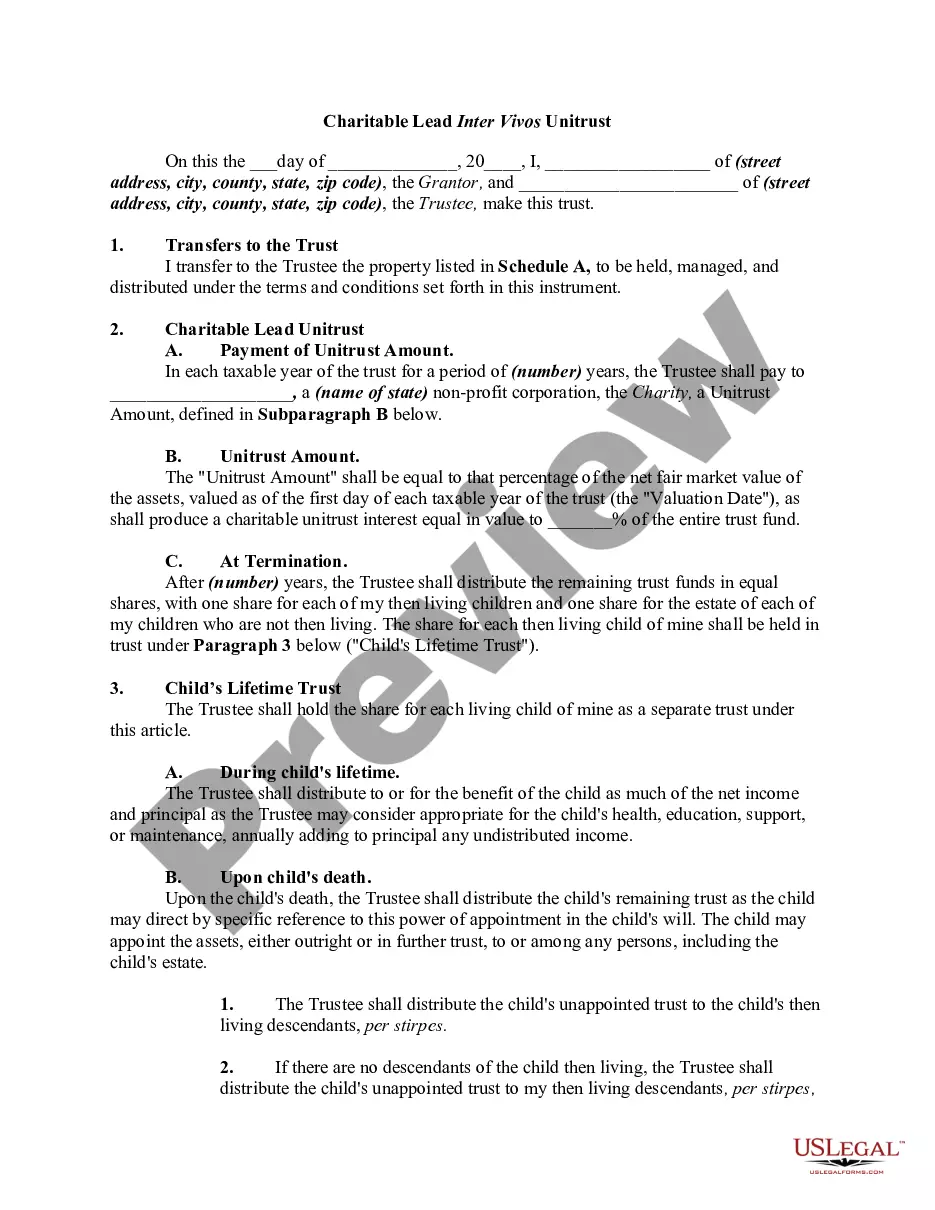
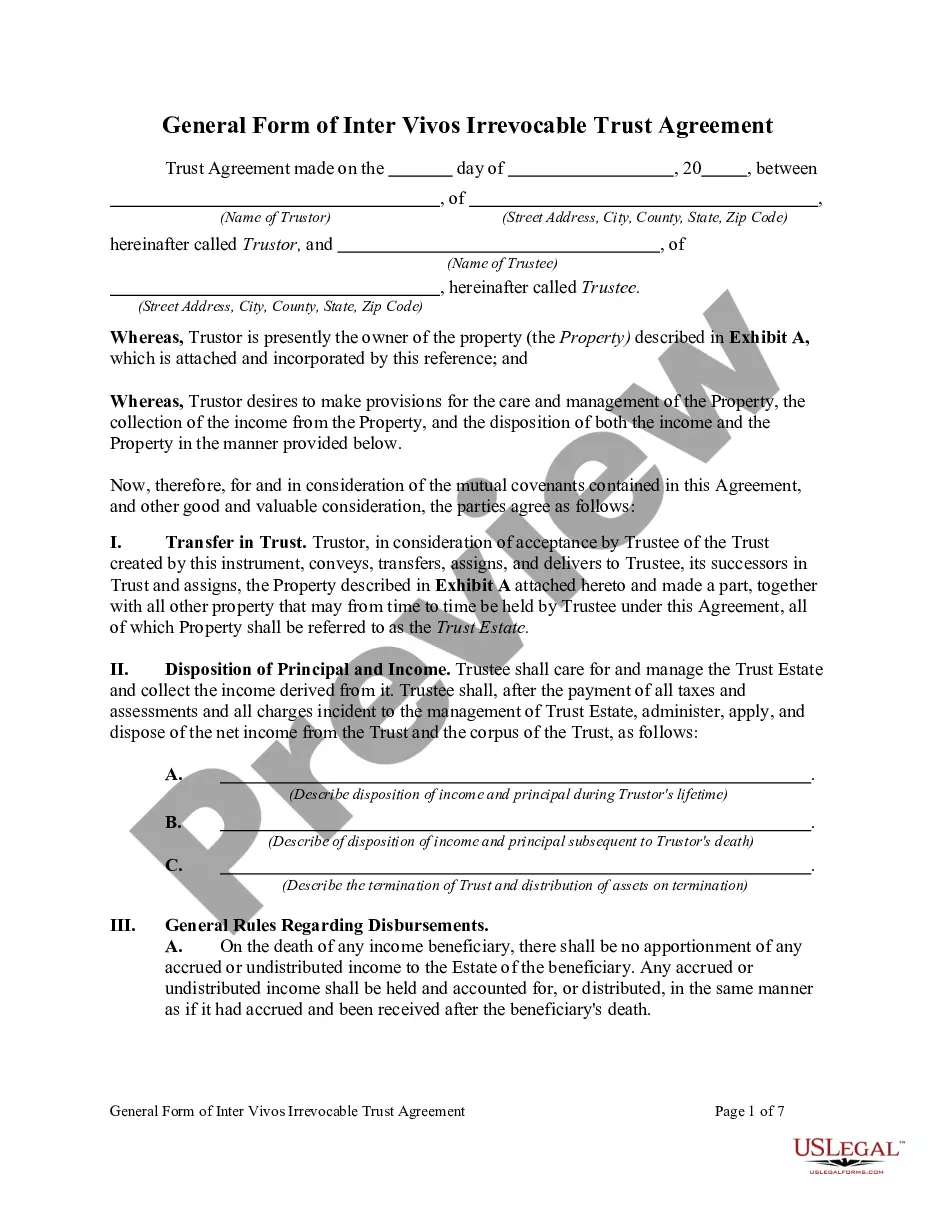
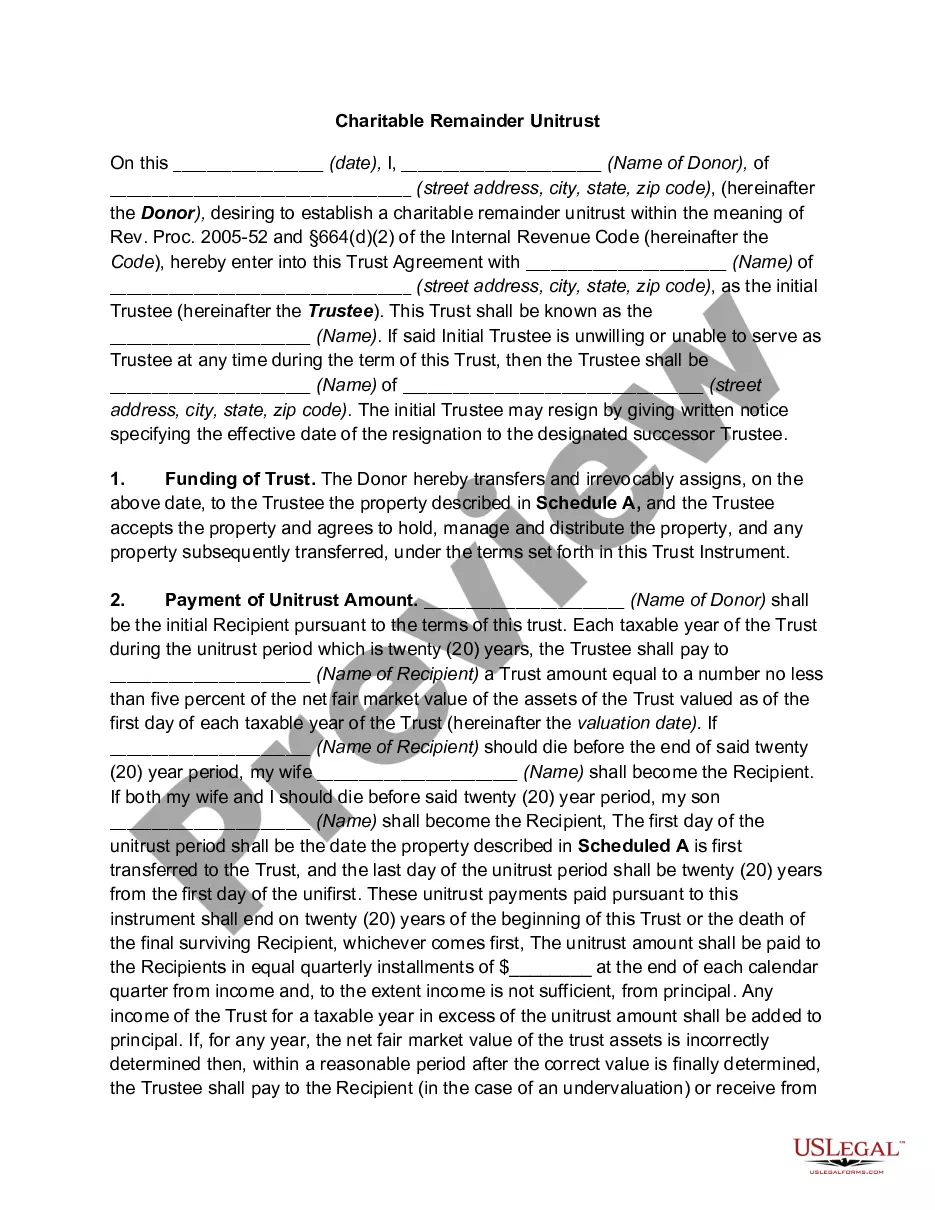
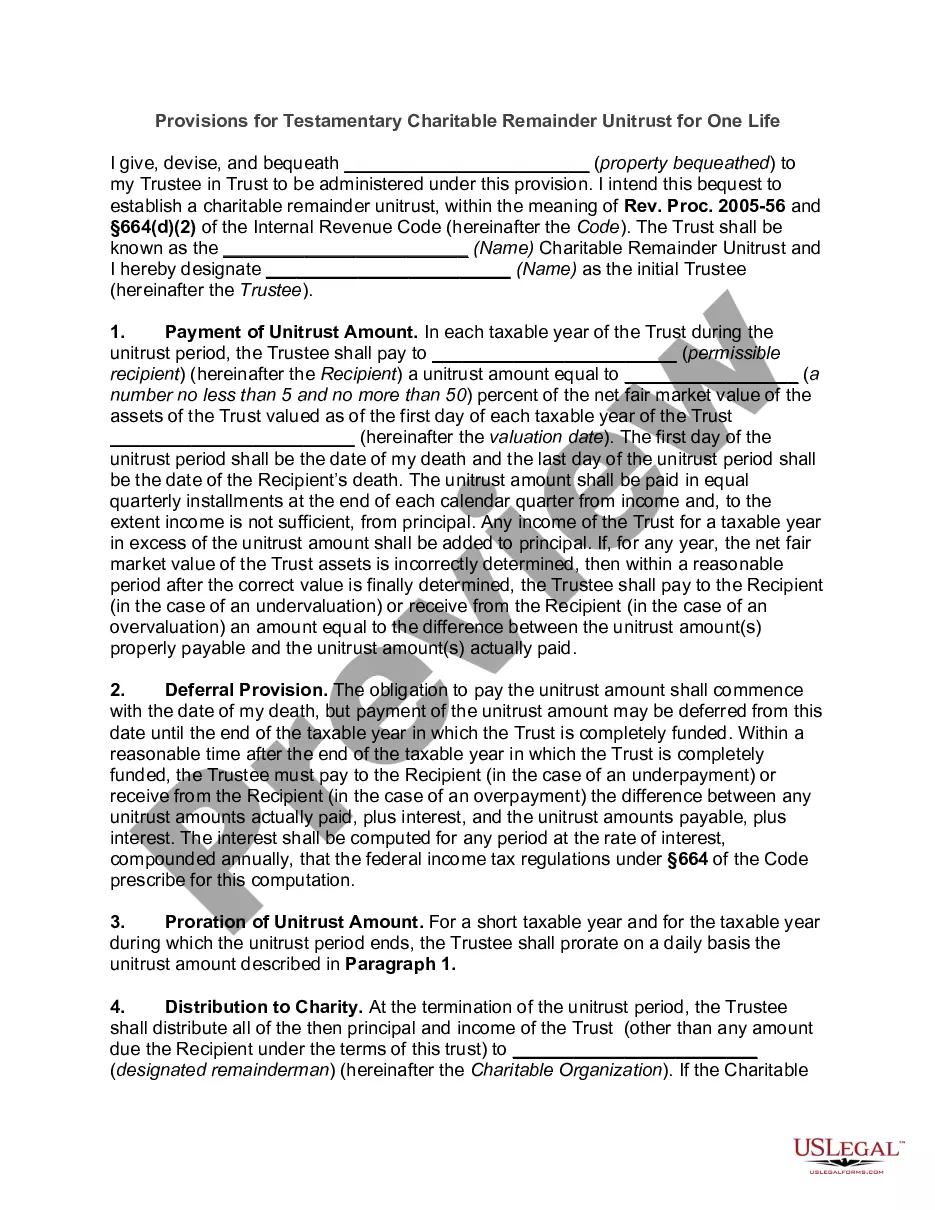
Get your form ready online
Our built-in tools help you complete, sign, share, and store your documents in one place.
Make edits, fill in missing information, and update formatting in US Legal Forms—just like you would in MS Word.
Download a copy, print it, send it by email, or mail it via USPS—whatever works best for your next step.
Sign and collect signatures with our SignNow integration. Send to multiple recipients, set reminders, and more. Go Premium to unlock E-Sign.
If this form requires notarization, complete it online through a secure video call—no need to meet a notary in person or wait for an appointment.
We protect your documents and personal data by following strict security and privacy standards.

Make edits, fill in missing information, and update formatting in US Legal Forms—just like you would in MS Word.

Download a copy, print it, send it by email, or mail it via USPS—whatever works best for your next step.

Sign and collect signatures with our SignNow integration. Send to multiple recipients, set reminders, and more. Go Premium to unlock E-Sign.

If this form requires notarization, complete it online through a secure video call—no need to meet a notary in person or wait for an appointment.

We protect your documents and personal data by following strict security and privacy standards.
Looking for another form?








How to fill out Charitable Remainder Inter Vivos Unitrust Agreement?
- Log in to your US Legal Forms account if you’re a returning user. Ensure your subscription is active; renew it if necessary.
- For first-time users, begin by examining the Preview mode and form description to confirm the form aligns with your local jurisdiction.
- Utilize the Search feature to find an alternate template if you encounter inconsistencies or require a different document.
- Purchase your selected form by clicking the Buy Now button and selecting your preferred subscription plan. Make sure to create an account for access to the comprehensive library.
- Complete your transaction by entering your payment details, either via credit card or PayPal.
- Finally, download your completed form to your device and find it in the My Forms section of your profile for future reference.
In conclusion, utilizing US Legal Forms simplifies the process of acquiring legal documents by offering a vast collection of editable templates and expert assistance. No more confusion or uncertainty about legal paperwork.
Start accessing these invaluable resources today to ensure your legal documents are accurate and effective!
Form popularity
FAQ
A remainder in legal terms pertains to the interest one party has in a property that will come into effect after another interest ceases. Typically associated with wills and property deeds, this ensures that the intended heirs receive their rightful shares. Recognizing the remainder meaning supports individuals in making informed decisions about estate management and inheritance. For legal clarity, US Legal Forms offers various documents to facilitate this process effectively.
An example of a remainder property would be a house that is granted to a life tenant, with the stipulation that ownership will transfer to another person upon the life tenant's death. This arrangement signifies that the remainder interest holder waits until the life tenant's interest ends before gaining control of the property. Illustrating the remainder meaning through such examples aids in demystifying complex property rights. Utilizing resources like US Legal Forms can provide helpful templates when drafting such legal documents.
The term 'remainder' generally signifies what is left after something is taken away. In the context of law, it describes a type of estate that becomes effective after a specific event, like the demise of a life tenant. Grasping the remainder meaning can help individuals navigate legal situations involving property distributions. Therefore, having clarity on this term is beneficial for anyone dealing with real estate or estates.
In legal terms, the 'remainder' refers to the future interest a person holds in property after the end of a prior interest. For instance, if a property is left to one person for their lifetime, the remainder interest goes to another individual upon their passing. This concept is critical in estate planning and can affect how assets are distributed after death. Understanding the remainder meaning is essential when considering inheritance and property rights.
If the mean of a set of numbers has a remainder, it often indicates that the mean is not a whole number. In such cases, it’s important to recognize how to express the mean accurately, either as a decimal or by noting the remainder. Understanding remainders within the context of means can clarify your overall data analysis. Using tools like USLegalForms can aid in statistical calculations and provide structured resources.
An example of a remainder can be seen when dividing 14 by 3. The division gives you 4 with a remainder of 2, because 3 goes into 14 four times, making 12, and 2 is left over. This helps illustrate the practical application of remainder meaning in everyday calculations. Recognizing examples allows you to easily grasp the concept.
When you divide 917 by 45, the result is 20 with a remainder of 17. To break it down, 45 fits into 917 exactly 20 times, leaving 17 left over. Understanding how to calculate remainders equips you with essential math skills. Remember that the remainder gives insight into how much more is needed to reach the next multiple of the divisor.
When dividing 461 by 4, you calculate the quotient and the remainder separately. In this case, 461 divided by 4 results in a quotient of 115 with a remainder of 1. This illustrates how the division process yields both a whole number and an additional portion left over. Mastering the concept of remainders allows for better management of division problems.
Writing the remainder involves stating the result of your division alongside the quotient. For example, if you divide 10 by 3, which gives you 3 with a remainder of 1, you can write it as 3R1 or simply state it as '3 with a remainder of 1'. Understanding how to clearly express the remainder is important for accurate communication in math. This clarity aids in further math calculations and discussions.
To find the remainders for multiple numbers like 51, 27, 35, 62, 75, and 100, each needs to be considered separately based on the divisor. For example, if we divide each by 10, we find their respective remainders. This exercise illustrates how to determine remainders in a straightforward and systematic way. The concept of remainder meaning helps in exploring various mathematical scenarios.