Remainder Inter Unitrust Living With The Client
Description
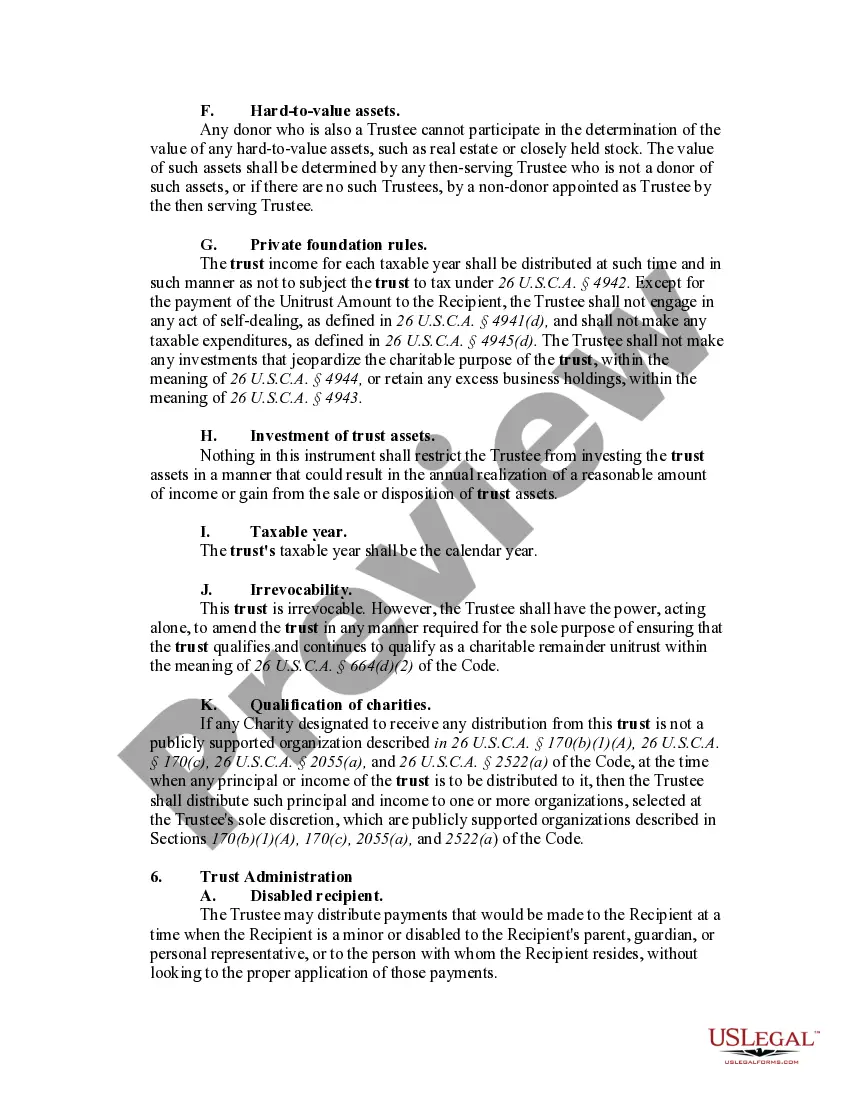
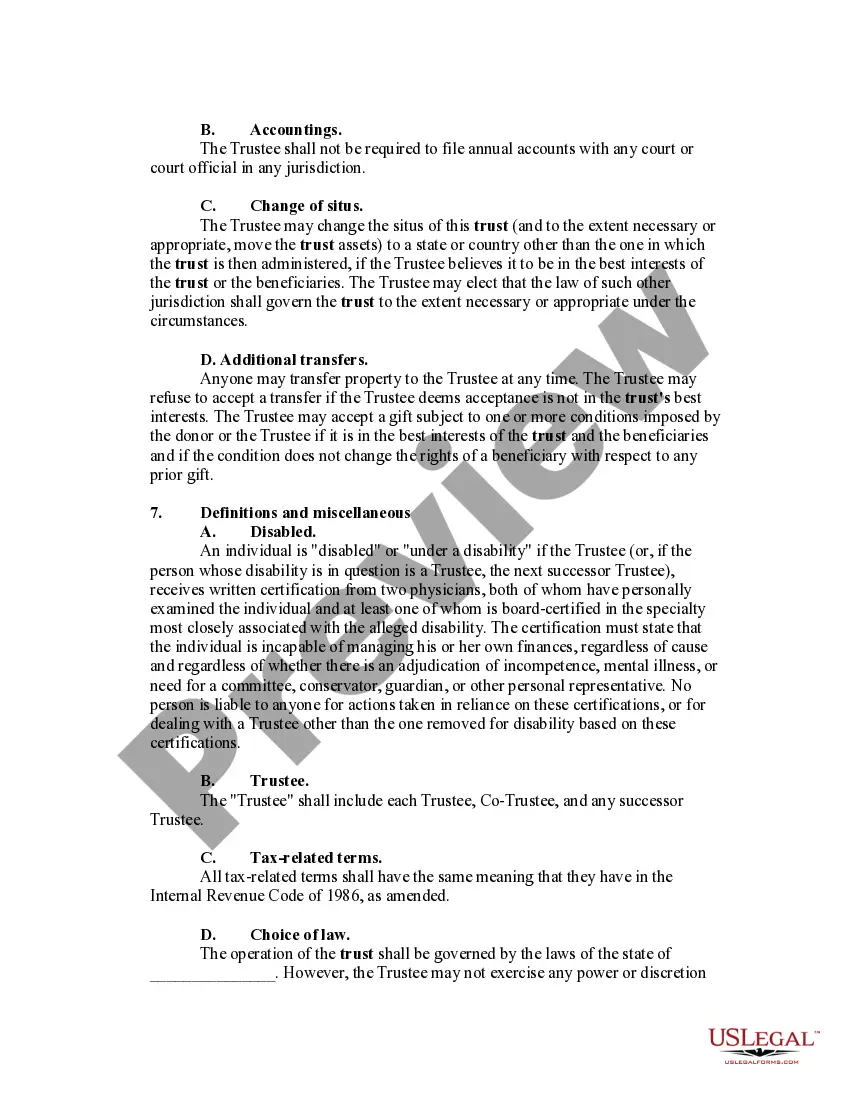
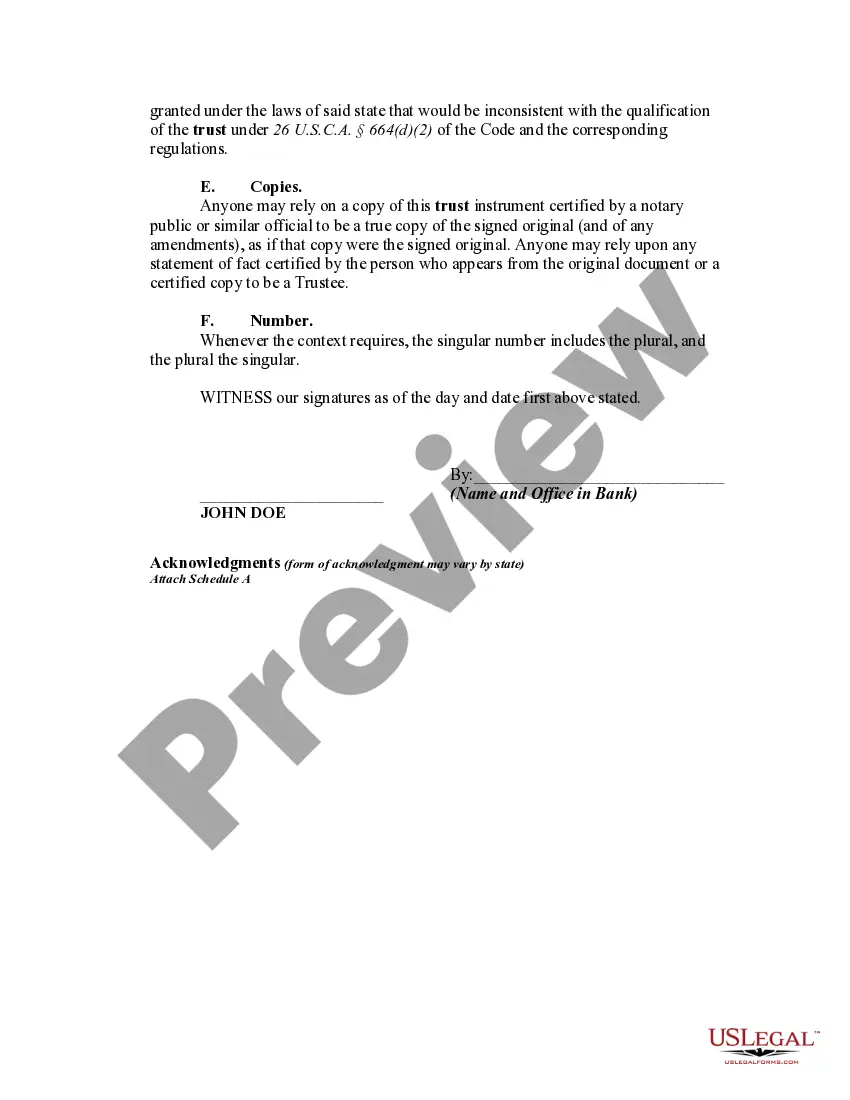
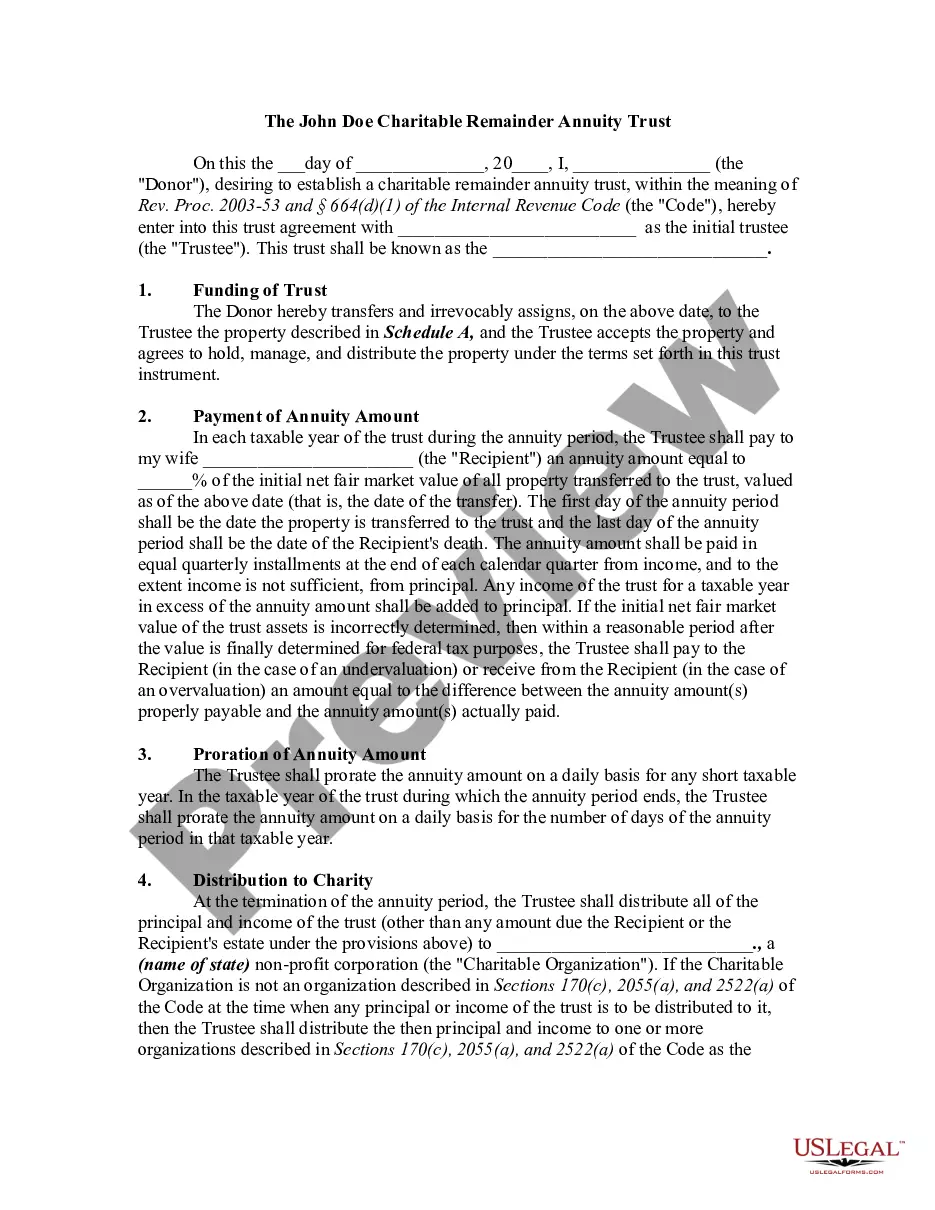
Get your form ready online
Our built-in tools help you complete, sign, share, and store your documents in one place.
Make edits, fill in missing information, and update formatting in US Legal Forms—just like you would in MS Word.
Download a copy, print it, send it by email, or mail it via USPS—whatever works best for your next step.
Sign and collect signatures with our SignNow integration. Send to multiple recipients, set reminders, and more. Go Premium to unlock E-Sign.
If this form requires notarization, complete it online through a secure video call—no need to meet a notary in person or wait for an appointment.
We protect your documents and personal data by following strict security and privacy standards.

Make edits, fill in missing information, and update formatting in US Legal Forms—just like you would in MS Word.

Download a copy, print it, send it by email, or mail it via USPS—whatever works best for your next step.

Sign and collect signatures with our SignNow integration. Send to multiple recipients, set reminders, and more. Go Premium to unlock E-Sign.

If this form requires notarization, complete it online through a secure video call—no need to meet a notary in person or wait for an appointment.

We protect your documents and personal data by following strict security and privacy standards.
Looking for another form?







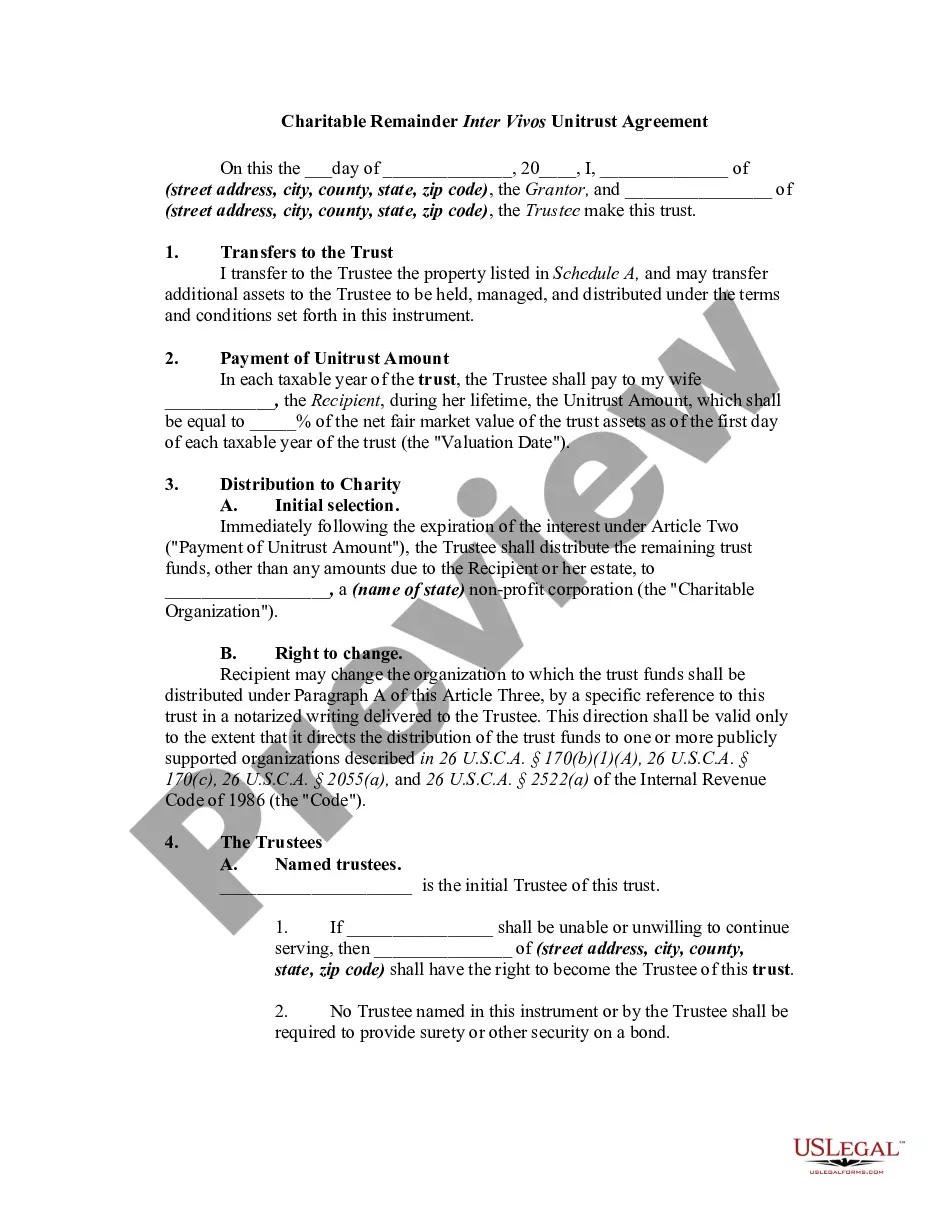
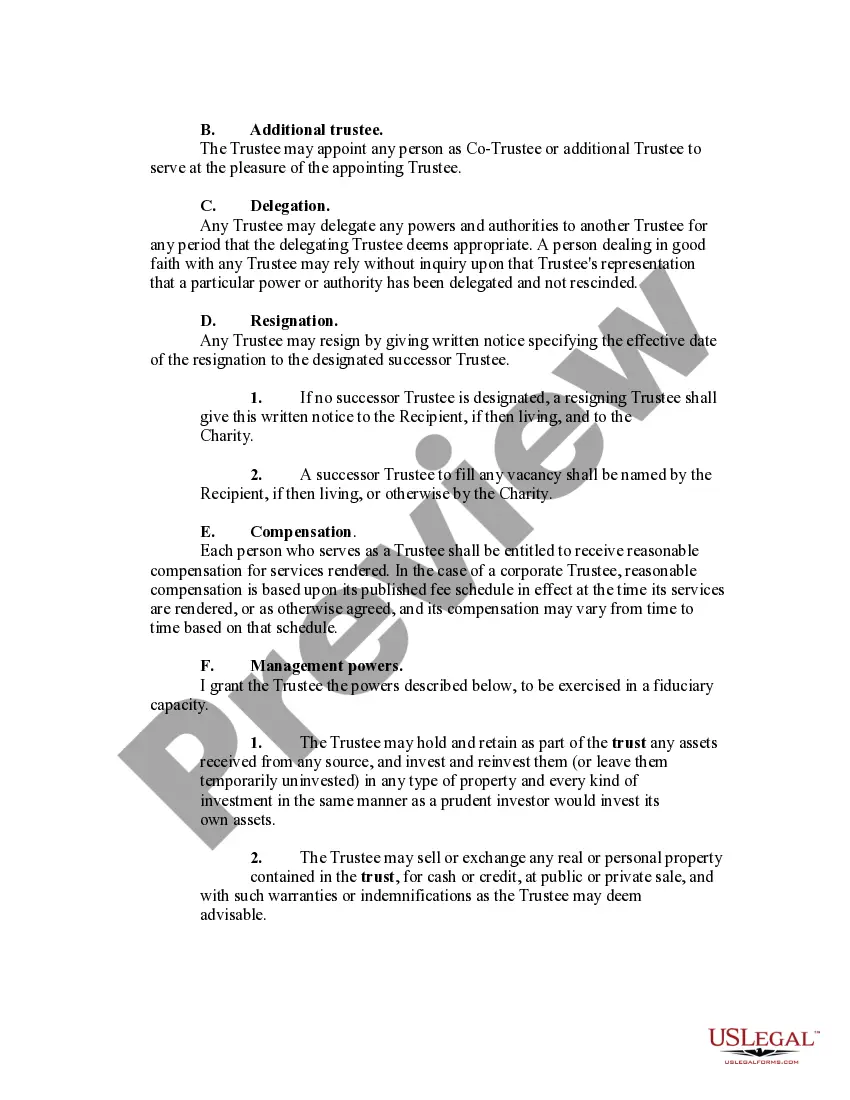
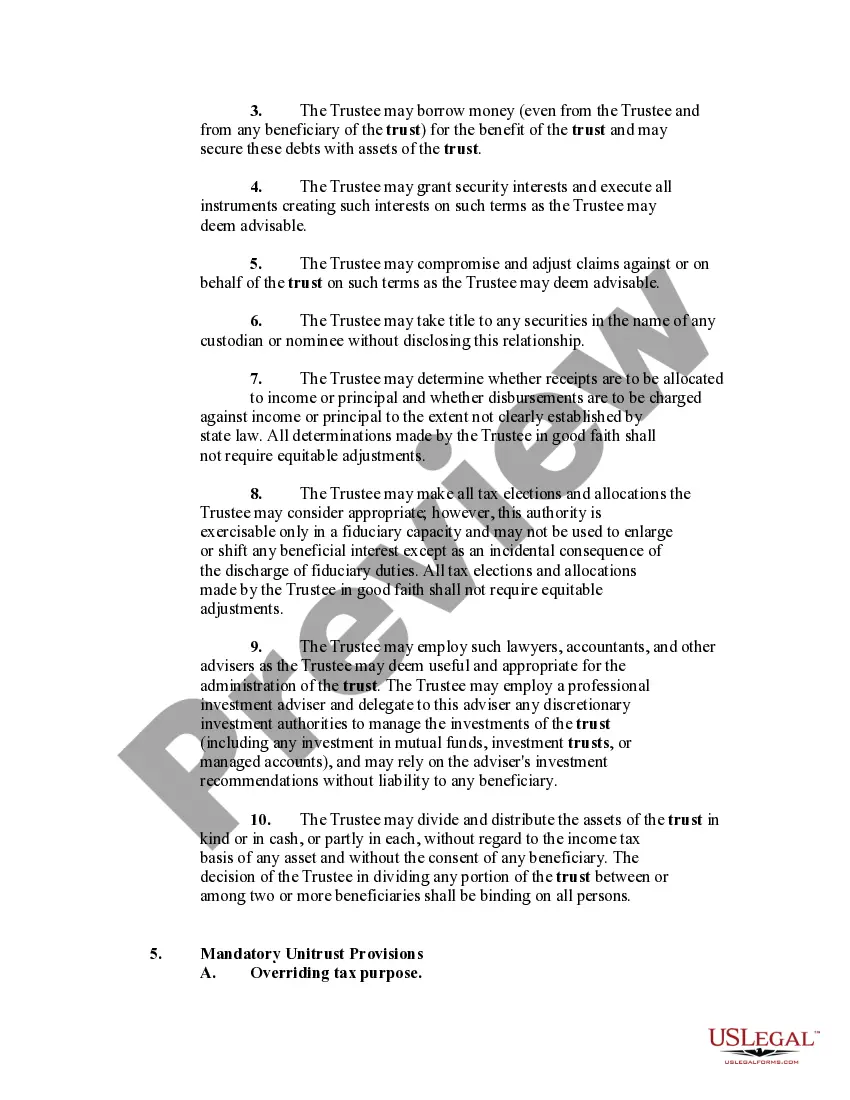
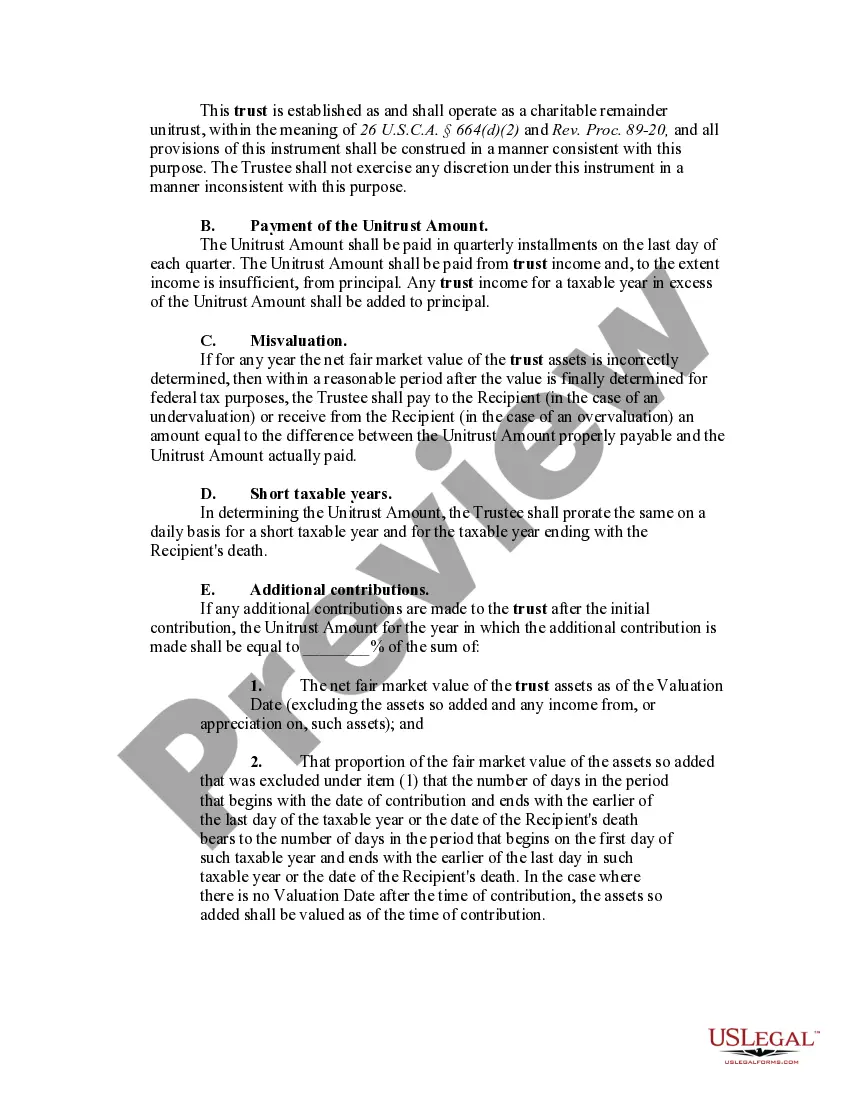
How to fill out Charitable Remainder Inter Vivos Unitrust Agreement?
- Begin by logging into your existing US Legal Forms account. If you don’t have an account yet, you can easily create one.
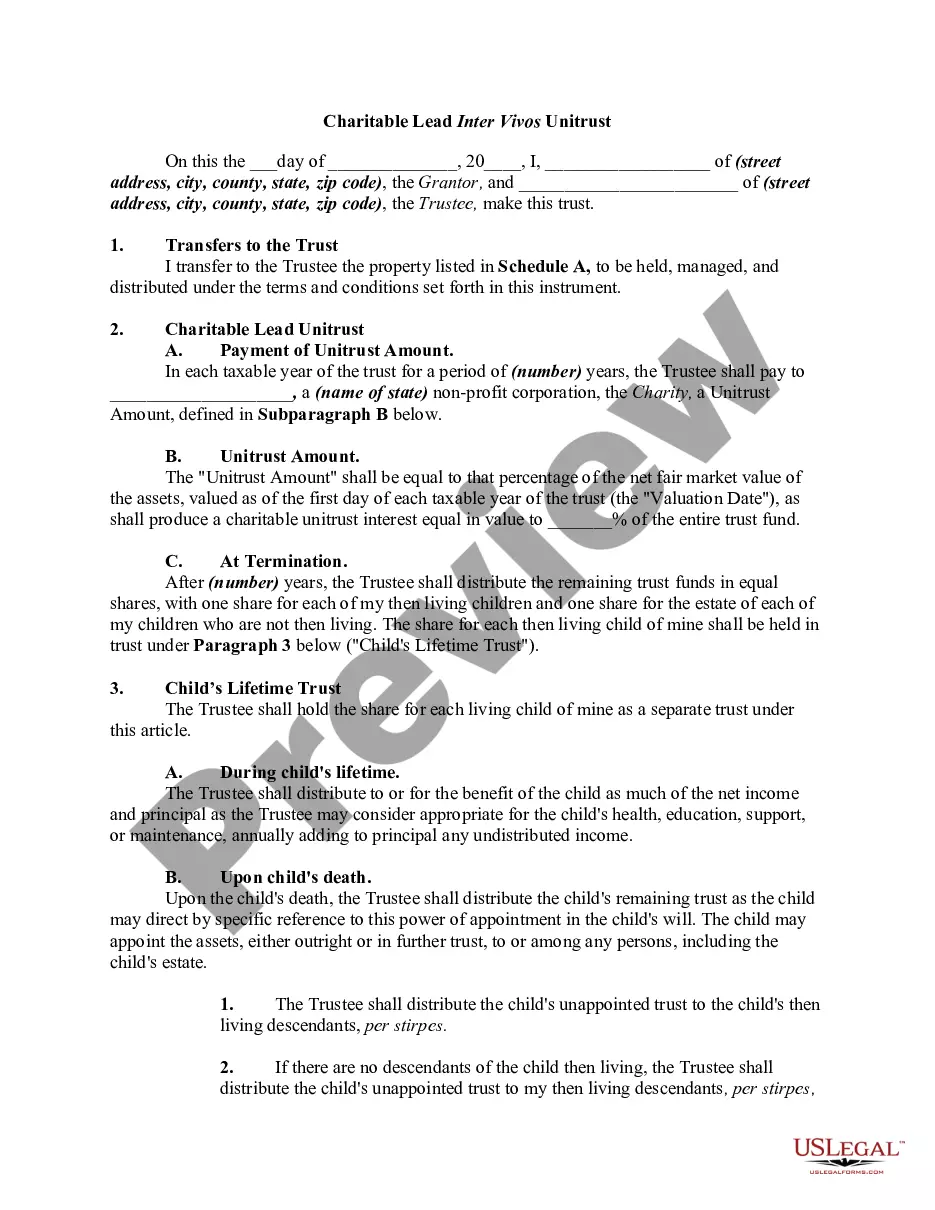
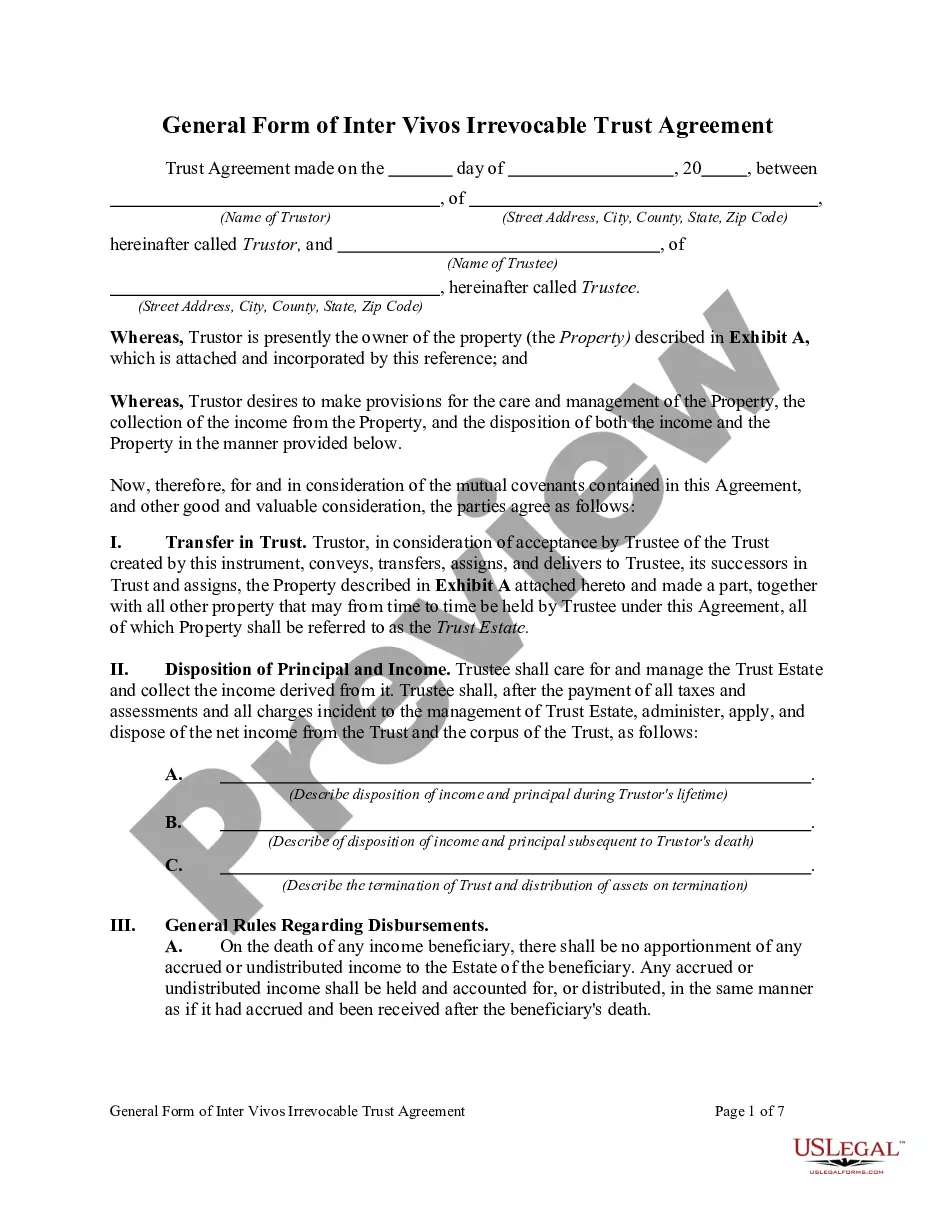
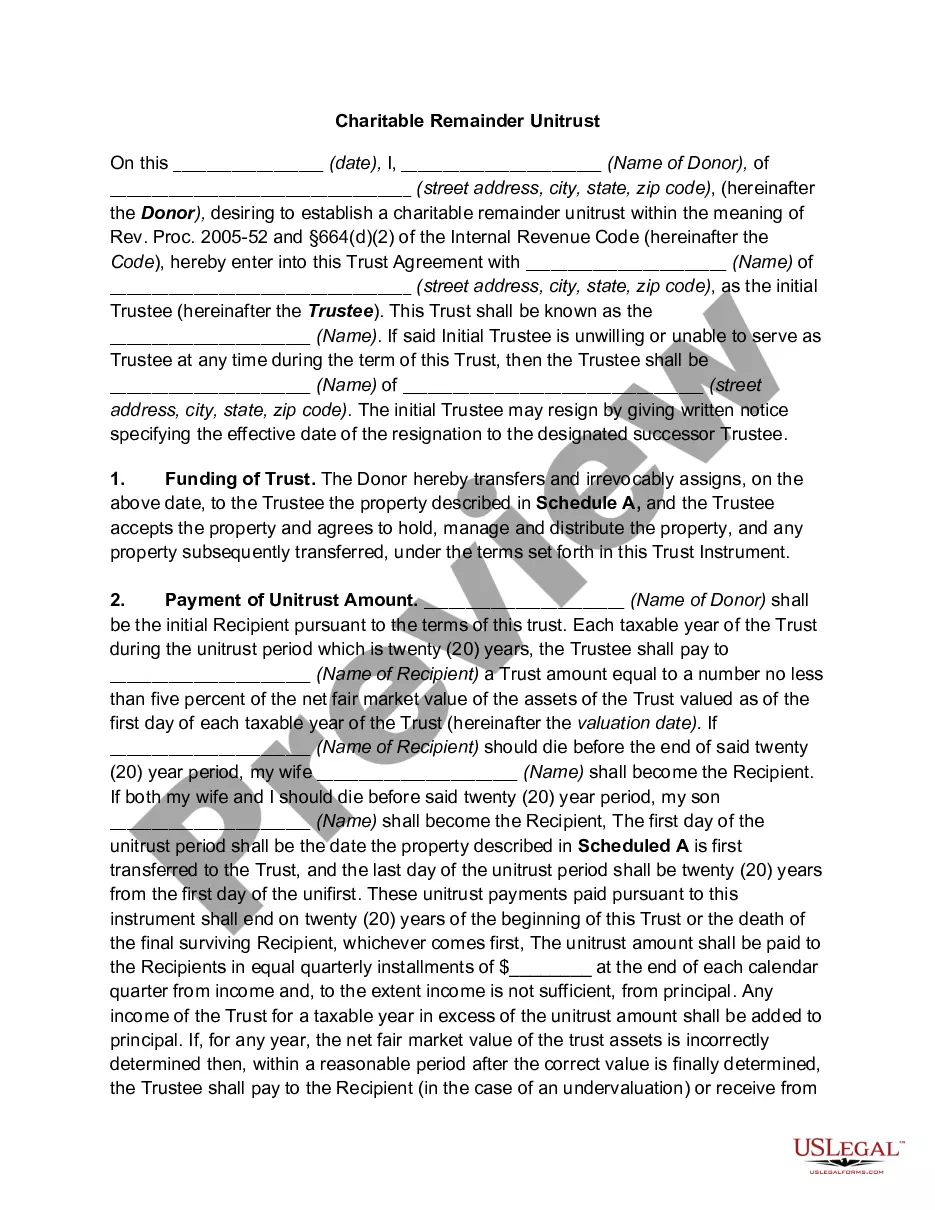
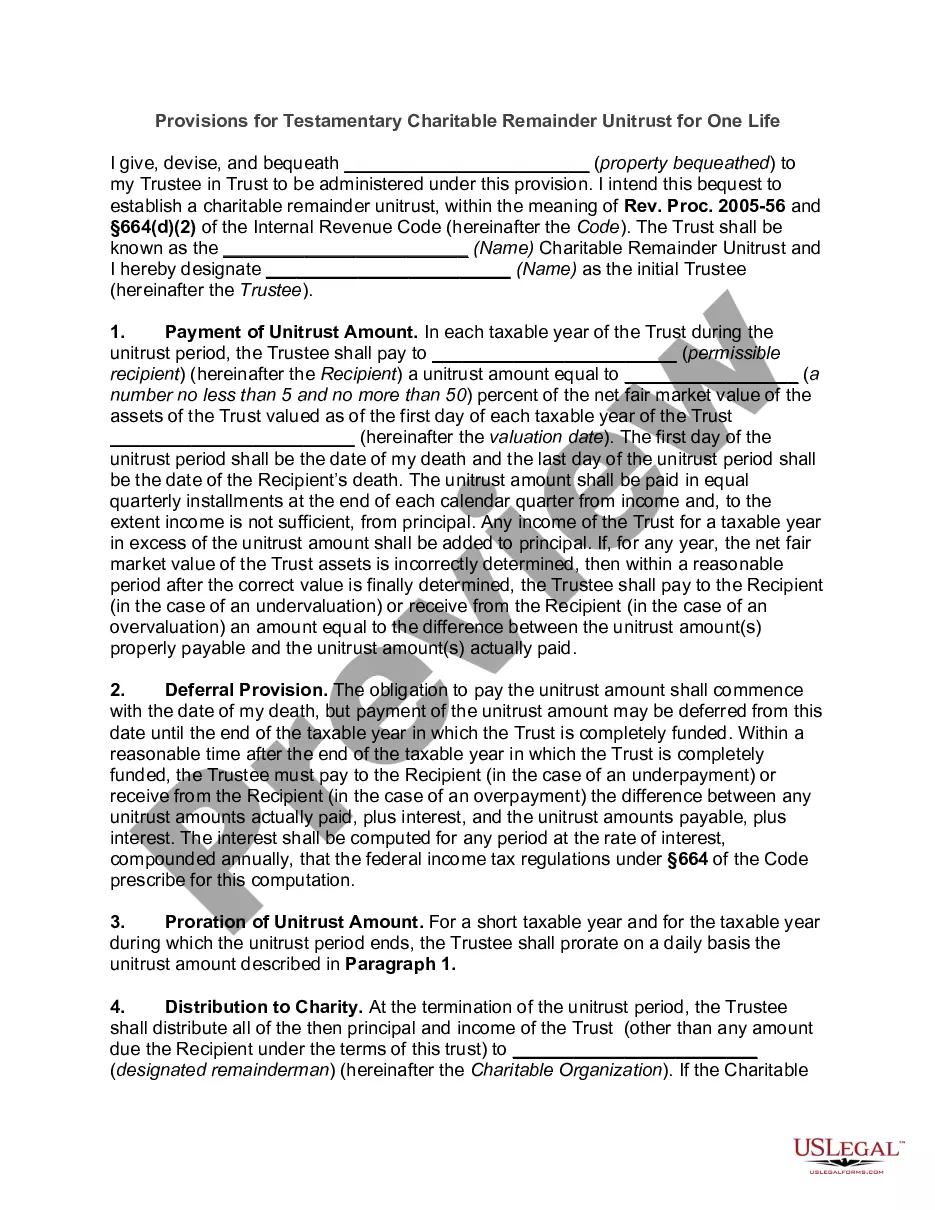
- Review the form description and preview mode for the remainder inter unitrust living with the client template to confirm it meets your needs.
- If the selected template isn't a perfect fit, utilize the search feature to explore other related forms that may suit your requirements better.
- Once you find the right document, click the 'Buy Now' button and select your desired subscription plan.
- Complete the registration process and enter your payment details, using either a credit card or PayPal to finalize your purchase.
- After payment, download the document directly to your device and access it anytime through the 'My Forms' menu in your profile.
With US Legal Forms, you can quickly execute legal documents thanks to its extensive library of over 85,000 forms and packages. The platform also offers unique access to premium experts who assist you in ensuring your documents are completed accurately.
Take control of your legal needs today! Visit US Legal Forms to simplify the process of drafting legal documents and ensure your agreements are sound. Your legal peace of mind starts here.
Form popularity
FAQ
A charitable remainder unitrust is most often used for philanthropic purposes while securing income for the trustor. This type of trust provides a way to contribute to charity while receiving payments over time, making it ideal for individuals looking to manage their wealth strategically. Effectively, it represents a smart choice in your financial planning, creating a remainder inter unitrust living with the client.
Yes, a trust fund can include multiple beneficiaries, which can help in addressing varying needs and preferences. Including multiple beneficiaries in a trust allows for smoother wealth distribution and can accommodate a family’s or organization’s diverse interests. This consideration is vital when creating a remainder inter unitrust living with the client.
Generally, you cannot change the beneficiary of a charitable remainder unitrust once it is established. However, you can design the trust with multiple beneficiaries from the start to allow for different distributions. This flexibility can enhance the effectiveness of the remainder inter unitrust living with the client in meeting your philanthropic goals.
Indeed, a charitable remainder trust can have multiple beneficiaries. This feature allows you to support various individuals or organizations, providing a way to distribute income fairly among different parties. Planning for multiple beneficiaries ensures a broader impact through the remainder inter unitrust living with the client, addressing diverse needs.
Yes, a charitable remainder unitrust (CRUT) is typically an irrevocable trust. Once you establish a CRUT, you cannot easily modify its terms or revoke it, ensuring the trust's assets are dedicated to charitable purposes. This structure allows you to receive tax benefits while also providing income through the remainder inter unitrust living with the client.
To calculate your charitable remainder trust deduction, you need to determine the present value of the charitable remainder interest. This calculation takes into account the expected income stream, the term of the trust, and the IRS interest rates. Utilizing the uslegalforms platform can simplify this process, helping you create a remainder inter unitrust living with the client while ensuring you understand the tax implications of your deduction.
Yes, you can designate your IRA as a gift to a charitable remainder trust. By doing this, the trust can receive the benefits of your IRA without immediate tax implications. This strategy allows you to create a remainder inter unitrust living with the client, which can provide income for your designated beneficiaries and charitable benefits for a cause you care about.
The 10 percent rule for a charitable remainder trust requires that the present value of the charitable remainder be at least 10 percent of the value of the trust's assets. This rule ensures that a significant portion of the trust's value benefits a charitable organization after the trust term ends. By following this guideline, you can create a remainder inter unitrust living with the client that maximizes both your charitable contributions and financial benefits.
A disqualified person in the context of charitable remainder trusts includes anyone who has a significant relationship with the trust’s creator. This typically comprises family members, business partners, or any individuals who may benefit financially from the trust apart from the established beneficiaries. Understanding who qualifies as disqualified can help maintain the trust’s integrity and tax-exempt status.
To establish a remainder inter unitrust living with the client, certain requirements must be met. The trust should be irrevocable and specifically defined to benefit one or more charitable organizations. Additionally, the income beneficiaries must receive a fixed percentage of the trust’s assets at least annually, ensuring compliance with IRS guidelines.