Remainder Inter Unitrust Living Buy With Credit
Description
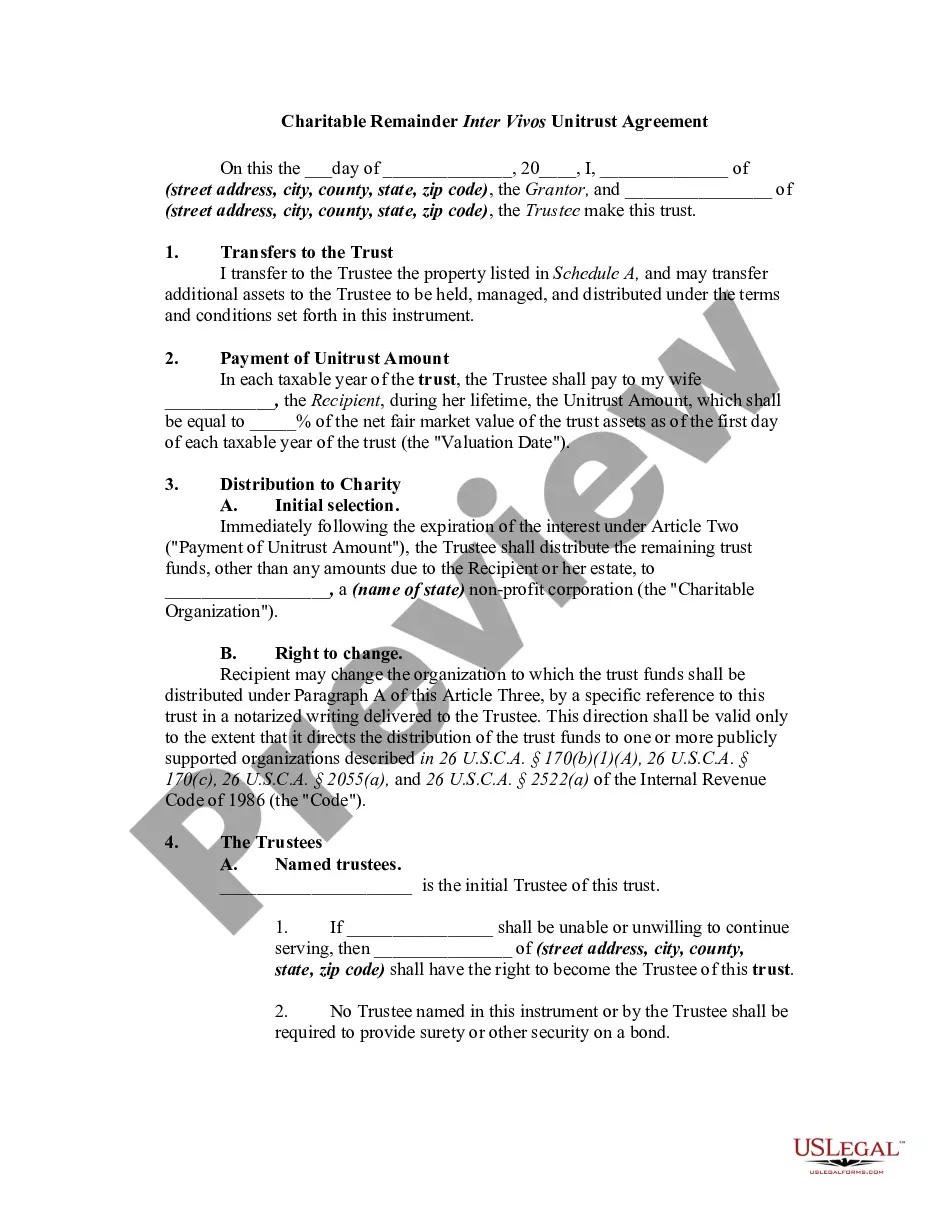
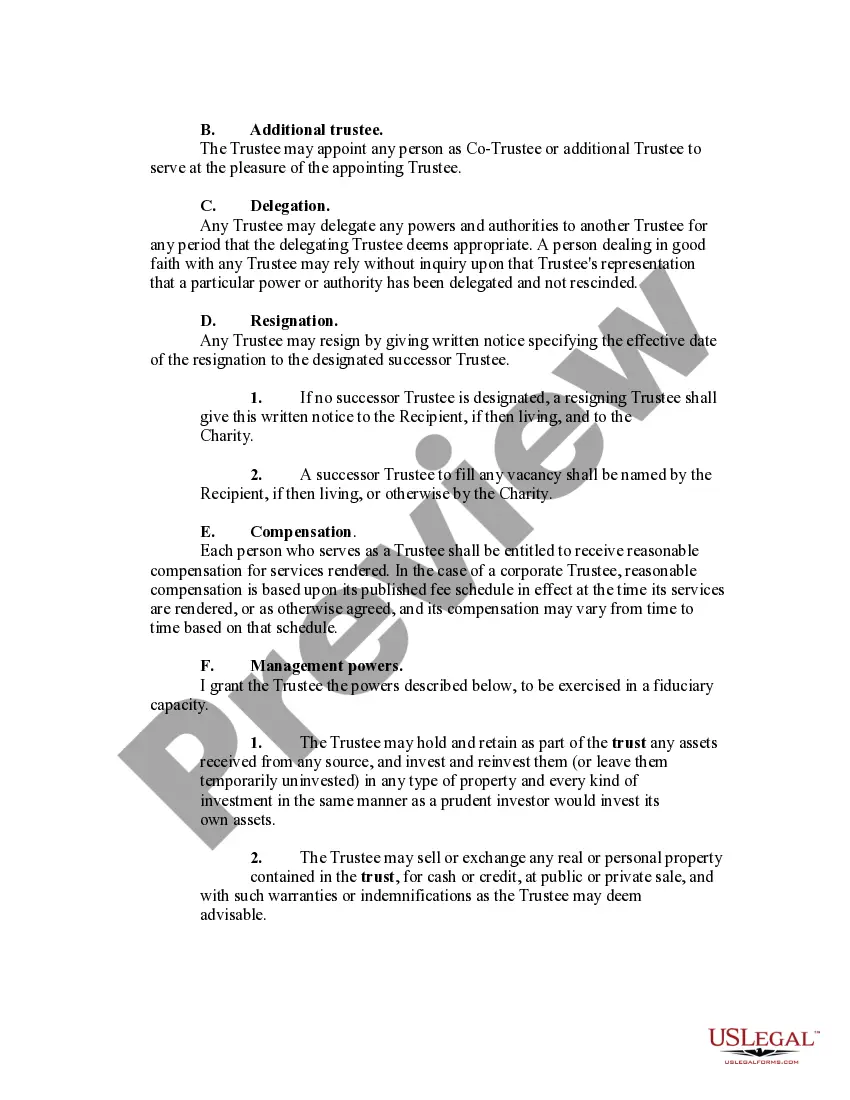
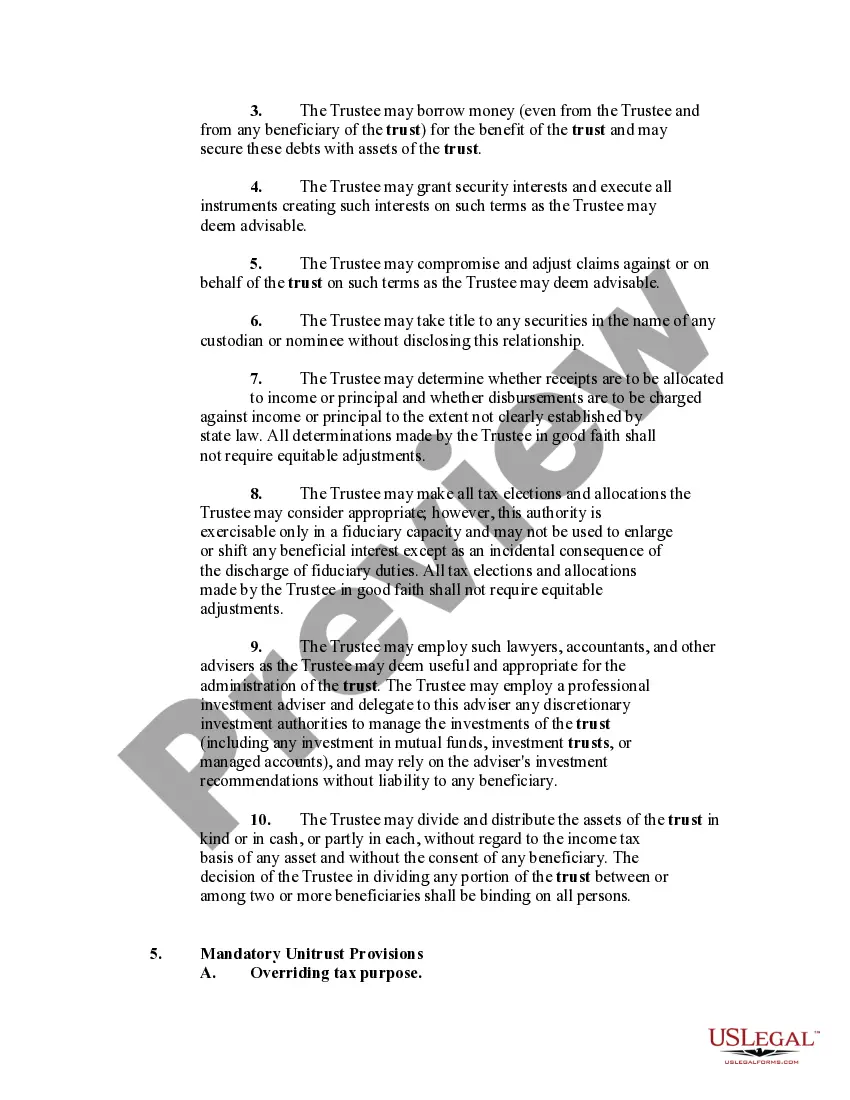
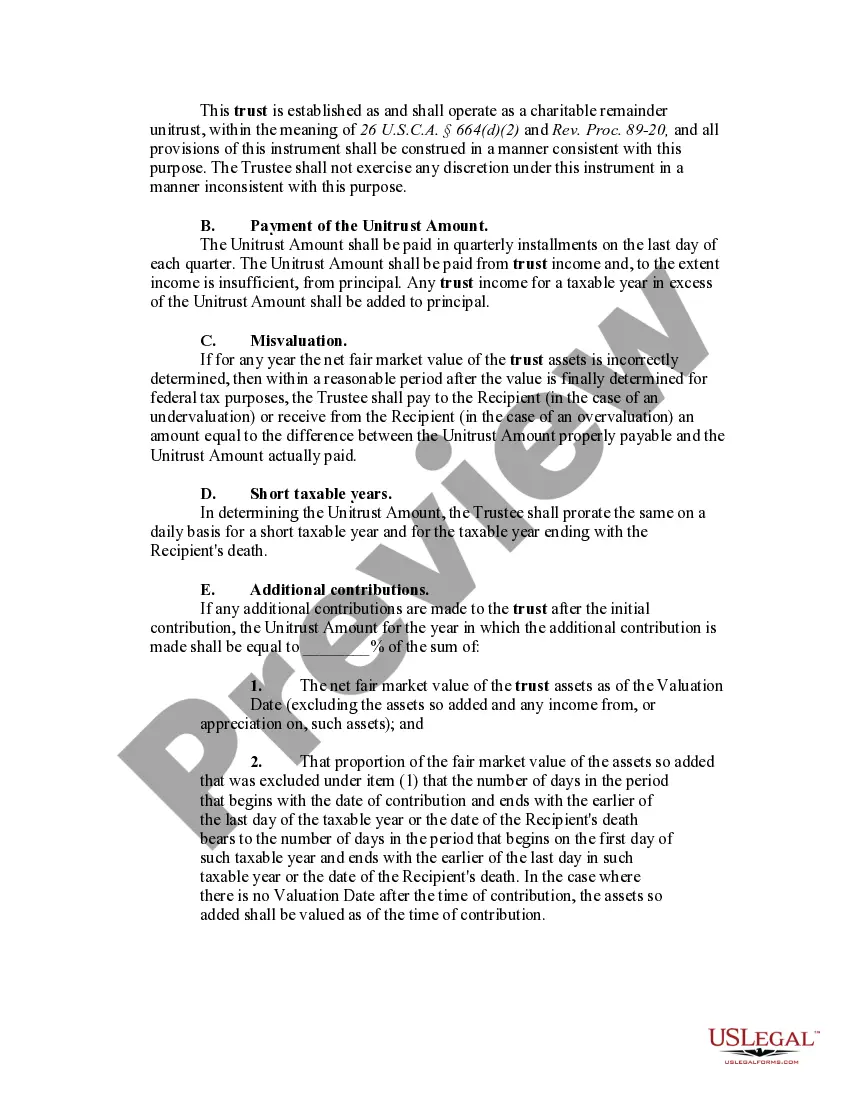
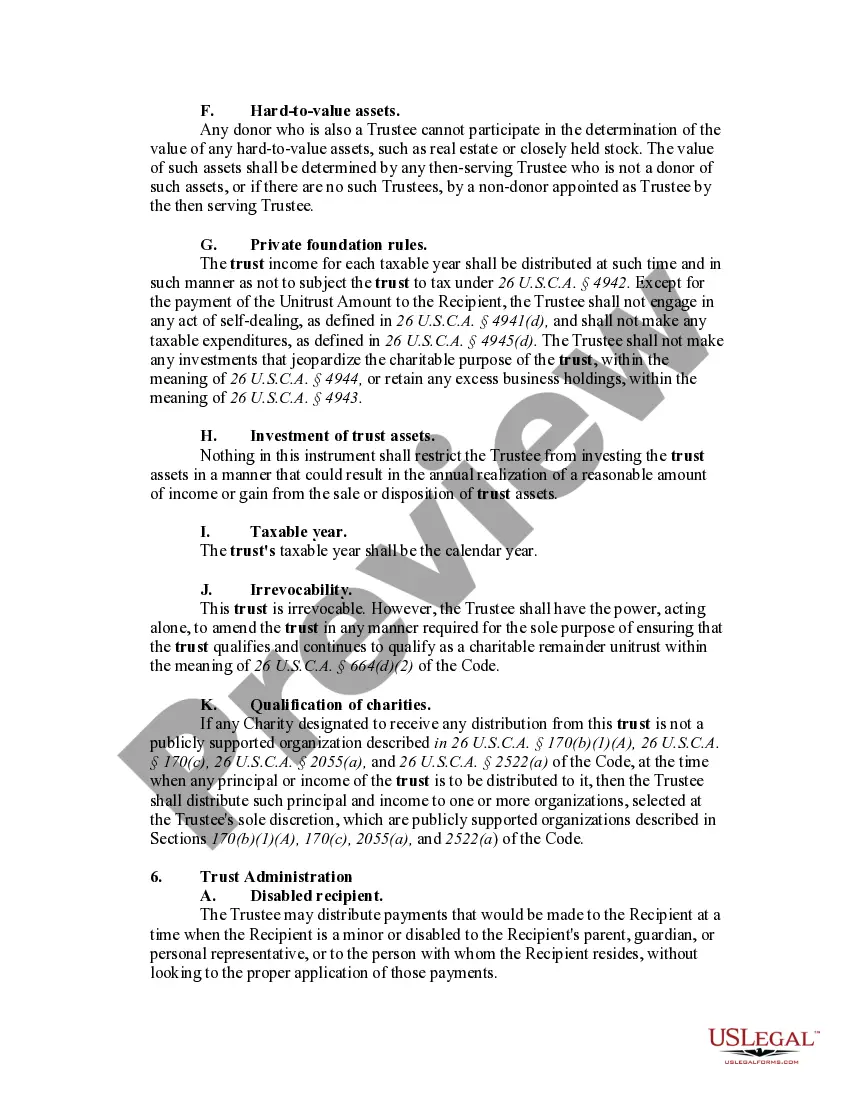
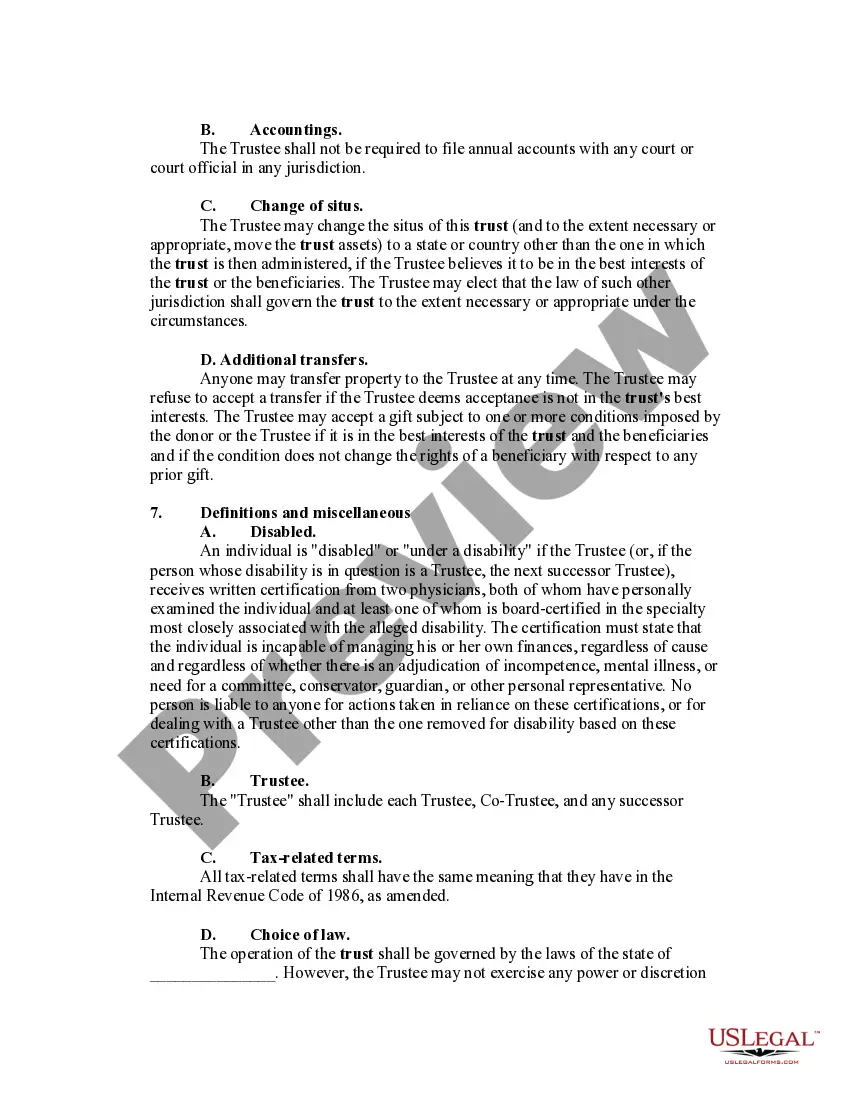
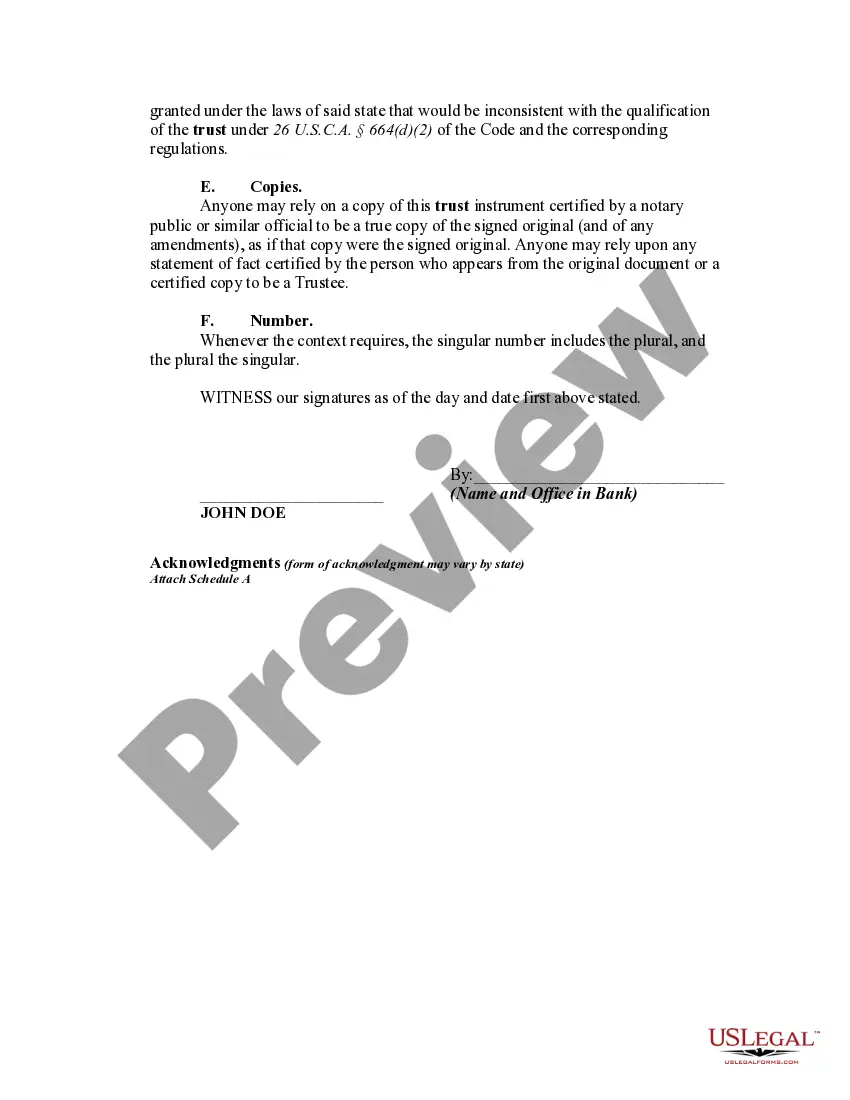
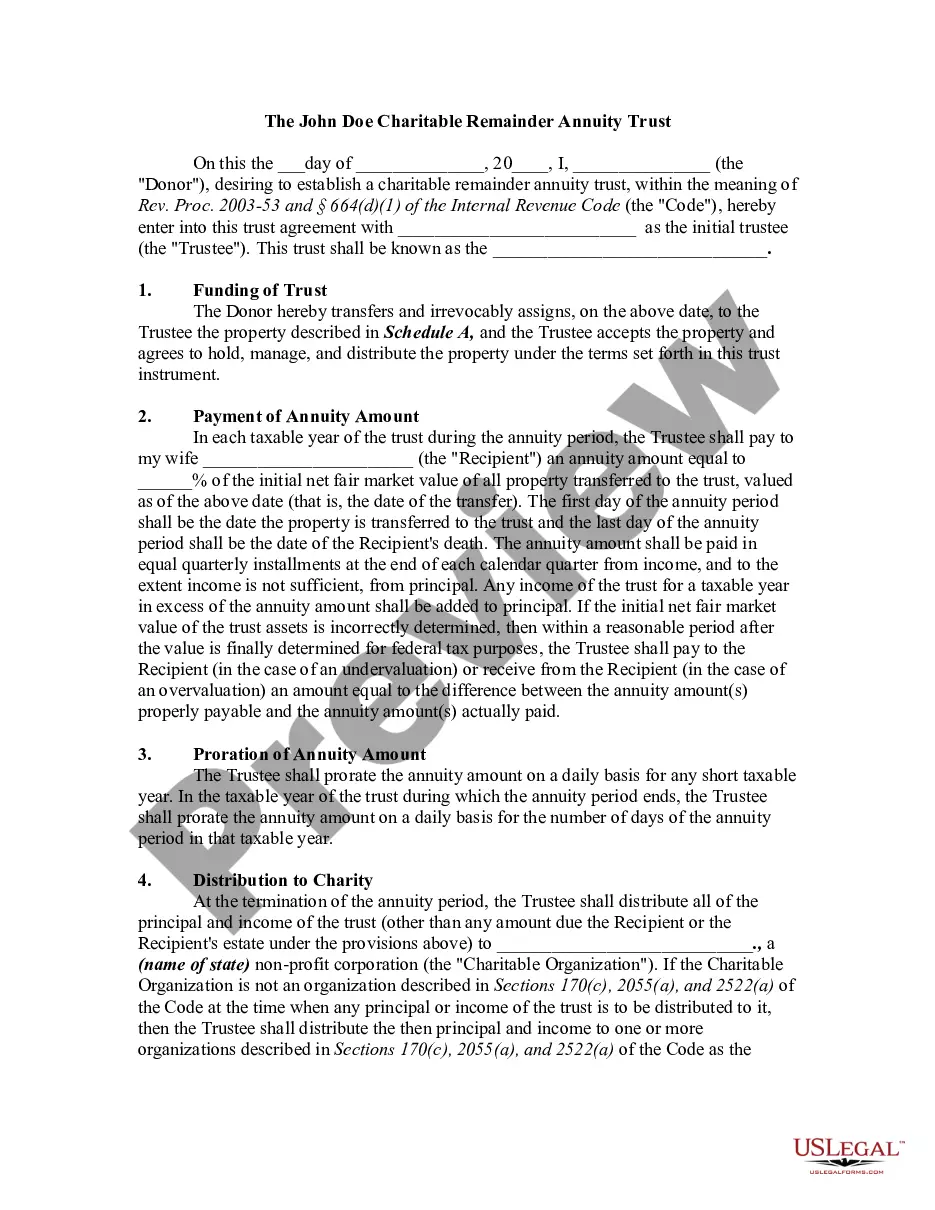
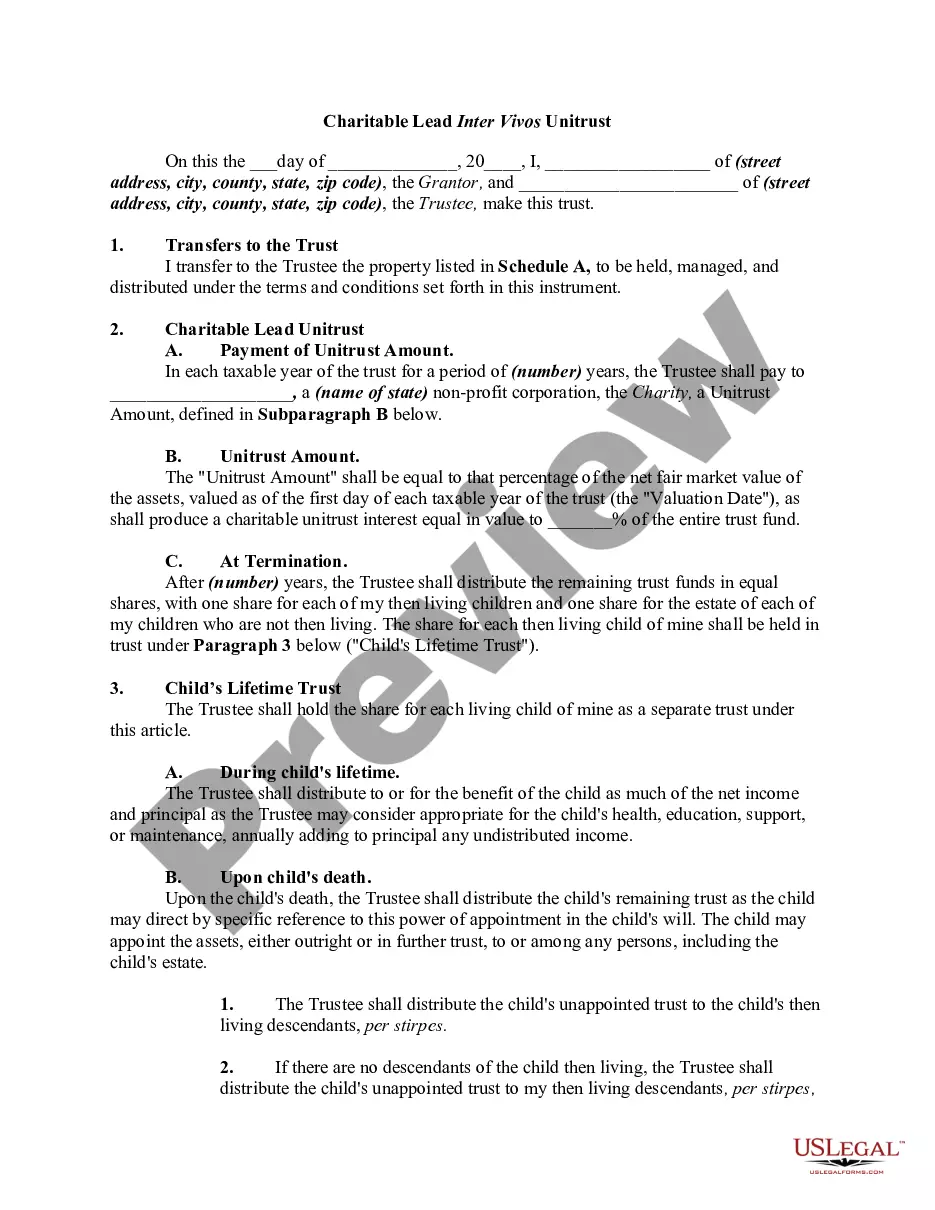
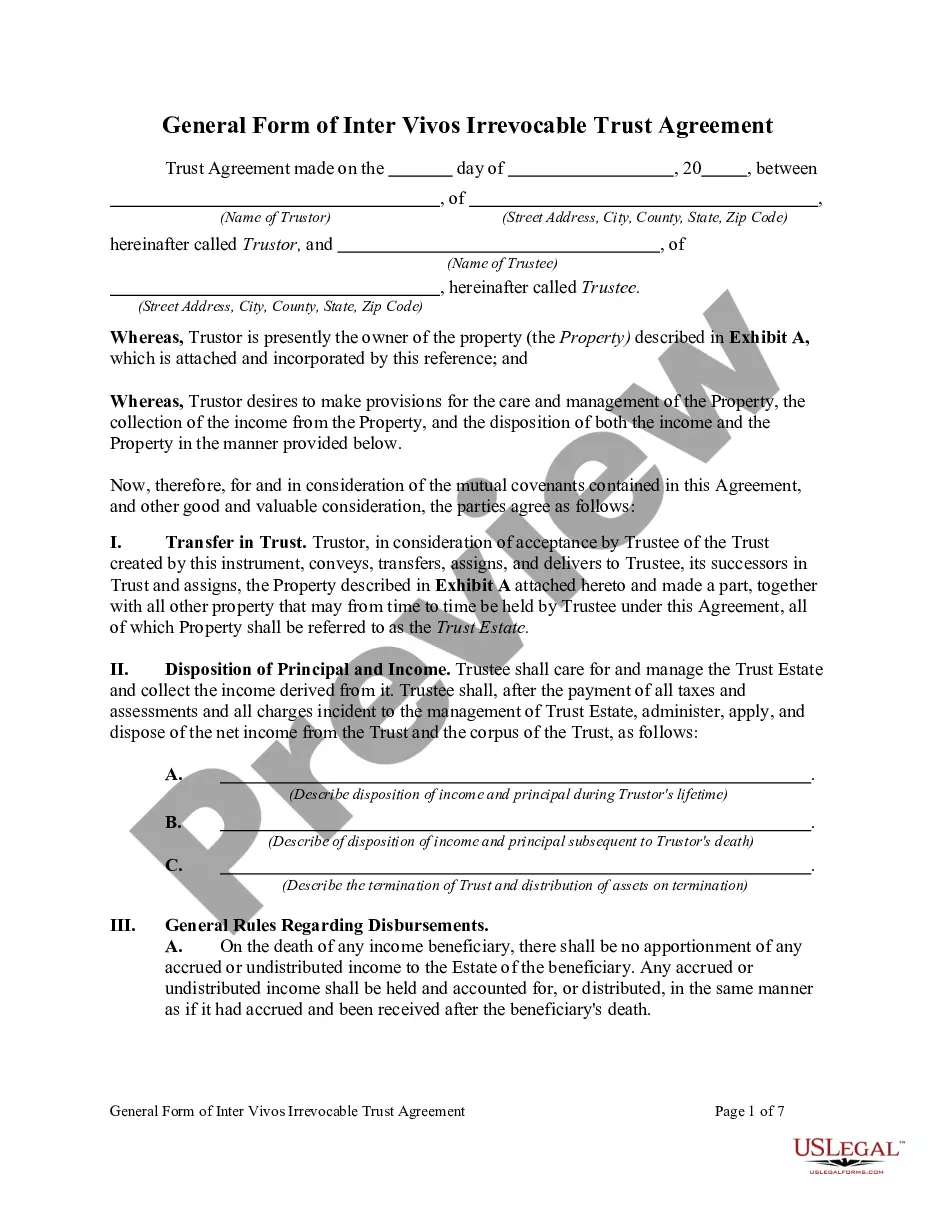
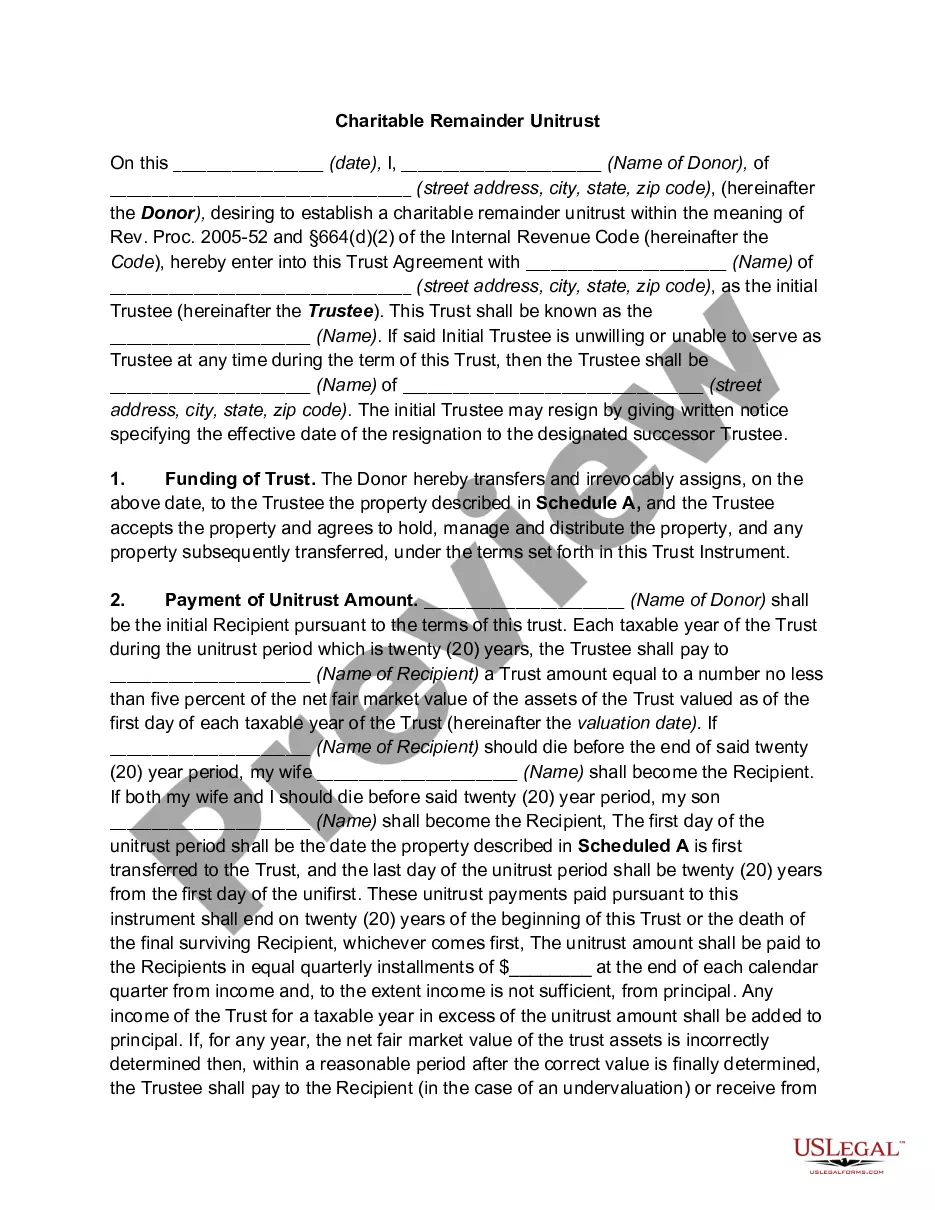
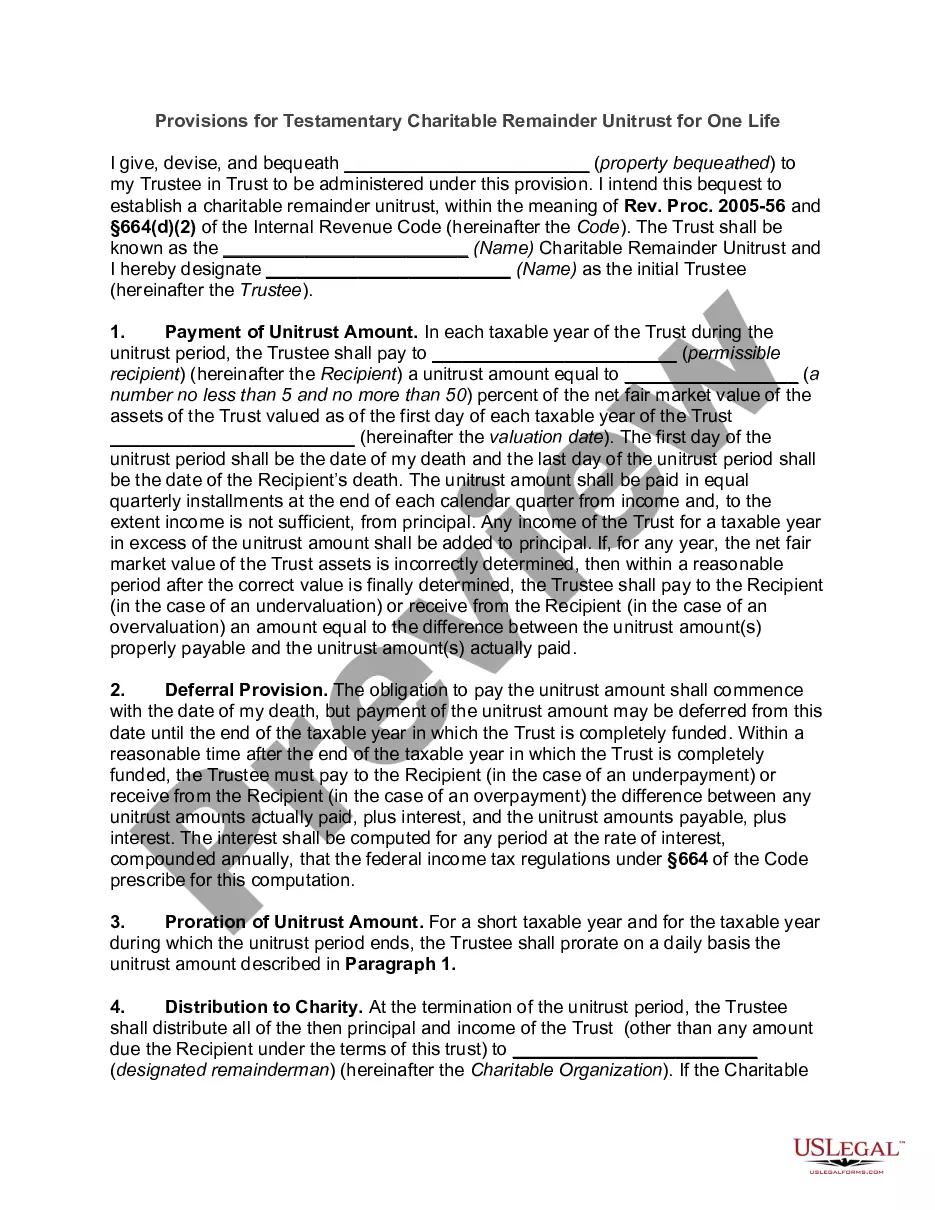
Get your form ready online
Our built-in tools help you complete, sign, share, and store your documents in one place.
Make edits, fill in missing information, and update formatting in US Legal Forms—just like you would in MS Word.
Download a copy, print it, send it by email, or mail it via USPS—whatever works best for your next step.
Sign and collect signatures with our SignNow integration. Send to multiple recipients, set reminders, and more. Go Premium to unlock E-Sign.
If this form requires notarization, complete it online through a secure video call—no need to meet a notary in person or wait for an appointment.
We protect your documents and personal data by following strict security and privacy standards.

Make edits, fill in missing information, and update formatting in US Legal Forms—just like you would in MS Word.

Download a copy, print it, send it by email, or mail it via USPS—whatever works best for your next step.

Sign and collect signatures with our SignNow integration. Send to multiple recipients, set reminders, and more. Go Premium to unlock E-Sign.

If this form requires notarization, complete it online through a secure video call—no need to meet a notary in person or wait for an appointment.

We protect your documents and personal data by following strict security and privacy standards.
Looking for another form?





How to fill out Charitable Remainder Inter Vivos Unitrust Agreement?
- If you're a returning customer, log in to your account. Ensure your subscription is active; if not, renew it based on your plan.
- Preview the available forms and read the descriptions to confirm you have the right document for your needs and state regulations.
- If you find a discrepancy, use the search functionality above to locate the correct form. Once confirmed, proceed to the next step.
- Select the form you need and click the Buy Now button. Choose your preferred subscription plan and create an account to access the legal library.
- Complete your purchase by entering your credit card details or opting to use your PayPal account for payment.
- Once your purchase is confirmed, download the form to your device. You can access it anytime through the My documents section.
By using US Legal Forms, you gain access to a robust collection of over 85,000 easy-to-fill legal forms, ensuring that you have the right solutions for your legal needs. This platform not only empowers users but also provides assistance from premium experts to ensure your documents are accurate and compliant.
Start your journey towards legal clarity today! Explore the benefits of US Legal Forms and secure your documents with ease.
Form popularity
FAQ
The unitrust amount is typically calculated by taking a percentage of the fair market value of the trust's assets, which is assessed annually. This method allows for consistent income for beneficiaries, making the remainder inter unitrust living buy with credit an appealing option. By using this structure, you can also manage tax implications while supporting charitable causes. Platforms like UsLegalForms can guide you through this calculation process effectively.
To determine the deduction for a charitable remainder trust, you start by identifying the fair market value of the assets placed into the trust. Then, consider the income interest that beneficiaries will receive during their lifetime. The remainder inter unitrust living buy with credit allows for a clearer evaluation of the expected remainder value going to the charity. Always consult with a tax advisor or platform like UsLegalForms to ensure accurate calculations.
Payments from a CRUT are taxed according to the income type the trust generates. Distributions may include ordinary income, capital gains, or tax-exempt amounts, each facing different tax treatments. If you're looking at a remainder inter unitrust living buy with credit, understanding the tax ramifications of these payments will assist you in making an informed decision.
Income from a Charitable Remainder Unitrust (CRUT) gets taxed based on the type of income it generates. Ordinary income, capital gains, and tax-exempt income are treated differently when it comes to taxation. When you consider a remainder inter unitrust living buy with credit, being aware of these tax implications can help you manage your income effectively.
Yes, charitable annuity payments can be taxable, depending on the source of the funds. Generally, payments derived from the principal are not taxed, while those from interest or gains may be subject to taxation. If you explore a remainder inter unitrust living buy with credit, this feature can offer potential tax advantages.
Once established, you normally cannot make additional contributions to a charitable remainder annuity trust, as it is designed for a one-time contribution. However, a remainder inter unitrust living buy with credit allows for ongoing contributions, giving you flexibility while ensuring your charitable goals remain intact.
Typically, you cannot borrow against a charitable remainder trust. Once assets are transferred to the trust, they are no longer yours, which means they cannot secure loans. However, options like a remainder inter unitrust living buy with credit provide financial flexibility while benefiting a charitable intent.
The 5% rule specifies that the annual payout from a charitable remainder trust must be at least 5% of the trust’s value, with certain limits. This guideline is designed to safeguard the trust's long-term viability while ensuring beneficiaries also receive income. It seamlessly aligns with the principles of a remainder inter unitrust living buy with credit, benefiting both you and your chosen charity.
The 10 percent rule for a charitable remainder unitrust (CRUT) ensures that the present value of the charitable remainder is at least 10% of the total contributions made to the trust. This rule helps maintain a balance between the income beneficiaries and the charity. By following this guideline, you can create a mindful strategy when considering a remainder inter unitrust living buy with credit.
The CRAT 5% rule refers to a regulation for charitable remainder annuity trusts that stipulates a minimum annuity payment of 5% of the initial value of the trust assets. This rule ensures that the trust provides a stable income stream to the income beneficiary while still fulfilling charitable commitments. If you're considering a remainder inter unitrust living buy with credit, understanding this rule is vital for effective planning.