Living Trust Agreement
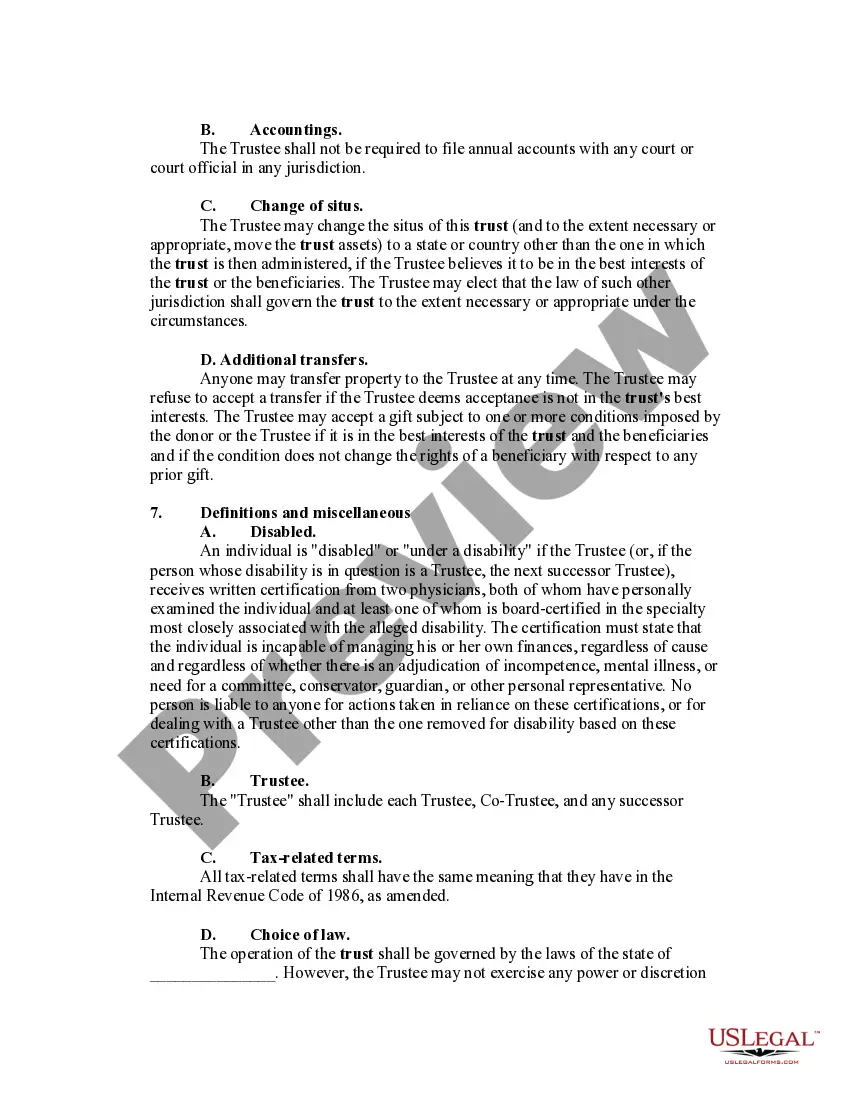
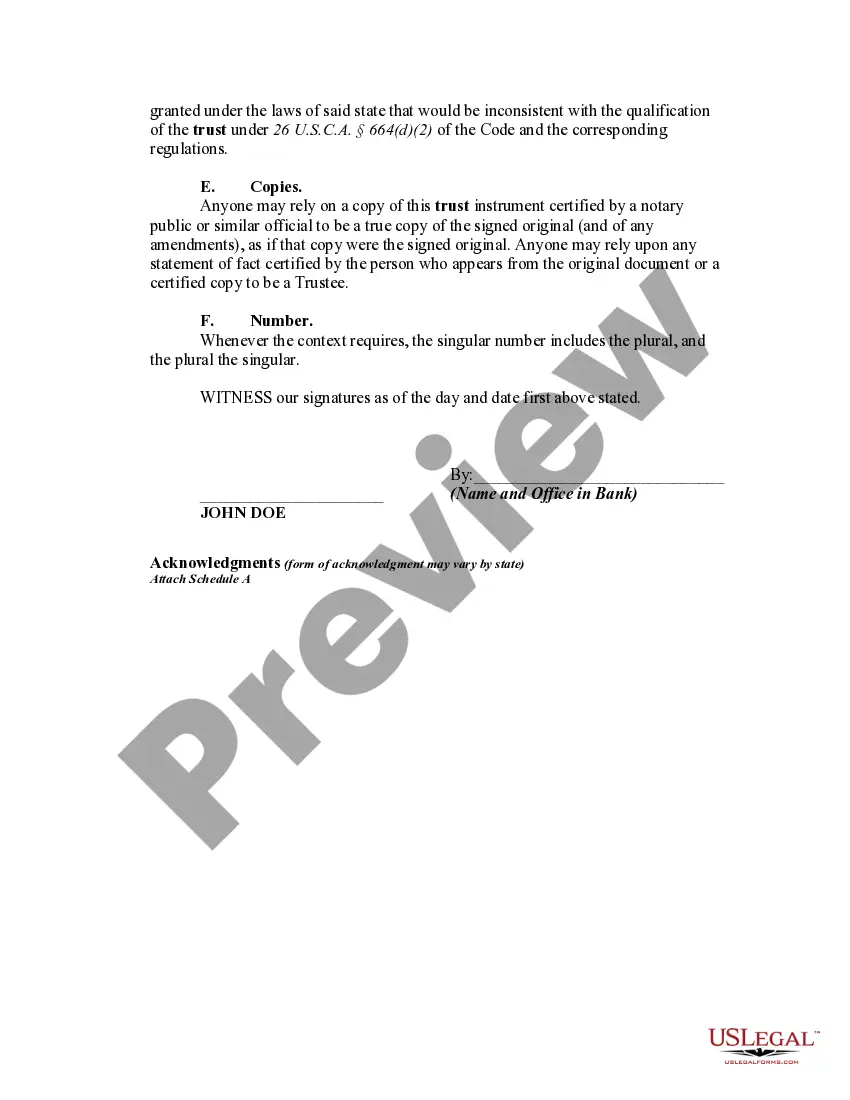
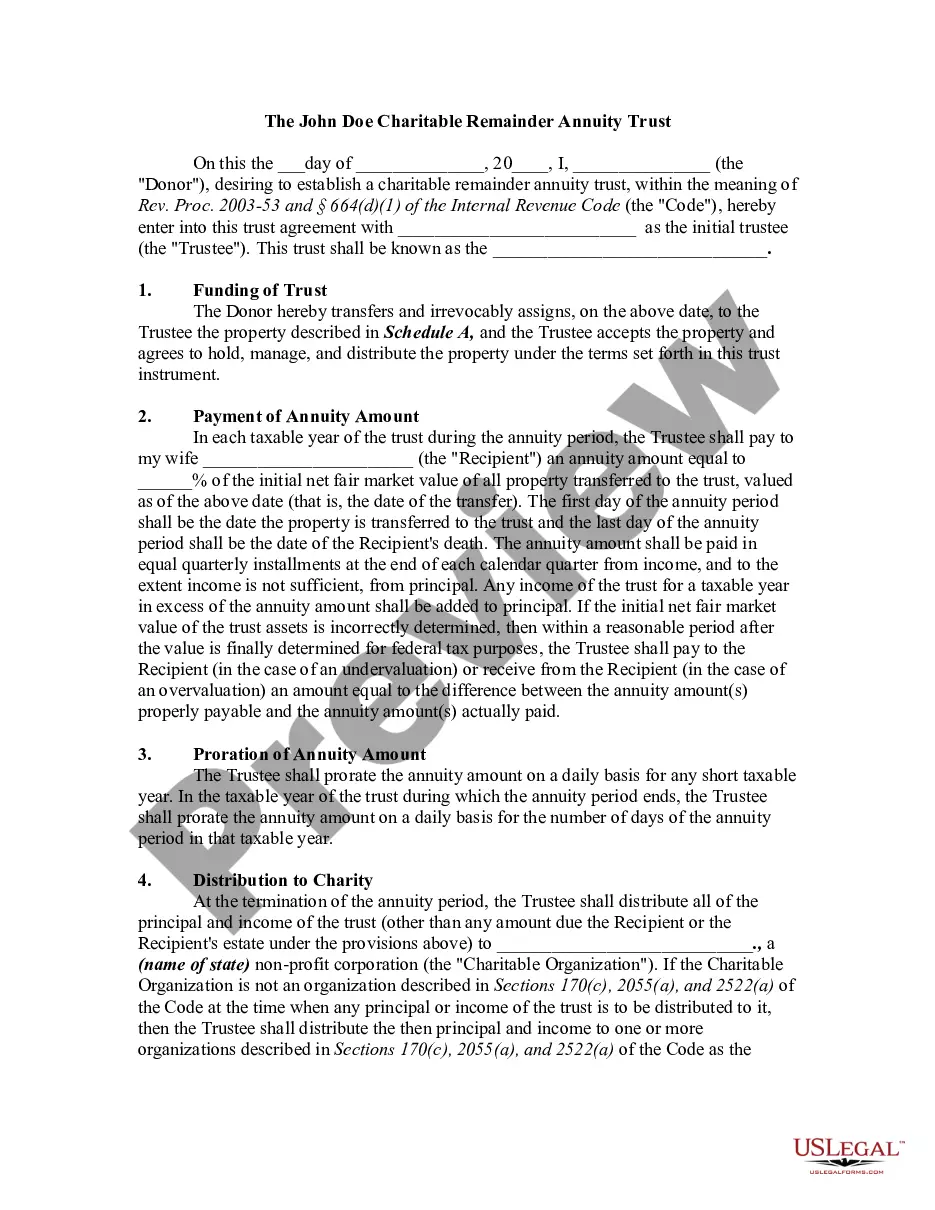
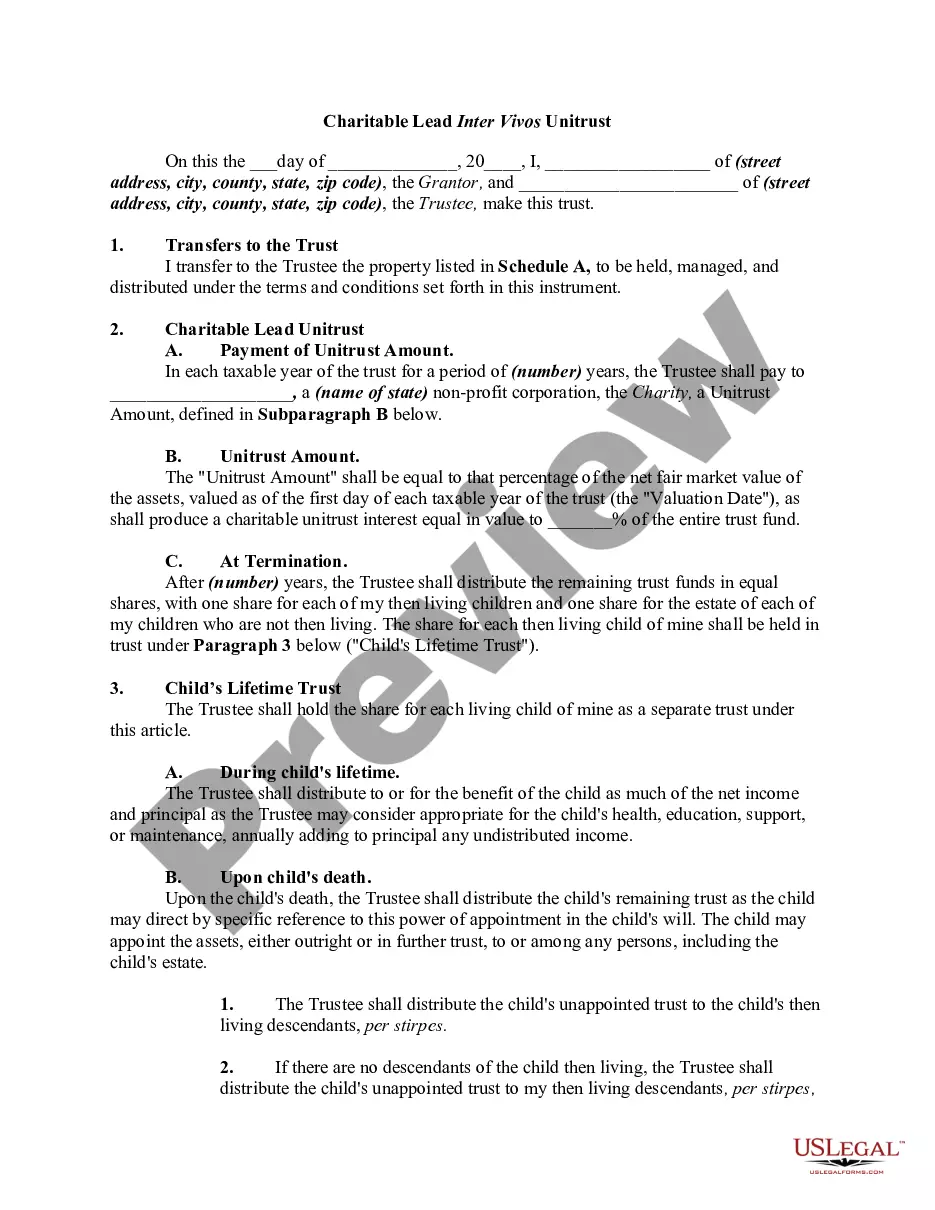
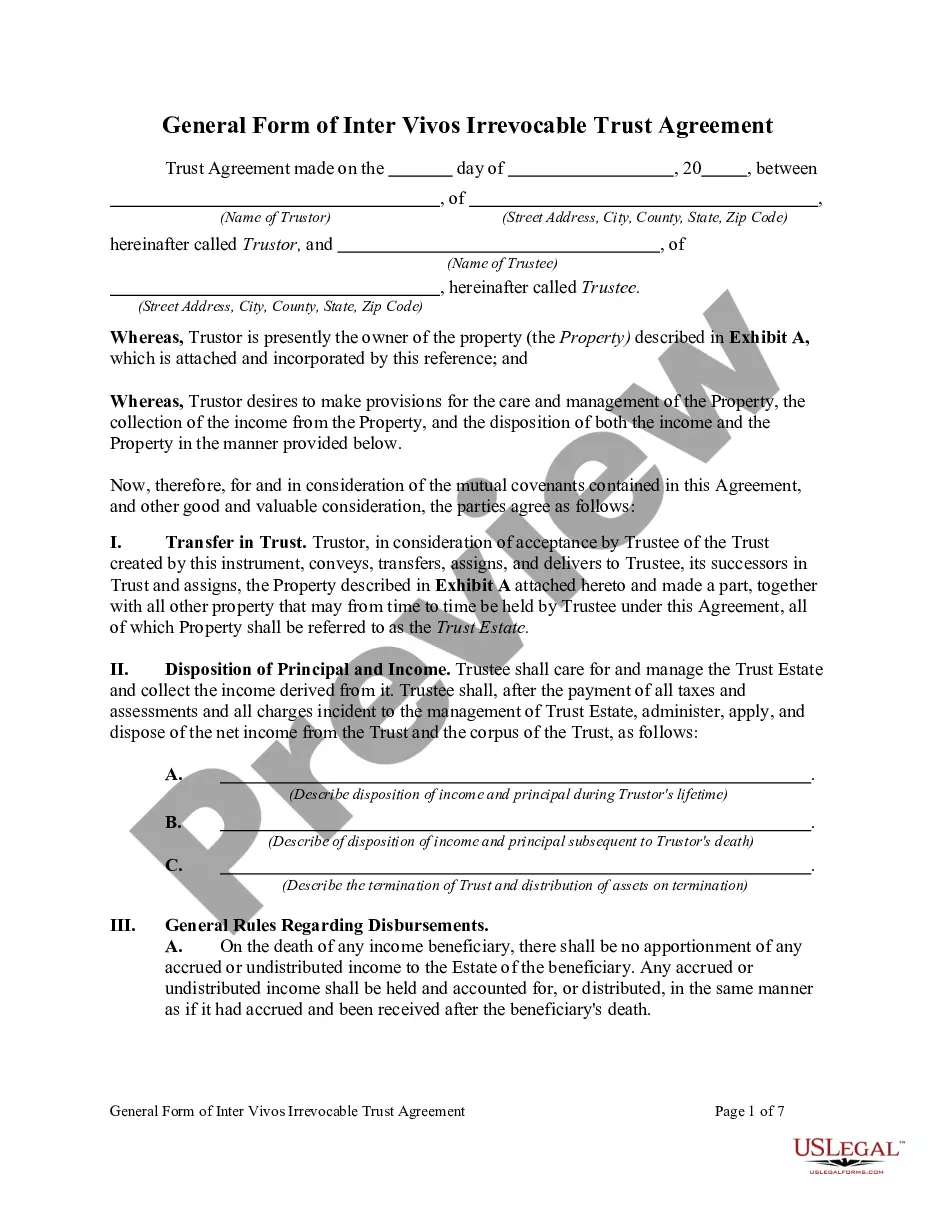
Description

Get your form ready online
Our built-in tools help you complete, sign, share, and store your documents in one place.
Make edits, fill in missing information, and update formatting in US Legal Forms—just like you would in MS Word.
Download a copy, print it, send it by email, or mail it via USPS—whatever works best for your next step.
Sign and collect signatures with our SignNow integration. Send to multiple recipients, set reminders, and more. Go Premium to unlock E-Sign.
If this form requires notarization, complete it online through a secure video call—no need to meet a notary in person or wait for an appointment.
We protect your documents and personal data by following strict security and privacy standards.

Make edits, fill in missing information, and update formatting in US Legal Forms—just like you would in MS Word.

Download a copy, print it, send it by email, or mail it via USPS—whatever works best for your next step.

Sign and collect signatures with our SignNow integration. Send to multiple recipients, set reminders, and more. Go Premium to unlock E-Sign.

If this form requires notarization, complete it online through a secure video call—no need to meet a notary in person or wait for an appointment.

We protect your documents and personal data by following strict security and privacy standards.
Looking for another form?









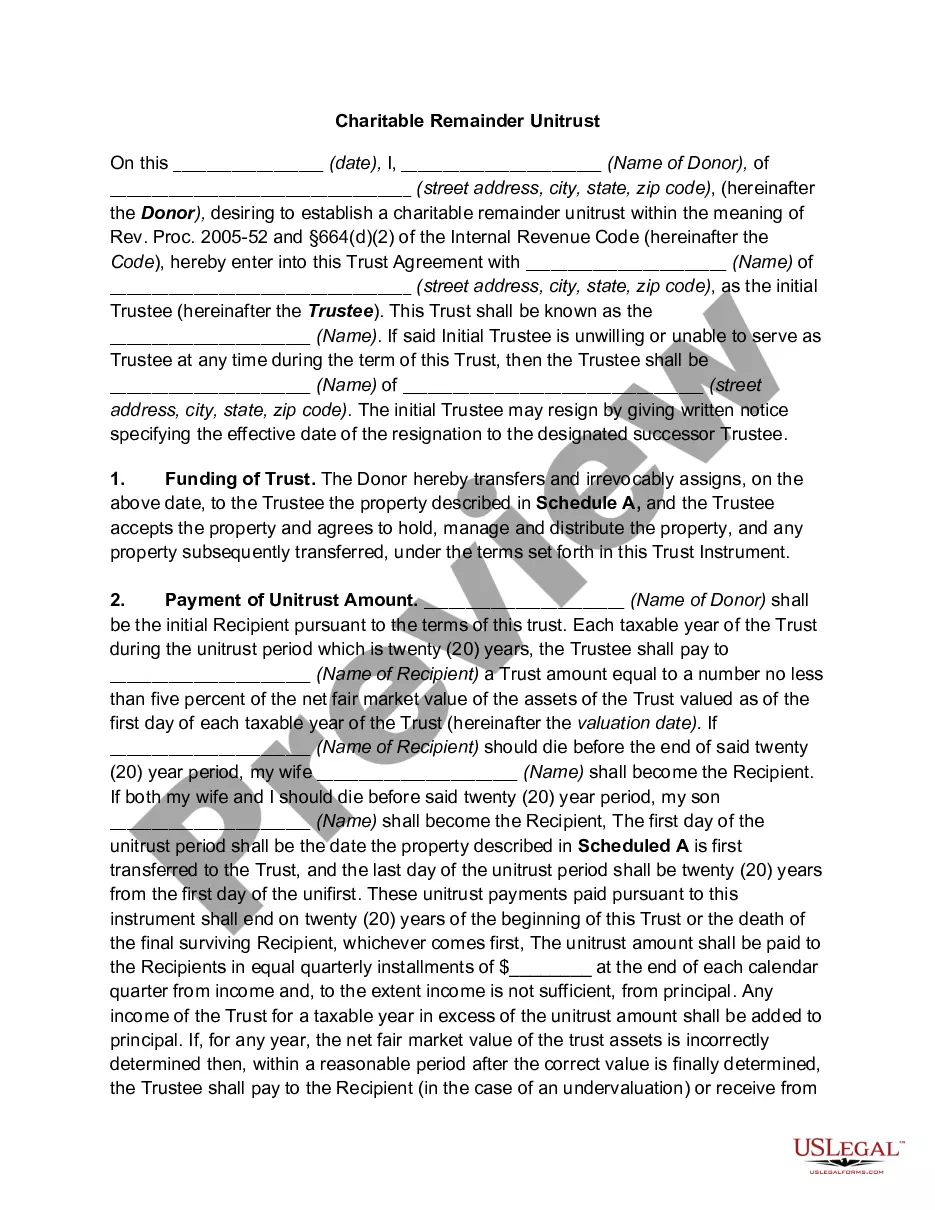
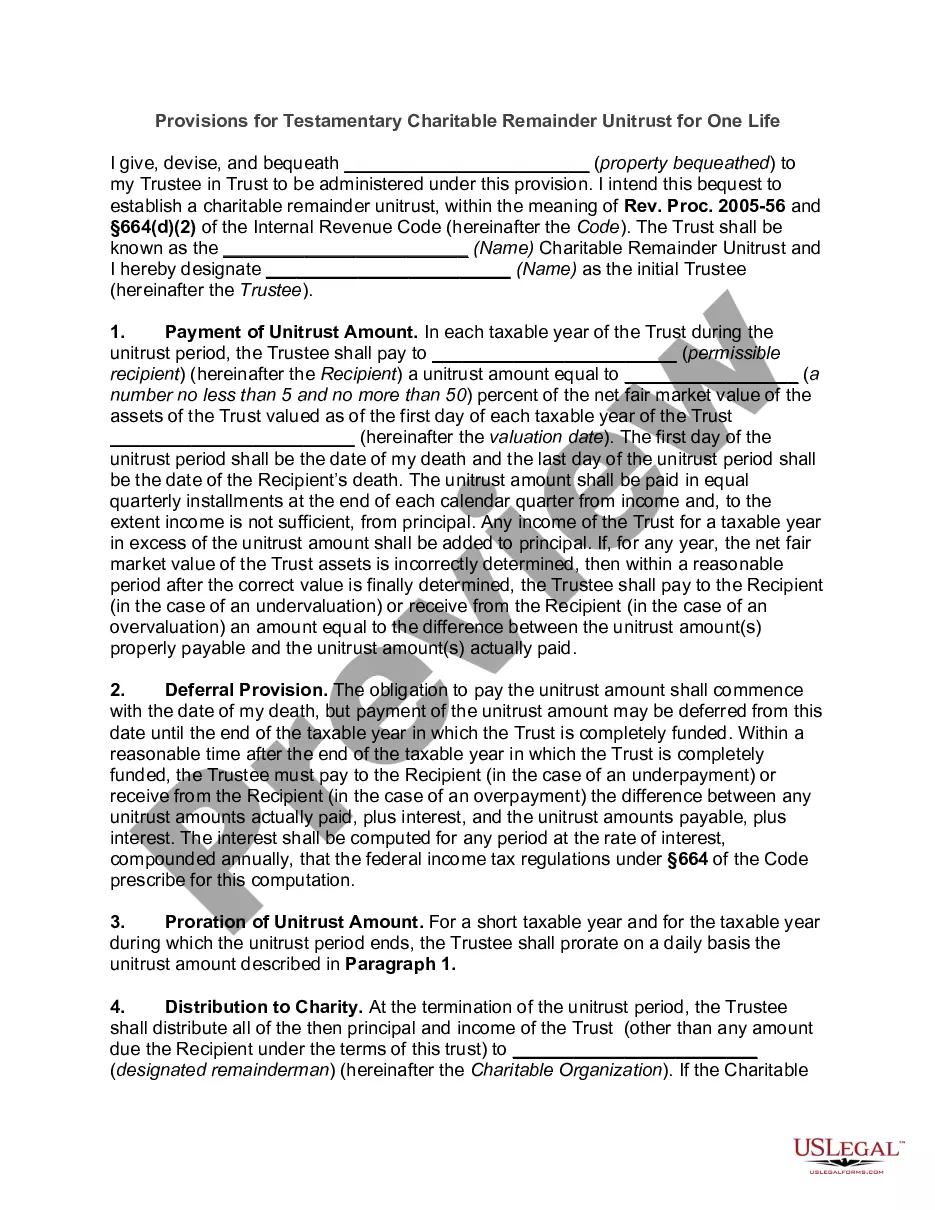
How to fill out Charitable Remainder Inter Vivos Unitrust Agreement?
- Log in to your US Legal Forms account if you're a returning user, then proceed to download the necessary living trust agreement template by clicking the 'Download' button. Make sure your subscription is active.
- If this is your first time using US Legal Forms, start by previewing the living trust agreement and its description to ensure it meets your local jurisdiction's requirements.
- If the document needs adjustments, use the search feature to find any additional forms that fit your needs.
- Select the living trust agreement by clicking 'Buy Now' and choose a subscription plan that works for you. Register for an account to access the extensive library of documents.
- Complete your purchase by entering your payment details, either via credit card or PayPal.
- Once purchased, download the template to your device, allowing you to fill it out. You can also find it later in your 'My Forms' section of your profile.
Utilizing US Legal Forms not only simplifies the process of obtaining a living trust agreement but also ensures that you have access to expert guidance, making your legal documentation precise and compliant.
Take control of your estate planning today by creating a living trust agreement with US Legal Forms. Start your journey now!
Form popularity
FAQ
You do not have to file a living trust agreement with the court in California, as it is considered a private document. You will keep control over your assets and how they are managed without public scrutiny. However, if legal issues arise, the court may become involved. With ulegalforms, you can create a comprehensive living trust agreement that meets your needs, ensuring clarity and security.
Generally, a living trust agreement does not have to be filed with the court in California. This means you retain privacy over the terms of your trust, which many find advantageous. However, if a trust becomes contested, legal proceedings may involve court intervention. For peace of mind, ulegalforms offers valuable resources to help you understand your rights and responsibilities regarding trust management.
In California, trust documents do not need to be recorded to be valid. Unlike some other states, you can keep the living trust agreement private, safeguarding your personal information. However, certain documents, like property deeds transferred to the trust, may need to be recorded. It's wise to consult with ulegalforms for assistance and ensure all aspects are handled properly.
To finalize a living trust agreement in California, you must ensure all necessary documents are completed and signed. This includes the trust document itself, which outlines the terms and conditions of the trust. After signing, you should fund the trust by transferring assets into it, which is crucial for its validity. Consider utilizing platforms like ulegalforms to guide you through the process and provide the required templates.
A trust agreement and a living trust are similar, but not exactly the same. A living trust is a specific type of trust agreement that remains in effect during your lifetime and manages your assets while you are alive and after your passing. Essentially, all living trusts are trust agreements, but not all trust agreements are living trusts. Understanding this distinction can clarify your estate planning options.
Yes, you can create your own certificate of trust as part of the living trust agreement. This document provides proof of the trust’s existence and details about the trust's assets and beneficiaries. It's important to ensure that the certificate complies with state laws, so using templates or legal guidance can help you create an effective certificate of trust.
The cheapest way to create a living trust is to use templates or online services designed for this purpose. Many platforms, including US Legal Forms, offer affordable living trust agreement templates that guide you through the setup process. By utilizing these resources, you can save on legal fees while ensuring your living trust is properly established.
Yes, you can set up a trust fund by yourself, but it requires careful planning and execution. You will need to create a living trust agreement that outlines the terms and conditions of the trust. However, it is often beneficial to consult legal resources or a professional to ensure that you meet all legal requirements and that your trust fund operates smoothly.
While a living trust offers benefits, there are some downsides to consider. For one, setting up a living trust can involve initial costs and may require ongoing maintenance. Additionally, a living trust does not provide the same tax benefits as a will, and it does not protect your assets from creditors. Understanding these factors can help you make an informed decision about a living trust agreement.
Creating a living trust by yourself involves several steps. First, you'll need to outline your assets and decide how you want them distributed. Next, you should draft the living trust agreement, which typically includes the names of the trustees and beneficiaries. For accuracy and legal compliance, consider using tools and resources from platforms like US Legal Forms to help you through the process.