Charitable Vivos Unitrust Living Trust With A
Description
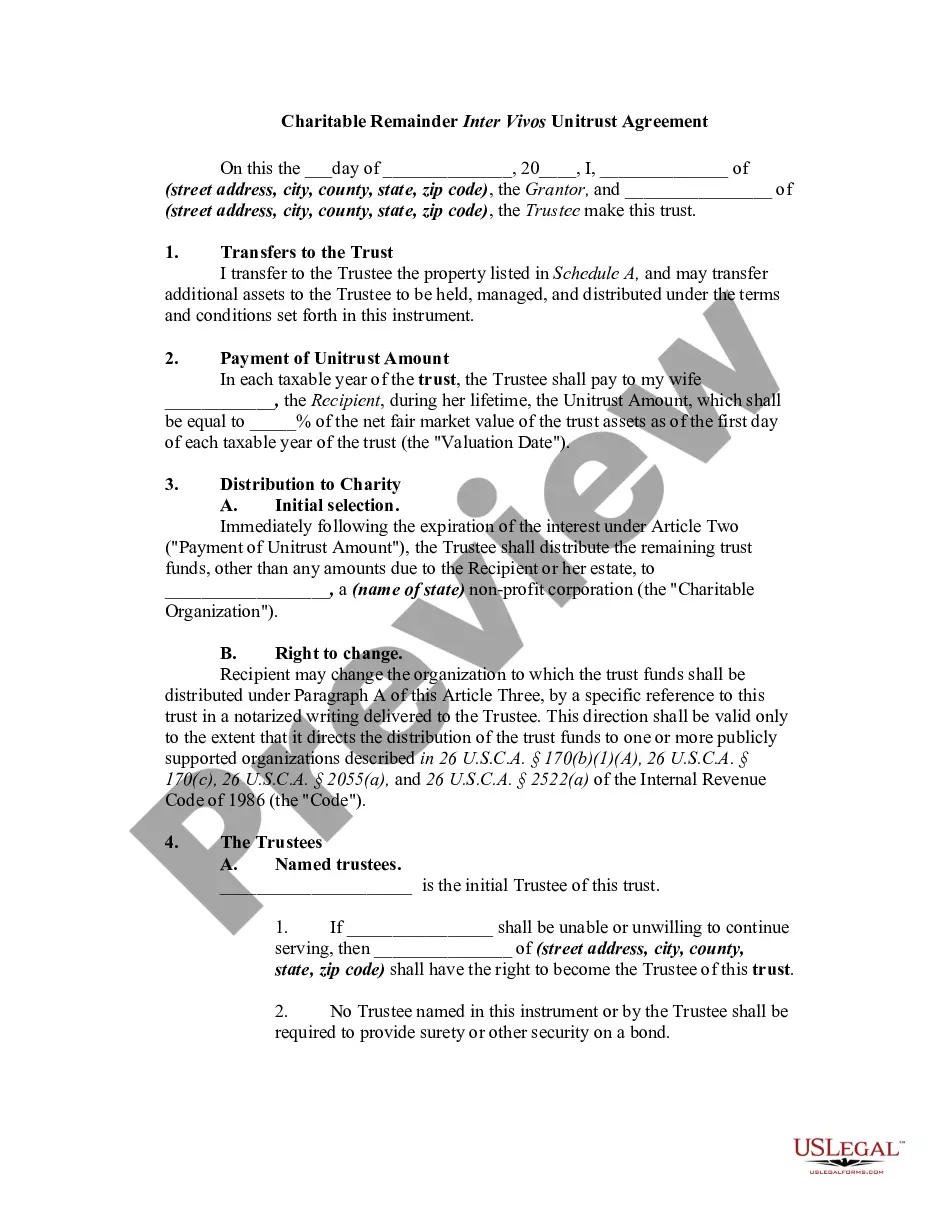
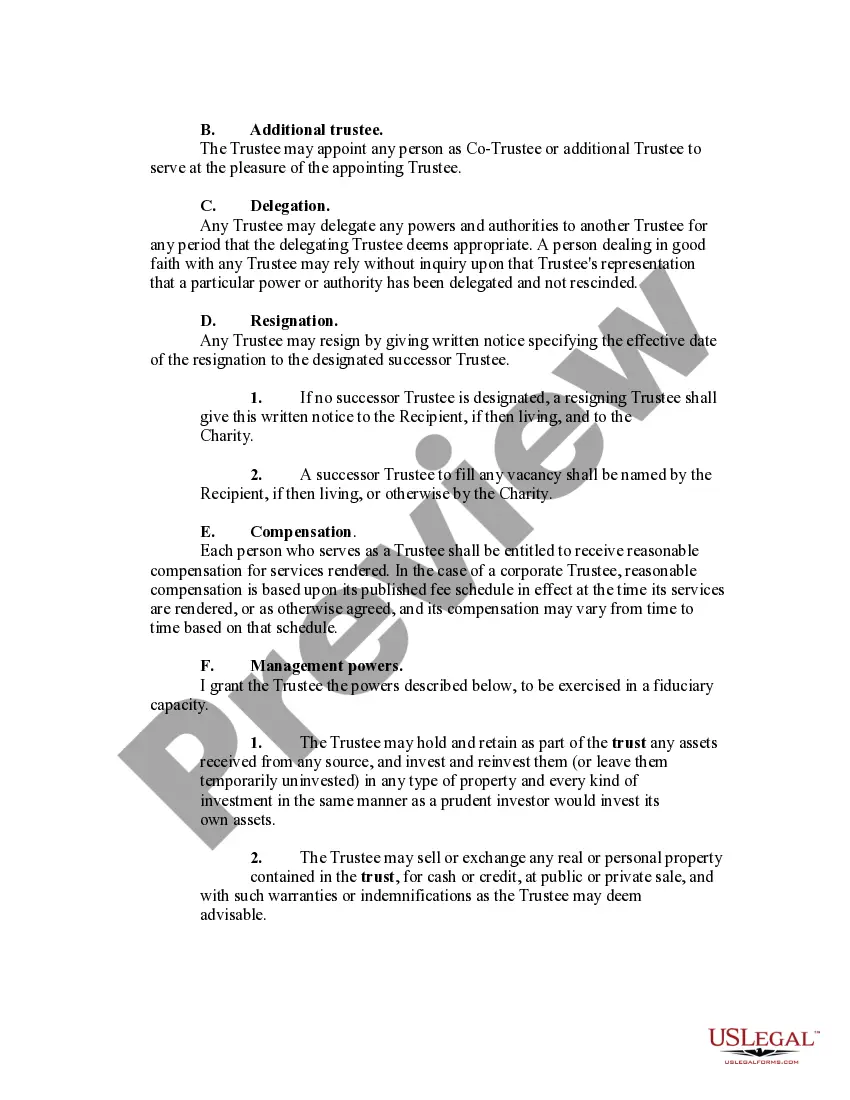
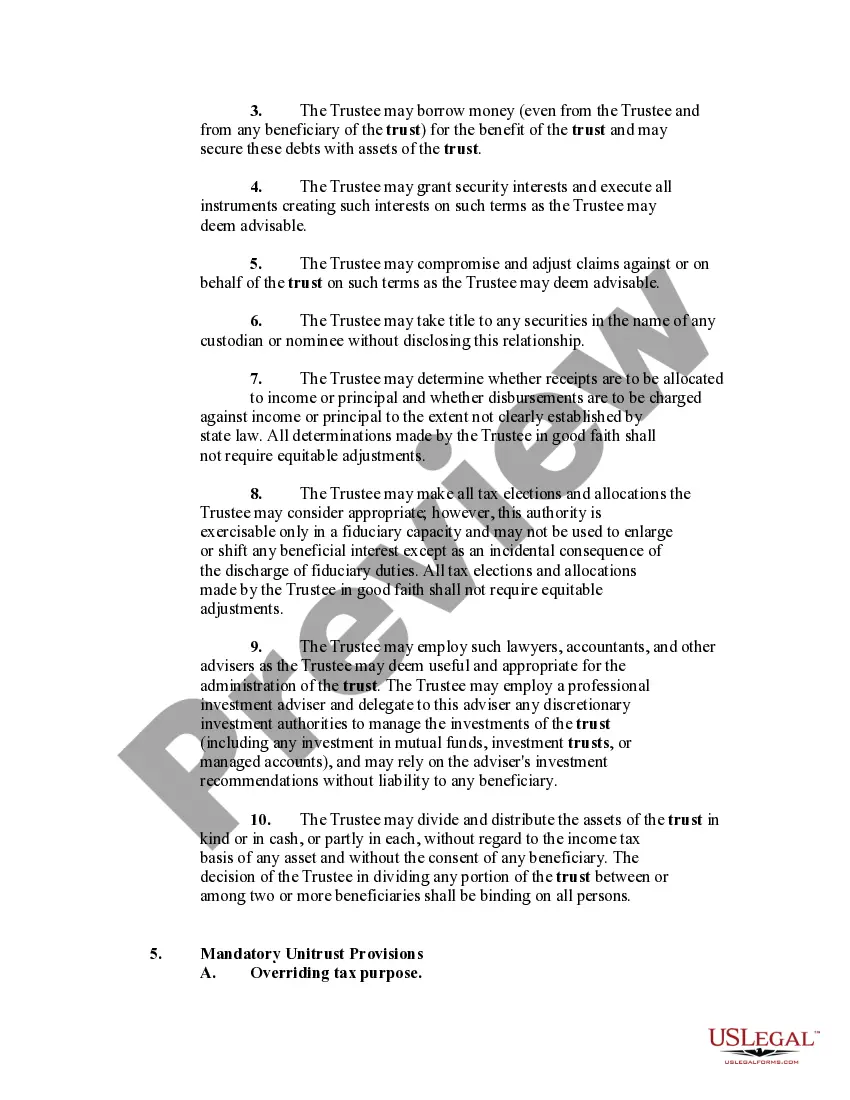
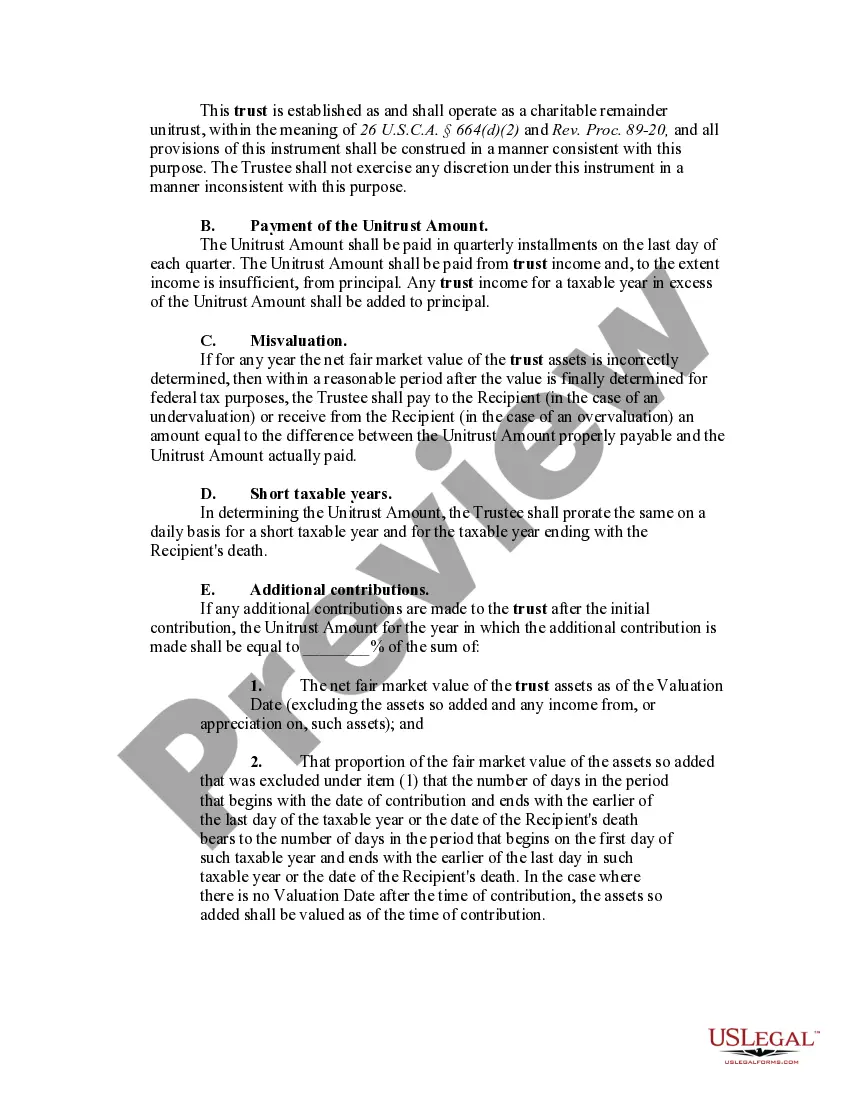
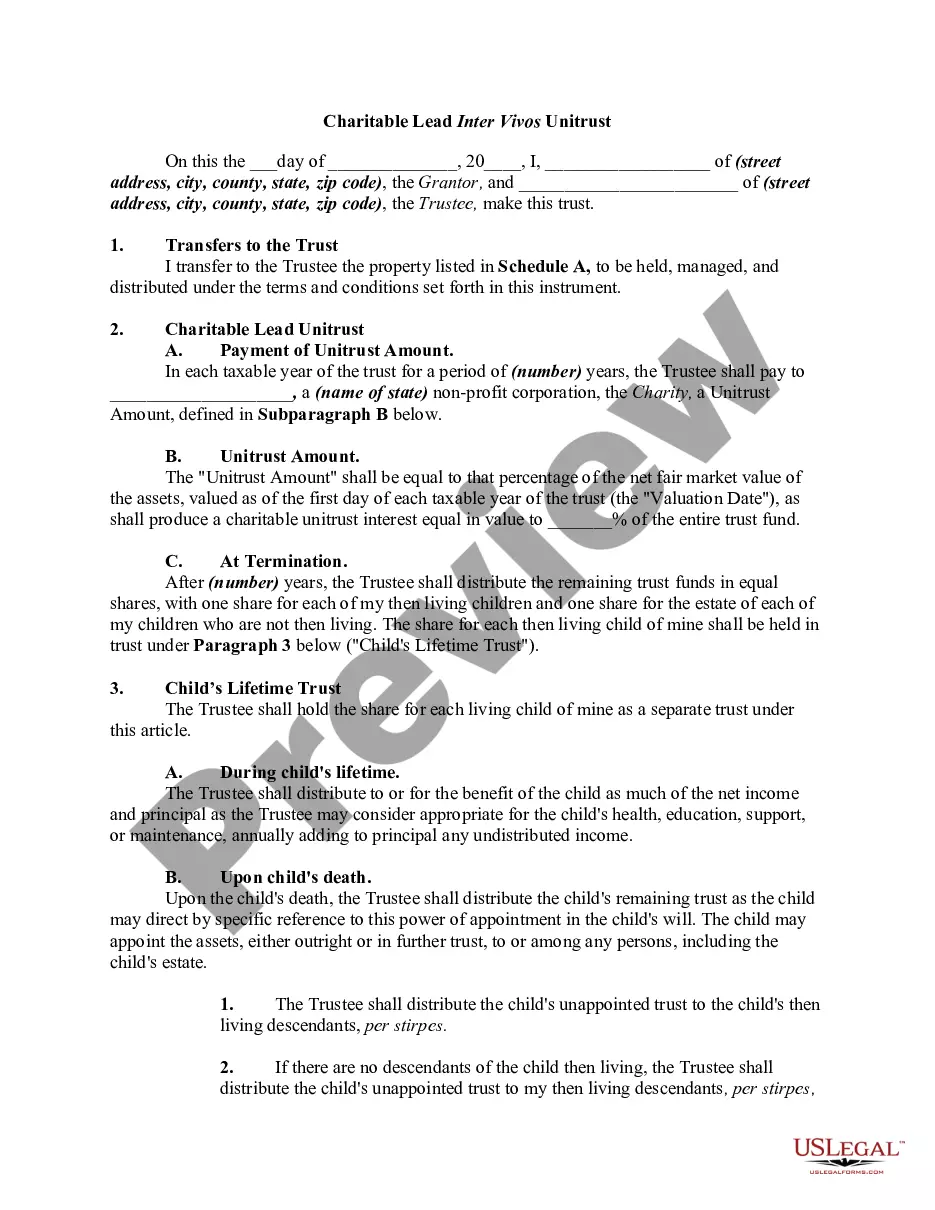
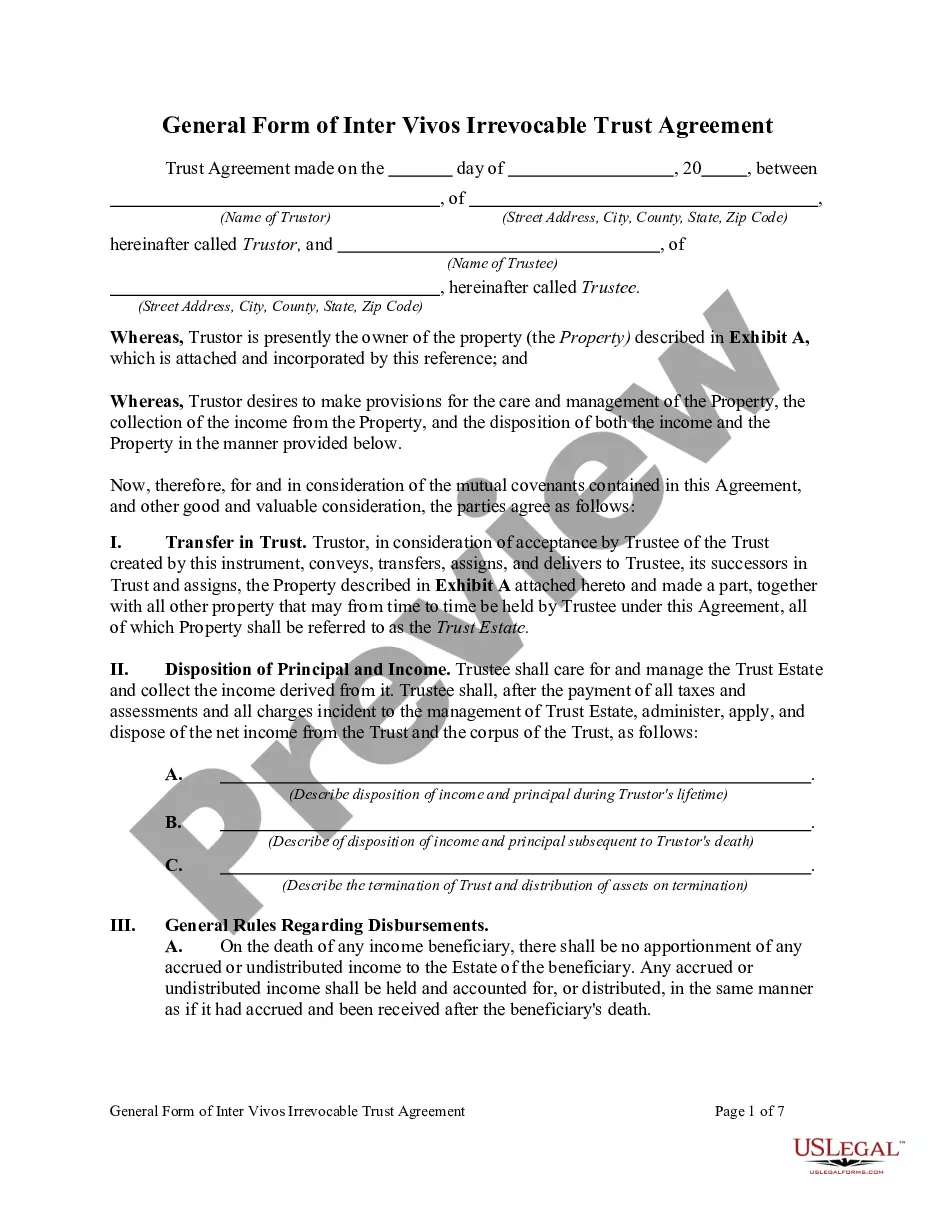
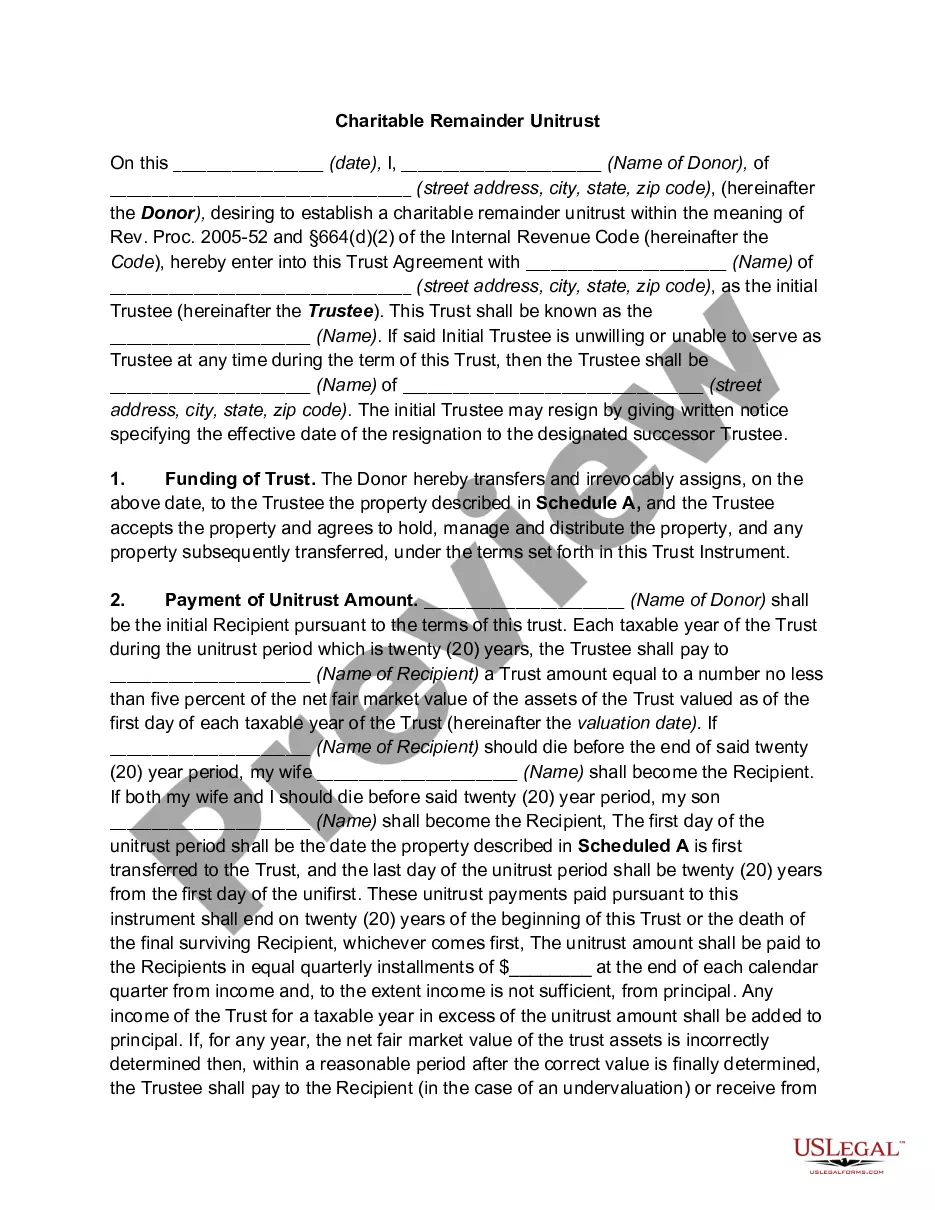
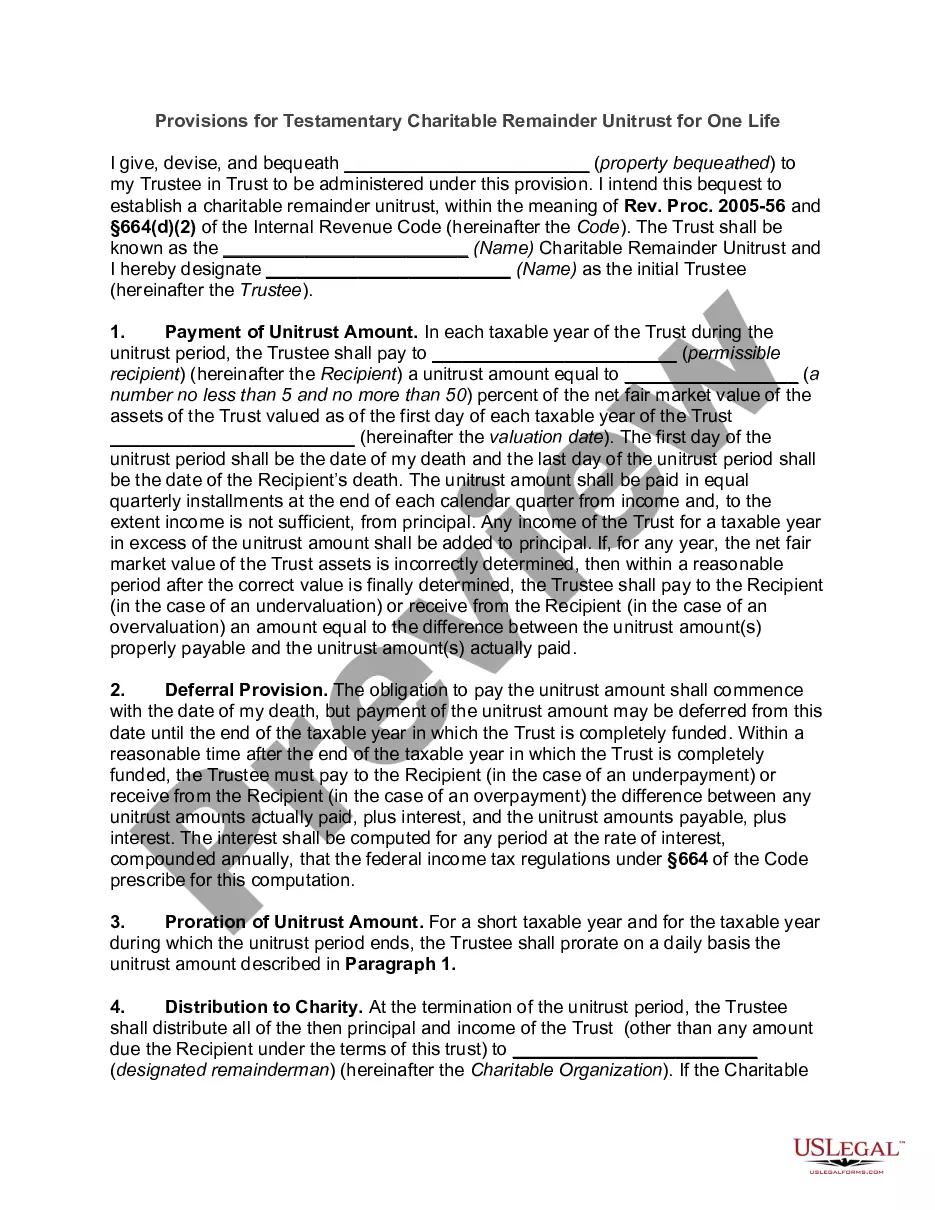
Get your form ready online
Our built-in tools help you complete, sign, share, and store your documents in one place.
Make edits, fill in missing information, and update formatting in US Legal Forms—just like you would in MS Word.
Download a copy, print it, send it by email, or mail it via USPS—whatever works best for your next step.
Sign and collect signatures with our SignNow integration. Send to multiple recipients, set reminders, and more. Go Premium to unlock E-Sign.
If this form requires notarization, complete it online through a secure video call—no need to meet a notary in person or wait for an appointment.
We protect your documents and personal data by following strict security and privacy standards.

Make edits, fill in missing information, and update formatting in US Legal Forms—just like you would in MS Word.

Download a copy, print it, send it by email, or mail it via USPS—whatever works best for your next step.

Sign and collect signatures with our SignNow integration. Send to multiple recipients, set reminders, and more. Go Premium to unlock E-Sign.

If this form requires notarization, complete it online through a secure video call—no need to meet a notary in person or wait for an appointment.

We protect your documents and personal data by following strict security and privacy standards.
Looking for another form?










How to fill out Charitable Remainder Inter Vivos Unitrust Agreement?
- Visit the US Legal Forms website and log in to your existing account to download the required document. Ensure your subscription is active.
- If you're a first-time user, start by reviewing the Preview mode and form descriptions to confirm you select the correct template for your needs.
- Use the Search function to find alternative templates if the initial choice doesn’t meet your requirements.
- Purchase your document by clicking on the Buy Now button and selecting an appropriate subscription plan. Register for an account to access the library.
- Complete the payment process using your credit card or PayPal to finalize your subscription.
- Download your form to save it on your device and find it later in the My Forms section for easy access.
With US Legal Forms, you gain access to over 85,000 fillable forms, ensuring you find the perfect template for your Charitable Vivos Unitrust Living Trust.
Get started today to benefit from an extensive legal document library and expert assistance for precise form completion.
Form popularity
FAQ
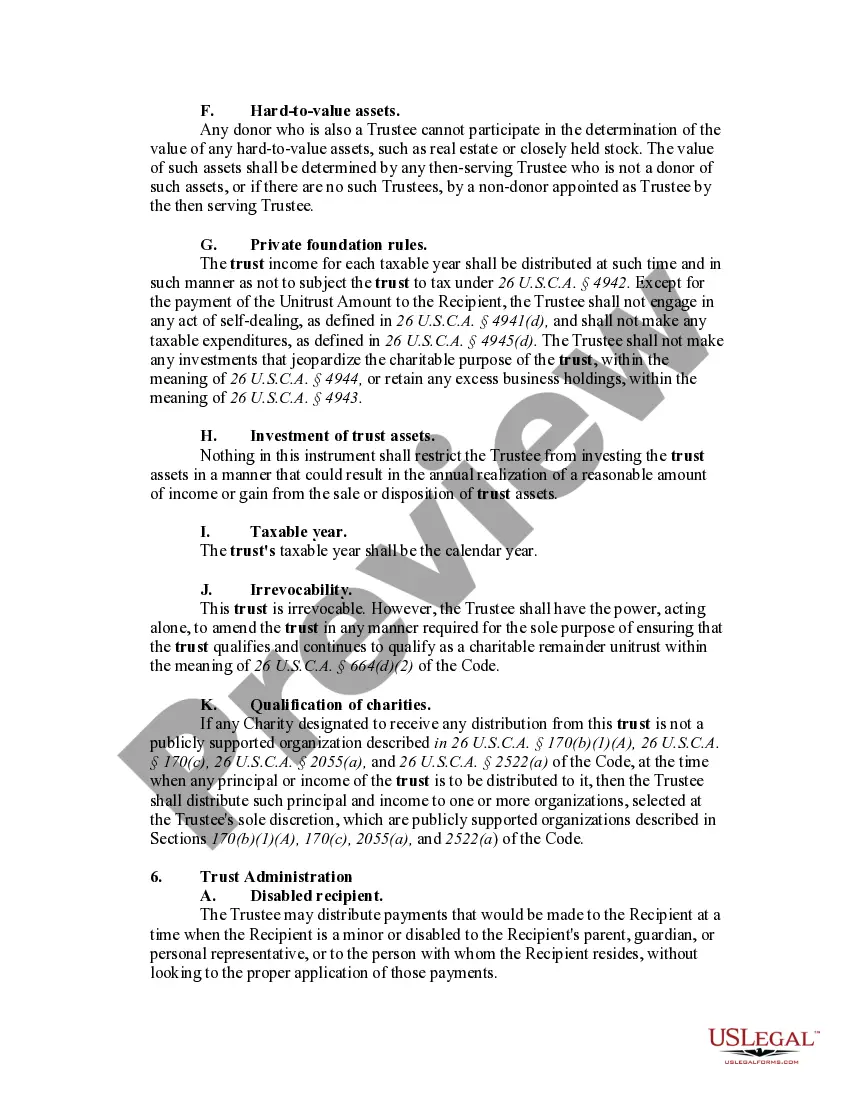
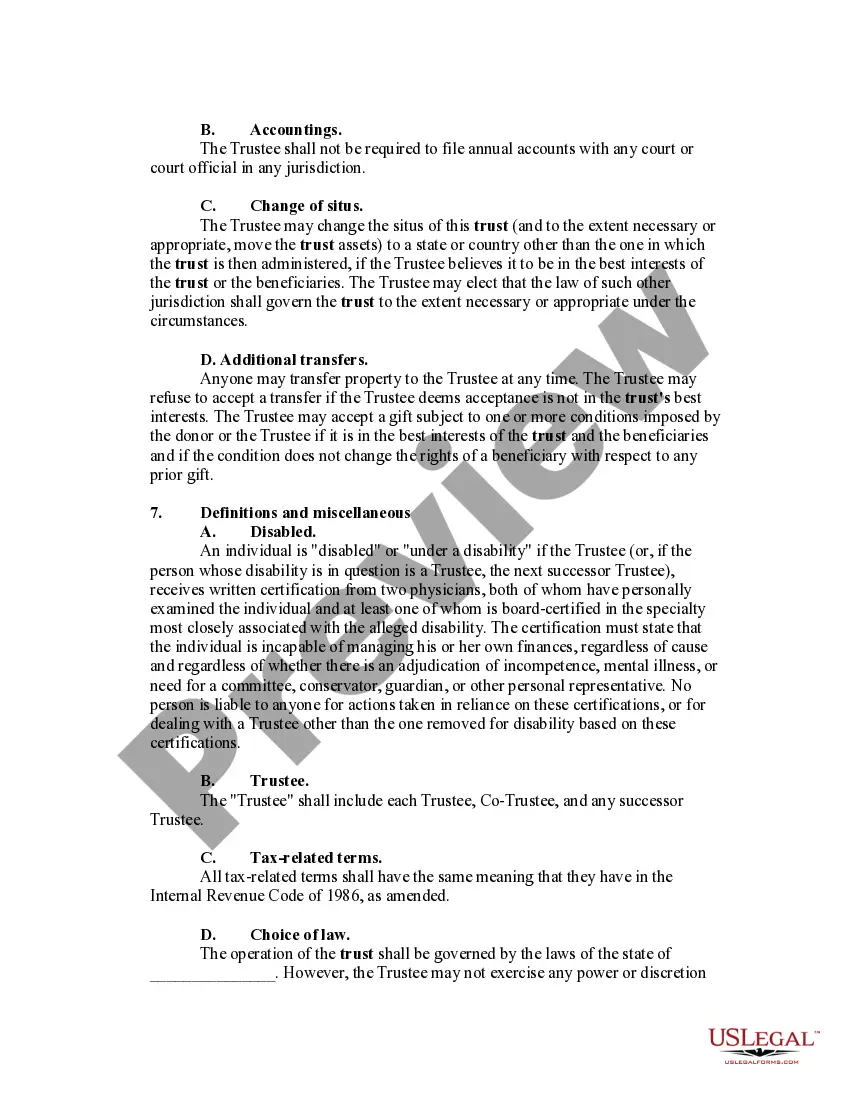
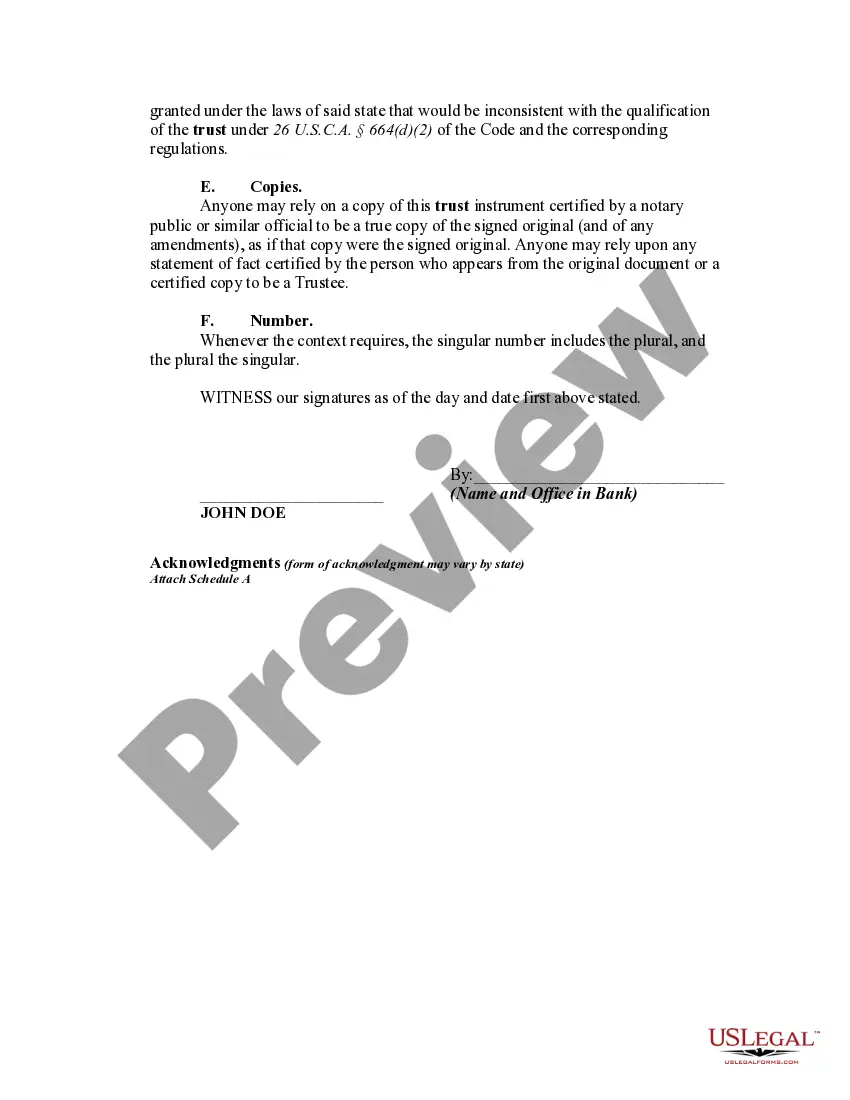
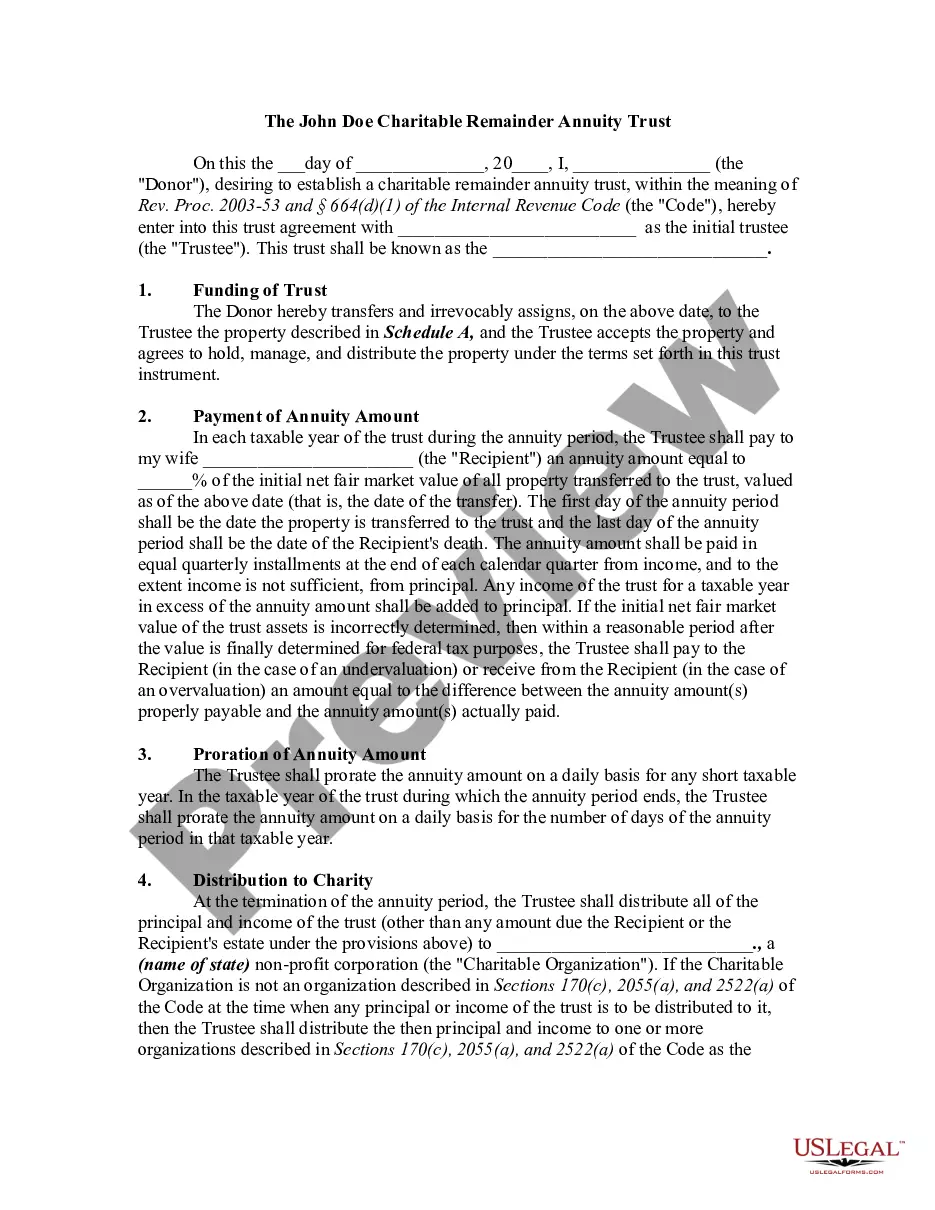
Yes, you can create your own charitable remainder trust, provided you adhere to all legal requirements. It’s wise to consult with a legal professional to ensure your trust aligns with IRS regulations and the specific goals you have in mind. Utilizing the resources offered by uslegalforms will support you effectively in establishing a charitable vivos unitrust living trust.
A charitable remainder unitrust must meet specific IRS criteria, such as having at least one charitable beneficiary and providing a fixed percentage payout to non-charitable beneficiaries. This percentage must fall within the limits set by the IRS to ensure tax benefits. Understanding these requirements is essential for creating an effective charitable vivos unitrust living trust.
Setting up a CRUT involves several steps, such as selecting a qualified charity and outlining your intention for the trust. You’ll also need to determine the payout rate for beneficiaries and appoint a trustee to manage the fund. For legal clarity and compliance, consider using uslegalforms to guide you through establishing your charitable vivos unitrust living trust.
To set up a charitable remainder unitrust, you first need to define the terms of the trust, including the identified charity and the beneficiaries. Next, you work with a legal expert to draft the trust document that specifies how the unitrust will operate. It must comply with IRS regulations to ensure tax benefits, especially concerning your charitable vivos unitrust living trust.
A Charitable Remainder Trust (CRT) can be structured as either a unitrust or annuity. The key difference is that a charitable remainder unitrust provides a fixed percentage of the trust’s value, which can vary from year to year, while a charitable remainder annuity trust pays a fixed dollar amount annually. This nuance can greatly affect the income stream you receive, making it vital to choose wisely when setting up your Charitable vivos unitrust living trust.
The four major types of trusts include revocable living trusts, irrevocable trusts, charitable trusts, and special needs trusts. Each type serves different purposes, such as avoiding probate or providing for an individual with disabilities. Knowing these types and their functions can profoundly impact your estate planning strategy, and utilizing tools from Uslegalforms can help you create the most effective trust.
Advised Fund (DAF) allows you to make a charitable contribution, receive an immediate tax deduction, and advise on how the funds are distributed over time. In contrast, a Charitable Remainder Trust (CRT) provides income to you during your lifetime, with the remaining assets going to charity after. Depending on your goals, either option might be more beneficial for your charitable planning, and platforms like Uslegalforms can guide you in making these decisions.
A trust is a legal arrangement that allows assets to be held by one party for the benefit of another, while a unitrust pays income based on a percentage of the trust’s value at valuation dates. This means the unitrust payment can fluctuate over time, offering the potential for growth alongside charitable giving. Understanding this distinction is essential when considering your options in estate planning.
A Charitable Remainder Unitrust (CRUT) is a specific type of trust that provides a fixed percentage of the trust’s value to the income beneficiaries each year. This differs from a traditional trust, which may provide fixed dollar amounts or other structures. The CRUT offers a way to support charities while receiving income, making it a valuable option in your estate planning, especially when considering a Charitable vivos unitrust living trust.
A Charitable Remainder Trust (CRT) and a Charitable Lead Trust (CLT) serve different purposes. A CRT provides income to the donor or other beneficiaries for a specified time, with the remaining assets going to a charity after that period. In contrast, a CLT provides immediate income to charities while distributing the remainder to beneficiaries after a set time. Understanding these differences can help you choose the right option for your giving strategy.