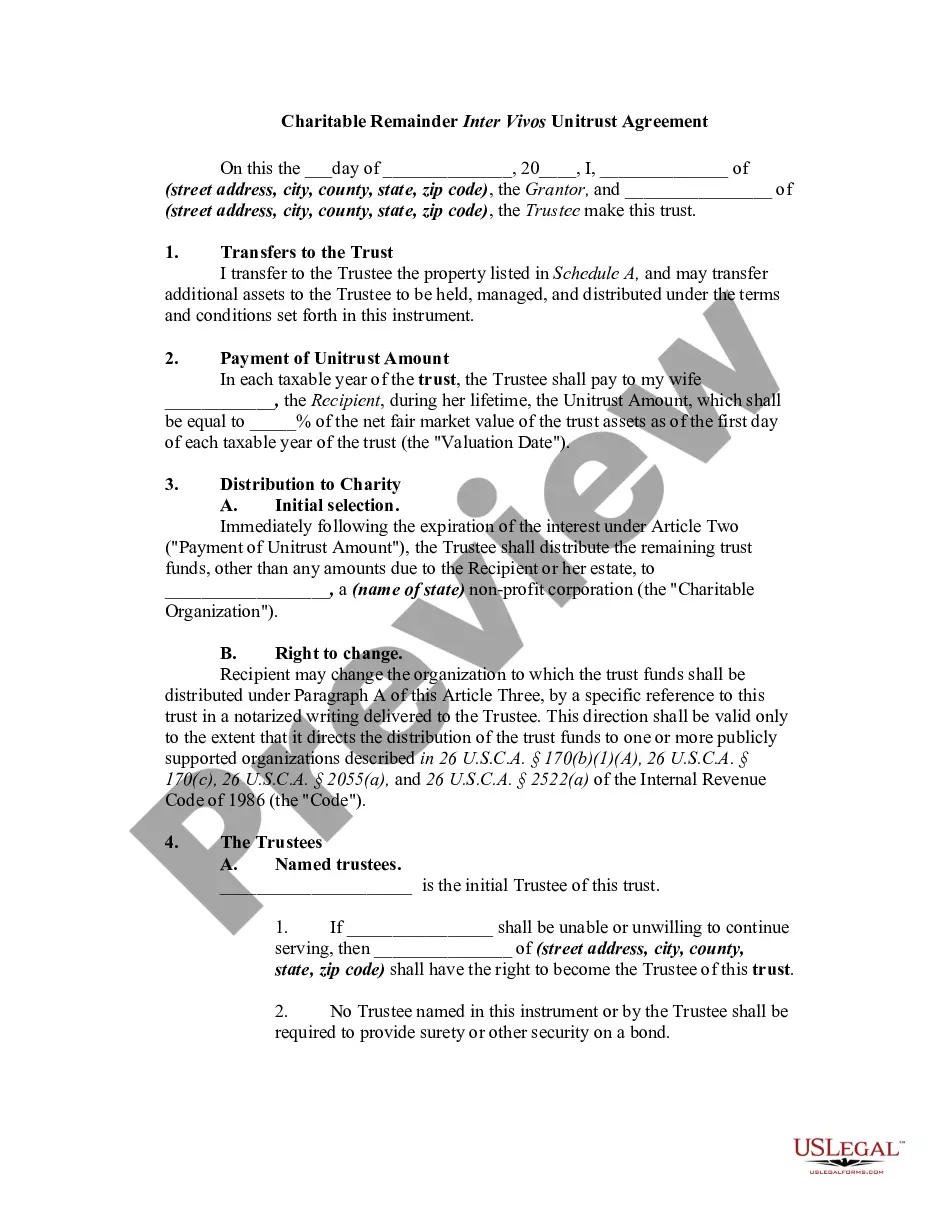
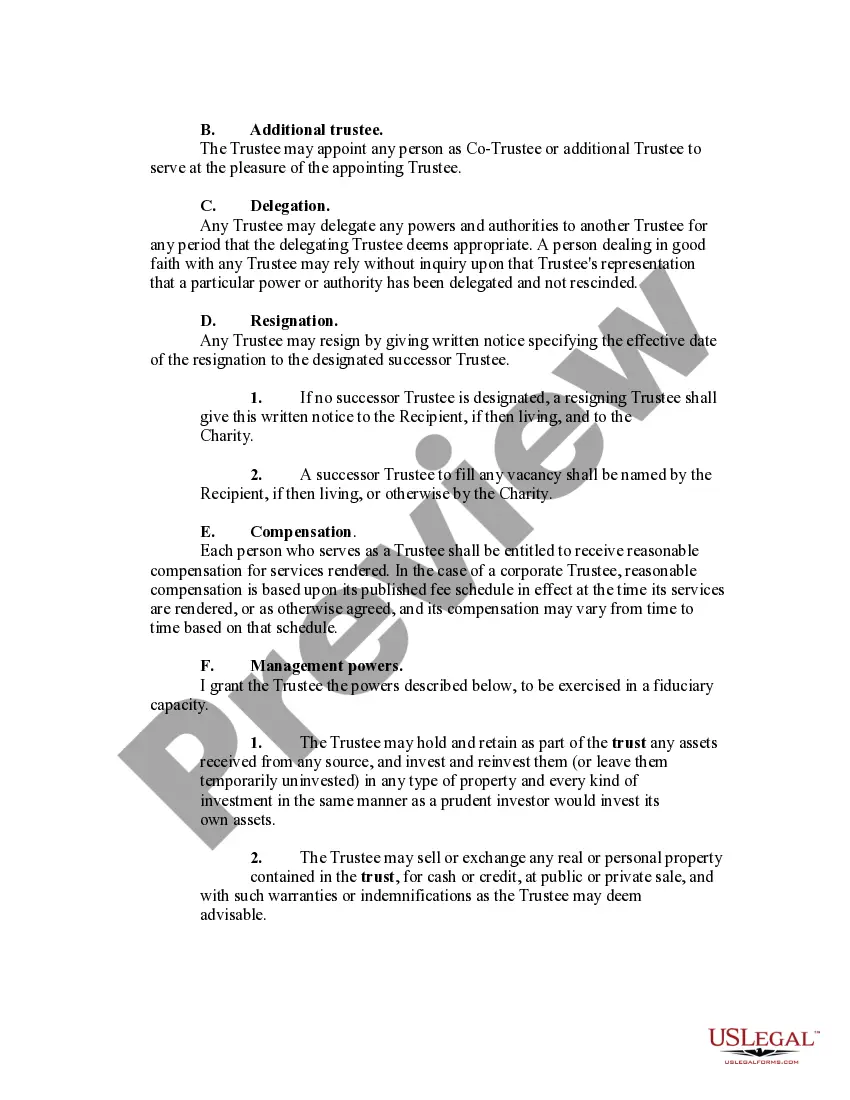
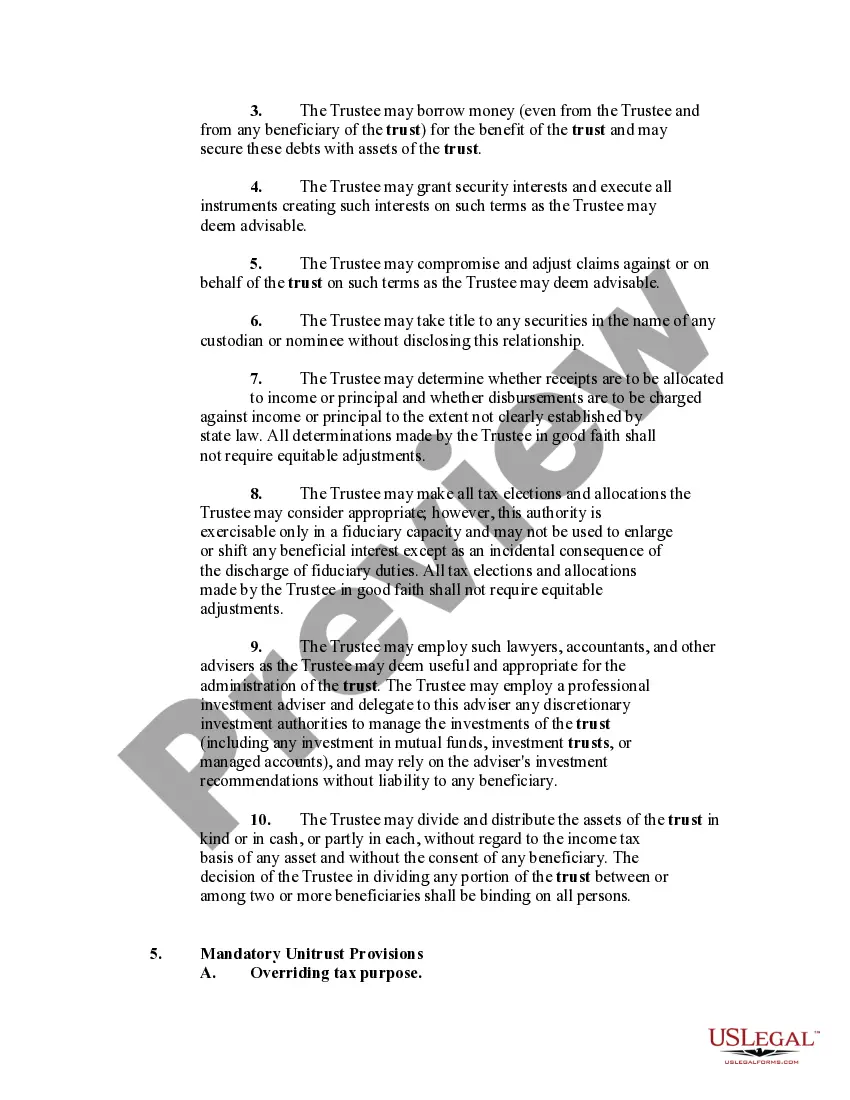
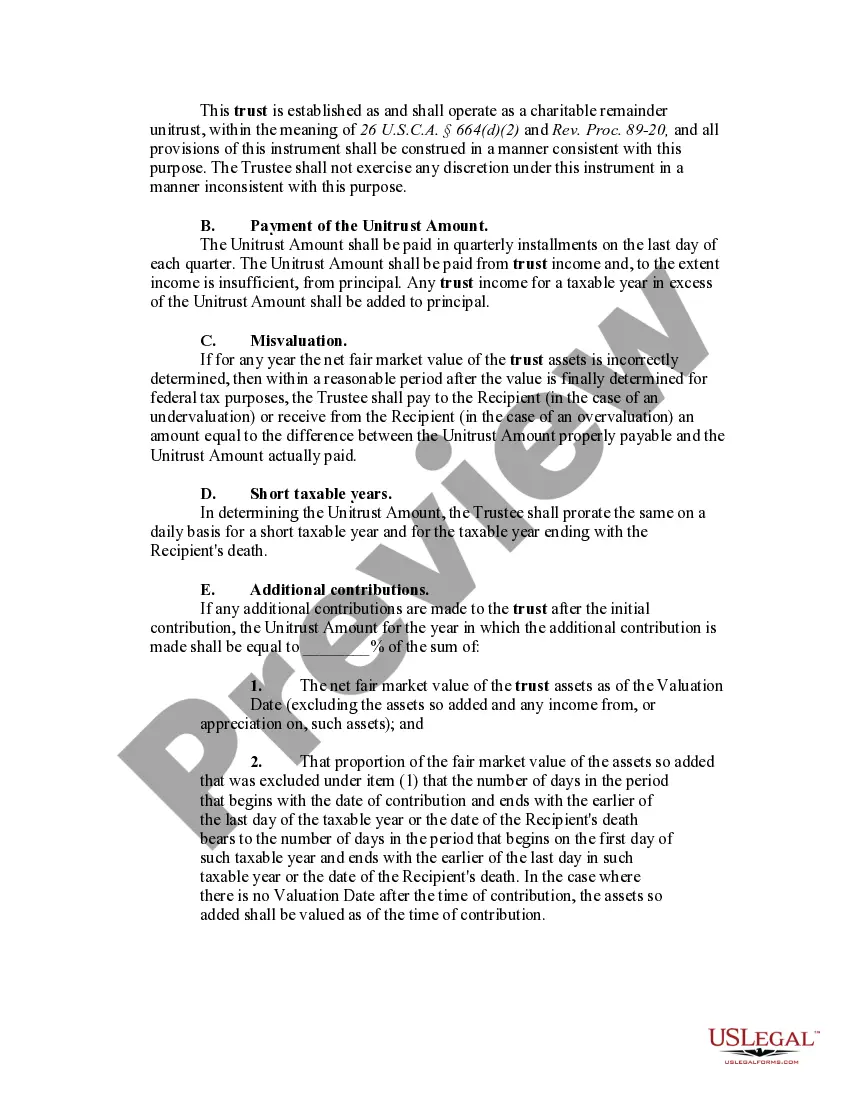
Charitable Vivos Unitrust Living Trust For The Nations
Description
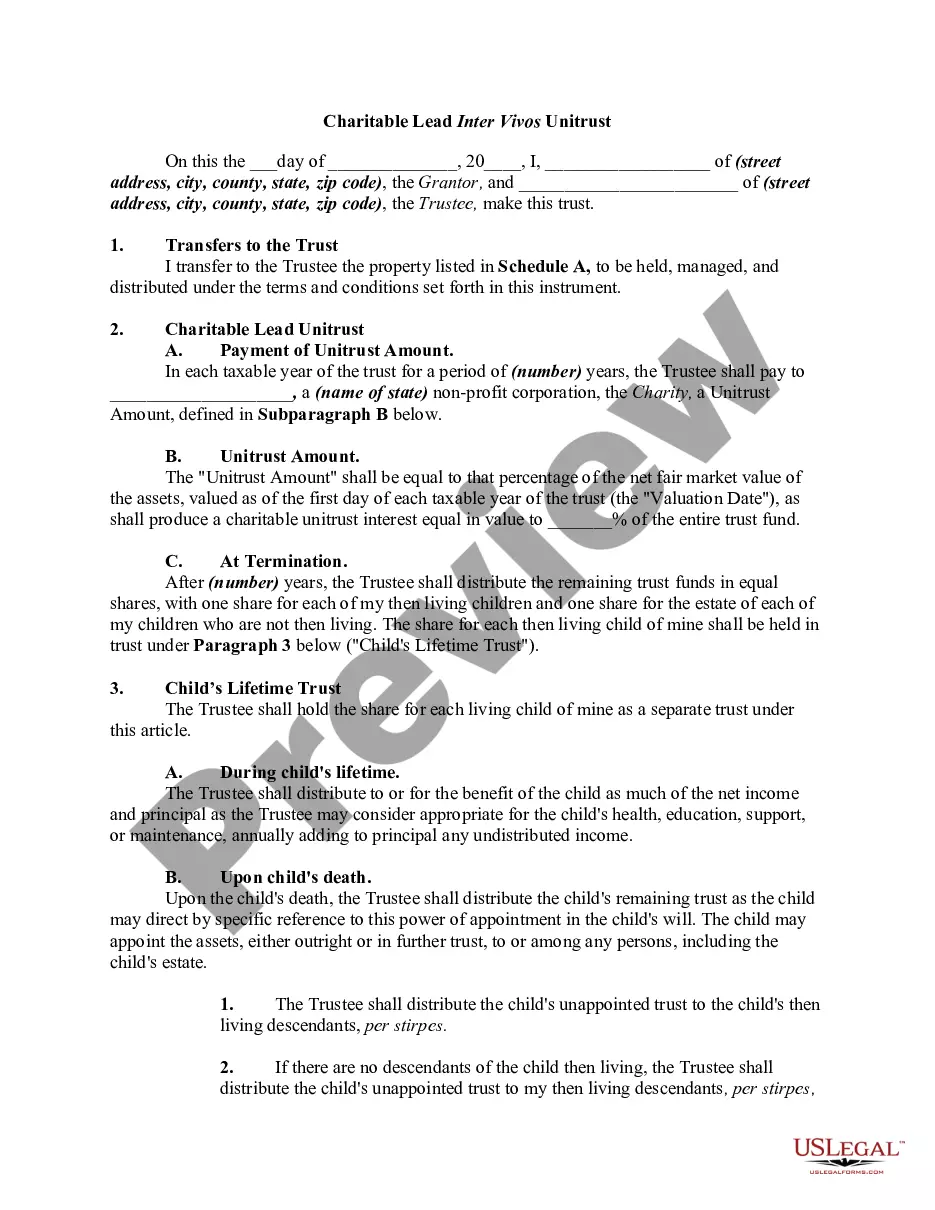
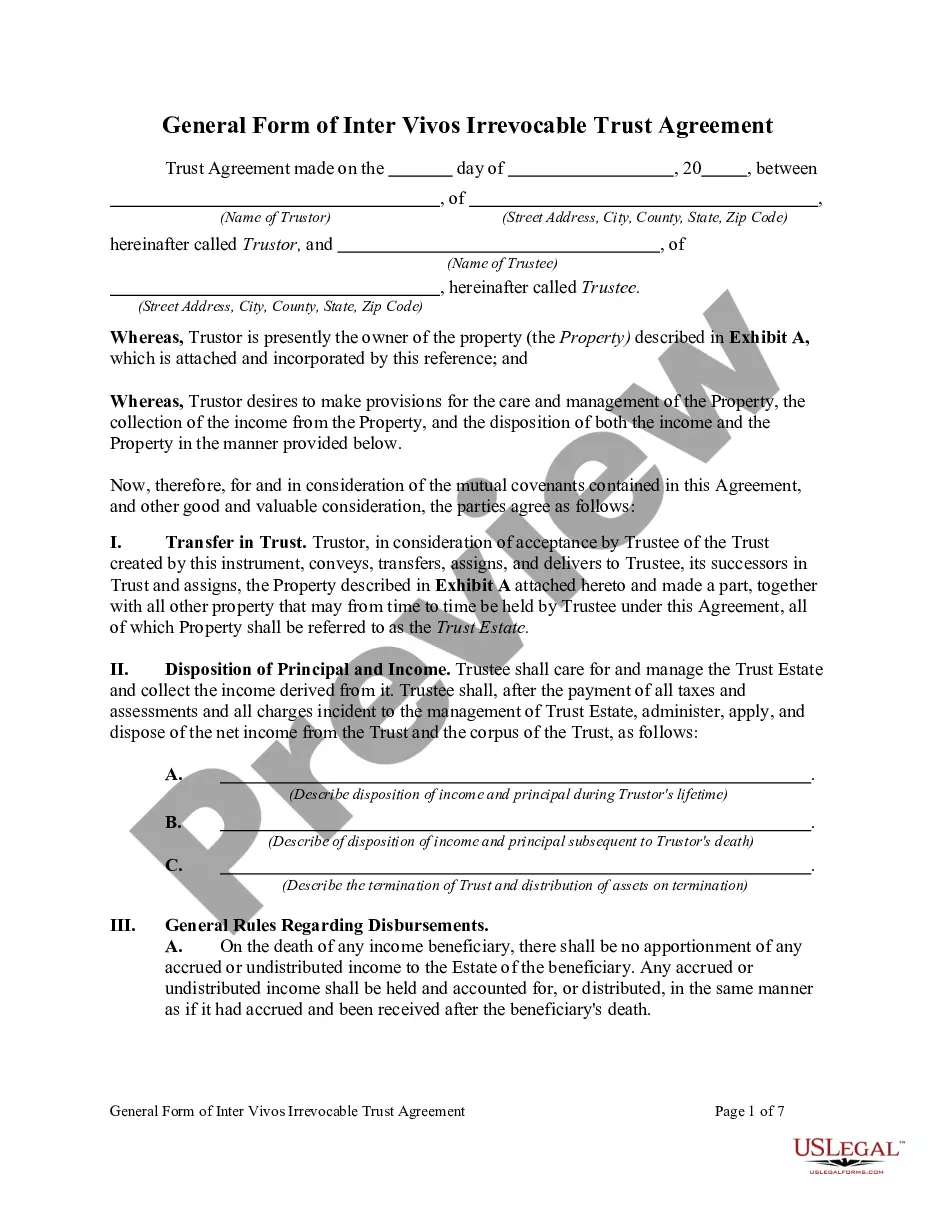
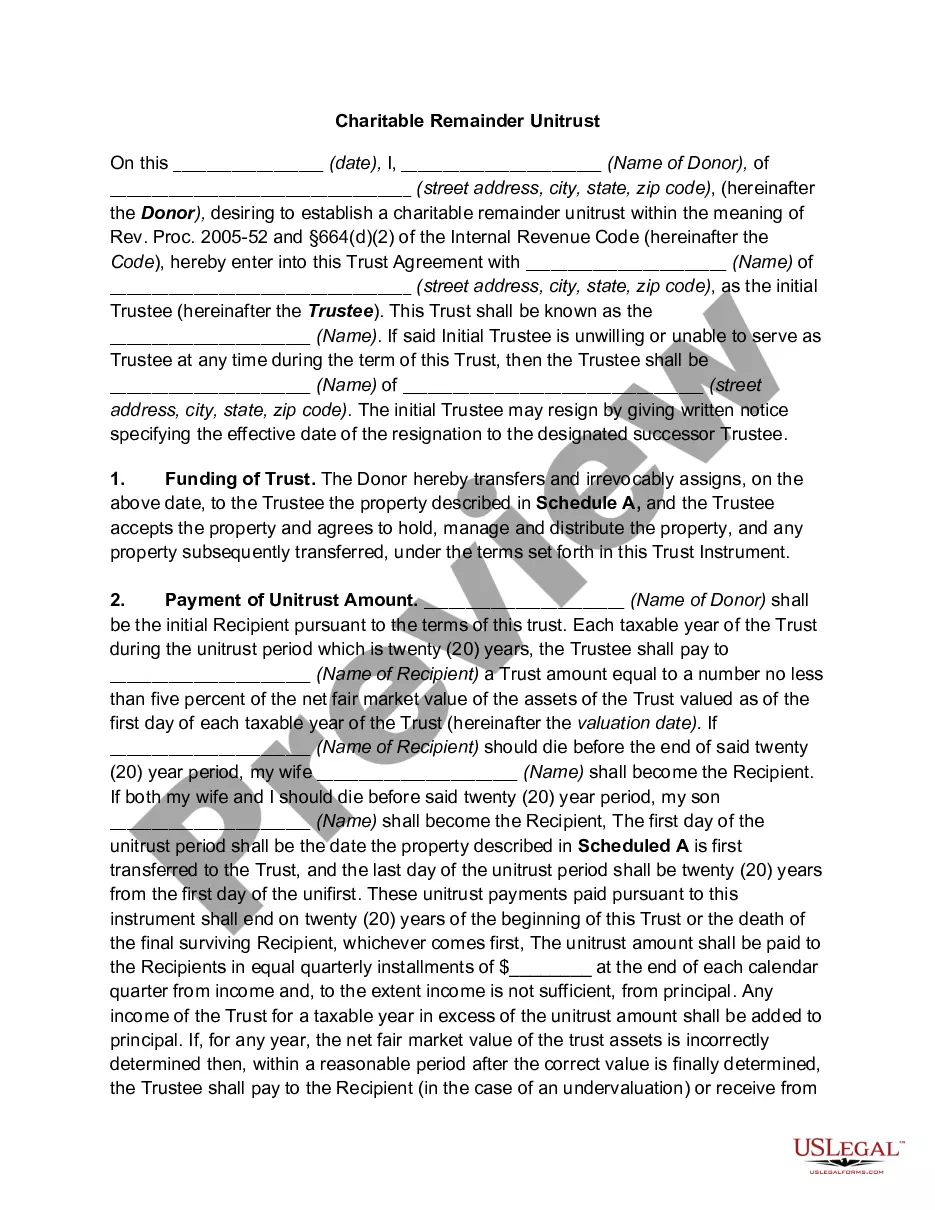
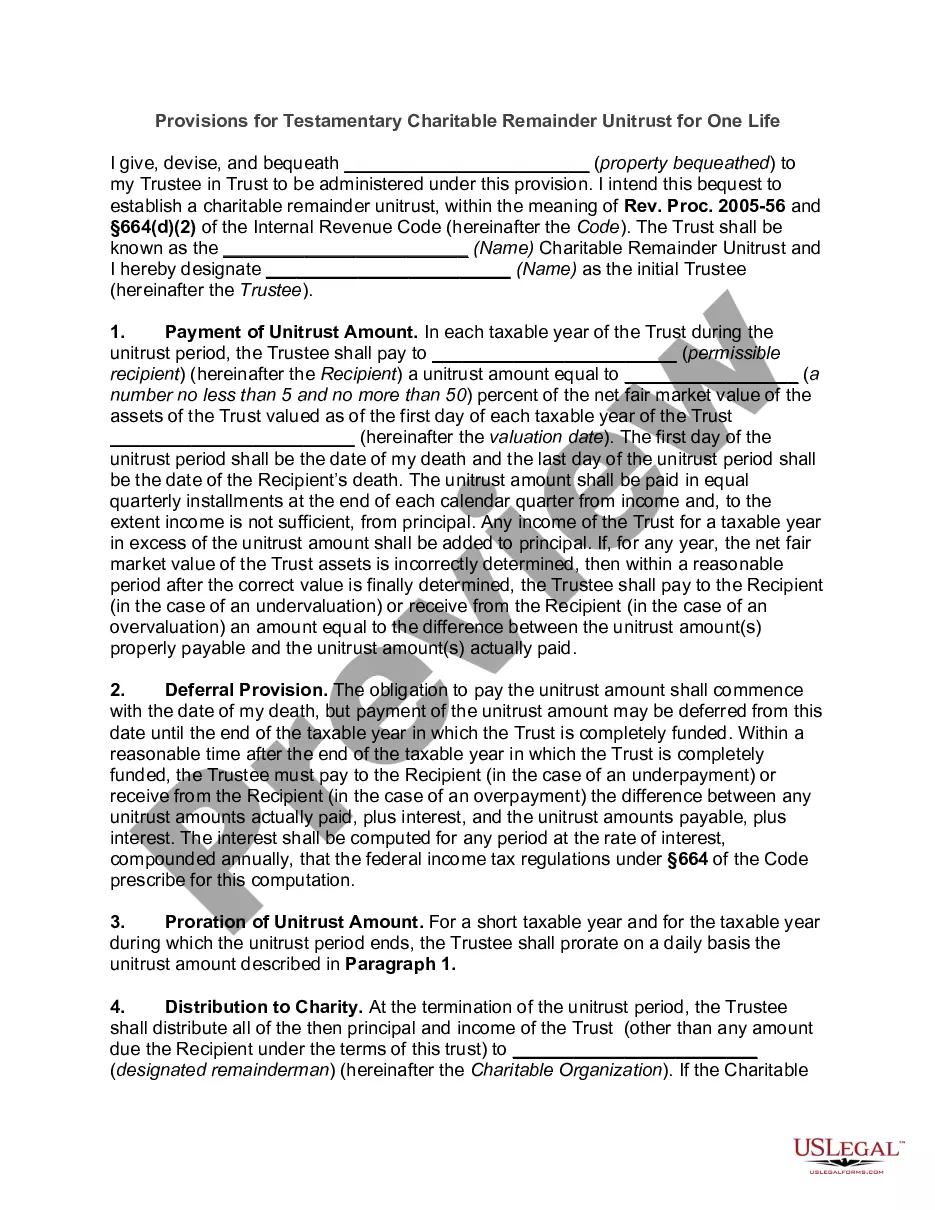
Get your form ready online
Our built-in tools help you complete, sign, share, and store your documents in one place.
Make edits, fill in missing information, and update formatting in US Legal Forms—just like you would in MS Word.
Download a copy, print it, send it by email, or mail it via USPS—whatever works best for your next step.
Sign and collect signatures with our SignNow integration. Send to multiple recipients, set reminders, and more. Go Premium to unlock E-Sign.
If this form requires notarization, complete it online through a secure video call—no need to meet a notary in person or wait for an appointment.
We protect your documents and personal data by following strict security and privacy standards.

Make edits, fill in missing information, and update formatting in US Legal Forms—just like you would in MS Word.

Download a copy, print it, send it by email, or mail it via USPS—whatever works best for your next step.

Sign and collect signatures with our SignNow integration. Send to multiple recipients, set reminders, and more. Go Premium to unlock E-Sign.

If this form requires notarization, complete it online through a secure video call—no need to meet a notary in person or wait for an appointment.

We protect your documents and personal data by following strict security and privacy standards.
Looking for another form?
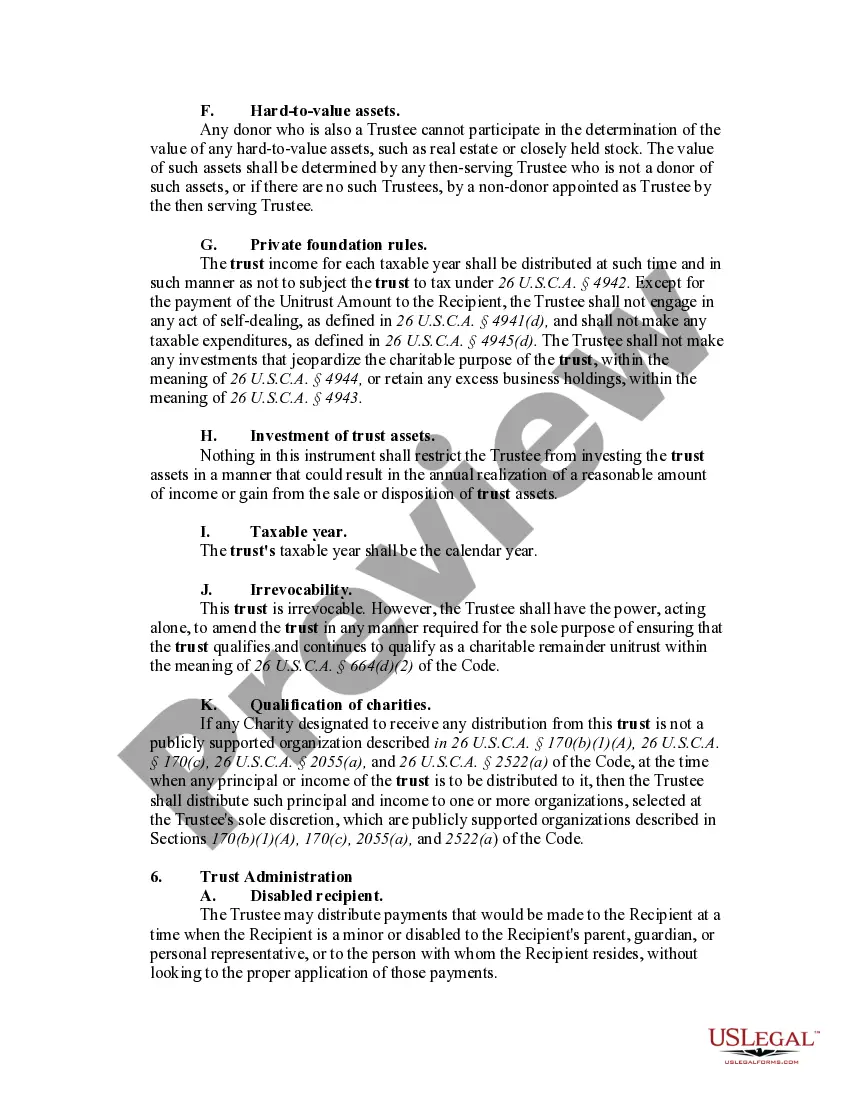
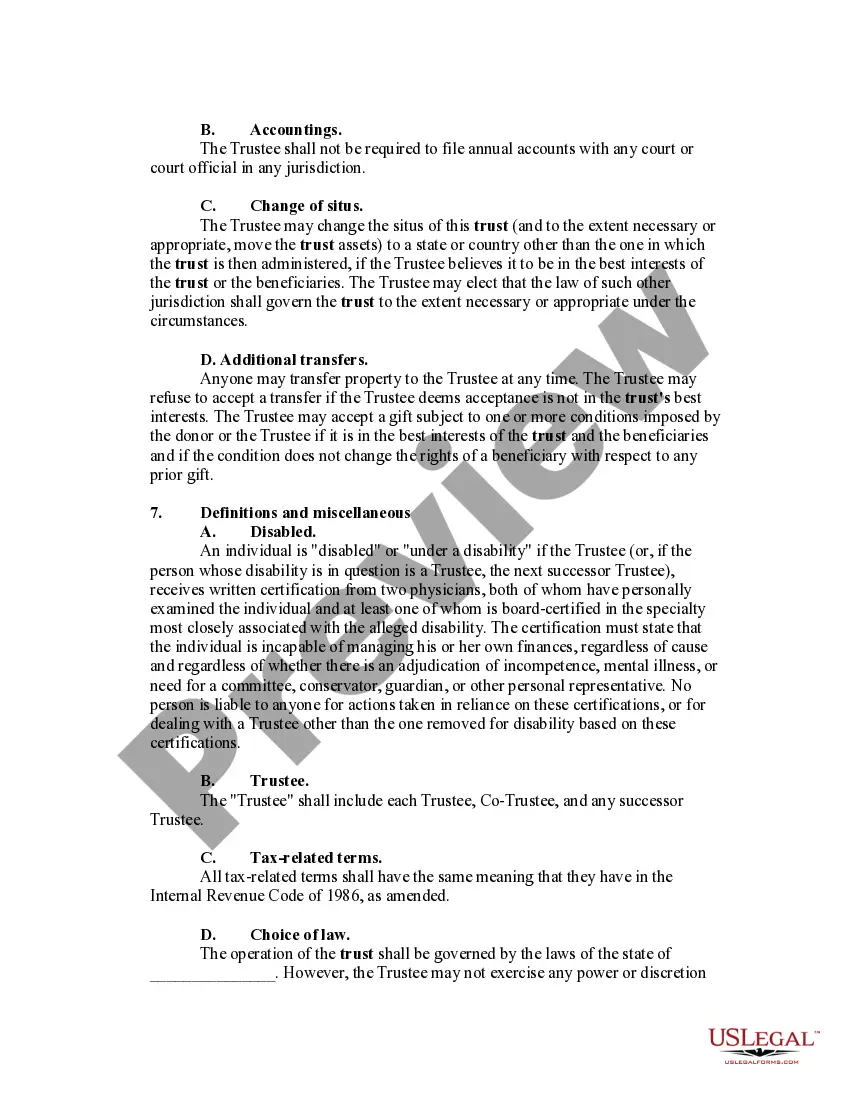
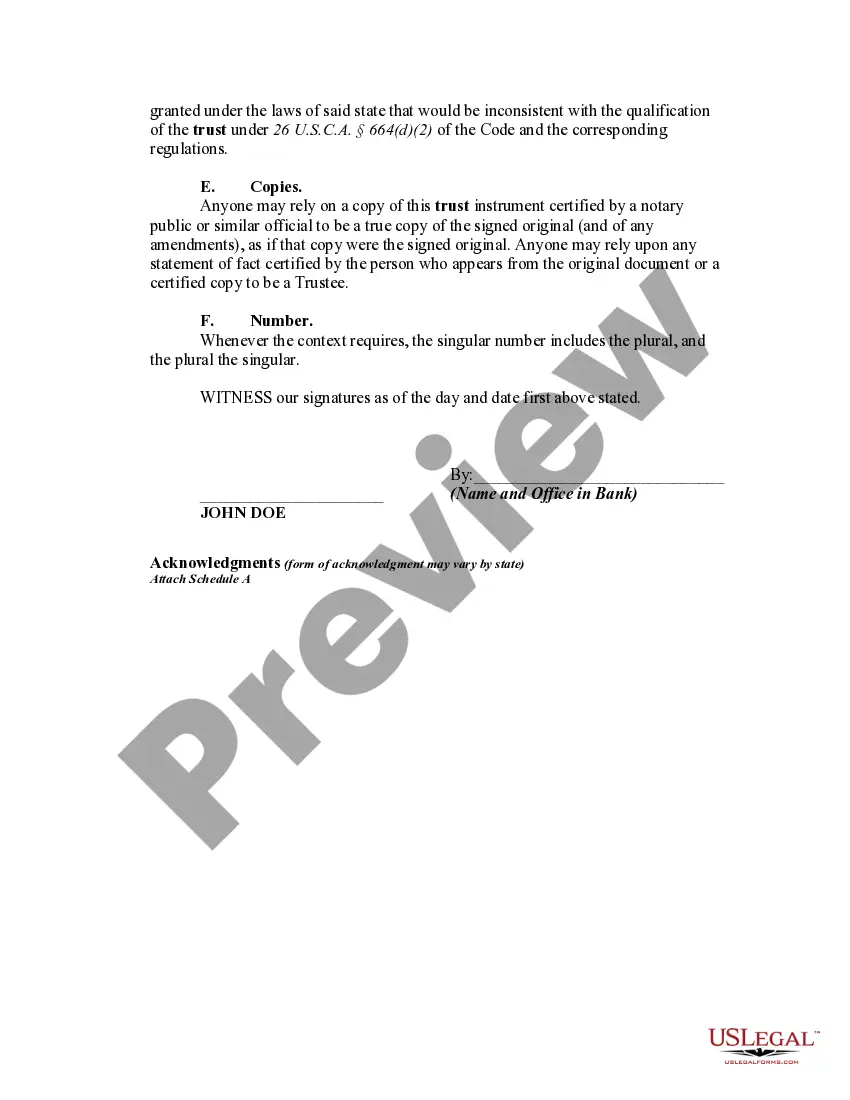
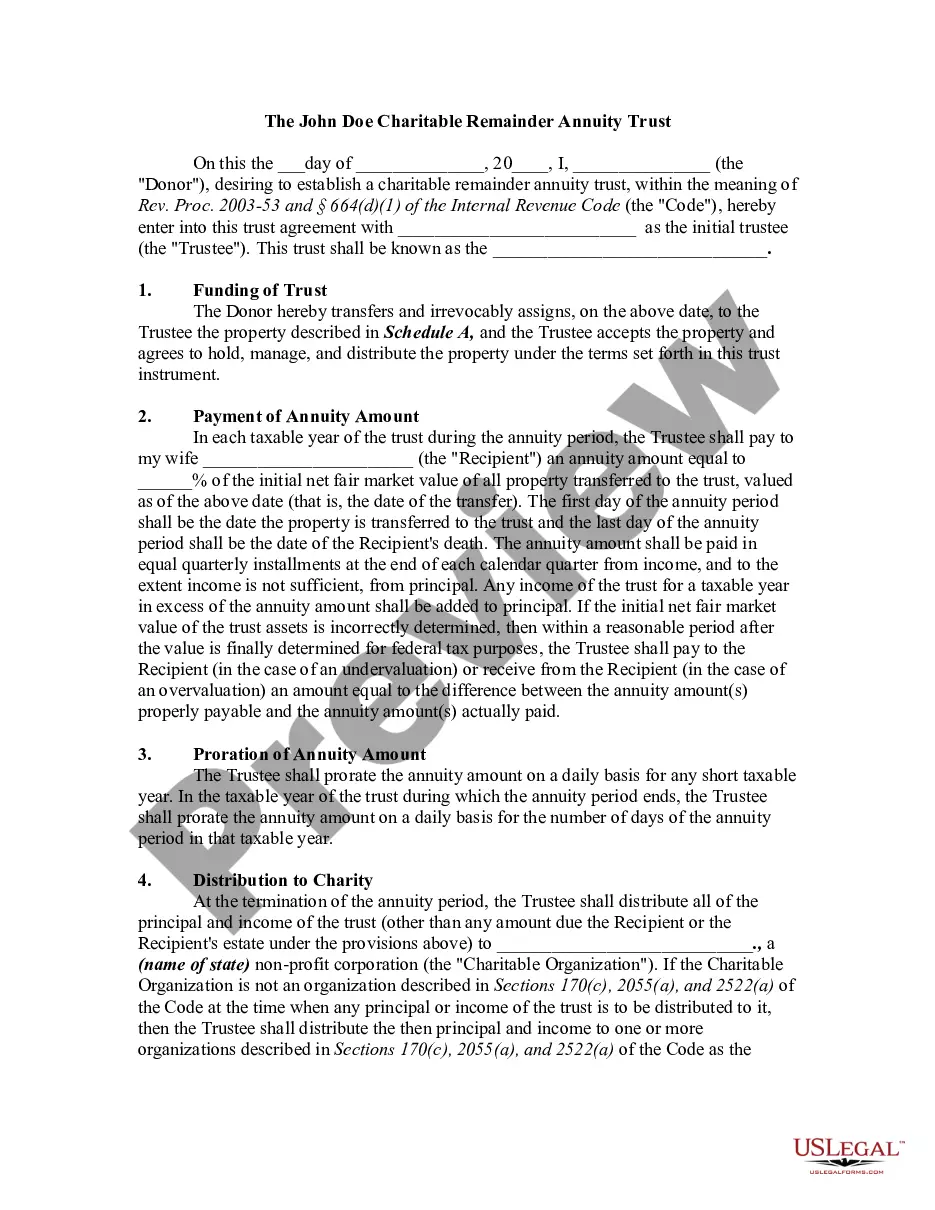
How to fill out Charitable Remainder Inter Vivos Unitrust Agreement?
- Log into your US Legal Forms account if you’re a returning user. Ensure your subscription is active to access all relevant resources.
- Review the preview mode and form description for your desired document. Confirm that it aligns with both your needs and local jurisdiction requirements.
- If necessary, search for other templates using the search tab to find the most appropriate form.
- Once you’ve identified the right document, click the 'Buy Now' button and select a subscription plan that works for you. Creating an account will be mandatory to access the library.
- Proceed to complete your purchase by entering your credit card information or using PayPal for convenience.
- Finally, download your form and save it on your device. You can also access it anytime in the 'My Forms' section of your account.
In conclusion, US Legal Forms makes it easy to obtain legal documents necessary for establishing a Charitable Vivos Unitrust Living Trust. With an expansive library and expert assistance, you can ensure your documents are tailored and compliant.
Start your journey today by visiting US Legal Forms and explore the vast array of resources available to you!
Form popularity
FAQ
The charitable unitrust and annuity trust differ in their payout structures. The charitable unitrust calculates payments as a percentage of the trust's value, which may fluctuate over time. On the other hand, an annuity trust offers a fixed dollar amount for the duration of its term. Recognizing these differences is vital when evaluating which option may best suit your financial and charitable goals, like establishing a charitable vivos unitrust living trust for the nations.
The difference between these two types of trusts is in how the income payments are structured. A charitable remainder annuity trust pays a fixed amount throughout its term, while a charitable remainder unitrust provides a variable income based on a set percentage of the trust's assets. This distinction can significantly affect your financial planning, particularly if you are considering a charitable vivos unitrust living trust for the nations.
One of the main disadvantages of a charitable trust is the lack of flexibility once the trust is established; you cannot easily change the beneficiaries or terms. Additionally, the trust might incur administrative costs and tax implications, which can affect your overall investment. Moreover, you commit your assets for a long period, potentially limiting your access to funds. It's important to weigh these factors if you consider a charitable vivos unitrust living trust for the nations.
While a charitable remainder trust offers benefits, it also has downsides. These include the complexity of setting up the trust and ongoing administrative responsibilities. Additionally, if the trust assets do not perform well, your income may decrease, affecting your financial planning. Therefore, it's crucial to evaluate your specific situation and options when considering a charitable vivos unitrust living trust for the nations.
The main difference lies in how payments are calculated. An annuity trust pays a fixed dollar amount annually, regardless of the trust's performance. Conversely, a unitrust distributes a percentage of the trust's assets, which can fluctuate each year, based on its value. This variability can impact your income depending on the performance of the assets held in the charitable vivos unitrust living trust for the nations.
A charitable gift annuity involves a donor making a gift to a charity in exchange for a fixed income for life. In contrast, a charitable trust, including a charitable unitrust, holds assets that provide income to the donor and then benefit a charity after the trust term ends. Understanding these distinctions helps you decide which option aligns best with your financial goals, especially if you are considering establishing a charitable vivos unitrust living trust for the nations.
A charitable unitrust is a unique financial tool that allows you to contribute assets to a trust where you receive income for a specified period, usually your lifetime. After this period, the remaining assets go to a charitable organization of your choice. This setup not only benefits the charity but also provides you with potential tax advantages and a steady income stream.
Yes, a charitable trust is required to file a tax return under certain circumstances. Generally, if the trust has gross income of $100 or more during the year, it must file Form 5227. It is important to stay informed about these requirements to maintain compliance, especially when managing a charitable vivos unitrust living trust for the nations.
The IRS form designated for a charitable trust is Form 5227. This form records the details about the trust, including its income, expenses, and any distributions made to beneficiaries. It is essential for compliance with tax regulations concerning charitable vivos unitrust living trusts for the nations, and ensuring that all necessary information is reported accurately.
Generating Form 5227 for a charitable trust can be done through a few steps. You need to gather financial information about the trust’s income and distributions. Using online resources such as US Legal Forms can simplify this process, as they provide templates that guide you through compiling the necessary information and generating the form needed for your charitable vivos unitrust living trust for the nations.