Charitable Vivos Unitrust Agreement Statement For The Future
Description

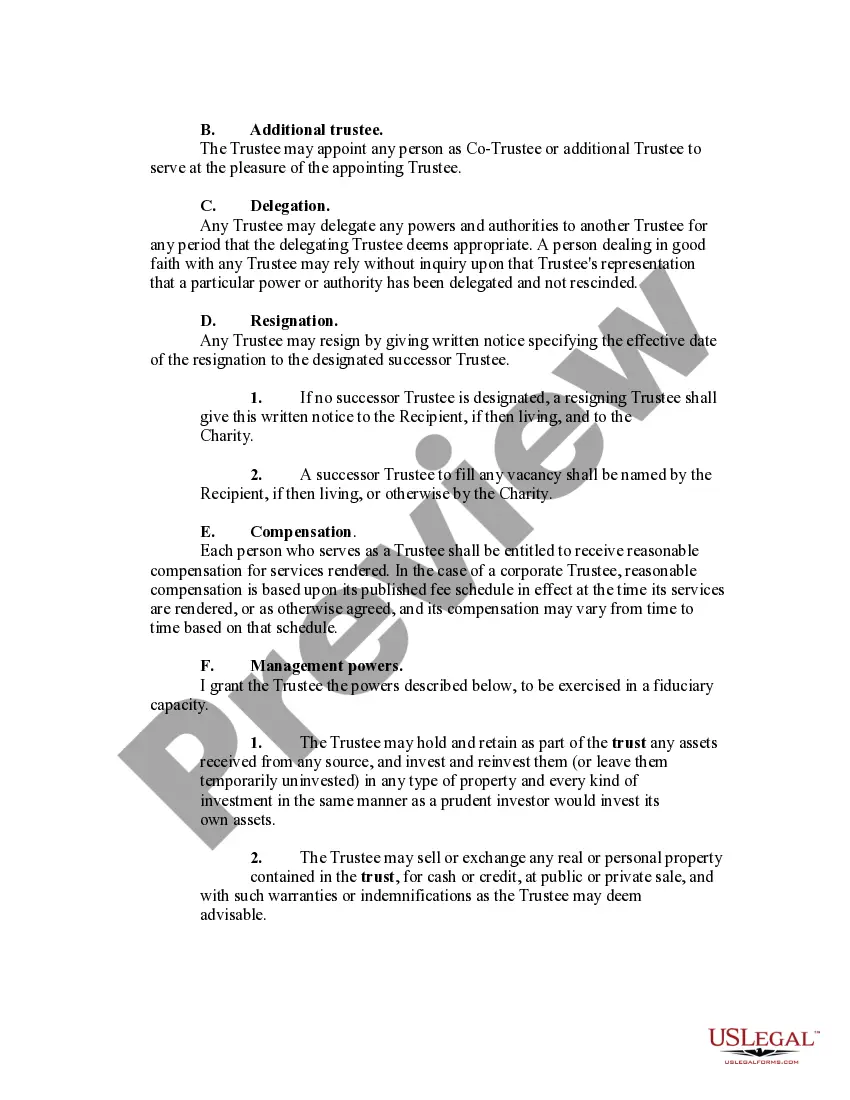
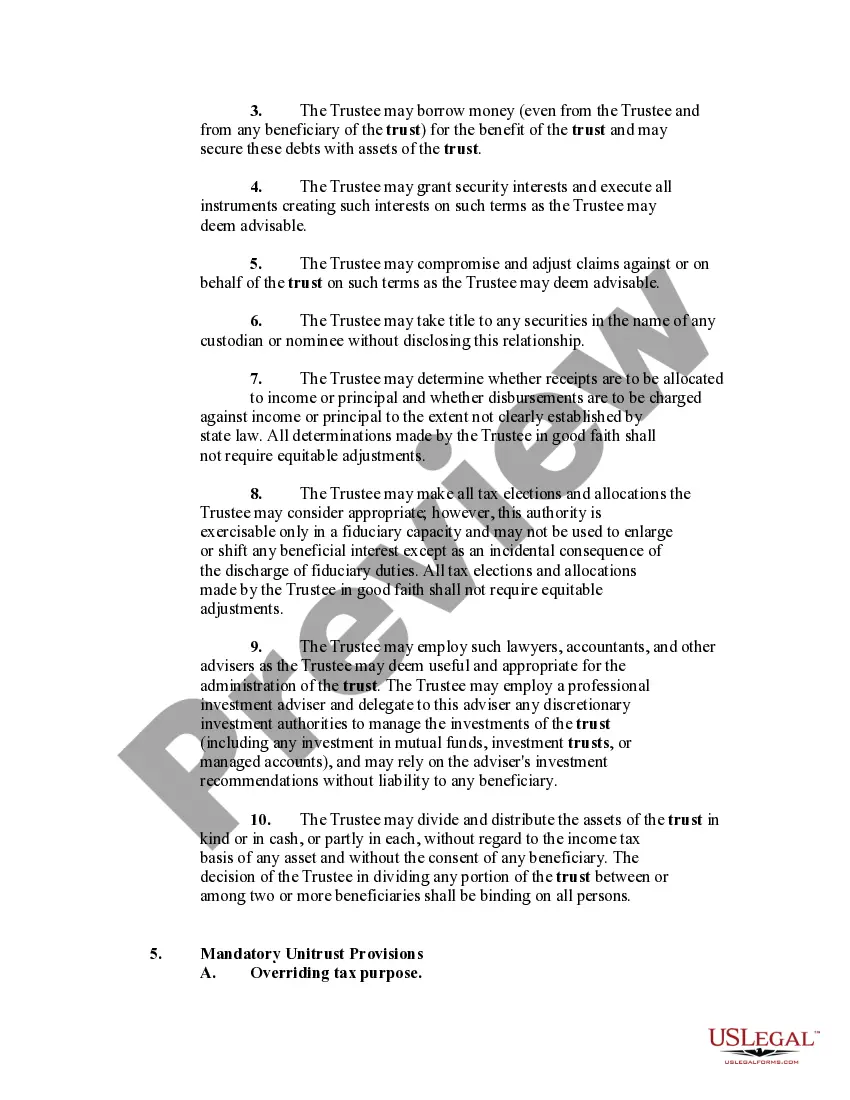
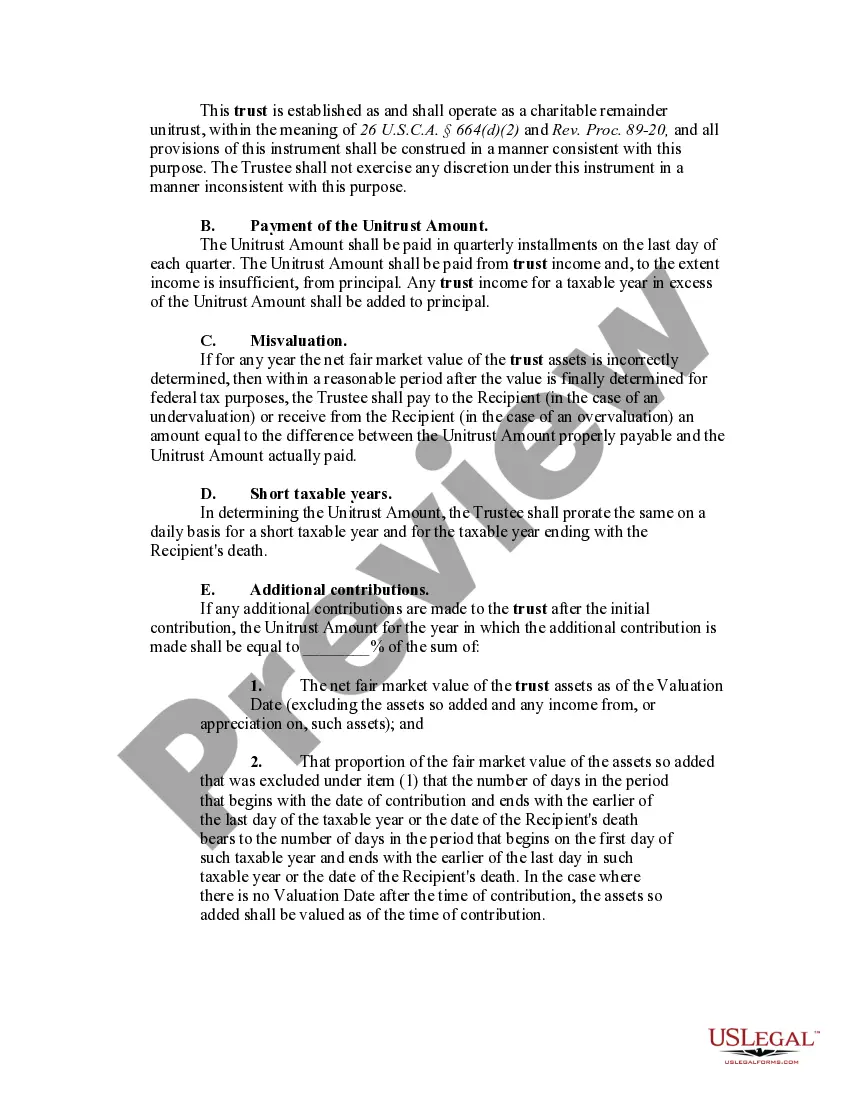
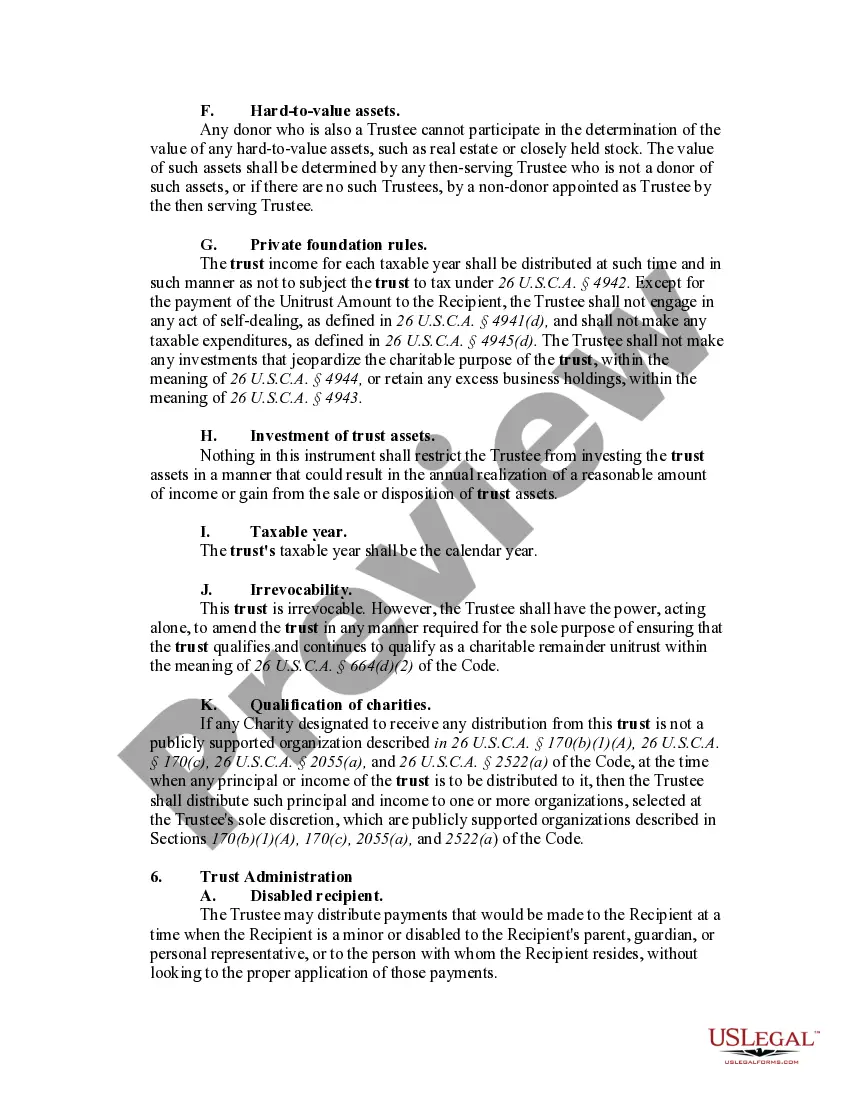
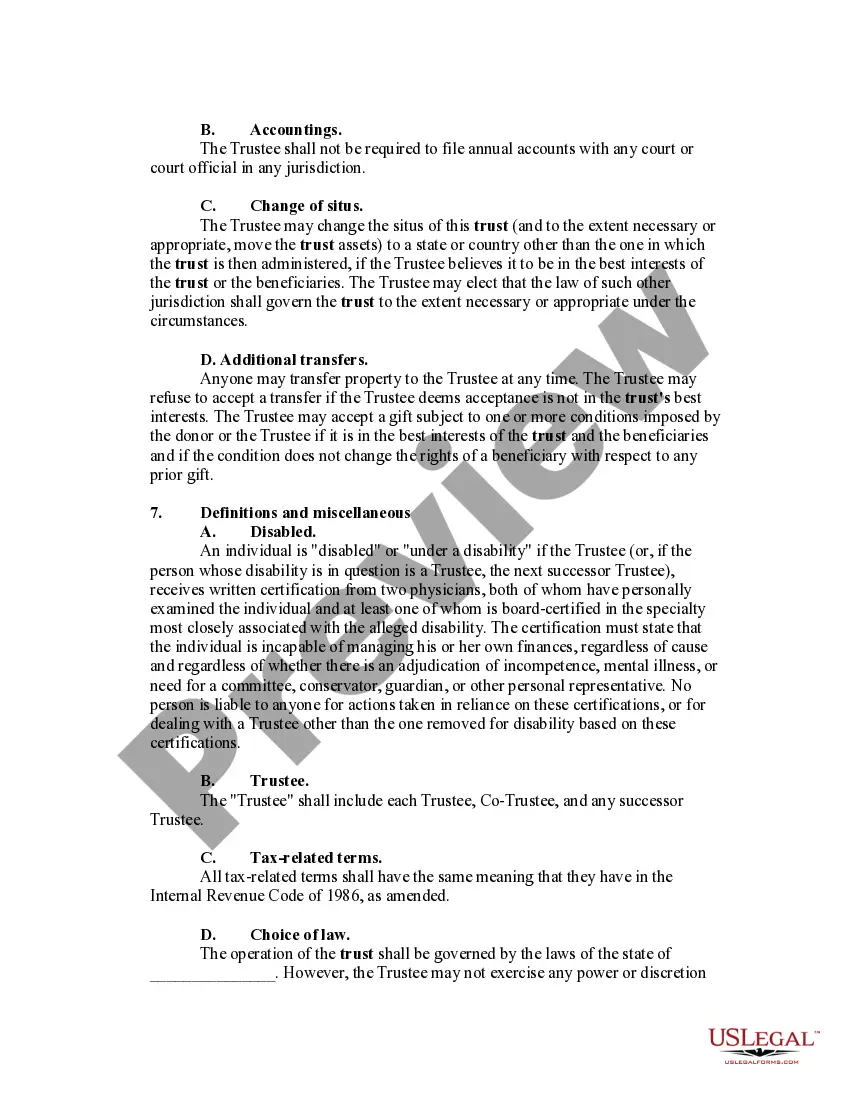
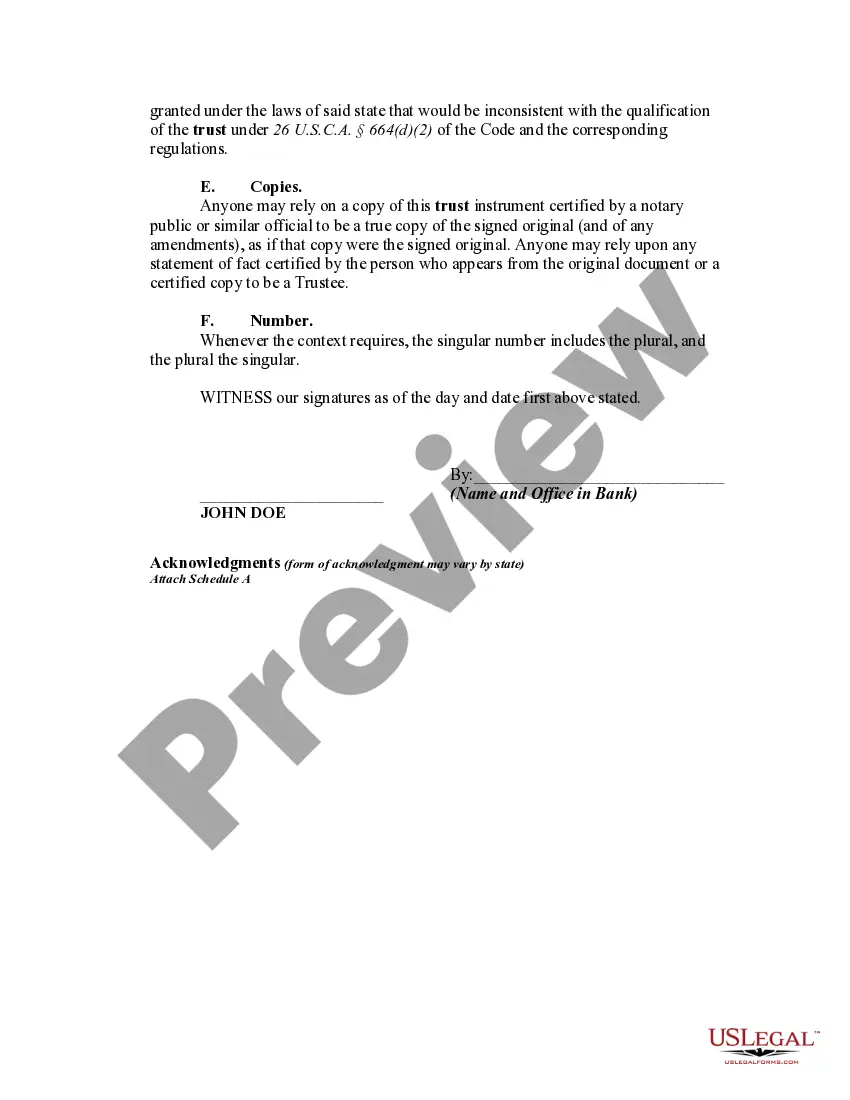
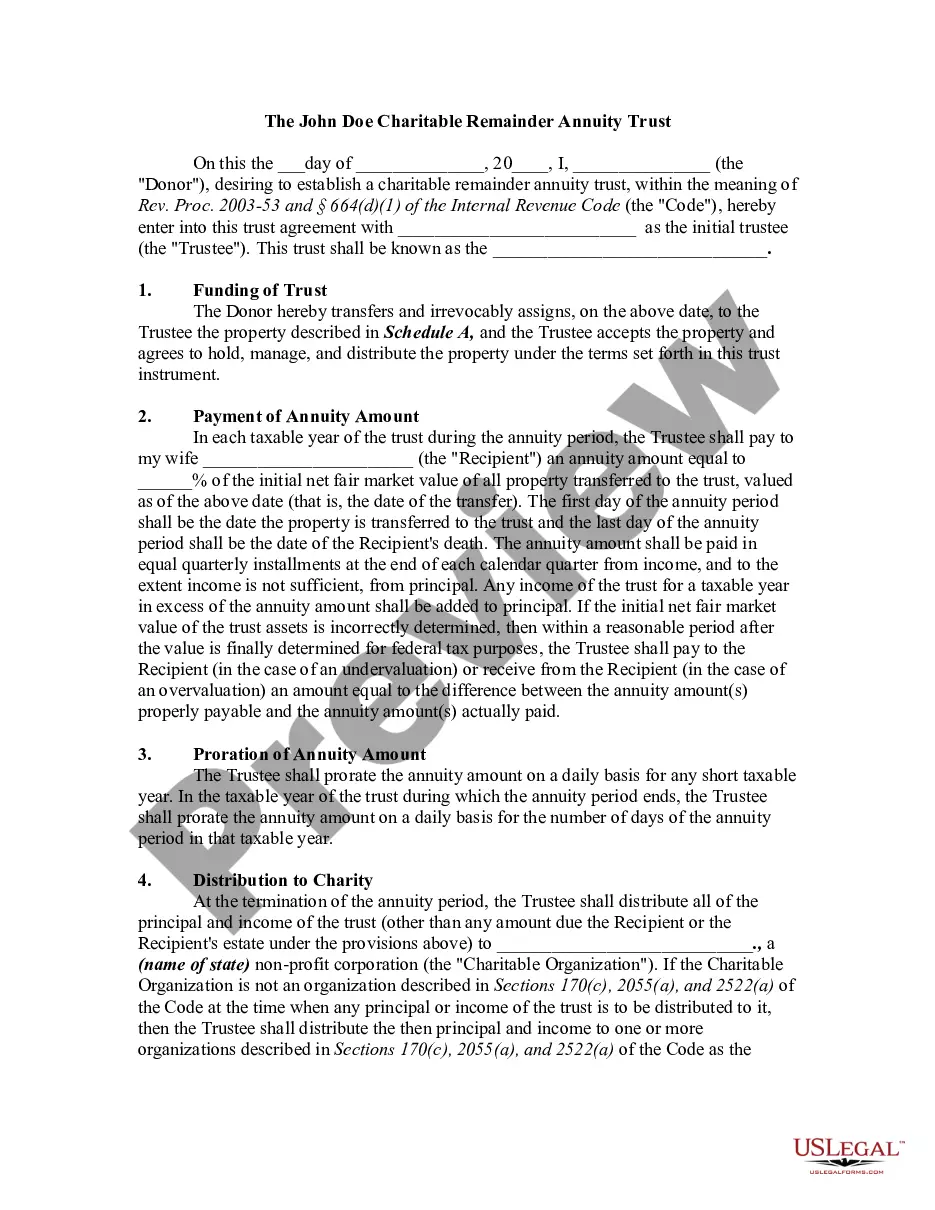
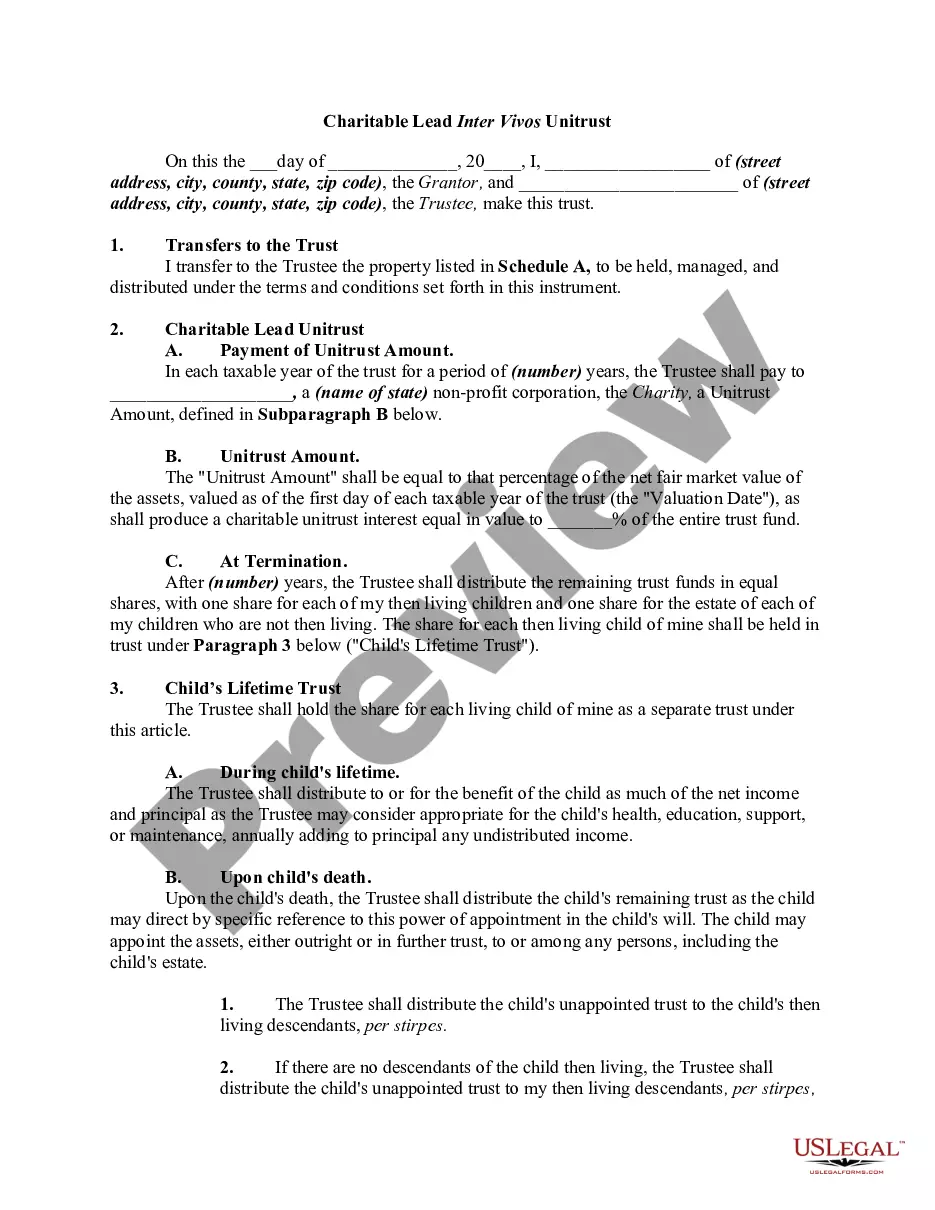
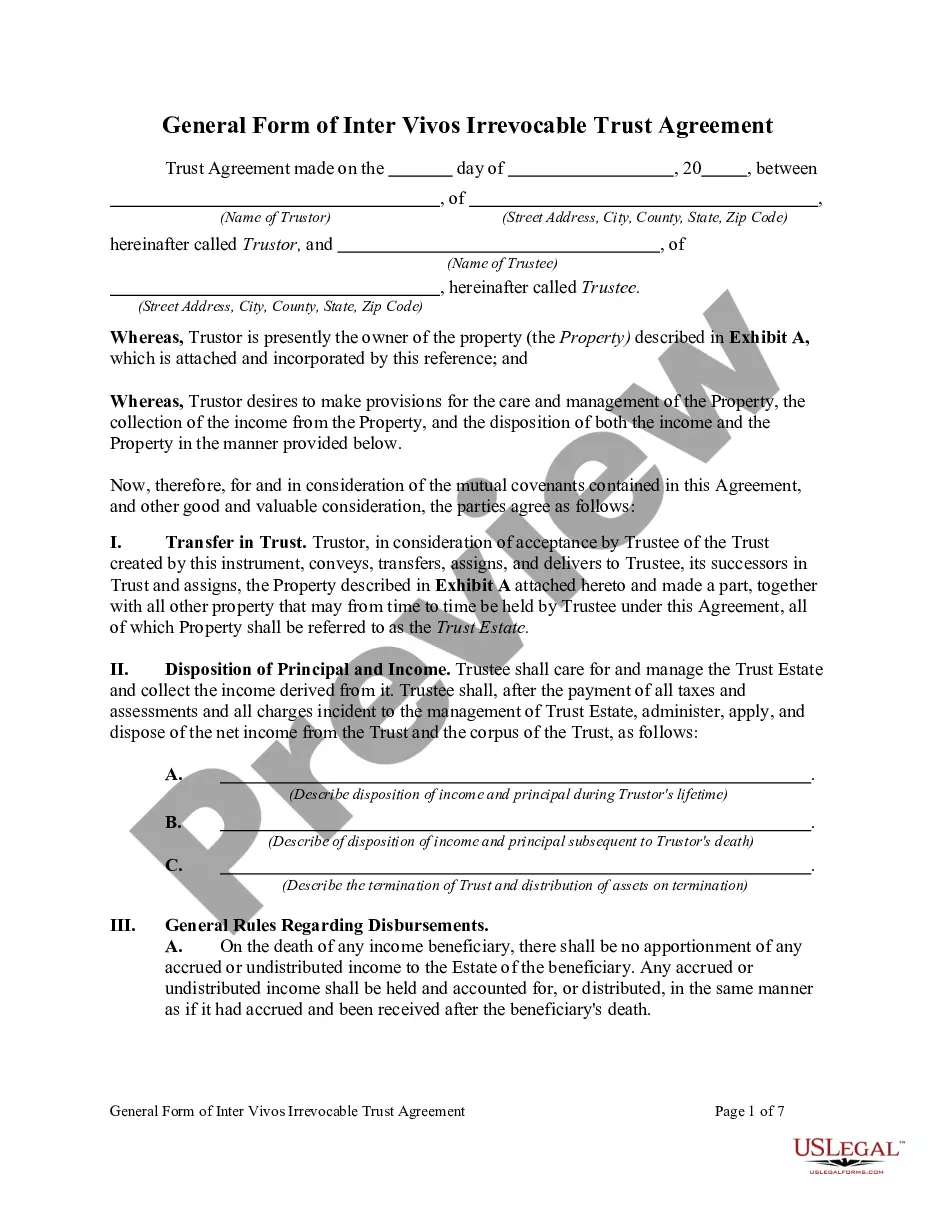
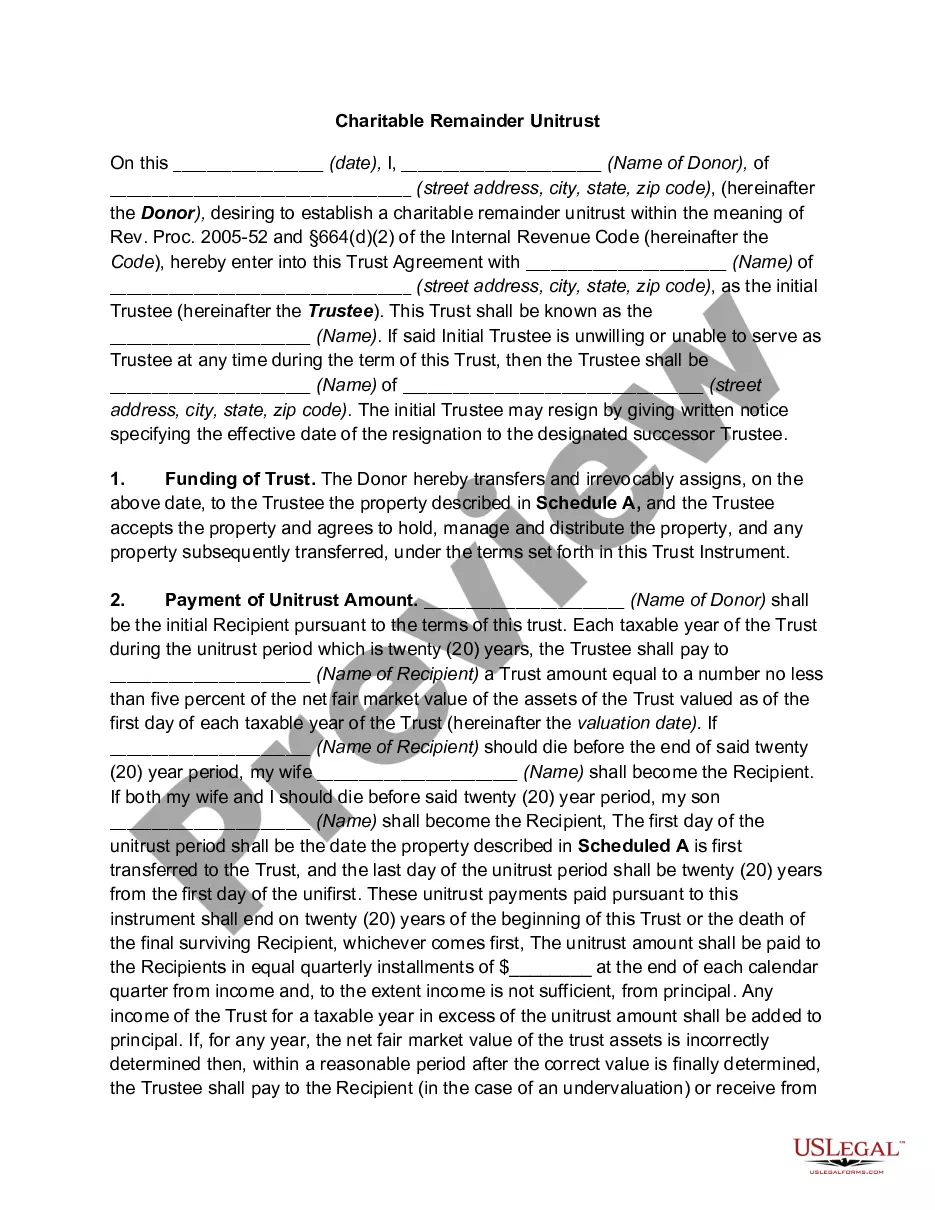
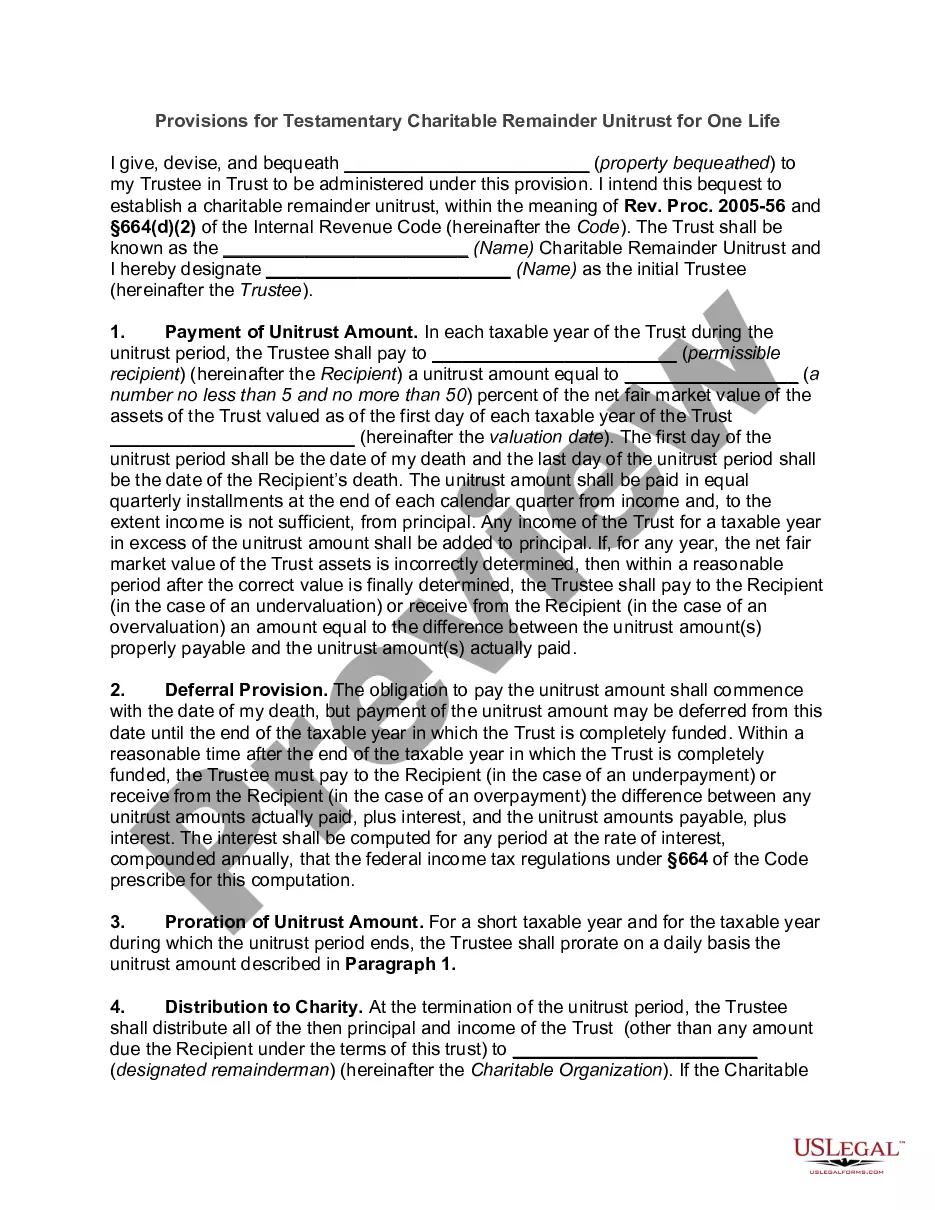
Get your form ready online
Our built-in tools help you complete, sign, share, and store your documents in one place.
Make edits, fill in missing information, and update formatting in US Legal Forms—just like you would in MS Word.
Download a copy, print it, send it by email, or mail it via USPS—whatever works best for your next step.
Sign and collect signatures with our SignNow integration. Send to multiple recipients, set reminders, and more. Go Premium to unlock E-Sign.
If this form requires notarization, complete it online through a secure video call—no need to meet a notary in person or wait for an appointment.
We protect your documents and personal data by following strict security and privacy standards.

Make edits, fill in missing information, and update formatting in US Legal Forms—just like you would in MS Word.

Download a copy, print it, send it by email, or mail it via USPS—whatever works best for your next step.

Sign and collect signatures with our SignNow integration. Send to multiple recipients, set reminders, and more. Go Premium to unlock E-Sign.

If this form requires notarization, complete it online through a secure video call—no need to meet a notary in person or wait for an appointment.

We protect your documents and personal data by following strict security and privacy standards.
Looking for another form?
How to fill out Charitable Remainder Inter Vivos Unitrust Agreement?
- If you're already a member, log in to your account and select the needed template to download it easily.
- For first-time users, begin by browsing or searching for the Charitable Vivos Unitrust Agreement Statement. Preview its details to ensure it meets your jurisdiction's requirements.
- If necessary, use the search function to locate other relevant forms that may better suit your needs.
- Once you find the correct form, click the Buy Now button and select a subscription plan that fits your needs while creating an account for access.
- Complete your purchase by entering your payment details via credit card or PayPal.
- Now, download your form directly to your device, ensuring it’s stored in your My Forms section for easy access in the future.
With US Legal Forms, you not only get access to a vast collection of forms but also benefit from expert assistance during the completion process, ensuring that your documents are accurate and compliant.
Start your journey towards effective estate planning today with US Legal Forms. Access now and simplify your charitable giving!
Form popularity
FAQ
A charitable remainder trust can be worth your investment if you aim to provide for heirs while benefiting a charity. By establishing this trust, you receive income for a specified term, and then the remaining assets go to the charity. This setup can provide significant tax benefits and help fulfill long-term charitable goals, aligning with the intent of a charitable vivos unitrust agreement statement for the future.
While charitable trusts, such as a charitable vivos unitrust agreement statement for the future, offer many advantages, they also come with some disadvantages. One main concern is the irrevocable nature of these trusts, making it difficult to change beneficiaries or terms once established. Additionally, they can involve complex regulations and require ongoing management, which can lead to additional administrative costs.
A charitable remainder trust (CRT) distributes income to beneficiaries before donating the remaining trust assets to charity, while a charitable lead trust (CLT) provides income to charity for a set term before transferring the remaining assets to beneficiaries. Understanding these differences is crucial in shaping your Charitable vivos unitrust agreement statement for the future, as each trust serves different philanthropic goals.
A charitable lead trust (CLT) can last for a specified term of up to 20 years or until the death of the income beneficiary, depending on the trust's structure. This period allows the trust to provide income to the charity before eventually transferring the remaining assets to the beneficiaries. As you explore your options, think about how your Charitable vivos unitrust agreement statement for the future will affect both charities and heirs.
Advised Fund (DAF) allows individuals to recommend grants to charitable organizations over time, while a charitable remainder trust (CRT) provides immediate tax benefits along with fixed or variable distributions to beneficiaries. Each option has unique benefits, and understanding them can help you make informed decisions in your Charitable vivos unitrust agreement statement for the future.
There is no specific age limit for establishing a charitable remainder trust (CRT). However, the age of the individual can affect the payout percentages and tax benefits. When planning your Charitable vivos unitrust agreement statement for the future, consider how age may influence the structure and advantages of your trust.
The maximum term for a charitable remainder unitrust (CRUT) is typically set at 20 years. This time limit ensures that charitable distributions occur before the assets are transferred to the charity. By considering the duration carefully, you can create an effective Charitable vivos unitrust agreement statement for the future that aligns with your giving goals.
A charitable remainder trust (CRT) provides fixed payments to beneficiaries, calculated from the trust's initial value. In contrast, a charitable remainder unitrust (CRUT) offers variable payments based on the trust's current valuation each year. This flexibility in a CRUT can be beneficial as you consider your Charitable vivos unitrust agreement statement for the future.
A standard trust typically provides fixed distributions to beneficiaries, while a unitrust distributes a percentage of the trust's annual value. This means that unitrust beneficiaries may receive varying amounts each year based on the trust's performance. Understanding this distinction is important when crafting your Charitable vivos unitrust agreement statement for the future, as it directly affects financial planning.
The maximum term for a charitable remainder unitrust (CRUT) is generally 20 years. This limit helps ensure that the unitrust provides a benefit to the charitable organization within a reasonable timeframe. Planning your Charitable vivos unitrust agreement statement for the future can help maximize benefits for both the donor and the organization.