Charitable Vivos Unitrust Agreement File For Insurance Purposes
Description
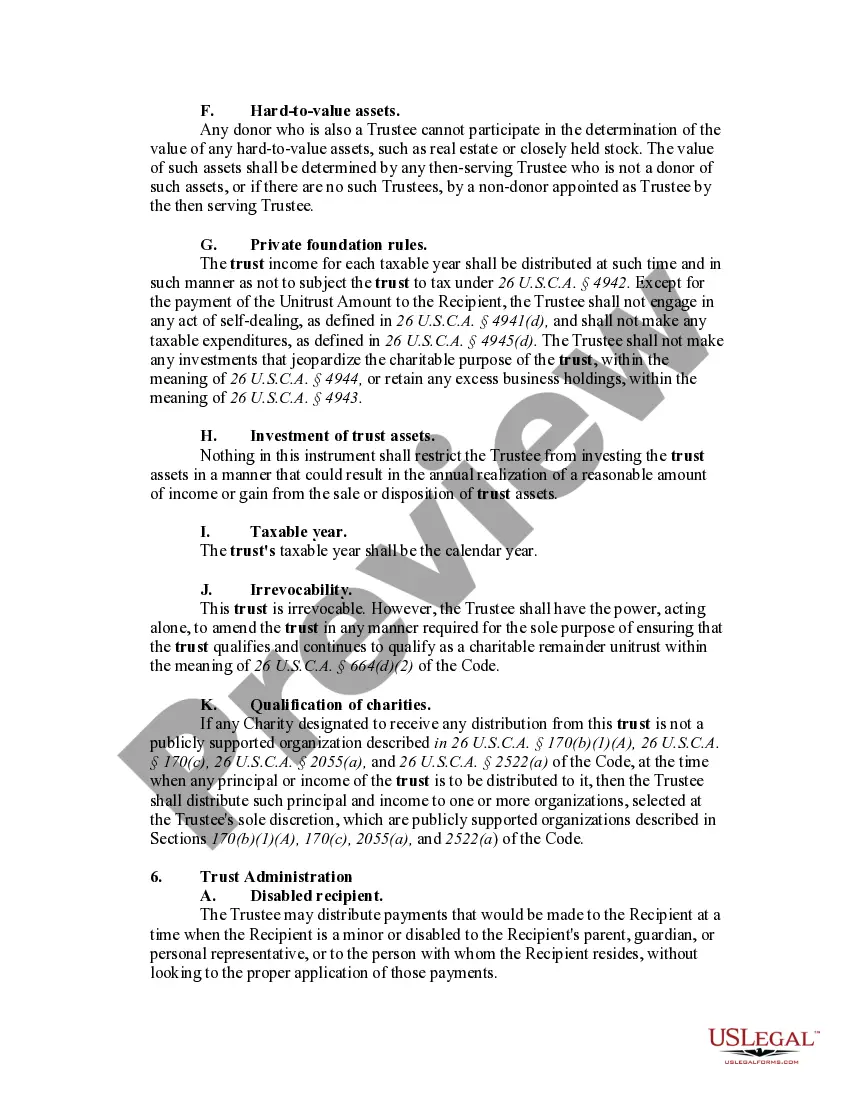
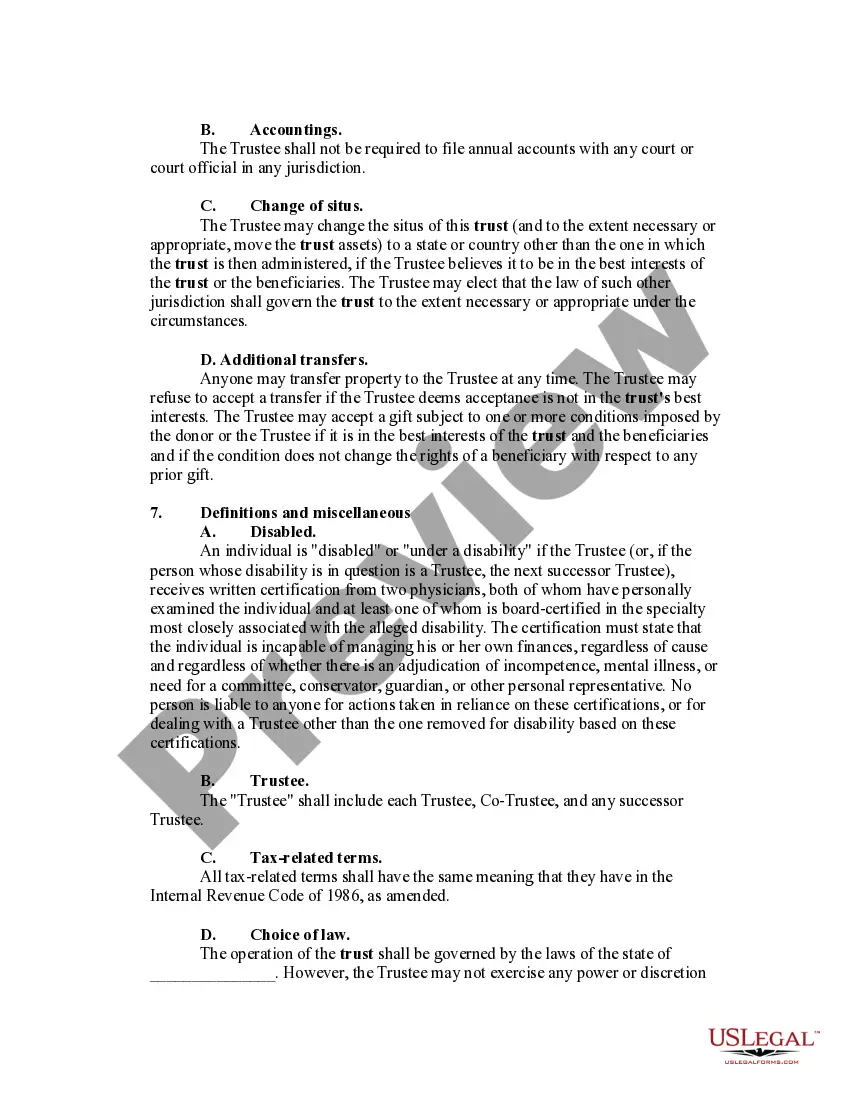
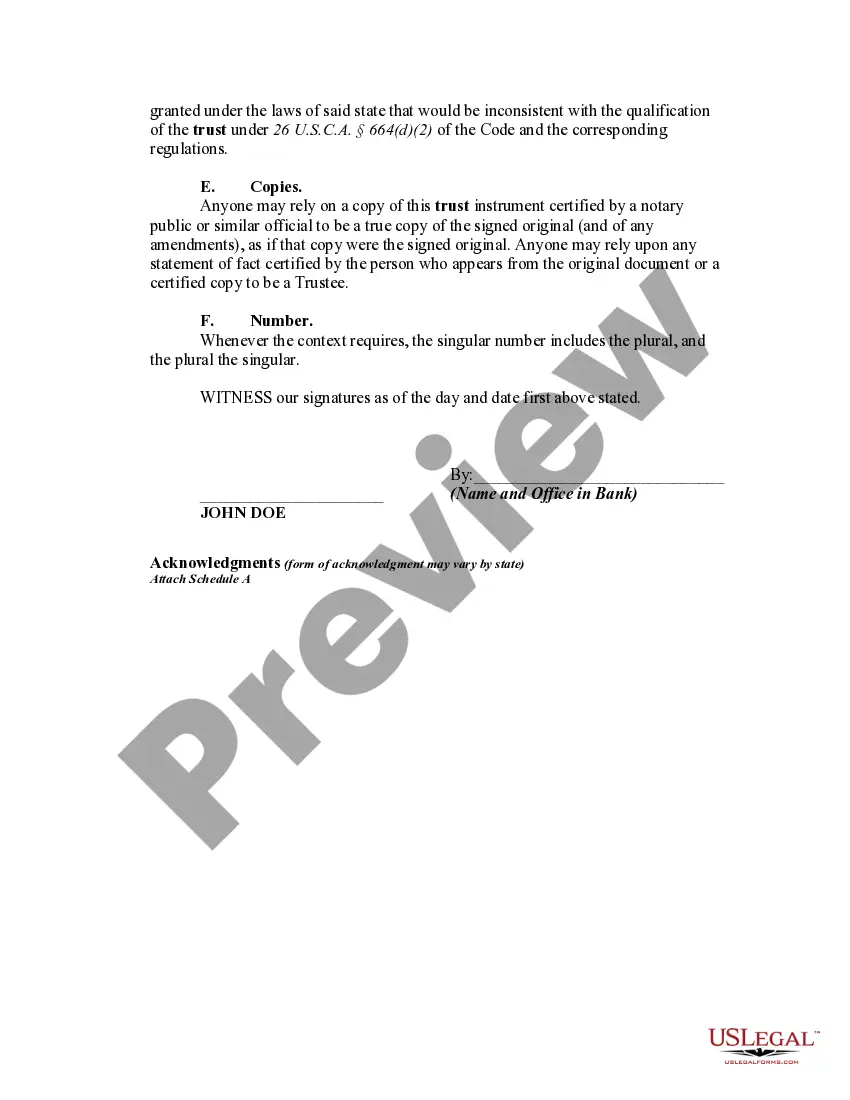
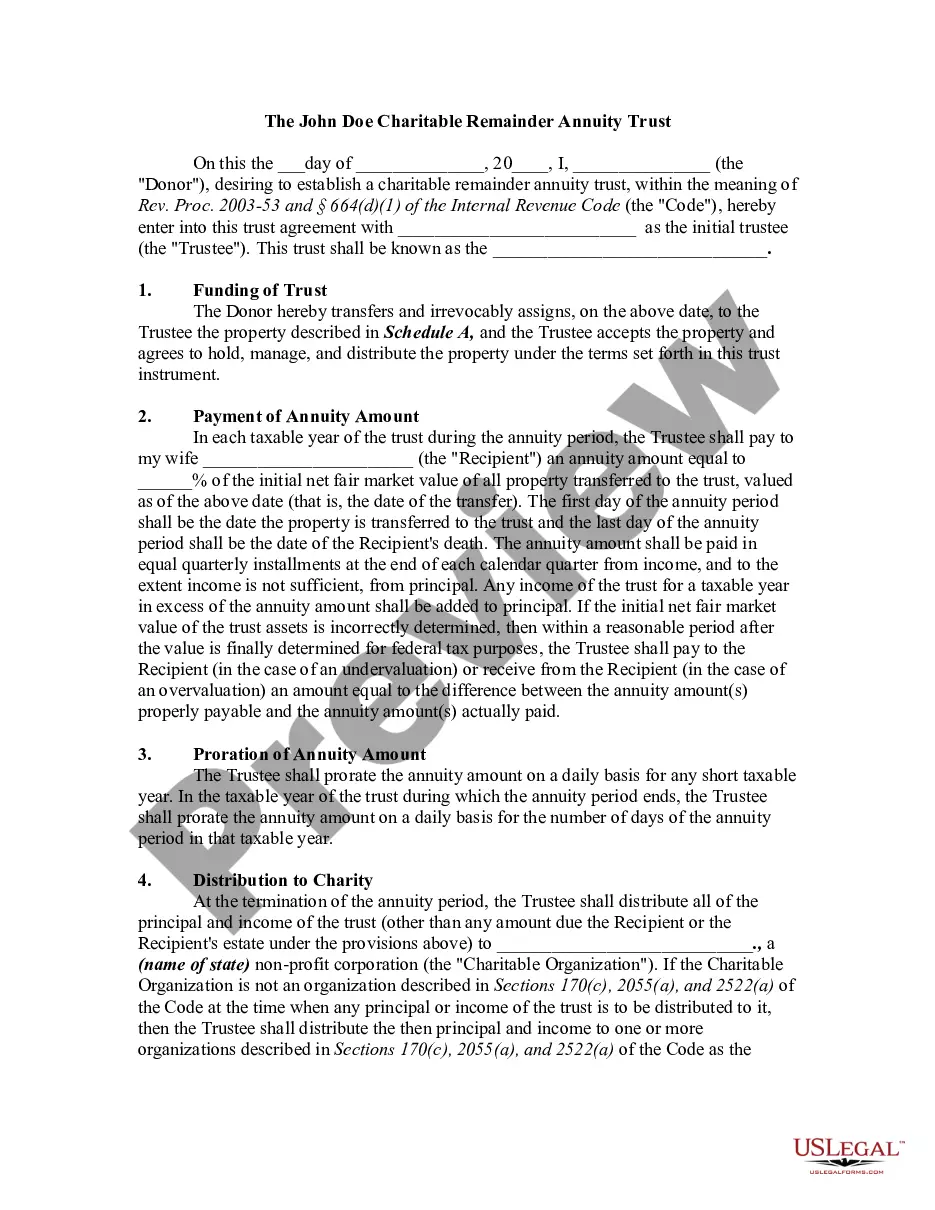
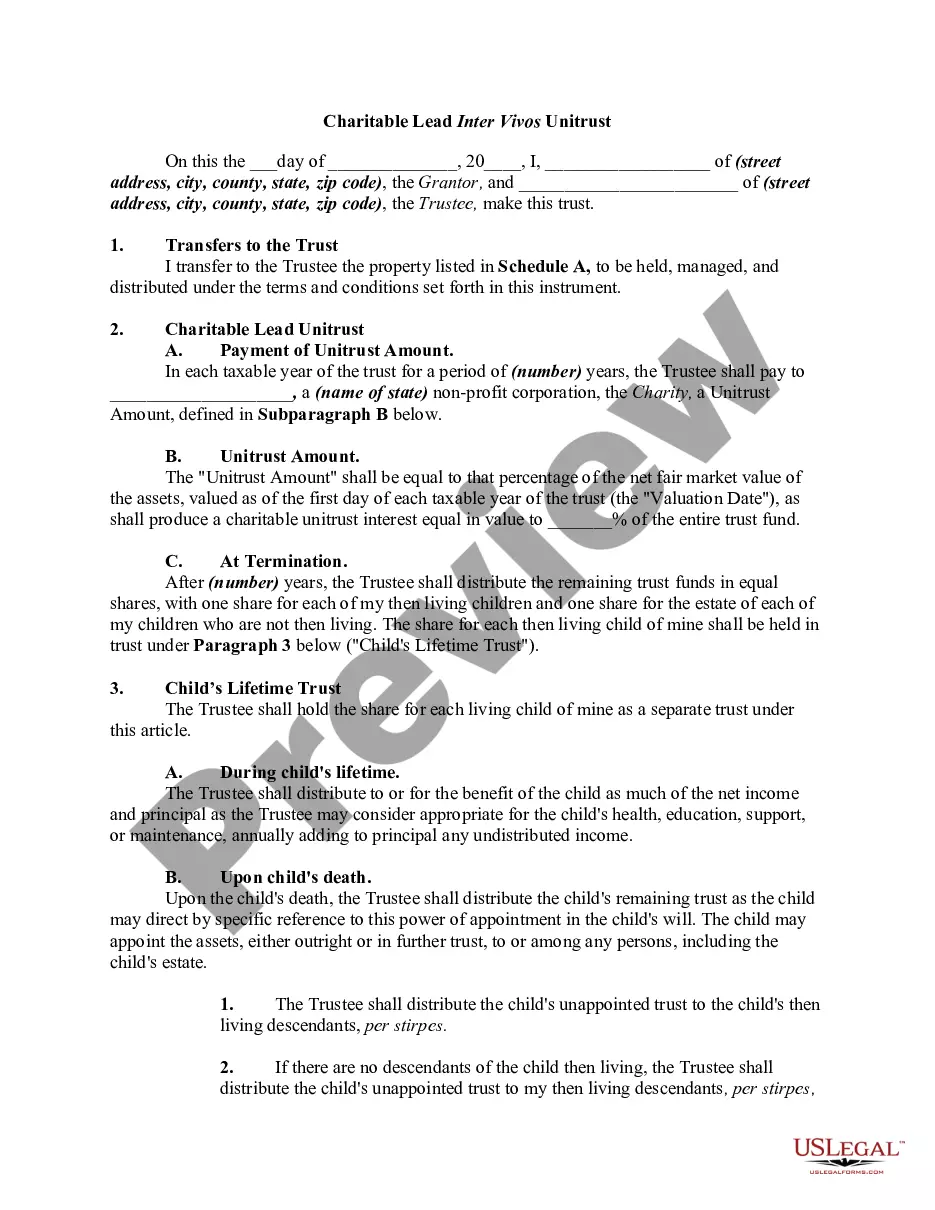
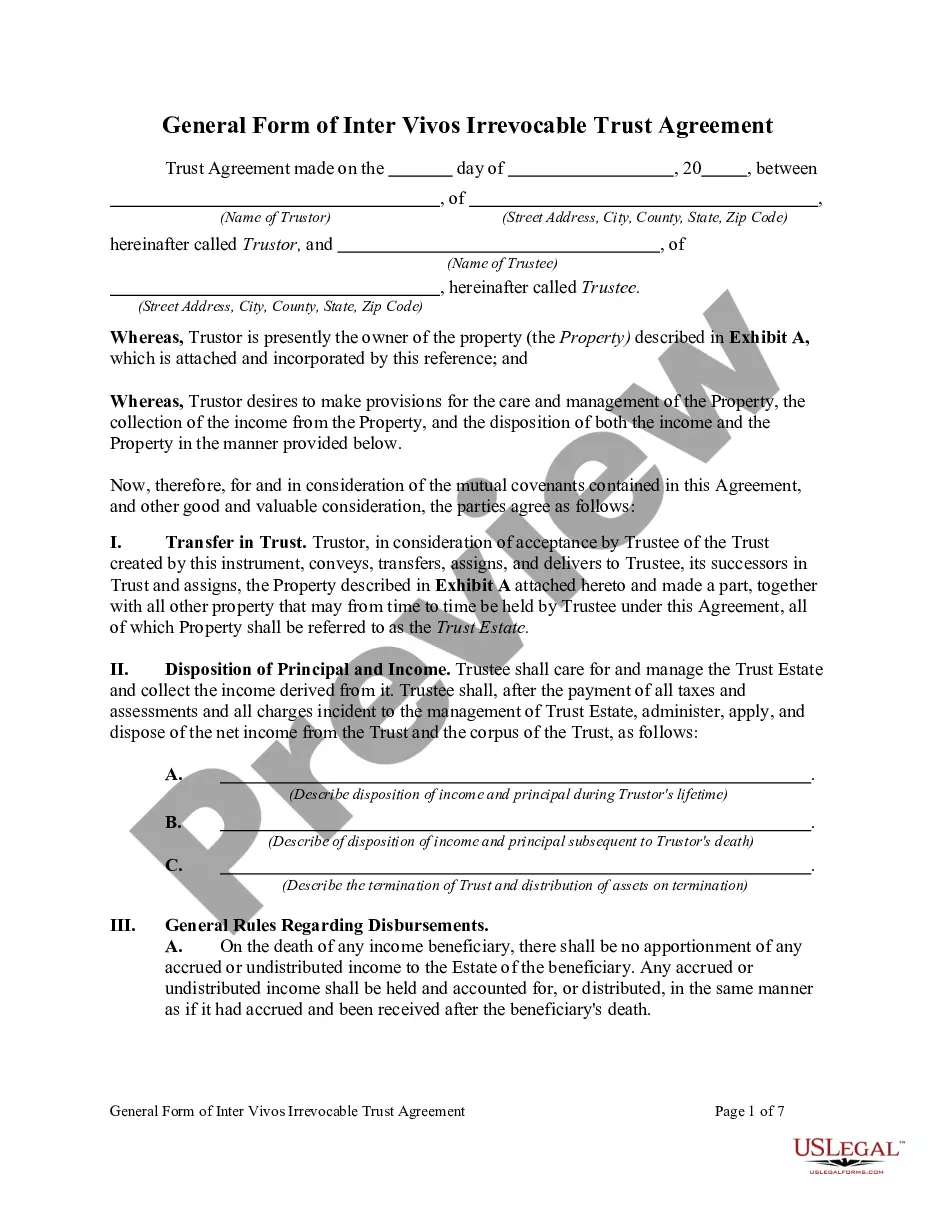
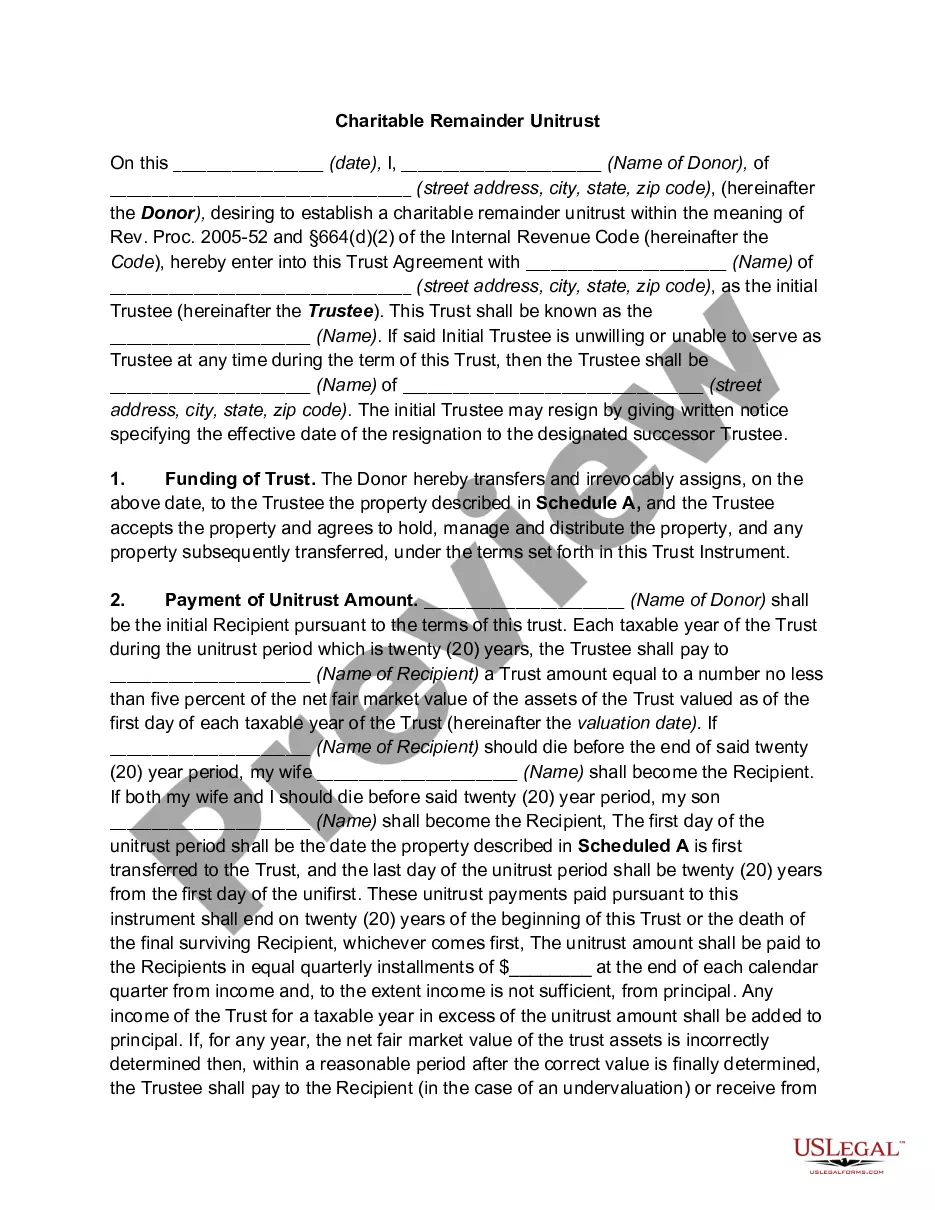
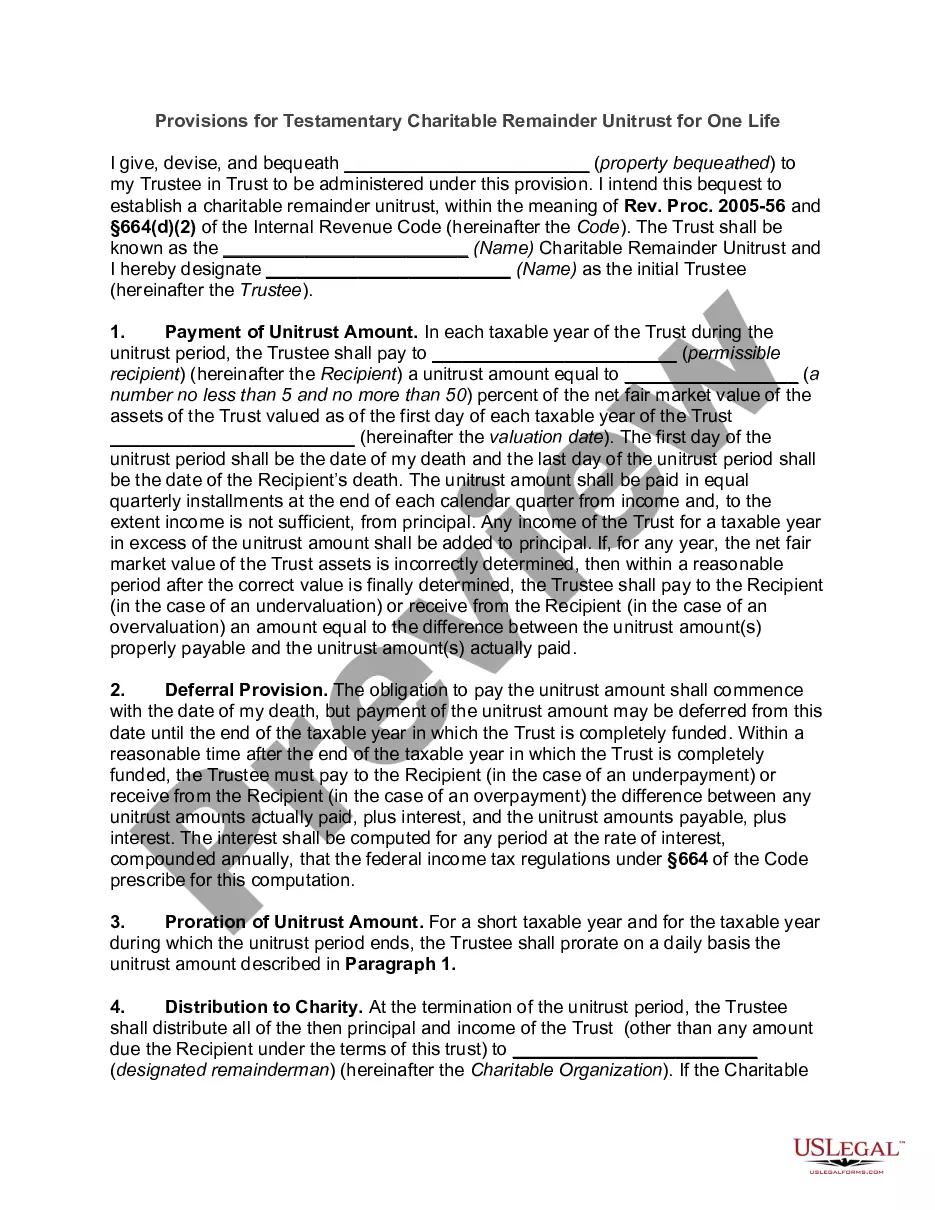
Get your form ready online
Our built-in tools help you complete, sign, share, and store your documents in one place.
Make edits, fill in missing information, and update formatting in US Legal Forms—just like you would in MS Word.
Download a copy, print it, send it by email, or mail it via USPS—whatever works best for your next step.
Sign and collect signatures with our SignNow integration. Send to multiple recipients, set reminders, and more. Go Premium to unlock E-Sign.
If this form requires notarization, complete it online through a secure video call—no need to meet a notary in person or wait for an appointment.
We protect your documents and personal data by following strict security and privacy standards.

Make edits, fill in missing information, and update formatting in US Legal Forms—just like you would in MS Word.

Download a copy, print it, send it by email, or mail it via USPS—whatever works best for your next step.

Sign and collect signatures with our SignNow integration. Send to multiple recipients, set reminders, and more. Go Premium to unlock E-Sign.

If this form requires notarization, complete it online through a secure video call—no need to meet a notary in person or wait for an appointment.

We protect your documents and personal data by following strict security and privacy standards.
Looking for another form?







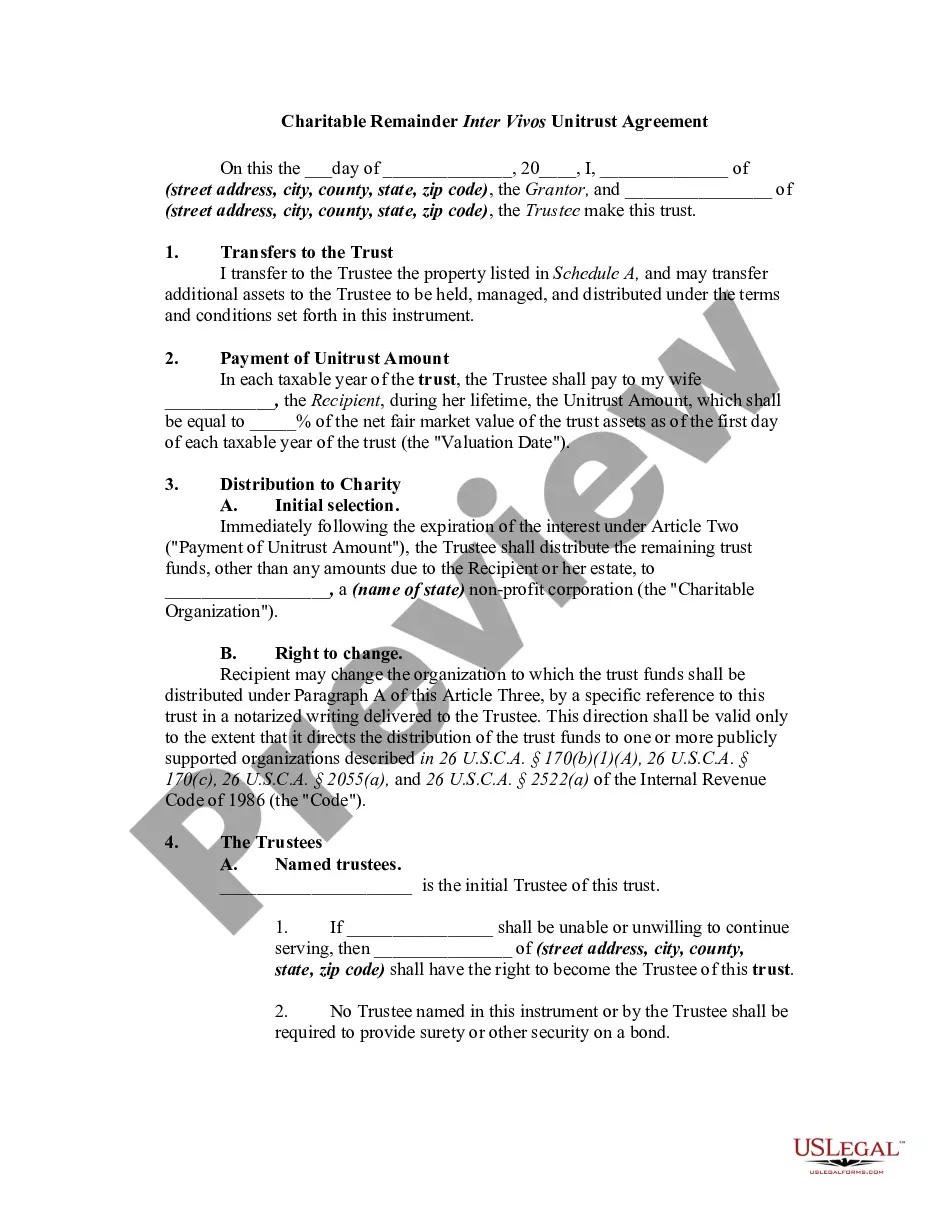
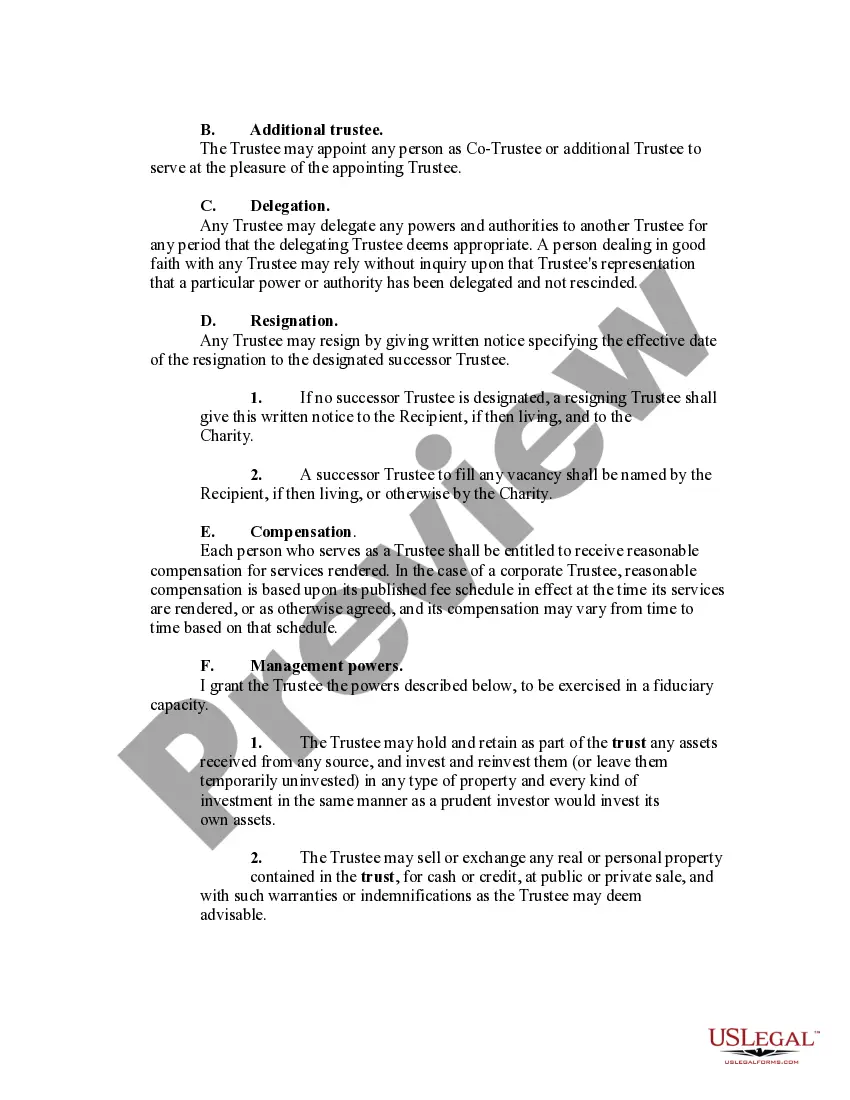
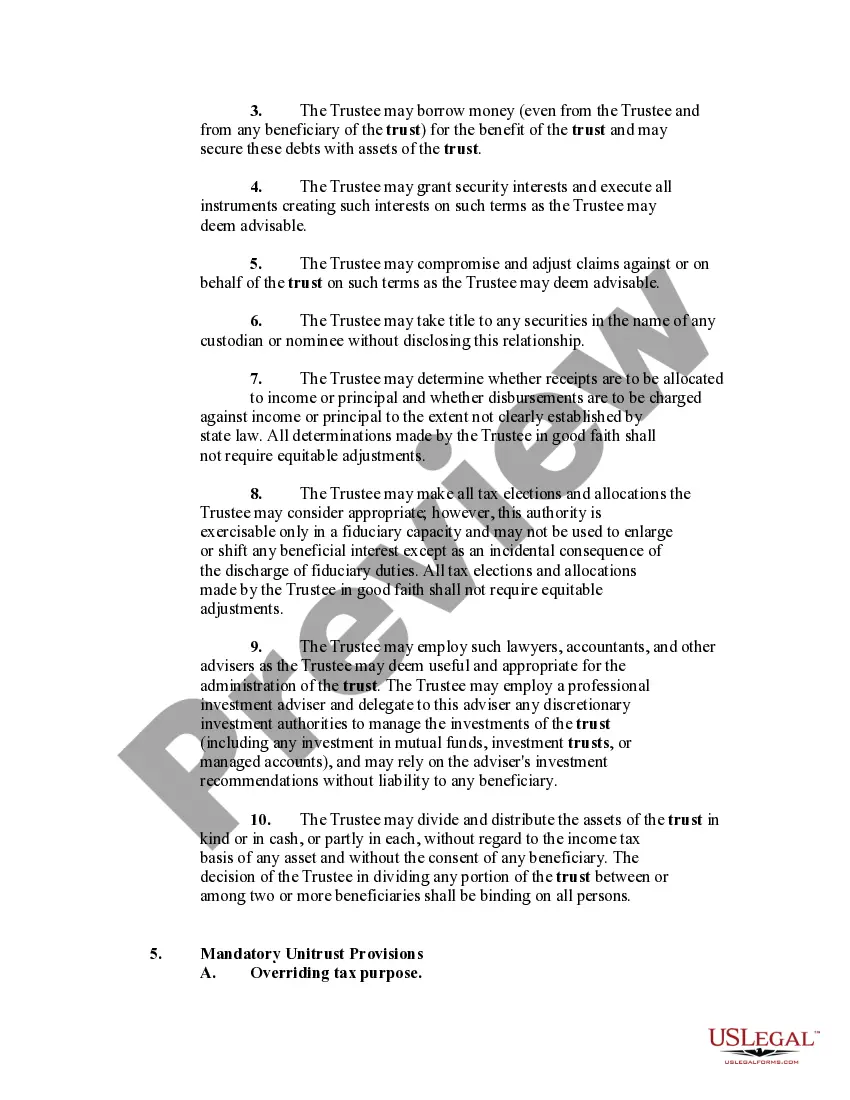
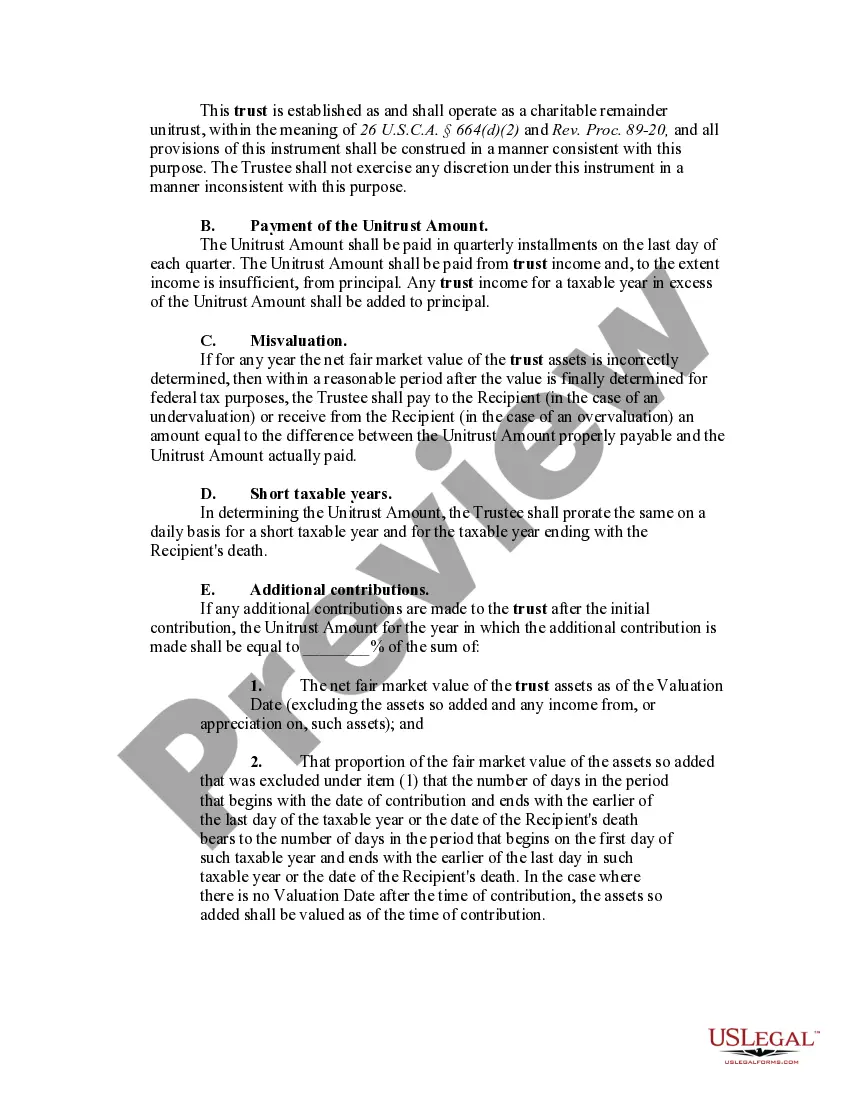
How to fill out Charitable Remainder Inter Vivos Unitrust Agreement?
- Login to your US Legal Forms account if you're an existing user. Confirm your subscription is active to avoid any interruptions.
- If you're new, start by reviewing the preview mode and description of the charitable vivos unitrust agreement to ensure it matches your needs and complies with local laws.
- Utilize the Search tab if you need another template, ensuring you select the most relevant document for your requirements.
- Purchase the document by clicking the 'Buy Now' button and choose your preferred subscription plan. You'll need to create an account to enjoy full access to the library.
- Complete the payment by providing your credit card information or using your PayPal account.
- Download the completed form to your device. For future access, find it anytime in the 'My Forms' section of your profile.
With US Legal Forms, executing legal documents becomes a quick and seamless process. Their robust collection not only offers a vast selection of forms at competitive prices but also connects you with premium experts for precise document completion.
Get started today by visiting US Legal Forms and ensure your charitable vivos unitrust agreement is secure and accessible!
Form popularity
FAQ
Yes, you can create your own charitable remainder trust, provided you adhere to the legal requirements involved. Begin by preparing a charitable vivos unitrust agreement file for insurance purposes that details the trust's terms and conditions. Resources, such as uslegalforms, offer customizable templates that simplify the creation process, ensuring your trust meets all necessary legal standards and effectively reflects your intentions.
Setting up a Charitable Remainder Unitrust (CRUT) involves drafting a charitable vivos unitrust agreement file for insurance purposes that meets IRS regulations. First, determine the assets you want to fund the trust and define how the income will be distributed yearly. Utilize platforms like uslegalforms to access templates and resources that guide you in creating a legally sound CRUT that aligns with your philanthropic goals.
To generate Form 5227 for a charitable trust, start by gathering your financial information related to the charitable vivos unitrust agreement file for insurance purposes. You can use online tools or services that specialize in charitable trust documentation, which can streamline this process significantly. Additionally, working with a tax professional familiar with charitable trusts can ensure that your Form 5227 is accurately completed and submitted according to IRS guidelines.
Form 5227 needs to be filed by all charitable remainder trusts that receive contributions and have income to report. This includes trusts set up as a charitable vivos unitrust agreement file for insurance purposes. Trustees are responsible for compliance with filing this form annually, allowing the IRS to monitor the trust's activities. Staying organized with your records is key, and uslegalforms can assist with the necessary documentation.
Generally, individuals earning above a certain income level, self-employed individuals, and those with complex financial situations must file a federal income tax form. If you have interests in charitable entities or initiatives, such as through a charitable vivos unitrust agreement file for insurance purposes, this may also trigger filing requirements. It is wise to assess your financial activities each year to determine your obligations.
A charitable remainder unitrust is not tax-exempt; however, it offers tax benefits to donors. The income generated from the trust is taxable to the beneficiaries. The contributions made to a charitable vivos unitrust agreement file for insurance purposes may provide you with charitable deduction opportunities. Understanding these nuances can enhance your tax strategy.
Yes, a charitable remainder trust typically requires a tax return to report any income generated. The IRS mandates this reporting regardless of whether the trust is a charitable vivos unitrust agreement file for insurance purposes or another type. Failing to file can result in penalties, so it’s crucial to stay compliant. Utilizing a reliable platform can help you ensure all your documentation is in order.
Currently, Form 5227 cannot be filed electronically; it must be submitted in paper format. This form is essential for reporting to the IRS about certain charitable trusts, including those constructed as part of a charitable vivos unitrust agreement file for insurance purposes. While this may seem inconvenient, using a well-organized process can simplify your filing. Consider platforms like uslegalforms for your tax form needs.
Individuals who are U.S. citizens or residents with an ownership interest in a foreign corporation must file Form 5471. This includes shareholders who meet specific criteria related to ownership percentage and control. If you own an interest in a foreign corporation through a charitable vivos unitrust agreement file for insurance purposes, you may also need to report this ownership. Consulting with a tax professional can help clarify your obligations.
The primary tax form for charitable remainder unitrusts is Form 1041, which is used to report the trust’s income, expenses, and distributions. Additionally, if you are making contributions to the trust, you may need to complete Form 5227. Understanding these forms ensures compliance with tax regulations and maximizes tax benefits. A well-prepared charitable vivos unitrust agreement file for insurance purposes assists in the organization of these forms and records.