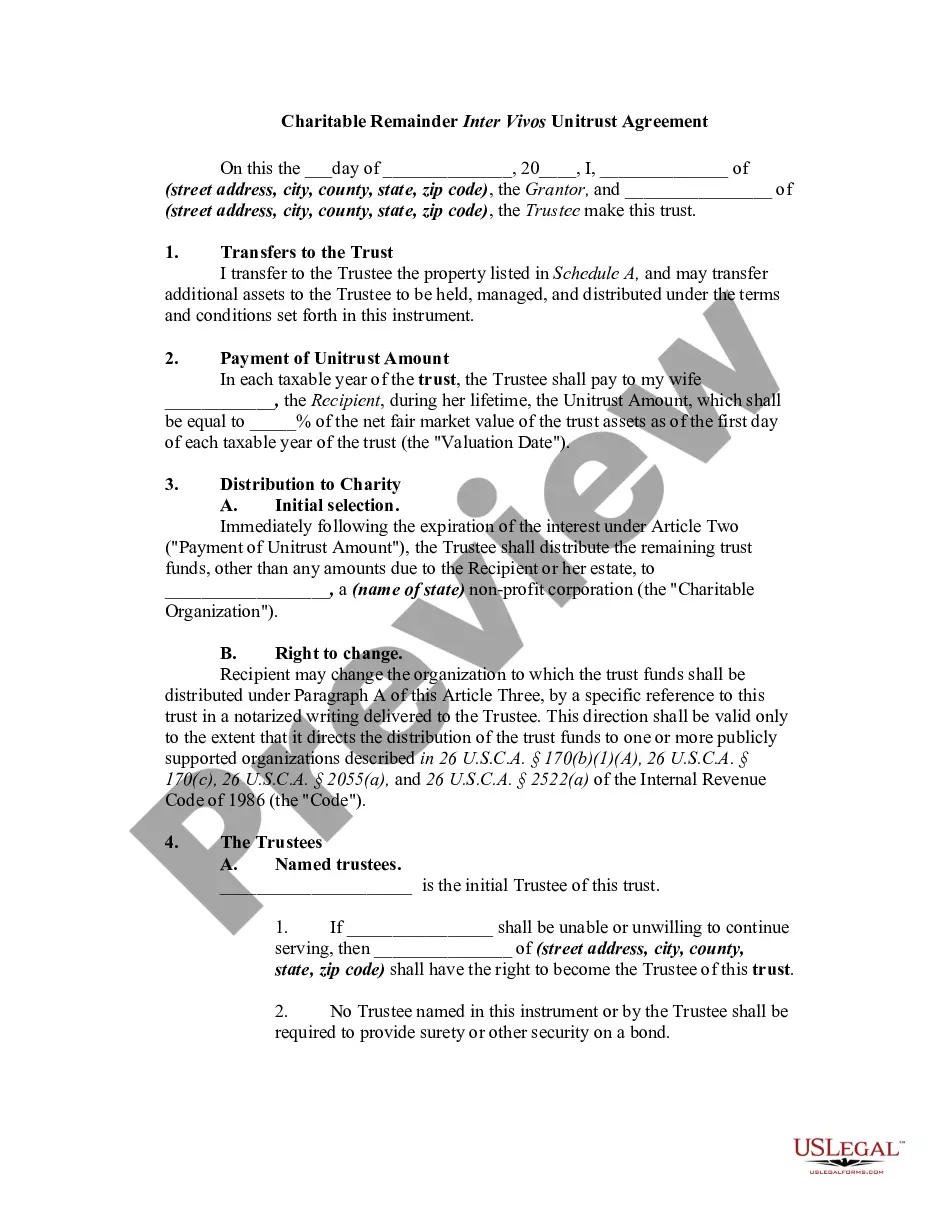
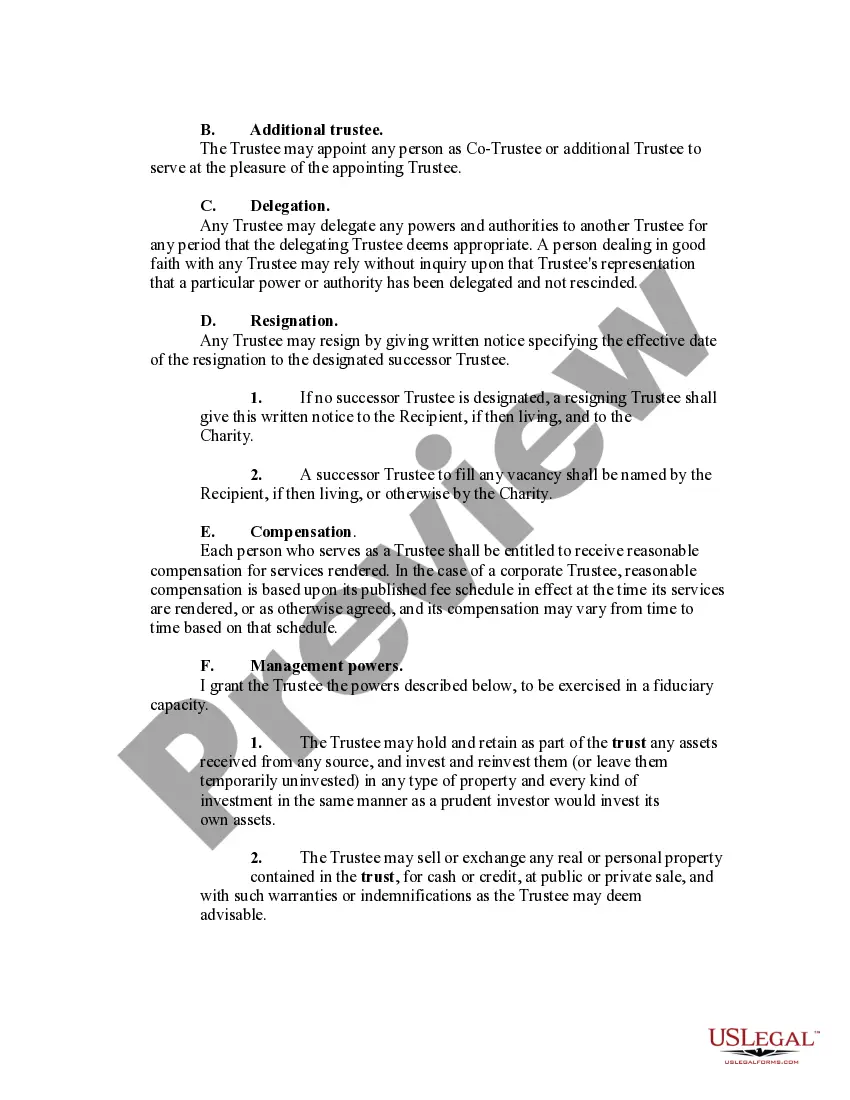
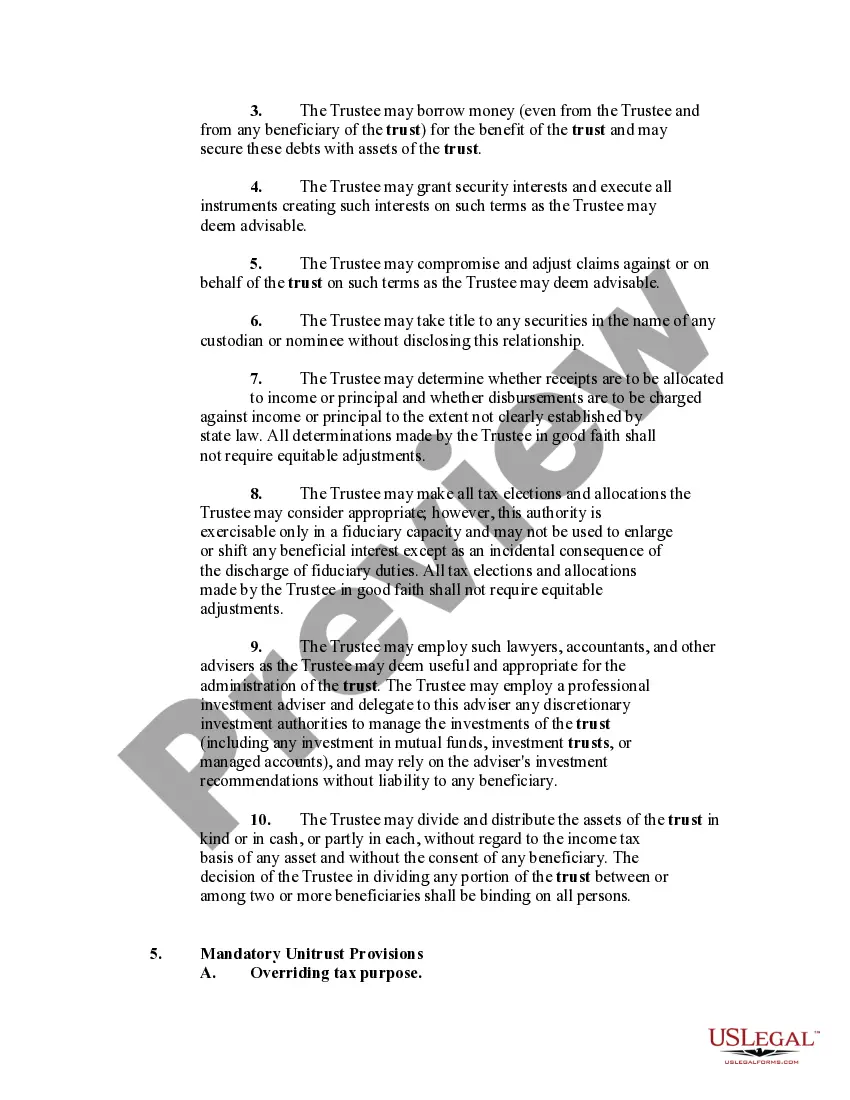
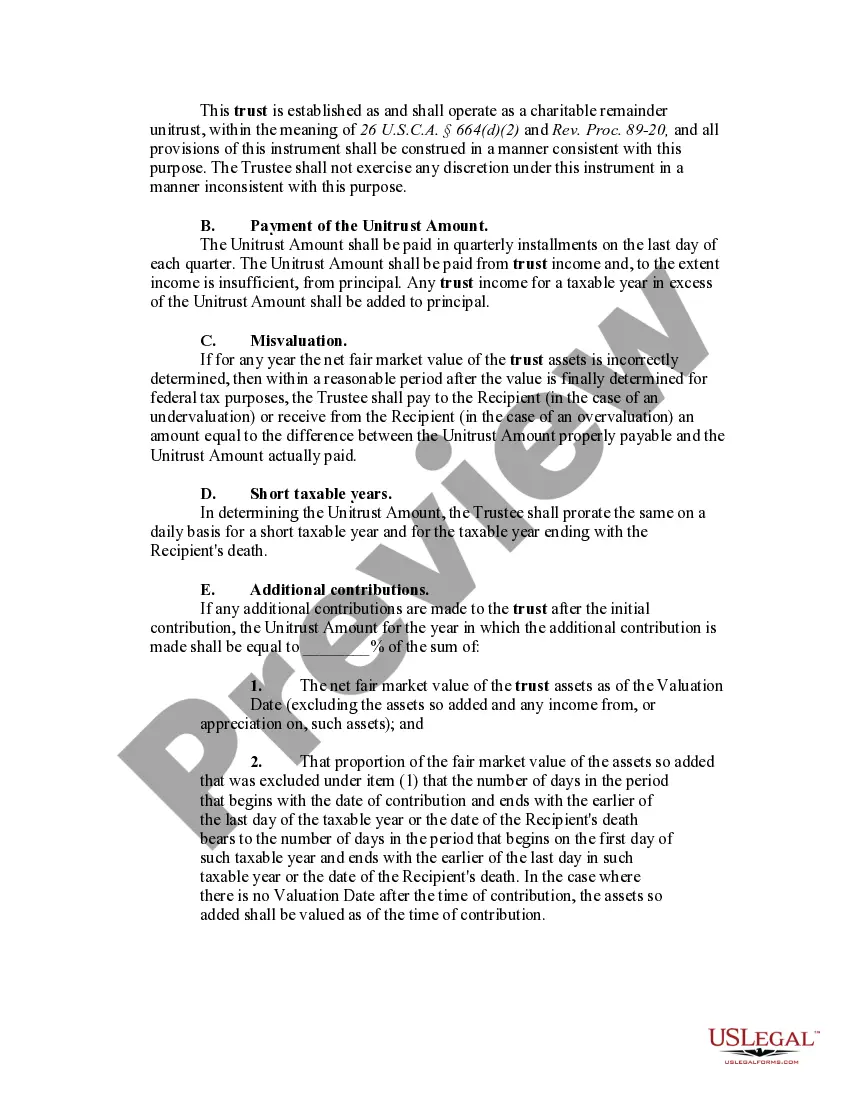
Charitable Living Trust Document For Non Residents
Description
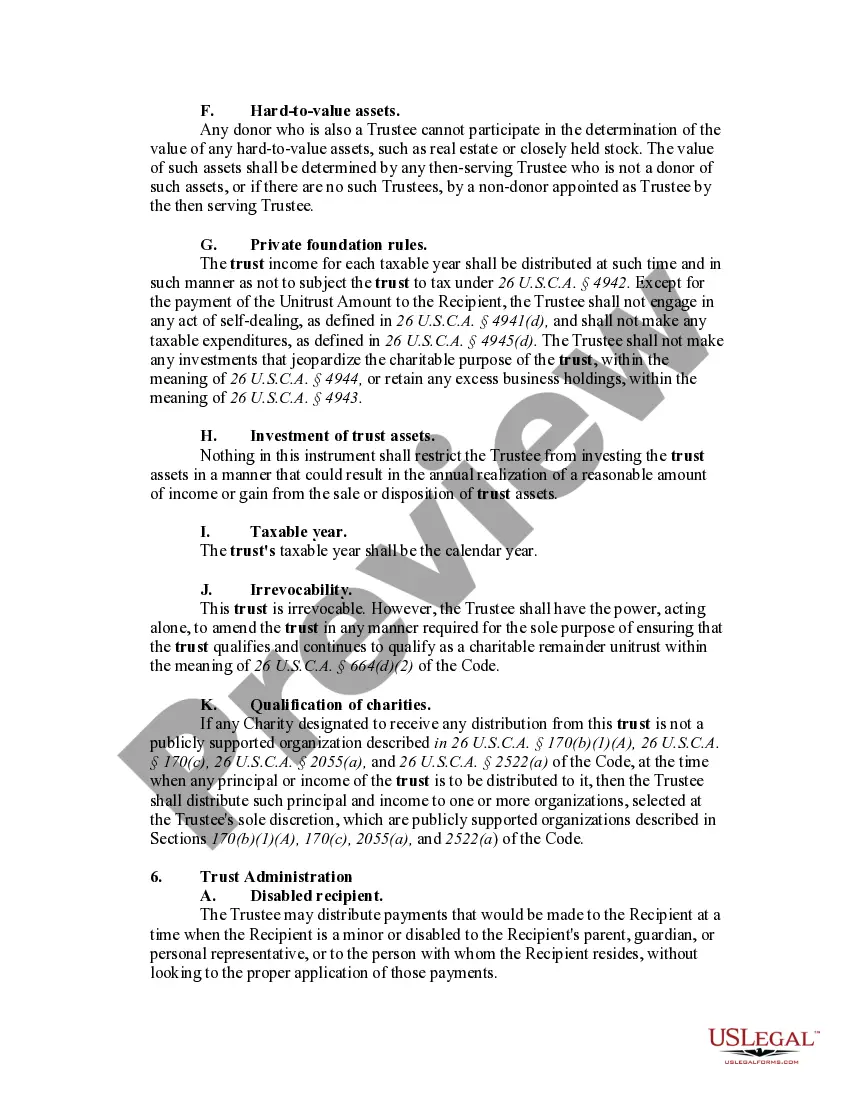
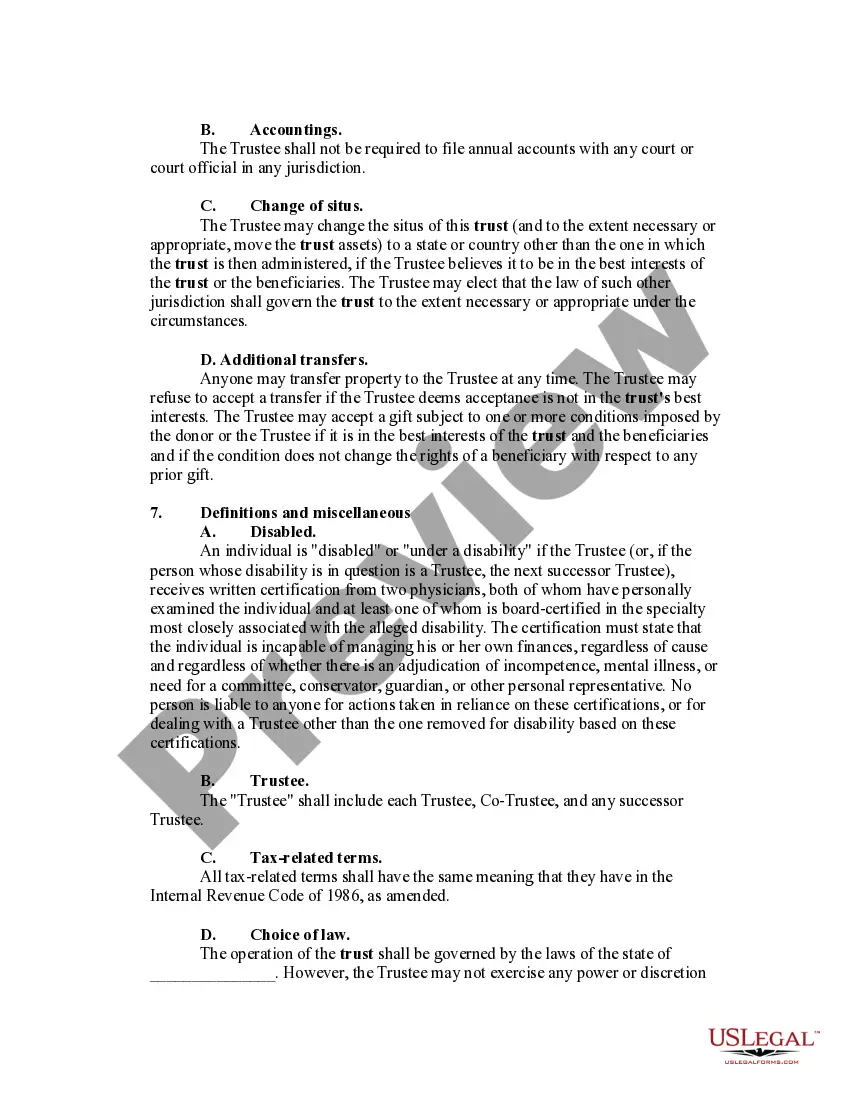
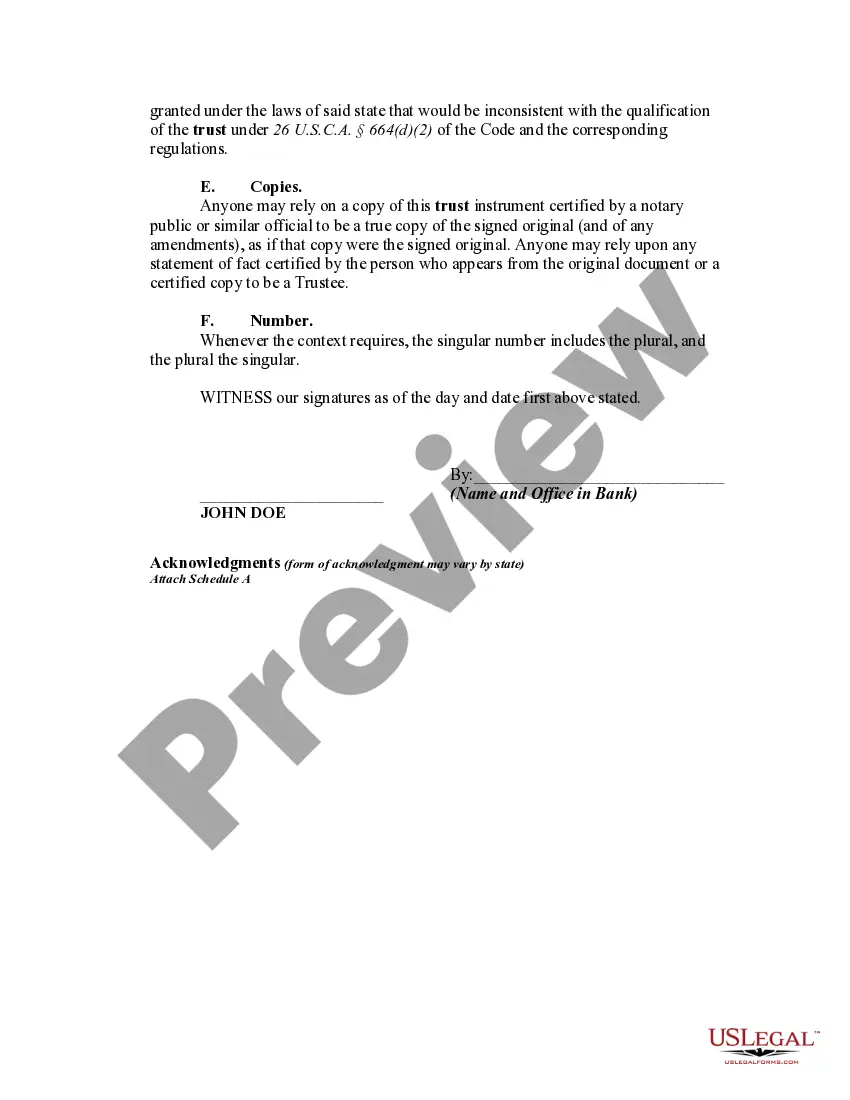
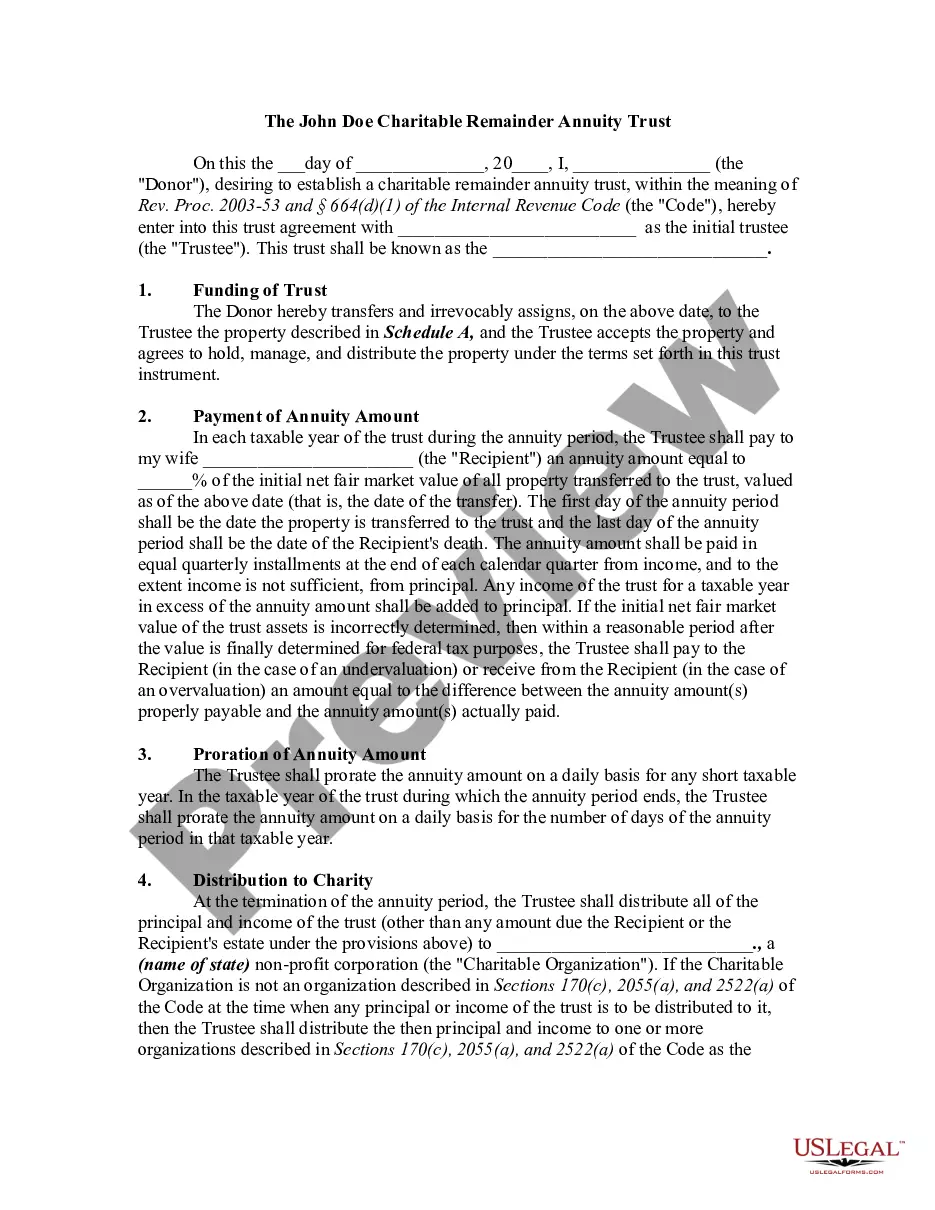
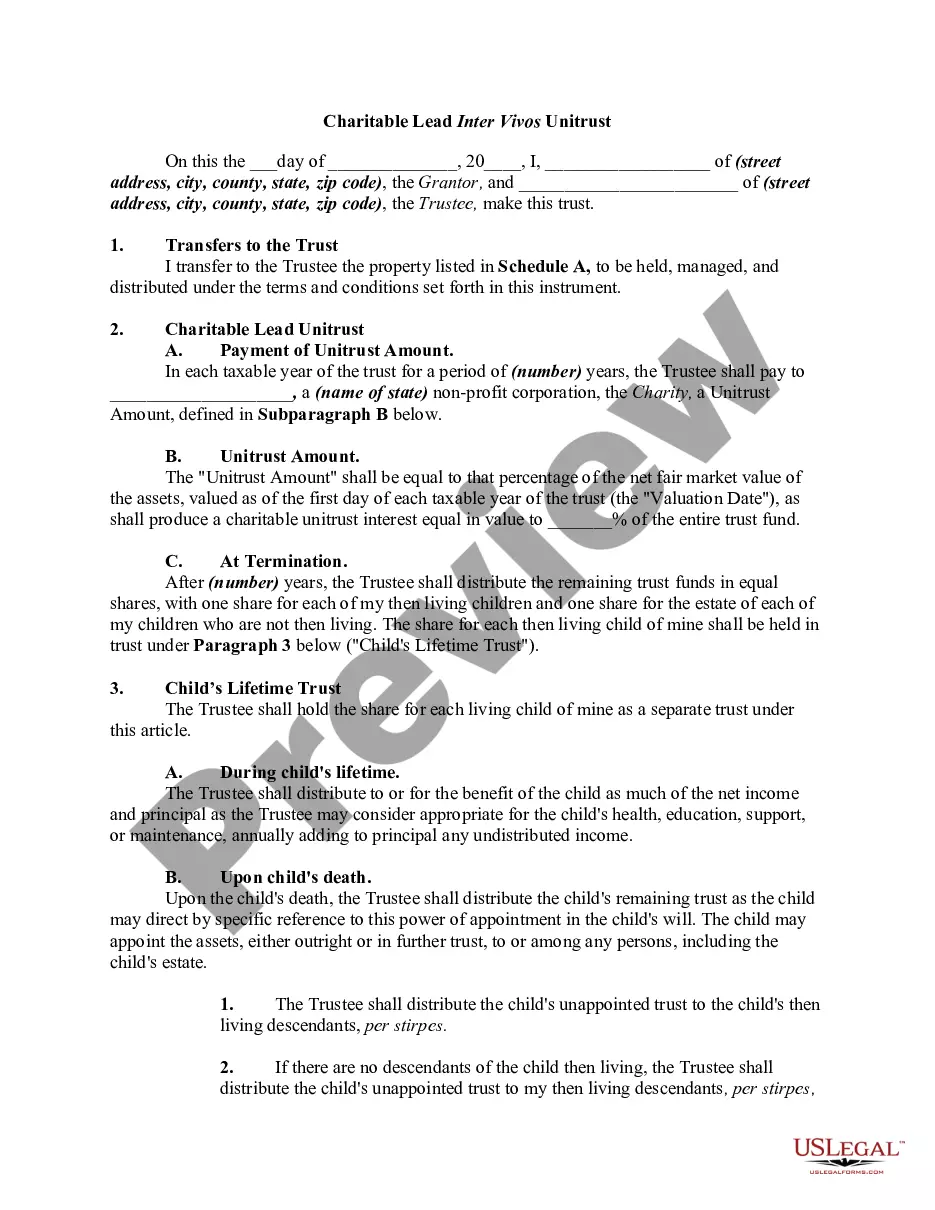
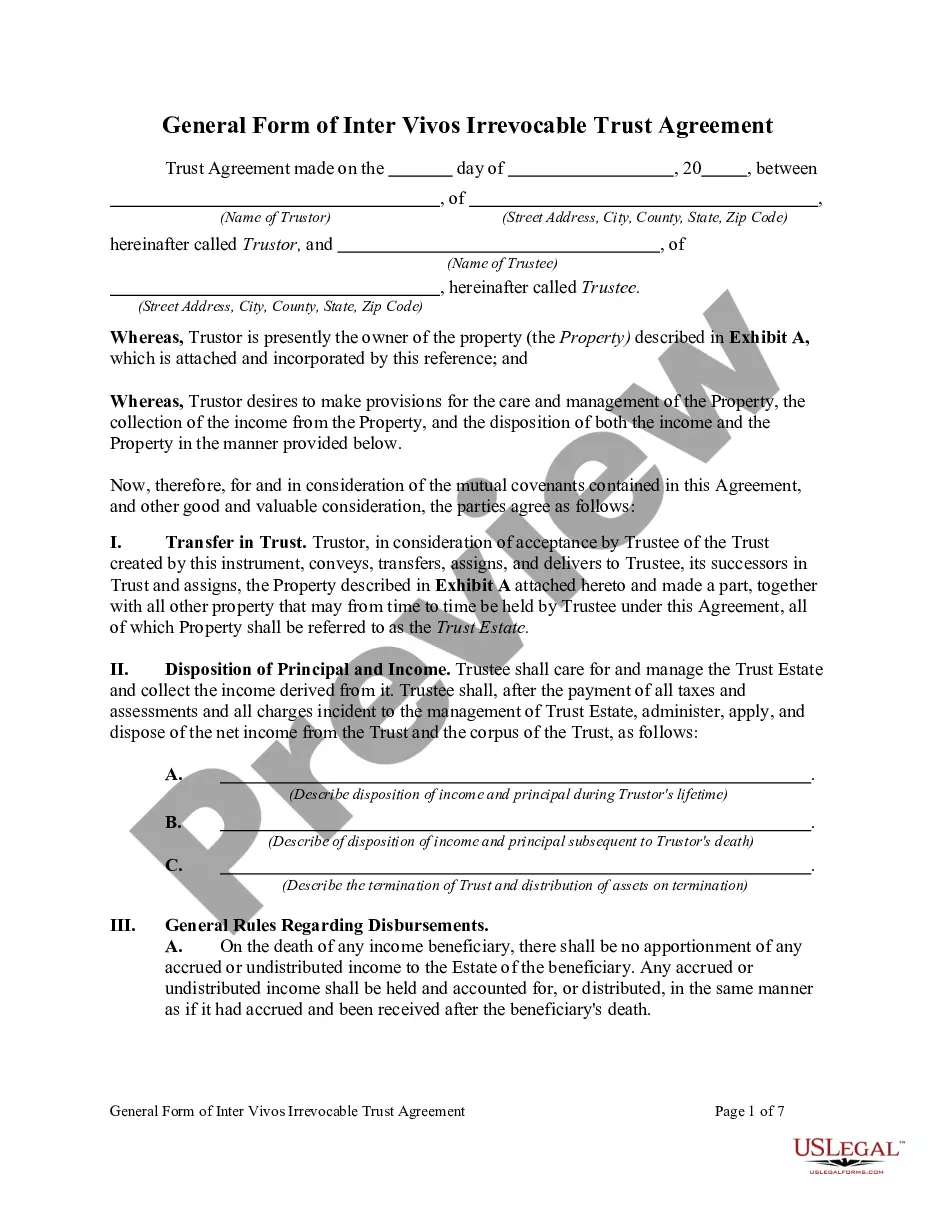
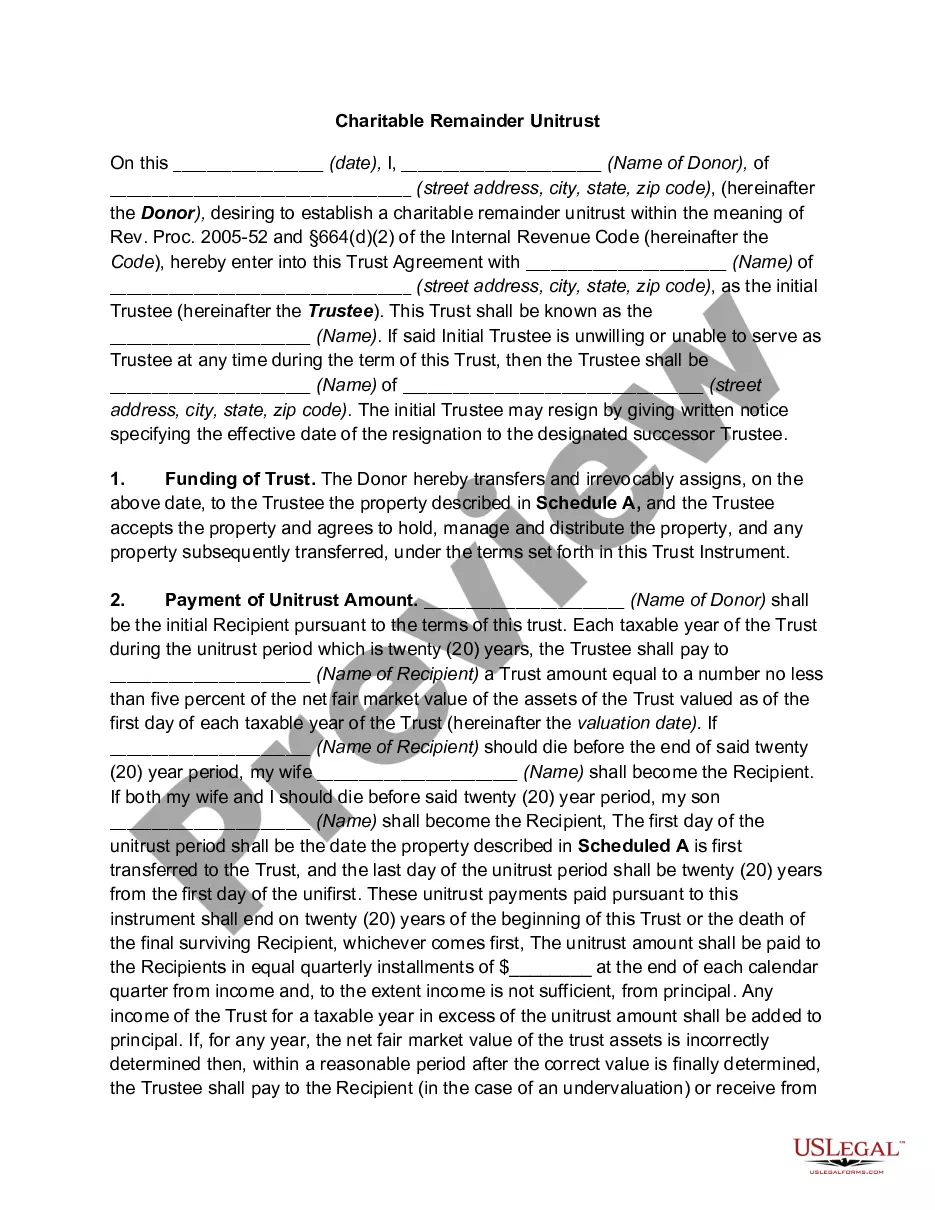
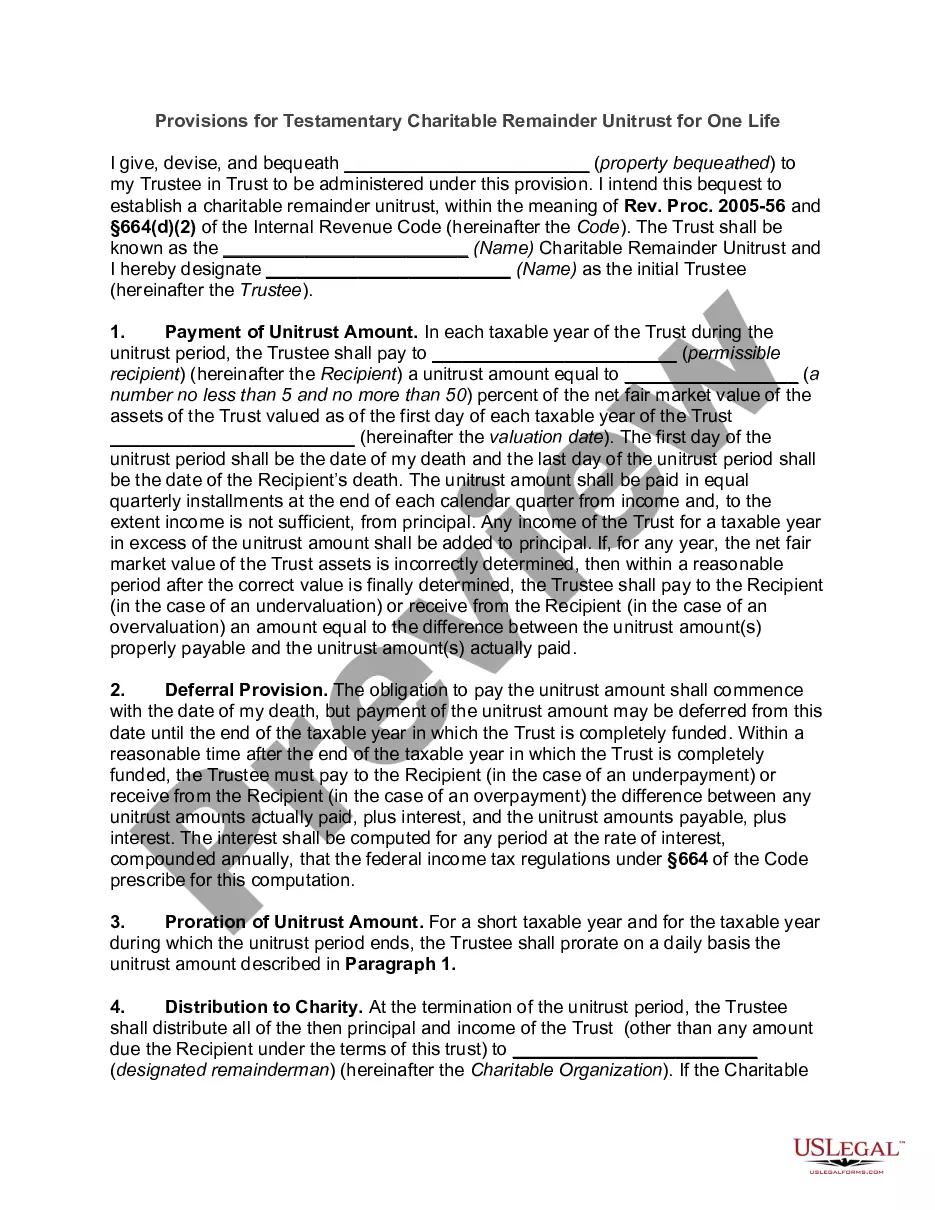
Get your form ready online
Our built-in tools help you complete, sign, share, and store your documents in one place.
Make edits, fill in missing information, and update formatting in US Legal Forms—just like you would in MS Word.
Download a copy, print it, send it by email, or mail it via USPS—whatever works best for your next step.
Sign and collect signatures with our SignNow integration. Send to multiple recipients, set reminders, and more. Go Premium to unlock E-Sign.
If this form requires notarization, complete it online through a secure video call—no need to meet a notary in person or wait for an appointment.
We protect your documents and personal data by following strict security and privacy standards.

Make edits, fill in missing information, and update formatting in US Legal Forms—just like you would in MS Word.

Download a copy, print it, send it by email, or mail it via USPS—whatever works best for your next step.

Sign and collect signatures with our SignNow integration. Send to multiple recipients, set reminders, and more. Go Premium to unlock E-Sign.

If this form requires notarization, complete it online through a secure video call—no need to meet a notary in person or wait for an appointment.

We protect your documents and personal data by following strict security and privacy standards.
Looking for another form?









How to fill out Charitable Remainder Inter Vivos Unitrust Agreement?
- Visit the US Legal Forms website and check your login status. If you're a returning user, log into your account. If not, create an account to access the forms.
- Explore the Preview mode and form descriptions to select the appropriate charitable living trust document that aligns with your requirements and complies with local jurisdiction.
- Utilize the Search function if you're unable to find the right template. This allows you to discover any missing forms that may fit your needs.
- Complete your purchase by clicking the Buy Now button. Choose a subscription plan that suits you best, as this grants access to our vast library of legal forms.
- Enter your payment details. You can pay using a credit card or your PayPal account to finalize your subscription.
- Once your purchase is complete, download the selected form to your device. You can also access it anytime later from the My Forms section of your profile.
By following these steps, you'll be well on your way to obtaining your charitable living trust document. US Legal Forms empowers you with a vast library of over 85,000 editable legal forms to suit your needs.
Start your journey today with US Legal Forms and ensure that your charitable intentions are legally established.
Form popularity
FAQ
Filling out a living trust requires clear identification of your assets and beneficiaries. You should include your personal information, specify the trustees, and outline how you wish your assets to be distributed. Using a charitable living trust document for non residents can simplify this process, providing templates and guidance through platforms like uslegalforms to ensure accuracy and compliance.
A non resident trust is a trust created by an individual who does not reside in the United States. This type of trust can hold assets and may provide benefits like estate planning and tax advantages. If you are considering a charitable living trust document for non residents, it’s helpful to understand the specific regulations and requirements applicable to your unique situation.
A charitable living trust document for non residents may not avoid all taxes, and setting it up can involve upfront costs. Additionally, managing a living trust requires ongoing attention, which can be a challenge for some. It's important to consider that this type of trust does not provide asset protection from creditors, so understanding the limitations is crucial before proceeding.
A qualified domestic trust (QDOT) is designed for non-U.S. citizens married to U.S. citizens. This type of trust ensures that the surviving non-citizen spouse can inherit property while deferring estate taxes. Utilizing a Charitable living trust document for non residents can enhance your estate planning efficiency. When in doubt, uslegalforms provides comprehensive resources to help you set up this type of trust.
Non-U.S. citizens can inherit property in the United States. If you have a Charitable living trust document for non residents, this can simplify the process of inheriting assets and minimizing potential tax implications. It's essential, however, to consult legal resources to understand any specific laws applicable to your situation. Uslegalforms offers guidance on effective estate planning for non-residents.
Yes, a foreign trust is permitted to have a U.S. trustee. By doing so, you can ensure that your Charitable living trust document for non residents meets U.S. legal standards. A U.S. trustee can help effectively manage the trust and deal with U.S. tax obligations. Consider using uslegalforms to simplify the formation and management of your trust.
Indeed, a non-U.S. citizen can create and maintain a US trust. Having a Charitable living trust document for non residents provides a structured way to protect your assets and facilitate estate planning across borders. You can still enjoy the benefits of U.S. legal protections while managing your estate. Uslegalforms can help you navigate the specific requirements with ease.
Yes, a non-U.S. citizen can set up a trust in the United States. Establishing a Charitable living trust document for non residents allows you to manage assets and plan your estate effectively. It's essential to comply with both U.S. regulations and your home country's laws. Many choose to use platforms like uslegalforms to ensure the process runs smoothly.
Yes, a non-U.S. citizen can create a living trust in the United States. However, it's crucial to understand the specific legal requirements and implications involved. A charitable living trust document for non residents can provide a useful structure for managing assets in the U.S. and ensuring compliance with local laws.
A common mistake parents make is not clearly communicating their intentions when setting up a trust fund. This lack of clarity can lead to confusion and disputes among beneficiaries. Furthermore, when considering a charitable living trust document for non residents, parents might overlook important laws affecting non-resident beneficiaries, resulting in unintended complications.