Charitable Form Trust File With Avoid Taxes
Description
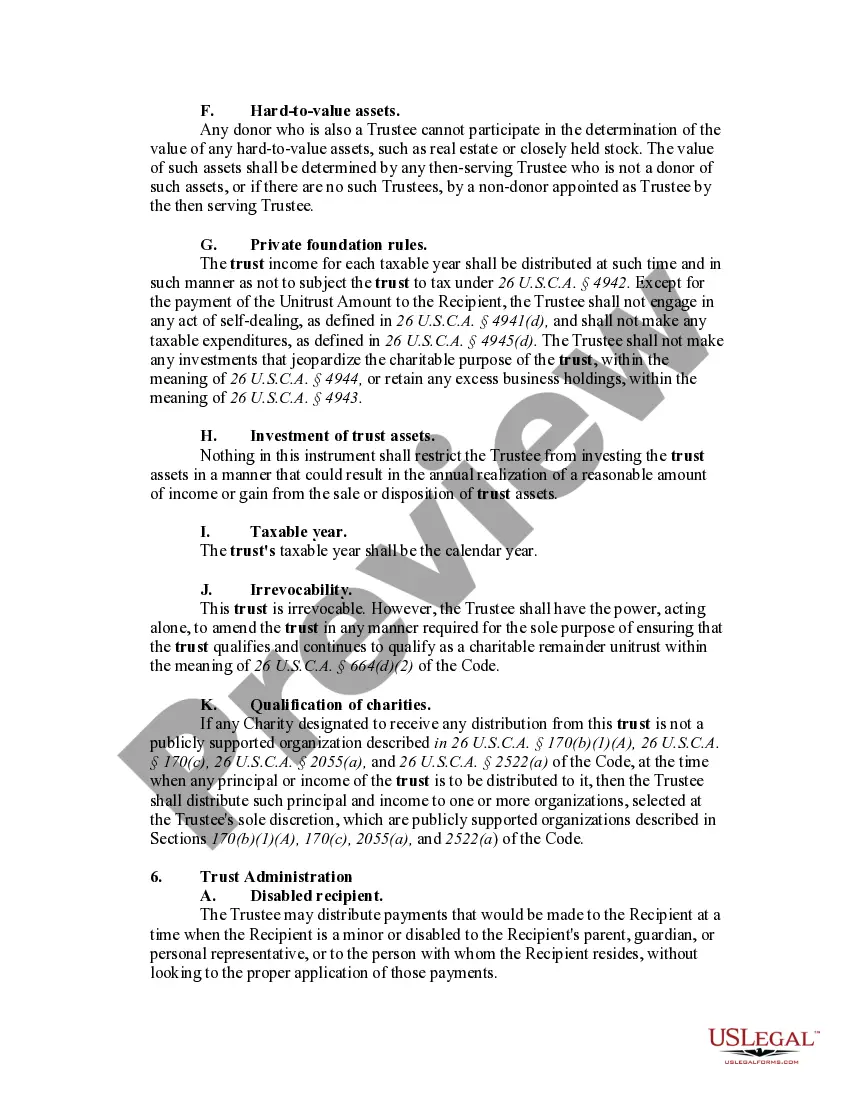
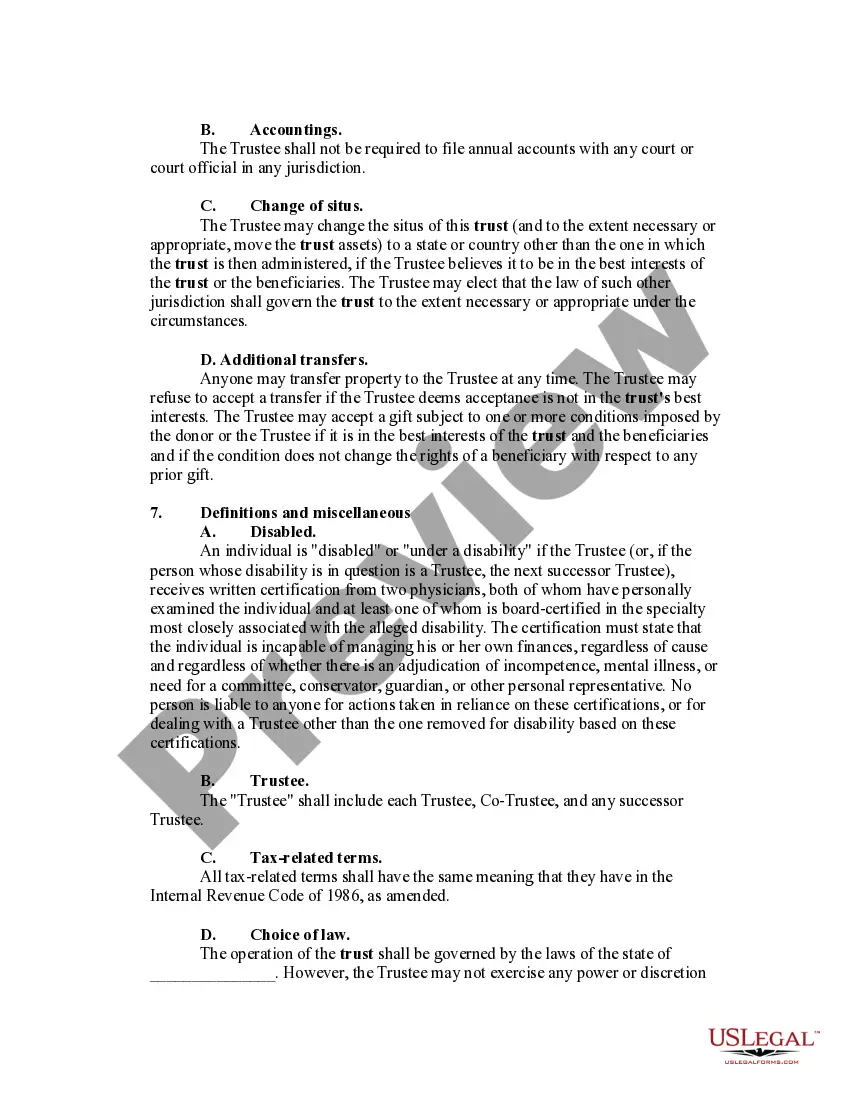
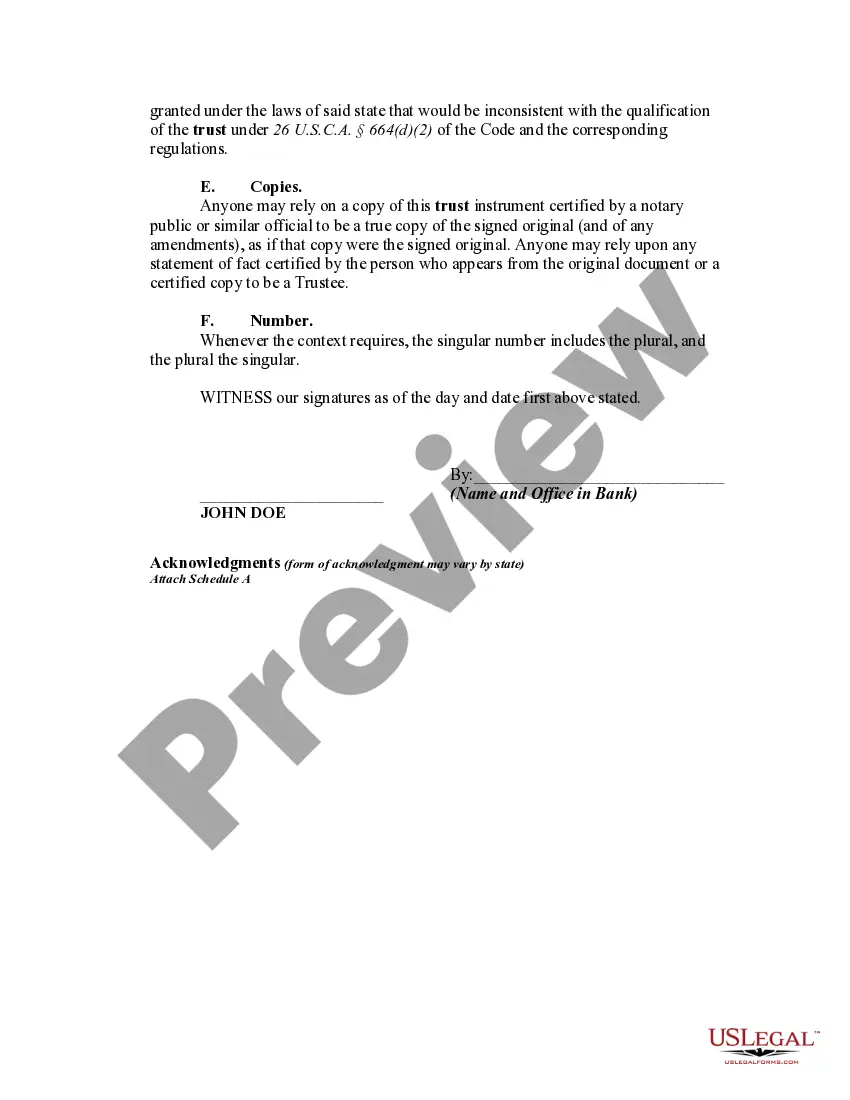
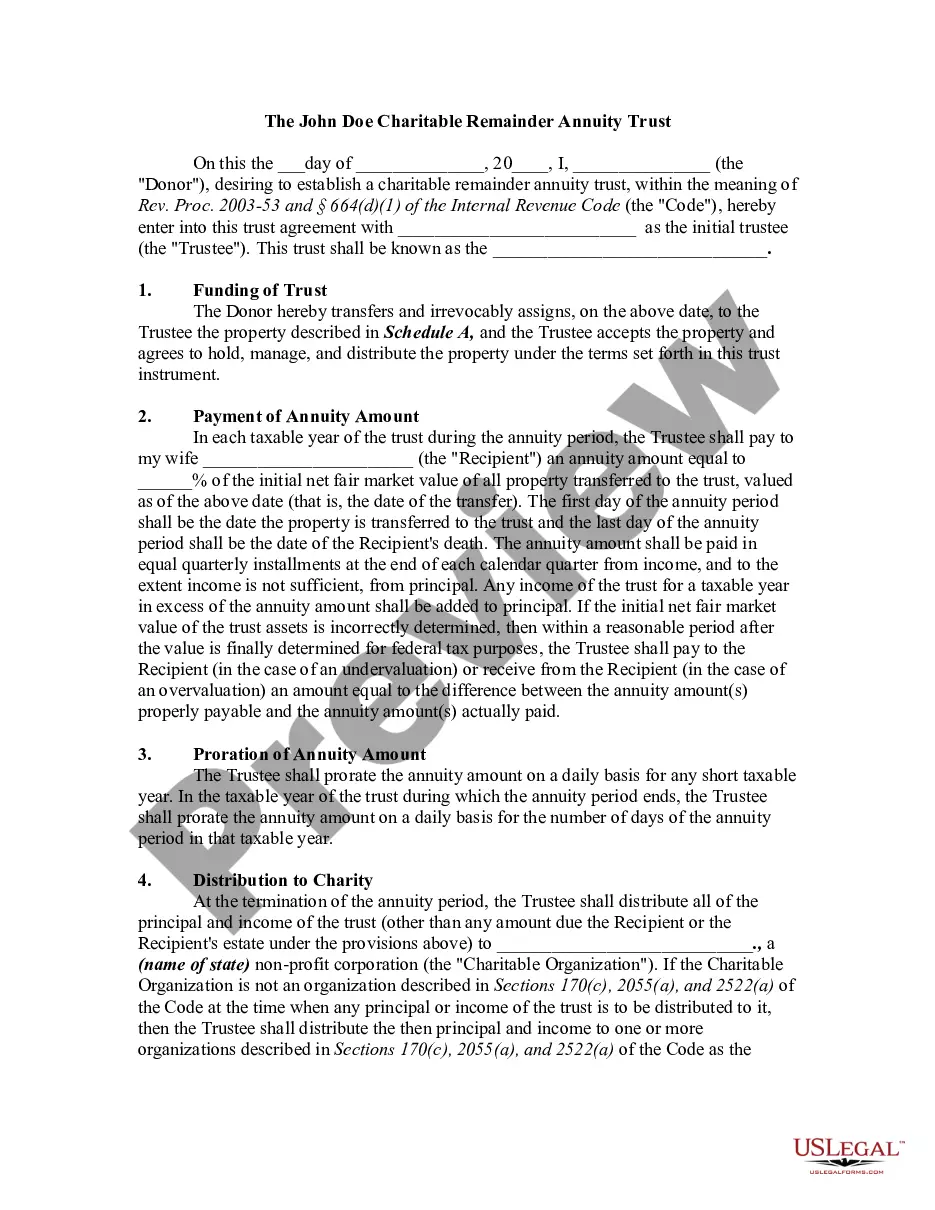
Get your form ready online
Our built-in tools help you complete, sign, share, and store your documents in one place.
Make edits, fill in missing information, and update formatting in US Legal Forms—just like you would in MS Word.
Download a copy, print it, send it by email, or mail it via USPS—whatever works best for your next step.
Sign and collect signatures with our SignNow integration. Send to multiple recipients, set reminders, and more. Go Premium to unlock E-Sign.
If this form requires notarization, complete it online through a secure video call—no need to meet a notary in person or wait for an appointment.
We protect your documents and personal data by following strict security and privacy standards.

Make edits, fill in missing information, and update formatting in US Legal Forms—just like you would in MS Word.

Download a copy, print it, send it by email, or mail it via USPS—whatever works best for your next step.

Sign and collect signatures with our SignNow integration. Send to multiple recipients, set reminders, and more. Go Premium to unlock E-Sign.

If this form requires notarization, complete it online through a secure video call—no need to meet a notary in person or wait for an appointment.

We protect your documents and personal data by following strict security and privacy standards.
Looking for another form?
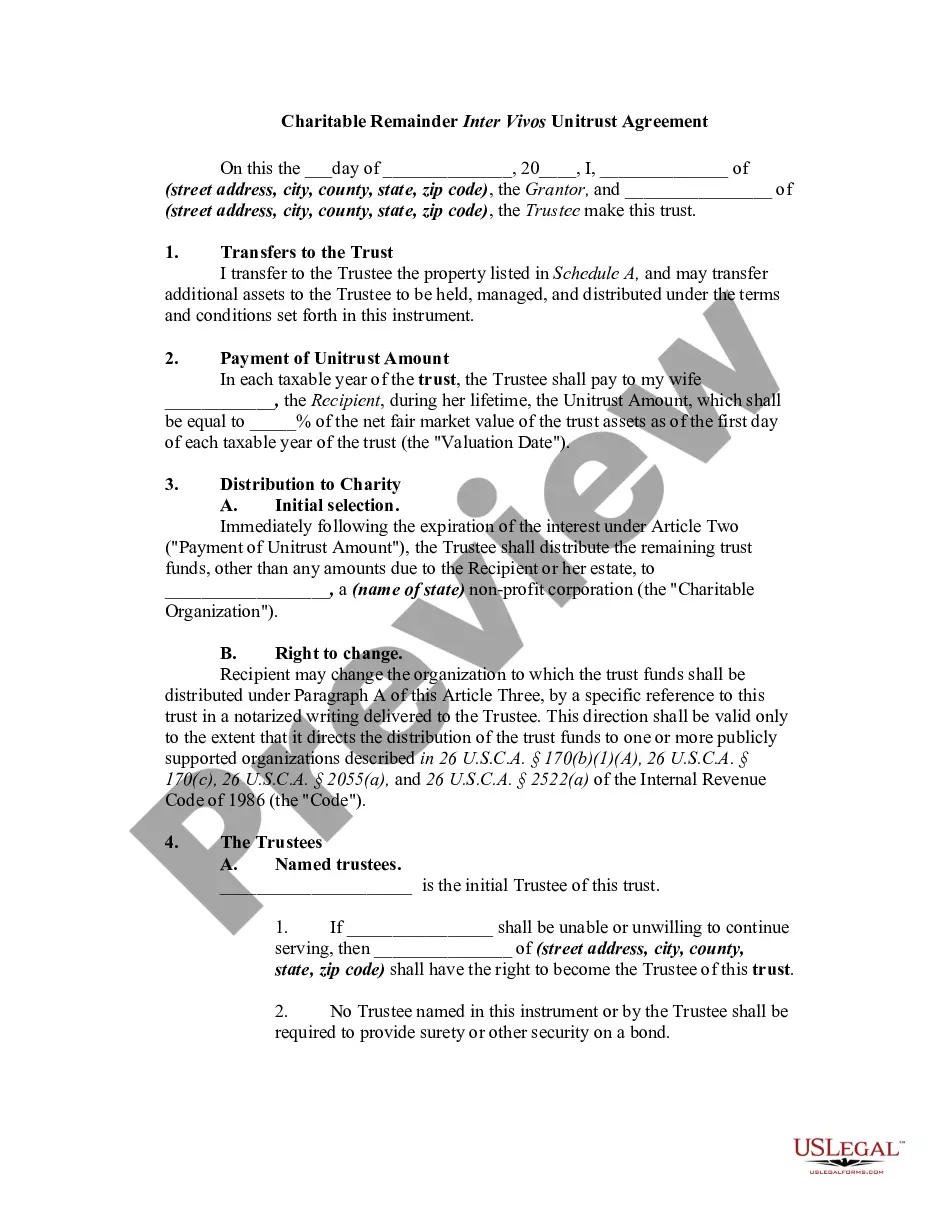
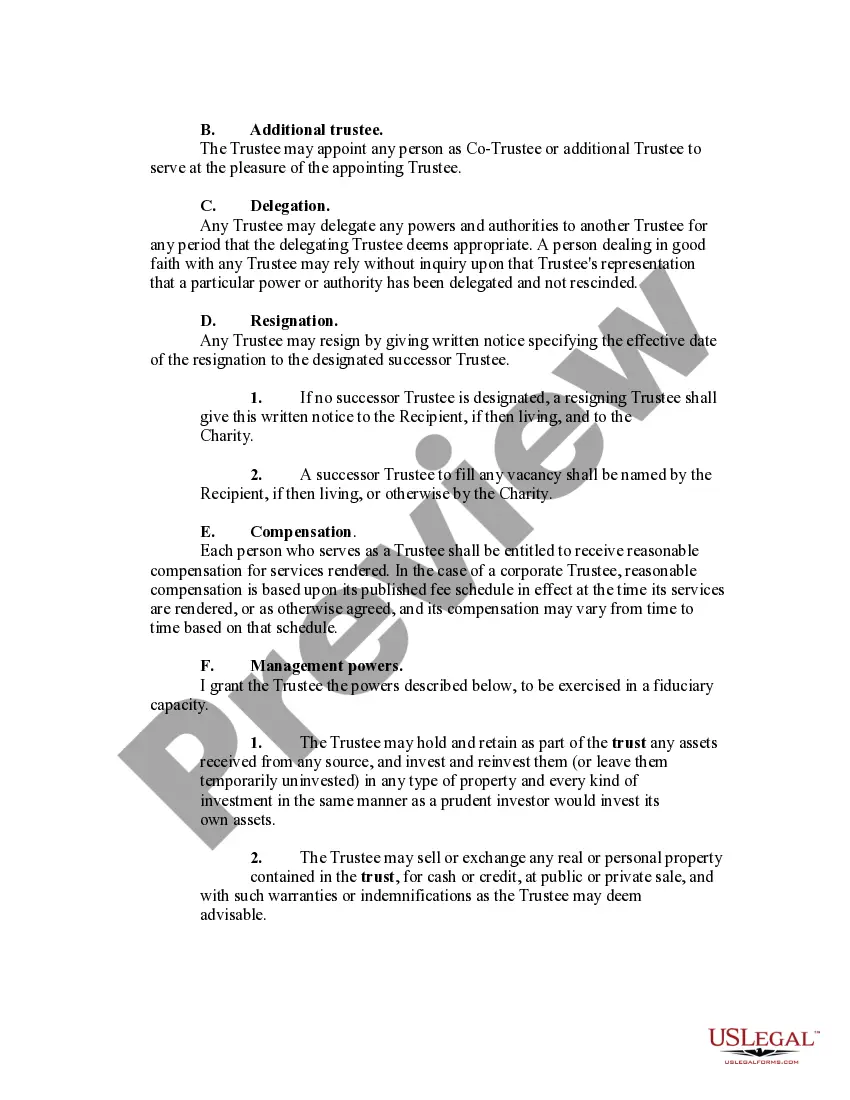
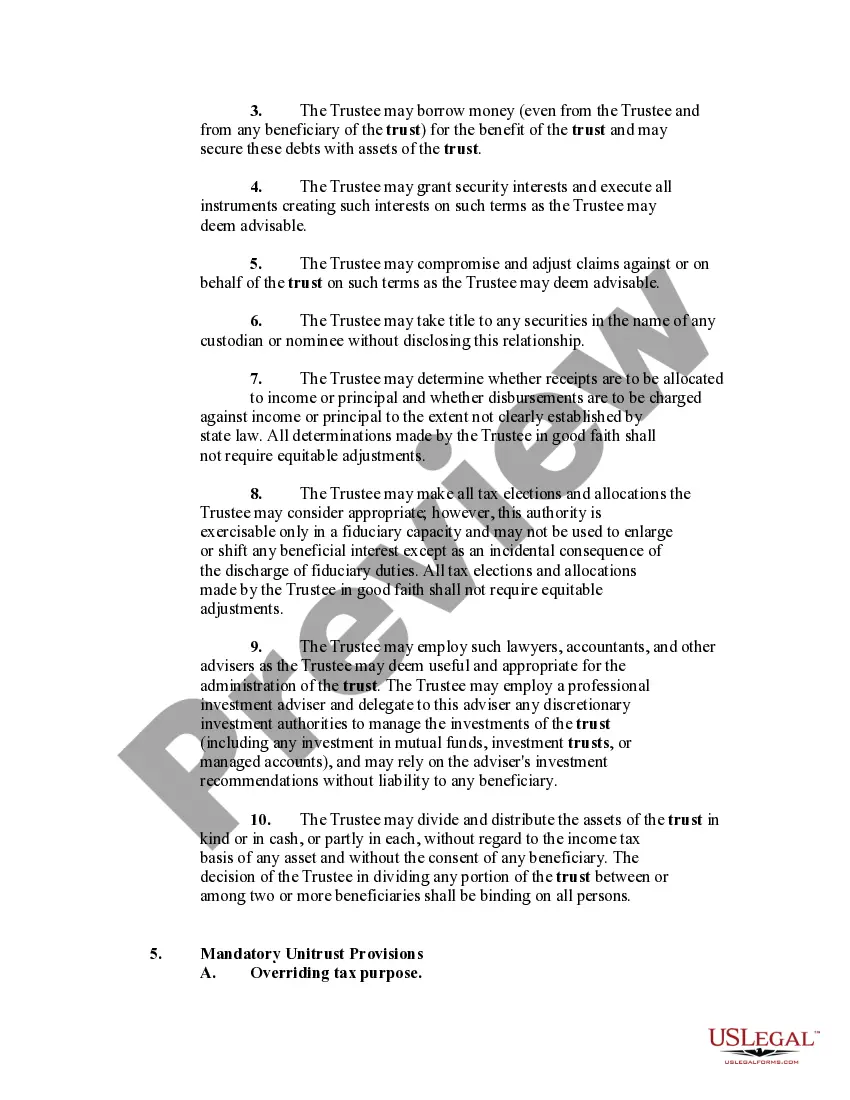
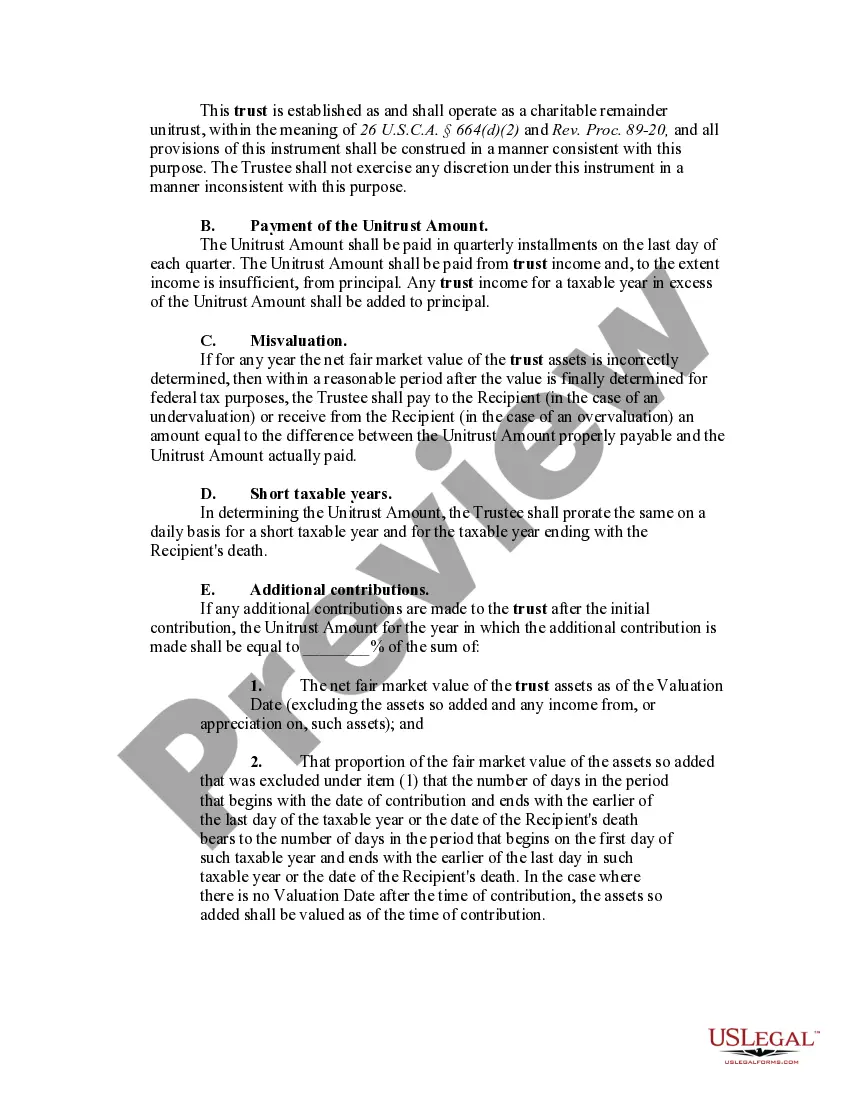
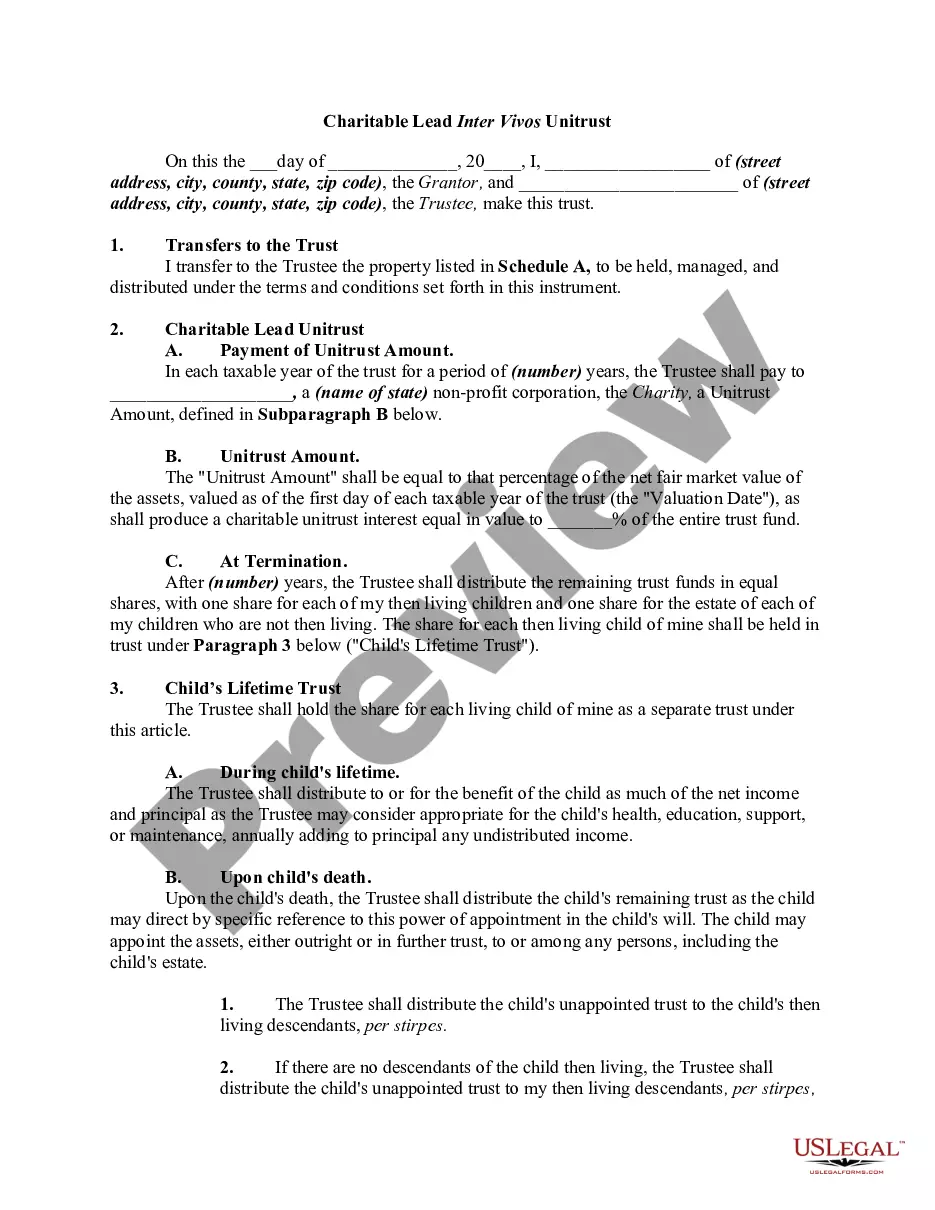
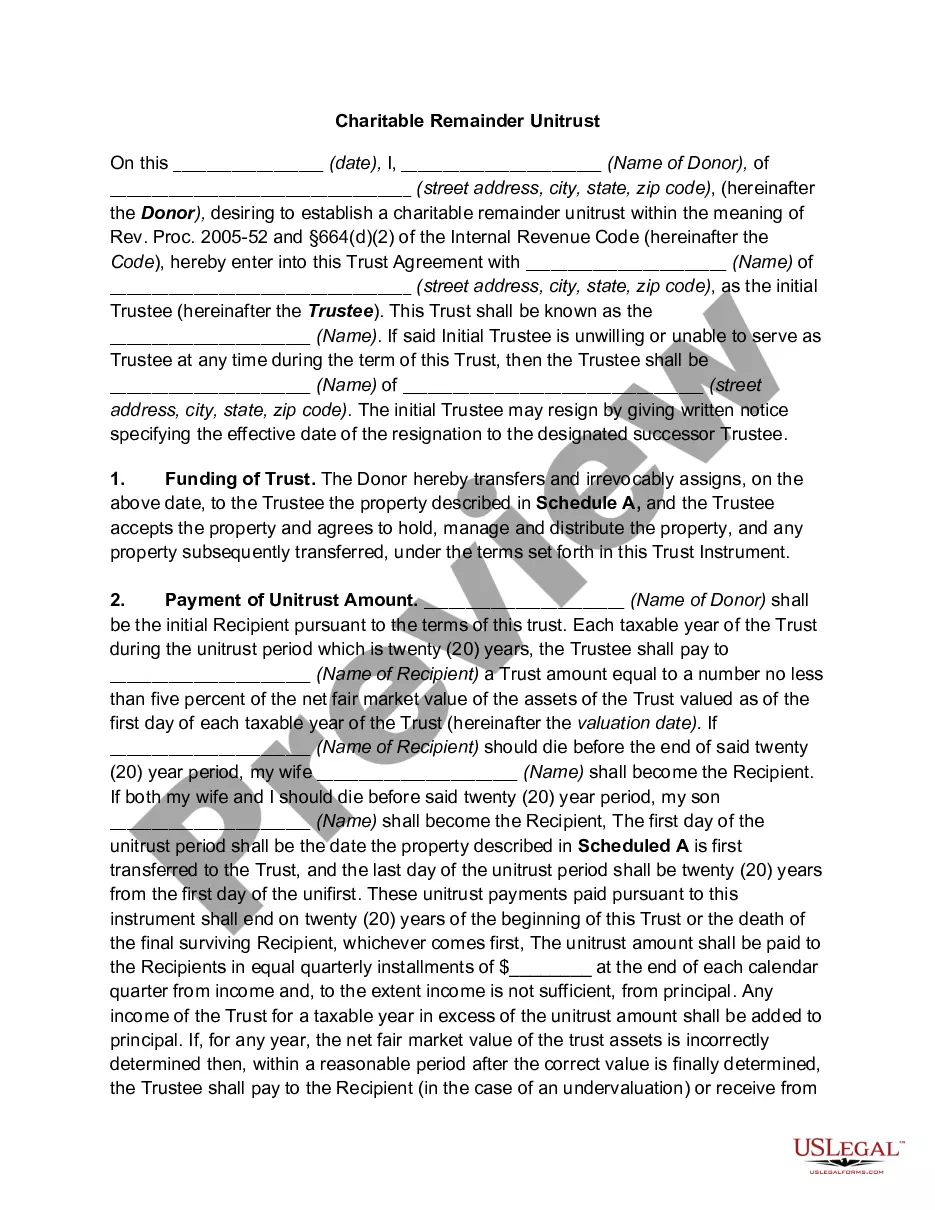
How to fill out Charitable Remainder Inter Vivos Unitrust Agreement?
- Log into your US Legal Forms account or create a new one if you're a first-time user. Ensure your subscription is active; renew if necessary.
- Review the document preview and detailed description to confirm you've selected the appropriate form for your jurisdiction.
- Utilize the search function if you need an alternative template. Ensure it aligns with your specific requirements.
- Proceed to purchase the document by clicking on the 'Buy Now' button and selecting a suitable subscription plan.
- Complete your purchase using a credit card or PayPal for a smooth transaction.
- Download the form to your device, ensuring easy access for future needs through your profile's 'My Forms' section.
By following these simple steps, you can efficiently file your charitable form trust and take advantage of the benefits offered to avoid taxes.
US Legal Forms provides unparalleled access to a vast library of legal documents, ensuring precision and compliance for all users. Start your journey today to simplify your legal obligations!
Form popularity
FAQ
While charitable trusts offer tax benefits, they may have restrictions that limit your financial flexibility. Once you establish a charitable form trust, the assets usually cannot be changed and must be used for charitable purposes. You might also face complex regulations and compliance requirements that can make management burdensome. It's essential to weigh these factors carefully when considering a charitable trust.
Trusts can effectively help individuals manage their assets while minimizing tax liabilities. By establishing a charitable form trust, you can file to avoid taxes on certain income generated by those assets. This type of trust allows for the distribution of funds to charitable organizations, which can lead to significant tax deductions. Utilizing the right strategies ensures that your assets work for you while benefiting worthy causes.
Yes, a charitable trust is usually required to file a tax return. This filing ensures the trust remains compliant with federal regulations and can maintain its tax-exempt status. Employing the Charitable form trust file with avoid taxes offers a streamlined approach to fulfill these obligations. Always review the specific requirements based on the trust's activities.
A trust can make a certain amount without tax liability, but this threshold depends on various factors including its type and income sources. Generally, any income exceeding the IRS threshold may incur taxes. Utilizing the Charitable form trust file with avoid taxes effectively helps you plan around these limits. Keeping informed about current thresholds allows for better financial management.
A trust does not always need to file a tax return. Typically, if a trust has no taxable income, it may not be required to file Form 1041. However, filing the Charitable form trust file with avoid taxes can help clarify any uncertainties and maintain compliance. Consulting the guidelines can offer additional insights tailored to your trust.
Yes, a 501c3 organization is generally required to file a tax return, even if it does not owe taxes. This filing helps maintain its tax-exempt status, which is essential for operating as a charitable entity. Using the Charitable form trust file with avoid taxes can simplify the process and ensure compliance. Regular updates on filing requirements can aid in effective planning.
If a trust earns no income during the tax year, you typically do not need to file Form 1041. However, to avoid potential tax liabilities and remain compliant with IRS regulations, you should consider filing it even without income. Filing the Charitable form trust file with avoid taxes could help you maintain good standing. It’s always wise to consult a tax professional for specific guidance.
Failing to file a trust tax return can lead to penalties and interest on unpaid taxes. The IRS may also view this as noncompliance, affecting your trust’s tax status. To avoid these complications, consider using US Legal Forms to guide you on how to charitable form trust file with avoid taxes efficiently.
For most trusts, if the gross income is $600 or more, you need to file a trust return. Even if your trust income is below that threshold, certain situations may still require you to file. To ensure compliance and take advantage of potential benefits, investigate how to charitable form trust file with avoid taxes through US Legal Forms.
If your trust generates no income, you typically do not need to file IRS Form 1041. Nonetheless, some trusts might still need to comply with filing obligations based on specific conditions. To clarify your situation, explore our resources that guide you through how to charitable form trust file with avoid taxes.