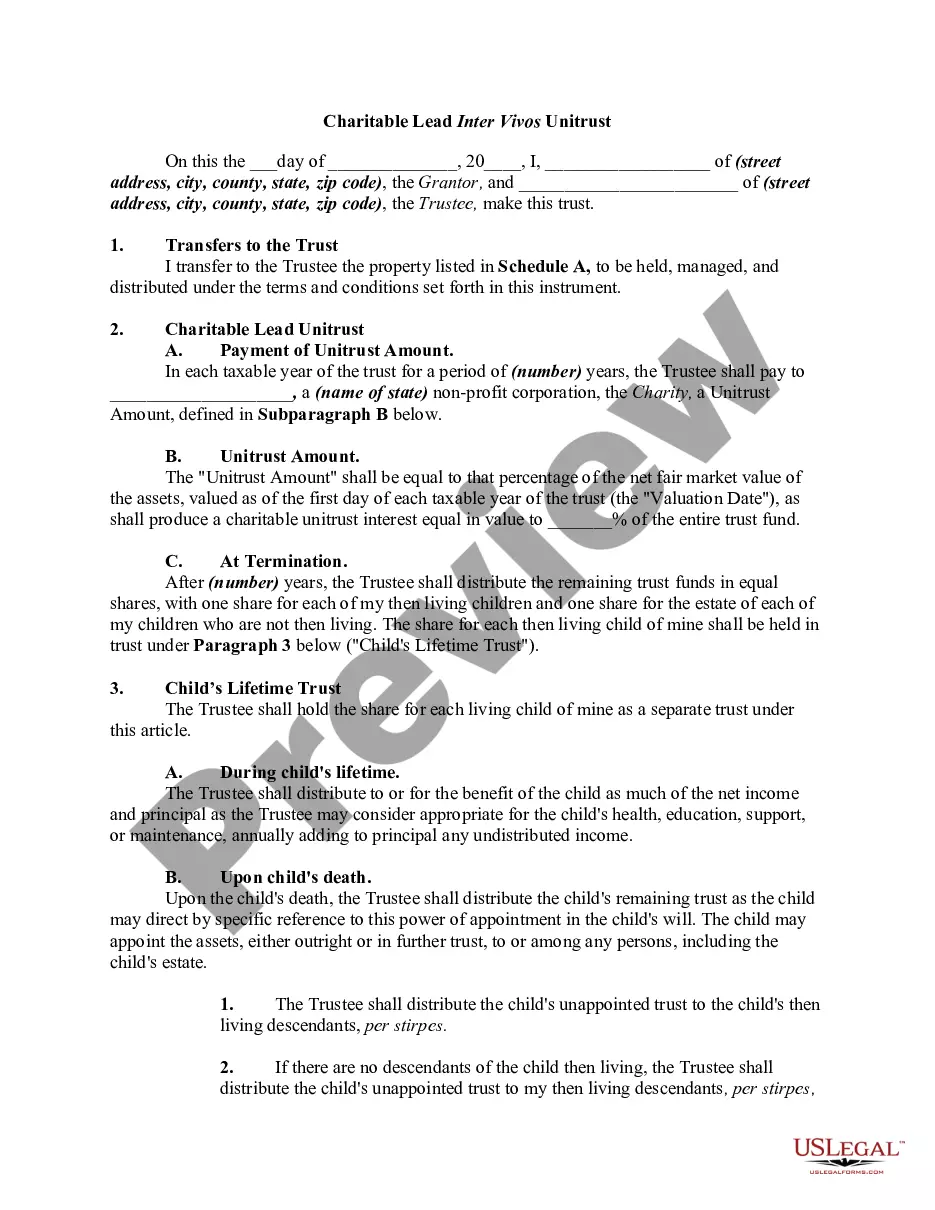
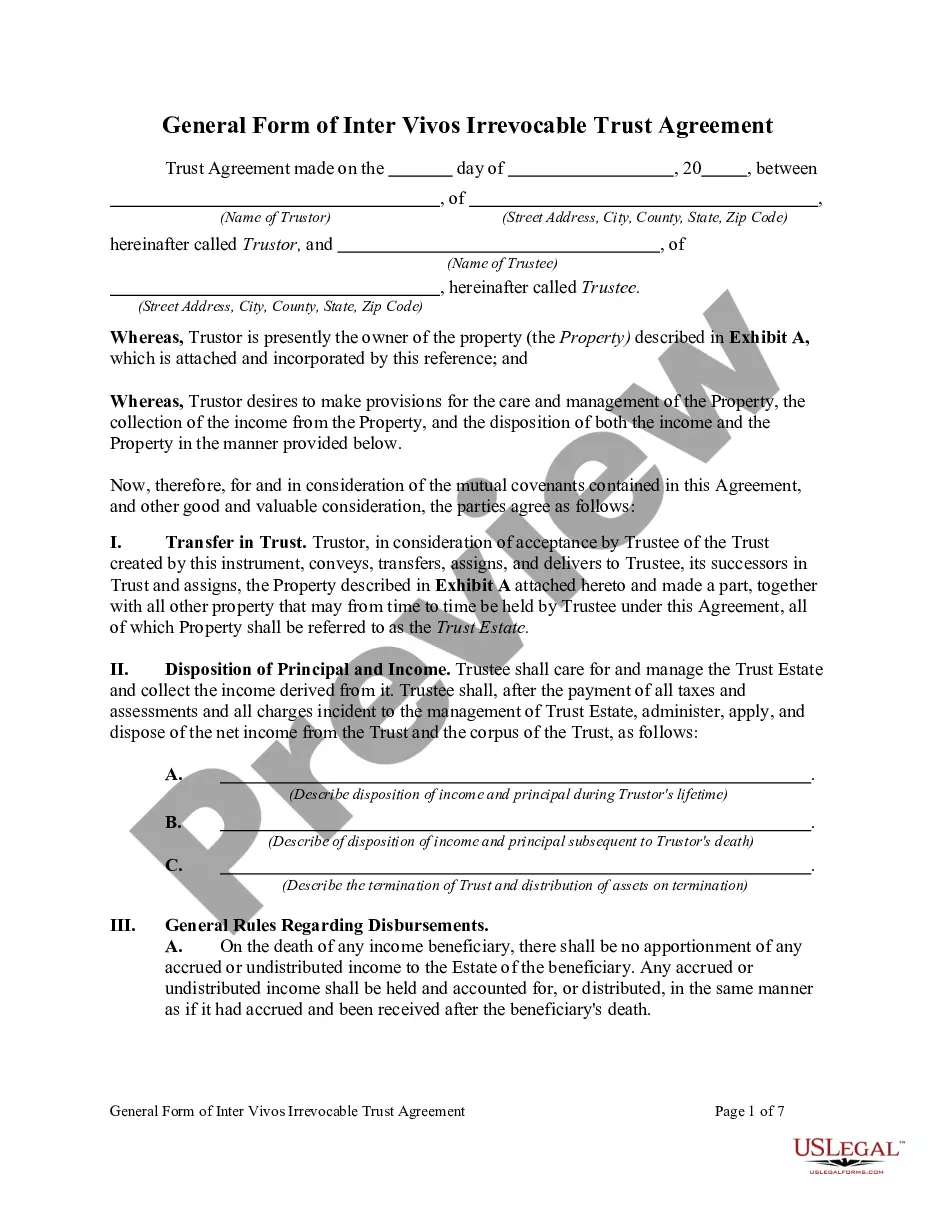
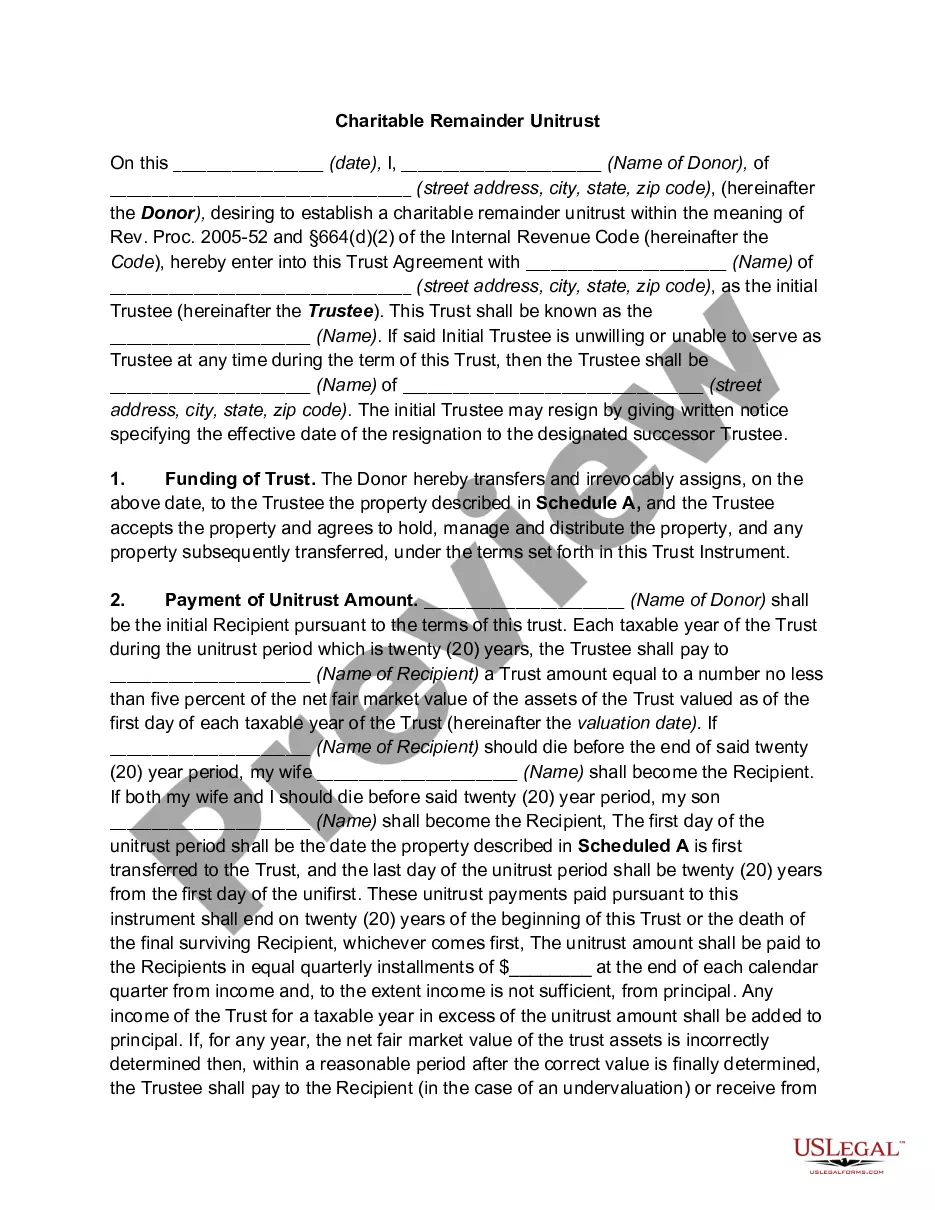
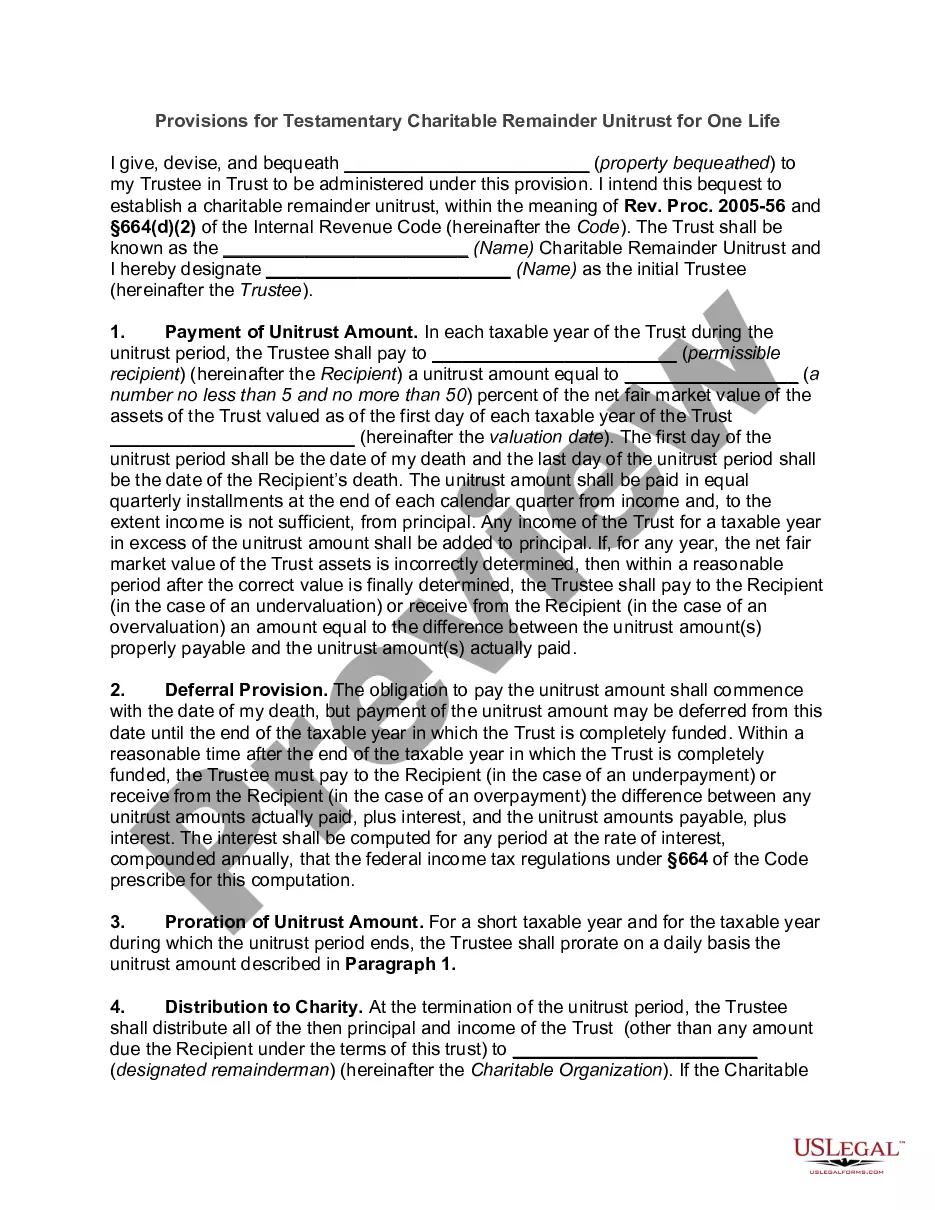
Charitable Agreement Statement With Multiple Conditions
Description
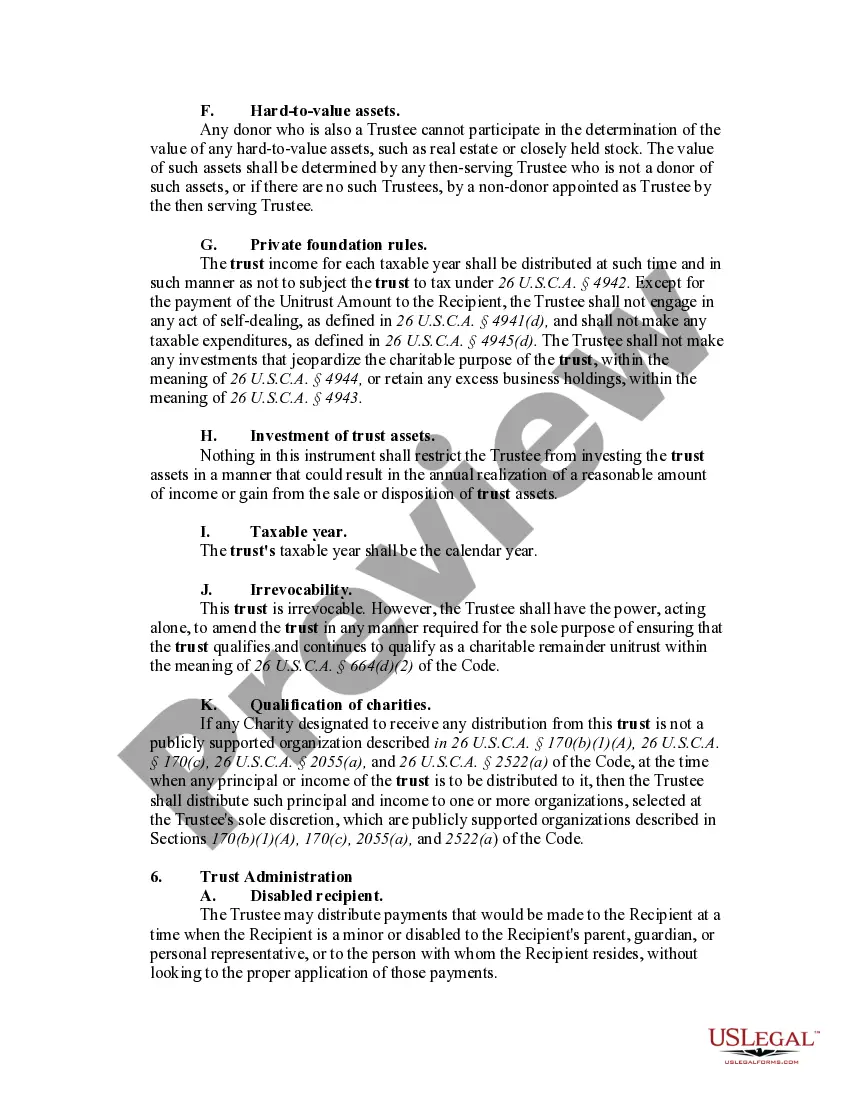
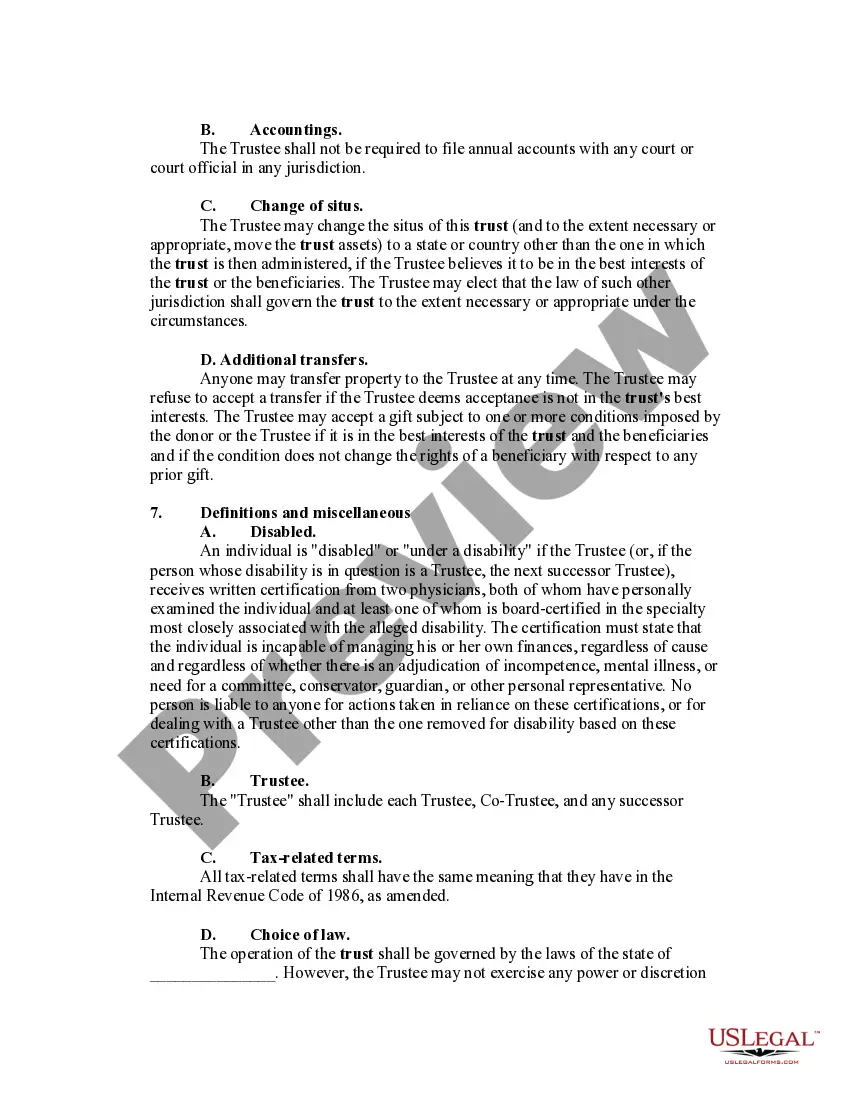
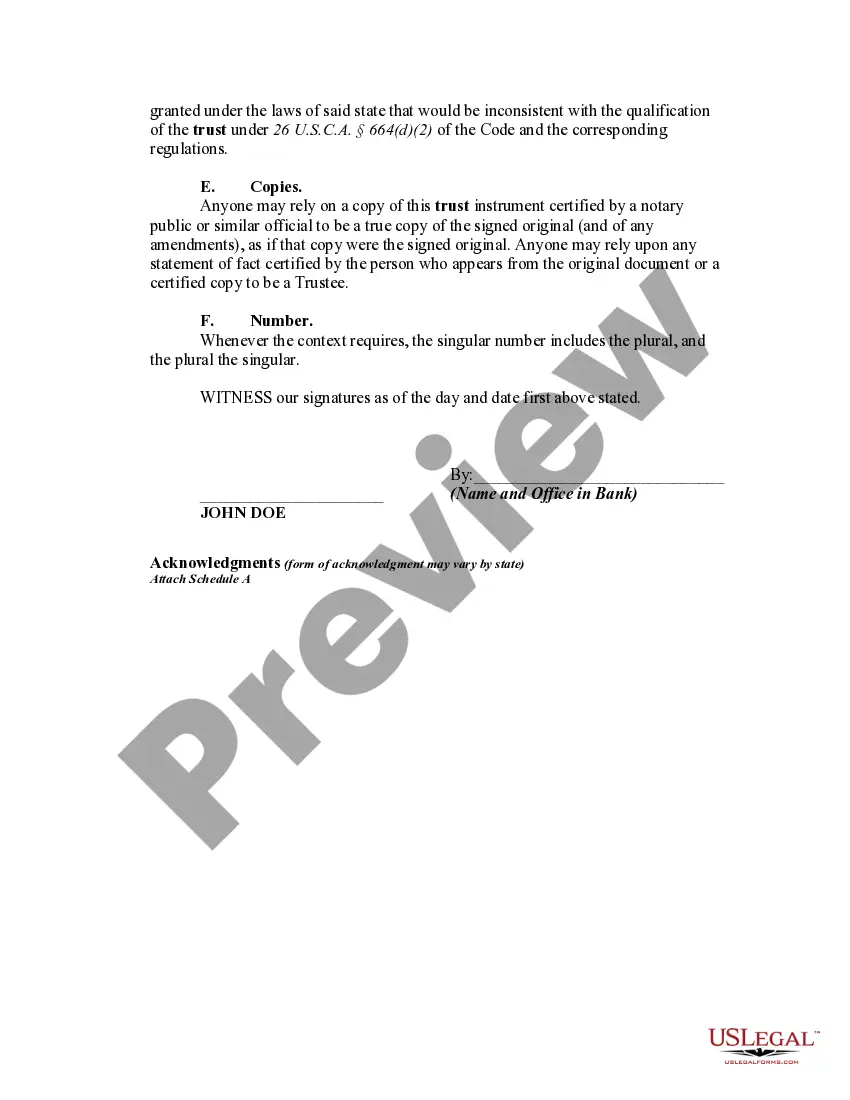
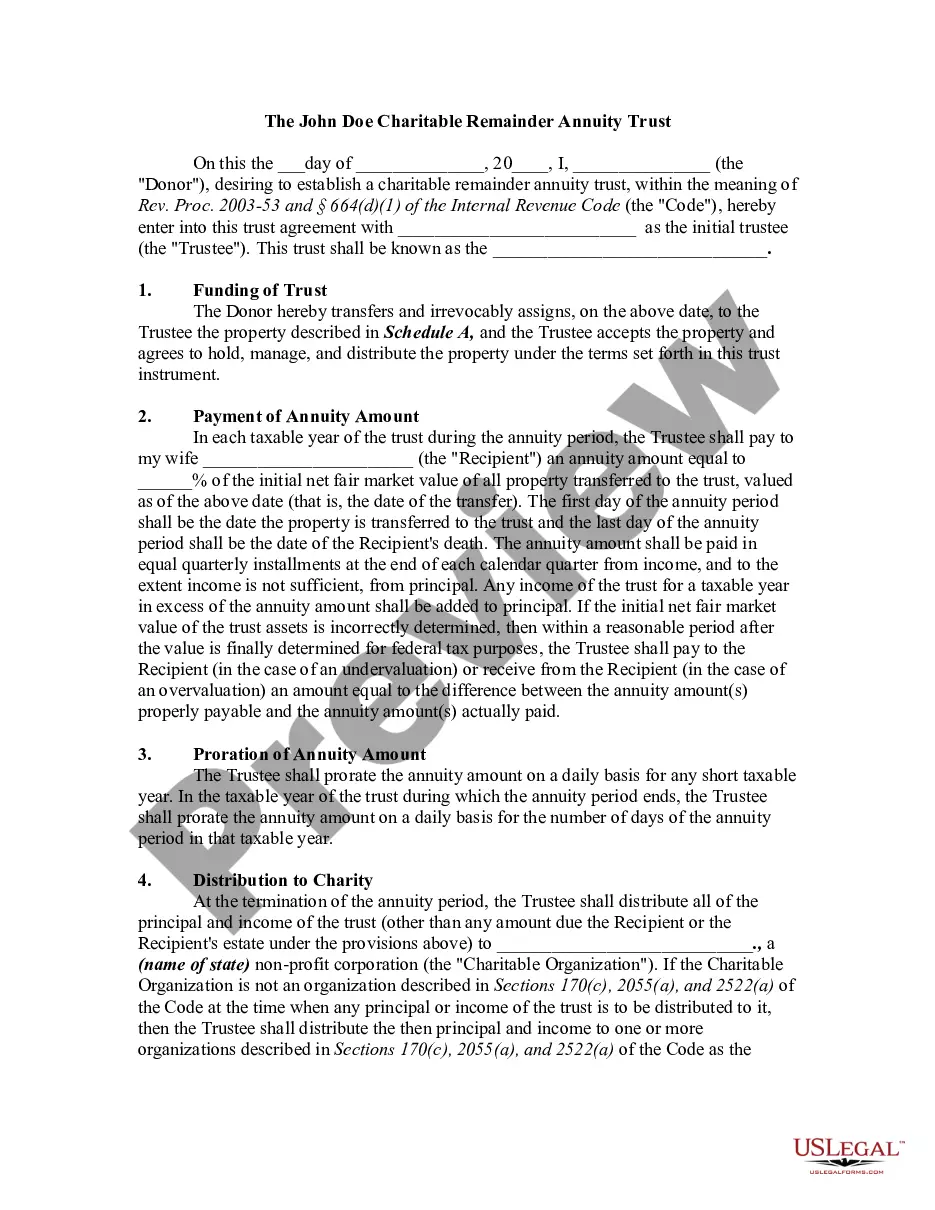
Get your form ready online
Our built-in tools help you complete, sign, share, and store your documents in one place.
Make edits, fill in missing information, and update formatting in US Legal Forms—just like you would in MS Word.
Download a copy, print it, send it by email, or mail it via USPS—whatever works best for your next step.
Sign and collect signatures with our SignNow integration. Send to multiple recipients, set reminders, and more. Go Premium to unlock E-Sign.
If this form requires notarization, complete it online through a secure video call—no need to meet a notary in person or wait for an appointment.
We protect your documents and personal data by following strict security and privacy standards.

Make edits, fill in missing information, and update formatting in US Legal Forms—just like you would in MS Word.

Download a copy, print it, send it by email, or mail it via USPS—whatever works best for your next step.

Sign and collect signatures with our SignNow integration. Send to multiple recipients, set reminders, and more. Go Premium to unlock E-Sign.

If this form requires notarization, complete it online through a secure video call—no need to meet a notary in person or wait for an appointment.

We protect your documents and personal data by following strict security and privacy standards.
Looking for another form?







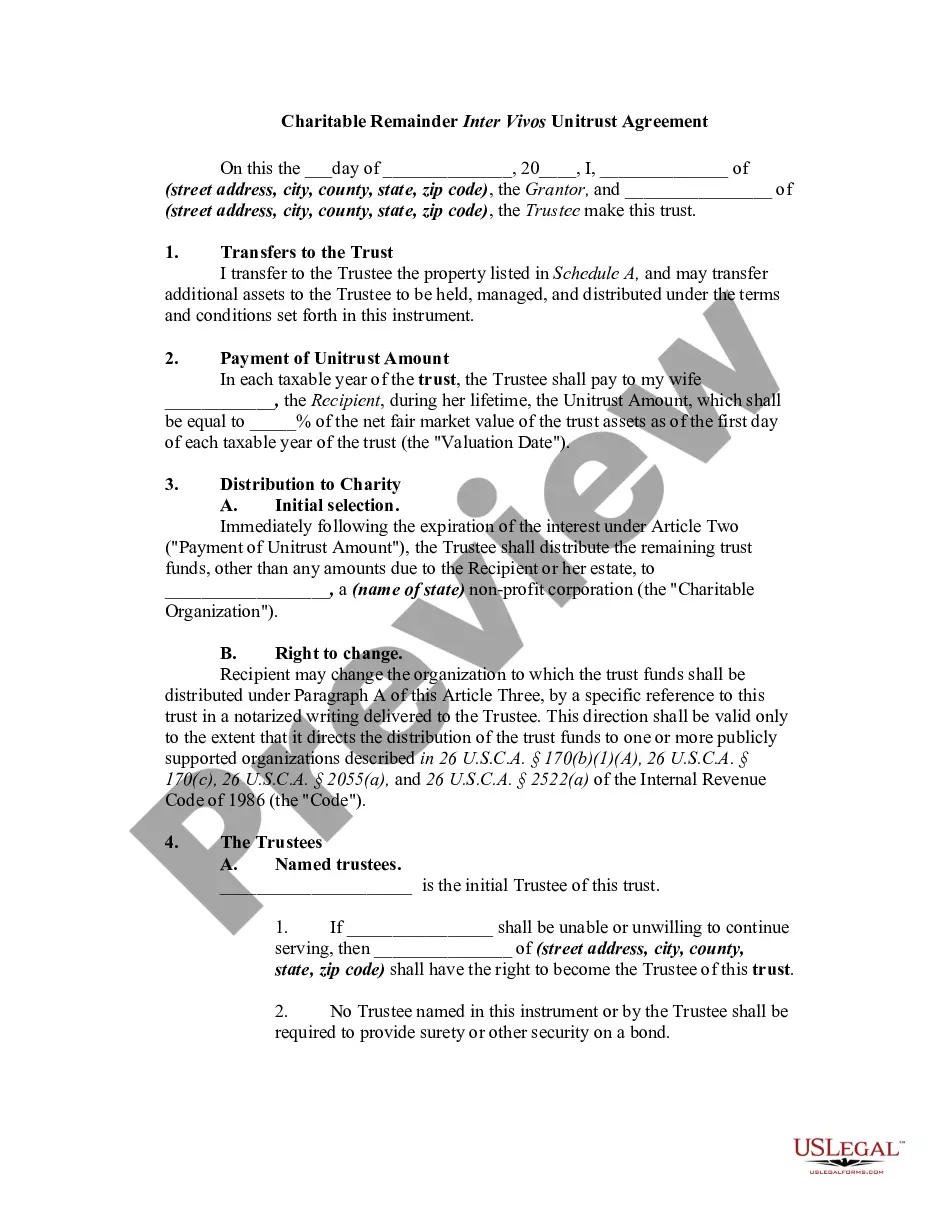
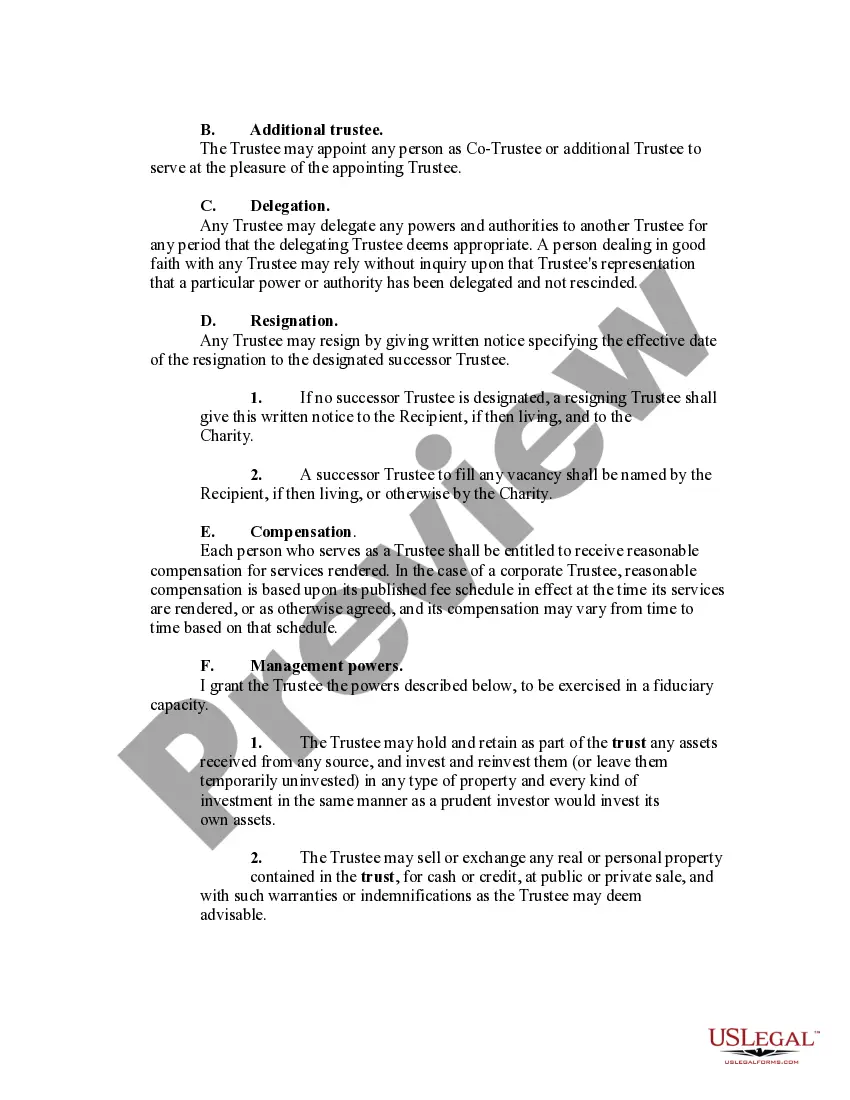
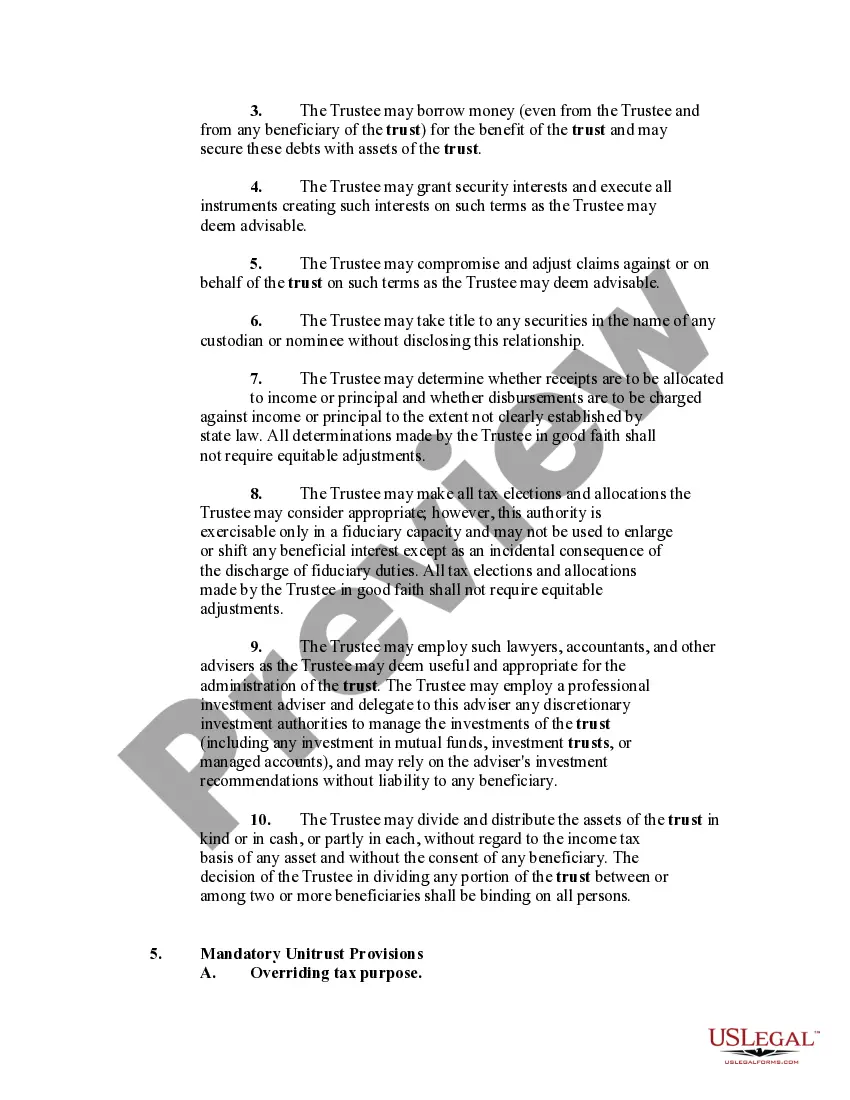
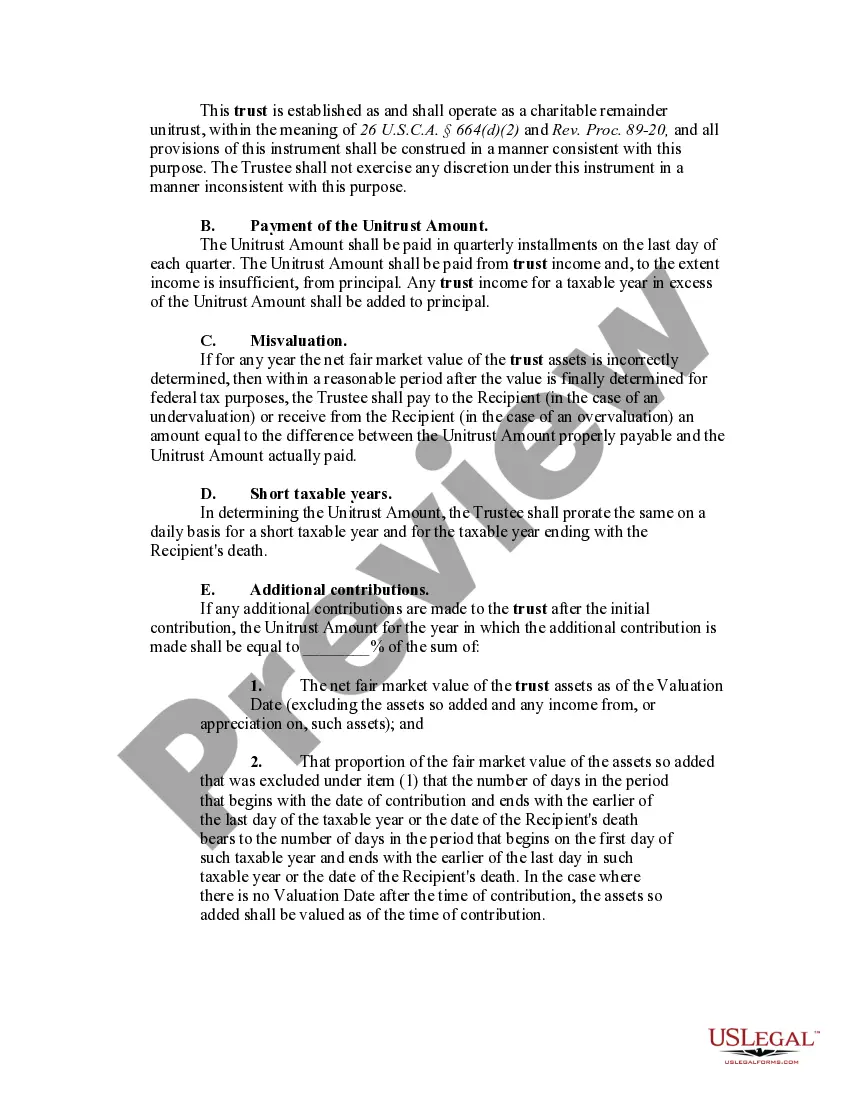
How to fill out Charitable Remainder Inter Vivos Unitrust Agreement?
Getting a go-to place to access the most current and relevant legal samples is half the struggle of handling bureaucracy. Choosing the right legal papers needs accuracy and attention to detail, which explains why it is crucial to take samples of Charitable Agreement Statement With Multiple Conditions only from reputable sources, like US Legal Forms. An improper template will waste your time and hold off the situation you are in. With US Legal Forms, you have very little to worry about. You may access and see all the details about the document’s use and relevance for your situation and in your state or region.
Take the following steps to finish your Charitable Agreement Statement With Multiple Conditions:
- Use the catalog navigation or search field to locate your sample.
- View the form’s description to ascertain if it suits the requirements of your state and area.
- View the form preview, if there is one, to make sure the form is the one you are interested in.
- Resume the search and look for the right document if the Charitable Agreement Statement With Multiple Conditions does not suit your requirements.
- When you are positive about the form’s relevance, download it.
- If you are an authorized user, click Log in to authenticate and gain access to your selected templates in My Forms.
- If you do not have a profile yet, click Buy now to obtain the template.
- Choose the pricing plan that suits your preferences.
- Go on to the registration to finalize your purchase.
- Finalize your purchase by picking a payment method (credit card or PayPal).
- Choose the file format for downloading Charitable Agreement Statement With Multiple Conditions.
- Once you have the form on your device, you can change it with the editor or print it and complete it manually.
Eliminate the headache that comes with your legal documentation. Discover the comprehensive US Legal Forms catalog where you can find legal samples, check their relevance to your situation, and download them immediately.
Form popularity
FAQ
Example of a quid pro quo contribution where a disclosure statement is required: A donor gives a charitable organization $100 in exchange for a football game ticket with a fair market value of $40. In this example, the donor's tax deduction may not exceed $60.
The cost of buying, building, or manufacturing property similar to the donated item should be considered in determining FMV. However, there must be a reasonable relationship between the replacement cost and the FMV. The replacement cost is the amount it would cost to replace the donated item on the valua- tion date.
For contributions of cash, check, or other monetary gift (regardless of amount), you must maintain a record of the contribution: a bank record or a written communication from the qualified organization containing the name of the organization, the amount, and the date of the contribution.
But any cash, check, or other monetary gift does require either a bank record or acknowledgment from the organization, regardless of the size of the gift. Contributions of $250 or more require both a bank record and written acknowledgment from the organization with the details of your donation.
Ing to the Internal Revenue Service (IRS), a taxpayer can deduct the fair market value of clothing, household goods, used furniture, shoes, books and so forth. Fair market value is the price a willing buyer would pay for them.