Charitable Remainder Trust In Australia
Description

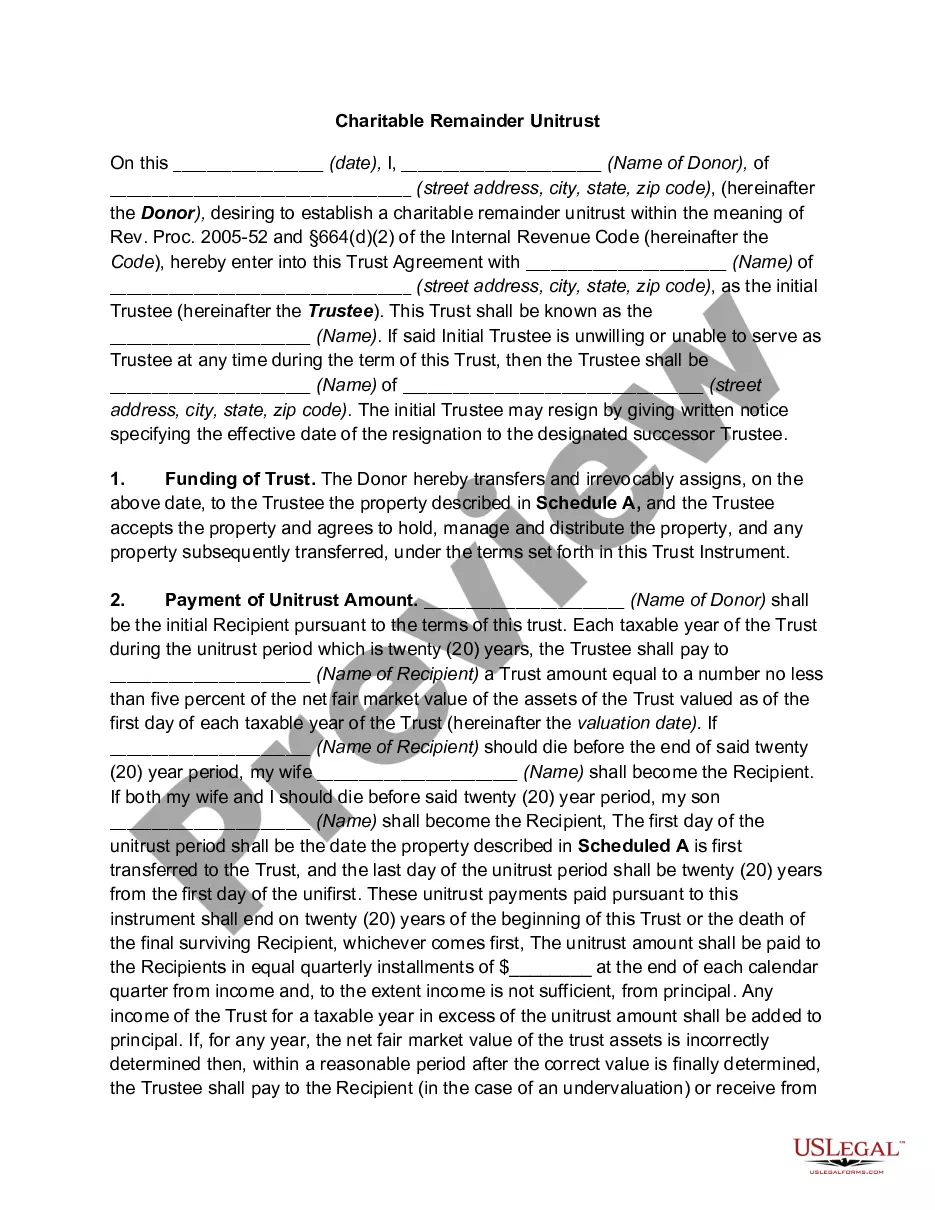
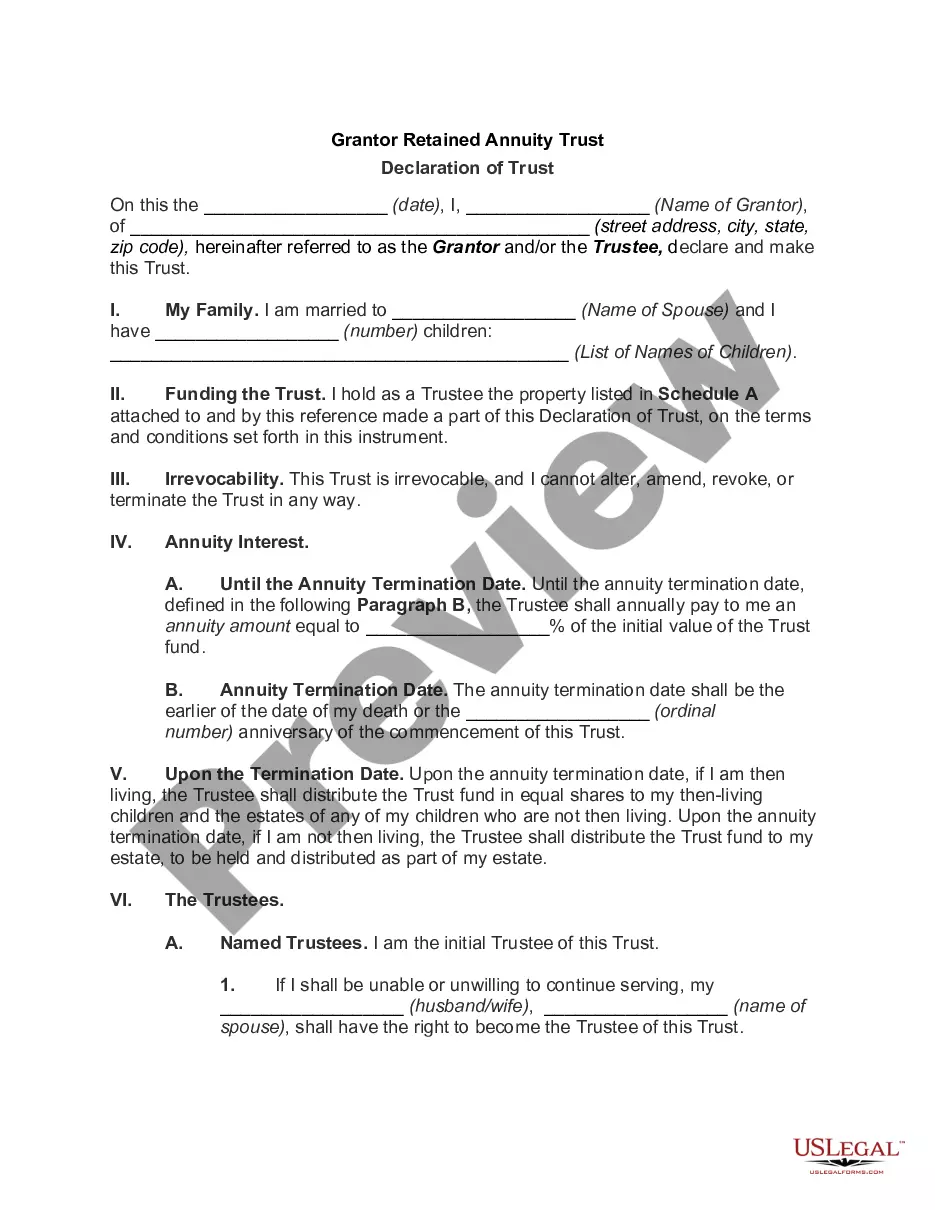
Get your form ready online
Our built-in tools help you complete, sign, share, and store your documents in one place.
Make edits, fill in missing information, and update formatting in US Legal Forms—just like you would in MS Word.
Download a copy, print it, send it by email, or mail it via USPS—whatever works best for your next step.
Sign and collect signatures with our SignNow integration. Send to multiple recipients, set reminders, and more. Go Premium to unlock E-Sign.
If this form requires notarization, complete it online through a secure video call—no need to meet a notary in person or wait for an appointment.
We protect your documents and personal data by following strict security and privacy standards.

Make edits, fill in missing information, and update formatting in US Legal Forms—just like you would in MS Word.

Download a copy, print it, send it by email, or mail it via USPS—whatever works best for your next step.

Sign and collect signatures with our SignNow integration. Send to multiple recipients, set reminders, and more. Go Premium to unlock E-Sign.

If this form requires notarization, complete it online through a secure video call—no need to meet a notary in person or wait for an appointment.

We protect your documents and personal data by following strict security and privacy standards.
Looking for another form?








Form popularity
FAQ
A charity is an organization dedicated to charitable purposes, while a charitable trust acts as a financial arrangement where assets are held specifically for charitable purposes. Charities often operate programs, whereas a charitable remainder trust in Australia is a method of managing donations to support these programs over time. Understanding this distinction can inform your philanthropic decisions effectively.
In Australia, charitable remainder trusts must comply with specific regulations laid out by the Australian Taxation Office. Typically, these trusts require that the remainder of the assets be distributed to qualified charitable organizations. Additionally, it's crucial to set up the trust with proper documentation to ensure adherence to all legal requirements and maximize tax benefits.
A charitable trust in Australia is a legal arrangement that allows individuals or organizations to allocate resources for charitable purposes. This type of trust ensures that the donated assets are used to support public causes, promoting broader social welfare. Essentially, a charitable remainder trust in Australia is one specific form that enables donors to receive ongoing income while supporting their chosen charities.
Australia features several types of trusts, including discretionary trusts, unit trusts, and charitable trusts. Each type serves different purposes, such as asset protection or tax management, with charitable remainder trusts specifically designed for philanthropic intentions. Understanding these options can help you select the most suitable trust for your needs.
While a charitable remainder trust in Australia offers many benefits, it is essential to consider some disadvantages. For example, once you establish this trust, you typically cannot change its terms, and it may involve complex tax rules that are hard to navigate. Additionally, there might be upfront costs associated with setting up and maintaining the trust.
The primary purpose of a charitable trust is to facilitate the donation of assets for charitable causes, ensuring that the funds are used for public benefit. This offers not only support to various charities but also potential tax advantages for the donor. Specifically, a charitable remainder trust in Australia allows individuals to make a meaningful impact while receiving income during their lifetime.
In Australia, a foundation is generally a nonprofit organization that provides funds to support charitable activities, while a trust represents a legal arrangement where one party holds property for the benefit of others. A charitable remainder trust in Australia, for instance, allows individuals to donate assets while retaining income during their lifetime. This difference can be significant when planning your charitable contributions.
The 5% rule for charitable remainder trusts in Australia refers to the minimum percentage that the charitable beneficiary must receive from the trust's assets. This rule ensures that a substantial portion of the trust's value ultimately supports charitable purposes. Understanding this rule is crucial, as it affects both your financial planning and the impact of your charitable contributions.
A charitable trust in Australia is designed to donate assets directly to charity with no return to the donor. In contrast, a charitable remainder trust allows the donor to receive income from the trust for a specified time before the remaining assets are distributed to charity. This key difference offers a blend of philanthropic giving with some financial benefits during the donor's lifetime.
While a charitable remainder trust in Australia offers various benefits, there are some downsides to consider. For instance, the initial setup can be complex and may involve legal fees, which could be a barrier for some. Additionally, once assets are in the trust, you relinquish control, as they are ultimately destined for charitable purposes, which could limit personal financial flexibility.
