Secured Loan With Help To Buy
Description
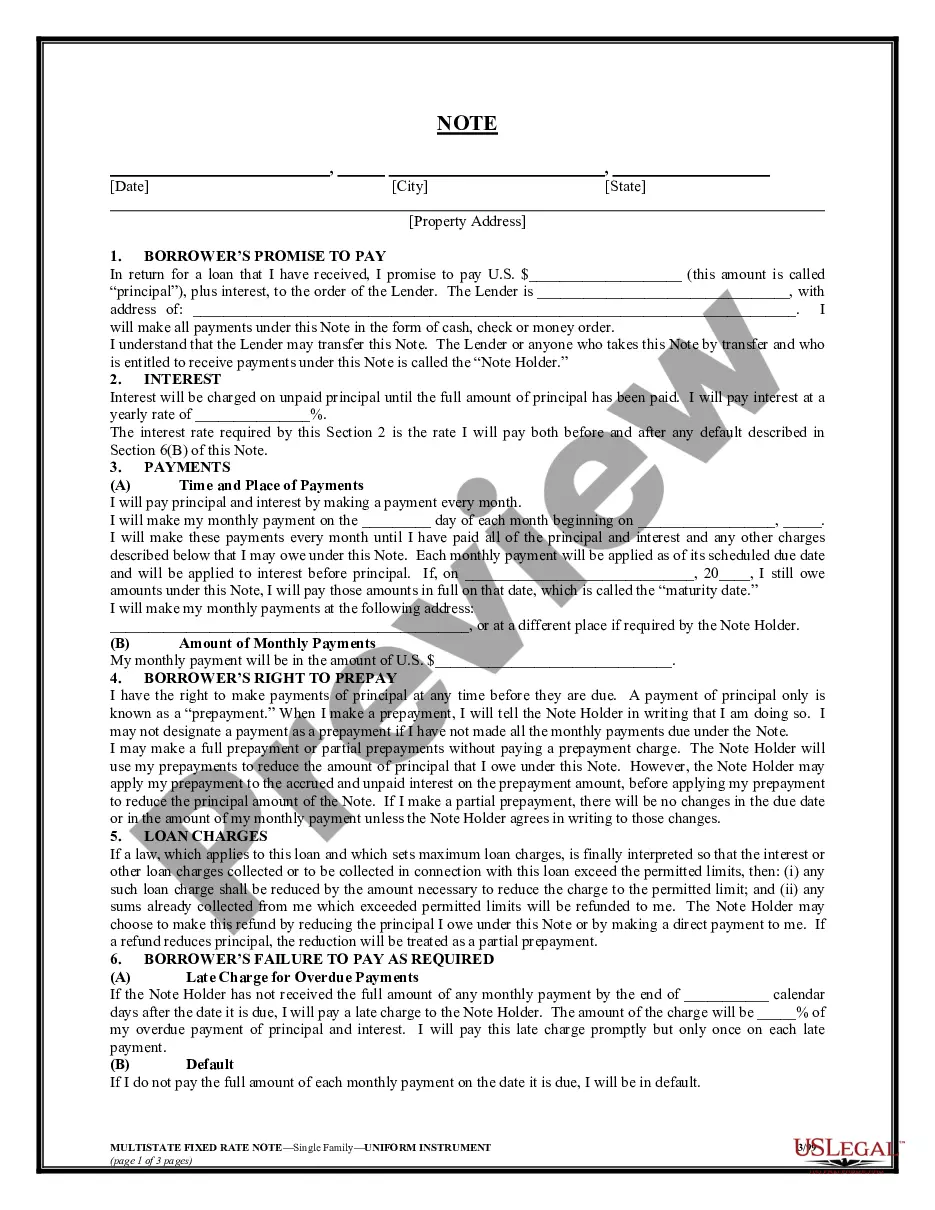
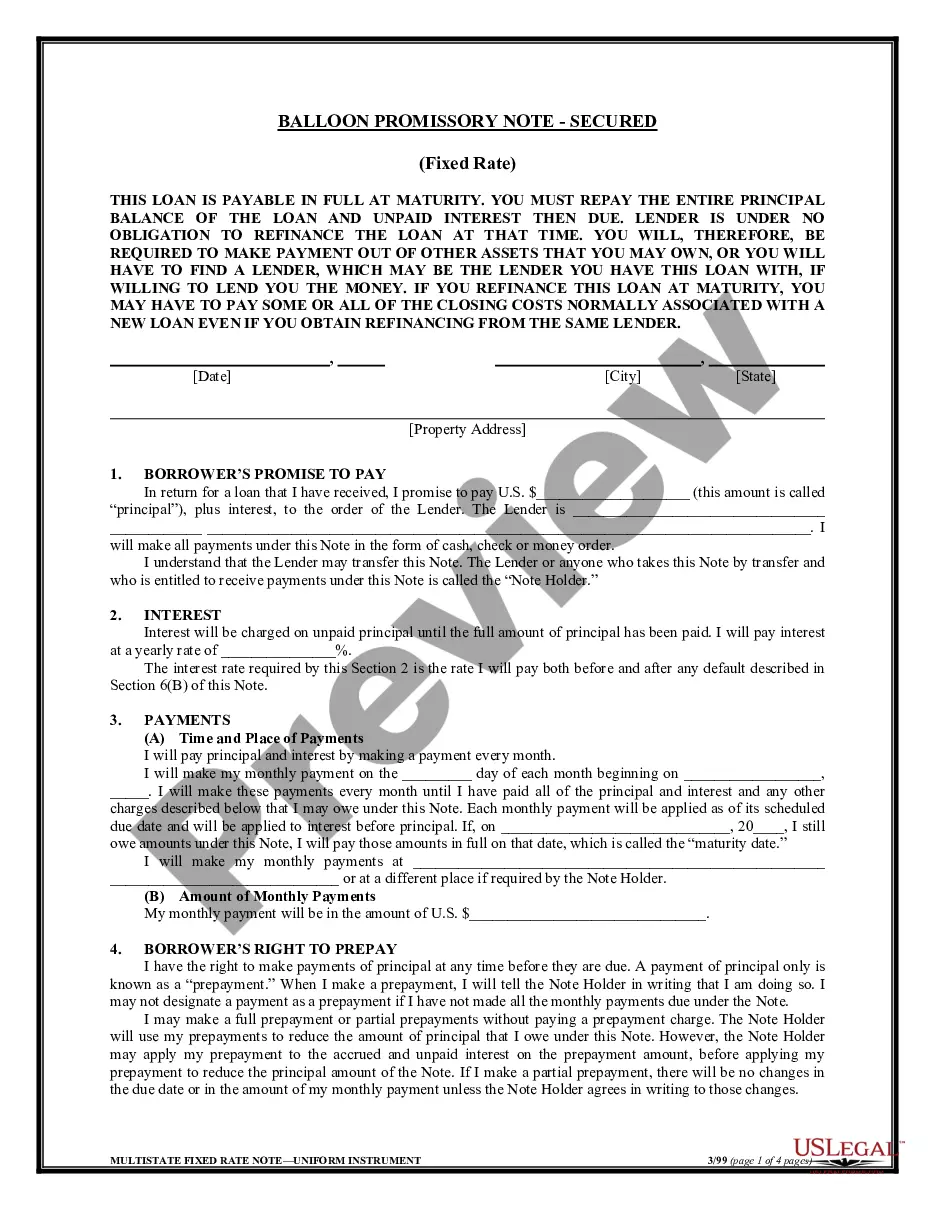
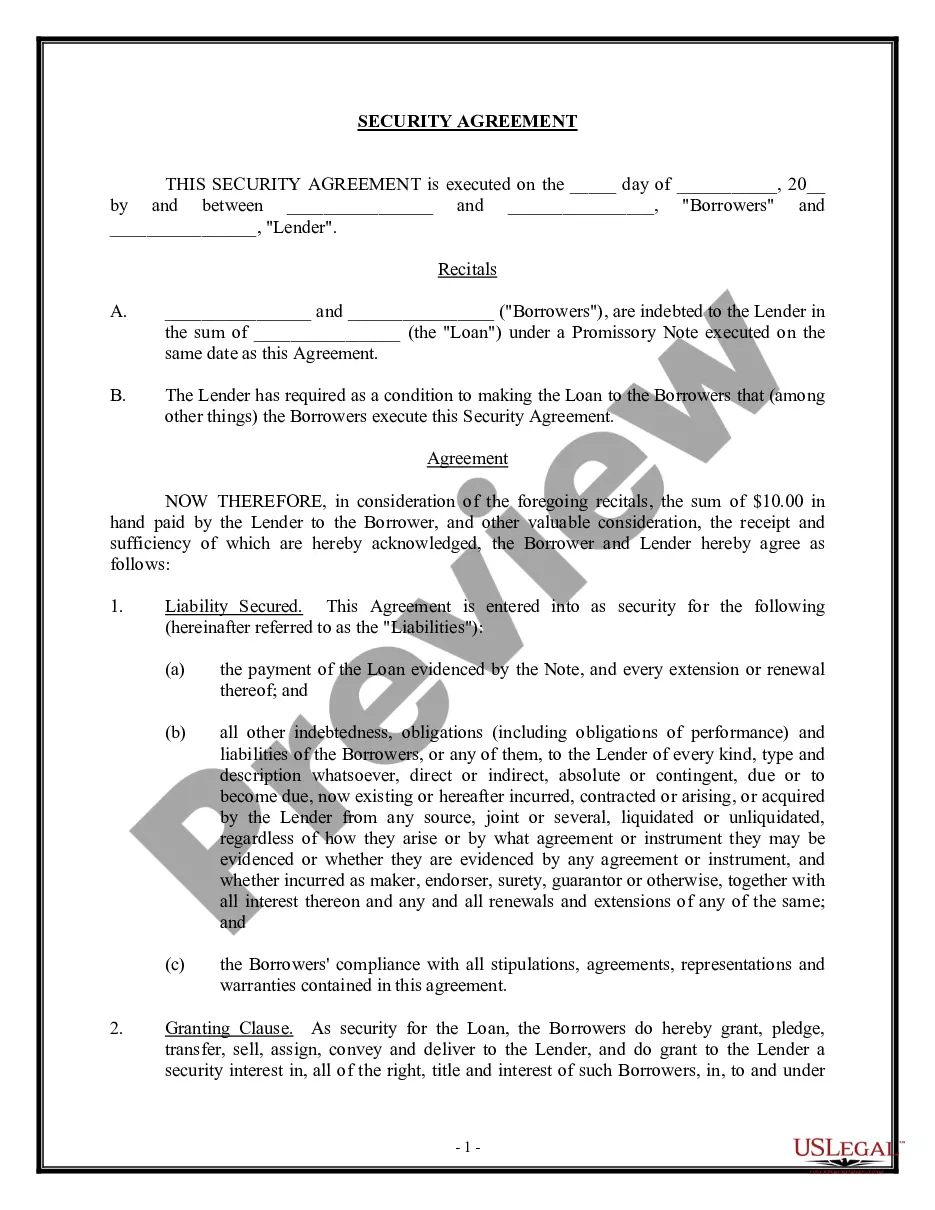


How to fill out Secured Promissory Note?
Identifying a reliable resource to obtain the latest and suitable legal templates is a significant part of navigating bureaucracy. Finding the appropriate legal documents requires precision and meticulousness, which is why it is essential to source Secured Loan With Help To Buy samples exclusively from trustworthy providers, such as US Legal Forms. An incorrect template can squander your time and hinder your current situation. With US Legal Forms, most of your concerns are alleviated. You can access and review all the details related to the document’s application and significance for your situation and in your jurisdiction.
Follow the outlined steps to finalize your Secured Loan With Help To Buy.
Eliminate the complications associated with your legal documentation. Explore the extensive US Legal Forms library where you can locate legal templates, verify their applicability to your situation, and download them instantly.
- Use the catalog browsing or search option to find your template.
- Examine the form’s details to ensure it meets the standards of your jurisdiction.
- Check the form preview, if available, to confirm it is indeed the document you seek.
- Return to the search to find the correct document if the Secured Loan With Help To Buy does not fulfill your needs.
- If you are certain about the form’s applicability, download it.
- As a registered user, click Log in to verify and access your chosen templates in My documents.
- If you do not yet possess an account, click Buy now to acquire the form.
- Choose the pricing option that aligns with your needs.
- Proceed with the registration to complete your transaction.
- Finalize your transaction by selecting a payment method (credit card or PayPal).
- Choose the file format for downloading Secured Loan With Help To Buy.
- Once you have the document on your device, you may edit it with the editor or print it and complete it manually.
Form popularity
FAQ
The $100,000 loophole refers to a tax provision that allows parents to lend up to $100,000 to their children without facing gift tax implications. This can be especially useful when considering a secured loan with help to buy, as it can assist with down payments. However, it is crucial to document the loan properly to ensure it meets IRS requirements. Consult uslegalforms for guidance on structuring such loans correctly.
Getting approved for a secured loan can be easier compared to unsecured loans, especially when you use help to buy. Lenders often see the property as collateral, which reduces their risk. However, they will still evaluate your credit history and financial situation. It is important to prepare your documents and consult with platforms like uslegalforms to find the best options for your needs.
For a $10,000 loan, a credit score of 650 or higher is typically favorable, but requirements can vary by lender. A secured loan with help to buy may offer additional flexibility, as the property itself can act as collateral. This means that even if your score is slightly lower, you may still have a good chance of approval. Always check with lenders to understand their specific criteria.
Yes, it is possible to obtain a mortgage with a secured loan. In fact, a secured loan with help to buy can provide you with additional funds to cover the deposit or other costs associated with purchasing a home. This type of loan can enhance your mortgage application by demonstrating your financial commitment. Ensure you research various options to find the best solution for your situation.
To qualify for a secured loan with help to buy, you need to provide collateral, which can be your home or another valuable asset. Lenders will assess the value of the collateral to determine how much you can borrow. Your credit score and financial history also play a significant role in the qualification process. By understanding these requirements, you can better prepare for your loan application.
Eligibility for a secured loan with help to buy typically involves having a steady income and a good credit history. Lenders often look for borrowers who can demonstrate their ability to repay the loan. Additionally, you must own a property or have assets that can be used as collateral. If you meet these criteria, you can explore secured loan options tailored to your needs.
Examples of what can be used as collateral for a personal loan include the following: Your Vehicle. Your Home. Your Savings. Your Investment Accounts. Your Future Paychecks. Art. Jewelry.
As it's very unlikely that a lender would write off a secured loan, the only way to get rid of one is to pay it off. There are three main ways to do this: continue making your regular payments as normal. negotiate with the lender and agree a different payment plan.
A secured loan is a loan backed by collateral. The most common types of secured loans are mortgages and car loans, and in the case of these loans, the collateral is your home or car.
A secured loan is a type of loan in which a borrower pledges an asset such as a car, property, or equity etc., against that loan. The loan amount made available to the borrower is usually based on the value of the collateral.