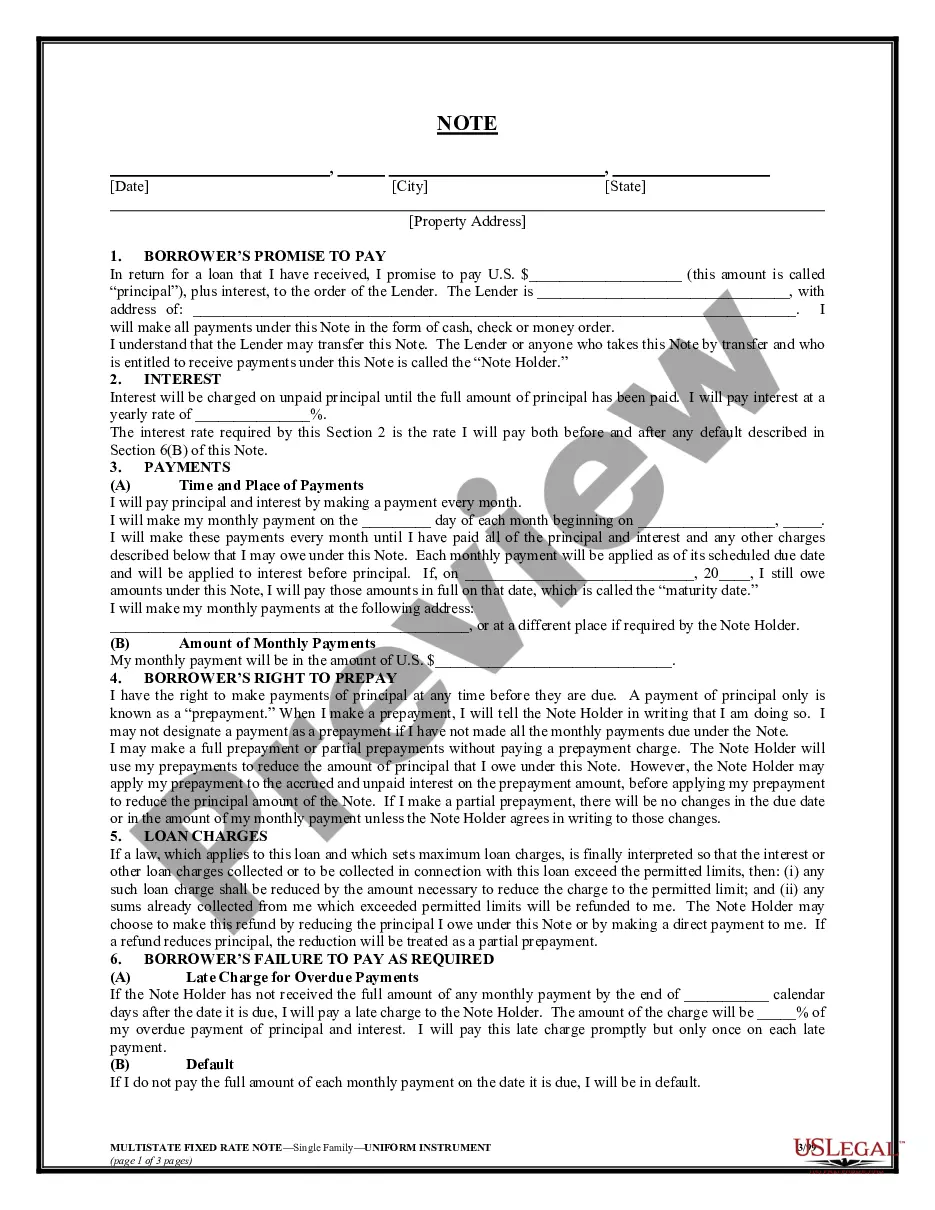
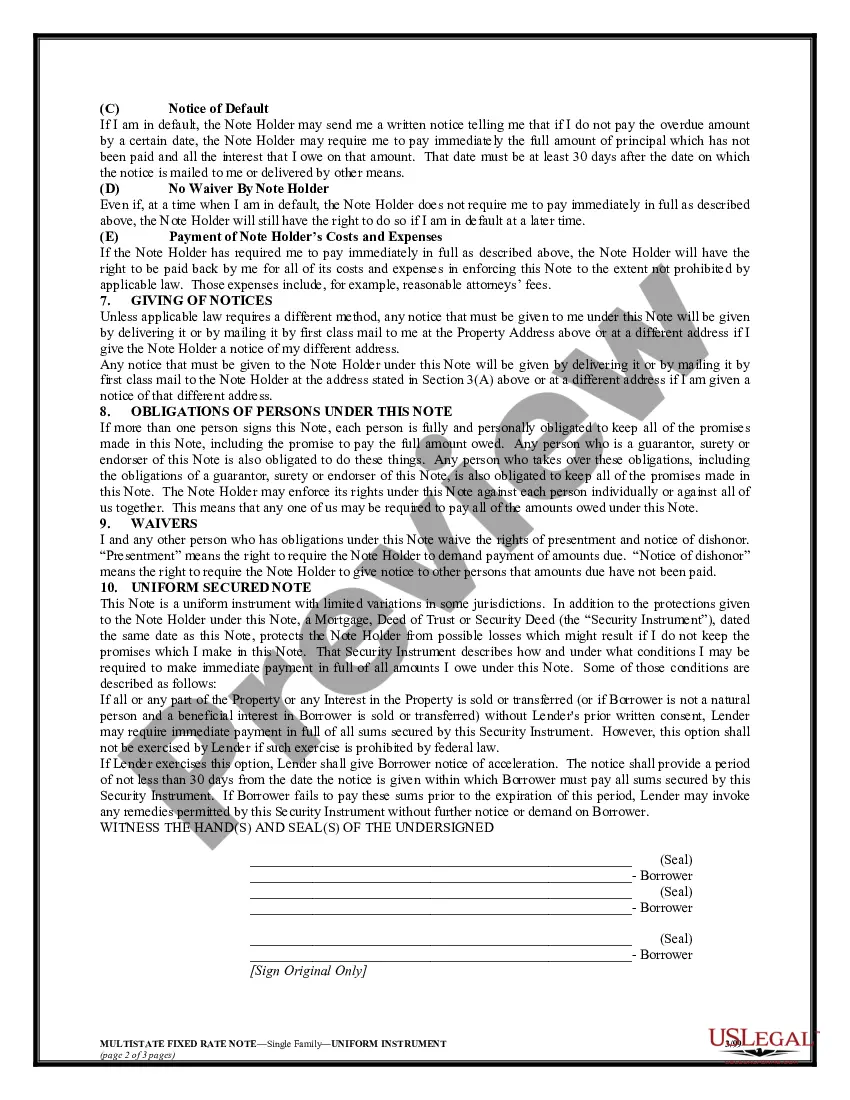
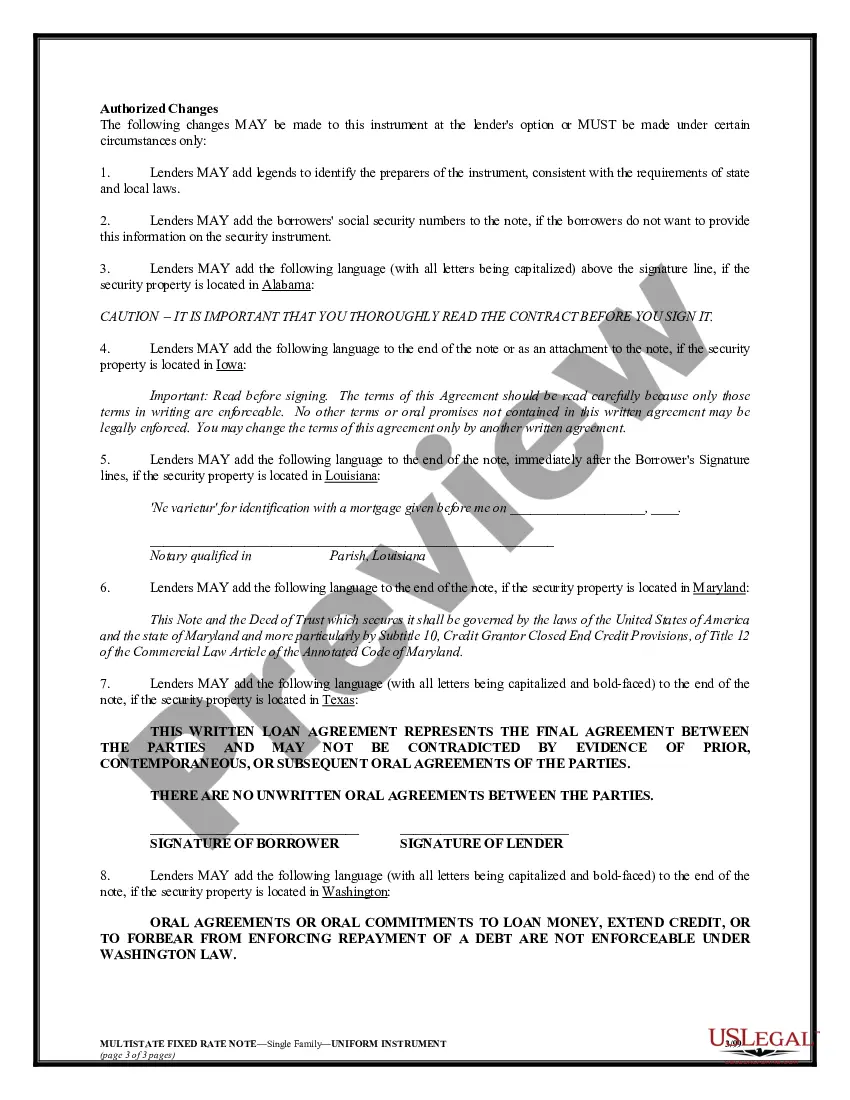
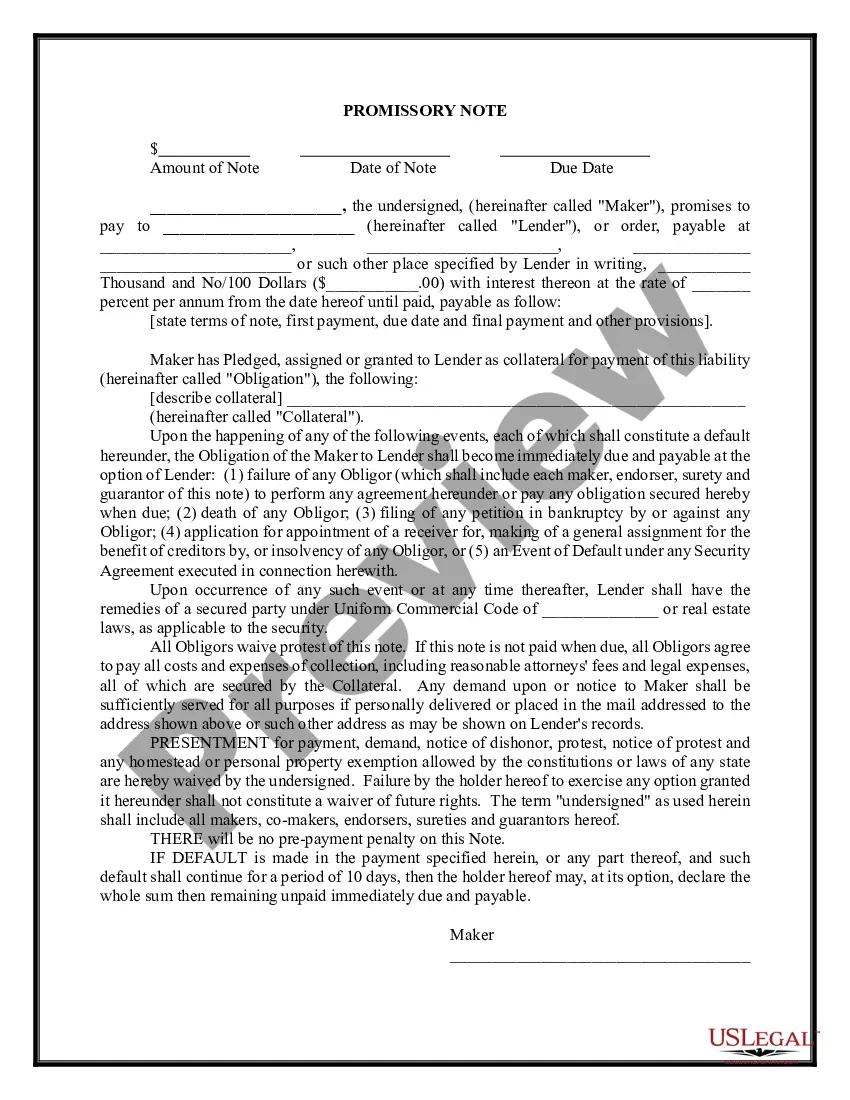
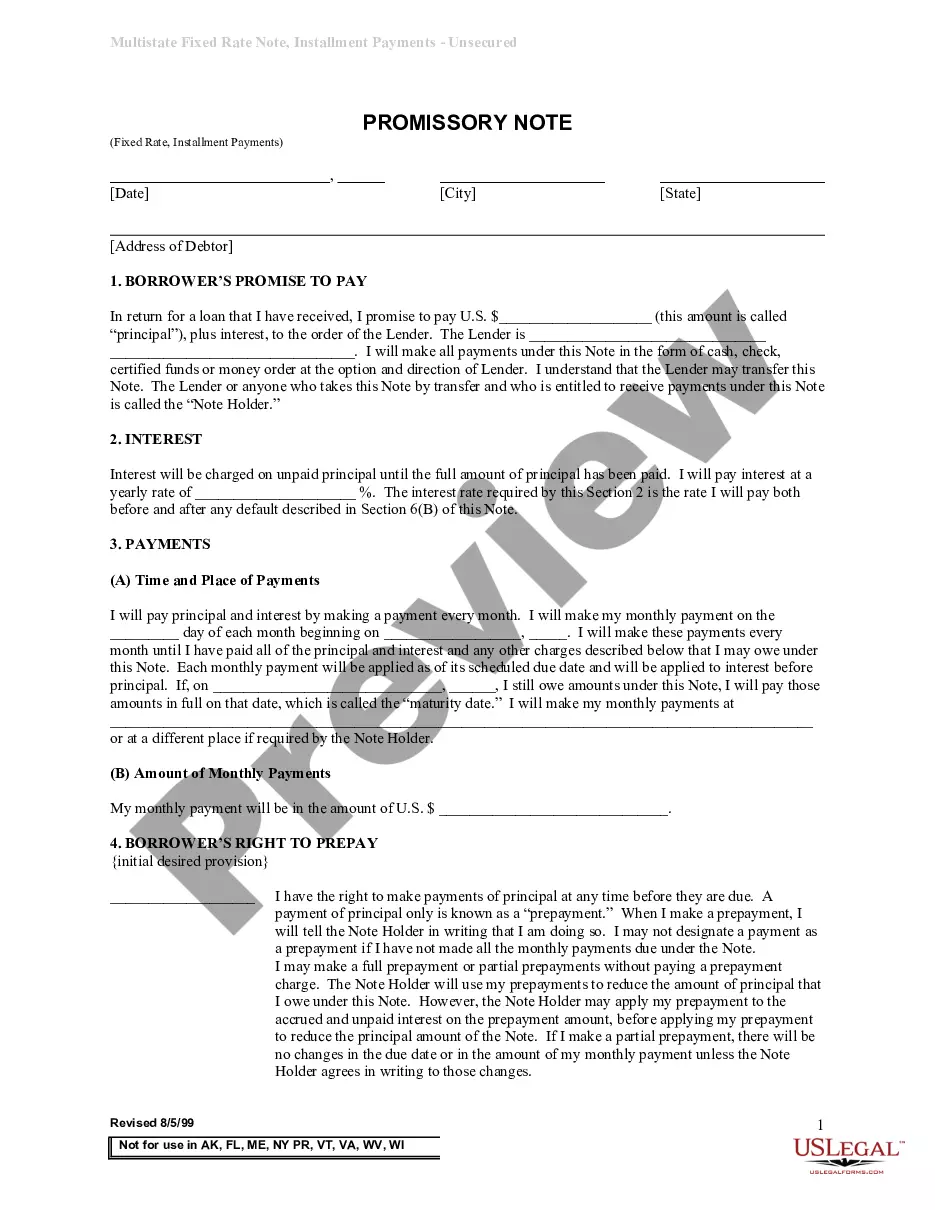
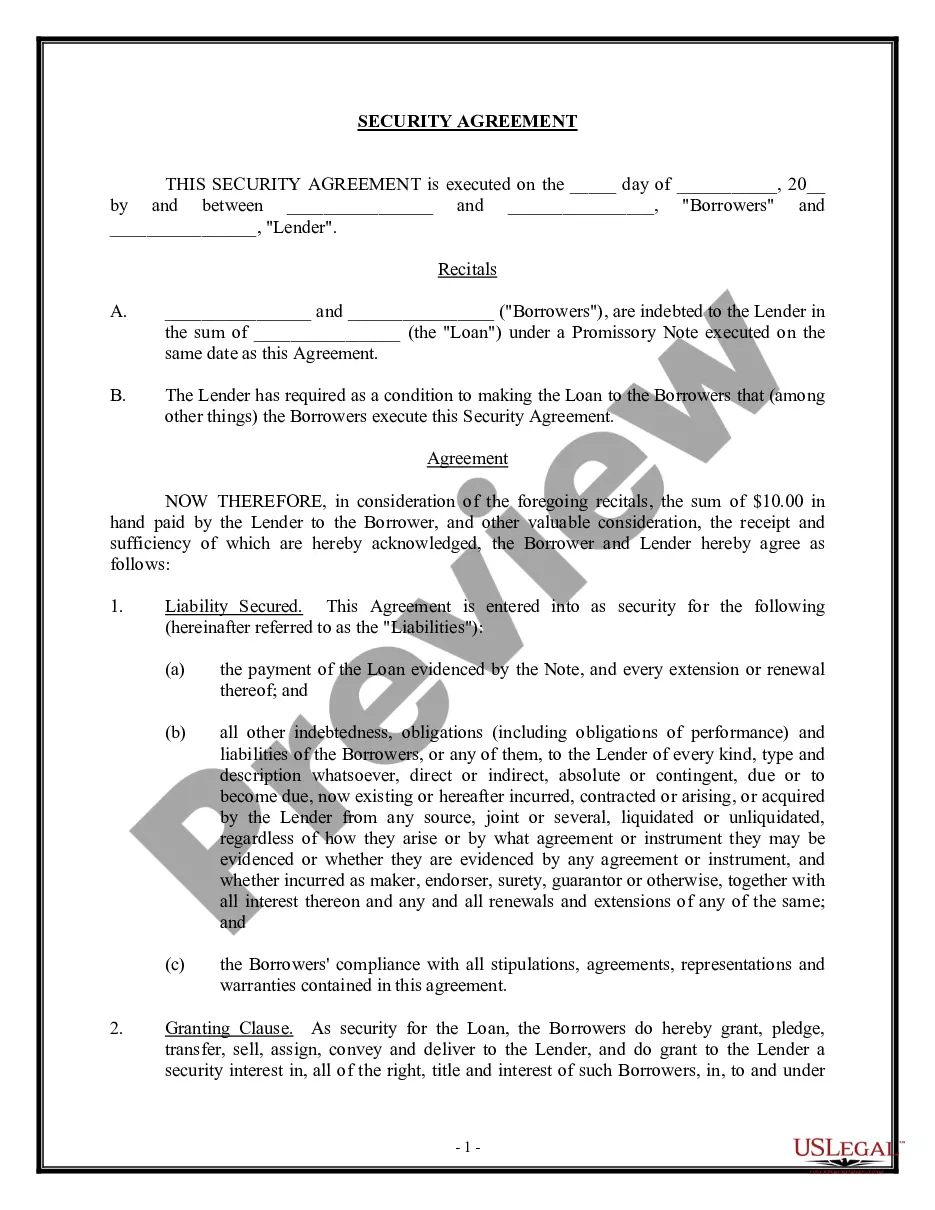
Note On Secured Creditor
Description
Get your form ready online
Our built-in tools help you complete, sign, share, and store your documents in one place.
Make edits, fill in missing information, and update formatting in US Legal Forms—just like you would in MS Word.
Download a copy, print it, send it by email, or mail it via USPS—whatever works best for your next step.
Sign and collect signatures with our SignNow integration. Send to multiple recipients, set reminders, and more. Go Premium to unlock E-Sign.
If this form requires notarization, complete it online through a secure video call—no need to meet a notary in person or wait for an appointment.
We protect your documents and personal data by following strict security and privacy standards.

Make edits, fill in missing information, and update formatting in US Legal Forms—just like you would in MS Word.

Download a copy, print it, send it by email, or mail it via USPS—whatever works best for your next step.

Sign and collect signatures with our SignNow integration. Send to multiple recipients, set reminders, and more. Go Premium to unlock E-Sign.

If this form requires notarization, complete it online through a secure video call—no need to meet a notary in person or wait for an appointment.

We protect your documents and personal data by following strict security and privacy standards.
Looking for another form?









How to fill out Multistate Promissory Note - Secured?
Locating a reliable source for obtaining the latest and suitable legal templates is half the challenge of navigating through bureaucracy.
Identifying the correct legal documents requires precision and carefulness, which is why it's essential to source samples of Note On Secured Creditor exclusively from trustworthy providers, such as US Legal Forms. A faulty template will squander your time and delay your current situation. With US Legal Forms, you have minimal concerns.
Eliminate the hassle associated with your legal documentation. Explore the extensive US Legal Forms catalog where you can discover legal templates, assess their applicability to your situation, and download them instantly.
- Utilize the catalog navigation or search bar to find your sample.
- Examine the form's description to determine if it meets the criteria of your state and locality.
- Check the form preview, if available, to confirm the template is the one you need.
- Continue your search and find the appropriate template if the Note On Secured Creditor does not suit your requirements.
- When you are certain about the form's applicability, download it.
- If you are a registered user, click Log in to verify and access your chosen templates in My documents.
- If you do not possess an account yet, click Buy now to acquire the form.
- Select the pricing option that aligns with your needs.
- Proceed to register to complete your purchase.
- Finalize your purchase by selecting a payment method (credit card or PayPal).
- Choose the document format for downloading Note On Secured Creditor.
- Once you have the form on your device, you can edit it using the editor or print it and fill it out manually.
Form popularity
FAQ
Yes, in many cases, a secured creditor must file a proof of claim to assert their rights in bankruptcy proceedings. This document outlines the amount owed and the basis for the claim. Filing this claim is crucial for secured creditors to protect their interests and ensure they receive payment from the bankruptcy estate.
Common examples of secured creditors include banks, mortgage companies, and auto lenders. These entities provide loans backed by assets such as real estate or vehicles. Understanding these examples can help you identify your position in financial agreements and navigate your rights.
A secured creditor provides loans to borrowers with the condition that certain assets serve as collateral. This relationship allows the creditor to mitigate risk, as they can reclaim the collateral in case of default. Essentially, secured creditors play a vital role in facilitating lending while ensuring protection for their financial interests.
The term 'secured creditor' refers to a party that has a security interest in a borrower's assets. This means they are entitled to claim those assets if the borrower fails to repay their debt. Understanding this relationship is crucial for both lenders and borrowers in navigating financial agreements.
Secured creditors hold a legal claim to specific assets of a borrower, while unsecured creditors do not have this claim. If a borrower default on their obligations, secured creditors can take the collateral. Unsecured creditors, however, may only seek repayment through legal action or negotiation without the backing of specific assets, which makes their position less secure.
The steps of secured transactions include creating a security agreement, attaching the collateral, and perfecting the security interest. These steps are essential for protecting your rights as a creditor. To gain a deeper understanding, you can refer to a note on secured creditor practices, which can guide you through each step effectively.
Yes, a secured creditor generally must file a proof of claim to receive payments from the bankruptcy estate. While secured creditors have rights to the collateral, filing a claim ensures they are recognized in the proceedings. A note on secured creditor can help you understand the filing process and the implications of not doing so.
Creditors file proof of claim to establish their right to receive payment from the debtor's estate during bankruptcy proceedings. Filing this document is crucial for securing your interest and ensuring that you receive a distribution. A note on secured creditor can help clarify the importance of this step and the benefits it offers.
Attachment secured transactions require that the creditor has a security interest in the collateral, the debtor has rights in the collateral, and there is a security agreement. Properly documenting these elements ensures that your security interest is enforceable. To navigate this complex area, referring to a note on secured creditor can provide valuable insights.
A proof of claim for an unsecured creditor is a document that outlines the amount owed by the debtor and the basis for the claim. It allows the creditor to participate in bankruptcy proceedings and claims against the debtor's estate. Understanding the nuances of this process can be crucial, so a note on secured creditor aspects can be beneficial.