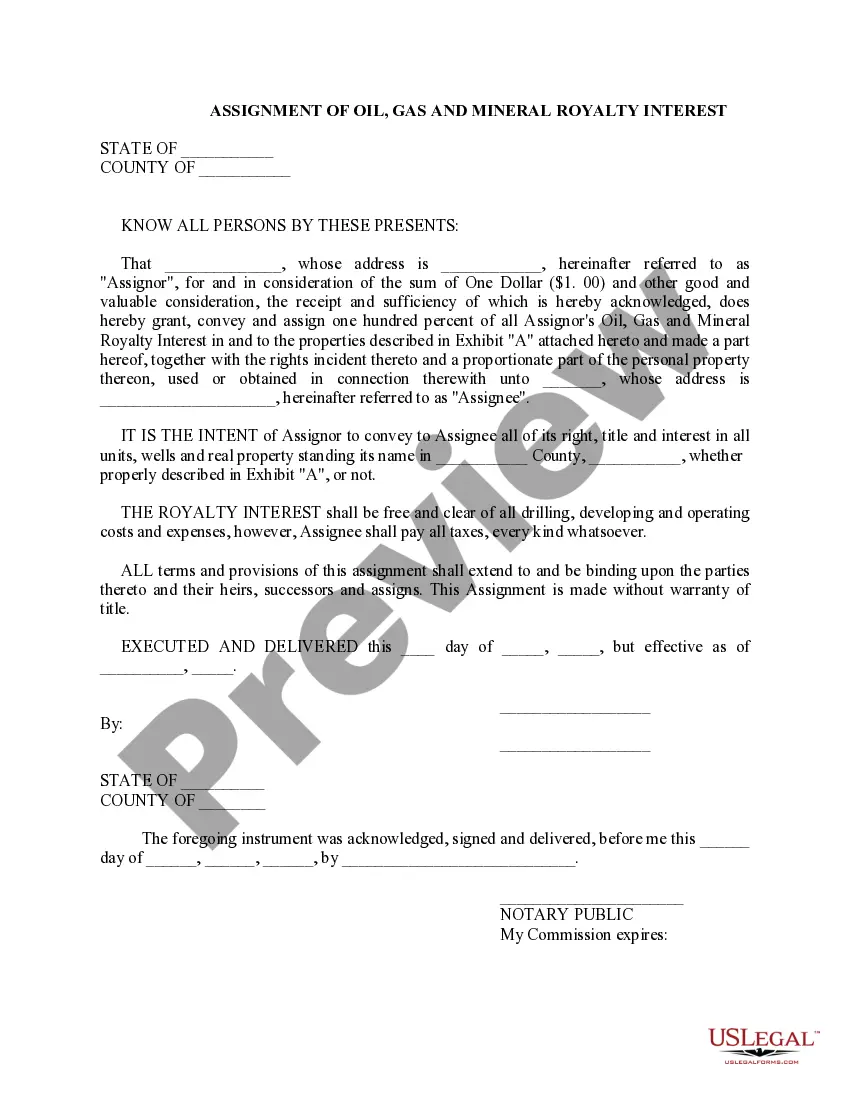
Oil Royalty Form With Tax
Description
Get your form ready online
Our built-in tools help you complete, sign, share, and store your documents in one place.
Make edits, fill in missing information, and update formatting in US Legal Forms—just like you would in MS Word.
Download a copy, print it, send it by email, or mail it via USPS—whatever works best for your next step.
Sign and collect signatures with our SignNow integration. Send to multiple recipients, set reminders, and more. Go Premium to unlock E-Sign.
If this form requires notarization, complete it online through a secure video call—no need to meet a notary in person or wait for an appointment.
We protect your documents and personal data by following strict security and privacy standards.

Make edits, fill in missing information, and update formatting in US Legal Forms—just like you would in MS Word.

Download a copy, print it, send it by email, or mail it via USPS—whatever works best for your next step.

Sign and collect signatures with our SignNow integration. Send to multiple recipients, set reminders, and more. Go Premium to unlock E-Sign.

If this form requires notarization, complete it online through a secure video call—no need to meet a notary in person or wait for an appointment.

We protect your documents and personal data by following strict security and privacy standards.
Looking for another form?
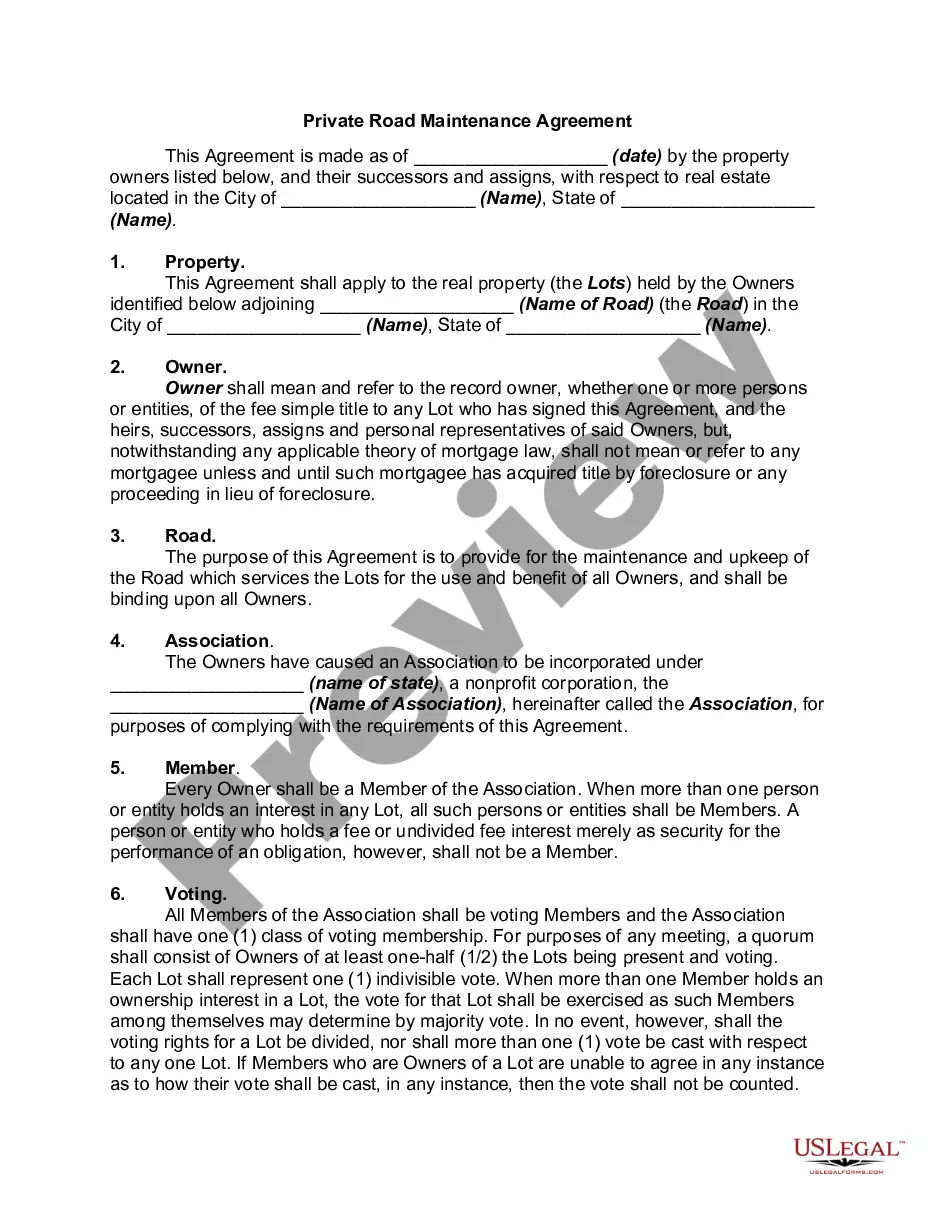


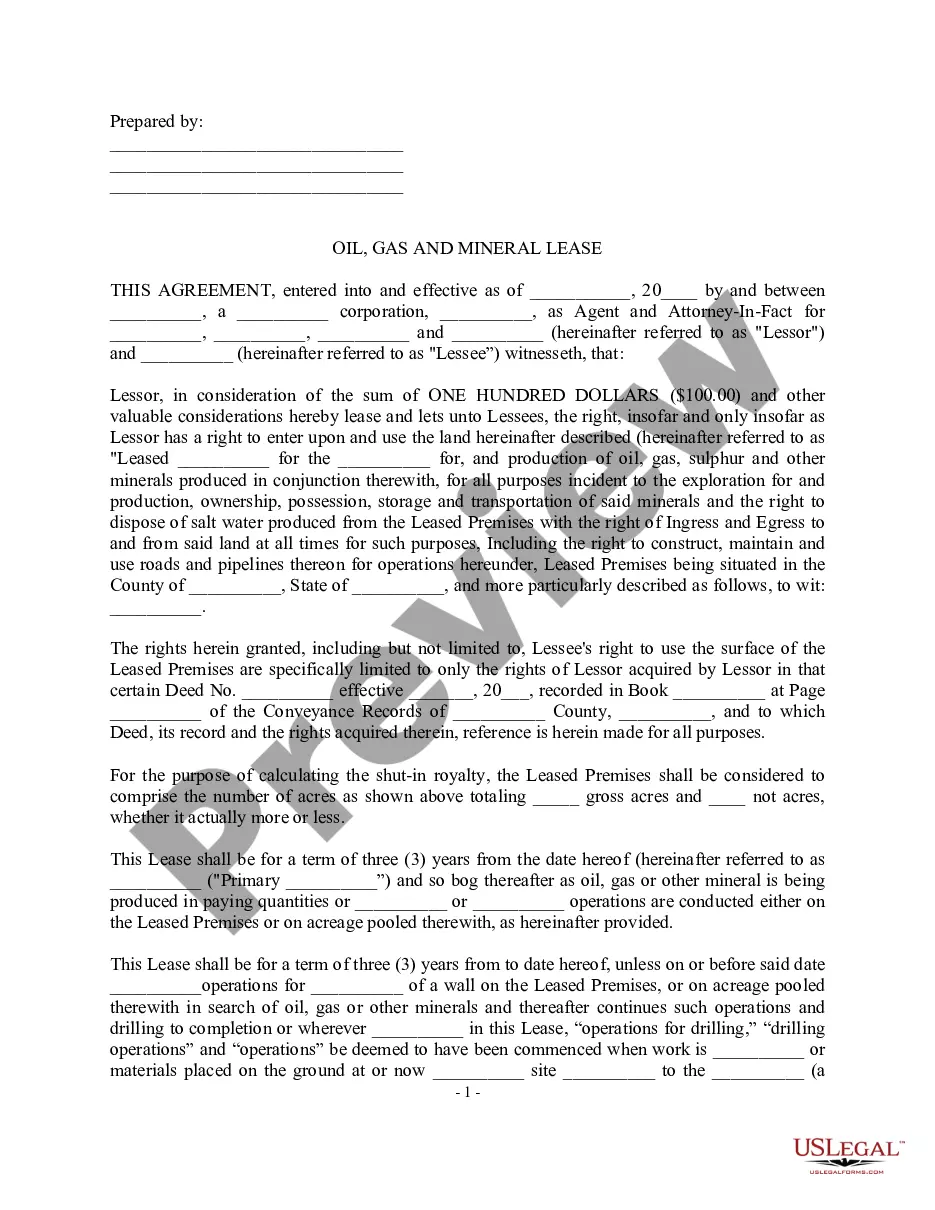
How to fill out Oil, Gas And Mineral Royalty Transfer?
Handling legal documents and procedures can be a lengthy addition to the day.
Oil Royalty Form With Tax and similar documents typically require you to seek them out and comprehend the optimal way to fill them out proficiently.
Consequently, if you are managing financial, legal, or personal issues, having a comprehensive and accessible online repository of forms available will significantly help.
US Legal Forms is the premier online provider of legal templates, featuring over 85,000 state-specific forms and a wide range of resources to help you complete your documents effortlessly.
Is it your first time using US Legal Forms? Sign up and create a free account in just a few minutes and you will have access to the form library, including Oil Royalty Form With Tax. Then, follow the steps outlined below to complete your form: Make sure you have the correct form using the Review feature and examining the form description. Select Buy Now when ready, and choose the monthly subscription plan that fits your needs. Click Download, then fill out, eSign, and print the form. US Legal Forms has twenty-five years of experience assisting clients with their legal documents. Find the form you need today and simplify any process effortlessly.
- Access the library of pertinent documents available to you with just a single click.
- US Legal Forms offers you state- and county-specific forms available at any moment for download.
- Protect your document handling processes with a superior service that enables you to create any form within minutes without any additional or concealed fees.
- Simply Log In to your account, locate Oil Royalty Form With Tax and download it instantly from the My documents section.
- You can also access previously downloaded forms.
Form popularity
FAQ
Royalties generally fall under Schedule E when you file your tax return. This schedule covers income derived from rental properties, royalties, and partnerships, making it the appropriate choice for reporting oil royalties. When completing your oil royalty form with tax details, you’ll need to provide this information on Schedule E. If you are uncertain, it’s wise to consult a tax professional to ensure compliance and minimize any potential issues.
To receive royalties from oil, you must own mineral rights to your land. Typically, oil companies explore for resources and may offer lease agreements, allowing them to extract oil in exchange for a share of the profits. When you receive payments, you will need to complete an oil royalty form with tax information to report your income accurately. Consulting experts or platforms like US Legal Forms can assist you in understanding the process and ensuring you fill out the necessary documentation correctly.
In South Dakota, every person over the age of eighteen (18) years, who is of sound mind, may execute a will. The will should be in writing, signed by the testator in the presence of two (2) witnesses. The two (2) witnesses must write their names on the will.
How do I write a Living Will in South Dakota? Make the document - Answer a few questions, and we will do the rest. Send or share - Go over your wishes with your healthcare agent(s) or get legal advice. Sign and make it legal - Optional or not, notarization and witnesses are recommended.
In South Dakota, the following requirements must be met: The creator of the will (the ?testator?) must be at least eighteen (18) years old and of sound mind. The will must be written. The will must be signed.
A South Dakota will must be filed with the probate court in order to open an estate. Once the will is proven, the executor can proceed to wrap up the estate, which includes collecting and protecting property, paying off debts, and then distributing assets.
Does a Will Have to Be Probated in South Dakota? A will must be probated even if there is no estate or the estate doesn't need to go through probate. The will is filed with the court in the county where the person lived at the time of their death.
Codified Law 29A-2-502 | South Dakota Legislature. 29A-2-502. Holographic will--Validity of non-holographic will--Establishing intent. (a) A will is valid as a holographic will, whether or not witnessed, if the signature and material portions of the document are in the testator's handwriting.
South Dakota probate follows this general flow: contact the court, get appointed as personal representative, submit will if it exists, inventory and submit valuations of all relevant assets, have the court and beneficiaries approve it, and then distribute the assets to beneficiaries.
Wills in South Dakota don't need to be notarized to be valid, but notarization can make the probate process smoother. That's because, when a will is notarized, it means the probate court doesn't have to summon the witnesses to make sure the will is legally binding.