Medical Release Form Printable With Holidays
Description

Get your form ready online
Our built-in tools help you complete, sign, share, and store your documents in one place.
Make edits, fill in missing information, and update formatting in US Legal Forms—just like you would in MS Word.
Download a copy, print it, send it by email, or mail it via USPS—whatever works best for your next step.
Sign and collect signatures with our SignNow integration. Send to multiple recipients, set reminders, and more. Go Premium to unlock E-Sign.
If this form requires notarization, complete it online through a secure video call—no need to meet a notary in person or wait for an appointment.
We protect your documents and personal data by following strict security and privacy standards.

Make edits, fill in missing information, and update formatting in US Legal Forms—just like you would in MS Word.

Download a copy, print it, send it by email, or mail it via USPS—whatever works best for your next step.

Sign and collect signatures with our SignNow integration. Send to multiple recipients, set reminders, and more. Go Premium to unlock E-Sign.

If this form requires notarization, complete it online through a secure video call—no need to meet a notary in person or wait for an appointment.

We protect your documents and personal data by following strict security and privacy standards.
Looking for another form?


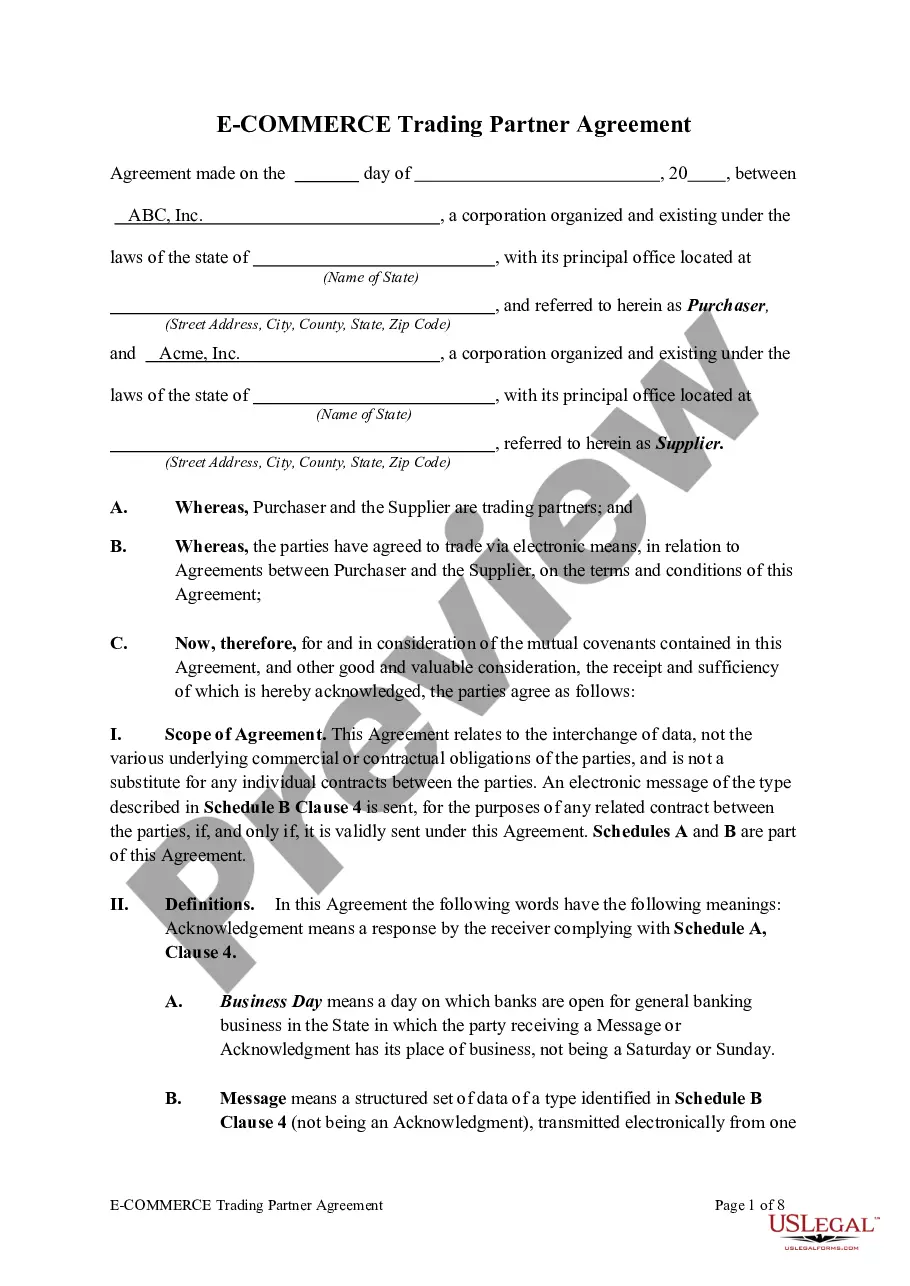


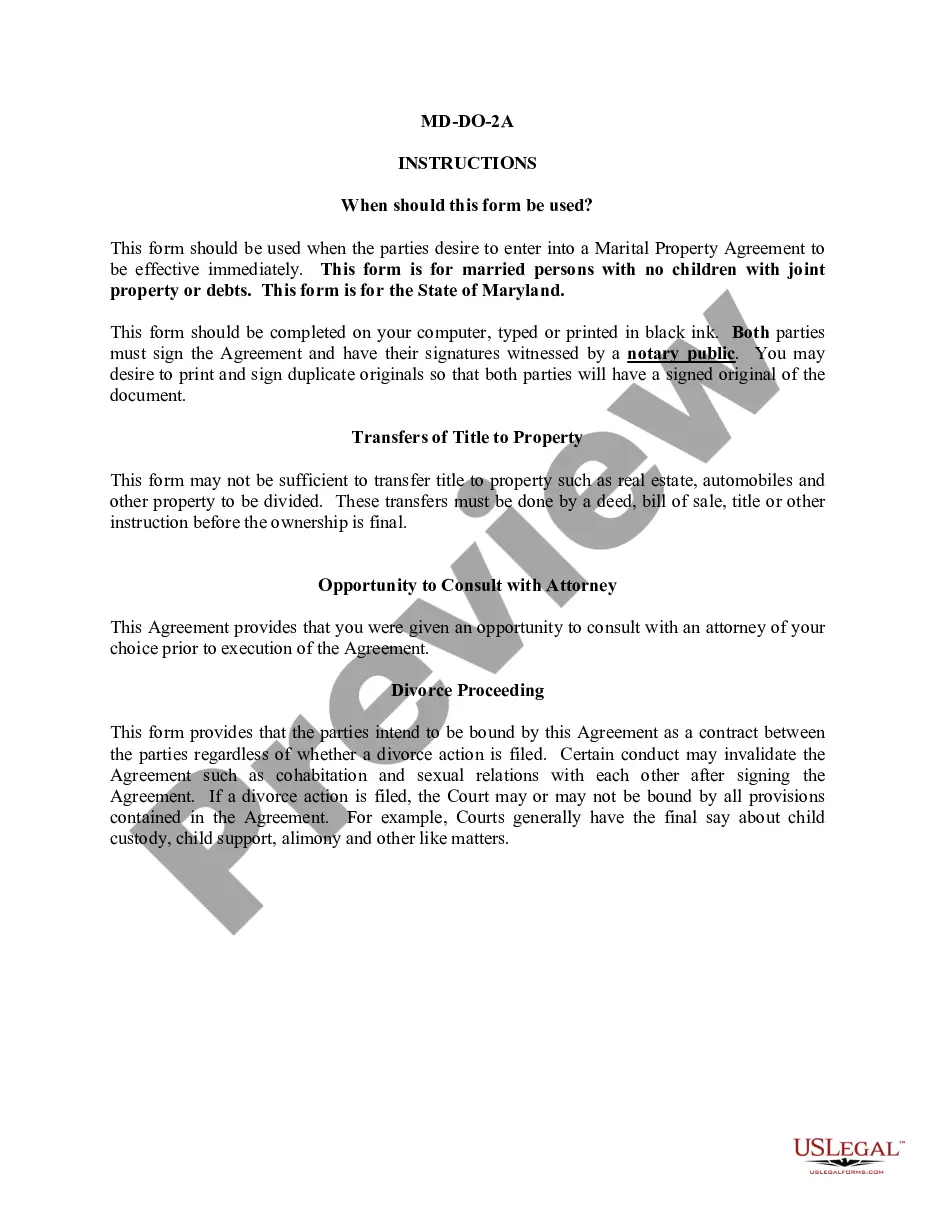



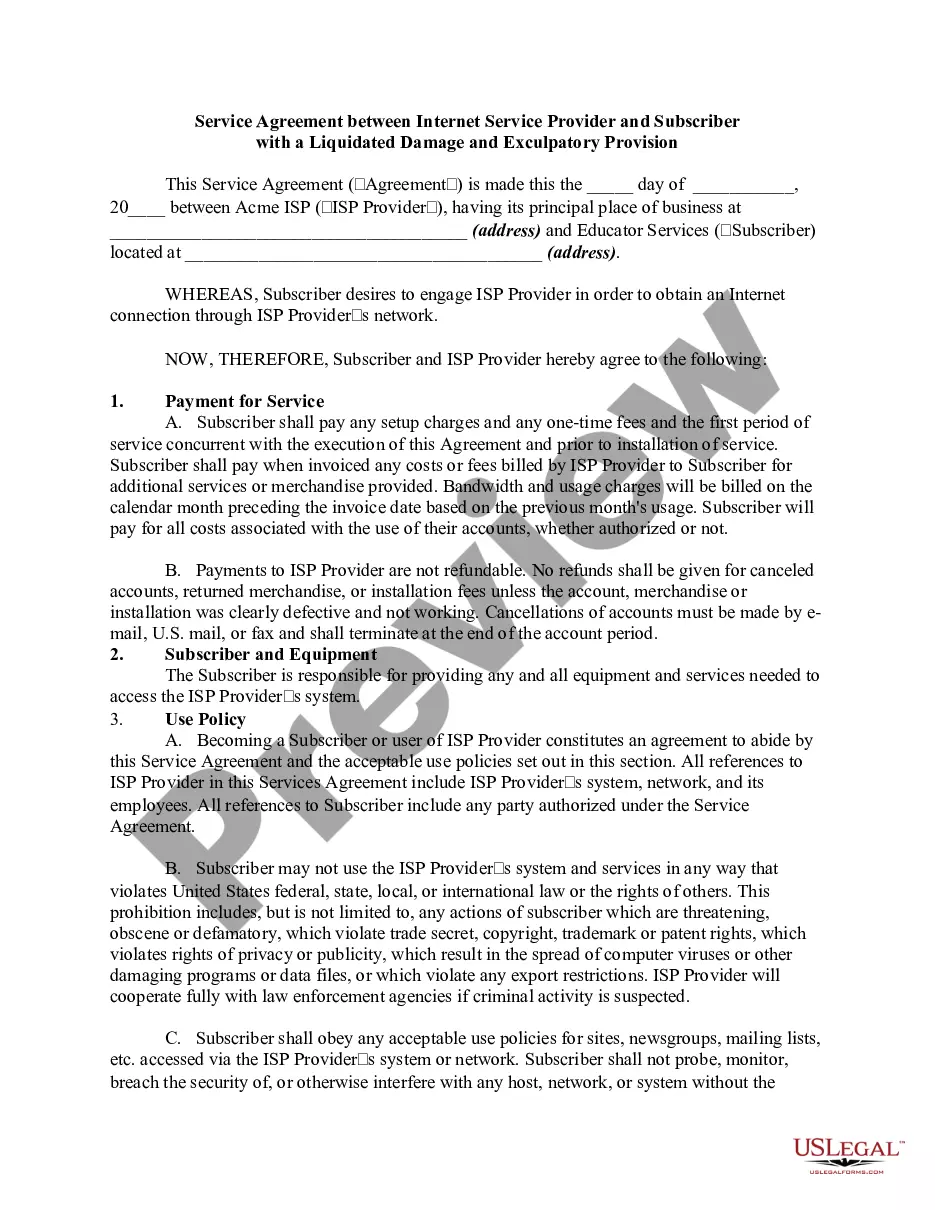
How to fill out Medical Release?
Managing legal documents can be perplexing, even for experienced professionals.
If you are looking for a Medical Release Form Printable With Holidays and lack the time to invest in finding the suitable and current version, the process can become overwhelming.
US Legal Forms encompasses all needs you may have, from personal to business paperwork, consolidated in one location.
Utilize advanced features to fill out and manage your Medical Release Form Printable With Holidays.
Here are the steps to take after accessing the form you require: Verify it is the correct form by examining it and reviewing its details.
- Access a valuable reservoir of articles, guidelines, handbooks, and resources pertinent to your situation and requirements.
- Conserve time and energy searching for the documents you need, and utilize US Legal Forms’ advanced search and Preview feature to find and obtain the Medical Release Form Printable With Holidays.
- If you have a subscription, Log In to your US Legal Forms account, locate the form, and download it.
- Visit the My documents tab to review the documents you have previously downloaded and manage your files as desired.
- If this is your initial experience with US Legal Forms, create a free account to gain unlimited access to all library features.
- A comprehensive online form library can revolutionize the way one handles these scenarios effectively.
- US Legal Forms is a frontrunner in digital legal documents, offering over 85,000 state-specific legal forms accessible at any time.
- With US Legal Forms, you can access specialized legal and business documents specific to your state or county.
Form popularity
FAQ
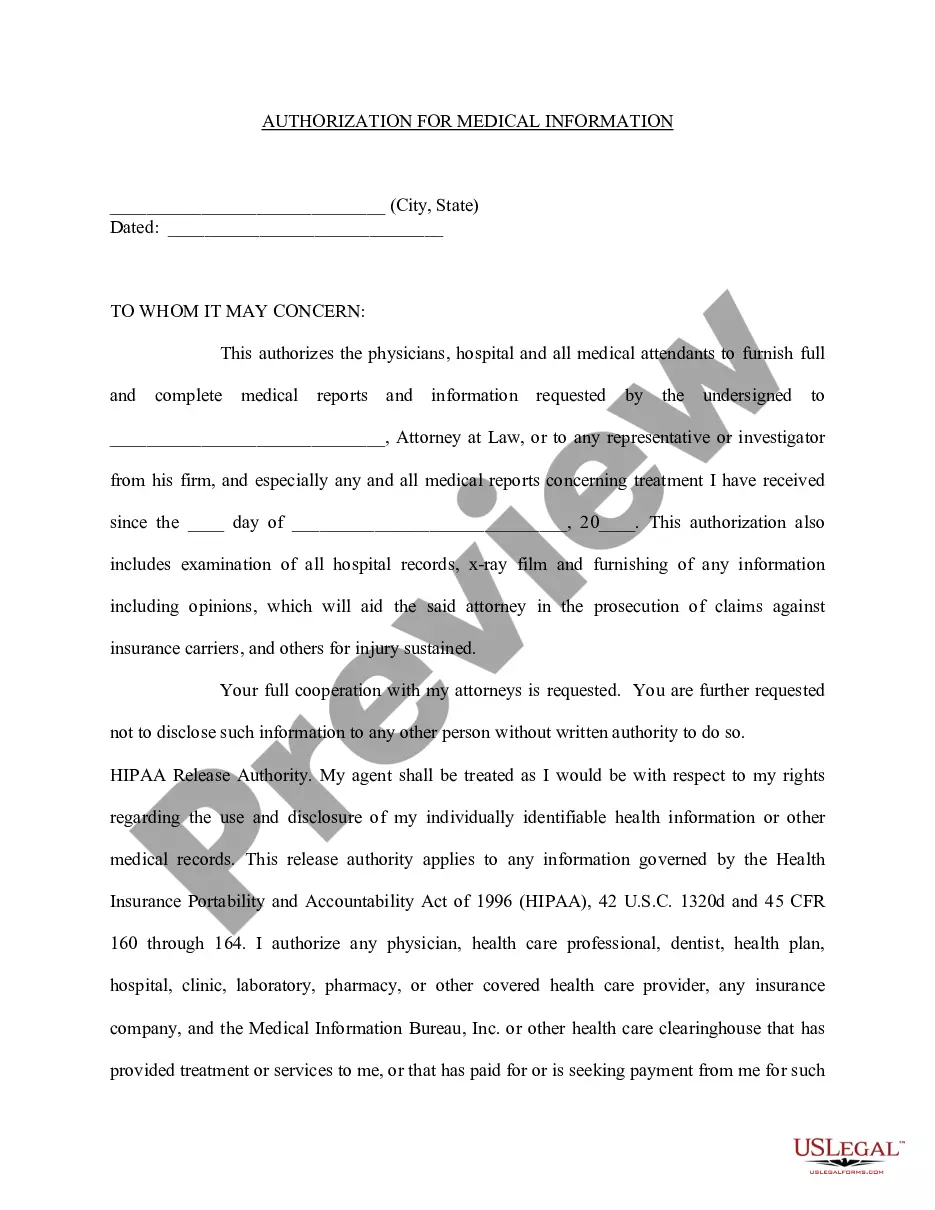
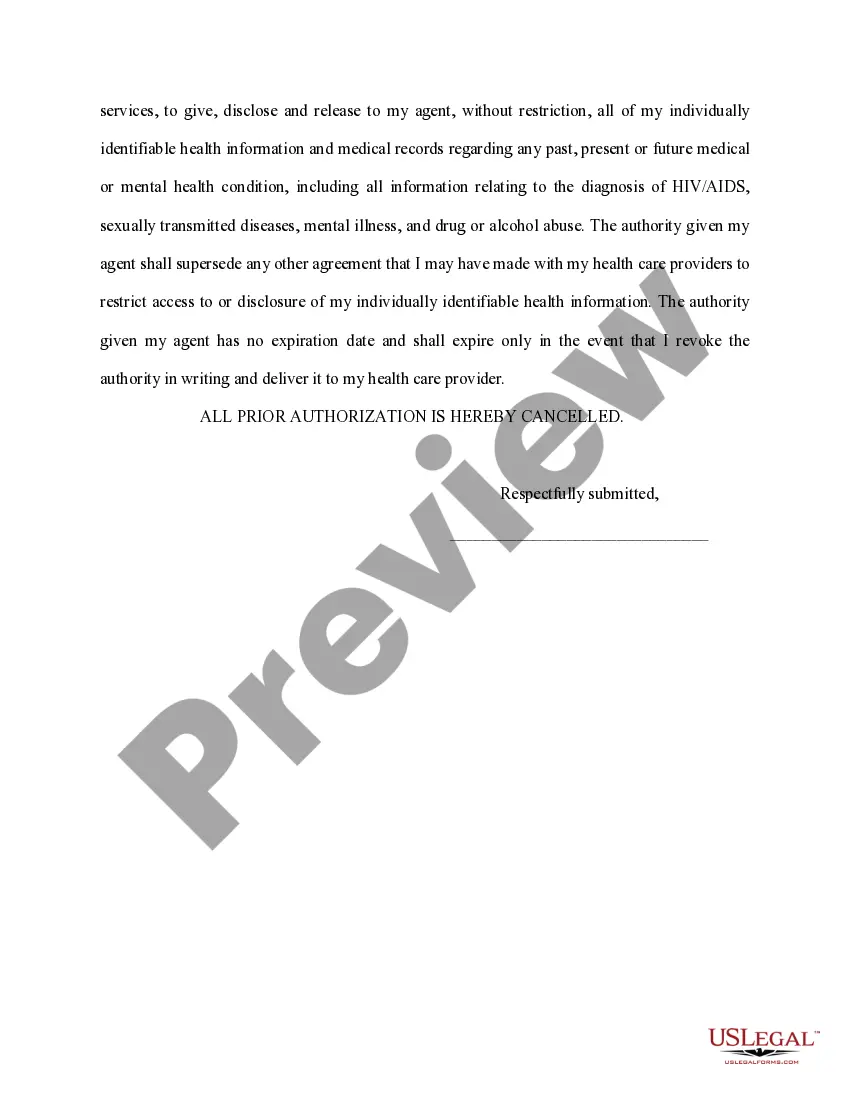
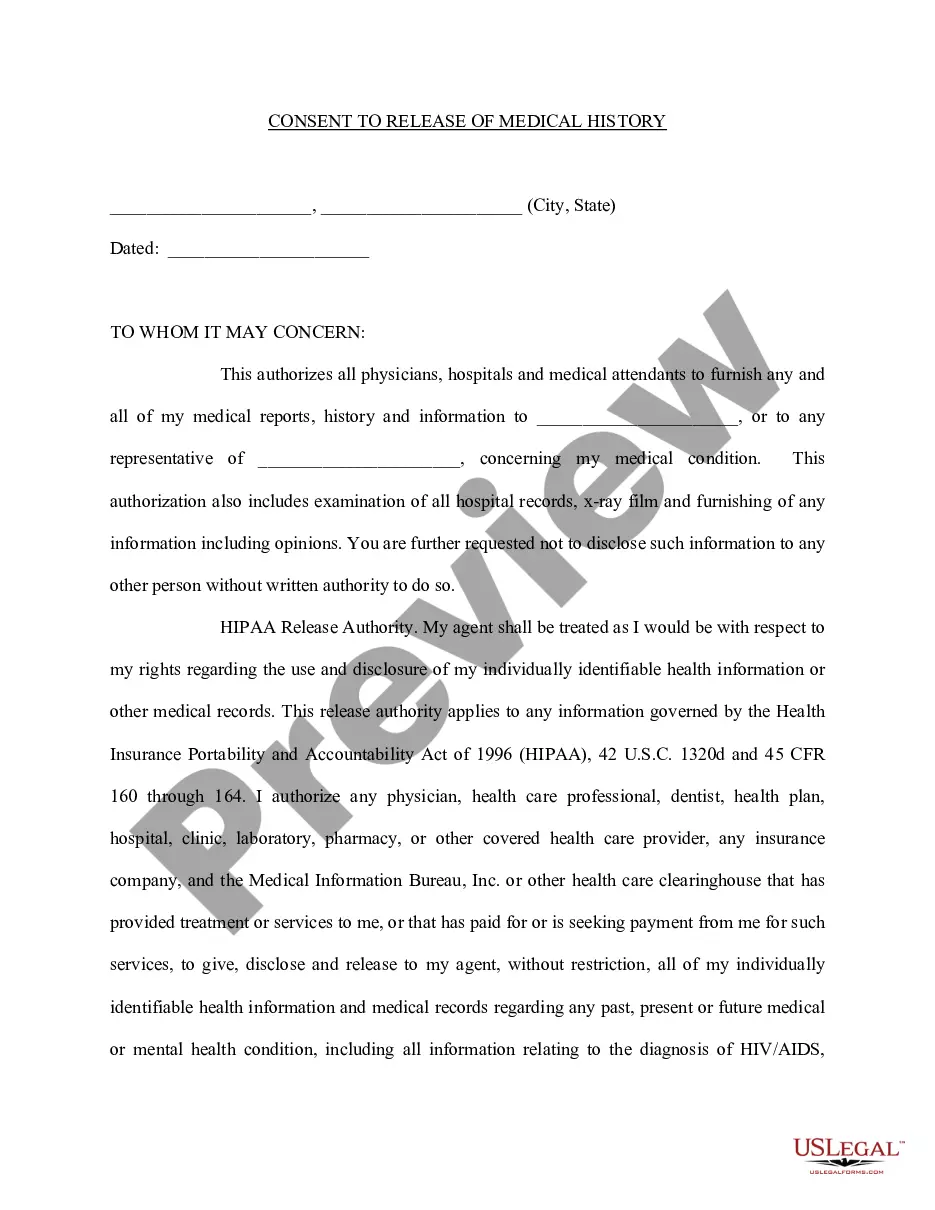
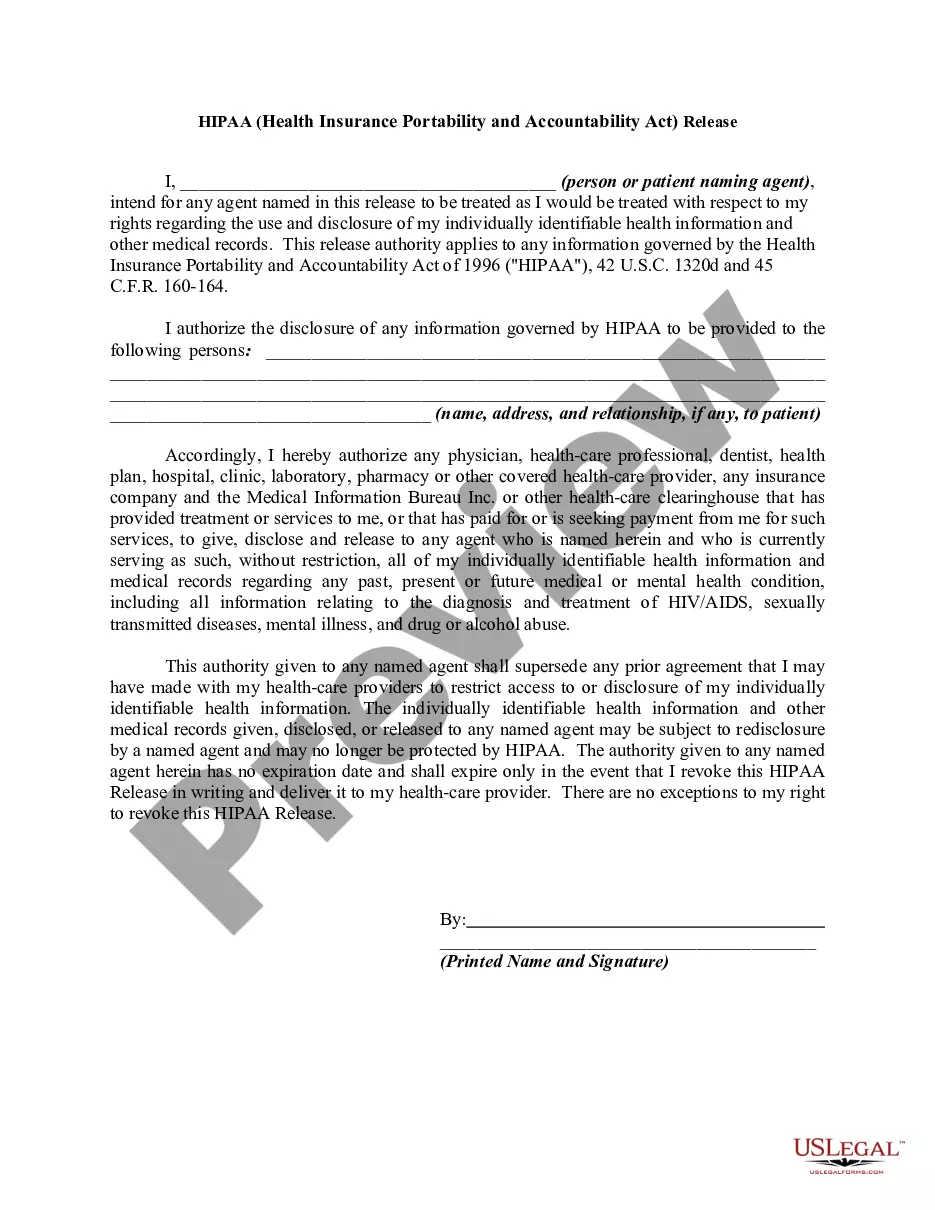
A release must include fundamental elements such as the names and contact information of all parties involved, a detailed description of what is being released, and the intended purpose. Additionally, it should clearly state the date and signatures confirming consent. When using a medical release form printable with holidays, these elements help ensure clarity and compliance.
How do I request my medical records? A written authorization form must be submitted to the Health Information Management. The form can be mailed, faxed, or scanned and sent via email.
To get the complete picture, use family gatherings as a time to talk about health history. If possible, look at death certificates and family medical records. Collect information about your parents, sisters, brothers, half-sisters, half-brothers, children, grandparents, aunts, uncles, nieces, and nephews.
North Carolina General Statutes §90-411 $0.75 for first 25 pages. $0.50 for pages 26-100. $0.25 for pages over 100. Minimum fee of $10.00 permitted.
HSC section 123145 indicates that providers of health services that are licensed under sections 1205, 1253, 1575, or 1726 shall preserve the records for a minimum of seven years following discharge of the patient.
A: The federal Health Insurance Portability and Accountability Act (HIPAA) grants privacy protections to a person's medical information even after death. However, HIPAA also establishes that a patient's designated personal representative has a legal right to access the patient's records.