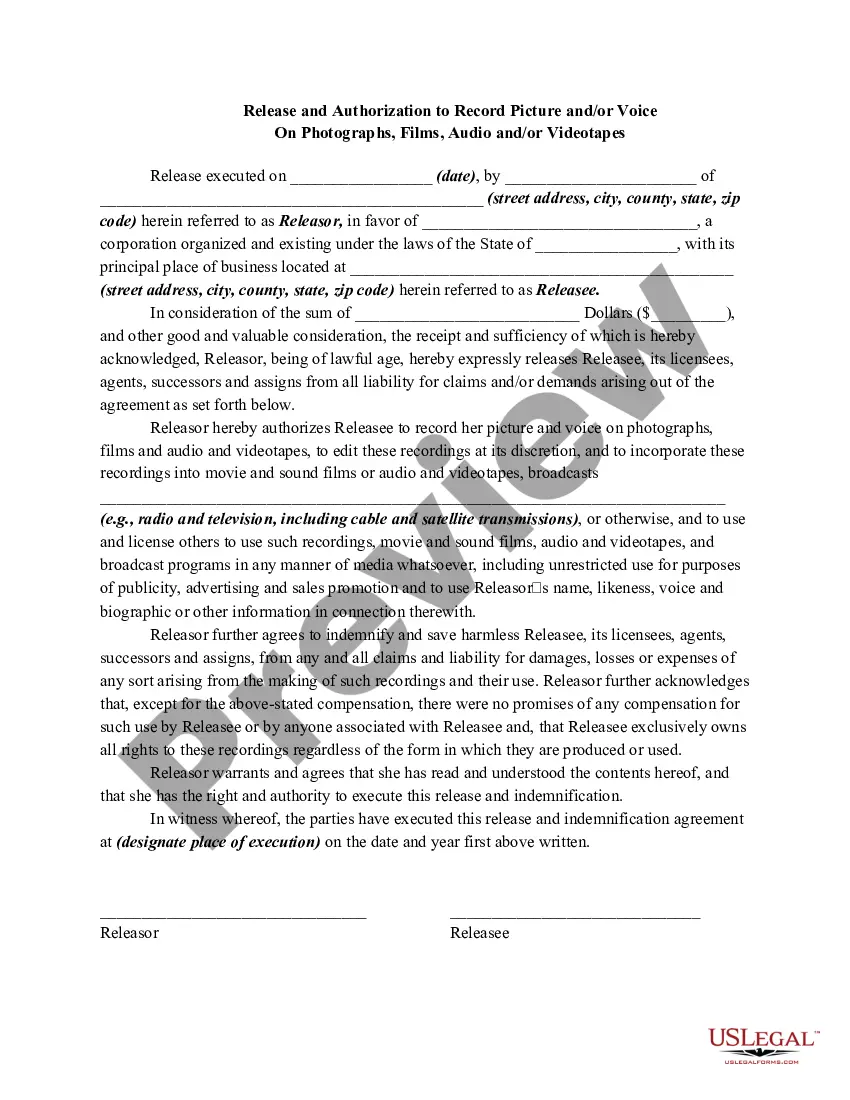
Release Record Form For Impounded Vehicle
Description
Get your form ready online
Our built-in tools help you complete, sign, share, and store your documents in one place.
Make edits, fill in missing information, and update formatting in US Legal Forms—just like you would in MS Word.
Download a copy, print it, send it by email, or mail it via USPS—whatever works best for your next step.
Sign and collect signatures with our SignNow integration. Send to multiple recipients, set reminders, and more. Go Premium to unlock E-Sign.
If this form requires notarization, complete it online through a secure video call—no need to meet a notary in person or wait for an appointment.
We protect your documents and personal data by following strict security and privacy standards.

Make edits, fill in missing information, and update formatting in US Legal Forms—just like you would in MS Word.

Download a copy, print it, send it by email, or mail it via USPS—whatever works best for your next step.

Sign and collect signatures with our SignNow integration. Send to multiple recipients, set reminders, and more. Go Premium to unlock E-Sign.

If this form requires notarization, complete it online through a secure video call—no need to meet a notary in person or wait for an appointment.

We protect your documents and personal data by following strict security and privacy standards.
Looking for another form?

How to fill out Release And Authorization To Record Picture And / Or Voice On Photographs, Films, Audio And / Or Videotapes?
Acquiring legal document examples that adhere to federal and local laws is essential, and the internet provides numerous choices to select from.
However, what is the benefit of spending time searching for the properly drafted Release Record Form For Impounded Vehicle template online if the US Legal Forms digital library already contains such forms gathered in one location.
US Legal Forms is the largest online legal repository with more than 85,000 fillable templates prepared by attorneys for various business and personal situations.
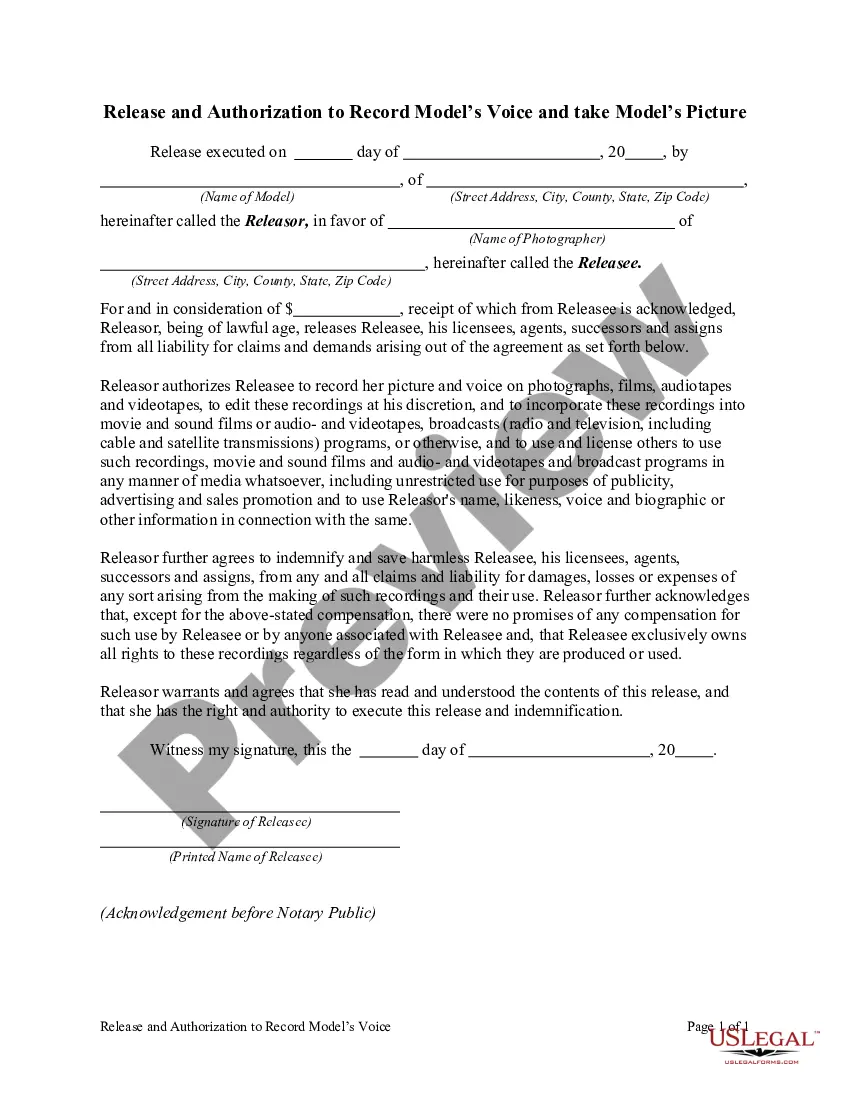
Review the template using the Preview feature or through the text outline to confirm it fulfills your needs.
- They are easy to navigate with all documents organized by state and intended use.
- Our experts keep up with legal amendments, so you can always trust that your form is current and compliant when obtaining a Release Record Form For Impounded Vehicle from our site.
- Acquiring a Release Record Form For Impounded Vehicle is quick and straightforward for both existing and new users.
- If you already possess an account with an active subscription, Log In and save the document sample you need in the appropriate format.
- If you are new to our site, follow the steps below.
Form popularity
FAQ
If a person's vehicle is impounded under a 30-day hold, they must wait until the 30-day period is over prior to requesting a release. After the 30-day period has passed, the registered owner must go to the Area auto detectives to obtain a release for the vehicle (releases are only given to the registered owner/s).
You have to provide proof of ownership to the impounding wrecker storage facility to obtain your vehicle from the auto impound. The owner of the impounded vehicle must have the following items in order to claim the vehicle: State issued picture ID or driver's license. Certificate of title or bill of sale.
There are certain documents you will need to get your vehicle back. In most cases, you will need your driver's license, proof of insurance, and a police report. You should call them first to see if you need anything else, so you don't need to make multiple trips.
The impound lot probably won't release the car to someone other than the registered owner. Bring a friend who has a valid license with you to pick up the car, and call ahead so you know exactly how much in fees you need to pay to get the car released.
California Vehicle Code §14602.6(a) authorizes law enforcement agencies to impound vehicles for 30 days when driven by individuals with no driver's license, a suspended license, or a revoked license.