Simple Corporate Guarantee With The Help
Description
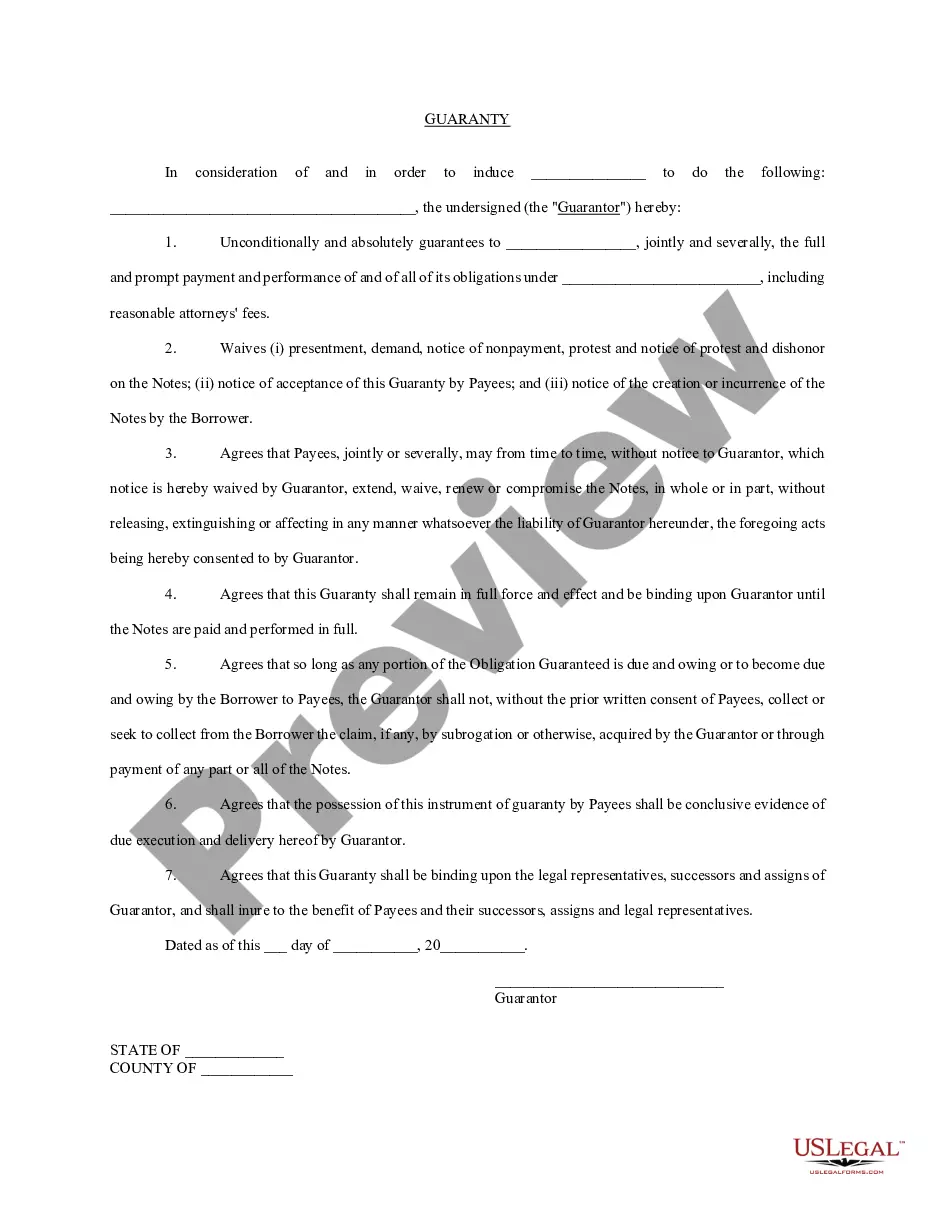
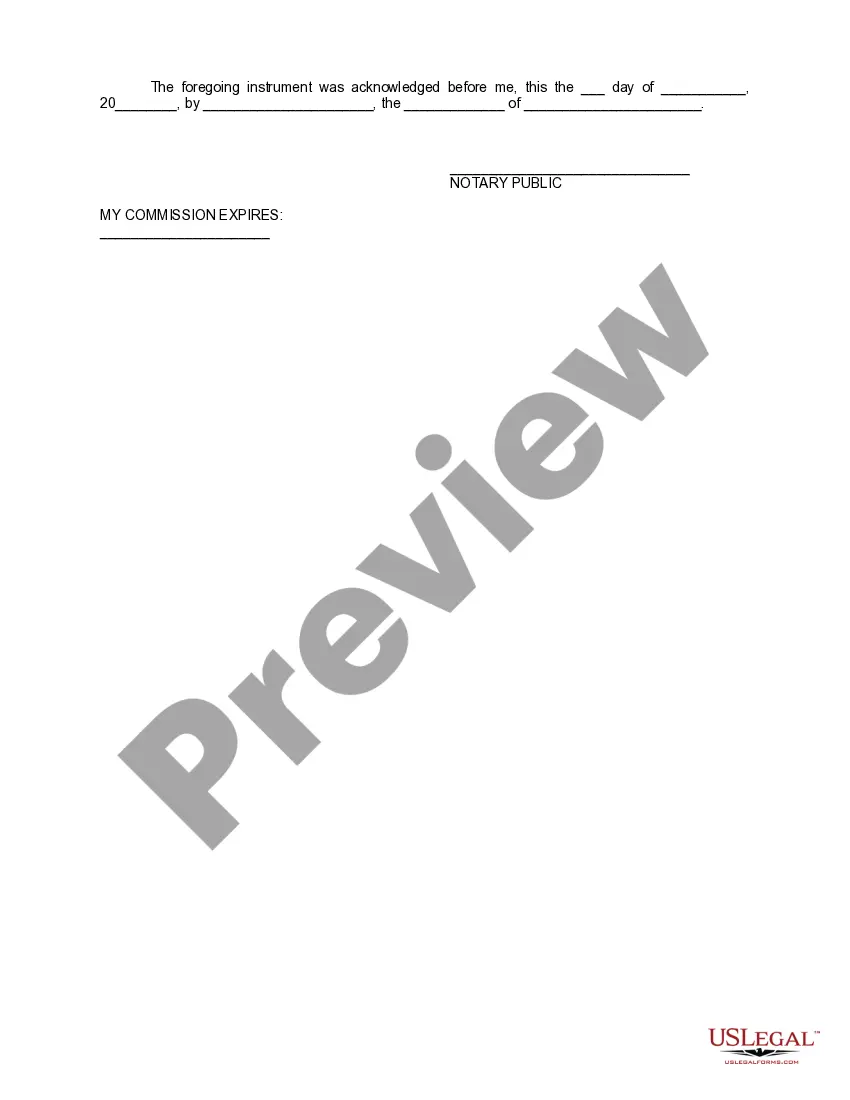
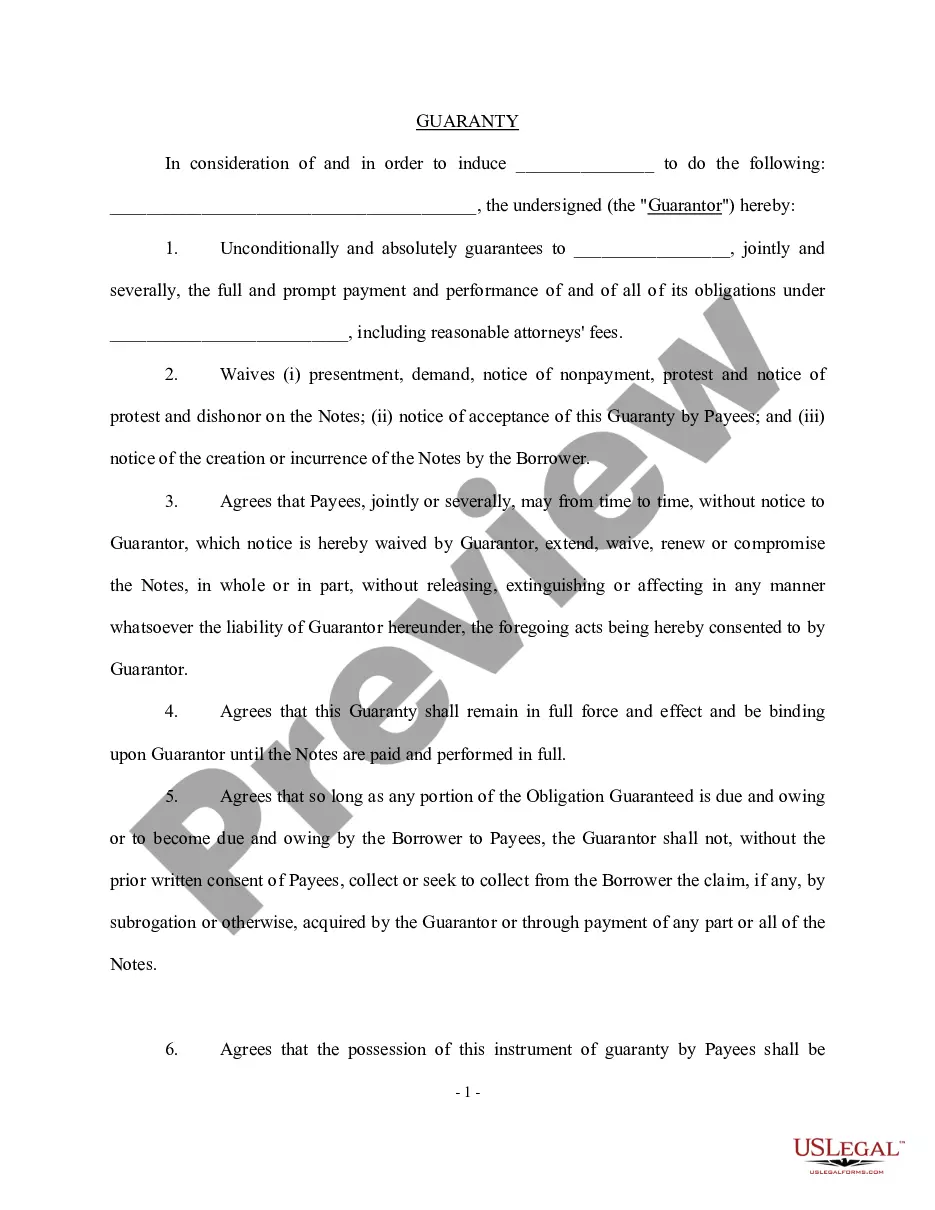
Get your form ready online
Our built-in tools help you complete, sign, share, and store your documents in one place.
Make edits, fill in missing information, and update formatting in US Legal Forms—just like you would in MS Word.
Download a copy, print it, send it by email, or mail it via USPS—whatever works best for your next step.
Sign and collect signatures with our SignNow integration. Send to multiple recipients, set reminders, and more. Go Premium to unlock E-Sign.
If this form requires notarization, complete it online through a secure video call—no need to meet a notary in person or wait for an appointment.
We protect your documents and personal data by following strict security and privacy standards.

Make edits, fill in missing information, and update formatting in US Legal Forms—just like you would in MS Word.

Download a copy, print it, send it by email, or mail it via USPS—whatever works best for your next step.

Sign and collect signatures with our SignNow integration. Send to multiple recipients, set reminders, and more. Go Premium to unlock E-Sign.

If this form requires notarization, complete it online through a secure video call—no need to meet a notary in person or wait for an appointment.

We protect your documents and personal data by following strict security and privacy standards.
Looking for another form?







How to fill out Corporate Guaranty - General?
- Log in to your US Legal Forms account if you're a returning user. Ensure your subscription is current; renew if necessary.
- For first-time users, visit the website and explore the preview mode of the desired form. Check its description to confirm it meets your needs.
- Should the initial template not suffice, utilize the search tab to find a more suitable option that adheres to your jurisdiction.
- Select the form you need and click 'Buy Now'. Choose an appropriate subscription plan and create an account to unlock more resources.
- Proceed to payment by entering your credit card details or using PayPal for a seamless transaction.
- Once your purchase is complete, download the form to your device. You can easily access it later in the 'My Forms' section of your profile.
In conclusion, US Legal Forms empowers users to navigate legal documentation with ease, providing unmatched access to an extensive collection of forms. With helpful resources and professional advice available, you're set for success in your legal endeavors.
Get started today and streamline your legal document process with US Legal Forms!
Form popularity
FAQ
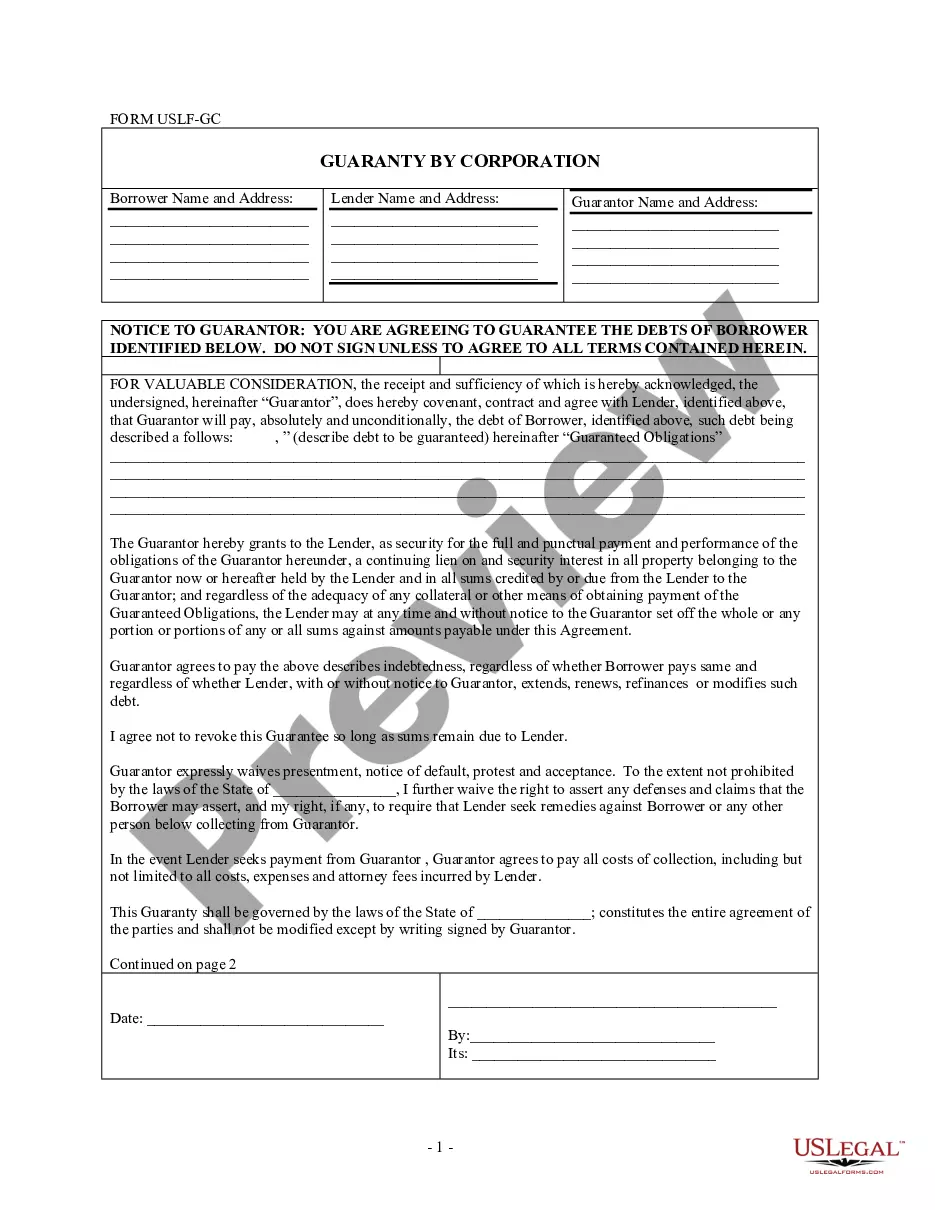
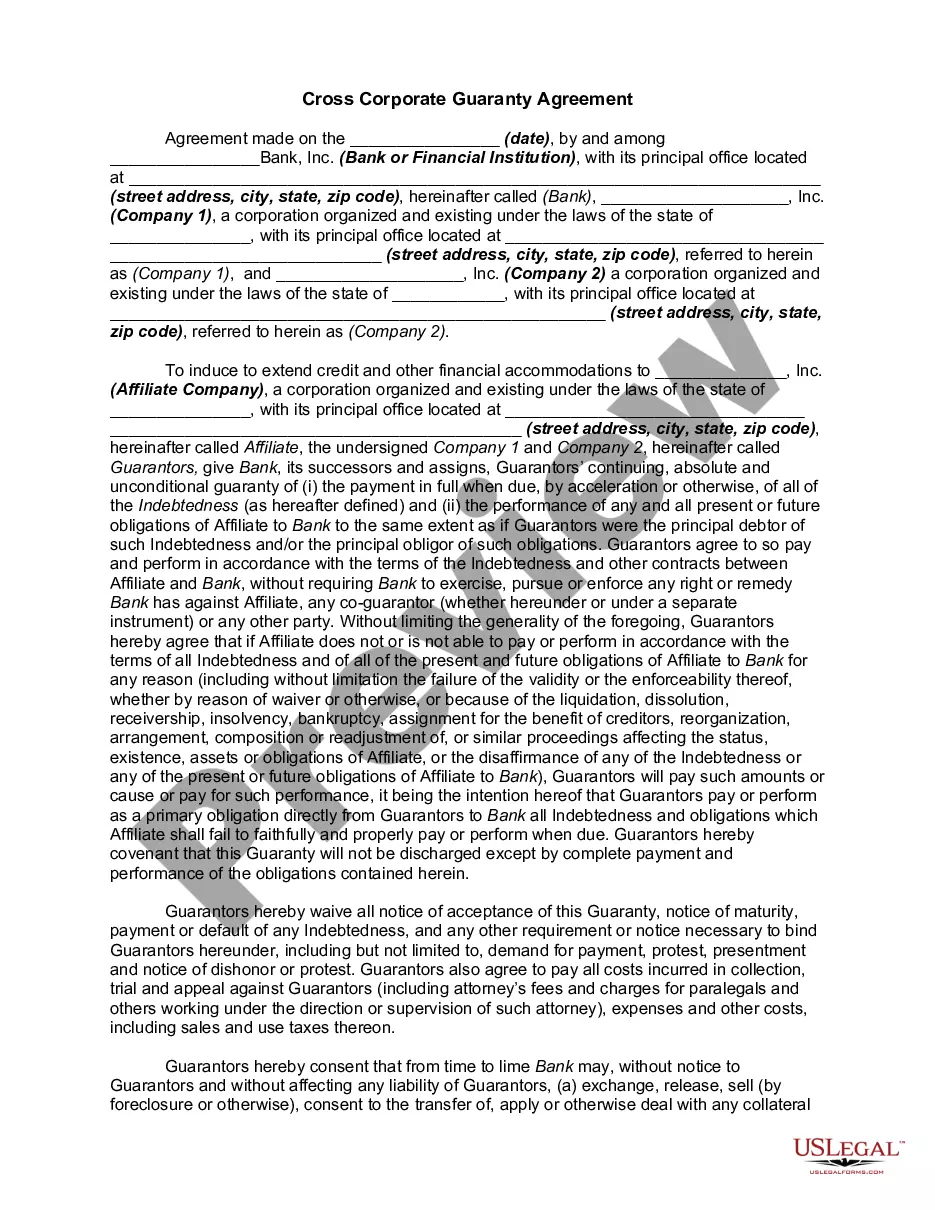
To provide a corporate guarantee, begin by drafting a formal guarantee document that outlines the terms and conditions. Ensure that it includes details about the parties and the specific obligations being guaranteed. For your convenience, using a simple corporate guarantee template from USLegalForms can simplify this process, making it straightforward and effective.
A corporate guarantee is a commitment made by a corporation to cover the debts or obligations of another party if that party fails to meet its responsibilities. This financial backing instills confidence in creditors and partners, offering security in business transactions. Understanding this concept is crucial for anyone looking to strengthen their business relationships with a simple corporate guarantee.
Writing a guarantee agreement involves drafting a clear title and providing all necessary details about the parties and obligations. Define the terms under which the guarantee applies, including any limits. Finish with signature lines for all parties to solidify the agreement. Utilizing templates for a simple corporate guarantee can guide you in crafting a comprehensive document.
When structuring a guarantee, begin with an introduction that specifies the parties involved and the intent of the guarantee. Follow this with detailed terms, outlining the obligations of the guarantor and the conditions of the guaranteed amount. Ensure each section is clear and concise, leading to a conclusion that includes signatures. You can easily create a structured format with the simple corporate guarantee features available through USLegalForms.
To fill out a letter of guarantee, start by including the names and addresses of the involved parties. Clearly state the purpose of the guarantee and the amount being guaranteed. Ensure you sign and date the document, as your signature validates the agreement. With the help of a simple corporate guarantee template, you can streamline this process.
A company limited by guarantee is often used for non-profit organizations, where members agree to contribute a set amount in the event of dissolution. This type of company does not have share capital, and its focus is typically on charitable, educational, or community-oriented activities. By using a simple corporate guarantee with the help of the US Legal Forms platform, you can establish clear terms for such organizations, ensuring compliance and effective governance.
A corporate guarantee assures a lender that a company will fulfill a debt, while indemnity generally involves one party agreeing to reimburse another for certain losses or damages. The simple corporate guarantee with the help of US Legal Forms focuses on debt responsibilities, whereas indemnity addresses financial protection against potential losses. Understanding these distinctions is essential when setting up business agreements.
To provide a corporate guarantee, the corporation should draft and sign a guarantee agreement, outlining its obligations clearly. This document should specify the terms and conditions, including the amount guaranteed and the duration of the obligation. Our platform, US Legal Forms, offers comprehensive resources to help you create a suitable corporate guarantee, ensuring compliance and legal soundness.
The three main types of guarantees include payment guarantees, performance guarantees, and warranty guarantees. Payment guarantees ensure that payments will be made, performance guarantees commit to the completion of contractual obligations, and warranty guarantees assure the quality of goods or services. Choosing the right type of guarantee is crucial for effective risk management.
In simple words, a guarantee is a promise made by one party to ensure that another party will fulfill their obligations. If the first party does not meet their duties, the guarantor will take responsibility. This assurance is vital in many financial transactions, including simple corporate guarantees.