Executor Estate Form Without Bond
Description

Get your form ready online
Our built-in tools help you complete, sign, share, and store your documents in one place.
Make edits, fill in missing information, and update formatting in US Legal Forms—just like you would in MS Word.
Download a copy, print it, send it by email, or mail it via USPS—whatever works best for your next step.
Sign and collect signatures with our SignNow integration. Send to multiple recipients, set reminders, and more. Go Premium to unlock E-Sign.
If this form requires notarization, complete it online through a secure video call—no need to meet a notary in person or wait for an appointment.
We protect your documents and personal data by following strict security and privacy standards.

Make edits, fill in missing information, and update formatting in US Legal Forms—just like you would in MS Word.

Download a copy, print it, send it by email, or mail it via USPS—whatever works best for your next step.

Sign and collect signatures with our SignNow integration. Send to multiple recipients, set reminders, and more. Go Premium to unlock E-Sign.

If this form requires notarization, complete it online through a secure video call—no need to meet a notary in person or wait for an appointment.

We protect your documents and personal data by following strict security and privacy standards.
Looking for another form?

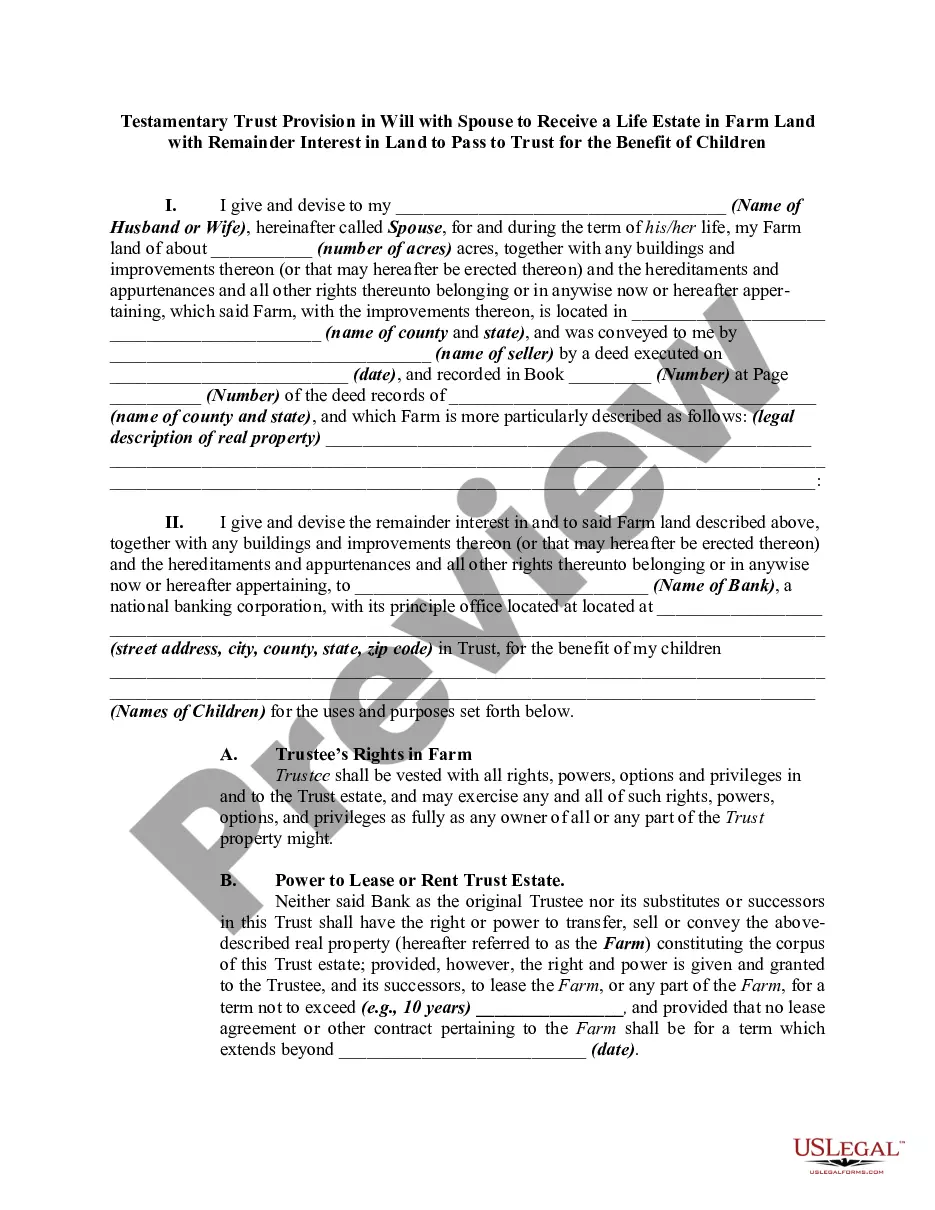



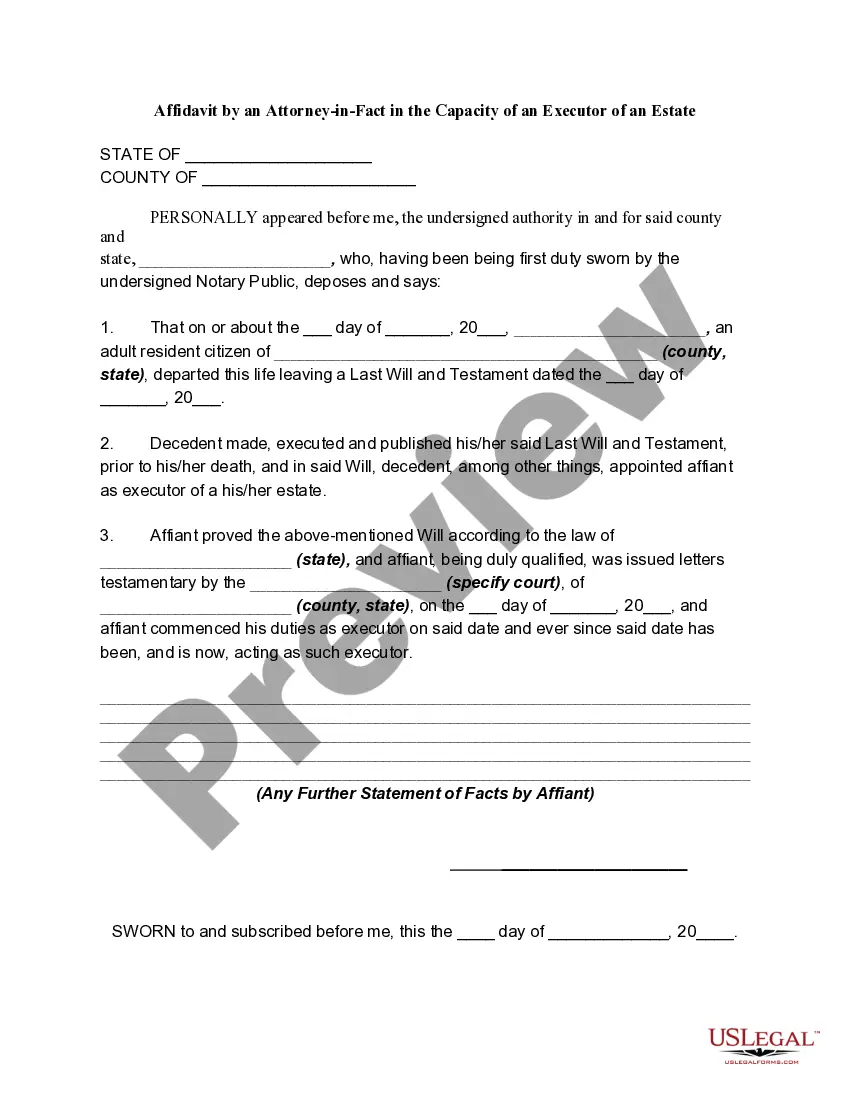
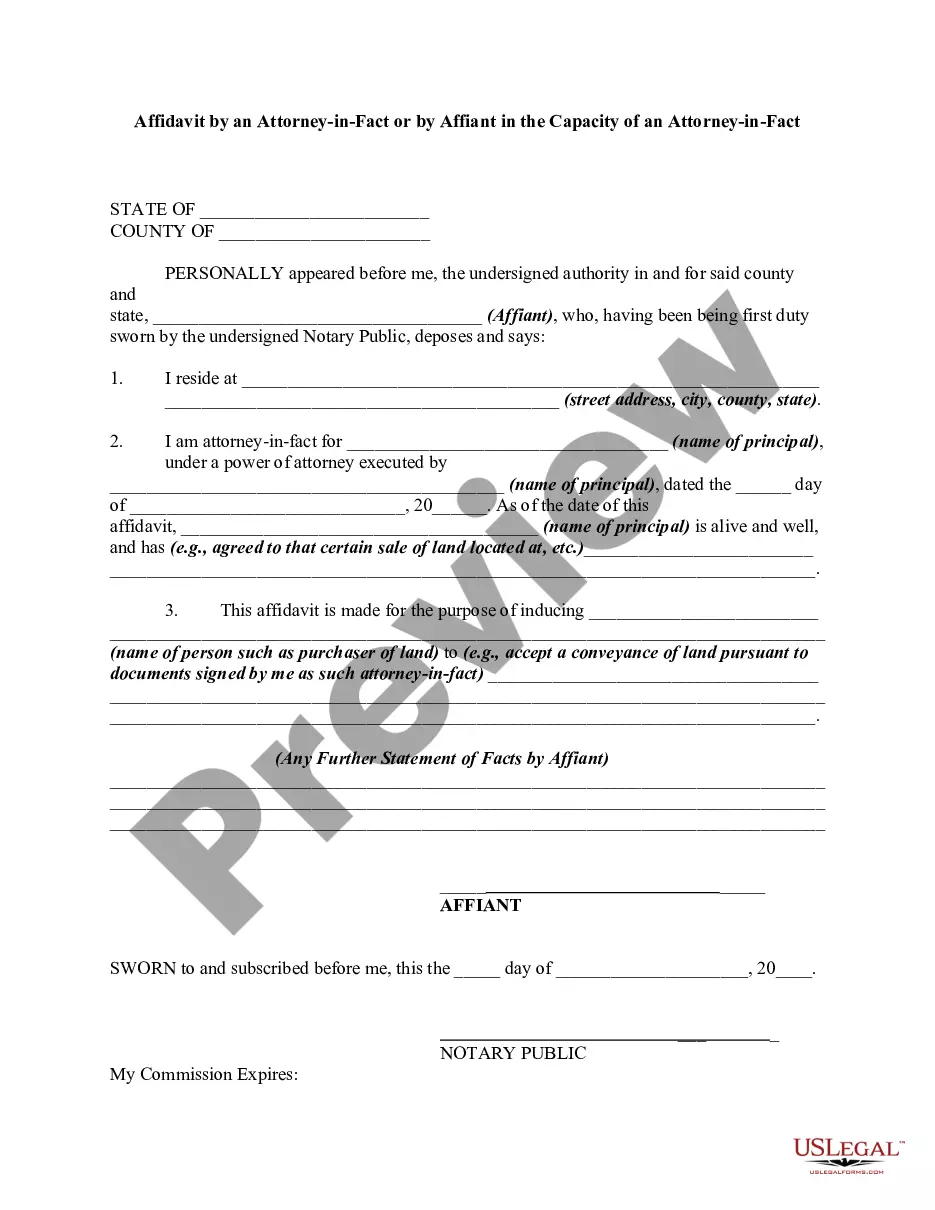
How to fill out Affidavit By An Attorney-in-Fact In The Capacity Of An Executor Of An Estate?
Acquiring legal document examples that adhere to national and local regulations is crucial, and the internet provides numerous options to select from.
However, what’s the use in spending time searching for the appropriate Executor Estate Form Without Bond example online when the US Legal Forms digital library already has such templates gathered in a single location.
US Legal Forms is the most comprehensive online legal directory with more than 85,000 fillable templates created by attorneys for any business and personal situation. They are easy to navigate with all documents organized by state and intended use. Our specialists stay updated on legal modifications, so you can always be sure your documentation is current and compliant when obtaining a Executor Estate Form Without Bond from our platform.
Click Buy Now when you have found the right form and choose a subscription plan. Create an account or Log In and complete the payment via PayPal or credit card. Select the appropriate format for your Executor Estate Form Without Bond and download it. All documents you encounter through US Legal Forms are reusable. To re-download and complete previously acquired forms, navigate to the My documents tab in your profile. Enjoy the most extensive and user-friendly legal documentation service!
- Acquiring a Executor Estate Form Without Bond is straightforward and quick for both existing and new users.
- If you already possess an account with an active subscription, Log In and save the document sample you require in the appropriate format.
- If you are unfamiliar with our site, follow the steps below.
- Examine the template using the Preview feature or through the text outline to ensure it meets your requirements.
- Search for a different example using the search functionality at the top of the page if needed.
Form popularity
FAQ
Serving as an executor without a bond means you can manage the estate without posting a financial guarantee. This approach can reduce costs and streamline the process. However, it requires trust from the beneficiaries, as there is no insurance protecting them from potential mismanagement. Utilizing an executor estate form without bond can help clarify this arrangement.
No, an executor does not always need to be bonded. The requirement depends on the state laws and the specific circumstances of the estate. In some cases, a probate court may waive the bond if the beneficiaries agree. Therefore, using an executor estate form without bond can simplify the process.
Yes, Tennessee generally requires probate for most estates, depending on the value and type of assets involved. However, some estates may qualify for simplified procedures, allowing you to utilize an Executor estate form without bond. It is essential to evaluate the estate's specific circumstances, as it can affect how you navigate the probate process. Consulting a resource like US Legal Forms can provide clarity and assistance.
Yes, you can handle probate yourself, also known as being a pro se petitioner. Using an Executor estate form without bond can make the process more manageable for those who choose this path. However, be prepared for the responsibilities involved, including filing paperwork and managing estate assets. For complex situations, seeking professional assistance might be beneficial.
Yes, in Alabama, you can settle some estates without probate. If the estate has a value below a specific threshold, you may use an Executor estate form without bond to streamline the process. This can help simplify settling the estate, avoiding the time and costs associated with formal probate. However, it is important to ensure all debts and taxes are addressed properly.
Simple estates might be settled within six months. Complex estates, those with a lot of assets or assets that are complex or hard to value can take several years to settle. If an estate tax return is required, the estate might not be closed until the IRS indicates its acceptance of the estate tax return.
If you believe that the executor is not living up to their duties, you have two legal options: petition the court or file a civil lawsuit. Beneficiaries can petition the court to have the executor removed from their positon if they can prove they should be removed for one of the reasons listed above.
A Letter of Appointment of Executor helps prove you have been put in charge of someone's estate after they have passed away. As Executor, you've been given the duty to manage the estate and carry out the directions of the will; however, a court may require official documentation.
It's an evocative image, and one that many people believe is the truth. The reality is that this does not happen ? there is no actual formal reading of the will. Therefore not all of the beneficiaries need to be present when the will is looked at.
If the estate is small and has a reasonable amount of debt, six to eight months is a fair expectation. With a larger estate, it will likely be more than a year before everything settles. This is especially true if there's a lot of debt or real estate in multiple states.