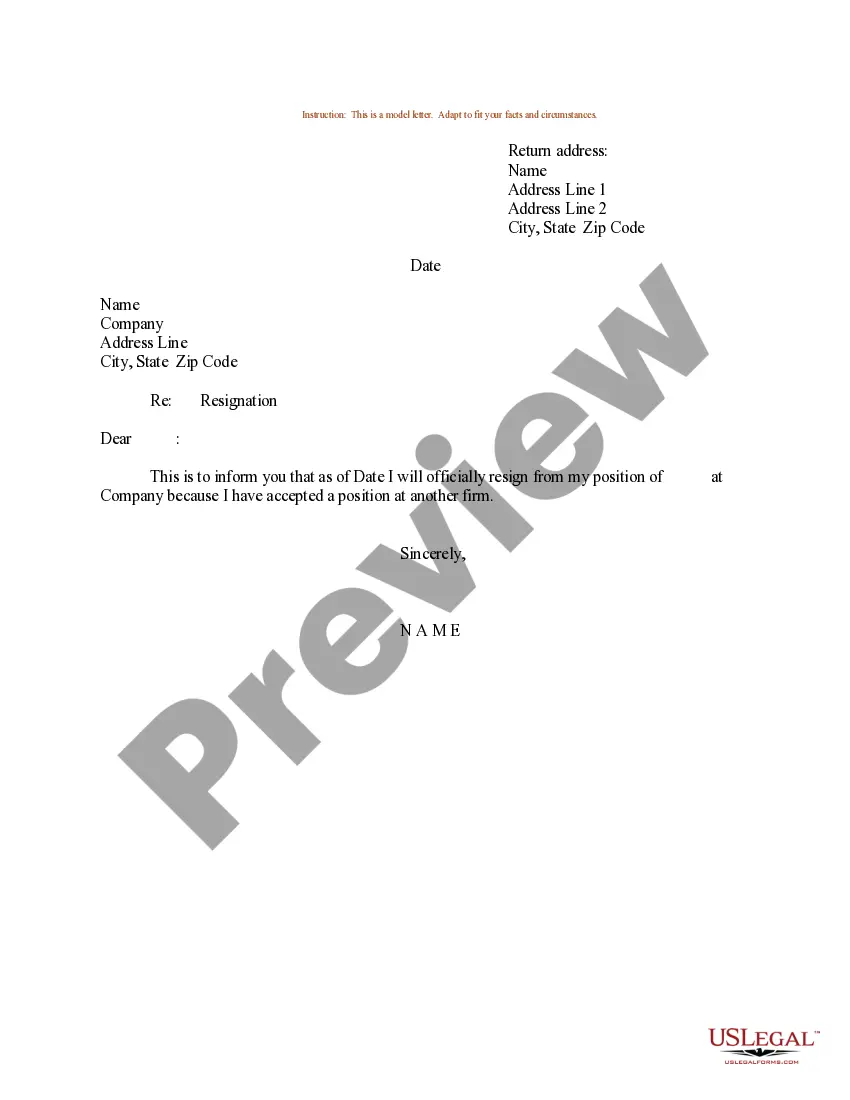
Resign Letter With Payment In Lieu
Description

Get your form ready online
Our built-in tools help you complete, sign, share, and store your documents in one place.
Make edits, fill in missing information, and update formatting in US Legal Forms—just like you would in MS Word.
Download a copy, print it, send it by email, or mail it via USPS—whatever works best for your next step.
Sign and collect signatures with our SignNow integration. Send to multiple recipients, set reminders, and more. Go Premium to unlock E-Sign.
If this form requires notarization, complete it online through a secure video call—no need to meet a notary in person or wait for an appointment.
We protect your documents and personal data by following strict security and privacy standards.

Make edits, fill in missing information, and update formatting in US Legal Forms—just like you would in MS Word.

Download a copy, print it, send it by email, or mail it via USPS—whatever works best for your next step.

Sign and collect signatures with our SignNow integration. Send to multiple recipients, set reminders, and more. Go Premium to unlock E-Sign.

If this form requires notarization, complete it online through a secure video call—no need to meet a notary in person or wait for an appointment.

We protect your documents and personal data by following strict security and privacy standards.
Looking for another form?
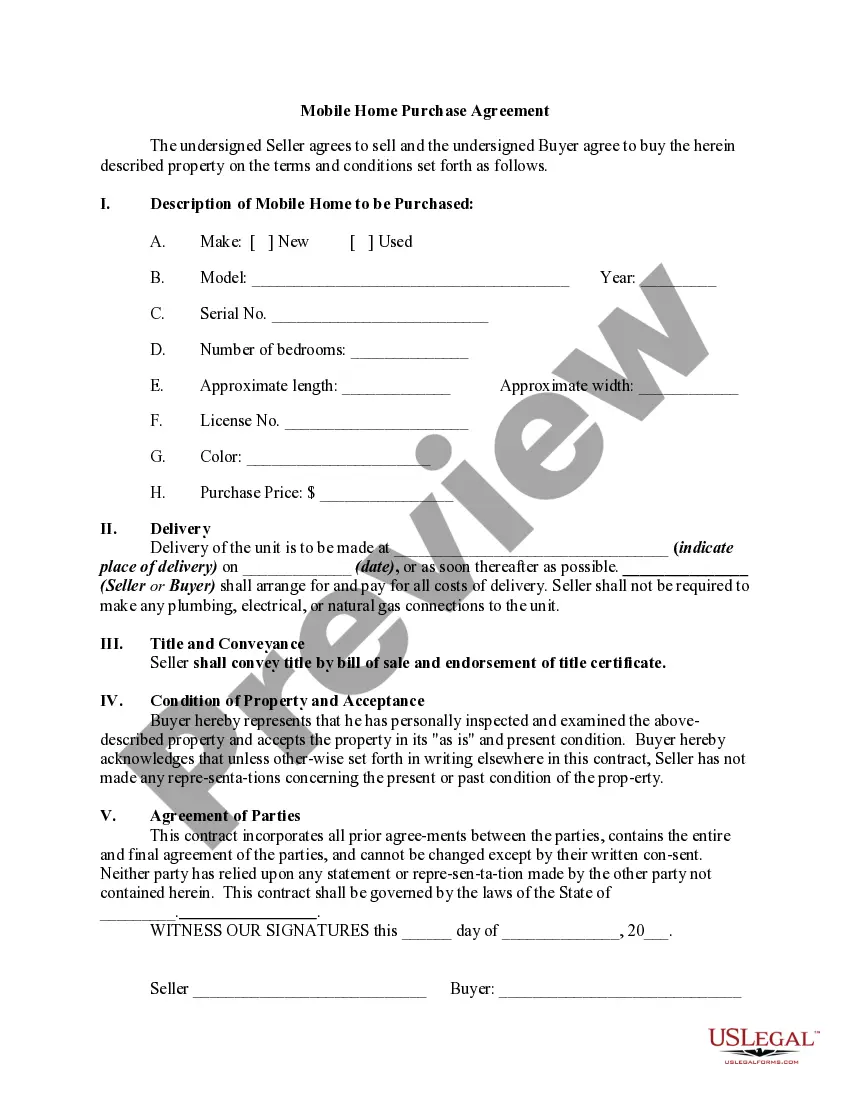


How to fill out Sample Letter For Resignation - Acceptance Of Another Offer?
Legal administration can be overwhelming, even for seasoned professionals.
When you are looking for a Resignation Letter With Compensation Instead and lack the time to dedicate to finding the appropriate and updated version, the tasks may be challenging.
With US Legal Forms, you can.
Access a wealth of articles, guidelines, manuals, and tools related to your circumstances and requirements.
Ensure it is the correct form by pre-viewing it and going through its details.
- Conserve time and effort searching for the documents you need, and leverage US Legal Forms' advanced search and Preview tool to locate Resignation Letter With Compensation Instead and obtain it.
- If you possess a monthly subscription, Log In to your US Legal Forms account, search for the document, and download it.
- Check the My documents section to review the documents you've previously downloaded and to organize your folders as desired.
- If it's your initial time with US Legal Forms, set up an account and gain unlimited access to all the advantages of the library.
- Here are the steps to follow after acquiring the form you need.
- A robust online form library can revolutionize the way anyone manages these matters effectively.
- US Legal Forms stands out as a leader in the realm of online legal documents, offering over 85,000 state-specific legal templates available to you at any time.
- Utilize high-level tools to complete and handle your Resignation Letter With Compensation Instead.
Form popularity
FAQ
Yes, payment in lieu of notice may be subject to the Mandatory Provident Fund (MPF) contributions, depending on your employment situation and local regulations. It is essential to understand how the payment affects your retirement fund. When you prepare a resign letter with payment in lieu, ensure you factor in any MPF obligations. Consulting with a professional or using the resources available on the US Legal Forms platform can provide clarity on your specific situation.
A termination letter payment in lieu of notice is a formal document that allows an employee to resign from their position by providing financial compensation instead of serving a notice period. This kind of letter ensures that both the employee and employer avoid potential miscommunication during the resignation process. Using a resign letter with payment in lieu streamlines the transition and reduces complications for both parties. It helps clarify the terms of the resignation, protecting the interests of both the employer and employee.
A letter payment in lieu of notice is a document an employer provides when they wish to end an employee's contract without requiring the employee to work through their notice period. This type of resign letter with payment in lieu allows the employer to compensate the employee for the remainder of their notice period. The letter typically outlines the payment details and any final obligations. Using a resign letter with payment in lieu can simplify the departure process for both parties, ensuring clarity and mutual understanding.
Whether it's better to resign or be terminated often depends on the specific circumstances. Resigning typically allows for a more graceful exit and can help you maintain a positive employment record. When you resign with a letter documenting payment in lieu, you not only secure your benefits but also demonstrate professionalism that can aid in securing future employment.
Yes, you can choose to resign in lieu of termination if you find yourself in a difficult employment situation. Submitting a resign letter with payment in lieu can help you step away from the job while ensuring you receive compensation or benefits owed to you. It is advisable to approach this thoughtfully, possibly consulting with HR or legal professionals to understand your rights.
Employers may prefer to have employees resign in lieu of termination to minimize potential legal issues. A resignation often allows for a smoother transition and protects the company's reputation. Additionally, it can preserve the relationship between the employer and employee, which may be beneficial for future references or networking.
Resigning in lieu of termination can offer a more favorable outcome for employees. By choosing to resign, you maintain control over the situation, and this approach typically presents a cleaner break from the employer. When you submit a resign letter with payment in lieu, you can secure certain benefits, such as references, which could be valuable in future job searches.
'In lieu of resignation' means that instead of formally resigning and fulfilling a notice period, an employee opts for alternative arrangements, such as receiving payment. When you provide a resign letter with payment in lieu, you essentially state your decision to resign while also requesting financial compensation instead of working out the notice. This arrangement provides flexibility for both the employee and employer, allowing for a smoother transition in the workplace. Understanding this term can help you navigate your resignation process more efficiently.
Payment in lieu of notice refers to compensation provided to an employee when they resign without serving their required notice period. When using a resign letter with payment in lieu, you request this payment instead of working out your notice. This means you receive a financial payout that reflects your typical earnings for the notice period you would have worked. It benefits employees needing to leave their job immediately while ensuring their financial security.
To process payment in lieu of notice, first, you should submit a resign letter with payment in lieu to your employer. This letter clearly states your intention to resign and your request for payment instead of working through the notice period. Once submitted, your employer will review it and typically process your final paycheck, including any entitled payment in lieu of notice according to company policy. Make sure to keep a record of your correspondences for future reference.