Best Hair Waver
Description
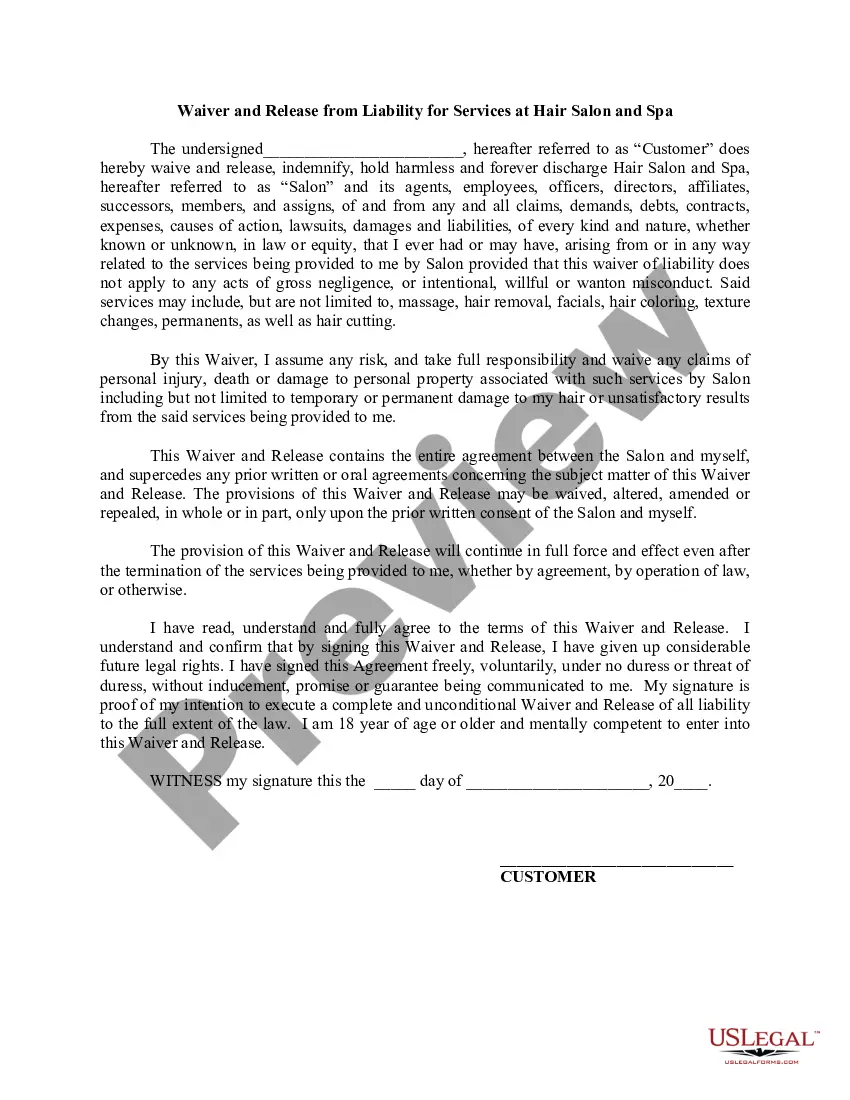

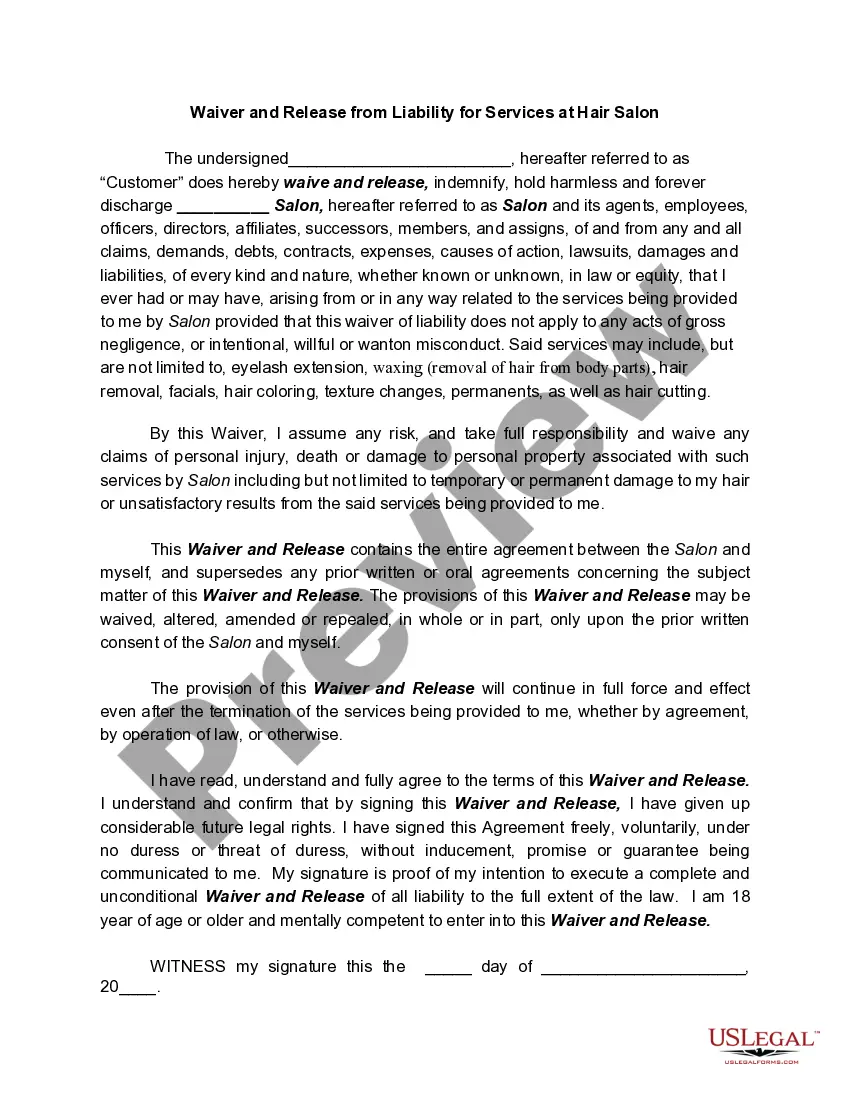
Get your form ready online
Our built-in tools help you complete, sign, share, and store your documents in one place.
Make edits, fill in missing information, and update formatting in US Legal Forms—just like you would in MS Word.
Download a copy, print it, send it by email, or mail it via USPS—whatever works best for your next step.
Sign and collect signatures with our SignNow integration. Send to multiple recipients, set reminders, and more. Go Premium to unlock E-Sign.
If this form requires notarization, complete it online through a secure video call—no need to meet a notary in person or wait for an appointment.
We protect your documents and personal data by following strict security and privacy standards.

Make edits, fill in missing information, and update formatting in US Legal Forms—just like you would in MS Word.

Download a copy, print it, send it by email, or mail it via USPS—whatever works best for your next step.

Sign and collect signatures with our SignNow integration. Send to multiple recipients, set reminders, and more. Go Premium to unlock E-Sign.

If this form requires notarization, complete it online through a secure video call—no need to meet a notary in person or wait for an appointment.

We protect your documents and personal data by following strict security and privacy standards.
Looking for another form?

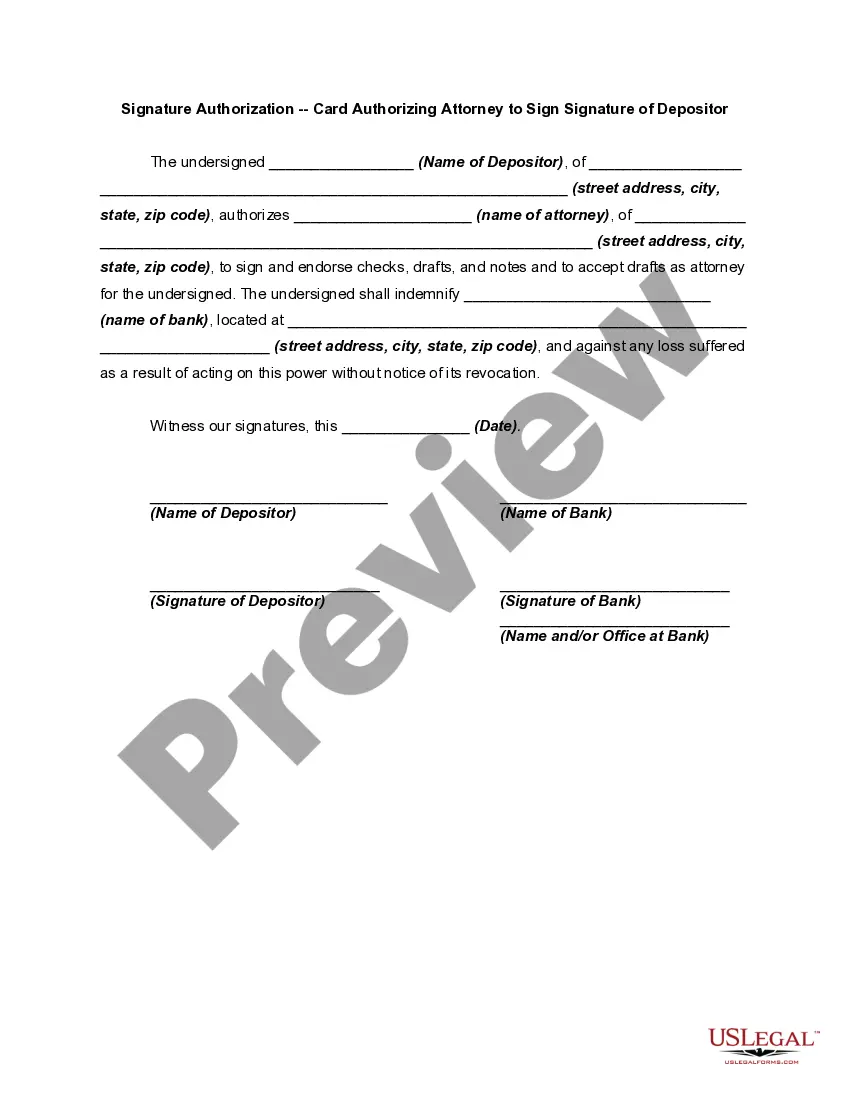
How to fill out Waiver And Release From Liability For Services At Hair Salon And Spa?
The Finest Hair Waver visible on this page is a reusable legal document prepared by expert attorneys adhering to federal and local laws and regulations.
For over 25 years, US Legal Forms has supplied individuals, businesses, and legal practitioners with more than 85,000 validated, state-specific forms for any professional and personal occasion. It’s the fastest, simplest, and most dependable method to access the documents you require, as the service assures bank-level data security and malware protection.
Register for US Legal Forms to access verified legal templates for all of life’s situations at your fingertips.
- Search for the document you require and examine it.
- Browse through the template you searched for and preview it or examine the document description to ensure it meets your needs. If it does not, use the search feature to find the suitable one. Click Buy Now when you have found the template you desire.
- Select and Log In.
- Choose the payment plan that fits your needs and create an account. Utilize PayPal or a credit card for immediate payment. If you already have an account, Log In and review your subscription to continue.
- Obtain the editable template.
- Choose the format you prefer for your Finest Hair Waver (PDF, DOCX, RTF) and download the document onto your device.
- Complete and sign the document.
- Print the template to fill it out manually. Alternatively, make use of an online multi-functional PDF editor to quickly and accurately complete and sign your form digitally.
- Redownload your paperwork as needed.
- Use the same document again whenever necessary. Access the My documents tab in your account to redownload any forms you have previously saved.
Form popularity
FAQ
Under Idaho Statute § 15-5-209, a guardian is defined as a person who "has the powers and responsibilities of a parent who has not been deprived of custody of his minor and unemancipated child." The guardian is not obligated, however, to provide for the ward out of his or her own funds and is not liable to third ...
(d) The temporary guardian's authority may not exceed six (6) months unless extended for good cause. Only one (1) such extension may be made, and the extension period must not last longer than six (6) additional months.
Understanding Guardianship vs. Conservatorship Idaho Stat. § 15-5-201 says that a guardian is appointed by acceptance of a testamentary appointment or by the court. Conservatorship grants a third party responsibility over the finances of a minor or an incapacitated person.
(1) A guardianship terminates upon the death of the ward or upon order of the court. (2) On petition of a ward, a guardian, or another person interested in the ward's welfare, the court may terminate a guardianship if the ward no longer needs the assistance or protection of a guardian.
Custody usually refers to an arrangement between parents and their children, while a guardian of a child is usually a court-appointed adult who is granted rights and responsibilities towards a child when their parents are unable to care for them.
Guardians have the same powers and responsibilities as a child's parent except they are not legally obligated to provide for the minor from their own funds. A guardian must take reasonable care of the minor's personal effects.