Construction Contracts Oregon Forest Fire Map In Philadelphia
Description


Get your form ready online
Our built-in tools help you complete, sign, share, and store your documents in one place.
Make edits, fill in missing information, and update formatting in US Legal Forms—just like you would in MS Word.
Download a copy, print it, send it by email, or mail it via USPS—whatever works best for your next step.
Sign and collect signatures with our SignNow integration. Send to multiple recipients, set reminders, and more. Go Premium to unlock E-Sign.
If this form requires notarization, complete it online through a secure video call—no need to meet a notary in person or wait for an appointment.
We protect your documents and personal data by following strict security and privacy standards.

Make edits, fill in missing information, and update formatting in US Legal Forms—just like you would in MS Word.

Download a copy, print it, send it by email, or mail it via USPS—whatever works best for your next step.

Sign and collect signatures with our SignNow integration. Send to multiple recipients, set reminders, and more. Go Premium to unlock E-Sign.

If this form requires notarization, complete it online through a secure video call—no need to meet a notary in person or wait for an appointment.

We protect your documents and personal data by following strict security and privacy standards.
Looking for another form?
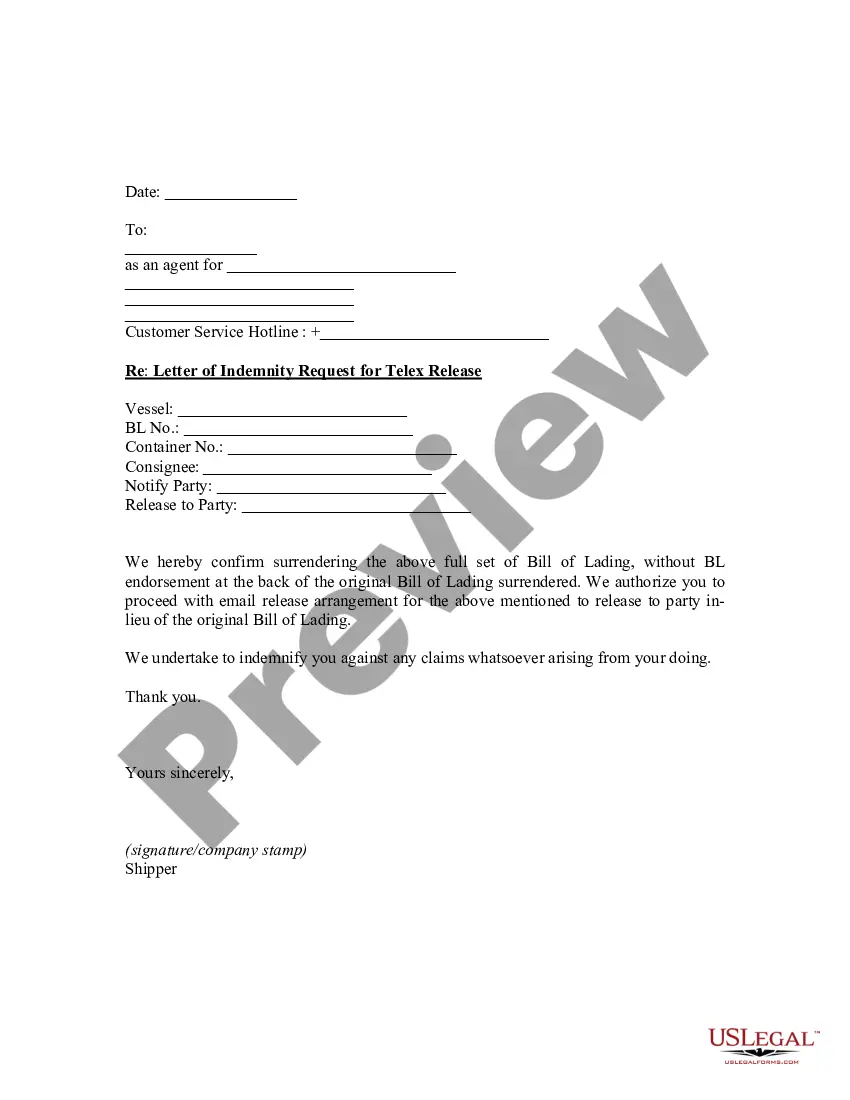
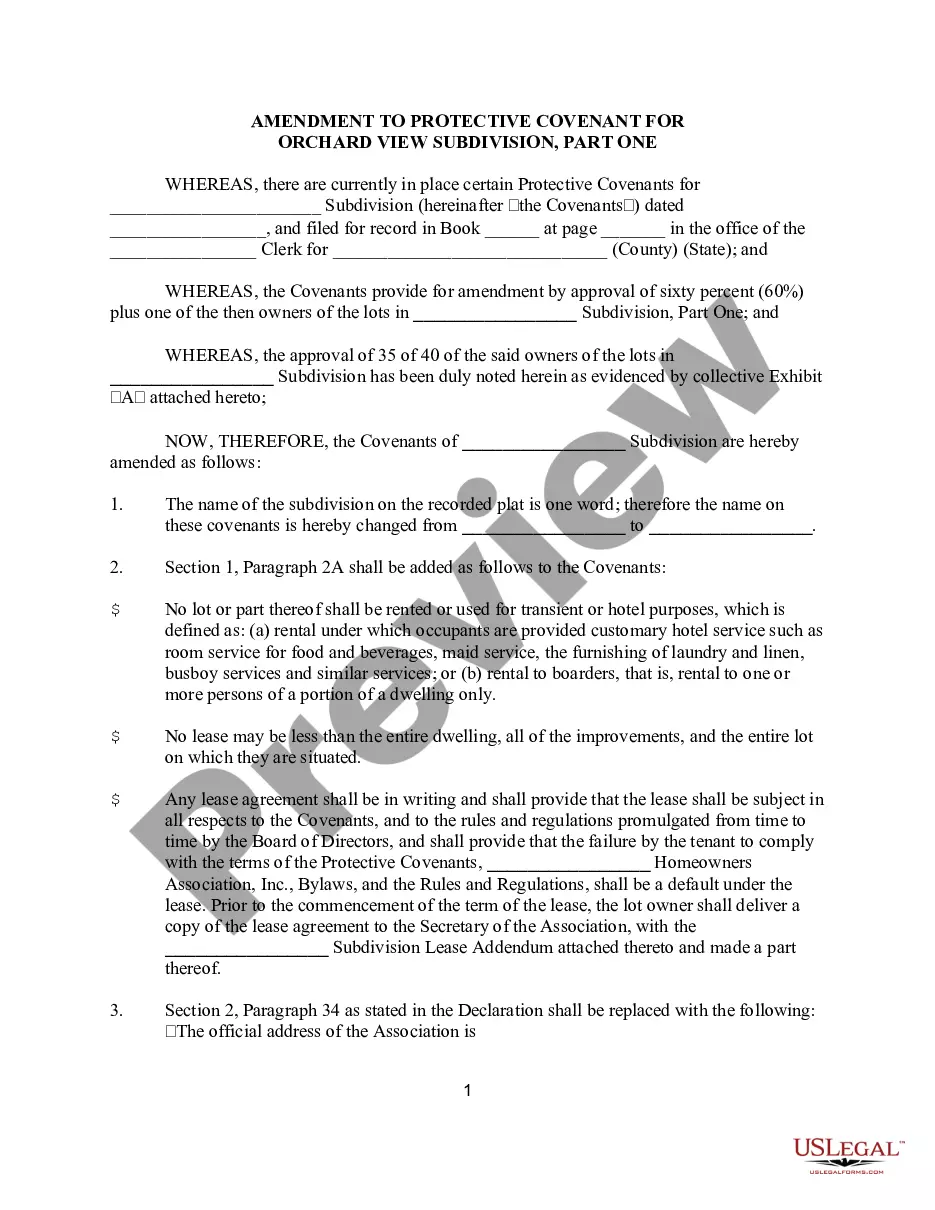



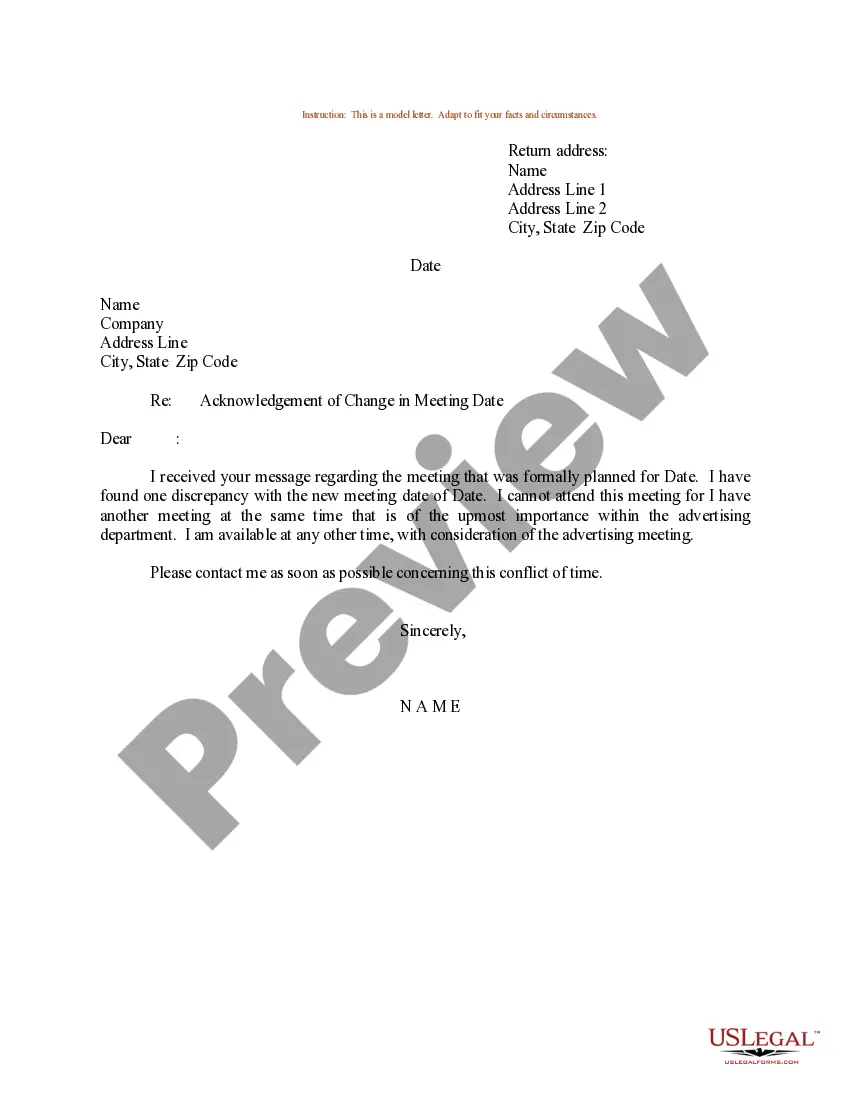



Form popularity
FAQ
Oregon Department of Forestry : Firefighting ground resources : Fire : State of Oregon.
Climate change may be another reason Oregon's wildfire seasons are getting longer. People start a large number of wildfires in Oregon. Major culprits include backyard burn piles and unattended campfires, ing to the nonprofit fire prevention organization Keep Oregon Green.
In Oregon, the WUI is defined in state statute (OAR 629-044-1005 (m)) as “a geographical area where structures and other human development meets or intermingles with wildland or vegetative fuels.” The criteria for mapping that geographical area are defined in OAR 629-044-1011.
As Oregon's largest fire department, ODF's Fire Protection Program protects 16 million acres of forest, a $60 billion asset. These lands consist of privately owned forests as well as some public lands, including state-owned forests and, by contract, US Bureau of Land Management forests in western Oregon.
Wildfires in the Northwest have increased since the 1980s. Scientists attribute this to human-caused climate change. This means more bad air days from wildfire smoke in Multnomah County.
Whether sparked by lightning or human-caused, wildfires can harm fish and wildlife habitat and damage nearby homes or other structures. They're often costly to extinguish and can negatively affect air and water quality.
Oregon Department of Forestry : Firefighting ground resources : Fire : State of Oregon.
Fire Protection Overview It includes published fire safety directives (Orders, standards, and guidance documents), a range of oversight activities, an annual fire protection program summary. DOE also sponsors fire safety conferences, various training initiatives, and a spectrum of technical assistance activities.
Fire protection systems are designed to detect, control, and suppress fires effectively. They consist of various components that work together to provide early warning, suppress fires, and ensure the safe evacuation of occupants.
