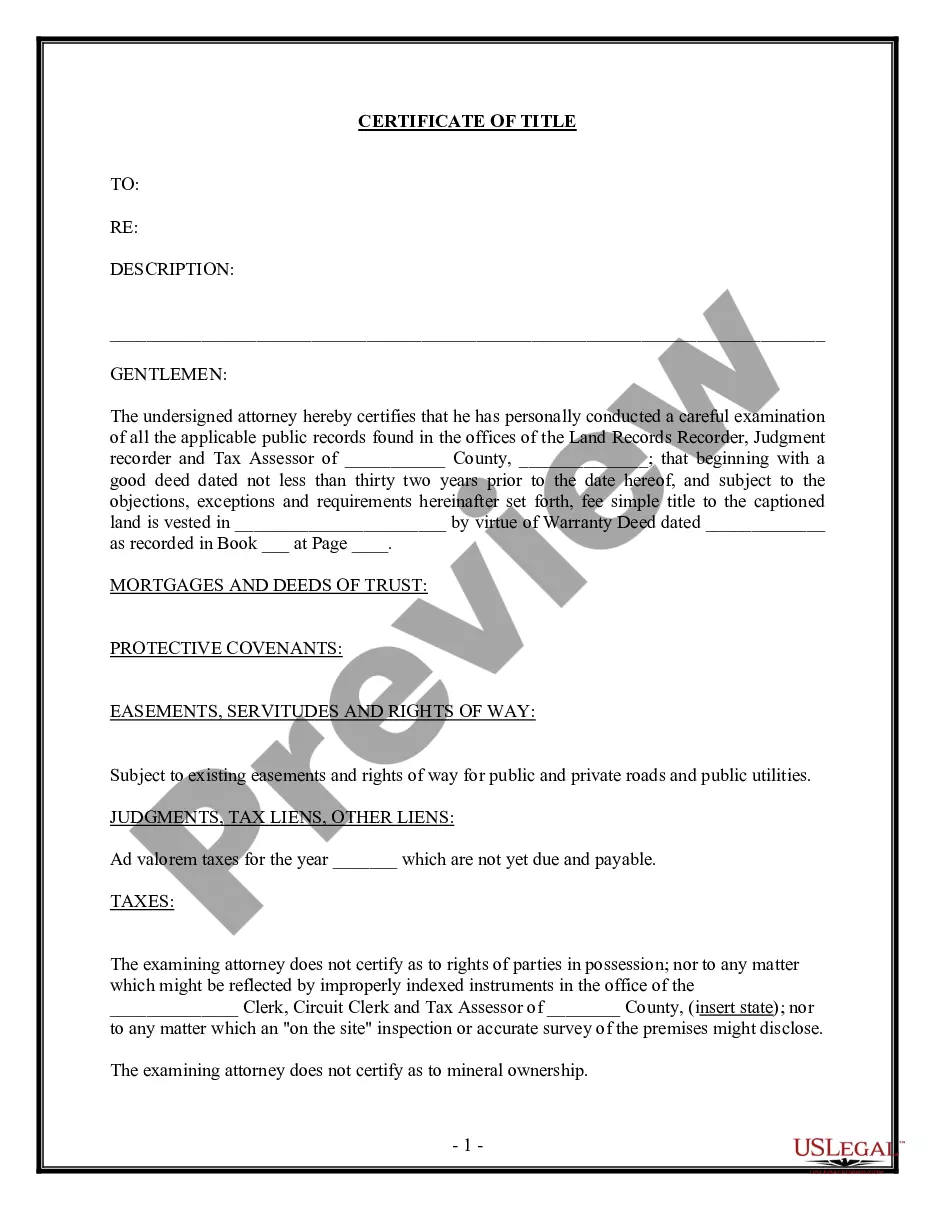
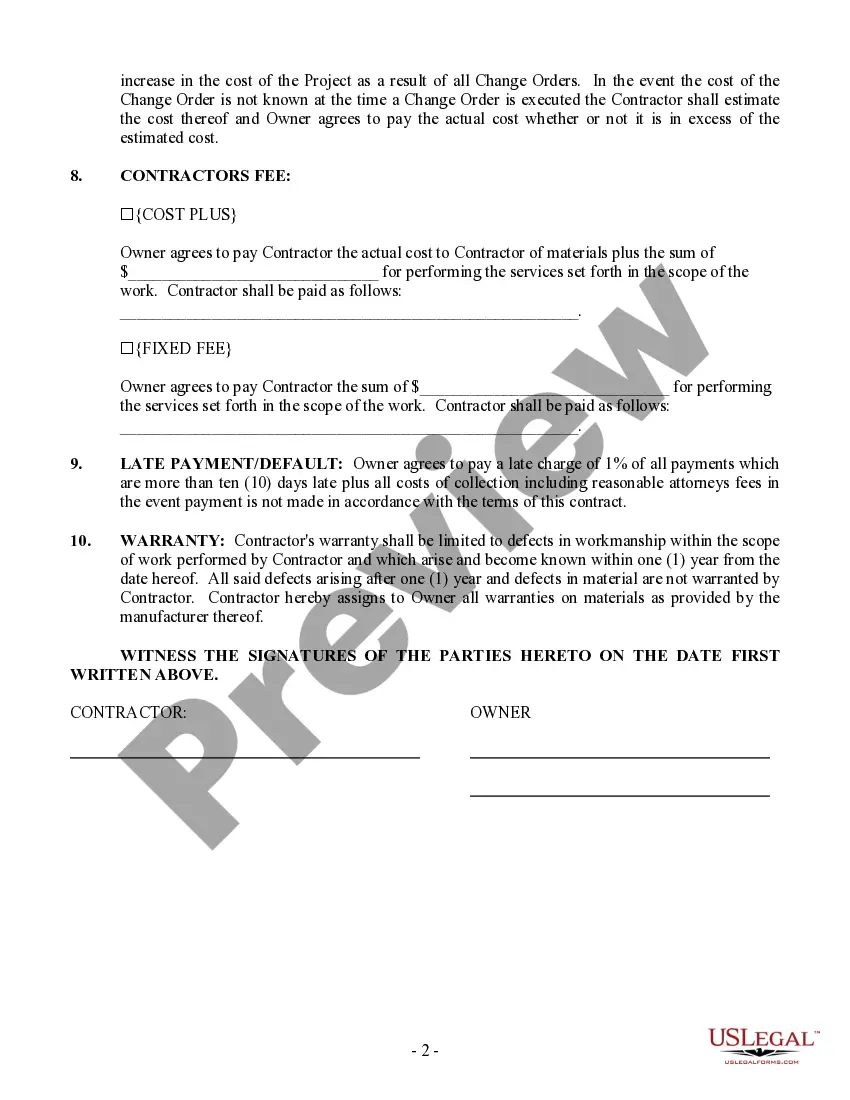
Construction Contracts Former Provisions Act In Miami-Dade
Description

Get your form ready online
Our built-in tools help you complete, sign, share, and store your documents in one place.
Make edits, fill in missing information, and update formatting in US Legal Forms—just like you would in MS Word.
Download a copy, print it, send it by email, or mail it via USPS—whatever works best for your next step.
Sign and collect signatures with our SignNow integration. Send to multiple recipients, set reminders, and more. Go Premium to unlock E-Sign.
If this form requires notarization, complete it online through a secure video call—no need to meet a notary in person or wait for an appointment.
We protect your documents and personal data by following strict security and privacy standards.

Make edits, fill in missing information, and update formatting in US Legal Forms—just like you would in MS Word.

Download a copy, print it, send it by email, or mail it via USPS—whatever works best for your next step.

Sign and collect signatures with our SignNow integration. Send to multiple recipients, set reminders, and more. Go Premium to unlock E-Sign.

If this form requires notarization, complete it online through a secure video call—no need to meet a notary in person or wait for an appointment.

We protect your documents and personal data by following strict security and privacy standards.
Looking for another form?



Form popularity
FAQ
2-11.1. - Conflict of Interest and Code of Ethics Ordinance. The term "Commissioners" shall refer to the Mayor and the members of the Board of County Commissioners as duly constituted from time to time.
The new area code will be assigned in the same territory as the 305 and 786 area codes that cover Miami-Dade County and the Keys. New phone customers in Miami-Dade County and the Florida Keys will get a 645 area code starting Aug. 4, the state Public Service Commission announced Friday.
The organization and administration of the Office of the Inspector General shall be sufficiently independent to assure that no interference or influence external to the Office adversely affects the independence and objectivity of the Inspector General. Minimum Qualifications, Appointment and Term of Office.
All contracts, business transactions and renewals thereof with the County to which this subsection applies, shall require the individual or entity seeking to transact business with the County to verify by affidavit that the individual or entity is current in its obligations to the County and is not otherwise in default ...
Fair subcontracting practices. Policy. It is the policy of this County to promote diversity in the use of Subcontractors on Miami-Dade County projects and to allow opportunities for subcontracting to as many qualified Subcontractors as possible.
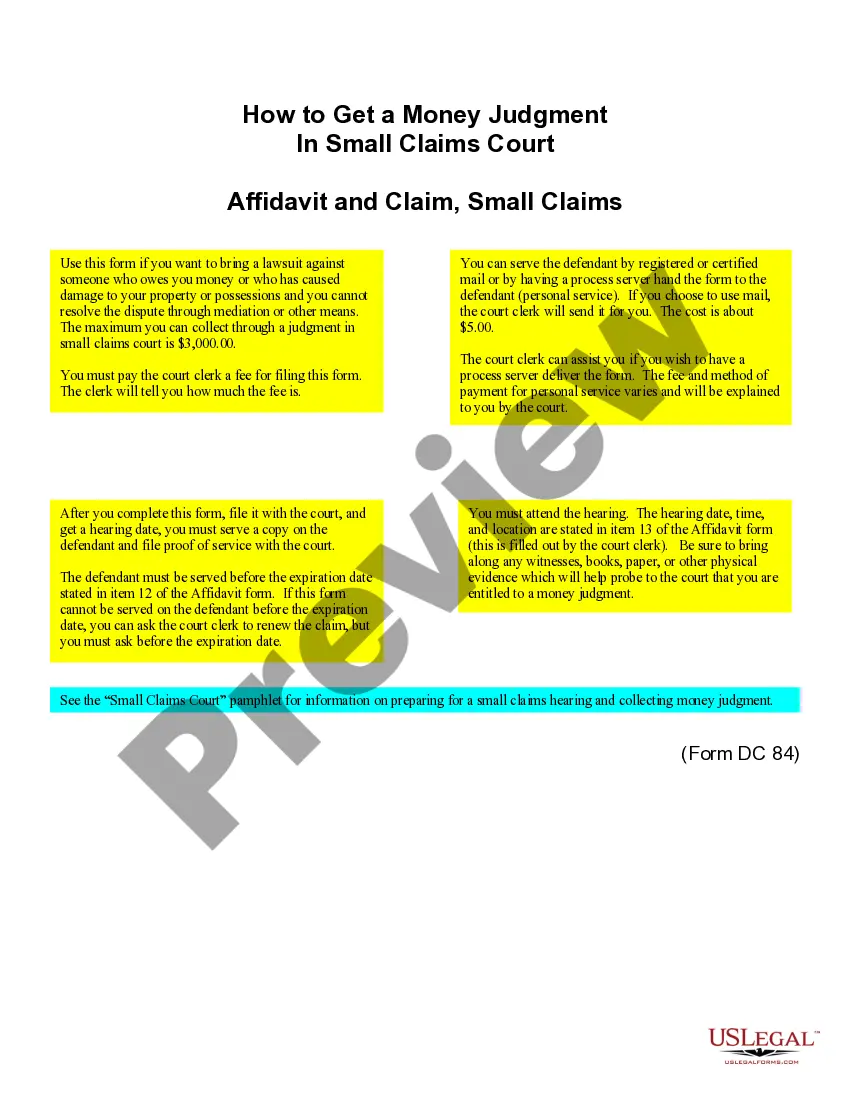
What to Do if Your Contractor Doesn't Finish the Job: How to Handle Unfinished Contract Work Talk to Your Contractor. Keep Talking—and Document Everything. Make a Definitive Decision. Tap Their Bond. Contact the Better Business Bureau. File a Suit in Small Claims Court. Hire an Attorney.
In Florida, claims for construction defects are governed by a statute of limitations and a statute of repose. Generally, you have four years from the time you discovered (or should have discovered) the defect to file a claim, but no claim can be filed more than ten years after the home was completed.
A project is to be considered abandoned after 90 days if the contractor terminates the project without just cause or without proper notification to the prospective owner, including the reason for termination, or fails to perform work without just cause for 90 consecutive days.
How To Write A Construction Contract With 7 Steps Step 1: Define the Parties Involved. Step 2: Outline the Scope of Work. Step 3: Establish the Timeline. Step 4: Determine the Payment Terms. Step 5: Include Necessary Legal Clauses. Step 6: Address Change Orders and Modifications. Step 7: Sign and Execute the Contract.
Generally, all construction contracts in Florida must contain are required to disclose the contractor or subcontractor's registration number issued by the Florida DPBR; if required. Furthermore, all construction contracts should also include a construction defect notice and opportunity to cure provisions.