Construction Fixed Price Contract With Cost
Description

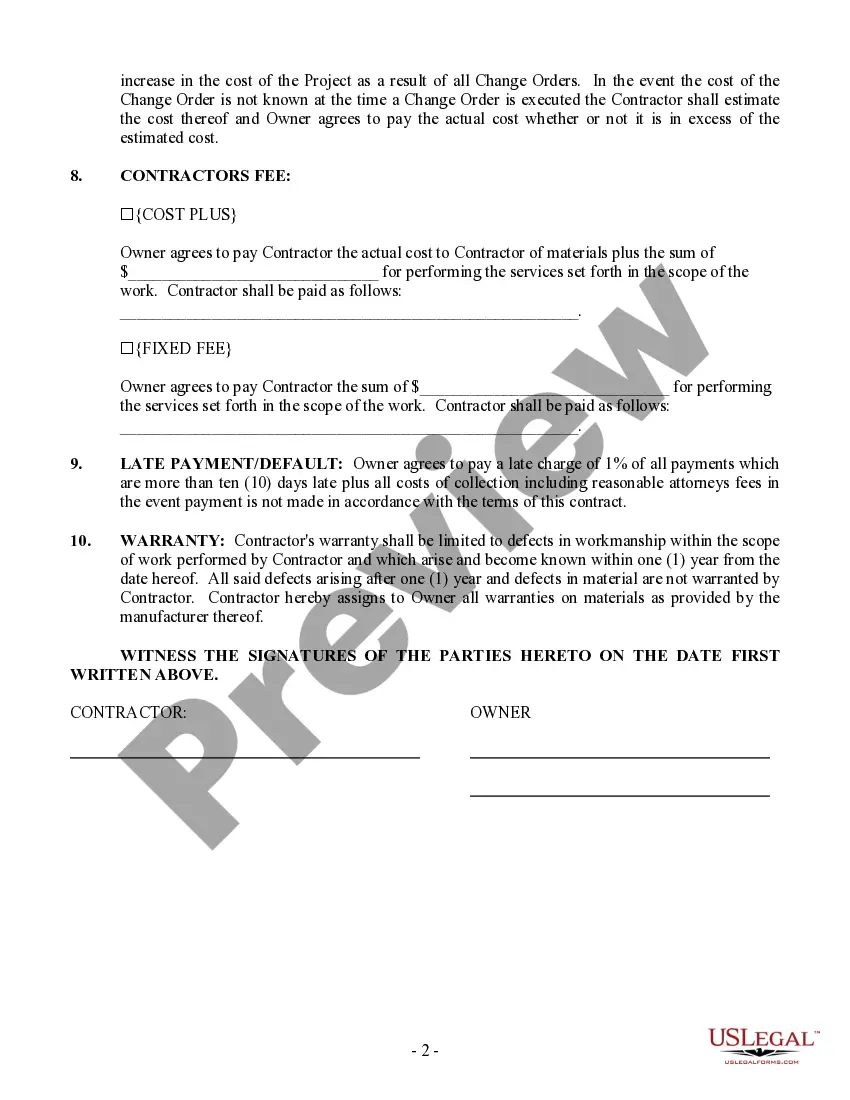
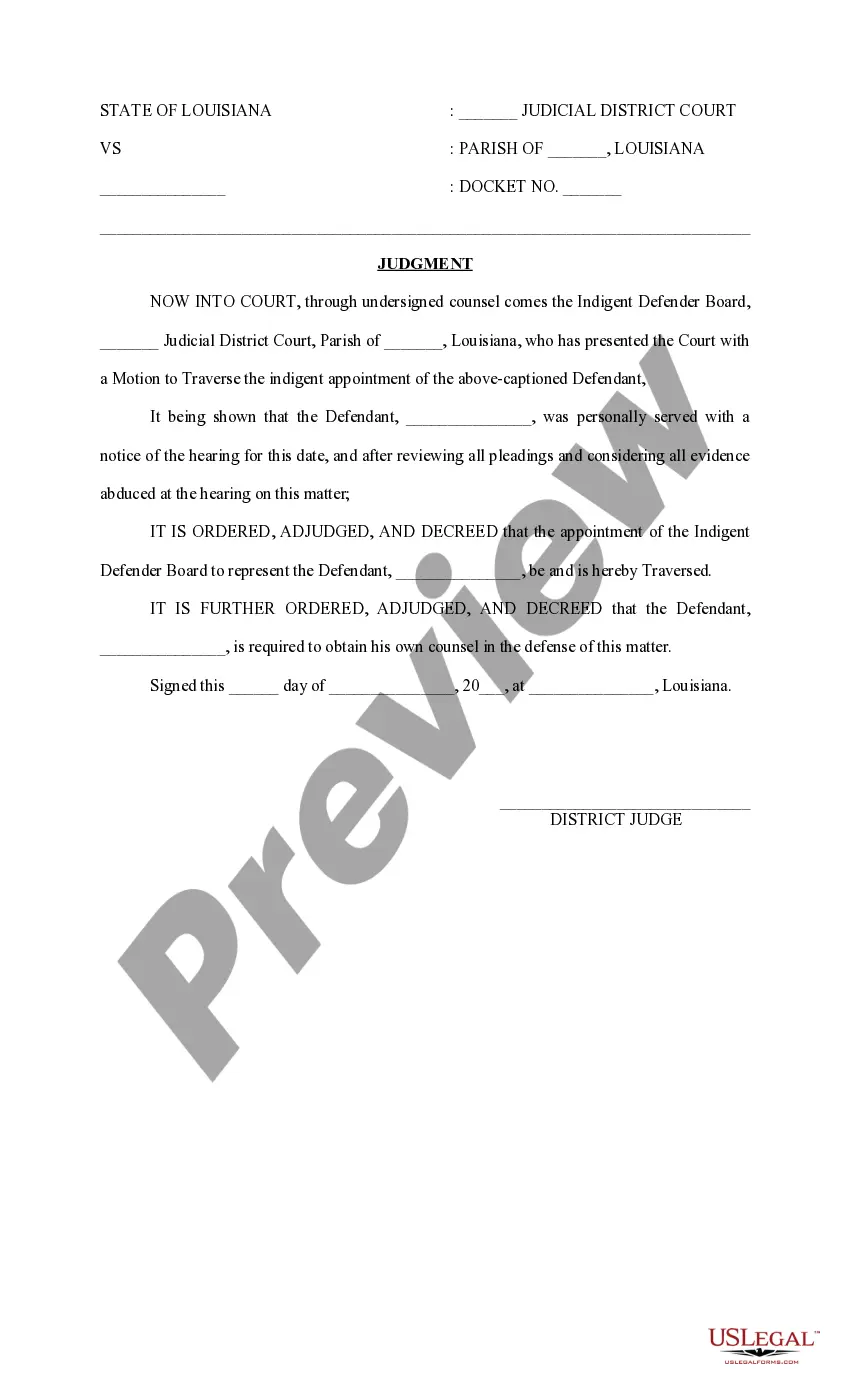
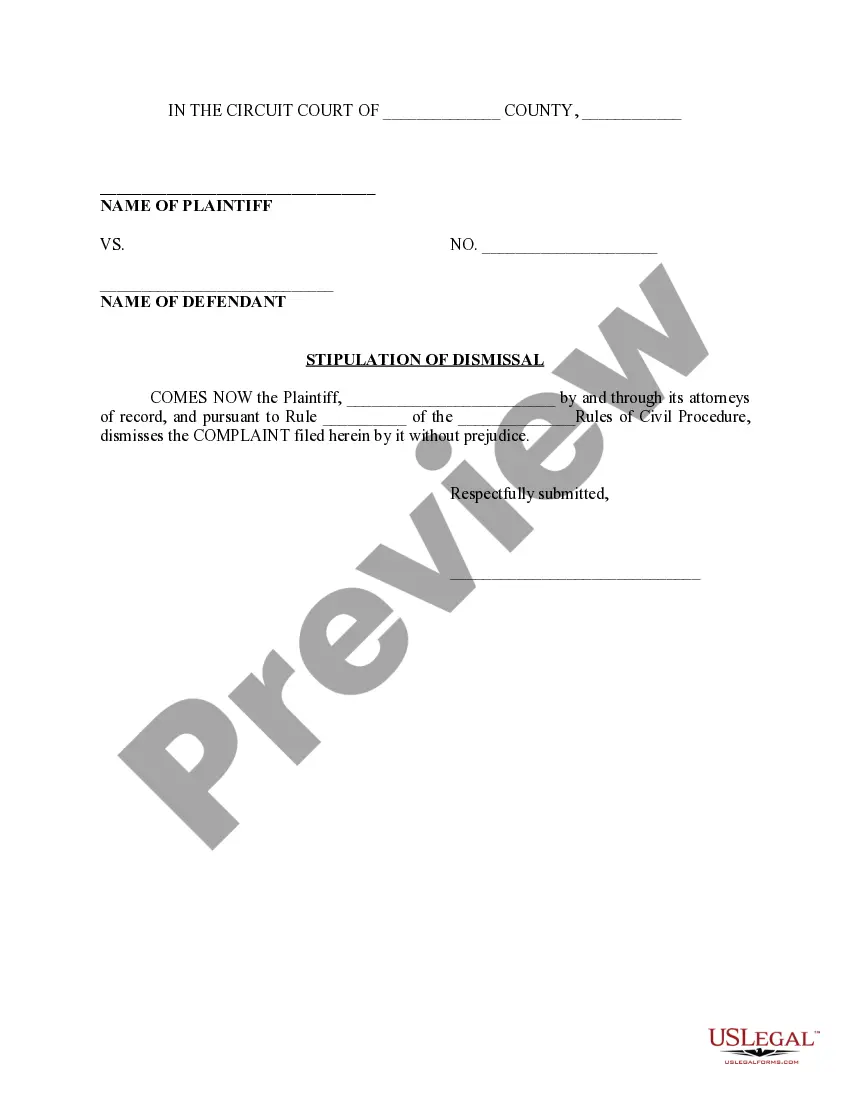

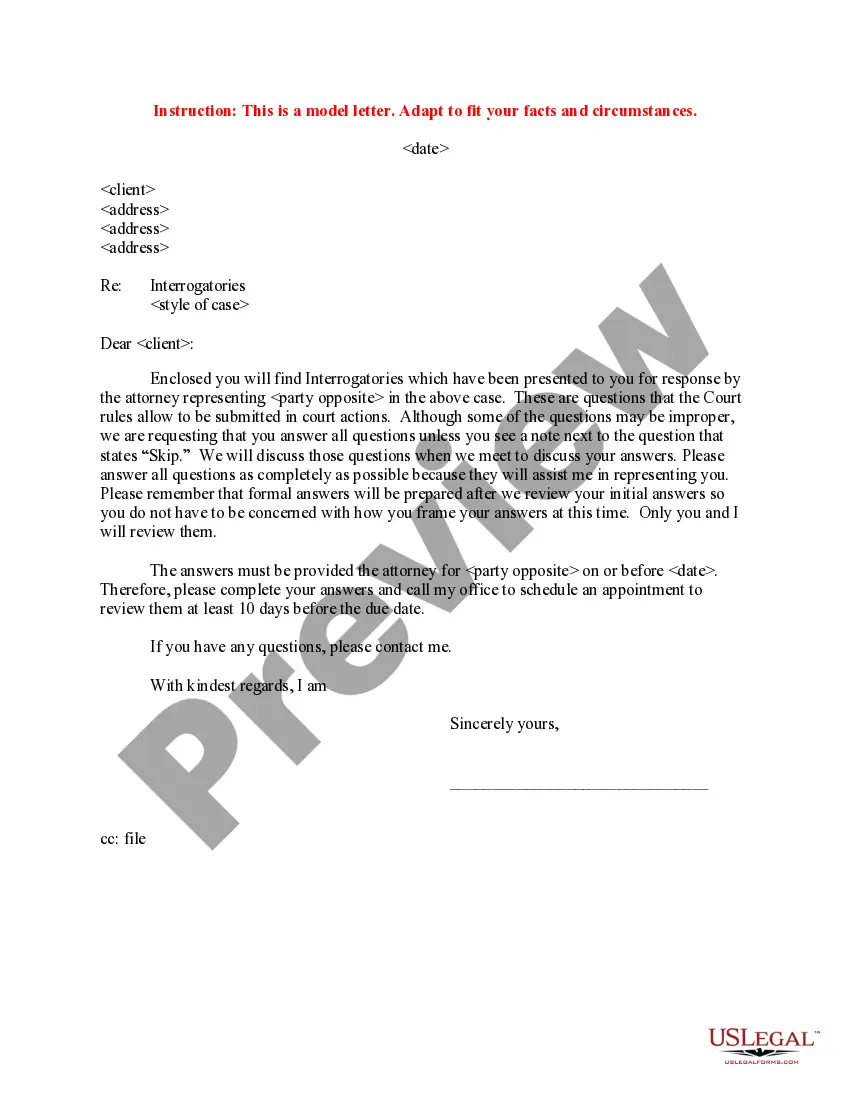
How to fill out Construction Contract For Home - Fixed Fee Or Cost Plus?
Establishing a reliable source for accessing the latest and suitable legal templates is a significant portion of dealing with bureaucracy.
Identifying the correct legal document requires precision and careful attention, which is why it's crucial to obtain samples of the Construction Fixed Price Contract With Cost exclusively from trustworthy providers, such as US Legal Forms. A faulty template can squander your time and exacerbate the delays in your situation. With US Legal Forms, you can feel at ease.
Eliminate the hassle associated with your legal documents. Browse the extensive US Legal Forms collection to discover legal templates, assess their applicability to your situation, and download them instantly.
- Utilize the library navigation or search tool to find your example.
- Examine the document details to determine if it meets the criteria for your state and locality.
- Preview the document, if available, to ensure it matches your interests.
- Return to the search if the Construction Fixed Price Contract With Cost does not meet your requirements.
- When you are certain of the document's applicability, download it.
- If you are a registered user, click Log in to verify and access your selected documents in My documents.
- If you haven't created an account yet, click Buy now to purchase the form.
- Select the pricing option that aligns with your needs.
- Proceed with the registration to finalize your acquisition.
- Complete your transaction by selecting a payment method (credit card or PayPal).
- Choose the file format for downloading the Construction Fixed Price Contract With Cost.
- Once you possess the document on your device, you can modify it using the editor or print it and complete it by hand.
Form popularity
FAQ
There are generally four types of construction contracts: fixed price contracts, cost-plus contracts, unit price contracts, and time and materials contracts. A construction fixed price contract with cost is the most common type, where the contractor agrees to complete the project for a predetermined price. This contract provides clarity for budgeting, as it outlines the total costs upfront, helping both parties understand their financial commitments. Exploring US Legal Forms can guide you in selecting the right contract type for your project needs.
Fixed costs in construction refer to the expenses that do not vary with the level of production or activity. In the context of a construction fixed price contract with cost, these costs remain constant throughout the project, providing a clear budget framework. They include expenses like salaries, rent, and insurance, which help in managing overall project expenses effectively. Understanding fixed costs also enables you to forecast project profitability and make informed financial decisions.
An example of a fixed cost in a construction project is the monthly lease payment for construction equipment. This payment remains stable regardless of how much the equipment is used during the project's duration. Understanding such fixed costs is vital when negotiating a construction fixed price contract with cost, ensuring all parties are aware of potential liabilities.
The four main fixed costs in construction include salaries, rent, insurance, and equipment depreciation. These costs do not vary with project output and must be accounted for when planning a construction fixed price contract with cost. By recognizing these expenses, you can create a more accurate budget and lower your project's financial risk.
Fixed costs in construction projects refer to expenses that remain constant regardless of the level of construction activity. These costs include salaries, rent, equipment depreciation, and insurance. When engaging in a construction fixed price contract with cost, understanding these fixed costs helps in budgeting and risk management.
Fixed cost in construction refers to the total expenditure agreed upon for a project, which does not change regardless of adjustments in materials or labor. This allows clients to have clear expectations and budget accurately from the beginning. By opting for a construction fixed price contract with cost, you secure predictability and minimize financial surprises during the project lifecycle.
Rules for a fixed-price contract typically include clear definitions of project scope, stipulations about change orders, and timelines for completion. Both parties must agree on how to handle unforeseen circumstances or additional work, which can impact cost. Clarity in these areas leads to an effective construction fixed price contract with cost, reducing potential disputes.
Despite their benefits, fixed-price contracts do carry certain risks. If costs exceed estimates, contractors may cut corners or compromise quality to stay within budget. To mitigate these risks, users often rely on platforms like US Legal Forms to ensure they understand contractual obligations and establish fair terms in a construction fixed price contract with cost.
A fixed cost construction contract is similar to a fixed-price contract, where the overall project cost is agreed upon before work begins. This arrangement protects clients from cost overruns, as the contractor must manage their expenses within the agreed amount. Utilizing a construction fixed price contract with cost helps maintain financial control and predictability throughout the project.
price contract in construction is an agreement where the contractor agrees to complete a project for a set price. This type of contract provides clarity for both parties, as costs are determined upfront. With a construction fixed price contract with cost, you can budget effectively and avoid unexpected expenses, ensuring a smoother project execution.