Atv Form With Medical In Fairfax
Description
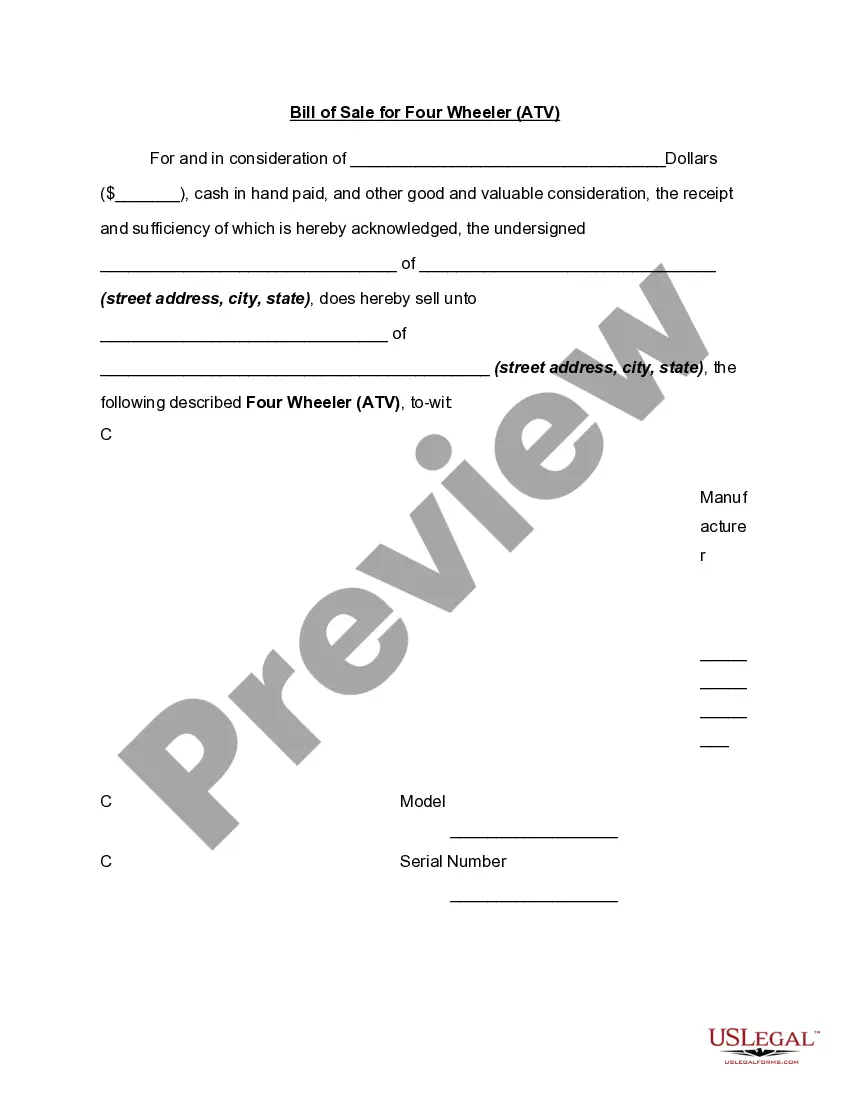
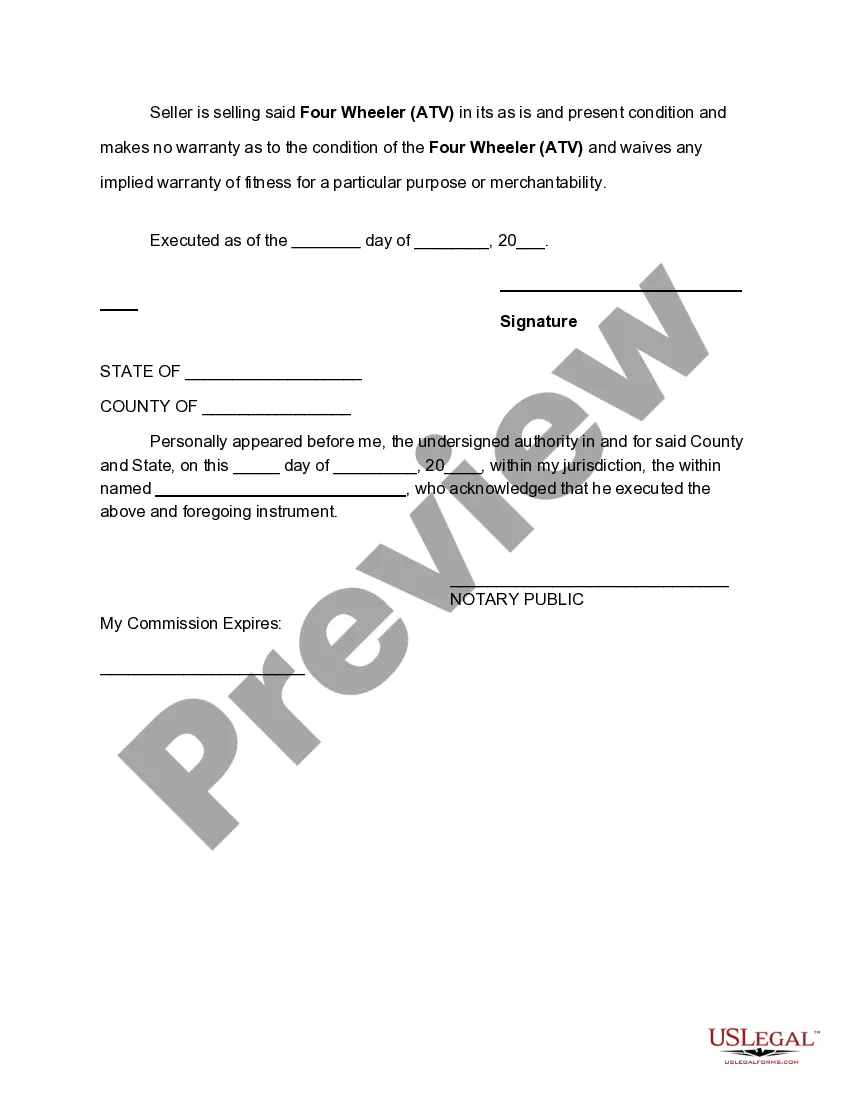
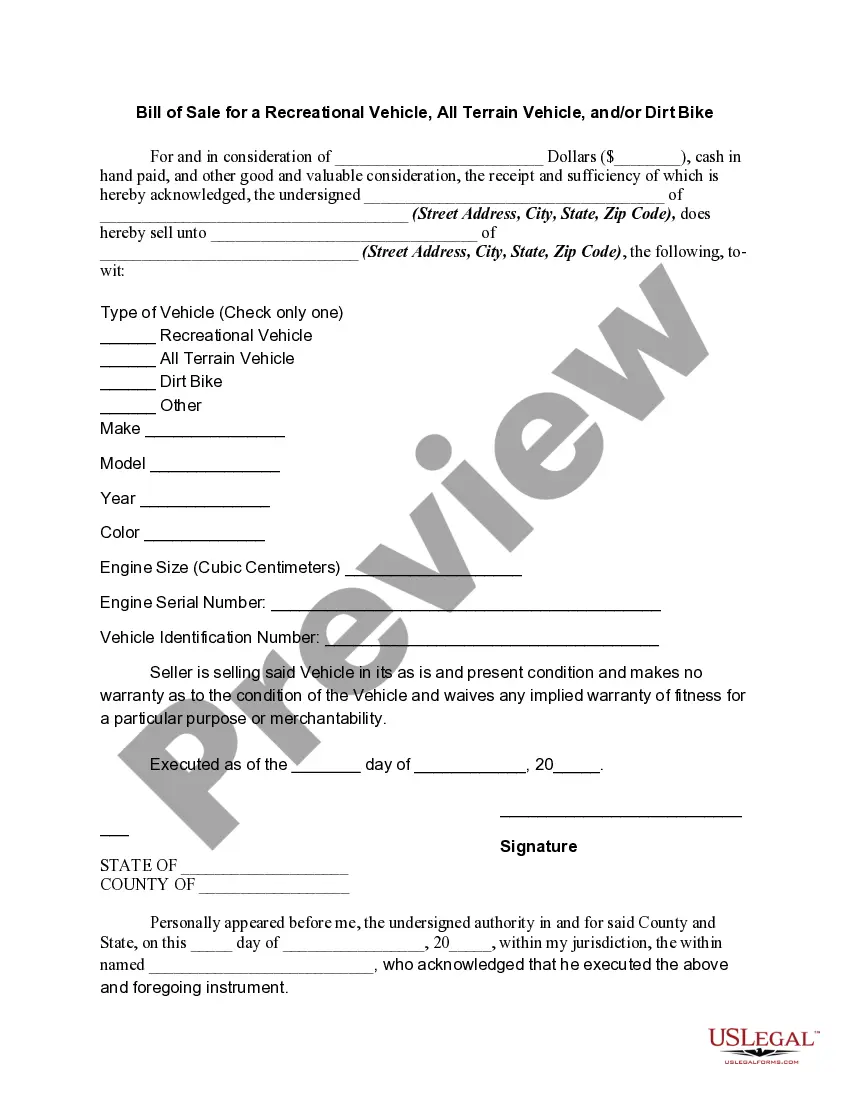
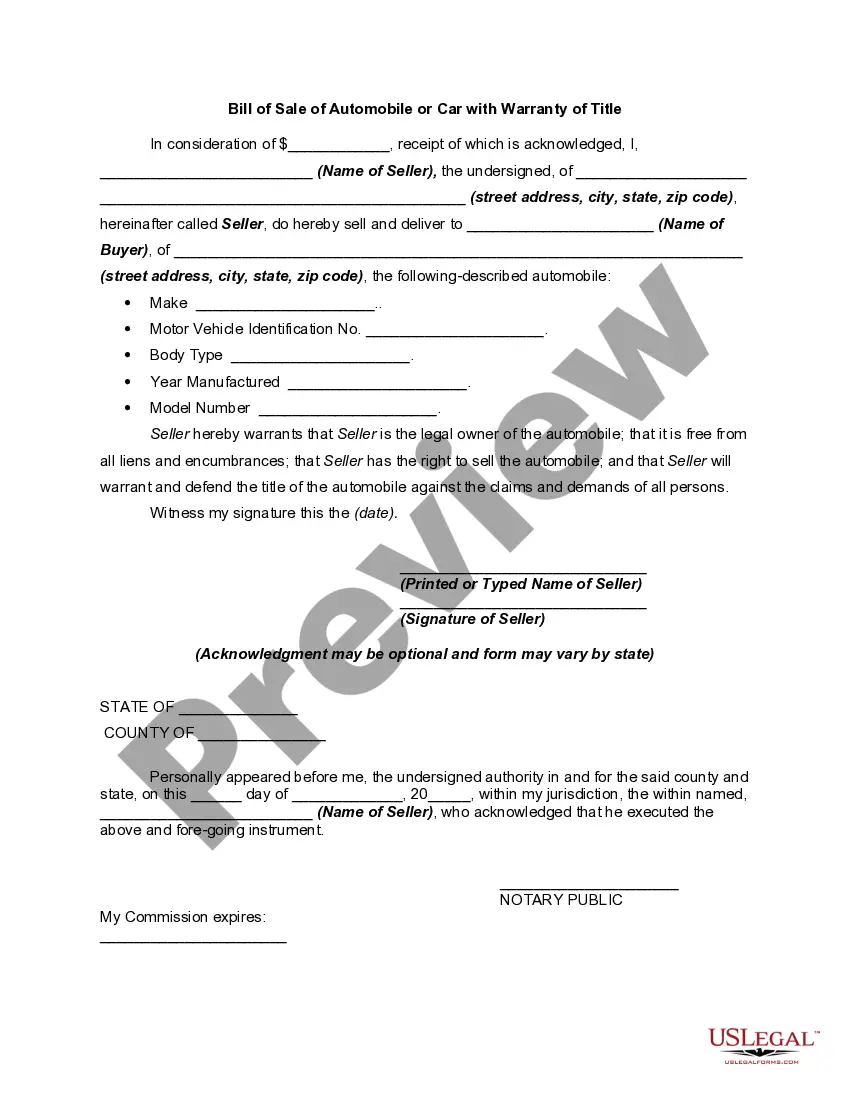
Get your form ready online
Our built-in tools help you complete, sign, share, and store your documents in one place.
Make edits, fill in missing information, and update formatting in US Legal Forms—just like you would in MS Word.
Download a copy, print it, send it by email, or mail it via USPS—whatever works best for your next step.
Sign and collect signatures with our SignNow integration. Send to multiple recipients, set reminders, and more. Go Premium to unlock E-Sign.
If this form requires notarization, complete it online through a secure video call—no need to meet a notary in person or wait for an appointment.
We protect your documents and personal data by following strict security and privacy standards.

Make edits, fill in missing information, and update formatting in US Legal Forms—just like you would in MS Word.

Download a copy, print it, send it by email, or mail it via USPS—whatever works best for your next step.

Sign and collect signatures with our SignNow integration. Send to multiple recipients, set reminders, and more. Go Premium to unlock E-Sign.

If this form requires notarization, complete it online through a secure video call—no need to meet a notary in person or wait for an appointment.

We protect your documents and personal data by following strict security and privacy standards.
Looking for another form?






Form popularity
FAQ
Owners will need to complete an application for registration, either online, by mail or in person. Virginia is extremely specific in establishing the laws and defining the differences between golf carts and low speed vehicles.
ATVs and off-road motorcycles are not required to be registered. You may title a used ATV or off-road motorcycle or any reason, including recording a lien or documenting proof of ownership.
For a golf cart to be street legal, it needs headlights, turn signals, and brake lights. You should also have reflectors in order to increase your visibility to others on the road. Although LED lights are more expensive than normal bulbs, they also last longer and shine brighter.
In terms of registration, golf carts must be registered with the Virginia Department of Motor Vehicles and display a valid license plate. Operators of golf carts must also have a valid driver's license and adhere to all traffic laws while operating the vehicle on public roads.
Every golf cart and driver thereof shall be covered by an insurance policy. Such policy shall meet the minimum liability amounts contained in Code of Virginia, § 46.2-427, as amended, and provide coverage during the operation of the golf cart upon public highways.
Registration. If you are registering your ATV (whether purchased in Vermont or out-of-state) for the first time in Vermont, you must complete the Vermont Registration application (VD-119) and comply with all requirements indicated on it. Registration plates are assigned and mailed to you unless you indicate otherwise.
Golf carts can only be driven on roads with posted speed limits of 35 miles per hour or less. The top speed for a golf cart is designated by the community but will not exceed 25 mph. Golf carts must obey all the same traffic laws as other motorists, including traffic lights, stop signs, and rights-of-way.
Bottom right corner of the title - do not include the 2 digit prefix and space Note: The title number is printed as 13-digits.
For an estimate of the tax on your vehicle, contact the Personal Property division of the Commissioner's Office. §58.1-3503 of the Code of Virginia also enables commissioners to consider the conditions of taxable property, upon request of the taxpayer. Taxpayers may easily appeal their assessments.
Property Number (On your Fairfax County property bill, look near the top or bottom right corner after "Include this Number on your Check:") Vehicle Identification Number (VIN)
