Consignment Form Template With Pictures In Oakland
Description

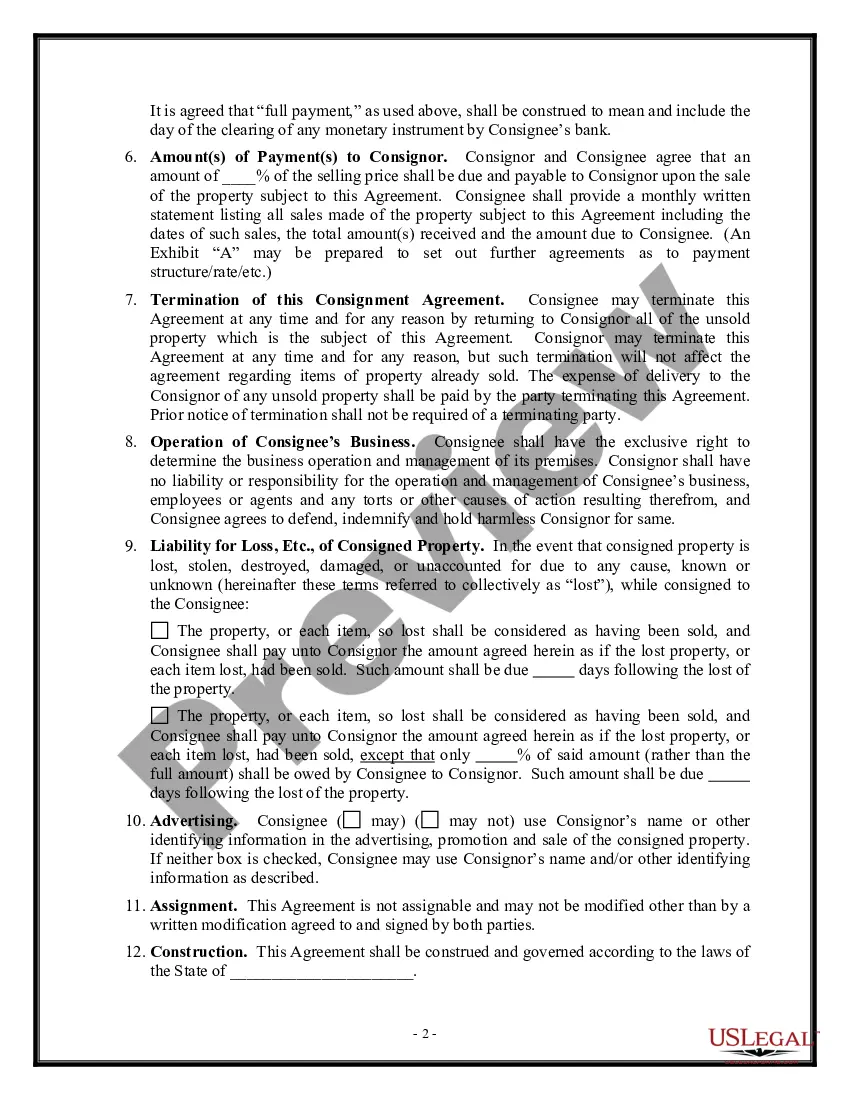
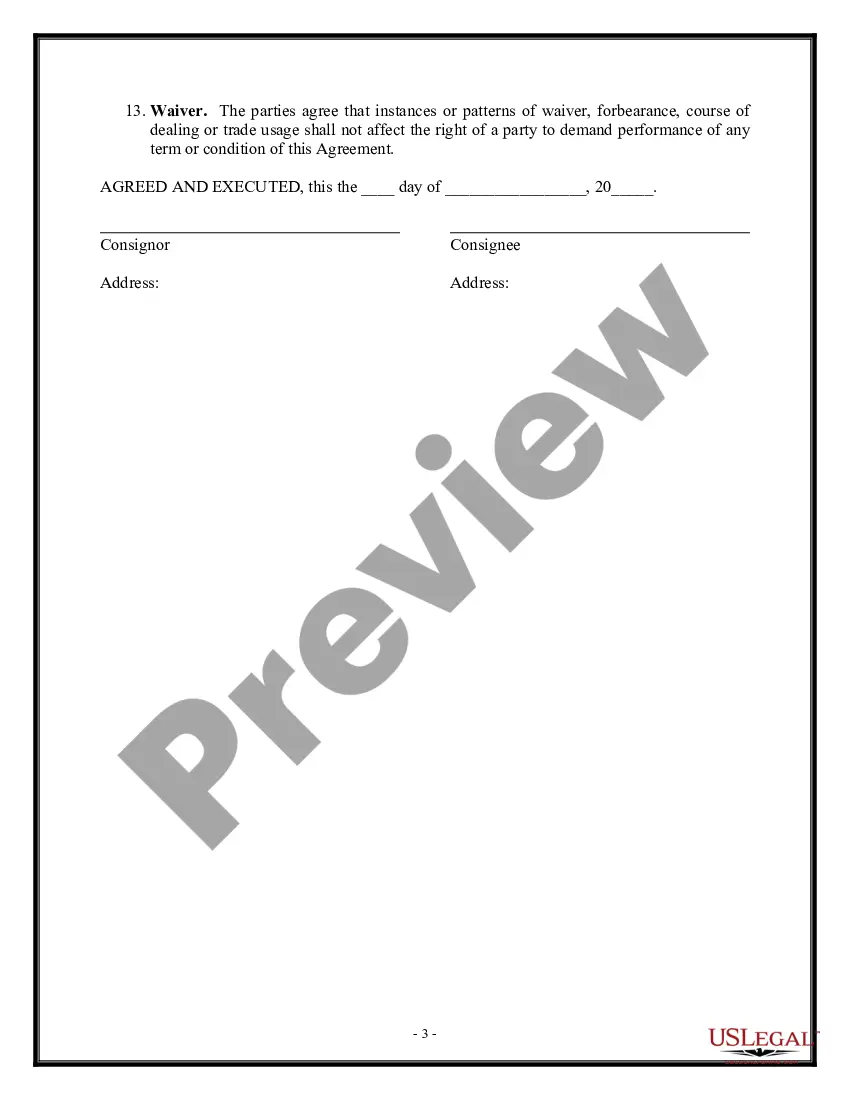
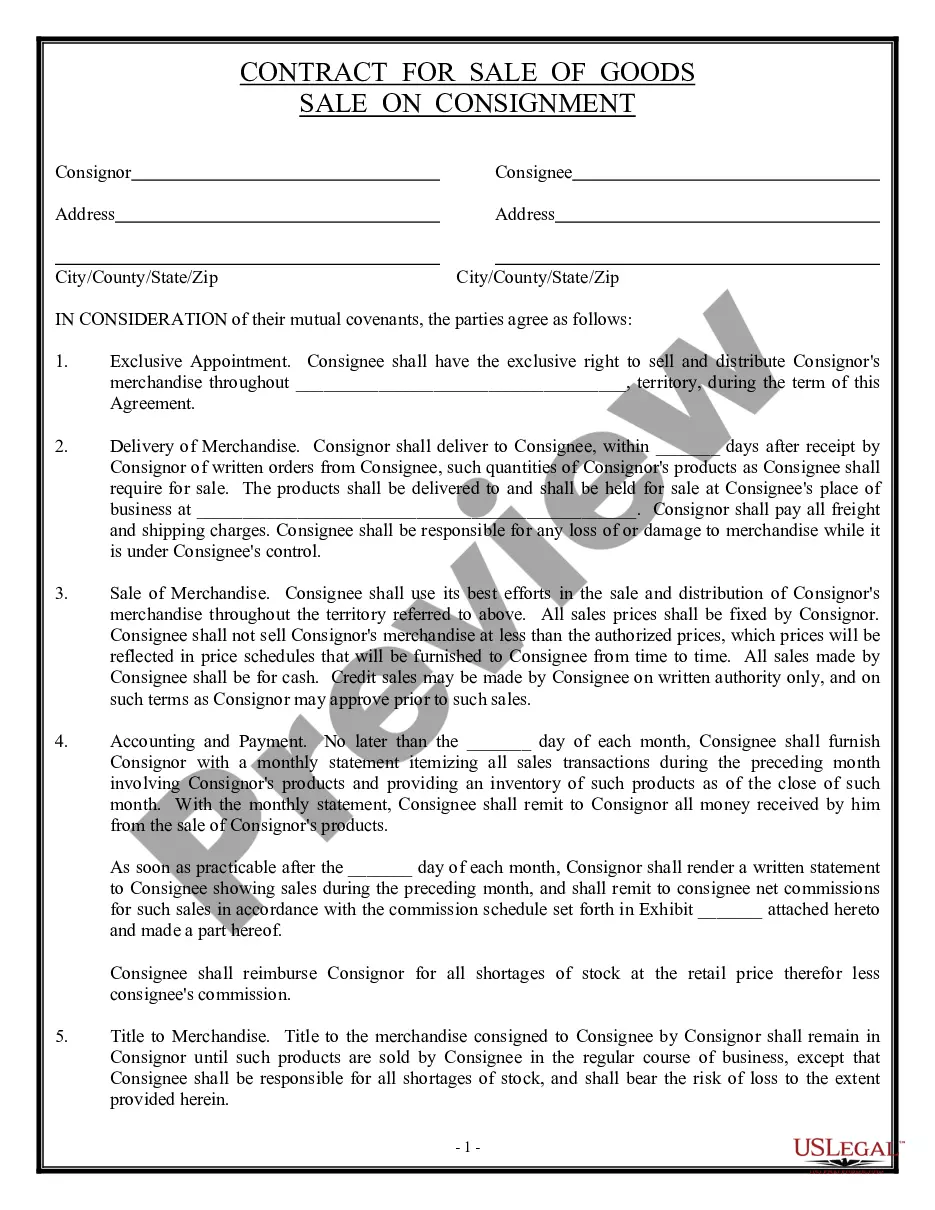
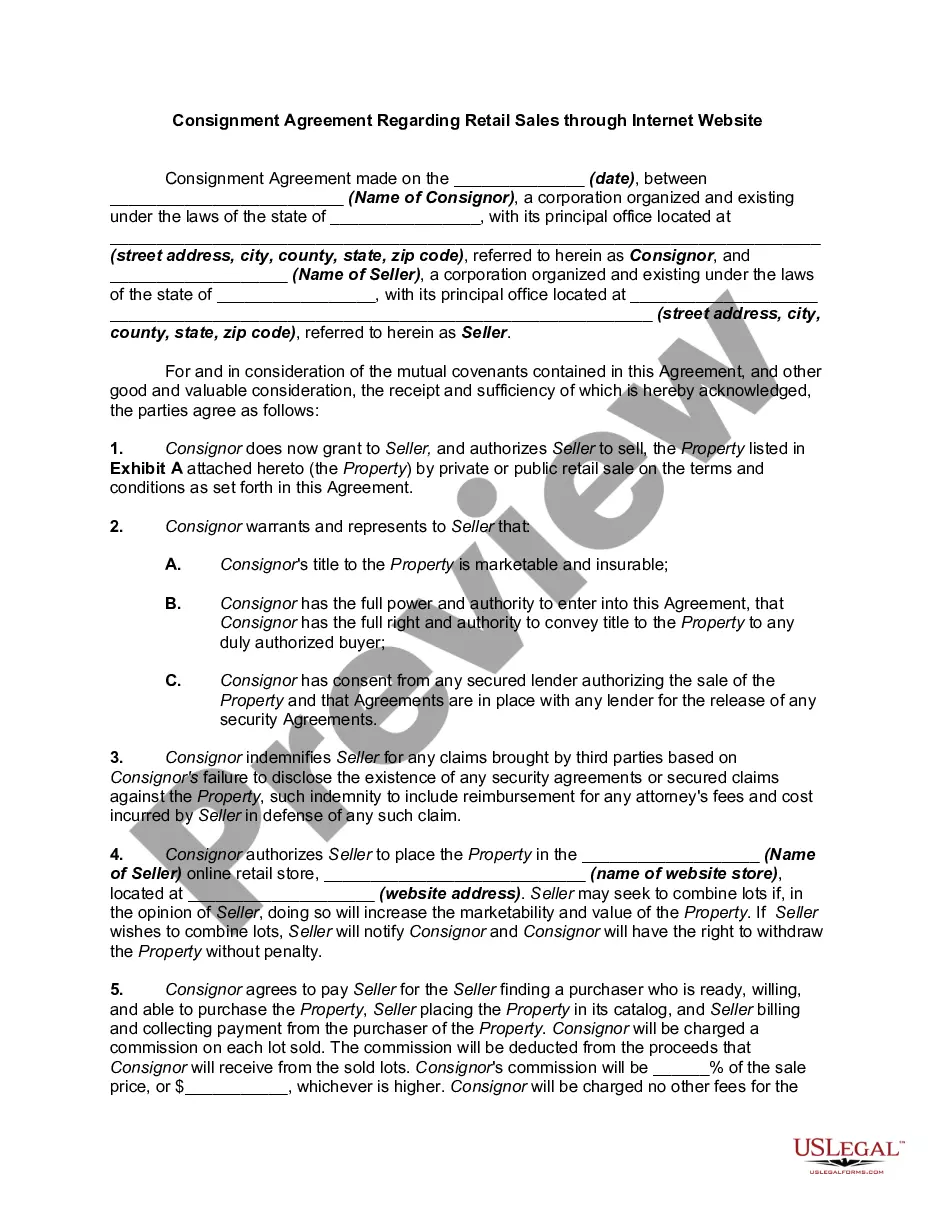
Get your form ready online
Our built-in tools help you complete, sign, share, and store your documents in one place.
Make edits, fill in missing information, and update formatting in US Legal Forms—just like you would in MS Word.
Download a copy, print it, send it by email, or mail it via USPS—whatever works best for your next step.
Sign and collect signatures with our SignNow integration. Send to multiple recipients, set reminders, and more. Go Premium to unlock E-Sign.
If this form requires notarization, complete it online through a secure video call—no need to meet a notary in person or wait for an appointment.
We protect your documents and personal data by following strict security and privacy standards.

Make edits, fill in missing information, and update formatting in US Legal Forms—just like you would in MS Word.

Download a copy, print it, send it by email, or mail it via USPS—whatever works best for your next step.

Sign and collect signatures with our SignNow integration. Send to multiple recipients, set reminders, and more. Go Premium to unlock E-Sign.

If this form requires notarization, complete it online through a secure video call—no need to meet a notary in person or wait for an appointment.

We protect your documents and personal data by following strict security and privacy standards.
Looking for another form?



Form popularity
FAQ
Consignment Agreement. Consignment is a more accurate term than 'sale or return', because it makes dear to both sides that the artist does not intend to sell the works to the gallery at any stage, but merely intends to leave them for sale by the gallery as artist's agent or consignee on a commission basis.
What is artwork consignment, exactly? Put simply, it's the professional method for reselling art that involves a collector giving their work to resale art dealers or auction houses to sell on their behalf, with the ultimate objective of making a sale.
Art consignment: 13 important tips (and the right questions to ask) Attend a few sales. Before you enter a consignment agreement, document. Know the season you're selling in, and sell what's in demand. Choose an auction house: ask key questions. Follow drop-off rules. Ask about reserve prices.
It is very important to have all the documentation relating to your artwork to hand, including artist provenance, previous sales history and any exhibition history. Clear and complete records not only simplify the consignment process but also verify authenticity for potential buyers, a key factor in maximising value.
Today, Artsper invites you to explore the 5 key factors which determine the monetary value of a painting. The notoriety of the artist. The painting's dimensions. The physical condition of a painting. The historical significance of the painting. The market's demand for the painting.
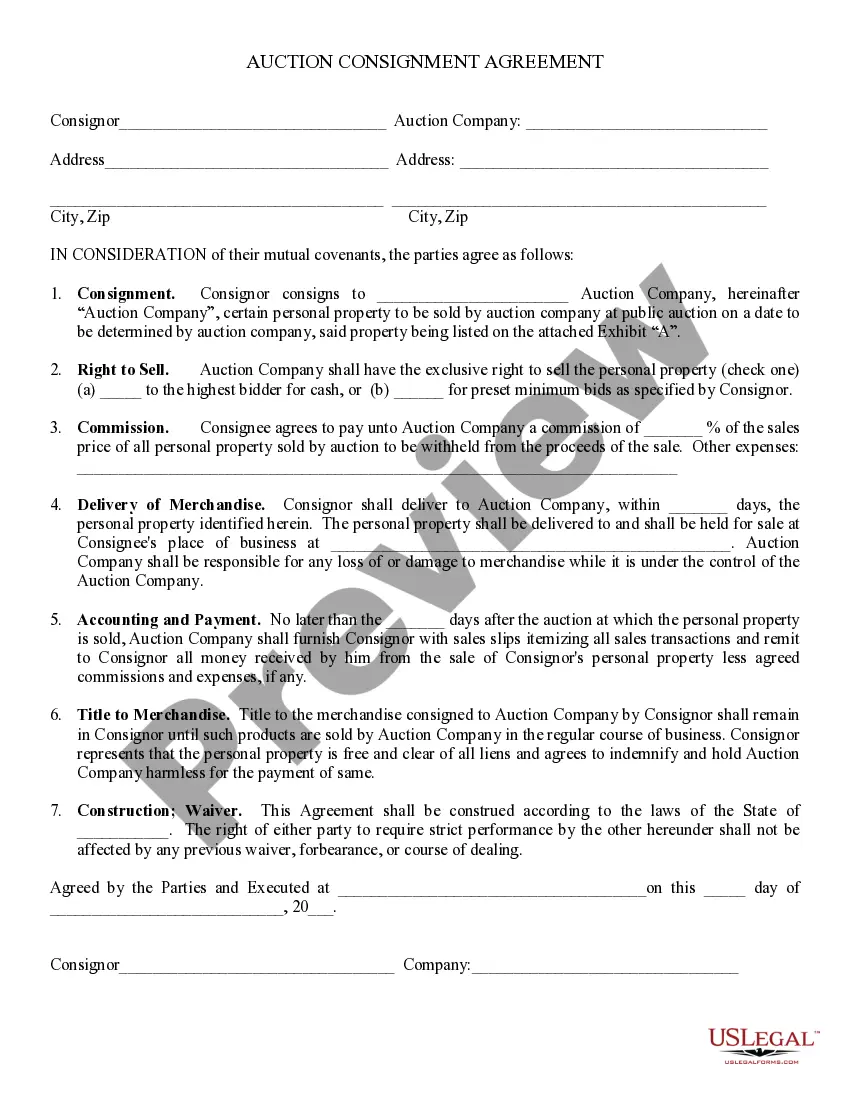
The following instructions will help you understand the terms of your consignment agreement. Introduction of parties. Recitals. Consigned property. Delivery of goods. Consignment period. Efforts to sell. Title to products. Payment terms and commission.
Consignment is a type of contract in which the consignor delivers the goods to the consignee for sale . The consignee takes care of the goods and sells them. Until the goods are sold, the consignor does not lose ownership of the goods.
How to Write a Consignment Agreement Parties Involved: Names and contact information of the consignor and the consignee. Consigned Goods: Detailed description of the goods being consigned, including quantities and specifications. Consignment Period: Duration of the consignment arrangement.
