Consignment Note For Scheduled Waste Malaysia In North Carolina
Description

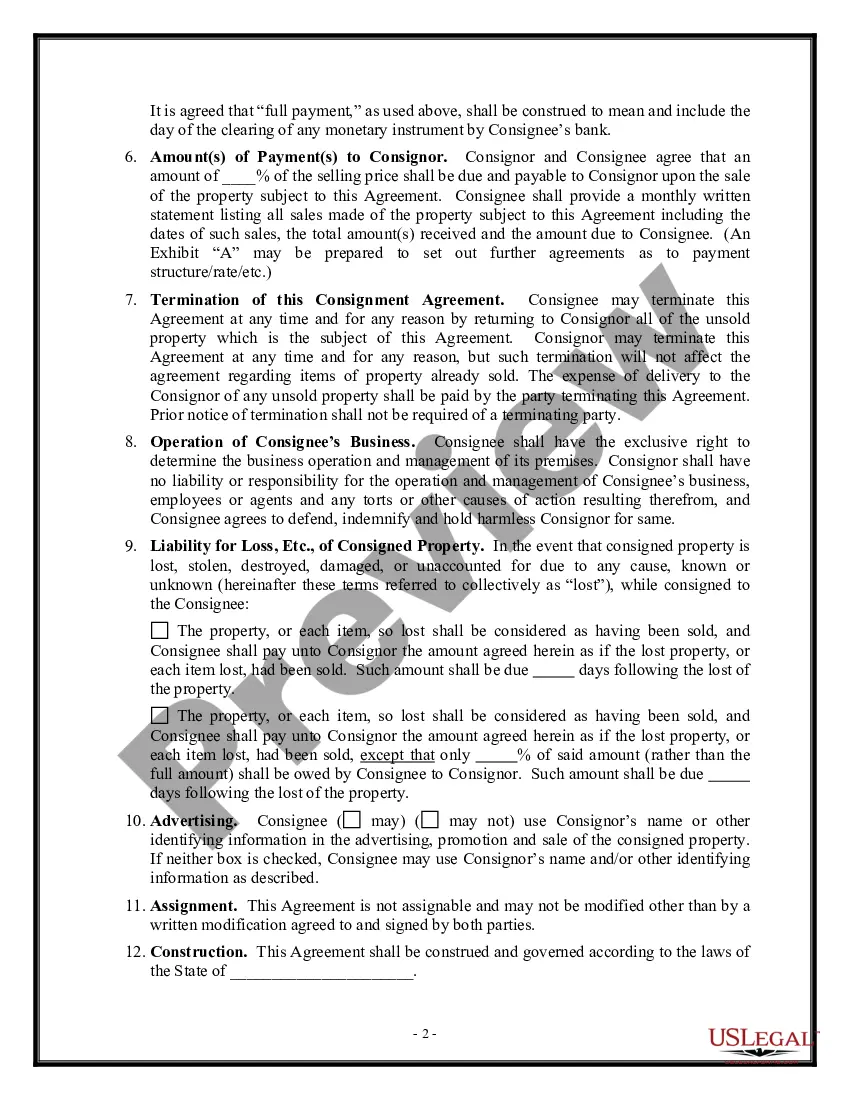
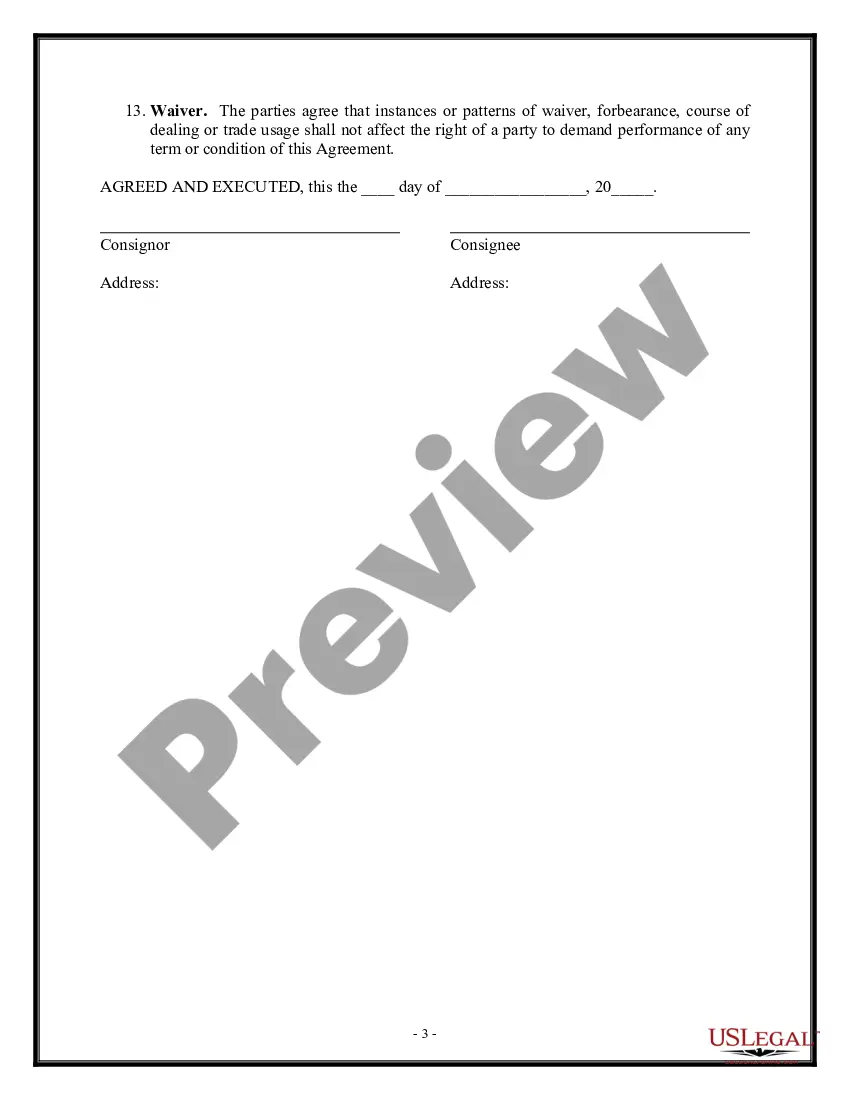
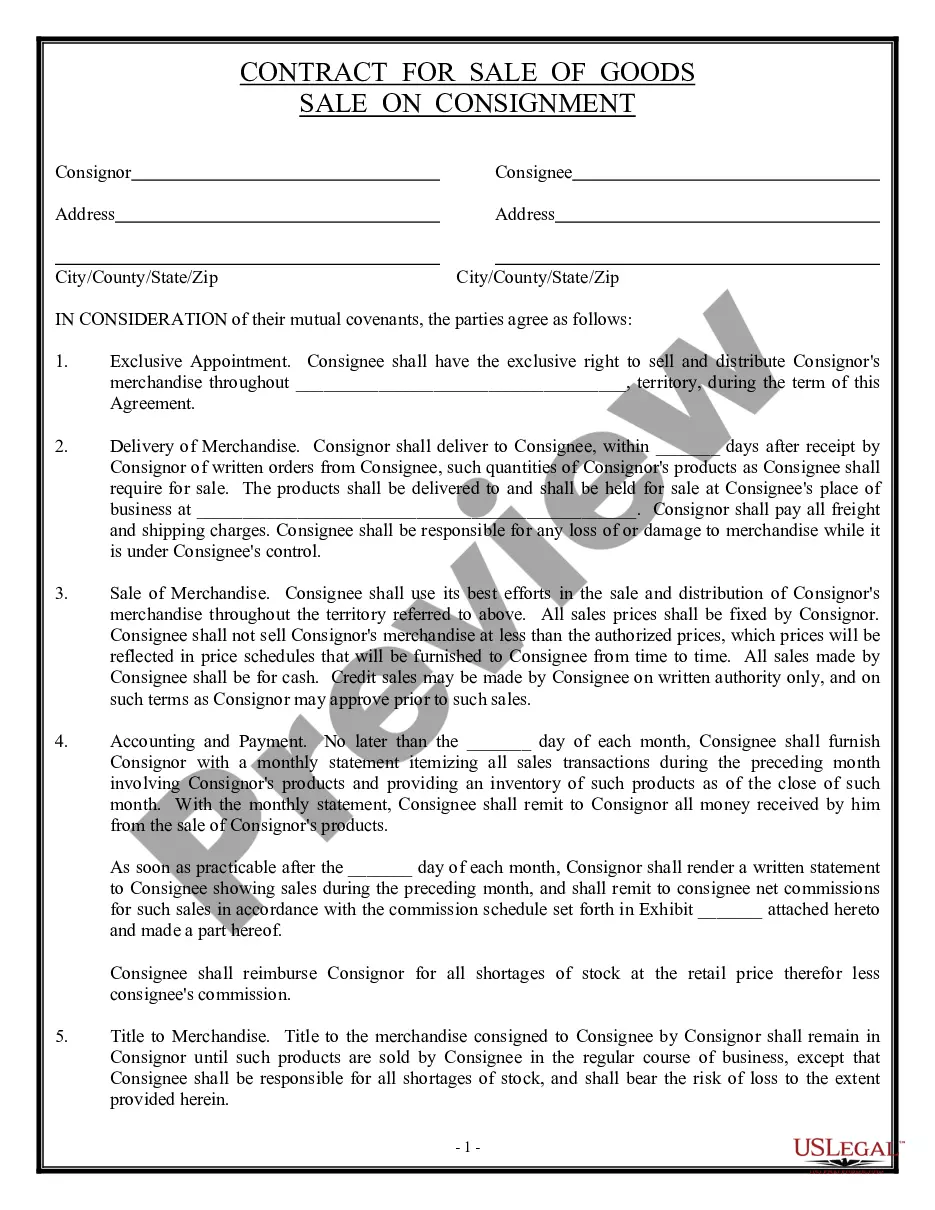
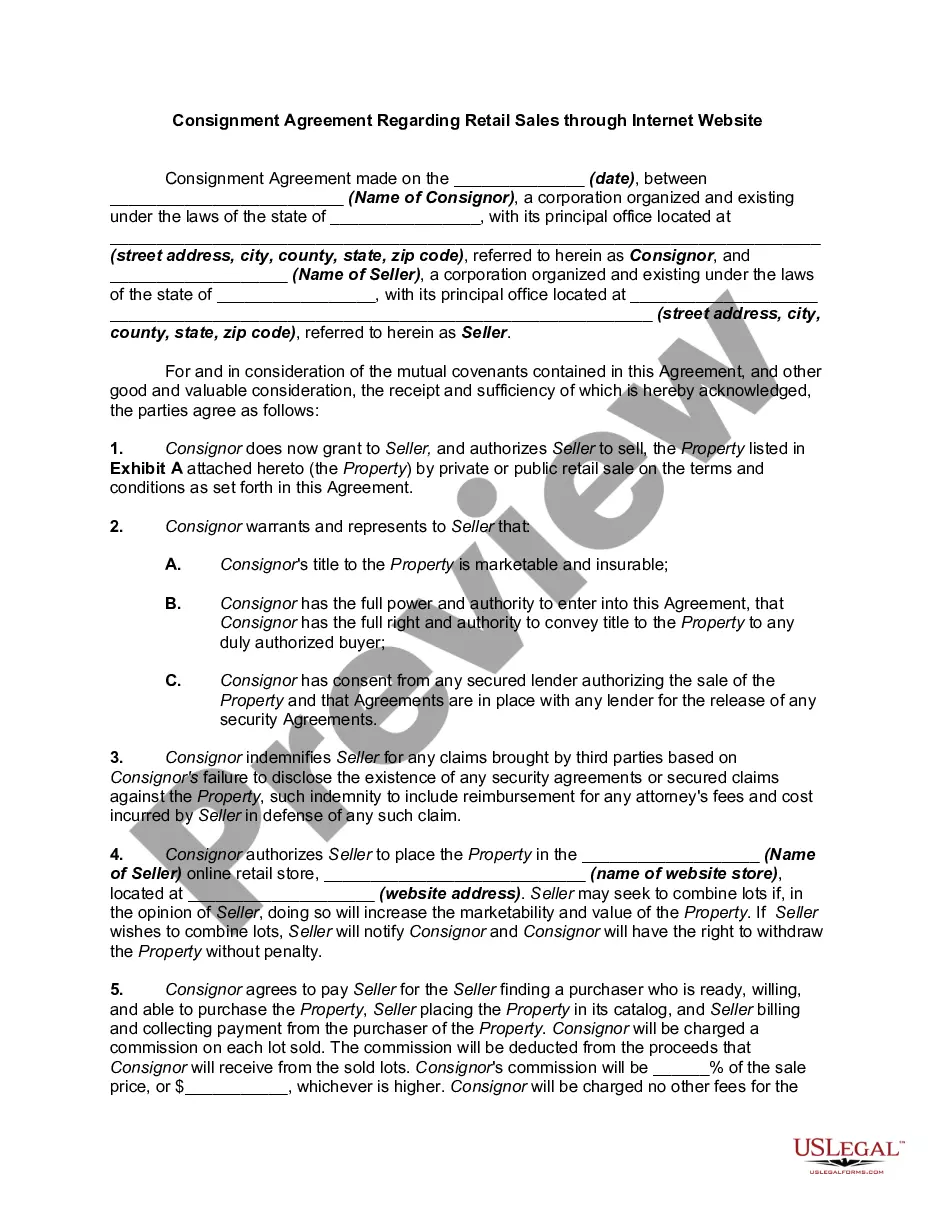
Get your form ready online
Our built-in tools help you complete, sign, share, and store your documents in one place.
Make edits, fill in missing information, and update formatting in US Legal Forms—just like you would in MS Word.
Download a copy, print it, send it by email, or mail it via USPS—whatever works best for your next step.
Sign and collect signatures with our SignNow integration. Send to multiple recipients, set reminders, and more. Go Premium to unlock E-Sign.
If this form requires notarization, complete it online through a secure video call—no need to meet a notary in person or wait for an appointment.
We protect your documents and personal data by following strict security and privacy standards.

Make edits, fill in missing information, and update formatting in US Legal Forms—just like you would in MS Word.

Download a copy, print it, send it by email, or mail it via USPS—whatever works best for your next step.

Sign and collect signatures with our SignNow integration. Send to multiple recipients, set reminders, and more. Go Premium to unlock E-Sign.

If this form requires notarization, complete it online through a secure video call—no need to meet a notary in person or wait for an appointment.

We protect your documents and personal data by following strict security and privacy standards.
Looking for another form?






Form popularity
FAQ
ESWIS is an online portal which allows users to file any scheduled waste consignment and inventory details, review of submitted consignment note for transfer and receiving, in an efficient and secure environment.
● Hazardous waste is defined as any. waste falling within the categories of. waste listed in the First Schedule of the Environment Quality (Scheduled Wastes) Regulations 2005. Hazardous Substances Division. Department of Environment Malaysia.
A waste management system is a streamlined process that organizations use to dispose of, reduce, reuse, and prevent waste. Also known as waste disposal, it is an approach where companies implement comprehensive strategies to efficiently manage wastes from their origin until their final disposal.
Scheduled waste is any waste that has hazardous characteristics that have the potential to negatively impact the public and the environment.
Sustainable waste management means reducing and avoiding the amount of single-use plastic products along with increasing the amount recycled at the same time, which currently stands at just 8.5%.
Waste Monitoring solution combines Smart Sensors, Smart Waste Management Software System, and Citizen App. The Smart Sensors use ultrasound technology to measure the fill levels (along with other data) in bins several times a day.
ESWIS is an online portal which allows users to file any scheduled waste consignment and inventory details, review of submitted consignment note for transfer and receiving, in an efficient and secure environment.
SW 204. Sludges containing one or several metals including chromium, copper, nickel, zinc, lead, cadmium, aluminium, tin, vanadium and beryllium.
Chemical sludge: Generated by industries such as manufacturing and petrochemicals, chemical sludge (e.g., SW 204) is highly toxic and requires careful handling and disposal.
SW206 – SPENT INORGANIC ACIDS.
