Consignment Note Format India In Illinois
Description

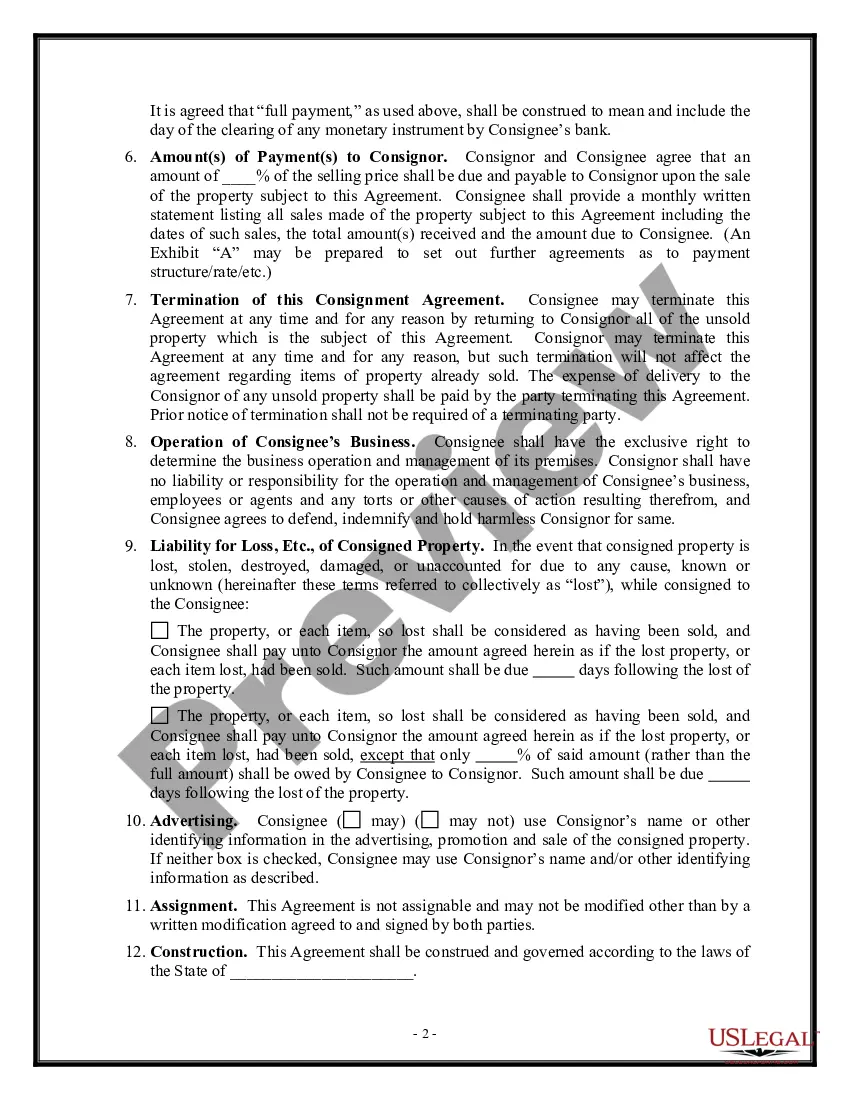
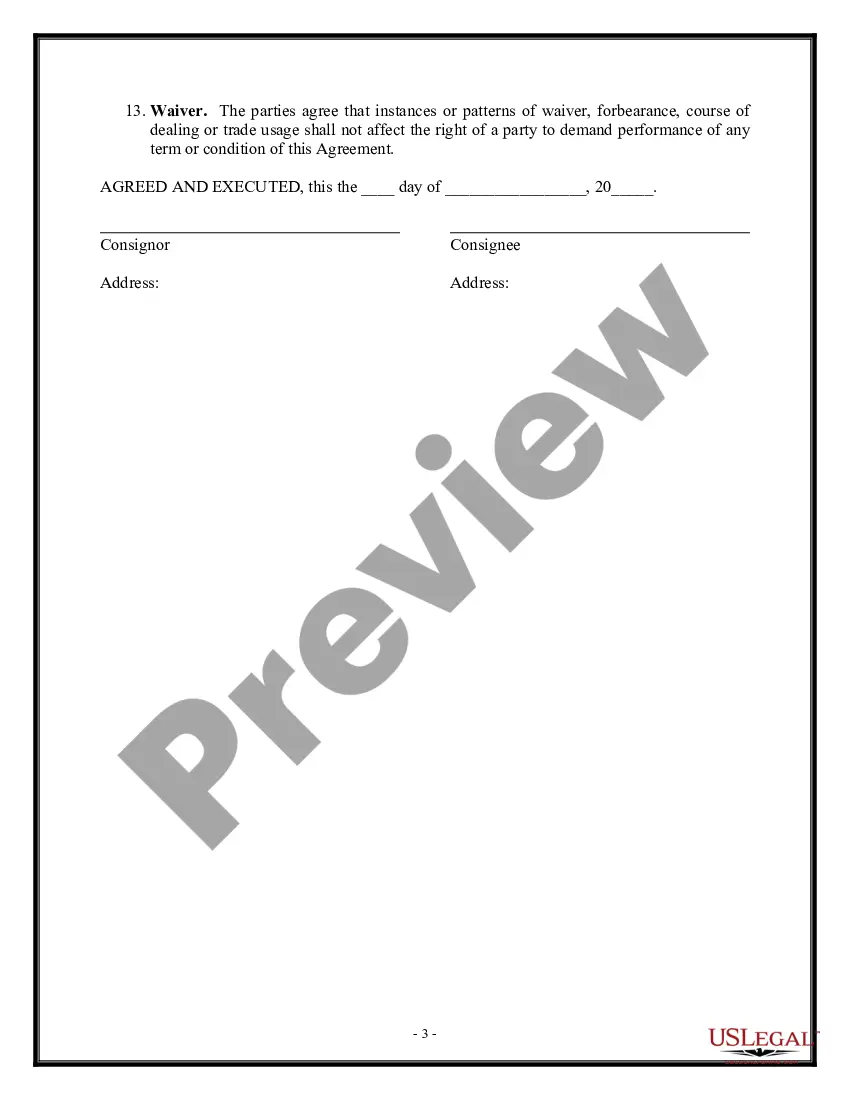
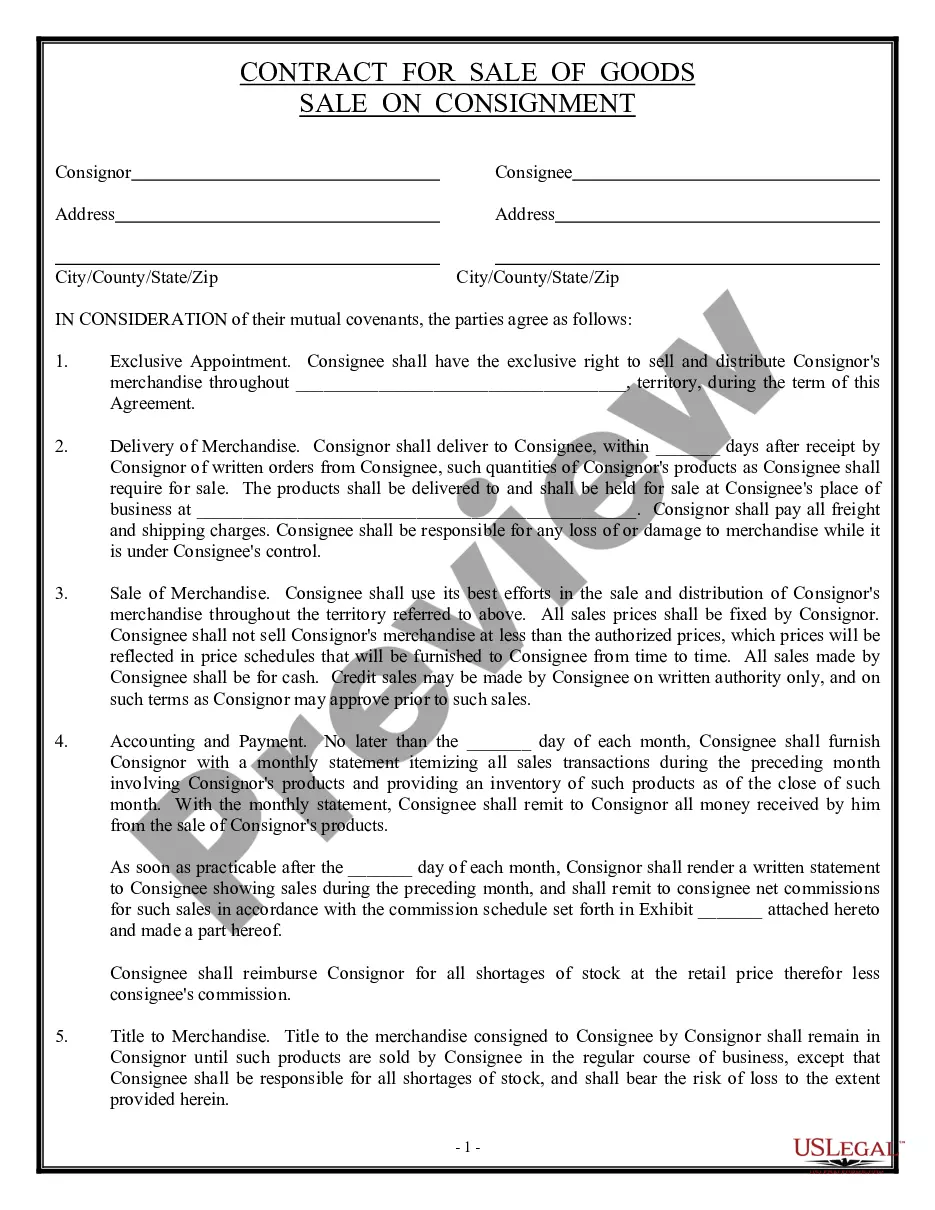
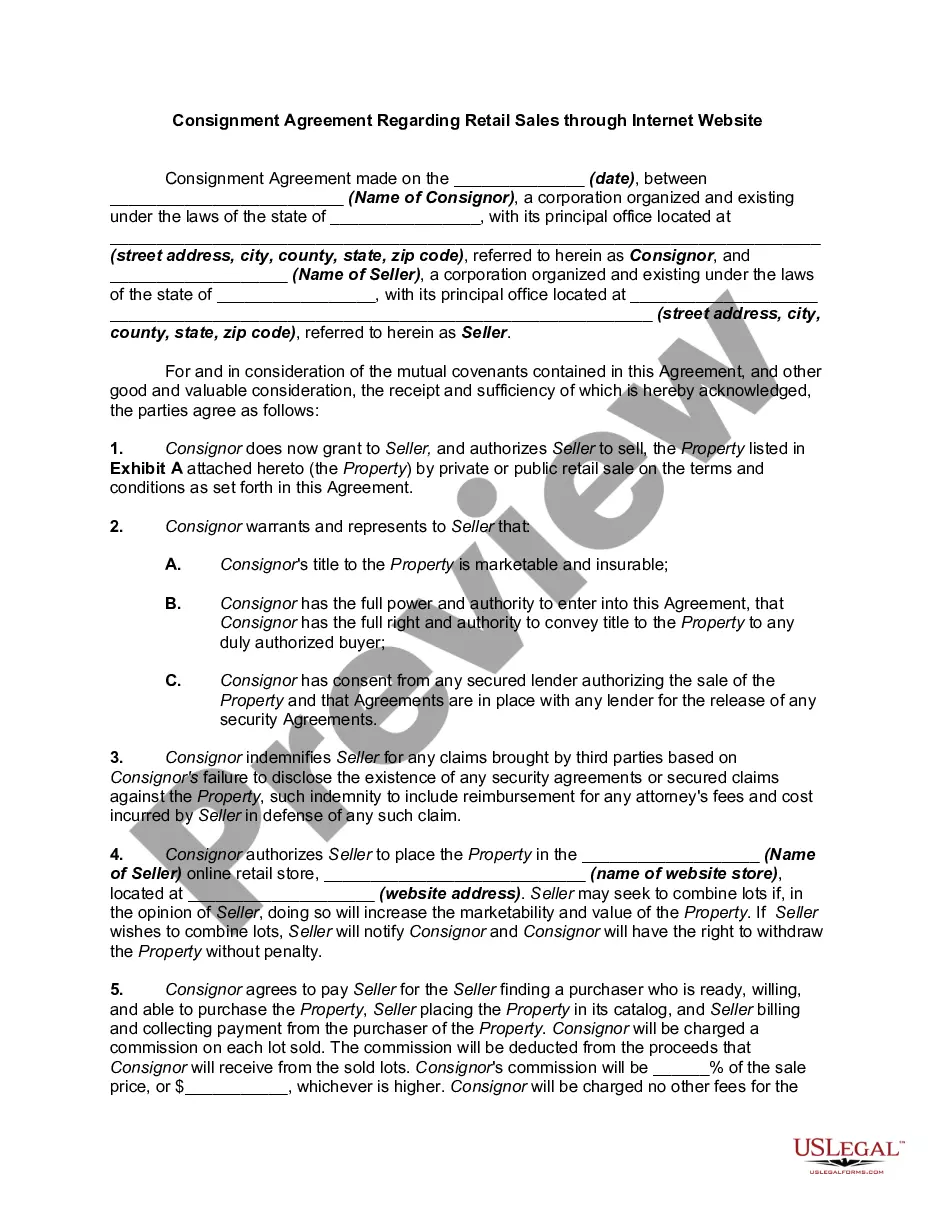
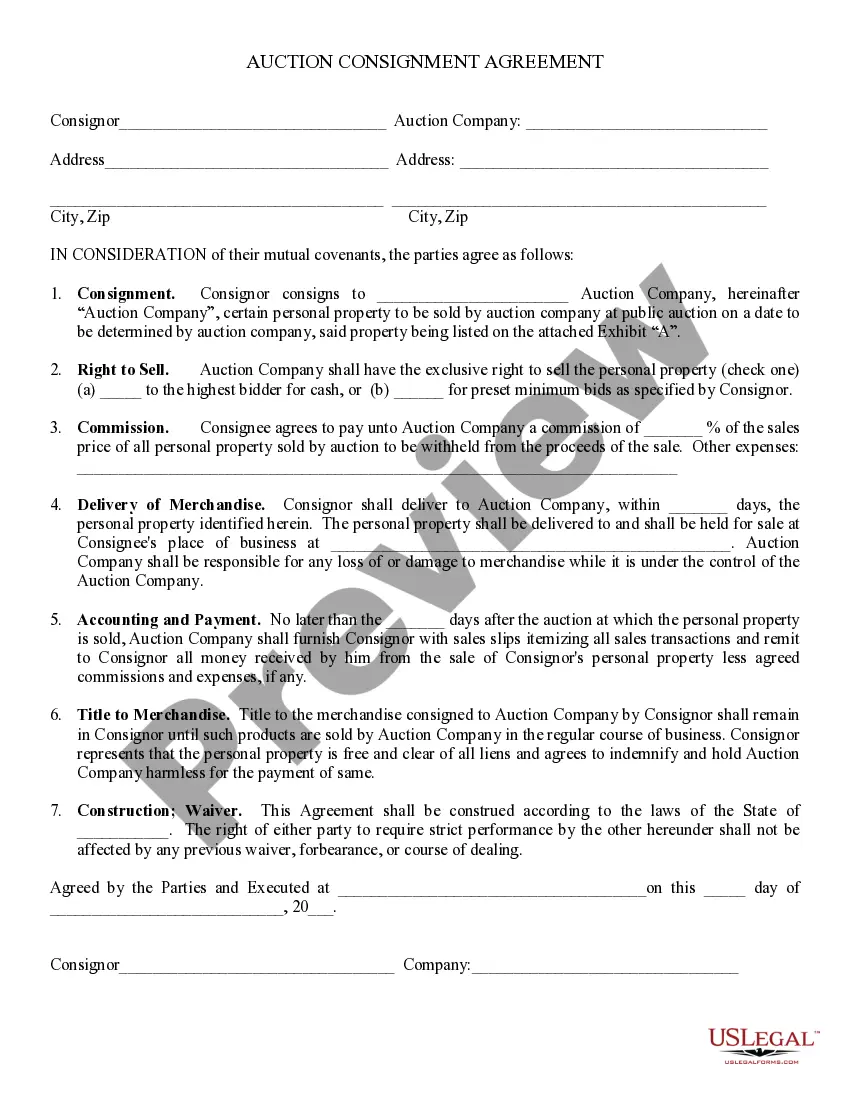
Get your form ready online
Our built-in tools help you complete, sign, share, and store your documents in one place.
Make edits, fill in missing information, and update formatting in US Legal Forms—just like you would in MS Word.
Download a copy, print it, send it by email, or mail it via USPS—whatever works best for your next step.
Sign and collect signatures with our SignNow integration. Send to multiple recipients, set reminders, and more. Go Premium to unlock E-Sign.
If this form requires notarization, complete it online through a secure video call—no need to meet a notary in person or wait for an appointment.
We protect your documents and personal data by following strict security and privacy standards.

Make edits, fill in missing information, and update formatting in US Legal Forms—just like you would in MS Word.

Download a copy, print it, send it by email, or mail it via USPS—whatever works best for your next step.

Sign and collect signatures with our SignNow integration. Send to multiple recipients, set reminders, and more. Go Premium to unlock E-Sign.

If this form requires notarization, complete it online through a secure video call—no need to meet a notary in person or wait for an appointment.

We protect your documents and personal data by following strict security and privacy standards.
Looking for another form?



Form popularity
FAQ
A CMR note is an International Consignment note that is the standard contract of carriage of goods document that is used when transporting goods Internationally via road. The CMR note can also be known as a CMR Waybill or International Consignment Note (ICN).
An invoice is a commercial document that maintains the record of transactions between the buyer and the seller. On the other hand, a consignment note is an export document that serves as evidence of a concluded carriage contract.
A consignment invoice is a commercial document issued by the seller (consignor) to the buyer (consignee) that provides detailed information about the goods being shipped. It serves as a bill for the products and is primarily used for financial and customs purposes.
It includes the name, address, and contact details of both the sender (the person or company sending the goods) and the recipient (the person or company receiving the goods). This data allows the identification of the parties and is essential for tracking and delivery.
Document accompanying goods that is filled by the shipper. It serves as proof that a contract for carriage has been concluded and describes its content. It also serves as a receipt when goods are picked up from the shipper and delivered to the recipient.
In addition, the consignment note records the transport and freight costs, the date and place of acceptance, as well as the planned date and place of delivery. It also provides information (name, address) about the sender, recipient and carrier, as well as other agreements, notes, and conditions.
Upon delivery, the recipient signs the CMR note, providing confirmation of receipt. A CMR note includes the names and addresses of both the sender and receiver, as well as details about the goods, such as their weight. Moreover, it clarifies who is responsible for insuring the goods during transit.
How to fill out a consignment note Sender's and recipient's data. Description of the goods. Conditions of transport. Details of the cargo and its packaging. Value of goods and insurance. Signature and date of issue. Additional information (when necessary)
