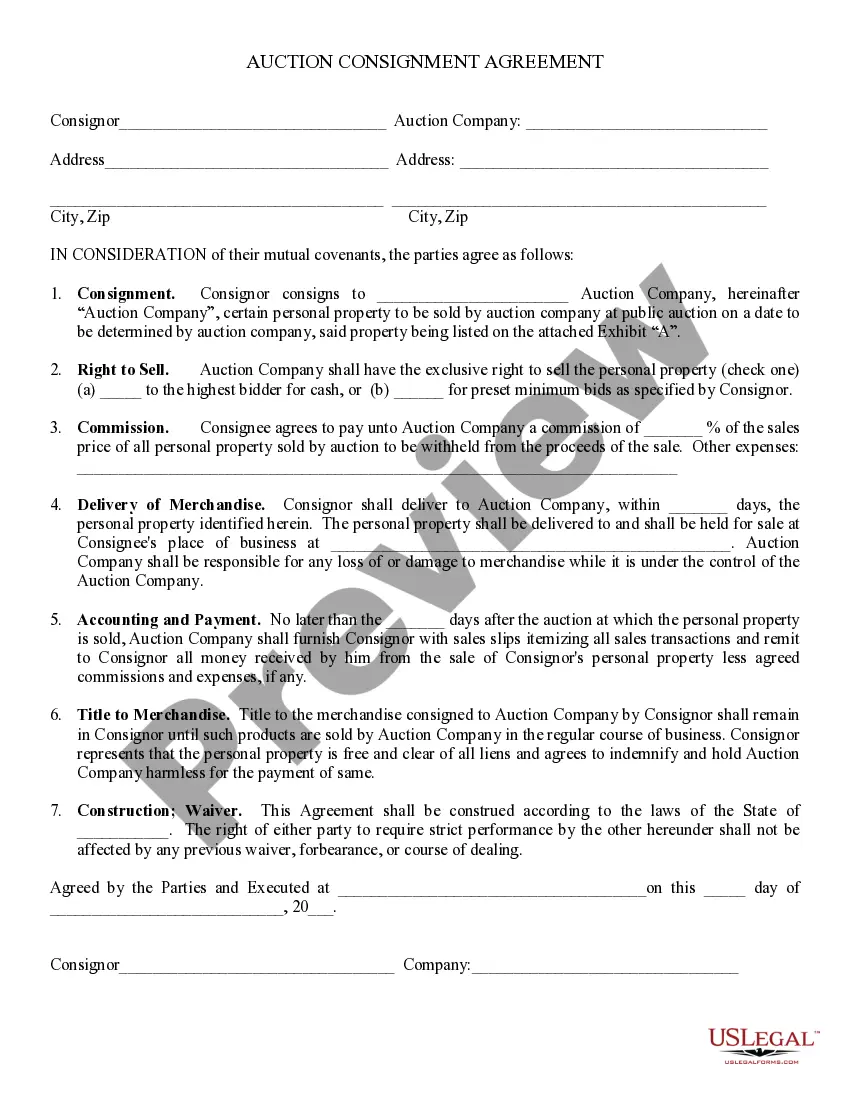
Consignment Form Template For Gta In Hillsborough
Description

Get your form ready online
Our built-in tools help you complete, sign, share, and store your documents in one place.
Make edits, fill in missing information, and update formatting in US Legal Forms—just like you would in MS Word.
Download a copy, print it, send it by email, or mail it via USPS—whatever works best for your next step.
Sign and collect signatures with our SignNow integration. Send to multiple recipients, set reminders, and more. Go Premium to unlock E-Sign.
If this form requires notarization, complete it online through a secure video call—no need to meet a notary in person or wait for an appointment.
We protect your documents and personal data by following strict security and privacy standards.

Make edits, fill in missing information, and update formatting in US Legal Forms—just like you would in MS Word.

Download a copy, print it, send it by email, or mail it via USPS—whatever works best for your next step.

Sign and collect signatures with our SignNow integration. Send to multiple recipients, set reminders, and more. Go Premium to unlock E-Sign.

If this form requires notarization, complete it online through a secure video call—no need to meet a notary in person or wait for an appointment.

We protect your documents and personal data by following strict security and privacy standards.
Looking for another form?
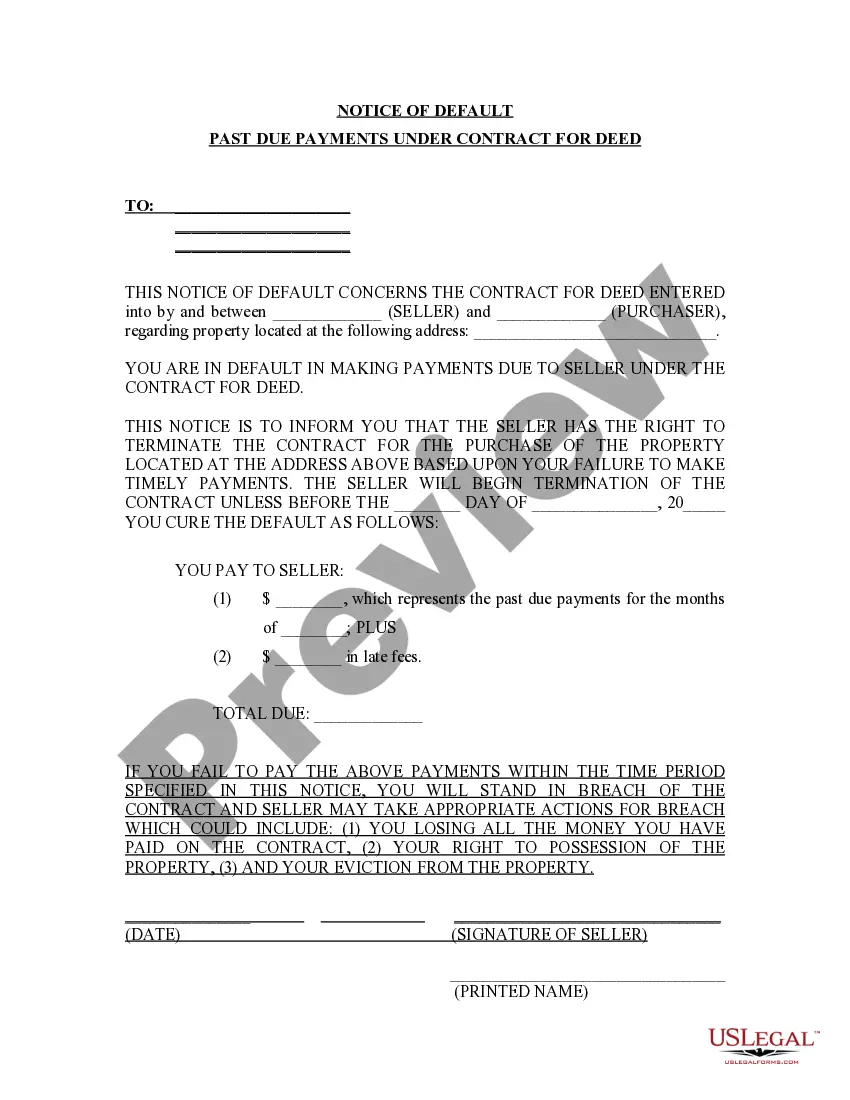
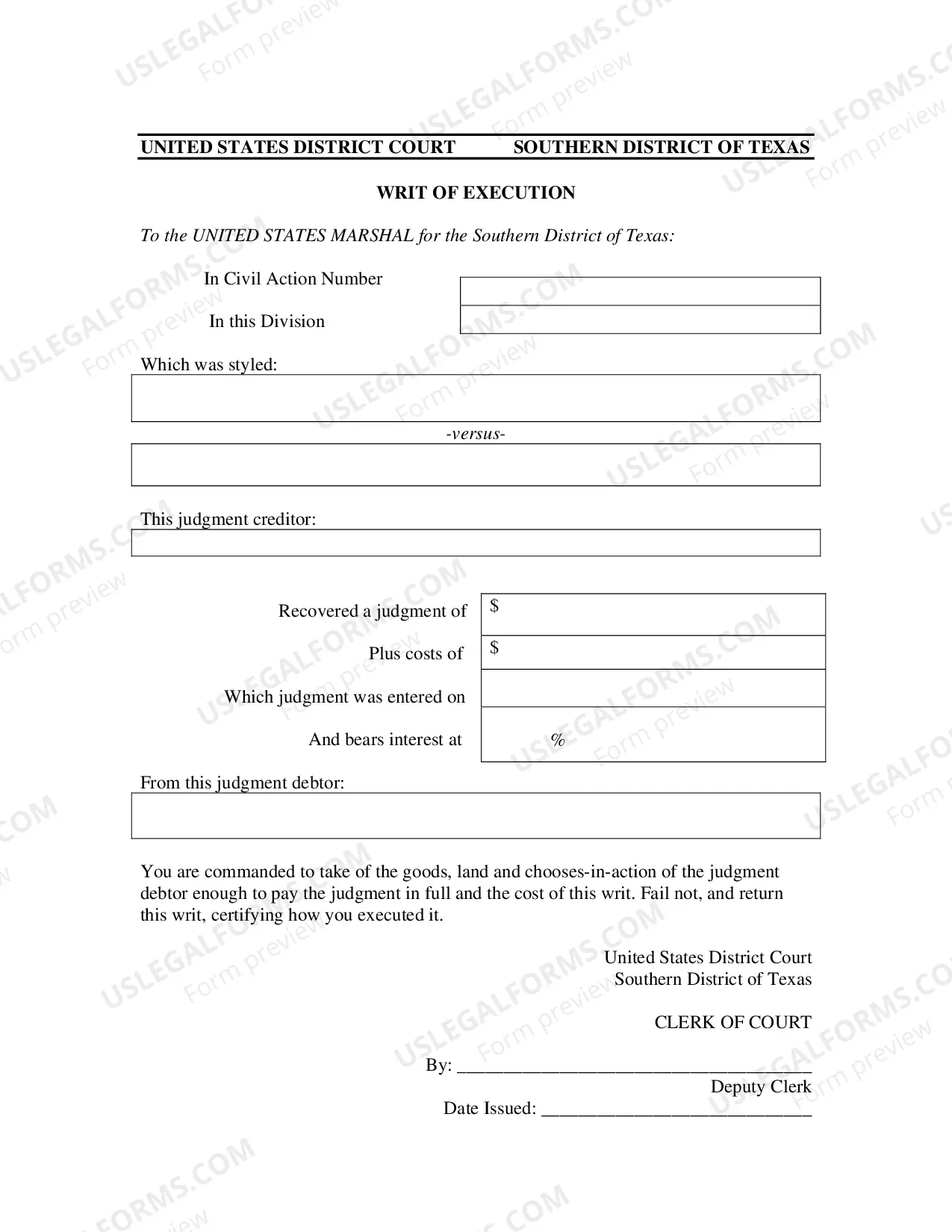


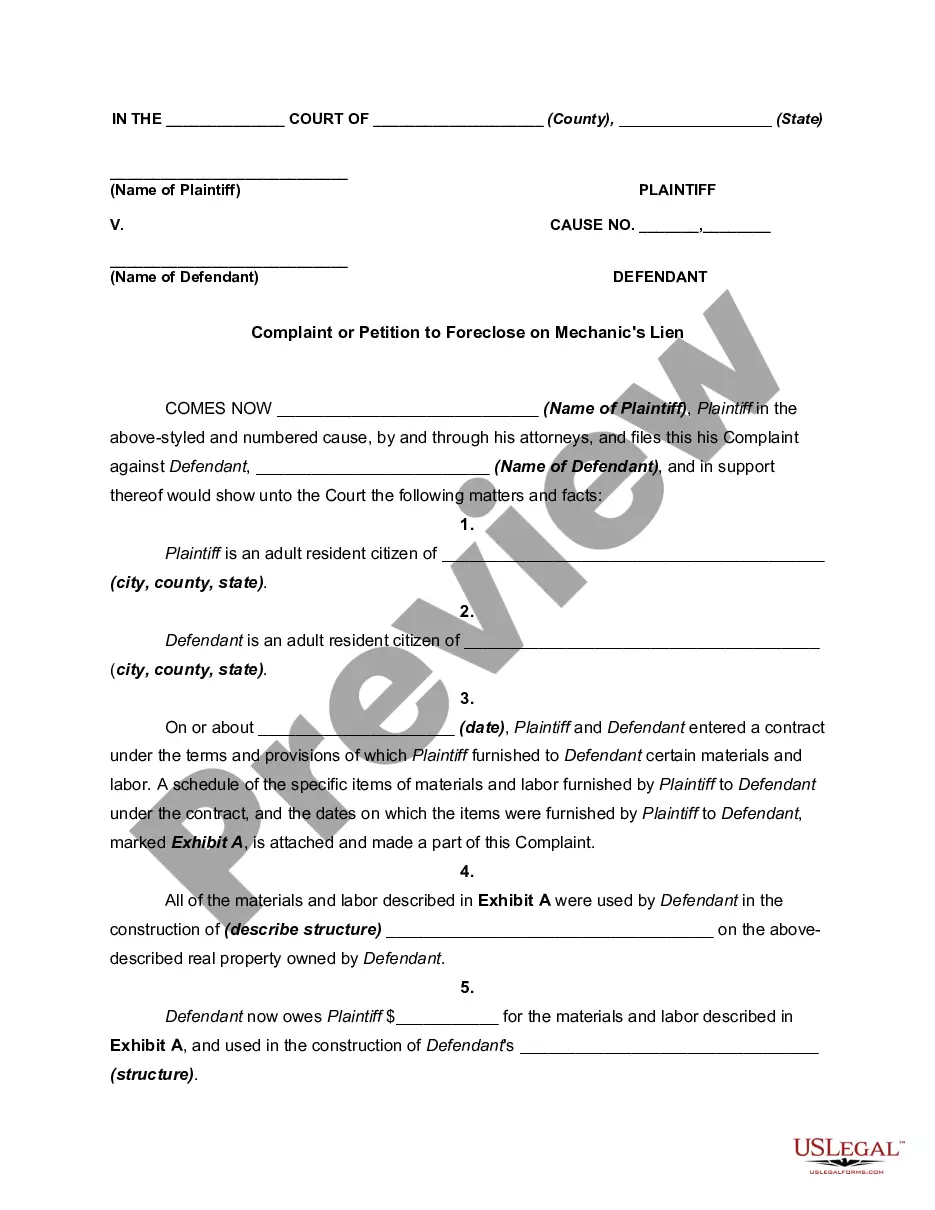
Form popularity
FAQ
Art galleries are classic examples of consignment businesses. Artists (consignors) entrust their artwork to galleries (consignees). The galleries display the artwork, handle marketing and sales, and take a commission from each sale. The artist retains ownership of their work until it's sold.
Some types of product are commonly sold through consignment. These include clothing, athletic equipment, furniture, musical instruments, art, and jewelry. For example, an artist might have five large pieces of artwork to sell but has no place to showcase the work for prospective buyers.
The consignment note acts as a legal contract between the shipper, the carrier and the consignee, setting out the terms and conditions of carriage. This includes details on the type of goods, the place of pickup and delivery, and any special instructions for the shipment.
How to Write a Consignment Agreement Parties Involved: Names and contact information of the consignor and the consignee. Consigned Goods: Detailed description of the goods being consigned, including quantities and specifications. Consignment Period: Duration of the consignment arrangement.
A document that shows the details of goods that have been sent from a seller to a buyer, and that travels with the goods: rail/air/road consignment note. See also. bill of lading.
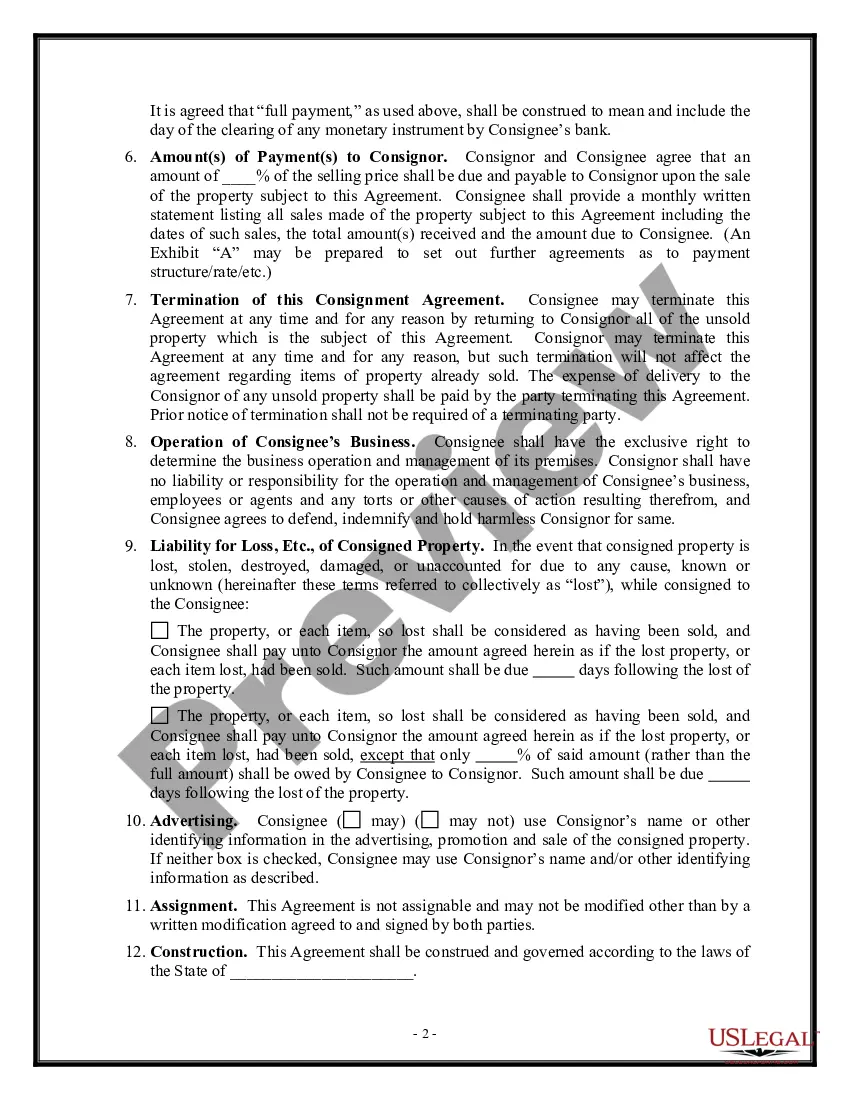
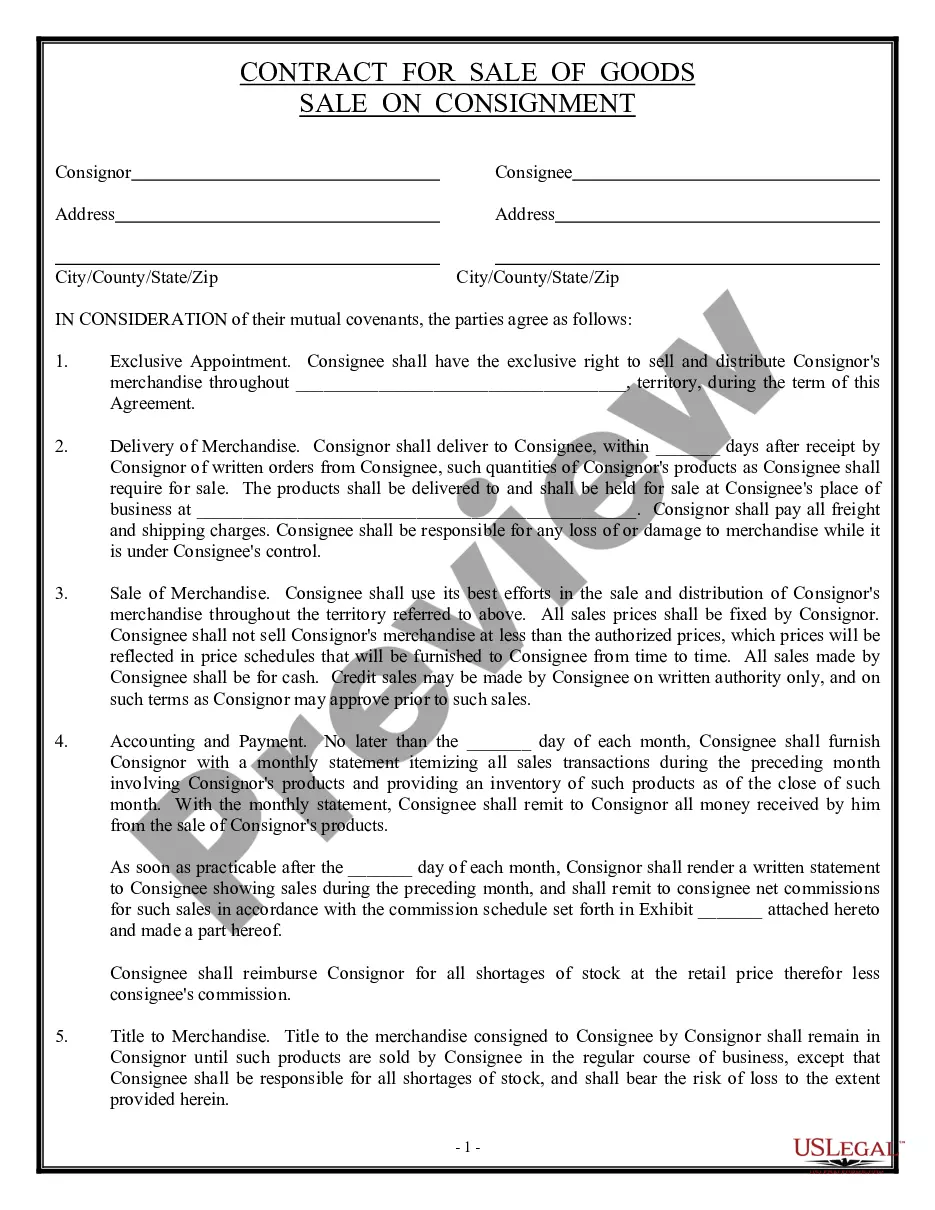
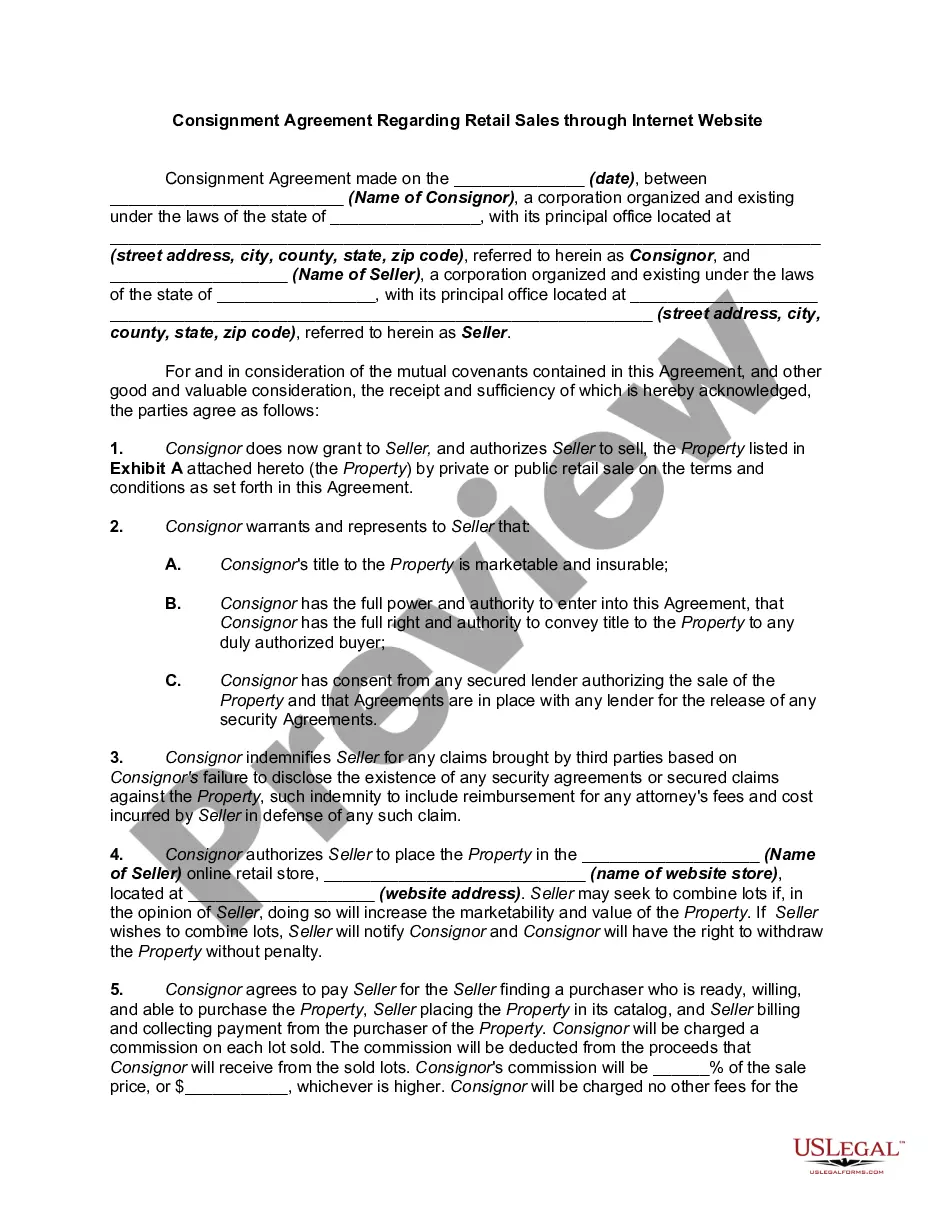
A consignment agreement, to be used where the seller (consignor) wishes to place goods on consignment before they are resold or used by the buyer (consignee). Goods will be stored at a facility or warehouse, under the control of the consignor, the consignee, or a third party.
The following instructions will help you understand the terms of your consignment agreement. Introduction of parties. Recitals. Consigned property. Delivery of goods. Consignment period. Efforts to sell. Title to products. Payment terms and commission.
A document that shows the details of goods that have been sent from a seller to a buyer, and that travels with the goods: rail/air/road consignment note. See also.
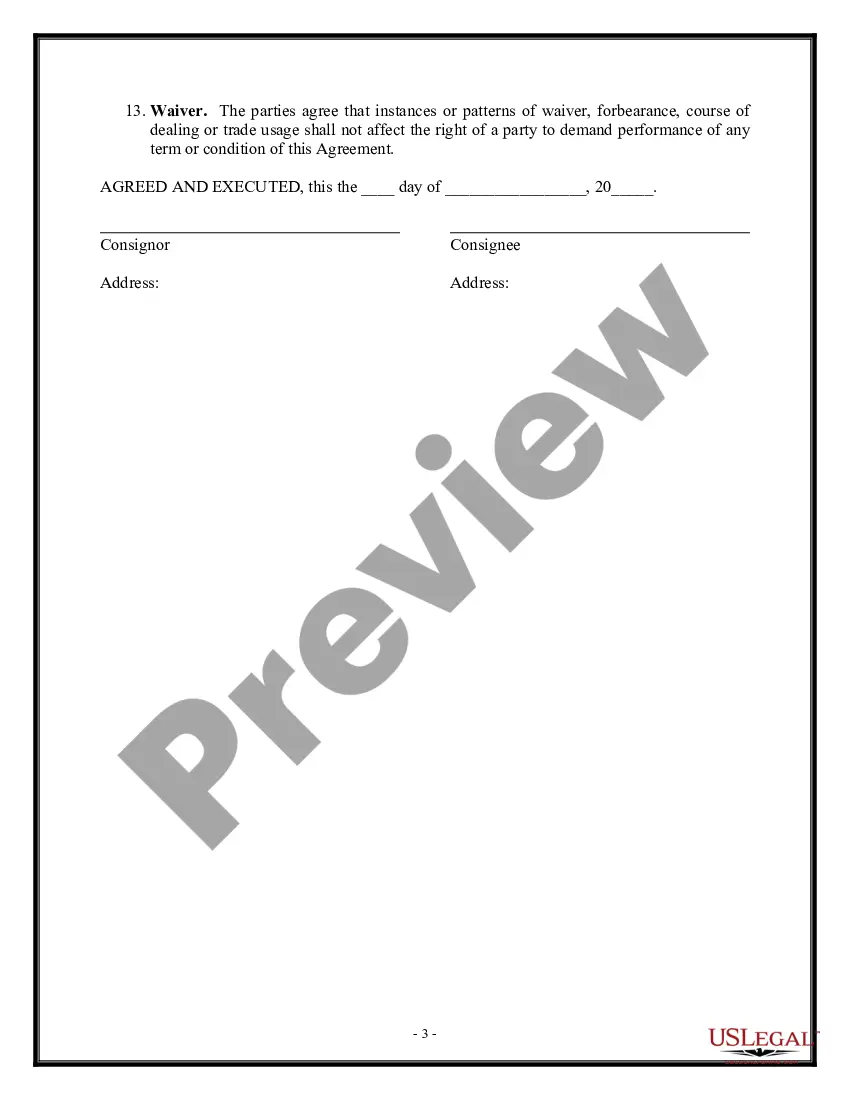
A consignment agreement is where one party (the 'consignor') supplies goods to another party (the 'consignee') to sell those goods. The consignor will retain ownership of the goods until they are sold, despite the consignee possessing the goods.
