Consignment Note For Hazardous Waste In Hennepin
Description

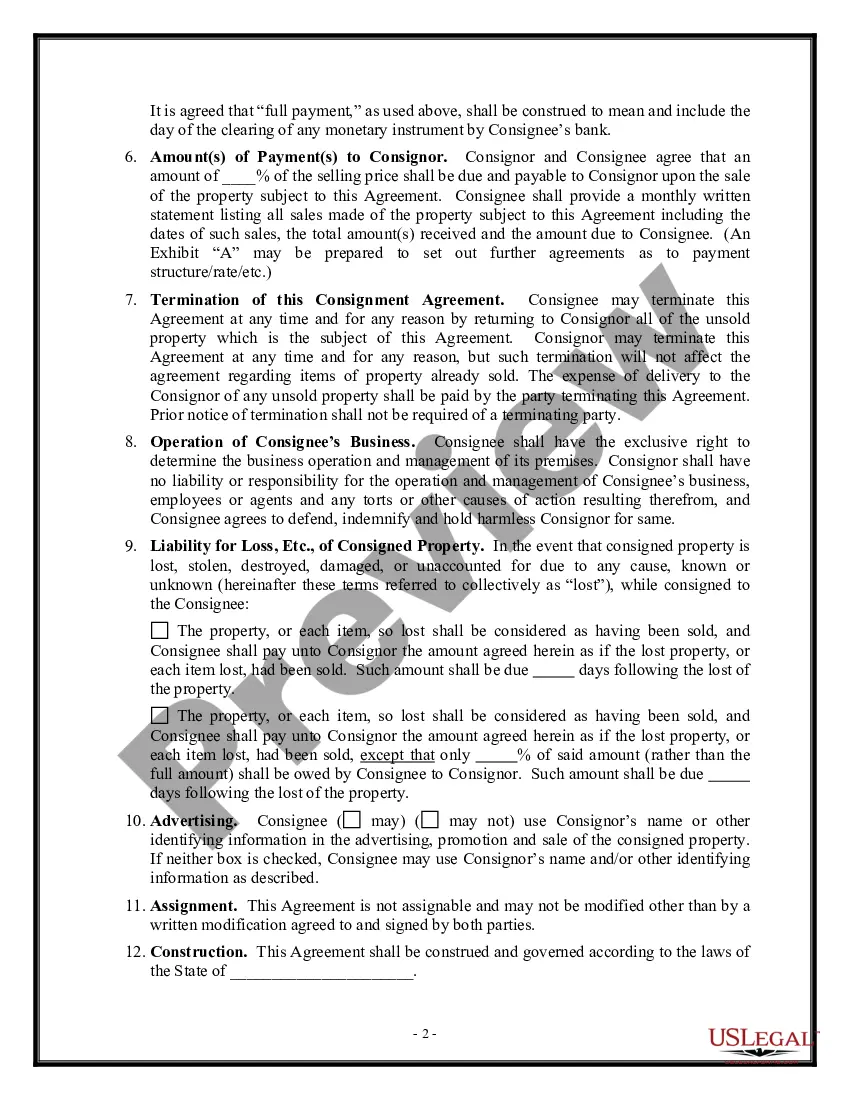
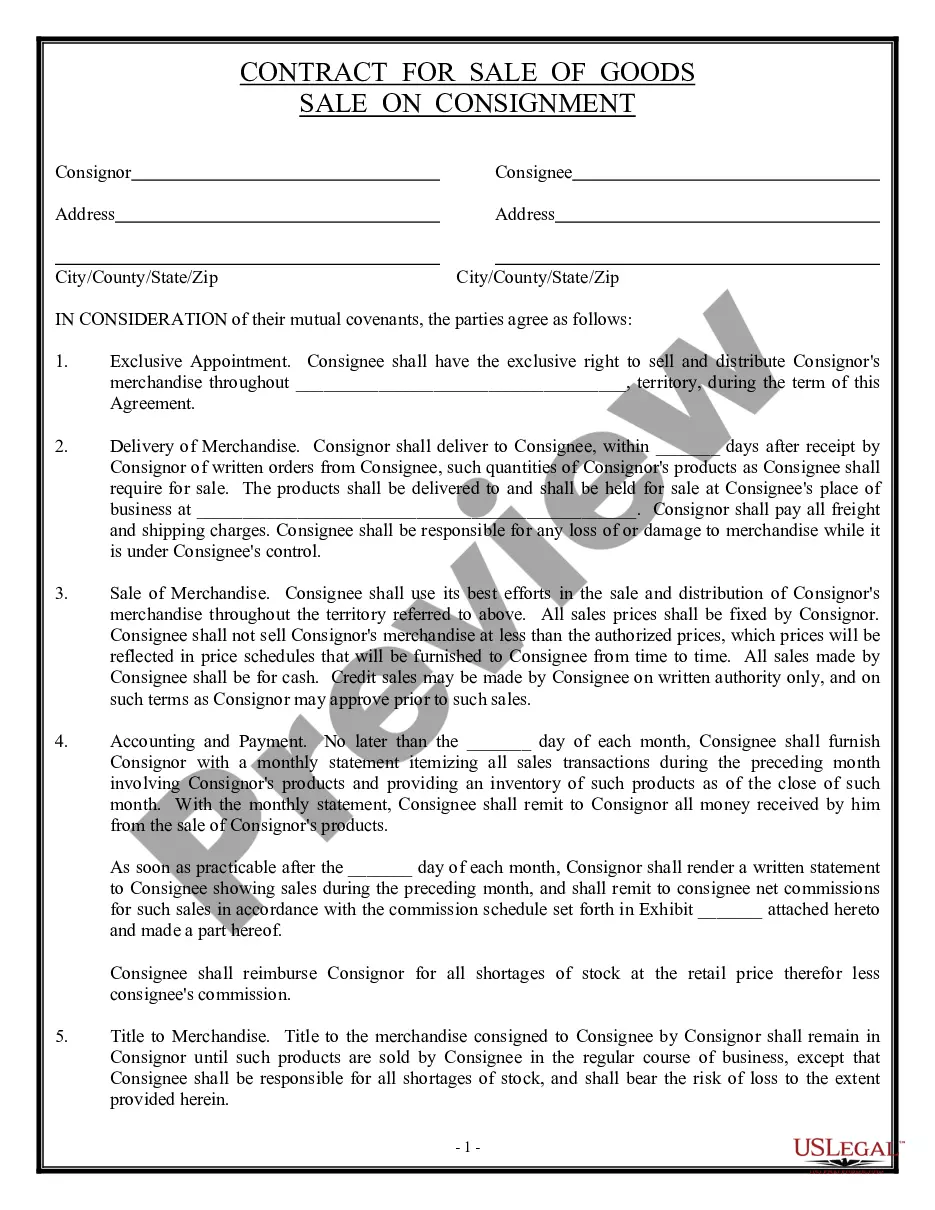
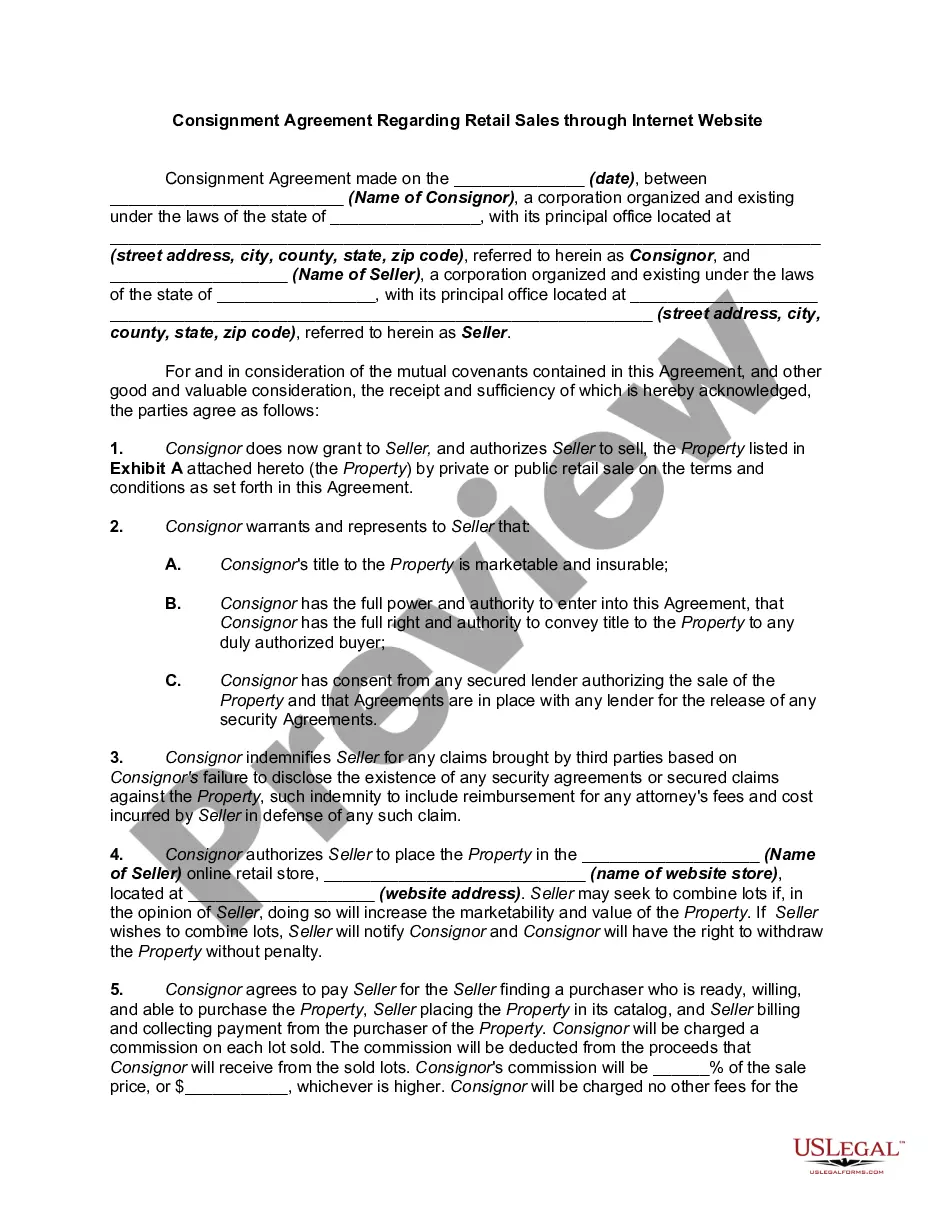
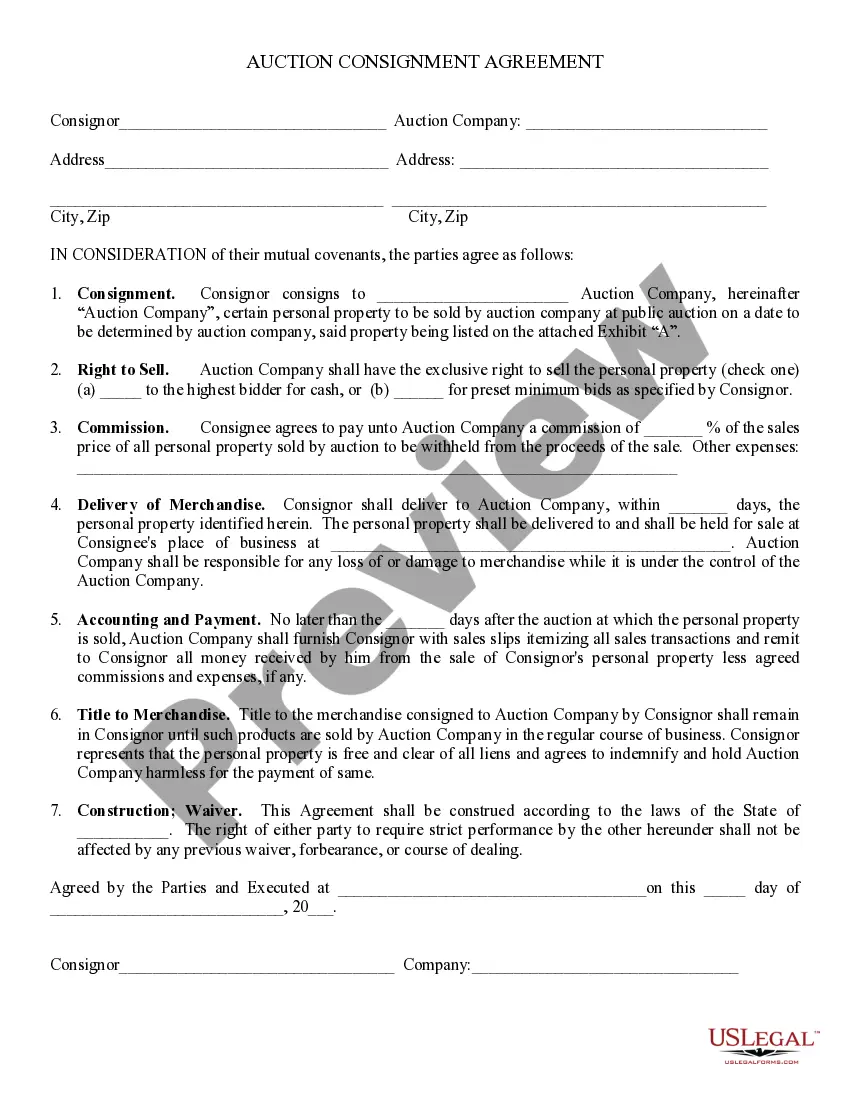
Get your form ready online
Our built-in tools help you complete, sign, share, and store your documents in one place.
Make edits, fill in missing information, and update formatting in US Legal Forms—just like you would in MS Word.
Download a copy, print it, send it by email, or mail it via USPS—whatever works best for your next step.
Sign and collect signatures with our SignNow integration. Send to multiple recipients, set reminders, and more. Go Premium to unlock E-Sign.
If this form requires notarization, complete it online through a secure video call—no need to meet a notary in person or wait for an appointment.
We protect your documents and personal data by following strict security and privacy standards.

Make edits, fill in missing information, and update formatting in US Legal Forms—just like you would in MS Word.

Download a copy, print it, send it by email, or mail it via USPS—whatever works best for your next step.

Sign and collect signatures with our SignNow integration. Send to multiple recipients, set reminders, and more. Go Premium to unlock E-Sign.

If this form requires notarization, complete it online through a secure video call—no need to meet a notary in person or wait for an appointment.

We protect your documents and personal data by following strict security and privacy standards.
Looking for another form?









Form popularity
FAQ
To help avoid the storage of very large quantities of hazardous wastes onsite, LQGs may store their hazardous wastes onsite for no more than 90 days 40 CFR 262.17(a). The facility must have emergency procedures in place and conduct personnel training.
Ocean Pads Hazardous Waste Consignment Note Pad HWCN01v112, A4, 3-Parts Triplicate, Carbonless Paper, (Product Ref 70208) Pack 1
§ 262.40 Recordkeeping (a) A generator must keep a copy of each manifest signed in ance with 262.23(a) for three years or until he received a signed copy from the designated facility which received the waste.
1 kilogram of acutely or extremely haz- ardous waste 90 days or less from the first date on which any amount of hazardous waste begins to accumulate during that month.
(a) A transporter of hazardous waste must keep a copy of the manifest signed by the generator, himself, and the next designated transporter or the owner or operator of the designated facility for a period of three years from the date the hazardous waste was accepted by the initial transporter.
EPA's hazardous waste manifest system is designed to track hazardous waste from the time it leaves the generator facility where it was produced, until it reaches the off-site waste management facility that will store, treat, or dispose of the hazardous waste.
Labeling and Marking of Containers and Tanks The words “Hazardous Waste”; The composition and physical state of the waste (for containers only); An indication of the hazards of the contents; The name & address of Generator (for containers only); and. The applicable accumulation period date should be clear and visible.
This Ordinance regulates the separation of Mixed Recyclables and Organic Material from Waste by Generators. This Ordinance is consistent with County adopted goals established by the Minnesota Pollution Control Agency in its Metropolitan Solid Waste Management Policy Plan and mandated by Minnesota Statute, section 115A.
In contrast to a shipping manifest, a bill of lading is generally provided by those transporting the waste upon pickup. A bill of lading commonly includes information about the shipper, the intended destination, the type of packaging used, the date of pickup, and any special instructions regarding the delivery.