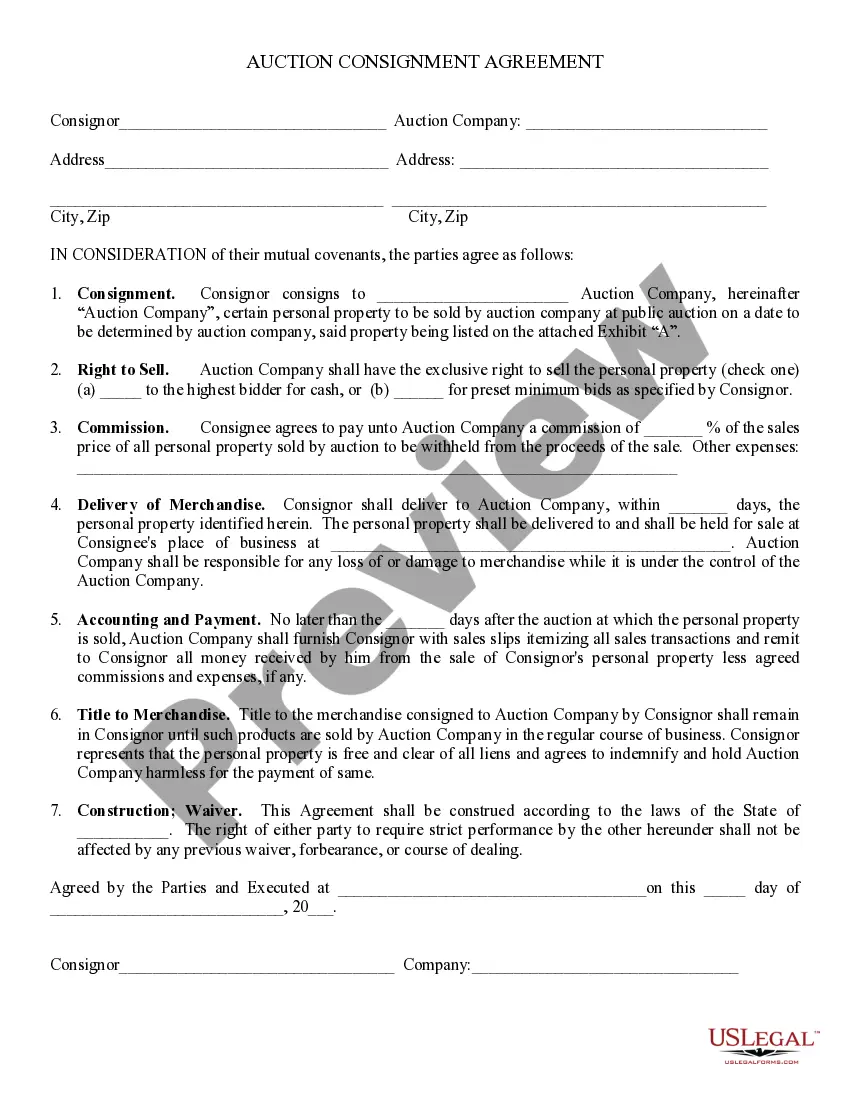
Consignment Agreement Template With Collateral
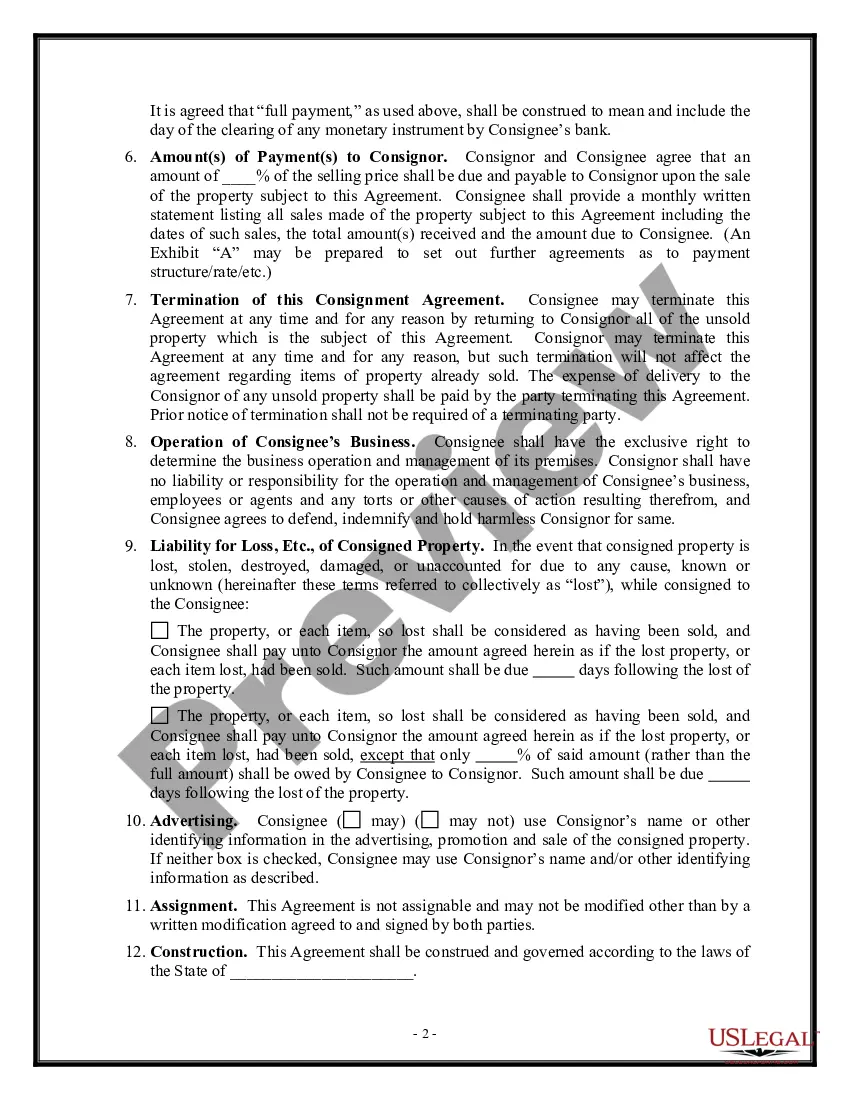
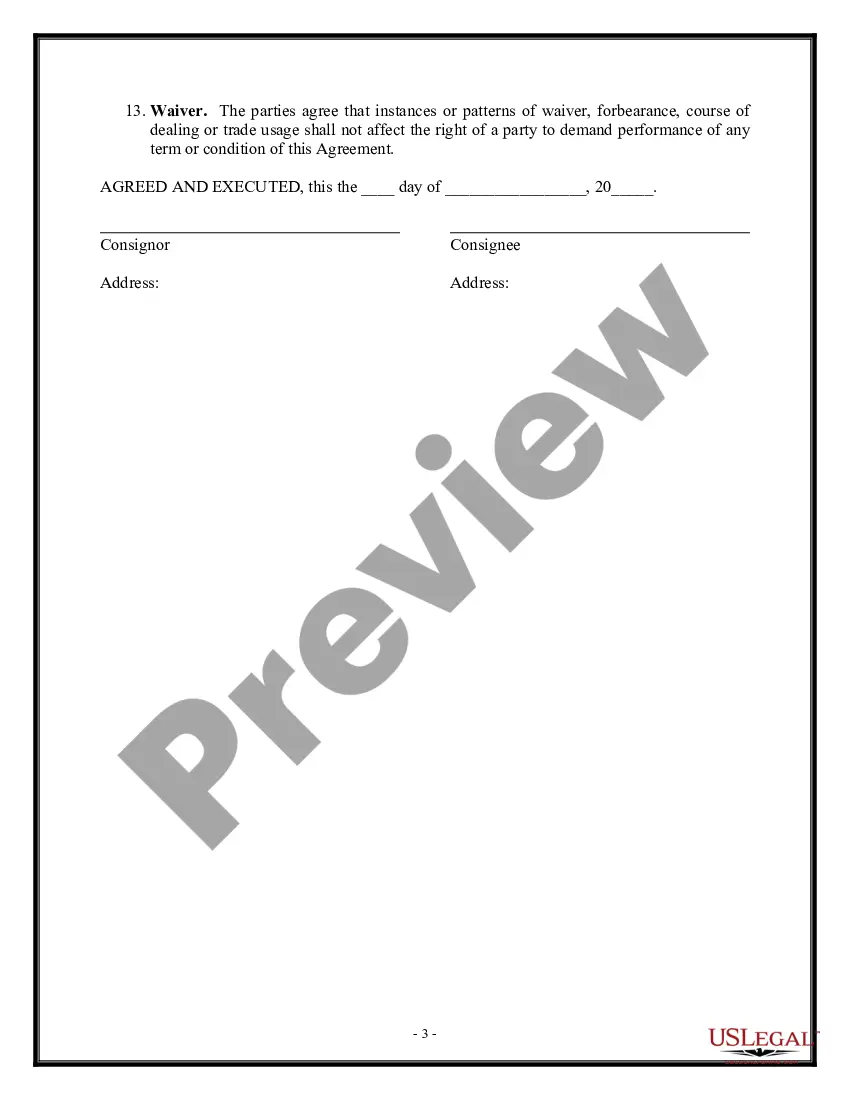
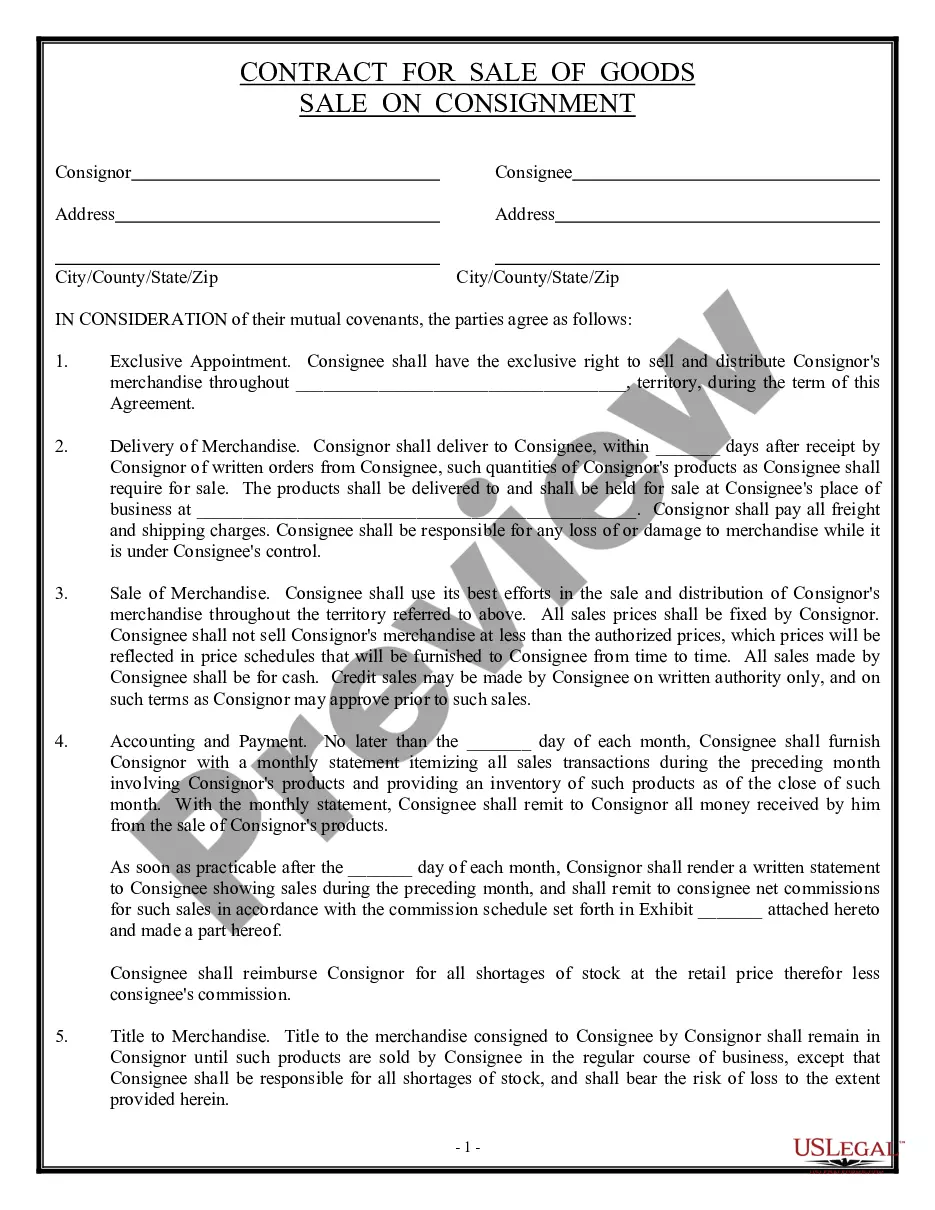
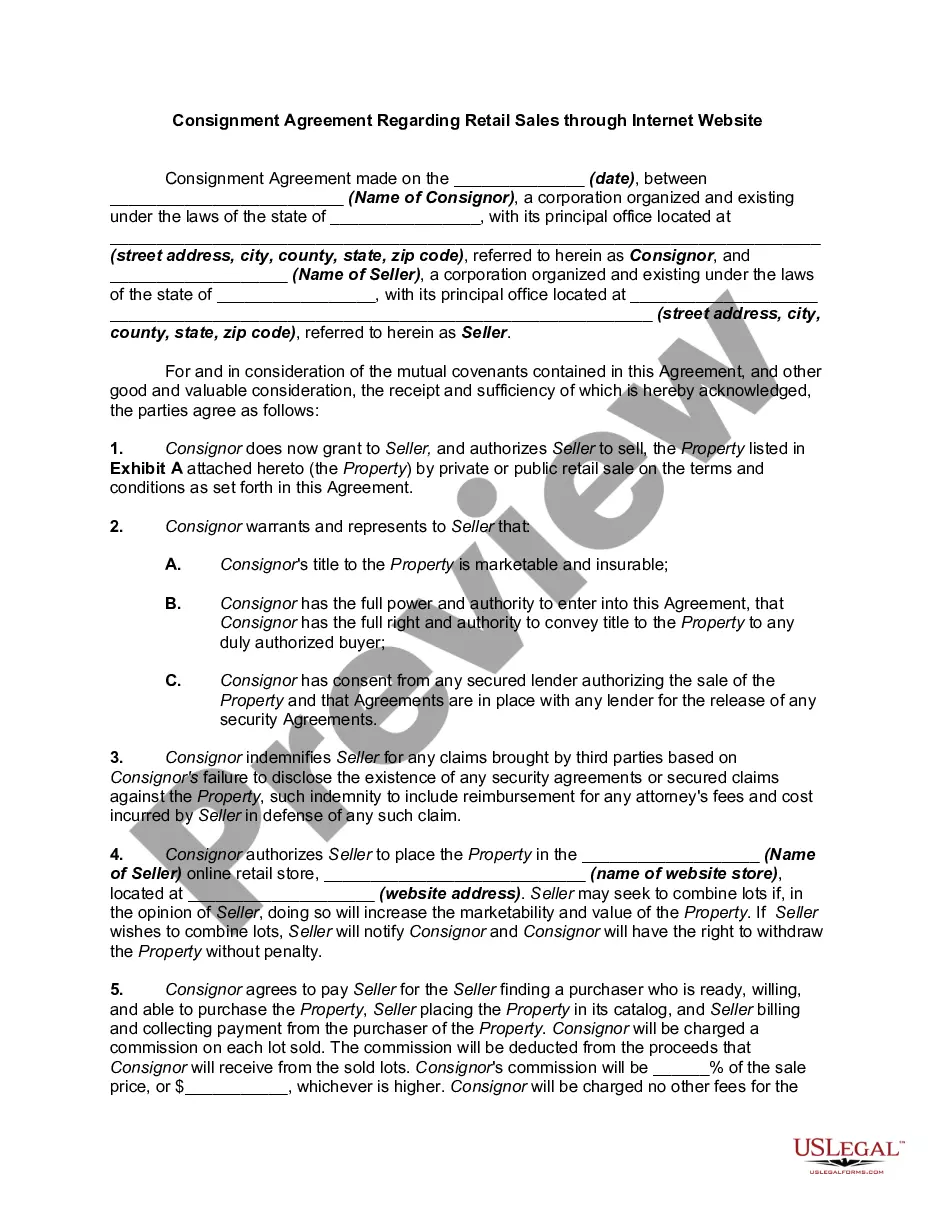
Description

Get your form ready online
Our built-in tools help you complete, sign, share, and store your documents in one place.
Make edits, fill in missing information, and update formatting in US Legal Forms—just like you would in MS Word.
Download a copy, print it, send it by email, or mail it via USPS—whatever works best for your next step.
Sign and collect signatures with our SignNow integration. Send to multiple recipients, set reminders, and more. Go Premium to unlock E-Sign.
If this form requires notarization, complete it online through a secure video call—no need to meet a notary in person or wait for an appointment.
We protect your documents and personal data by following strict security and privacy standards.

Make edits, fill in missing information, and update formatting in US Legal Forms—just like you would in MS Word.

Download a copy, print it, send it by email, or mail it via USPS—whatever works best for your next step.

Sign and collect signatures with our SignNow integration. Send to multiple recipients, set reminders, and more. Go Premium to unlock E-Sign.

If this form requires notarization, complete it online through a secure video call—no need to meet a notary in person or wait for an appointment.

We protect your documents and personal data by following strict security and privacy standards.
Looking for another form?



How to fill out Consignment Agreement?
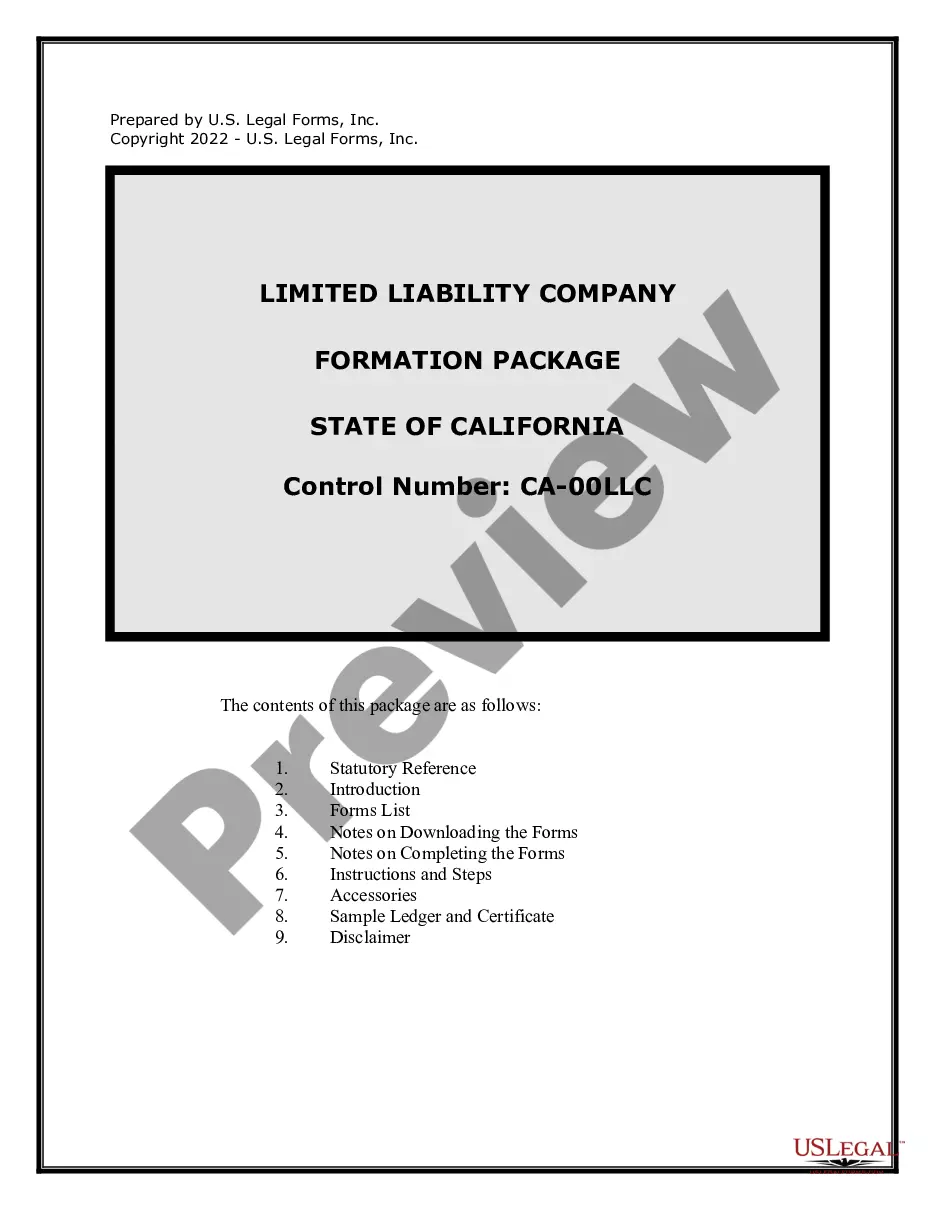
It’s well known that you cannot transform into a legal expert instantly, nor can you swiftly learn to draft a Consignment Agreement Template With Collateral without possessing a specialized skill set. Crafting legal documents is a lengthy endeavor that necessitates a particular education and expertise. So why not entrust the creation of the Consignment Agreement Template With Collateral to the professionals.
With US Legal Forms, one of the most comprehensive legal template repositories, you can discover everything from court documents to templates for internal communication. We understand how vital compliance and adherence to federal and state regulations are. That’s why, on our site, all templates are location-specific and current.
Here’s how you can begin using our platform and acquire the document you require in just a few minutes.
You can regain access to your documents from the My documents tab at any time. If you’re a returning client, you can simply Log In, and find and download the template from the same tab.
Regardless of the aim of your paperwork—whether financial, legal, or personal—our platform has you covered. Give US Legal Forms a try now!
- Locate the document you need using the search bar at the top of the page.
- Preview it (if this option is available) and read the accompanying description to decide if the Consignment Agreement Template With Collateral fits your needs.
- Restart your search if you require a different template.
- Create a free account and choose a subscription plan to buy the form.
- Click Buy now. Once the payment is completed, you can download the Consignment Agreement Template With Collateral, complete it, print it, and deliver it or send it by mail to the relevant individuals or organizations.
Form popularity
FAQ
Key features of consignment include: Ownership: The consignor remains the legal owner of the goods until they are sold to an end customer. Risk: The consignor usually bears the risk of loss, damage, or obsolescence of the consigned goods until they are sold.
3. Consignment agreement instructions Introduction of Parties. Identifies the parties and the date of the agreement. ... Recitals. ... Section 1: Consigned property. ... Section 2: Delivery of goods. ... Section 3: Consignment period. ... Section 4: Efforts to sell. ... Section 5: Title to products. ... Section 6: Payment; commission.
Consignment is an arrangement in which goods are left with a third party to sell. The party that sells the goods on consignment receives a portion of the profits, either as a flat rate fee or commission. Selling via a consignment arrangement can be a low-commission, low-time-investment way of selling items or services.
The contract normally states that the consignor is the actual owner of the item for sale and the consignee is responsible for its care and for any loss or damage to the item while in the consignee's possession. Insurance. The consignee is usually required to carry insurance that will cover the consigned item.
3. Consignment agreement instructions Introduction of Parties. Identifies the parties and the date of the agreement. ... Recitals. ... Section 1: Consigned property. ... Section 2: Delivery of goods. ... Section 3: Consignment period. ... Section 4: Efforts to sell. ... Section 5: Title to products. ... Section 6: Payment; commission.