Consignment Note Format Under Gst In California
Description

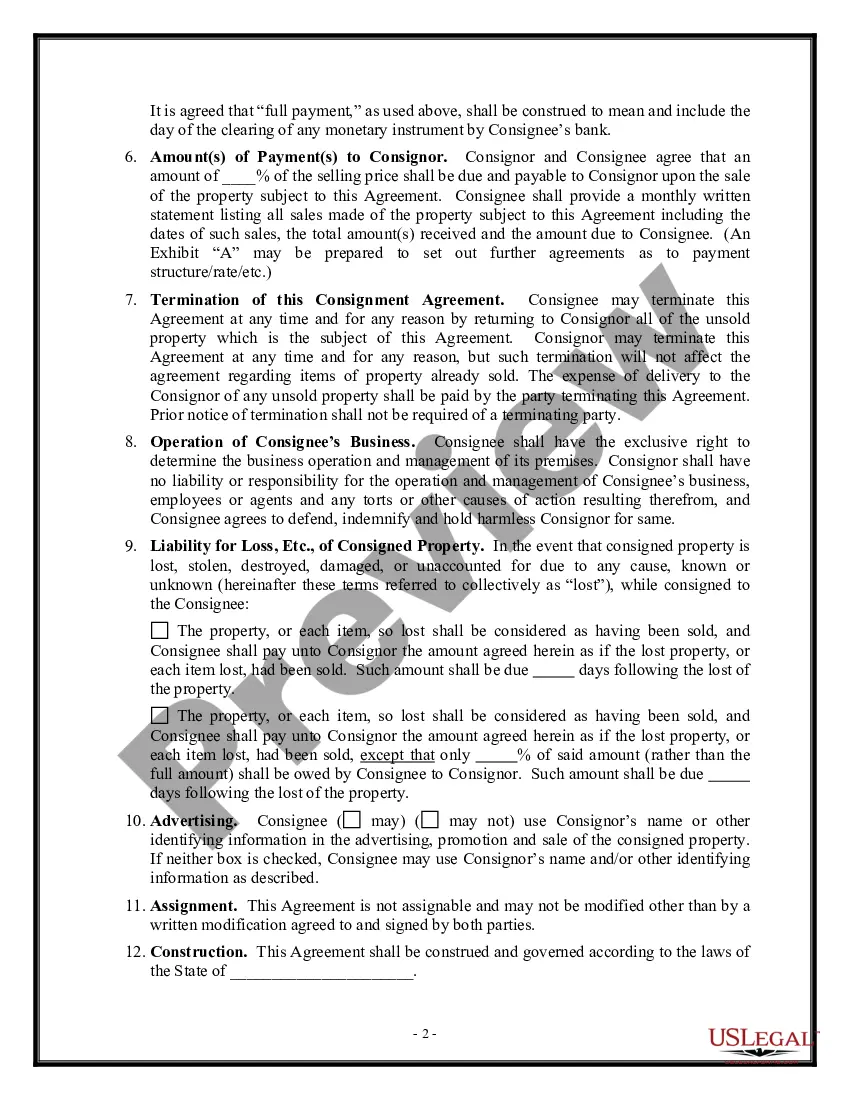
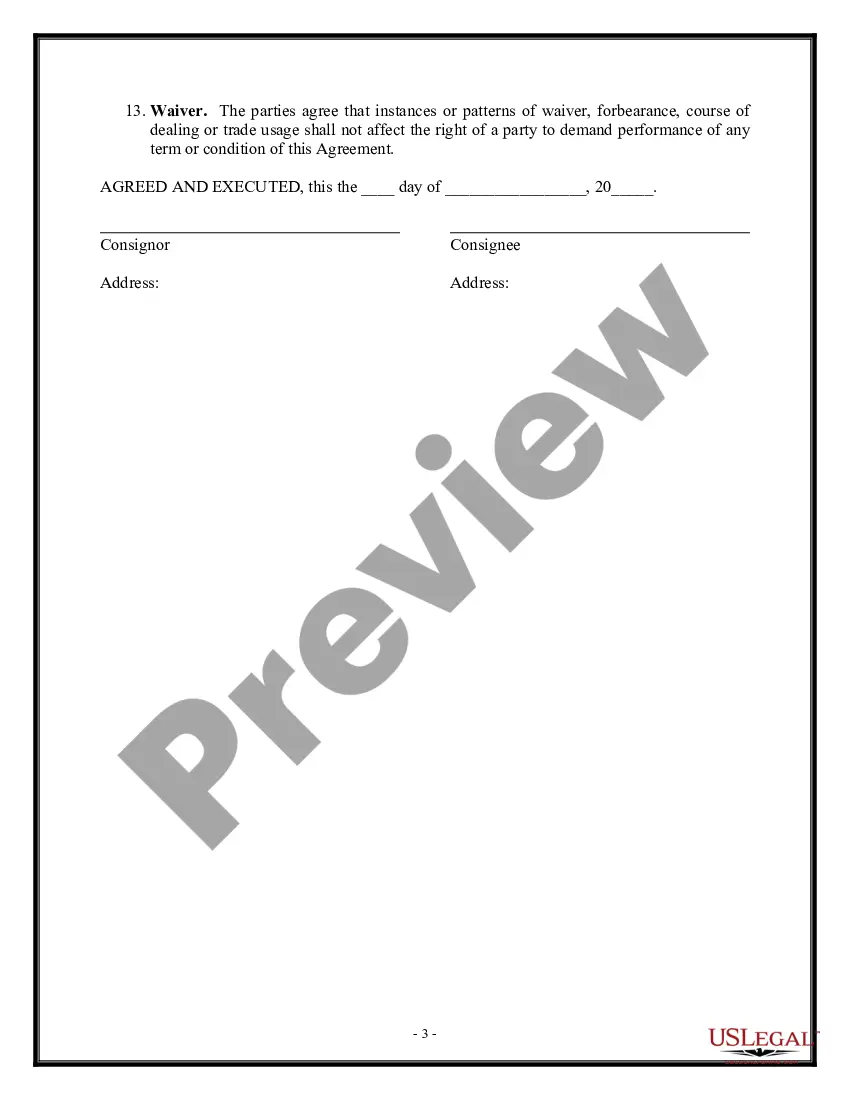
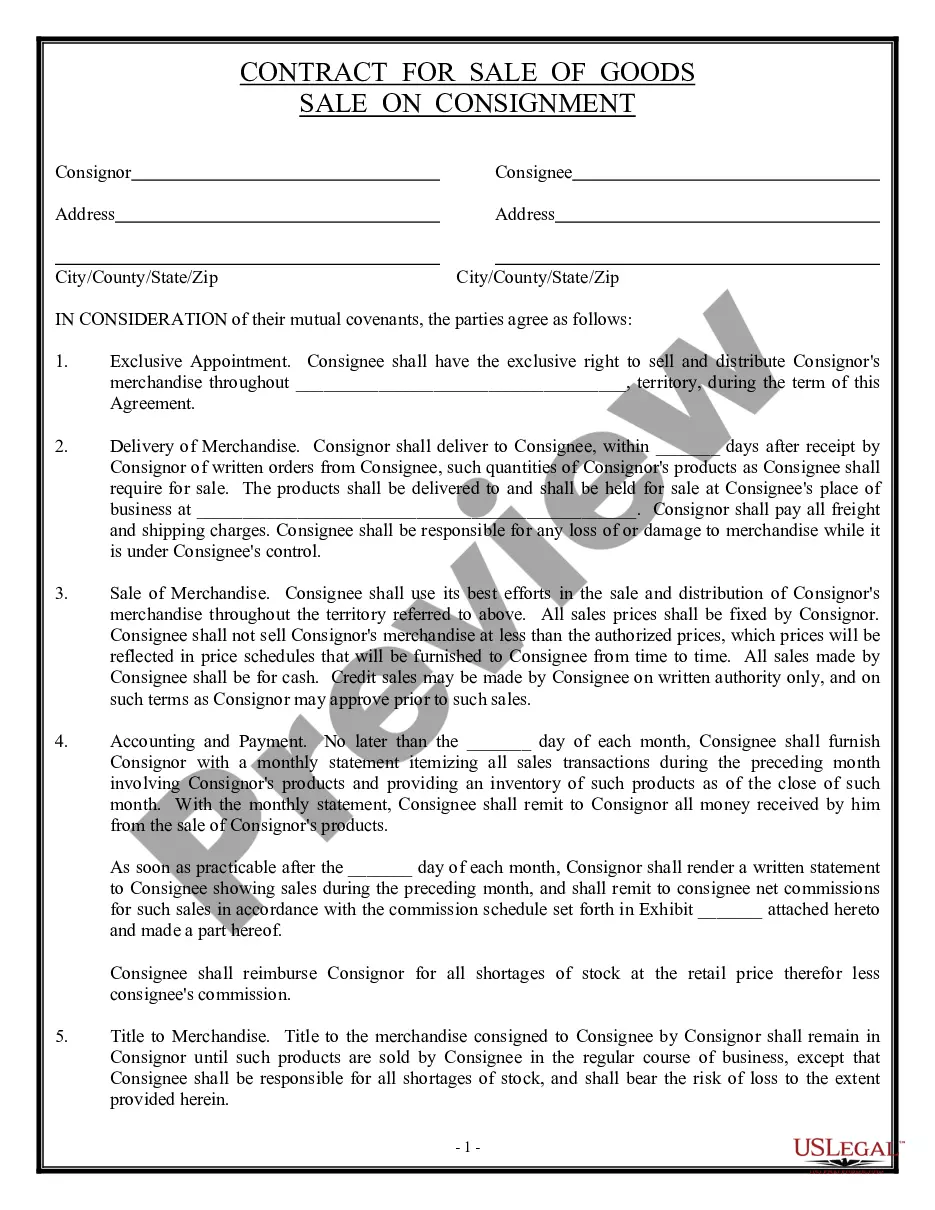
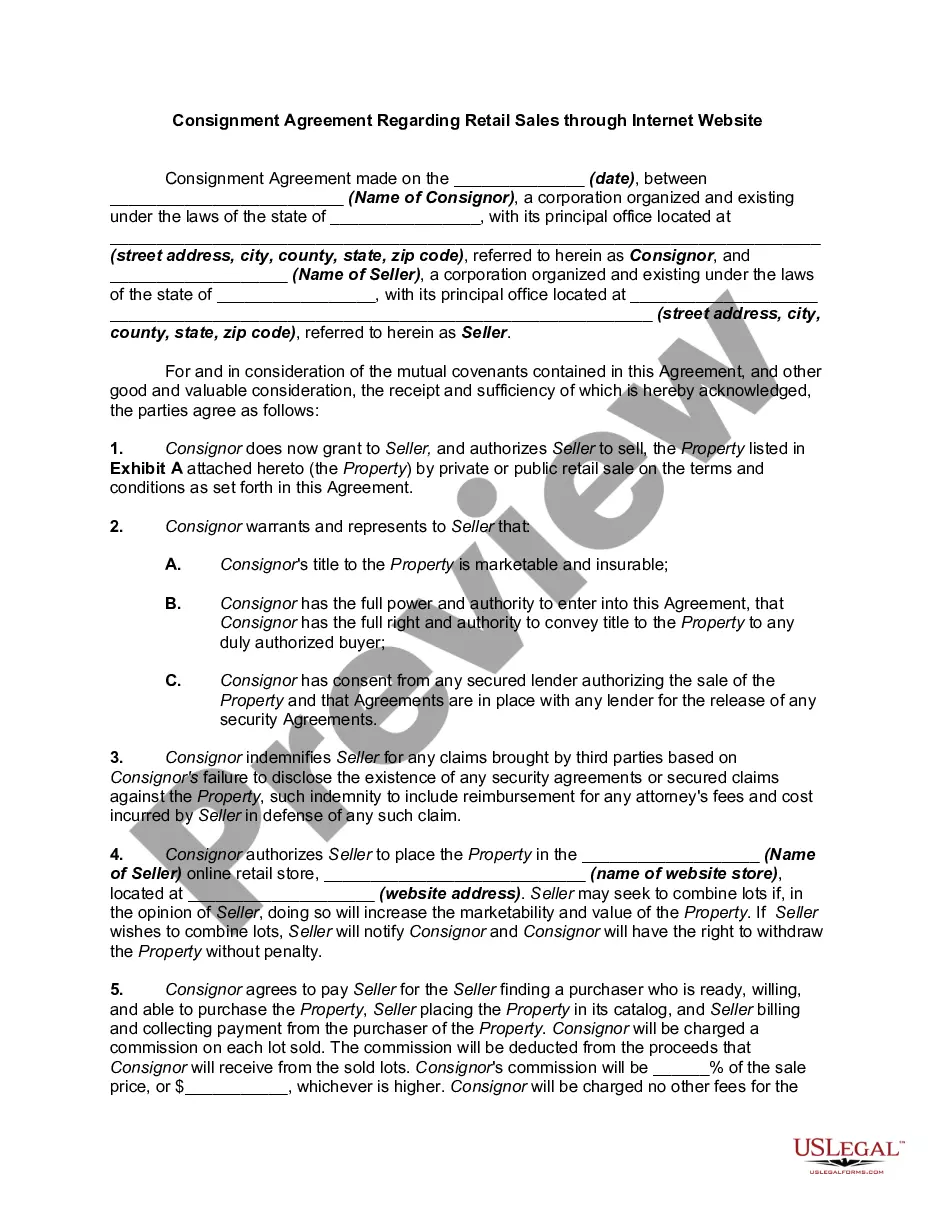
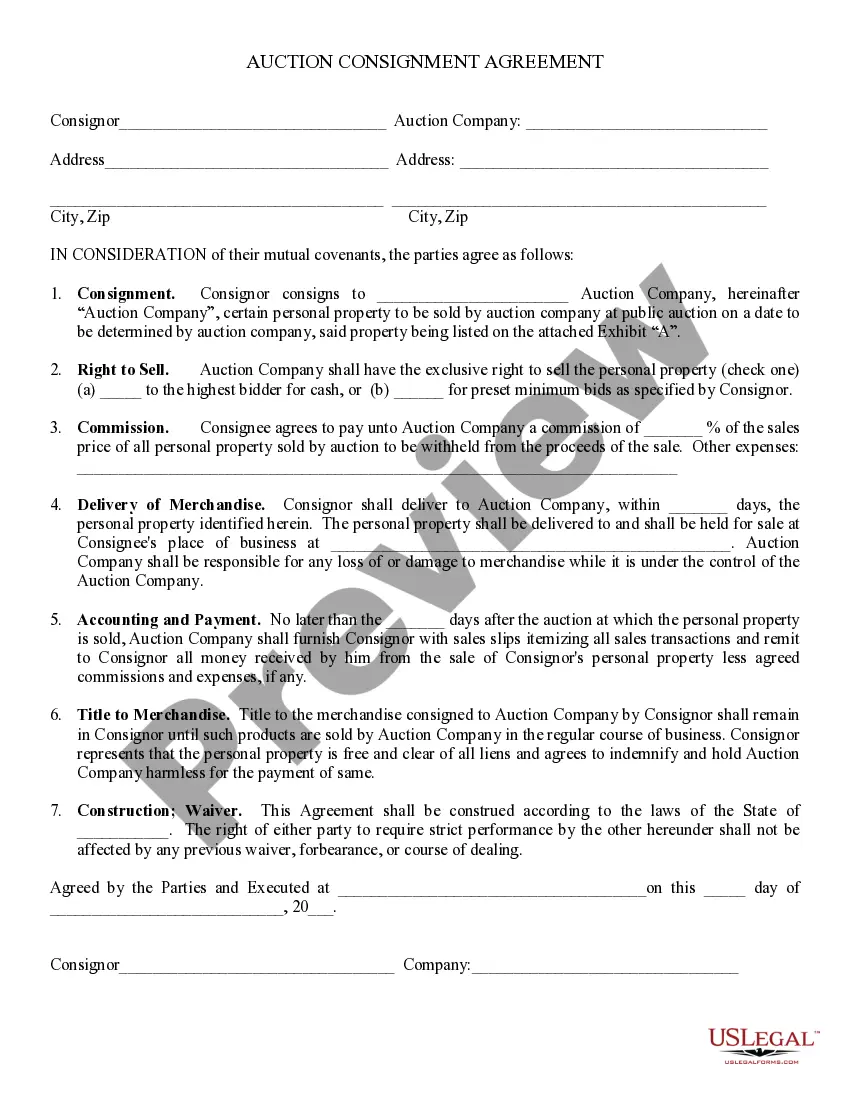
Get your form ready online
Our built-in tools help you complete, sign, share, and store your documents in one place.
Make edits, fill in missing information, and update formatting in US Legal Forms—just like you would in MS Word.
Download a copy, print it, send it by email, or mail it via USPS—whatever works best for your next step.
Sign and collect signatures with our SignNow integration. Send to multiple recipients, set reminders, and more. Go Premium to unlock E-Sign.
If this form requires notarization, complete it online through a secure video call—no need to meet a notary in person or wait for an appointment.
We protect your documents and personal data by following strict security and privacy standards.

Make edits, fill in missing information, and update formatting in US Legal Forms—just like you would in MS Word.

Download a copy, print it, send it by email, or mail it via USPS—whatever works best for your next step.

Sign and collect signatures with our SignNow integration. Send to multiple recipients, set reminders, and more. Go Premium to unlock E-Sign.

If this form requires notarization, complete it online through a secure video call—no need to meet a notary in person or wait for an appointment.

We protect your documents and personal data by following strict security and privacy standards.
Looking for another form?


Form popularity
FAQ
How to check a business license in California? 1. California Secretary of State's Business Search Tool. California's Secretary of State has provided the business search feature online. City or County Government Websites. Direct Contact with Local Licensing Departments. 4. California Department of Consumer Affairs (DCA)
When the owner sends the goods to agents at another location, the goods sent are called consignment and the sender as the consignor. The purchaser of the products is called the consignee in a consignment. A consignee is just a purchaser, not the proprietor of the products.
Your permit is valid only so long as you are actively engaged in business as a seller. If you are no longer conducting business as a seller, you should contact us immediately to cancel your permit. For more information, see the chapter, Buying, Selling, or Discontinuing a Business.
A seller's permit is a state license that allows you to sell items at the wholesale or retail level and to issue resale certificates to suppliers. Issuing a resale certificate allows you to buy items you will sell in your business operations without paying amounts for tax to your suppliers.
California Delivery Statement Form BOE-448. The BOE-448 form is used for documenting vehicle deliveries outside California. It provides essential guidance for sellers and purchasers regarding tax responsibilities. This form helps ensure compliance with California Sale and Use Tax laws.
When the owner sends the goods to agents at another location, the goods sent are called consignment and the sender as the consignor. The purchaser of the products is called the consignee in a consignment. A consignee is just a purchaser, not the proprietor of the products.
GST registered businesses must account for the GST on sales made through an agent, on consignment or lease arrangements. If you're registered for GST, you must account for the GST on sales made through an agent, on consignment or via a progressive transaction (such as a lease or hire arrangement).
In a consignment agreement, a consignor supplies goods to a consignee, who sells them on the consignor's behalf. The consignee earns a commission from each sale and sends the remaining sales revenue to the consignor. The consignor retains ownership of the goods until they are sold.
Following the auction consignment company's receipt of your items, they will begin to photograph and catalog them. With your items organized, the marketing process can begin. Item Viewing: Through the marketing efforts of the auction consignment company, interest will grow in your items.
For example, you may own a jewelry store where you sell jewelry on consignment. Typically, the owner of the jewelry will bring it to you and sign an agreement that authorizes you to sell the item and transfer ownership to the buyer.
