Consignment Note For Fridges In Bronx
Description

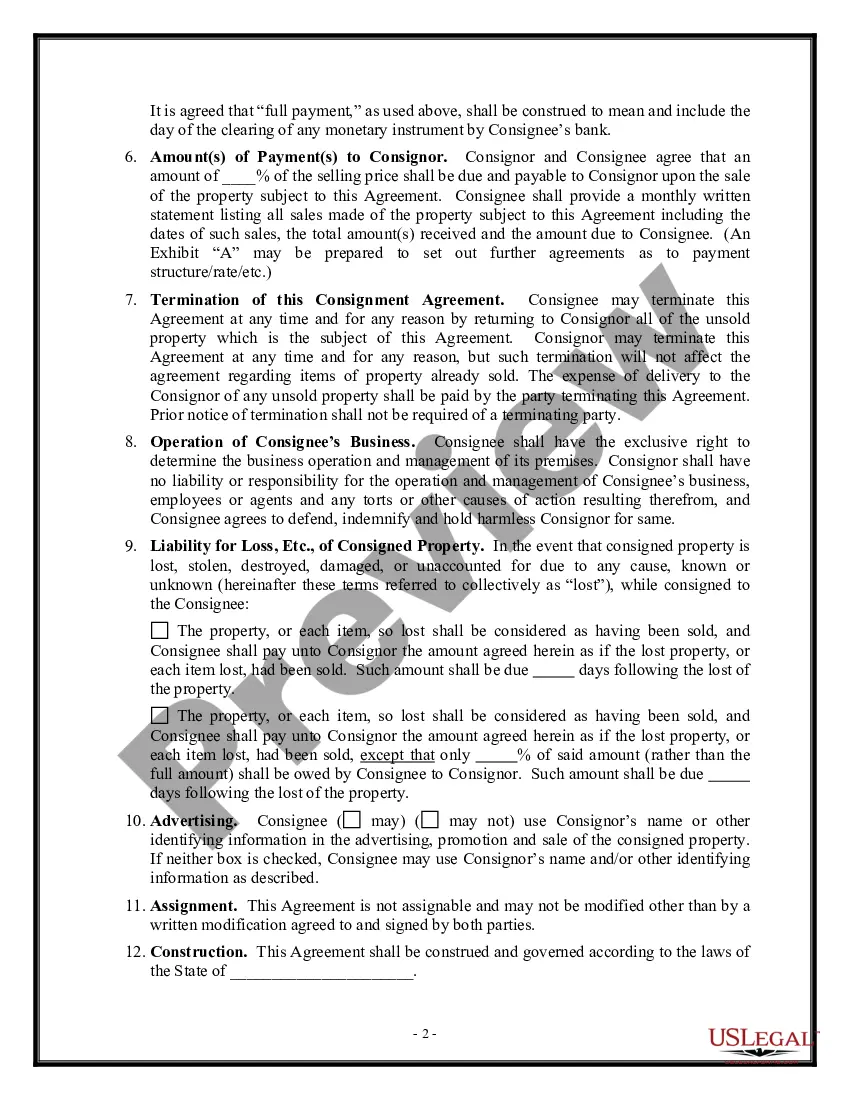
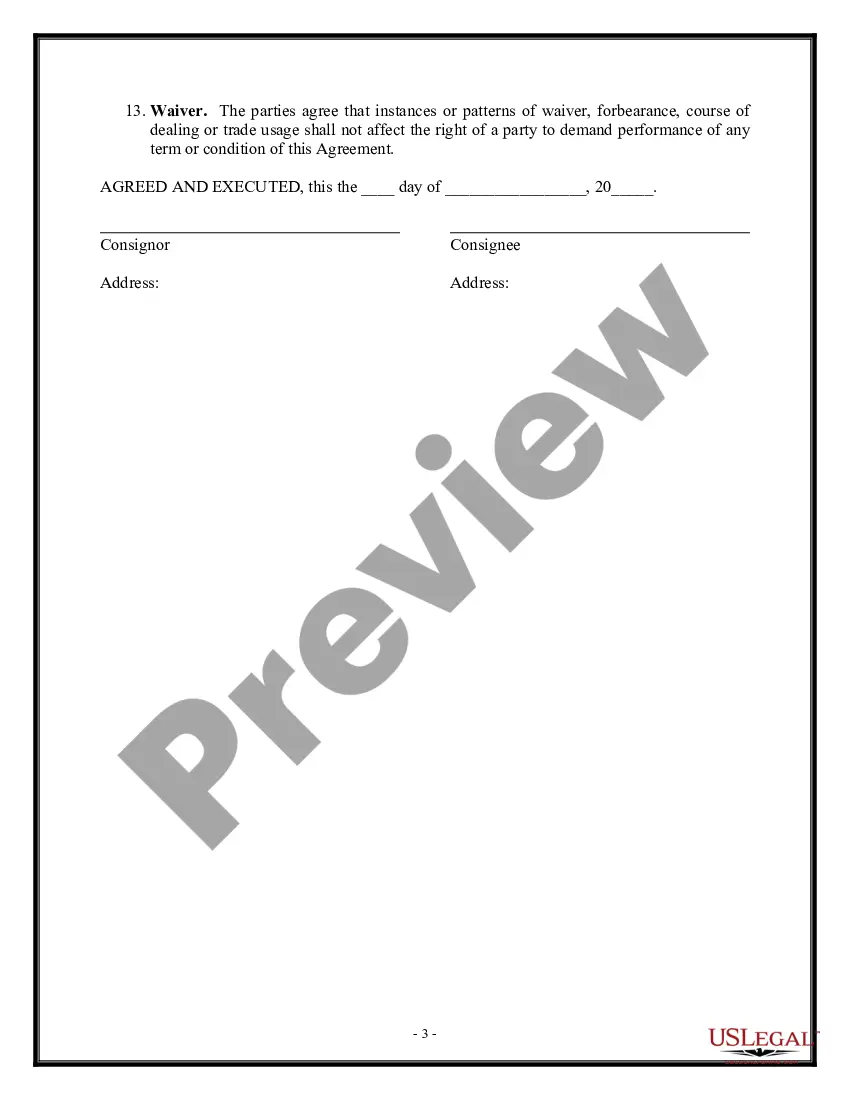
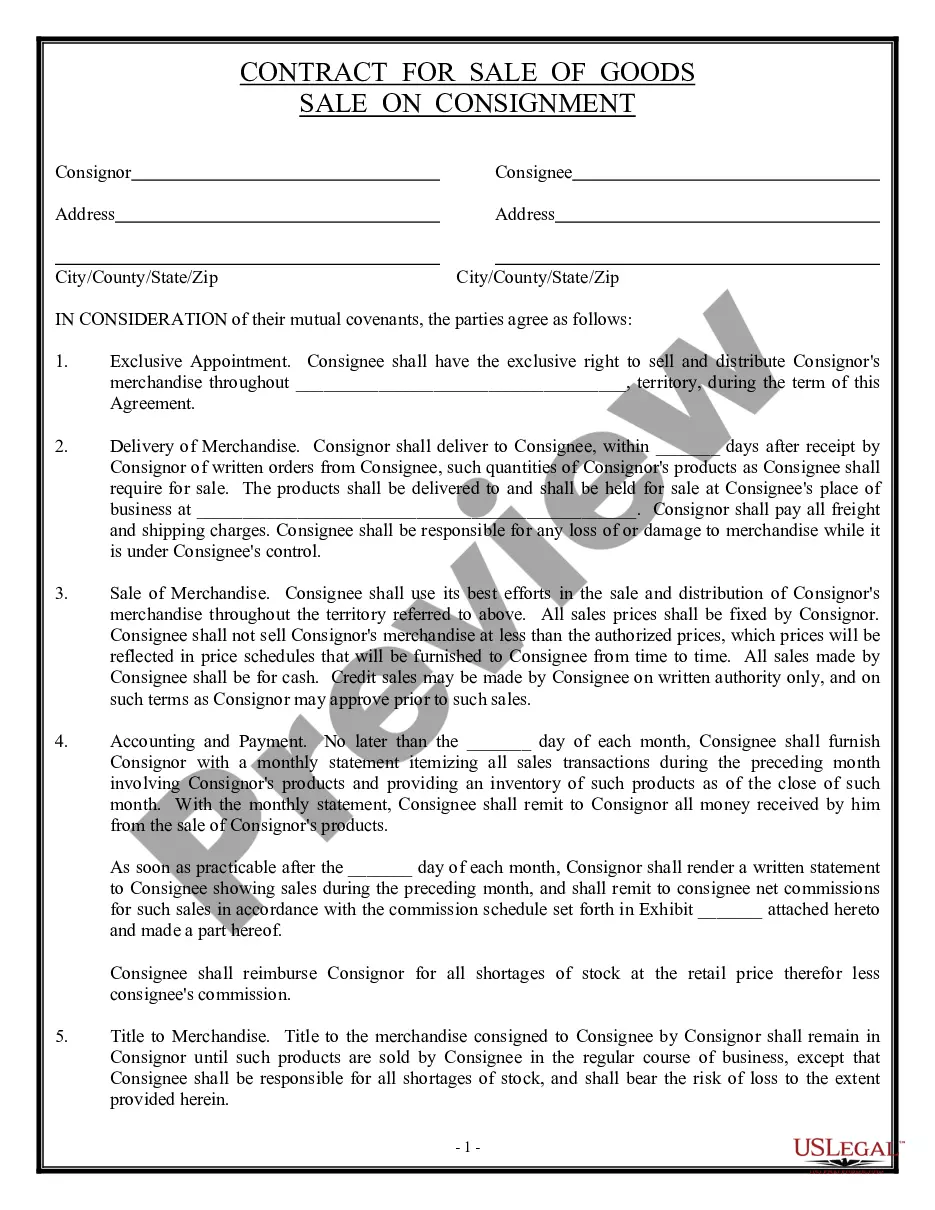
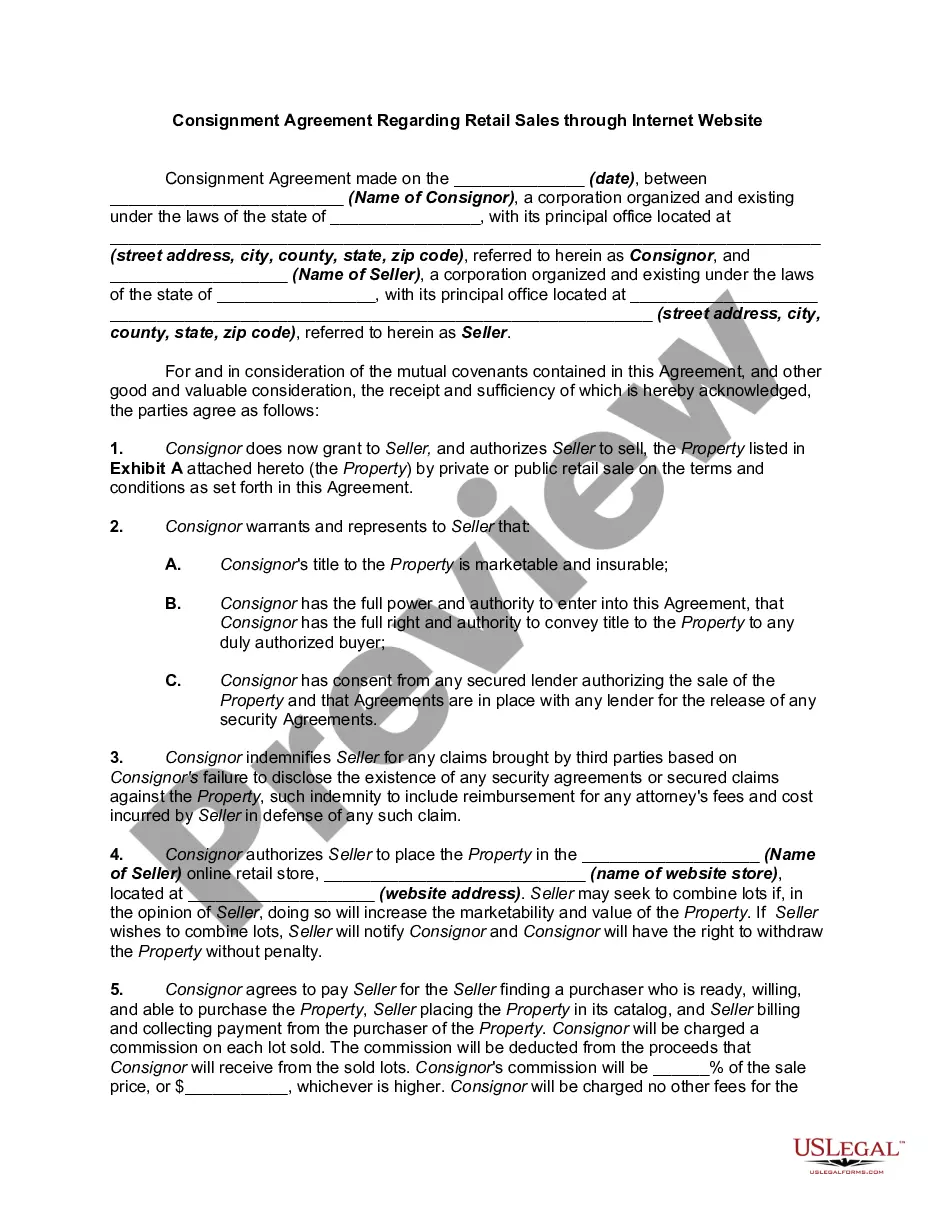
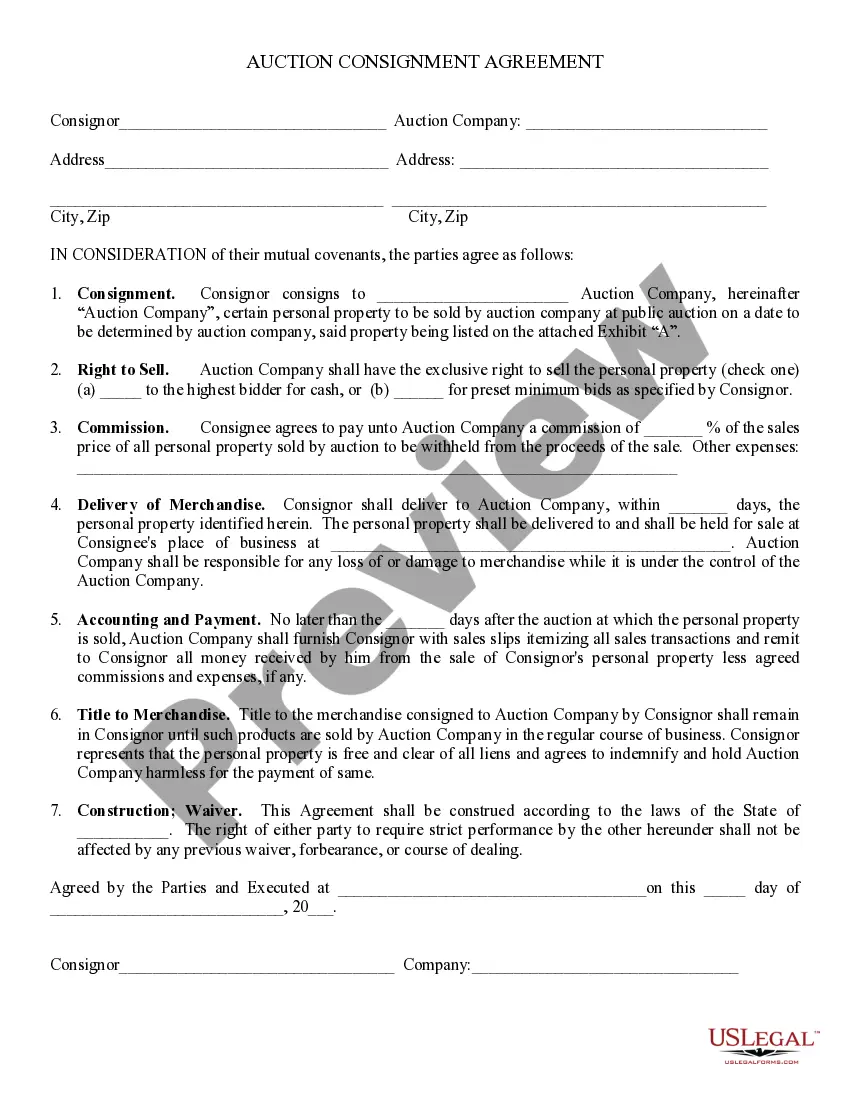
Get your form ready online
Our built-in tools help you complete, sign, share, and store your documents in one place.
Make edits, fill in missing information, and update formatting in US Legal Forms—just like you would in MS Word.
Download a copy, print it, send it by email, or mail it via USPS—whatever works best for your next step.
Sign and collect signatures with our SignNow integration. Send to multiple recipients, set reminders, and more. Go Premium to unlock E-Sign.
If this form requires notarization, complete it online through a secure video call—no need to meet a notary in person or wait for an appointment.
We protect your documents and personal data by following strict security and privacy standards.

Make edits, fill in missing information, and update formatting in US Legal Forms—just like you would in MS Word.

Download a copy, print it, send it by email, or mail it via USPS—whatever works best for your next step.

Sign and collect signatures with our SignNow integration. Send to multiple recipients, set reminders, and more. Go Premium to unlock E-Sign.

If this form requires notarization, complete it online through a secure video call—no need to meet a notary in person or wait for an appointment.

We protect your documents and personal data by following strict security and privacy standards.
Looking for another form?
Form popularity
FAQ
Community fridges first cropped up a decade ago in a few isolated spots around the globe, then spread across the United States right after the pandemic started in 2020, when supply chains were crumbling, food prices were rising, and families across the country were struggling to find meals.
These community fridges are a network of over 100+ refrigerators plugged in outside of stores, businesses, community centers, homes, and churches aimed at fighting food waste in a country that throws away 30 percent to 40 percent of its food supply every year.
A Community Fridge is a space that brings people together to eat, connect, learn new skills and reduce food waste. Fridges are run by community groups in shared spaces such as schools, community centres and shops, their main purpose is saving fresh food from going to waste.
Country specific bottom-up analysis – based on several sources all around the world – shows that currently 1.4 billion refrigerators, fridge freezers and freezers are in use in households.
Accepted Sealed packaged foods. Prepared restaurant & grocery store meals. Cheeses. Fresh fruits & vegetables. Table sauces. Pastry. Bread. Unopened pasteurized milk and yogurt.
Document accompanying goods that is filled by the shipper. It serves as proof that a contract for carriage has been concluded and describes its content. It also serves as a receipt when goods are picked up from the shipper and delivered to the recipient.
Allow 3-4 weeks for processing permit applications. Below is information about New York State requirements for Temporary Food Service Operators at events. The complete regulatory requirements for Temporary Food Service Establishments can be found in Subpart 14-2 of the New York State Sanitary Code.
If you plan to prepare and sell foods and are not eligible for a Home Processor exemption, you will need to obtain a Food Service Establishment permit from your local health department. Your home kitchen cannot be used, however a separate kitchen located in your residence may be acceptable.
Residential Instructions Step 1: Call 311 to make a CFC Recovery appointment or submit an Online Service Request form (below). Step 2: Remove hinges and locks from refrigerators and freezers. Step 3: Place appliance on the curb with the back facing the street after PM the night before your appointment.
Local Options: Facebook Marketplace, Craigslist, OfferUp, or local classifieds for quick sales. Online Marketplaces: eBay or specialized appliance resale websites can reach a broader audience. Consignment Stores: Consider local consignment shops that specialize in appliances.
