Website and Content Privacy Policy
Understanding this form
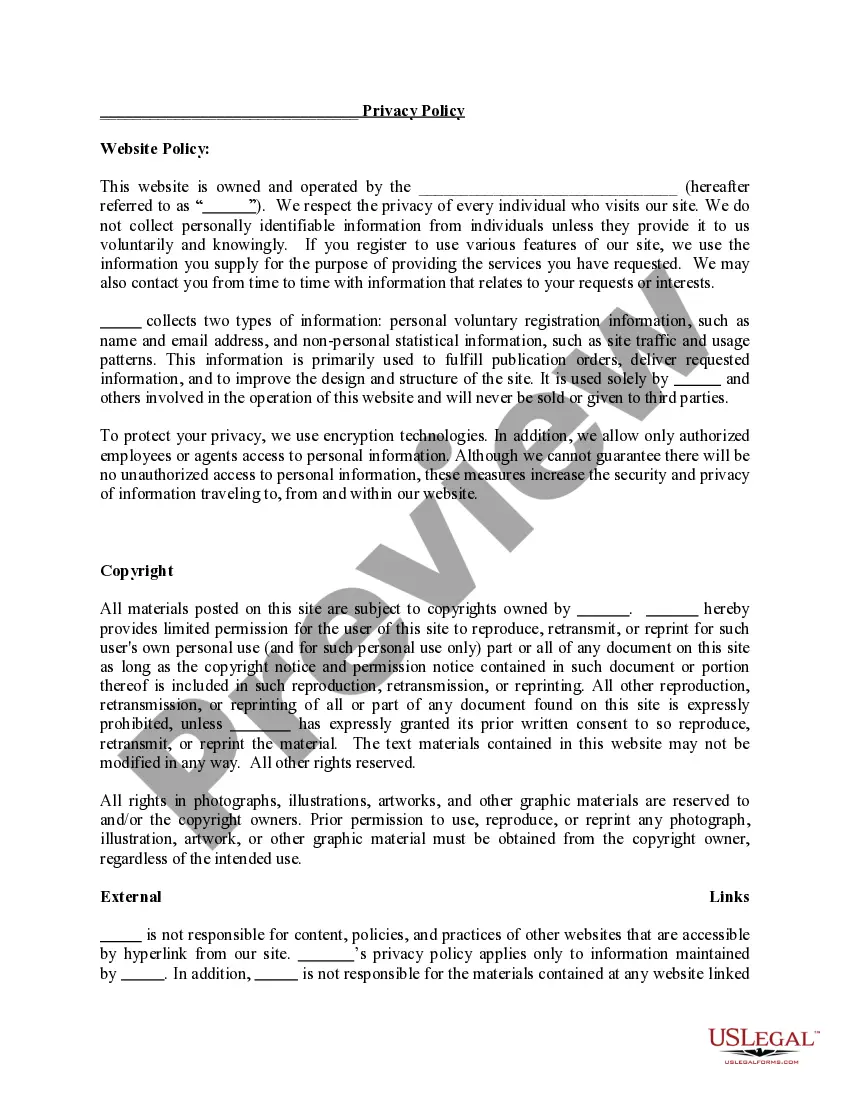
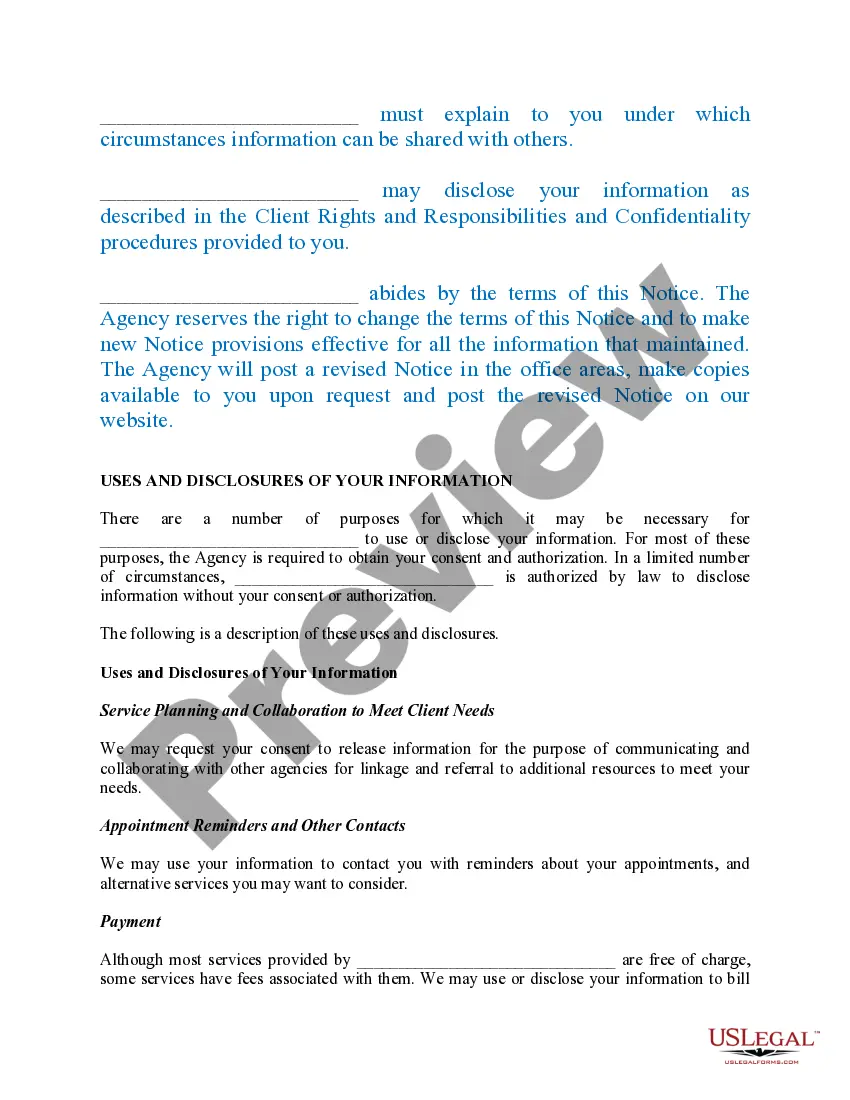
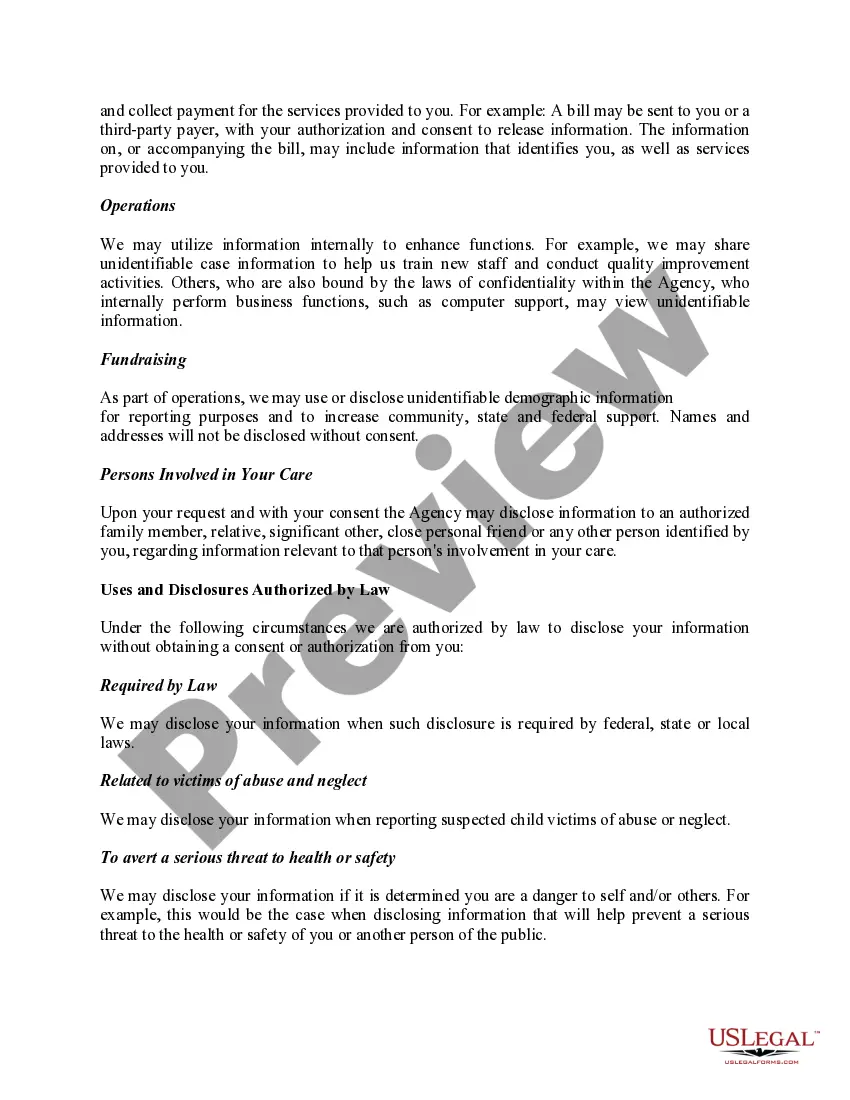
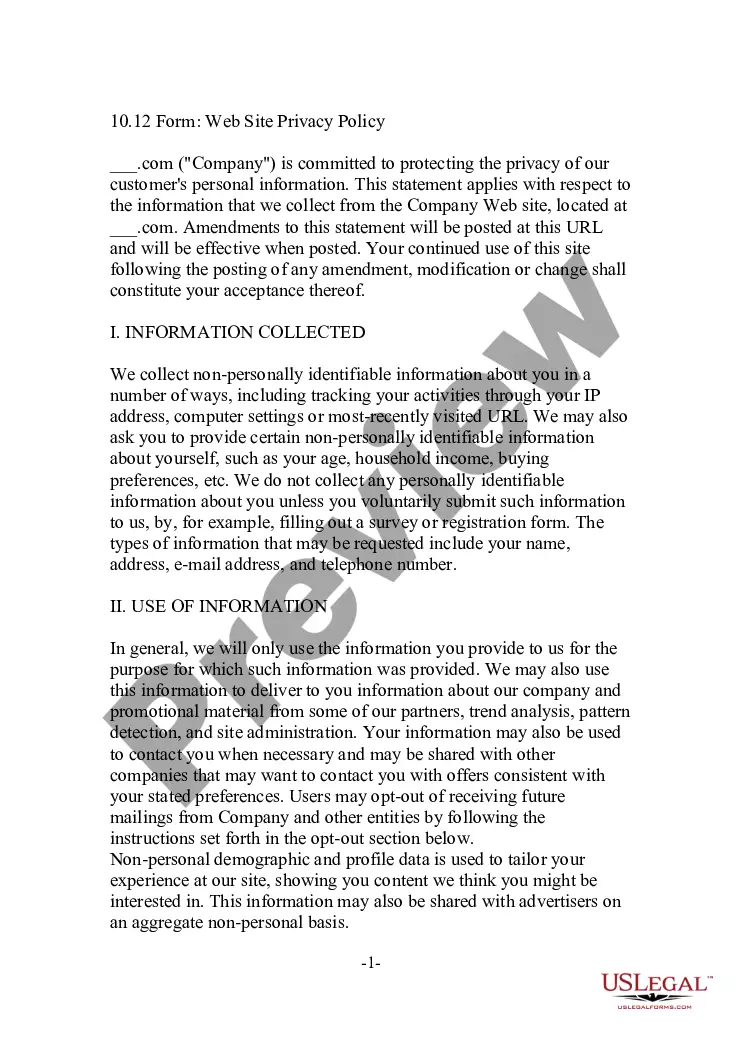
The Website and Content Privacy Policy is a legal document designed to inform users about how their personal information is collected, used, and protected when visiting a website. This form serves three critical purposes: it establishes the website's commitment to user privacy, outlines the terms and conditions of use, and details the legal responsibilities regarding user information. Unlike general privacy notices, this document specifically addresses the practices and protections related to online content and interactions.
Form components explained
- Copyright notice outlining ownership of content
- Disclaimer of warranty about information accuracy
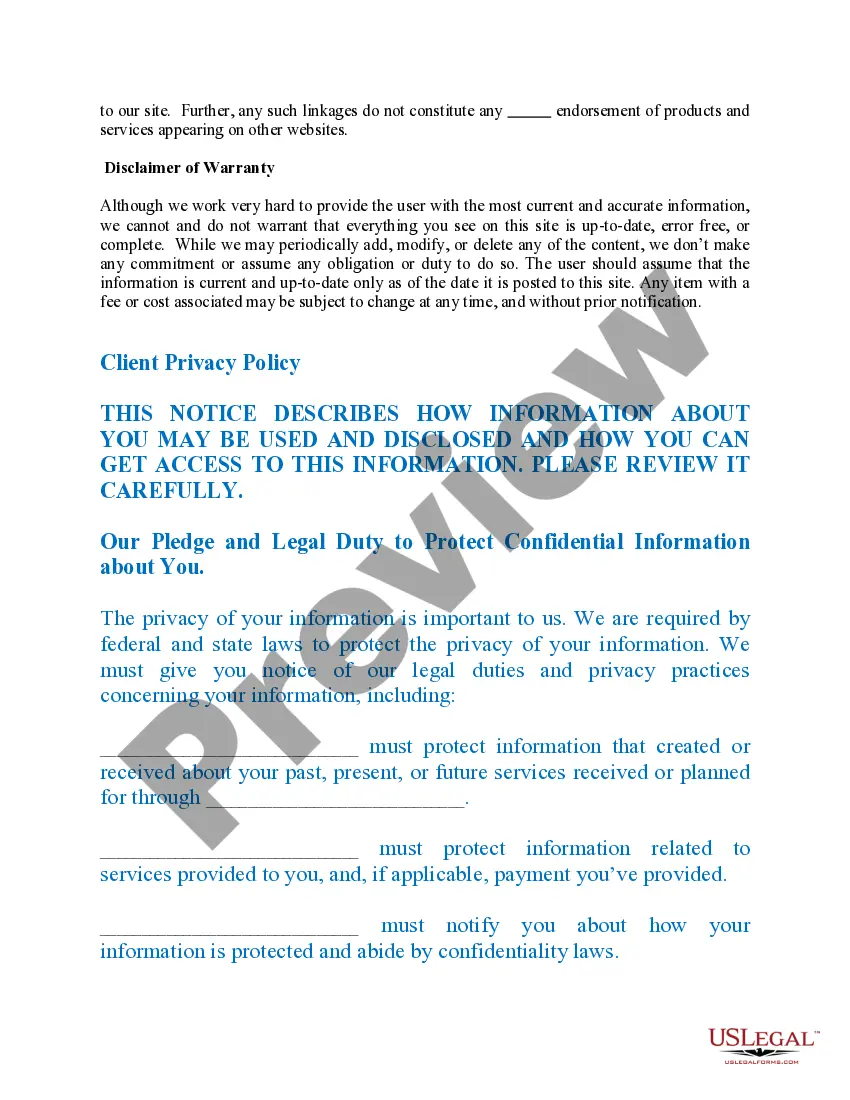
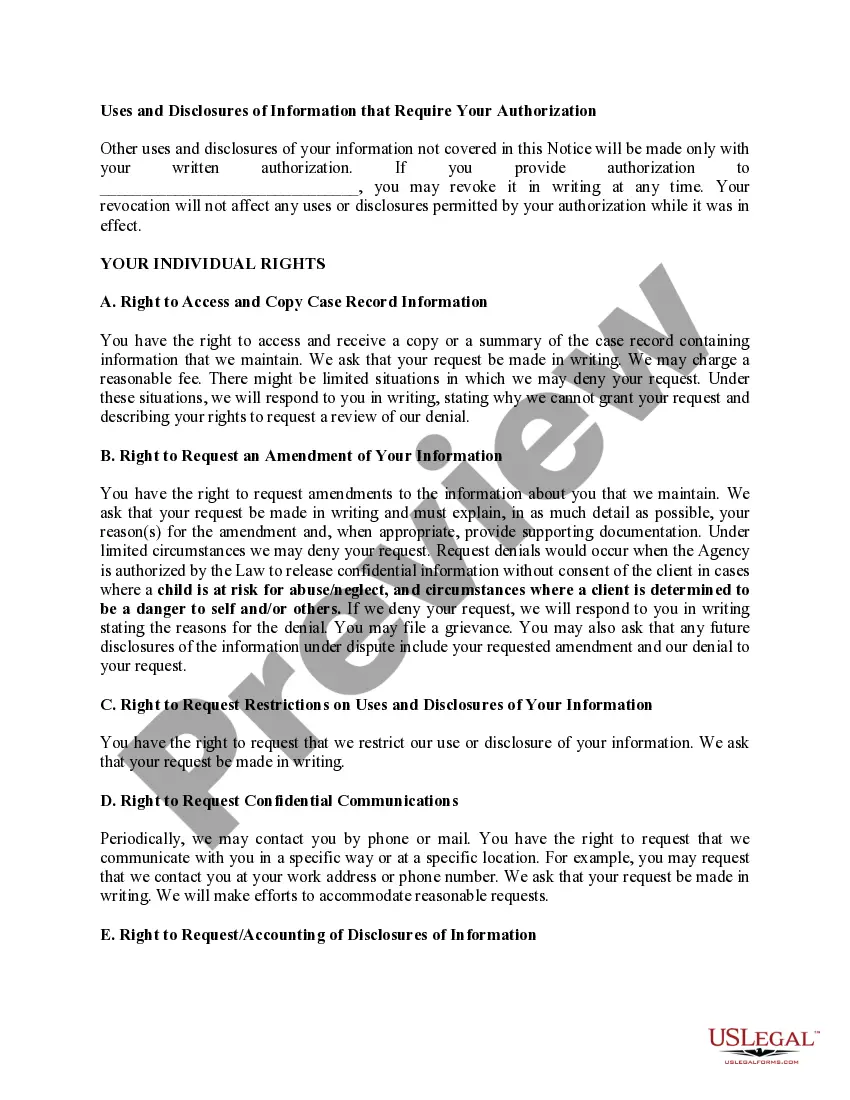
- Client privacy policy detailing information usage and disclosures
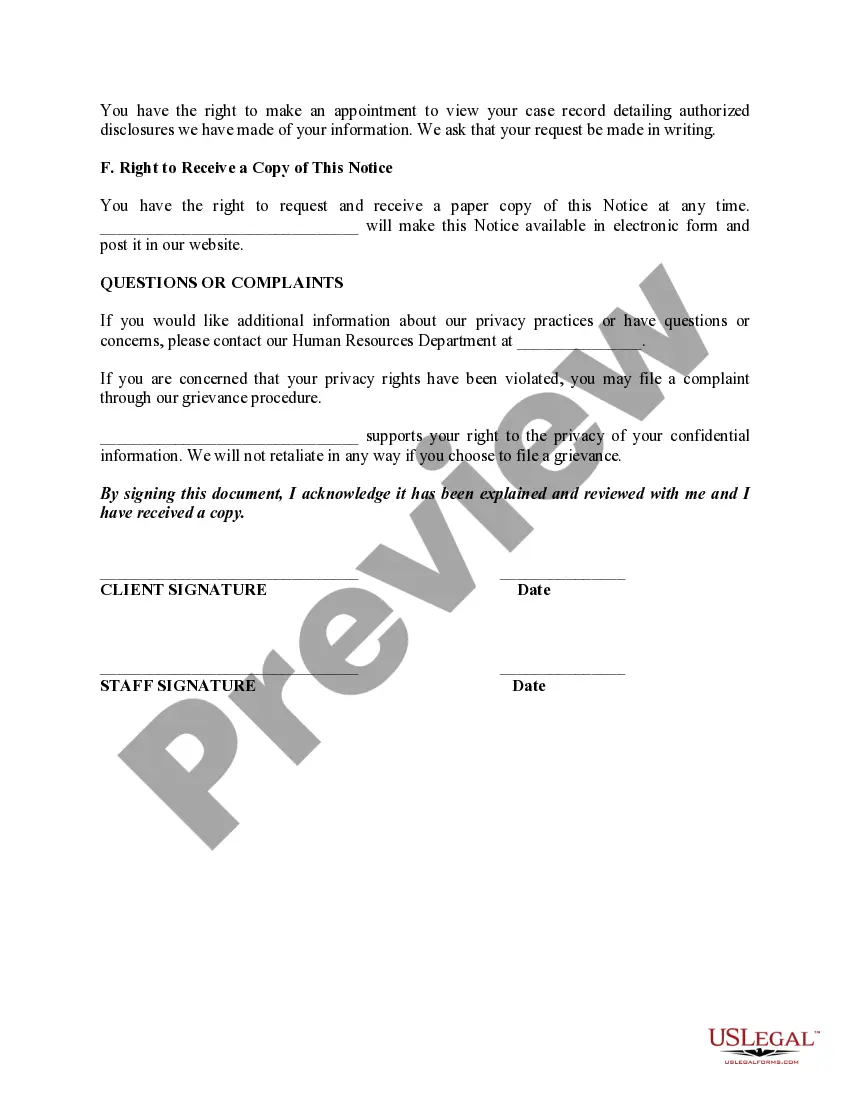
- Rights of users regarding personal data access and amendment
- Procedures for filing complaints related to privacy violations
Situations where this form applies
This form should be used when establishing a website that collects user data or interacts with users through online content. It is essential for websites that require user registration, gather email addresses, or utilize cookies. The form clarifies the practices undertaken by the website to protect user data and can serve as a vital reference in the event of a privacy complaint or legal inquiry.
Who needs this form
- Website owners and administrators
- Content creators operating online platforms
- Businesses engaged in online commerce or service provision
- Professionals managing user data in compliance with federal and state laws
How to complete this form
- Identify and define the parties involved in the privacy policy.
- Clearly outline how personal information will be collected, used, and stored.
- Specify the rights users have regarding their information, including access and amendment rights.
- Detail the procedures for users to file complaints about privacy concerns.
- Review and update the form periodically to ensure compliance with laws.
Notarization requirements for this form
This form does not typically require notarization unless specified by local law. It is advisable to check state-specific regulations to determine if notarization is necessary for your particular use case.
Get your form ready online
Our built-in tools help you complete, sign, share, and store your documents in one place.
Make edits, fill in missing information, and update formatting in US Legal Forms—just like you would in MS Word.
Download a copy, print it, send it by email, or mail it via USPS—whatever works best for your next step.
Sign and collect signatures with our SignNow integration. Send to multiple recipients, set reminders, and more. Go Premium to unlock E-Sign.
If this form requires notarization, complete it online through a secure video call—no need to meet a notary in person or wait for an appointment.
We protect your documents and personal data by following strict security and privacy standards.

Make edits, fill in missing information, and update formatting in US Legal Forms—just like you would in MS Word.

Download a copy, print it, send it by email, or mail it via USPS—whatever works best for your next step.

Sign and collect signatures with our SignNow integration. Send to multiple recipients, set reminders, and more. Go Premium to unlock E-Sign.

If this form requires notarization, complete it online through a secure video call—no need to meet a notary in person or wait for an appointment.

We protect your documents and personal data by following strict security and privacy standards.
Common mistakes to avoid
- Failing to update the privacy policy as laws change.
- Not clearly detailing how user data is used or shared.
- Including vague language that does not adequately inform users of their rights.
- Leaving out contact information for privacy inquiries and complaints.
Why complete this form online
- Convenience of immediate access and download from any device.
- Editable format allows customization to fit specific business needs.
- Reliable legal framework drafted by licensed attorneys ensures compliance.
- Online availability makes it easy to share with users and stakeholders.
Looking for another form?


Form popularity
FAQ
Your business should have a Privacy Policy even if it doesn't collect any data from users. Having a Privacy Policy that is easy to locate will make your website or app look more professional and trustworthy. Your policy doesn't need to be as long and complicated as a business that collects personal information.
You are legally obligated to have a website privacy policy if your site collects personal data, such as an e-commerce site. Consumers and users alike have a right to know that their information is protected, Privacy policies are also used for blogs, web applications, mobile applications, and desktop applications.
In addition to data privacy policies, your website might need to meet the accessibility requirements of the ADA, as well as requirements regarding ecommerce, copyright, plagiarism, and anti-spam laws. Specific industries also have requirements for websites if they pertain to health, legal, and financial matters.
Yes, you need a privacy policy on your website. If you collect personal information from users, many laws require you to include a privacy policy on your site that explains your data-handling practices.
How to write a privacy policy What data you'll collect and how you'll use it. Methods of collection. Customer communication. Redress and security information. Child privacy. Future changes. Contact information.
Does My Small Business Need A Privacy Policy? You are not exempt from the need for a privacy policy because your business is small. Any business that shares and uses information needs to have a privacy policy. If you share personal information without your customers' knowledge, you could infringe on local laws.
Data Privacy Lawsuits If a consumer finds that you're breaching their data privacy rights by failing to have a privacy policy, they can file a lawsuit against you. This can be a long process, which can cost you a lot of time and money in legal fees even if you win.