S Corporation Without Payroll In Houston
Description

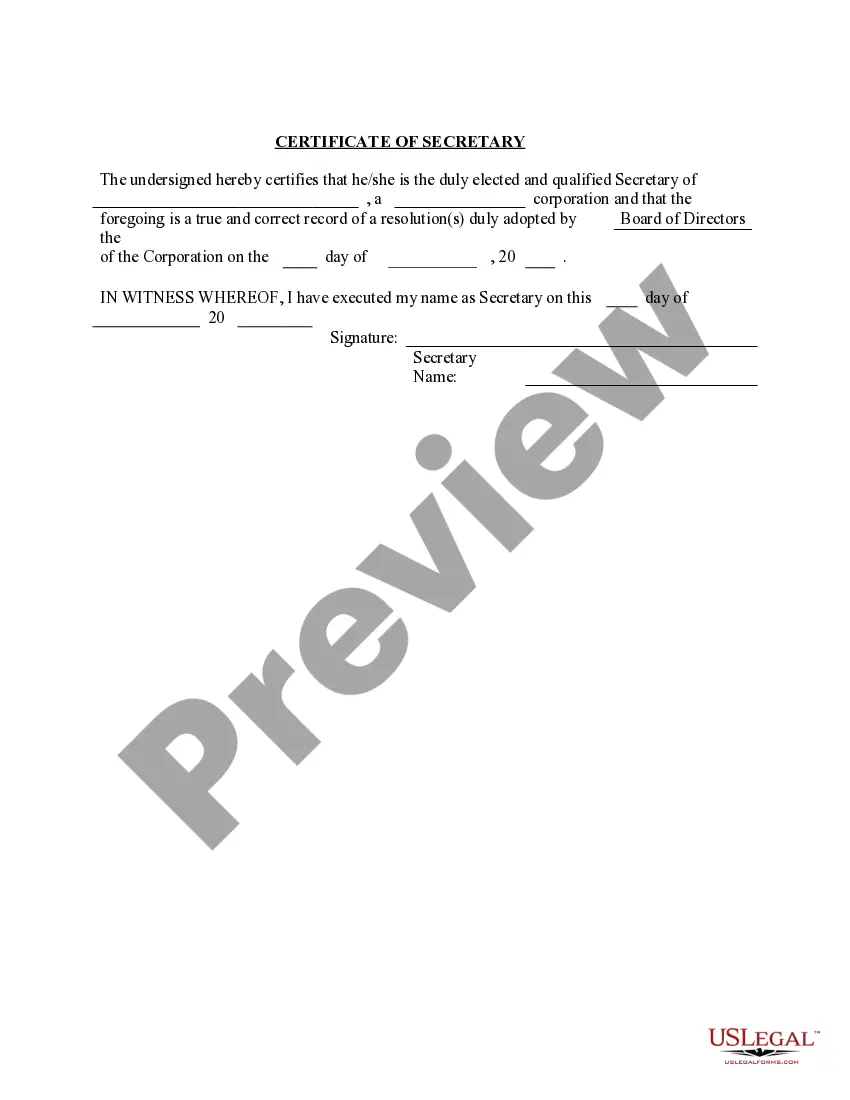

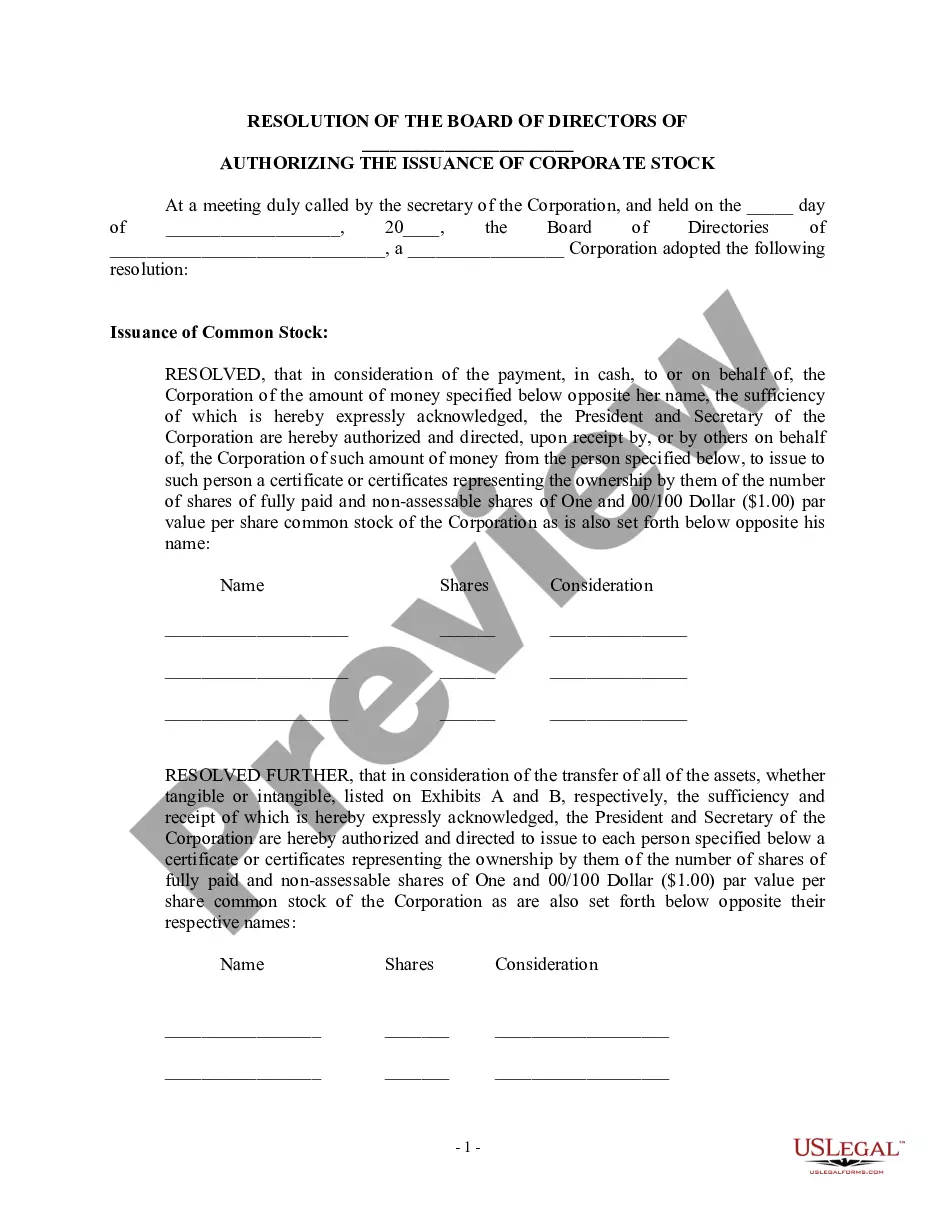
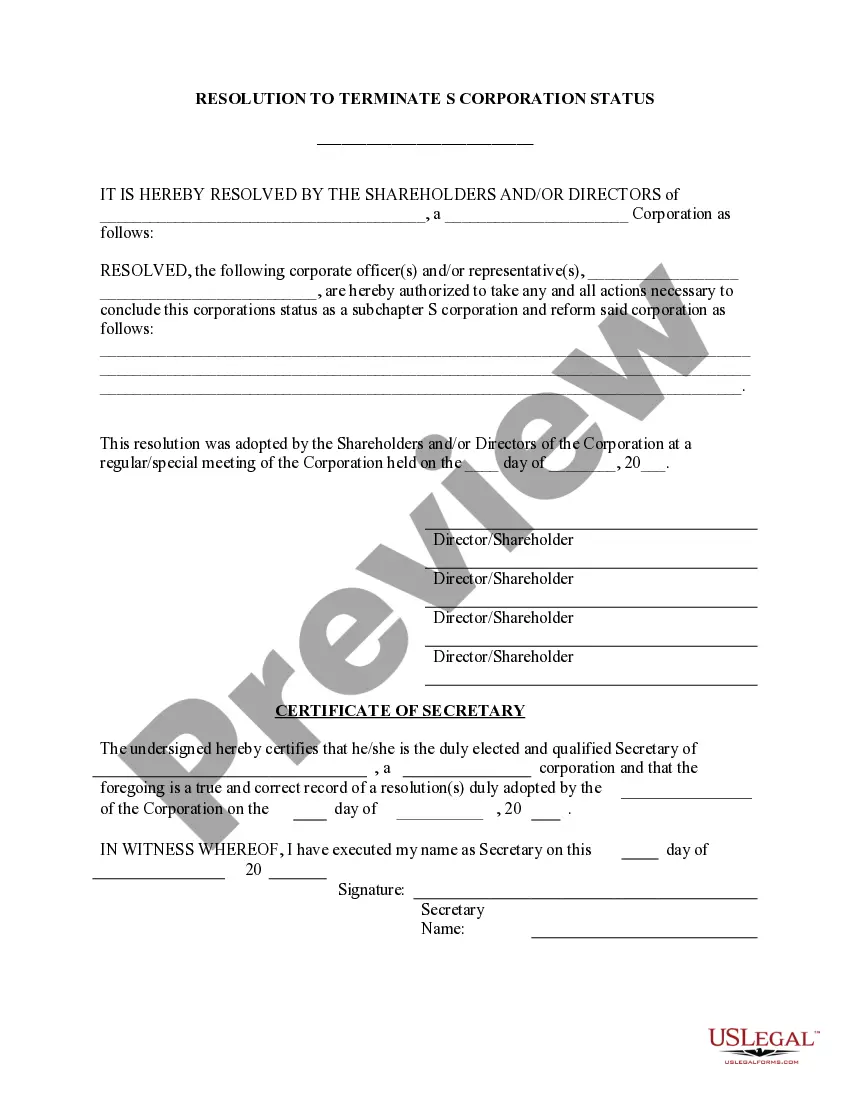
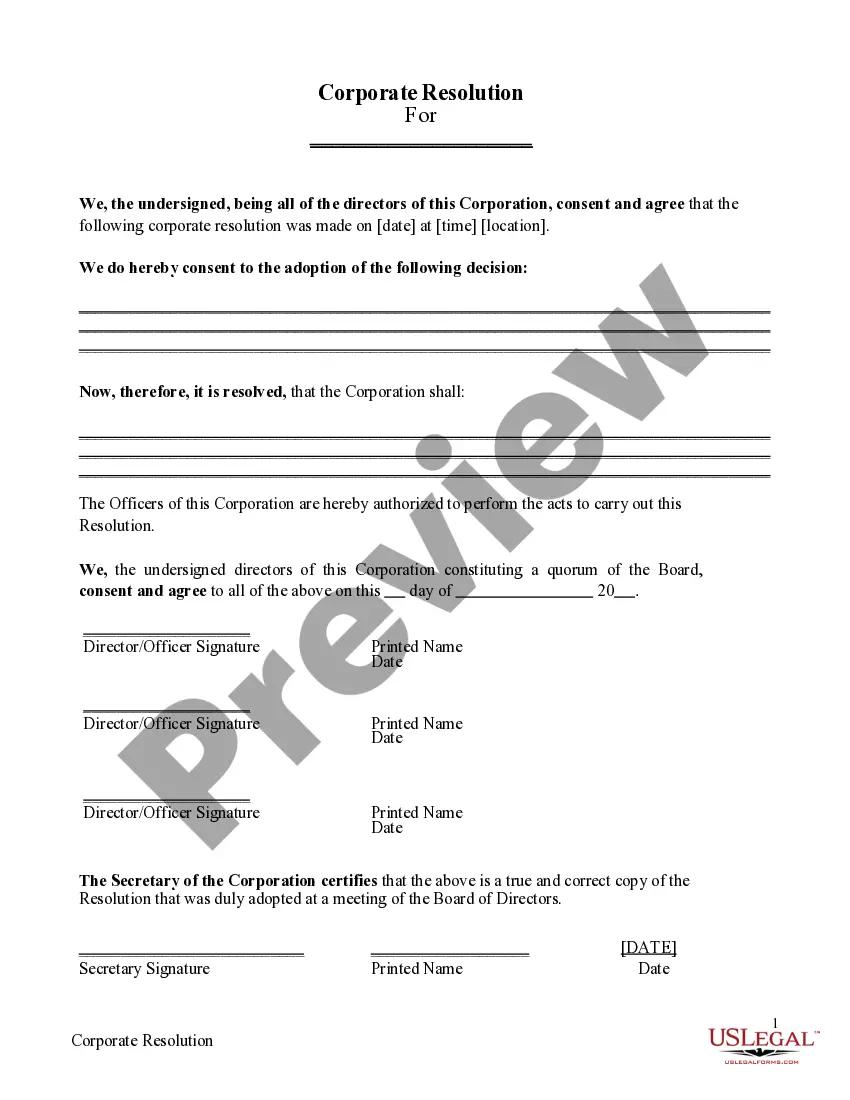
Get your form ready online
Our built-in tools help you complete, sign, share, and store your documents in one place.
Make edits, fill in missing information, and update formatting in US Legal Forms—just like you would in MS Word.
Download a copy, print it, send it by email, or mail it via USPS—whatever works best for your next step.
Sign and collect signatures with our SignNow integration. Send to multiple recipients, set reminders, and more. Go Premium to unlock E-Sign.
If this form requires notarization, complete it online through a secure video call—no need to meet a notary in person or wait for an appointment.
We protect your documents and personal data by following strict security and privacy standards.

Make edits, fill in missing information, and update formatting in US Legal Forms—just like you would in MS Word.

Download a copy, print it, send it by email, or mail it via USPS—whatever works best for your next step.

Sign and collect signatures with our SignNow integration. Send to multiple recipients, set reminders, and more. Go Premium to unlock E-Sign.

If this form requires notarization, complete it online through a secure video call—no need to meet a notary in person or wait for an appointment.

We protect your documents and personal data by following strict security and privacy standards.
Looking for another form?






Form popularity
FAQ
How Far Back Can You Backdate Payroll? The answer is simple: you shouldn't backdate payroll. Backdating payroll can create compliance issues with tax authorities like the IRS. Payroll providers file quarterly reports, and contradictory information due to backdated payroll can lead to penalties and additional paperwork.
In the U.S., the largest payroll taxes are a 12.4 percent tax to fund Social Security and a 2.9 percent tax to fund Medicare, for a combined rate of 15.3 percent. Half of payroll taxes (7.65 percent) are remitted directly by employers, with the other half withheld from employees' paychecks.
There are seven steps you'll complete to start an S corp in Texas. Step 1: Check Name Availability. Step 2: Choose a Business Name. Step 3: Registered Agent. Step 4: Complete Form 201. Step 5: Bylaws and Regulations. Step 6: Obtain EIN. Step 7: File Form 2553.
LLCs can have an unlimited number of members; S corps can have no more than 100 shareholders (owners). Non-U.S. citizens/residents can be members of LLCs; S corps may not have non-U.S. citizens/residents as shareholders. S corporations cannot be owned by corporations, LLCs, partnerships or many trusts.
FL, SD and WY are typically the best for no personal/business taxes. Nexus rules still apply to other states.
Choose a business name for your S corp. File articles of incorporation. Issue stock for your S corp. Elect a board of directors and appoint officers. Meet other S corp eligibility requirements. Obtain an employer identification number. Elect S corp status. Apply for state and local S corp business licenses.
There are seven steps you'll complete to start an S corp in Texas. Step 1: Check Name Availability. Step 2: Choose a Business Name. Step 3: Registered Agent. Step 4: Complete Form 201. Step 5: Bylaws and Regulations. Step 6: Obtain EIN. Step 7: File Form 2553.
