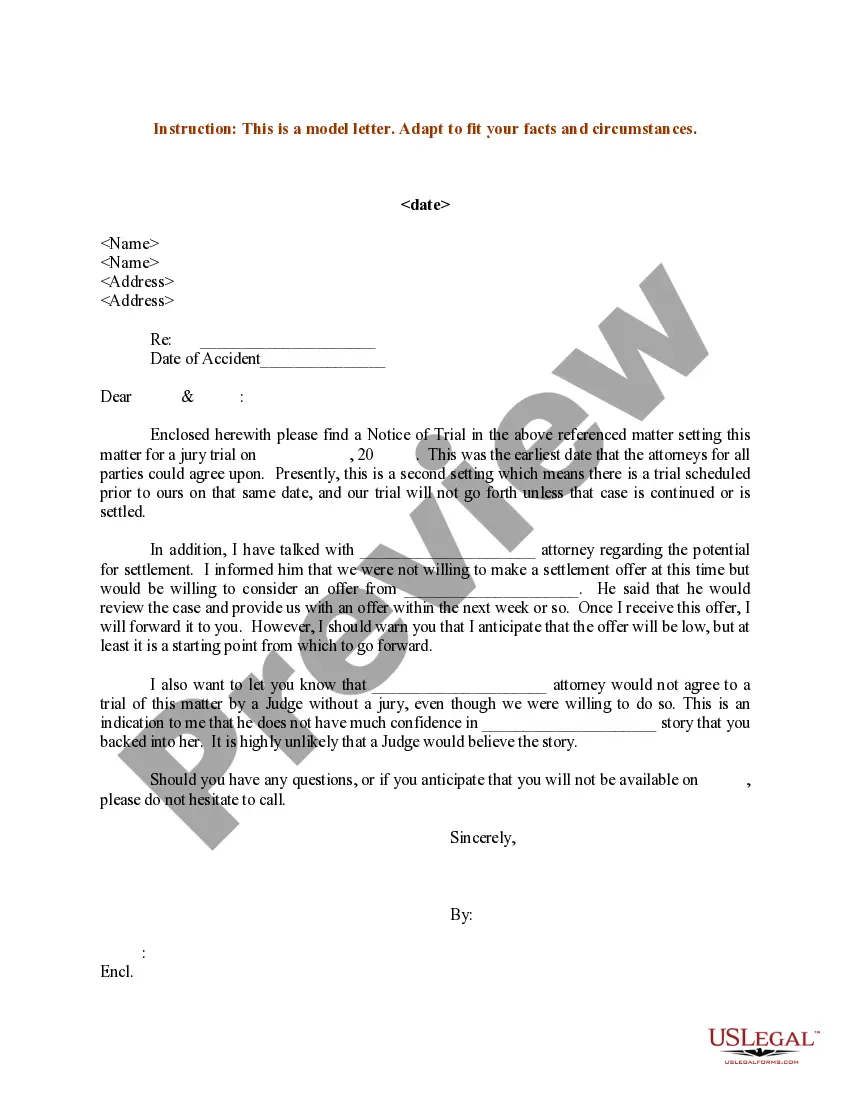
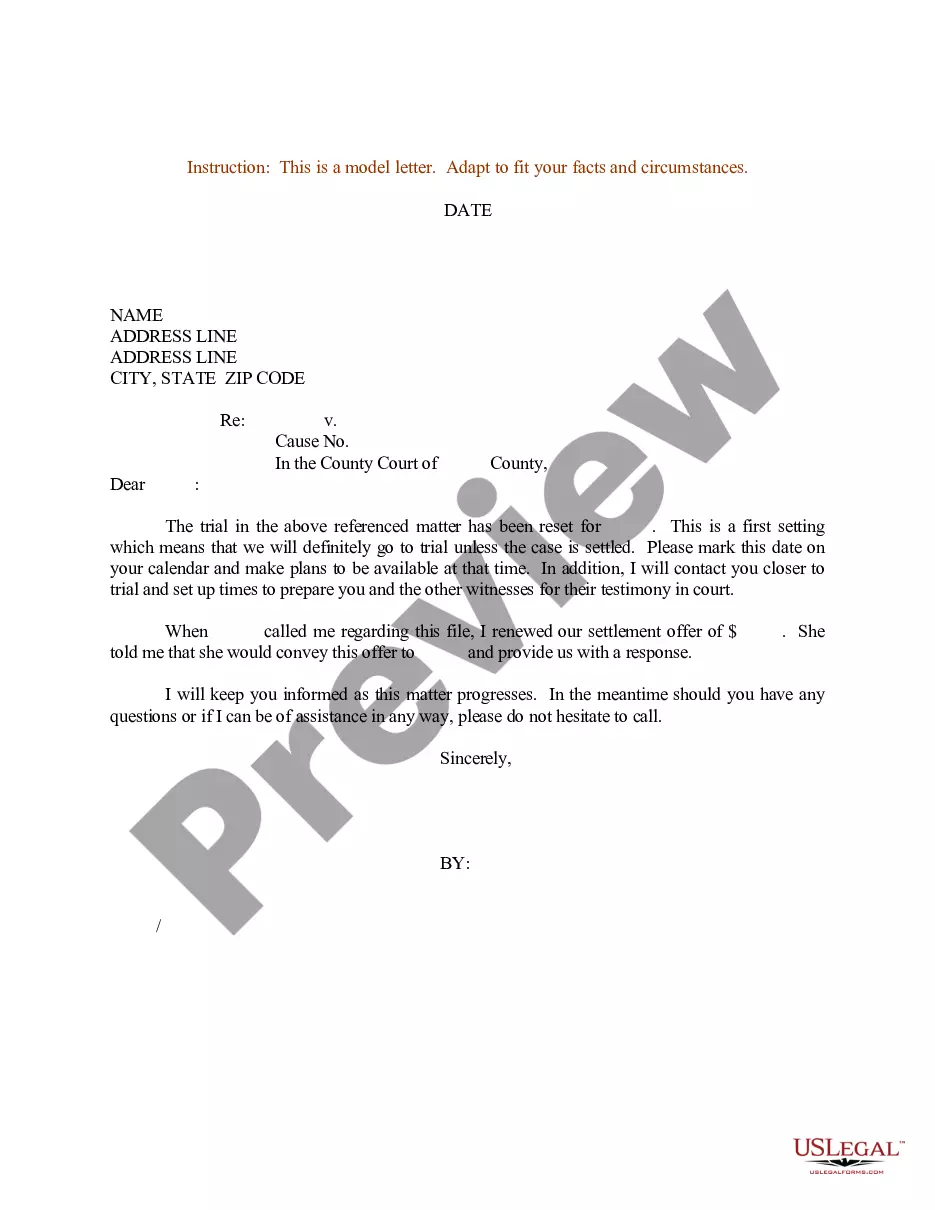
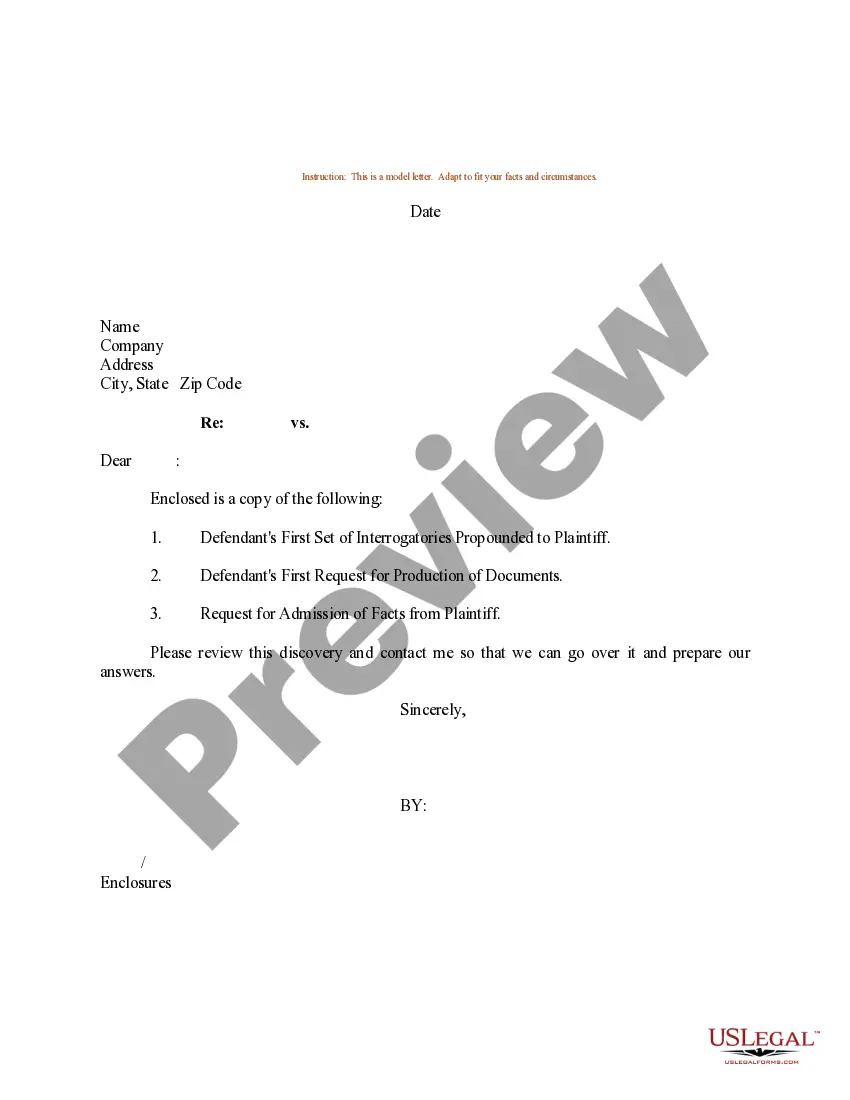
Trial Would Attorney Withdraw In Washington
Description
Get your form ready online
Our built-in tools help you complete, sign, share, and store your documents in one place.
Make edits, fill in missing information, and update formatting in US Legal Forms—just like you would in MS Word.
Download a copy, print it, send it by email, or mail it via USPS—whatever works best for your next step.
Sign and collect signatures with our SignNow integration. Send to multiple recipients, set reminders, and more. Go Premium to unlock E-Sign.
If this form requires notarization, complete it online through a secure video call—no need to meet a notary in person or wait for an appointment.
We protect your documents and personal data by following strict security and privacy standards.

Make edits, fill in missing information, and update formatting in US Legal Forms—just like you would in MS Word.

Download a copy, print it, send it by email, or mail it via USPS—whatever works best for your next step.

Sign and collect signatures with our SignNow integration. Send to multiple recipients, set reminders, and more. Go Premium to unlock E-Sign.

If this form requires notarization, complete it online through a secure video call—no need to meet a notary in person or wait for an appointment.

We protect your documents and personal data by following strict security and privacy standards.
Looking for another form?










Form popularity
FAQ
Signing Pleadings, Motions, and Other Papers; Representations to the Court; Sanctions. (a) Signature. Every pleading, written motion, and other paper must be signed by at least one attorney of record in the attorney's name—or by a party personally if the party is unrepresented.
The Federal Circuit stated: Rule 11 expressly requires that an attorney presenting a pleading, motion, or other paper before the court certify that he has performed "an inquiry reasonable under the circumstances" such that he can verify that (1) "it is not being presented for any improper purpose, such as to harass, ...
The attorney may also seek to withdraw. This is to protect both the attorneys. And the client'sMoreThe attorney may also seek to withdraw. This is to protect both the attorneys. And the client's interests as continued representation under such conditions could be detrimental to the case. One.
With the consent of the court and the government, a defendant may enter a conditional plea of guilty or nolo contendere, reserving in writing the right to have an appellate court review an adverse determination of a specified pretrial motion. A defendant who prevails on appeal may then withdraw the plea.
Every pleading, written motion, and other paper must be signed by at least one attorney of record in the attorney's name – or by a party personally if the party is unrepresented.
If a pleading, motion, or legal memorandum is not signed, it shall be stricken unless it is signed promptly after the omission is called to the attention of the pleader or movant.
The attorney shall file and serve a Notice of Intent To Withdraw on all other parties in the proceeding. The notice shall specify a date when the attorney intends to withdraw, which date shall be at least 10 days after the service of the Notice of Intent To Withdraw.
If your attorney's withdrawal is granted, you will need to seek new legal representation immediately. If you are facing a criminal case, it is critical to have a lawyer by your side as soon as possible.
At the end of a plea of guilty hearing, the judge will tell you your appeal rights. Before you can appeal, you must first file a Motion to Withdraw the Plea before the trial judge. It must be filed within 30 days of the plea, and assert sound legal reasons for the withdrawal.
A motion to vacate specifically asks a judge to cancel something. If a judge or jury convicted you of a crime — or you pleaded guilty — then a motion to vacate might ask the judge to cancel the conviction. For a successful motion to vacate, you must have a precise reason based on California law.